Red Base Tetra: Hemigrammus stictus
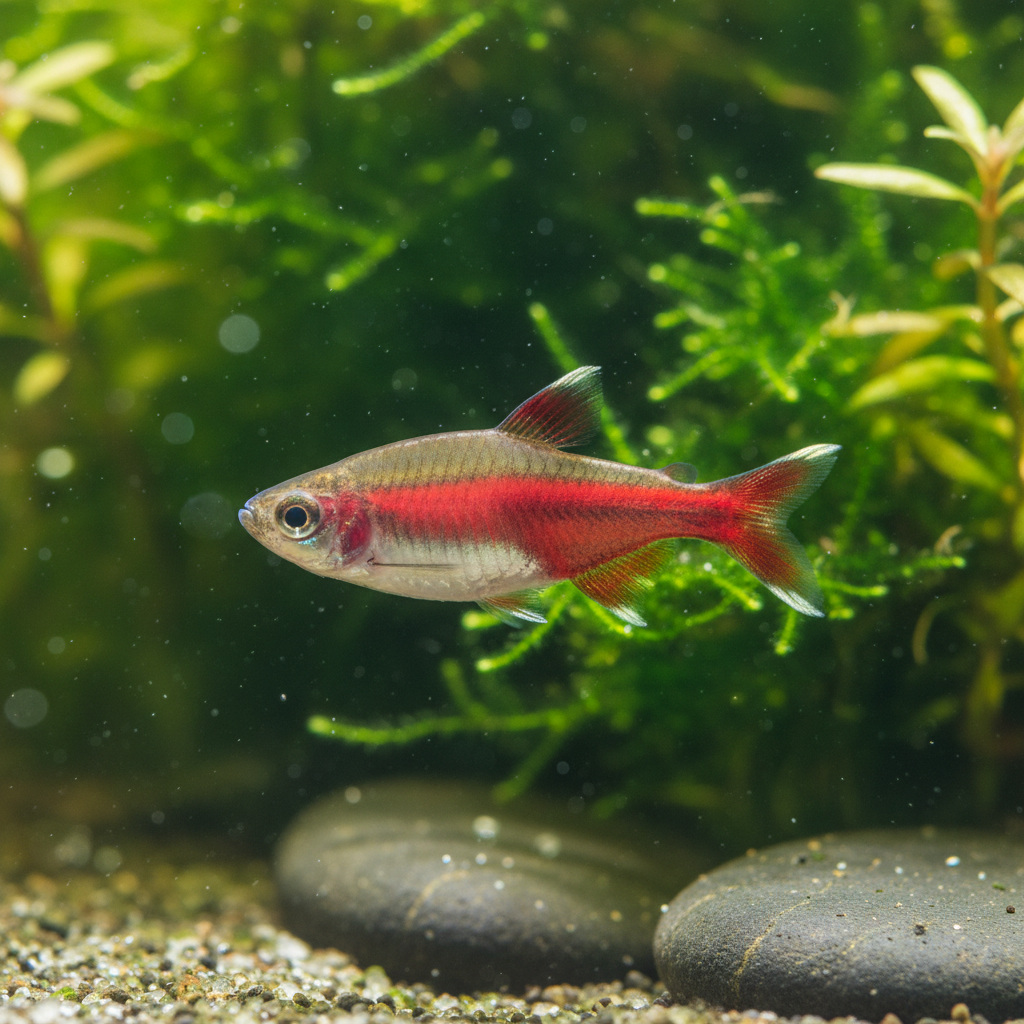
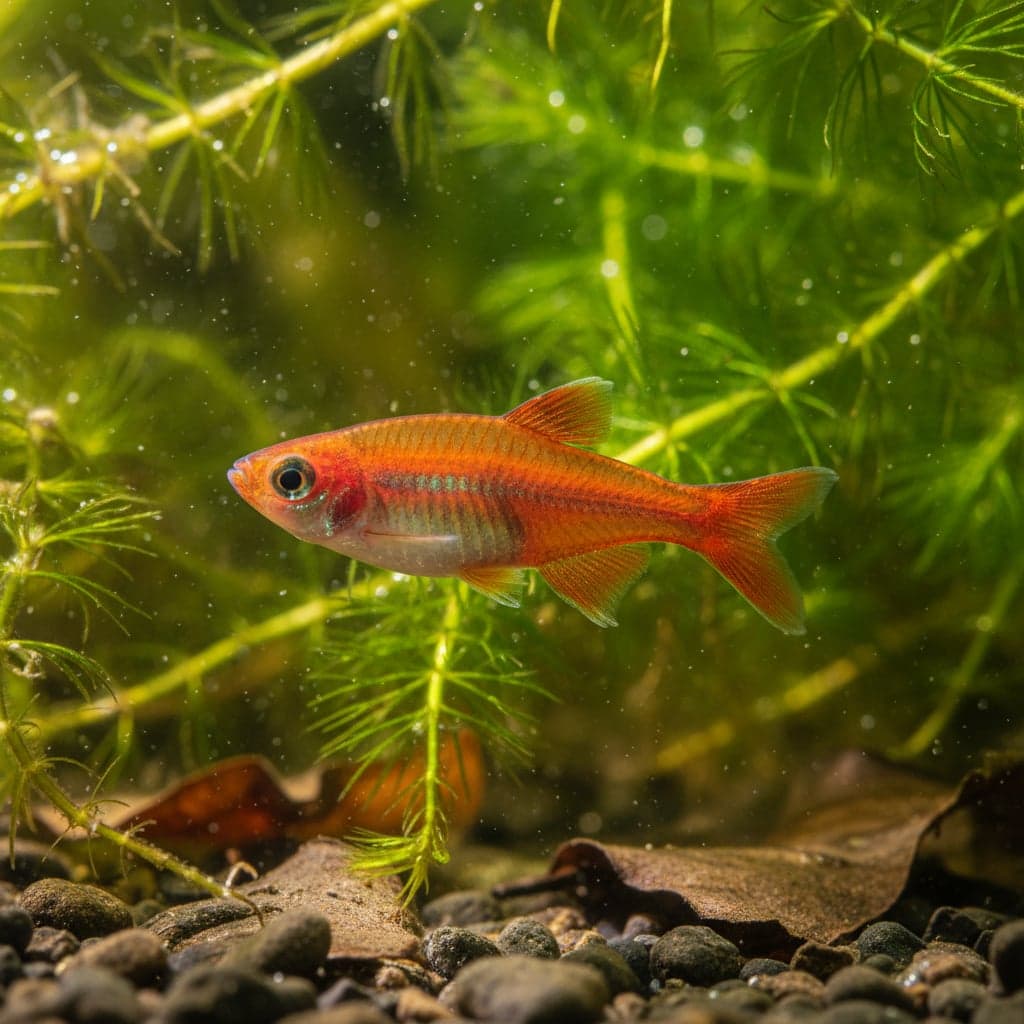
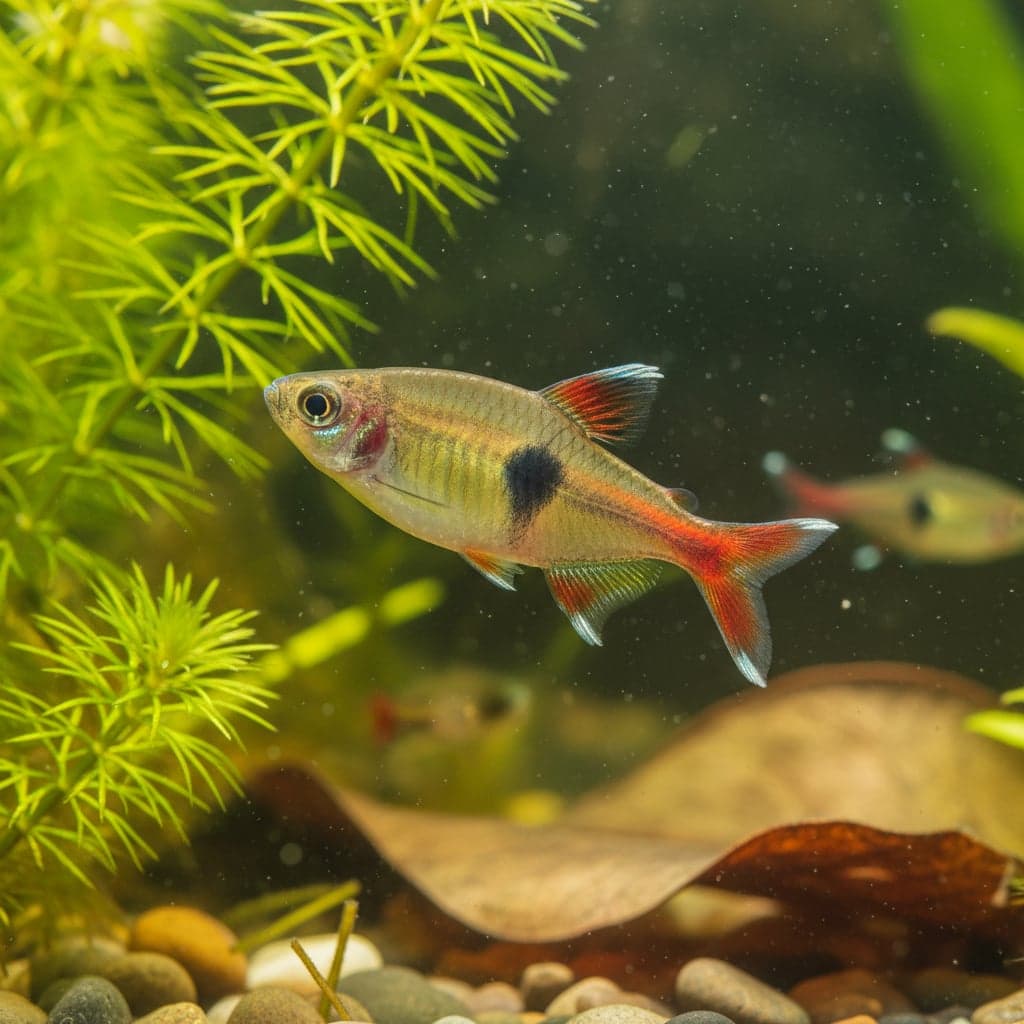
A brilliant, deeply colored South American schooling fish featuring a stark red slash against the base of its tail.

Red Base Tetra
The Red Base Tetra, scientifically known as Hemigrammus stictus, is a captivating freshwater fish that has garnered a dedicated following among aquarium enthusiasts. Hailing from the tributaries of the Amazon River Basin, this species is revered for its striking visual appeal, particularly its vibrant red coloration that accentuates the striking contrast with its silver body. The Red Base Tetra typically showcases a subtle, reflective sheen, but it is the bold patches of red around the base of its dorsal fin that make it stand out in any community tank. Measuring around 2 inches in length when fully grown, this attractive fish adds both color and dynamism to aquascapes, making it a desirable addition for any aquarist.
In addition to its aesthetic qualities, the Red Base Tetra plays an important role in freshwater ecosystems and serves as an excellent entry point for novice fishkeepers in the aquarium hobby. Their peaceful nature and tendency to form schools make them an ideal candidate for community tanks, encouraging a more vibrant and interactive environment. As an intelligent and active swimmer, they often engage in interesting behaviors that can enrich the viewing experience for aquarists. Overall, the Red Base Tetra is not only visually stunning but also culturally significant, as its popularity helps promote the conservation of its natural habitats.
Natural Habitat & Origin
The Red Base Tetra is native to the lush waterways of the Amazon River Basin, particularly in areas such as Brazil and Peru. These fish are typically found in slow-moving streams and blackwater environments that are characterized by their low pH, high acidity, and soft water. The presence of decaying organic matter and tannins from fallen leaves contributes to the darker coloration of their habitats, influencing the fish's natural coloration and behavior. These environmental factors not only provide shelter from predators but also serve as a rich source of food in the form of small invertebrates and detritus.
Living in such environments has uniquely adapted the Red Base Tetra to thrive under specific conditions. They prefer well-planted tanks that mimic their natural surroundings, providing plenty of hiding spots and surfaces for grazing. Understanding their natural habitat can help aquarists better replicate the necessary conditions to promote the health and well-being of these beautiful fish.
Care Requirements
To ensure the Red Base Tetra thrives in captivity, specific water parameters should be maintained. They require a pH range of 5.5 to 7.0, with a temperature held between 72°F and 82°F (22°C to 28°C). The hardness of the water is typically soft, ranging from 2 to 10 dH. These parameters are essential to replicate the fish's natural habitat, which influences their overall health and behavior.
For tank setup, a minimum aquarium size of 10 gallons is recommended, allowing room for them to swim and explore. The substrate should be fine and dark to mimic their natural environment, while aquarium lighting should be subdued to reduce stress. Live plants such as Java fern, Amazon sword, and floating plants are excellent additions, as they provide cover and create a more natural feel. Furthermore, incorporating driftwood and leaf litter can elevate the aesthetic appeal while serving as hiding places, both of which are crucial for these skittish fish.
Diet & Feeding
The Red Base Tetra is an omnivorous species and thrives on a varied diet that mimics their natural foraging behavior. In captivity, they can be fed high-quality flake or pellet foods designed for tropical fish, which should be supplemented with a diverse range of live or frozen foods, such as brine shrimp, daphnia, and blood worms. Offering a mix of foods not only enhances their coloration but also supports their overall health and vitality.
Due to their smaller mouth size, it's essential to ensure that food particles are appropriately sized, allowing for easy consumption. Moreover, incorporating vegetables such as blanched spinach or zucchini can help provide necessary nutrients. Regular feeding should occur two to three times per day in amounts that can be consumed within a few minutes to avoid overfeeding and maintain water quality.
Behavior & Temperament
The Red Base Tetra is inherently a peaceful and sociable fish. They demonstrate strong schooling behavior, feeling safest when kept in groups of six or more. This schooling behavior not only promotes their confidence but also encourages active swimming patterns throughout the tank. Under stress or when they feel threatened, they may retreat to the cover of plants or driftwood, making ample hiding places essential in their aquarium setup.
In terms of aggression, the Red Base Tetra is generally non-aggressive, making them an excellent choice for community tanks. They usually occupy the middle layer of the tank, often schooling in mid-water or near the surface. Their interactive nature can lead to playful displays, making them a delight to observe.
Tank Mates
When selecting tank mates for the Red Base Tetra, it's essential to choose peaceful species that share similar water parameter requirements. Compatible tank mates include other small tetras, rasboras, danios, and peaceful dwarf cichlids like Apistogramma species. Corydoras catfish also make excellent companions as they fulfill the lower tank layer while promoting overall tank dynamics.
However, it's crucial to avoid larger or more aggressive species that may intimidate or even prey upon the Red Base Tetra. Fish like bettas, larger barbs, or cichlids can pose threats to their safety. As with any community tank, closely monitoring the behavior and interactions of all inhabitants helps maintain a harmonious environment.
Breeding
Breeding Red Base Tetras in captivity requires specific conditions to encourage spawning. Ideally, a separate breeding tank equipped with gentle filtration, dense planting, and a spawning mop or fine-leaved vegetation is recommended. The optimal water parameters for breeding include slightly acidic pH levels (around 6.0) and a temperature range of 78°F to 80°F (26°C to 27°C).
During spawning, females will scatter eggs among the plants, and males often participate closely in the process. After spawning, it is advisable to remove the parents to avoid them consuming the eggs. The eggs typically hatch within 24 to 36 hours, and fry should be fed infusoria or finely crushed flakes until they are large enough to accept regular food. Observation and care during this period are crucial for successful fry development.
Common Health Issues
While the Red Base Tetra is generally hardy, they may become susceptible to certain health issues, particularly if not maintained within proper environmental conditions. Common ailments include Ich, fin rot, and velvet disease. Symptoms of these diseases can often be identified through behavioral changes, such as scratching against objects, frayed fins, or changes in coloration.
To prevent such health issues, it's essential to maintain stable water quality, perform regular water changes, and quarantine new arrivals before introducing them to the main tank. Providing a varied diet and ensuring a stress-free environment will also significantly contribute to their overall health and resilience against diseases.