Red-Blue Peru Tetra: Hyphessobrycon margitae
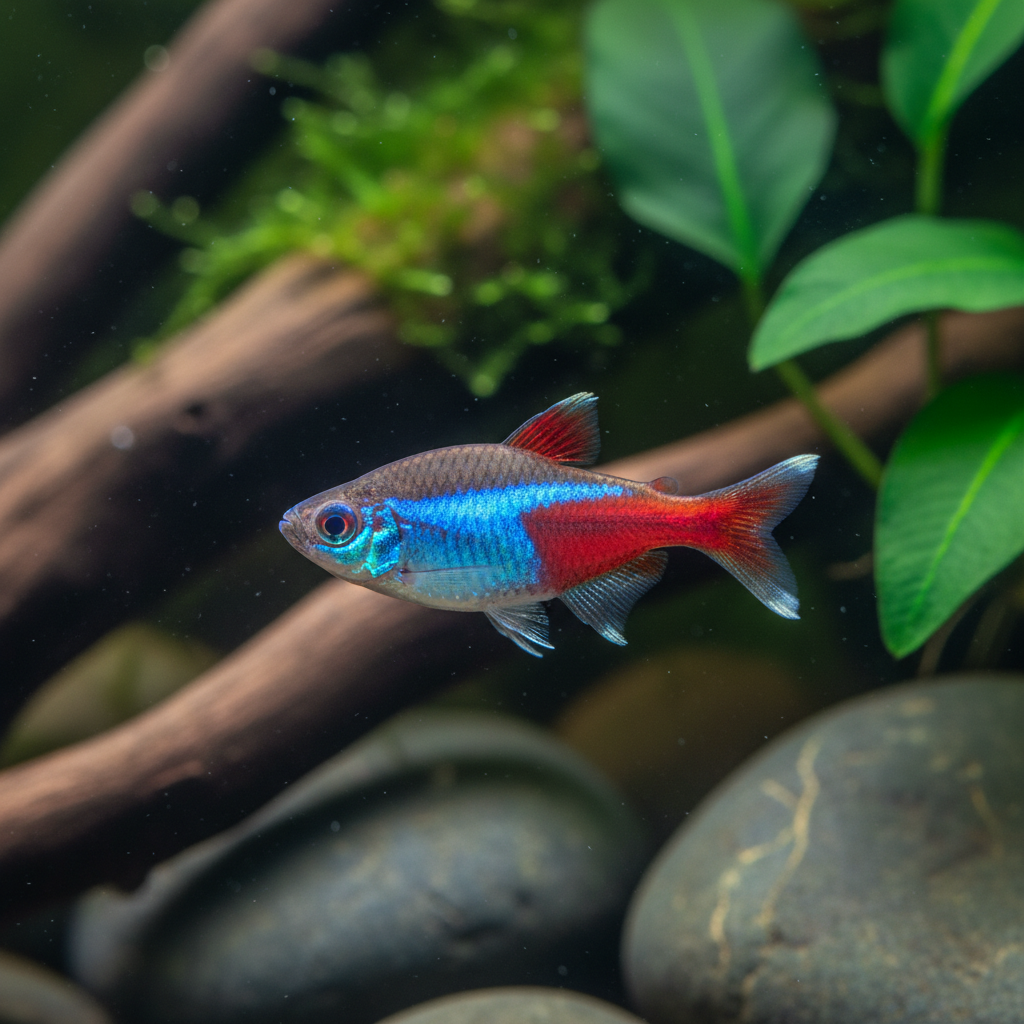
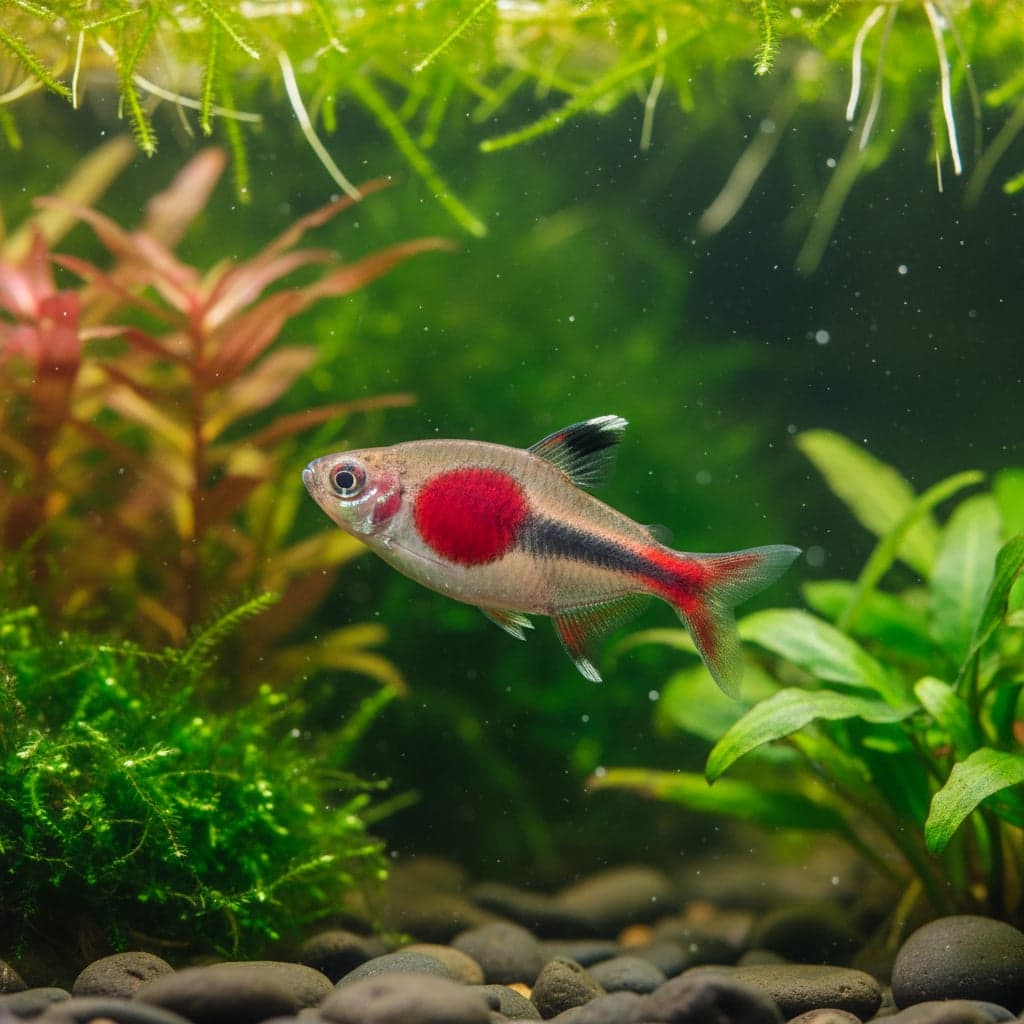
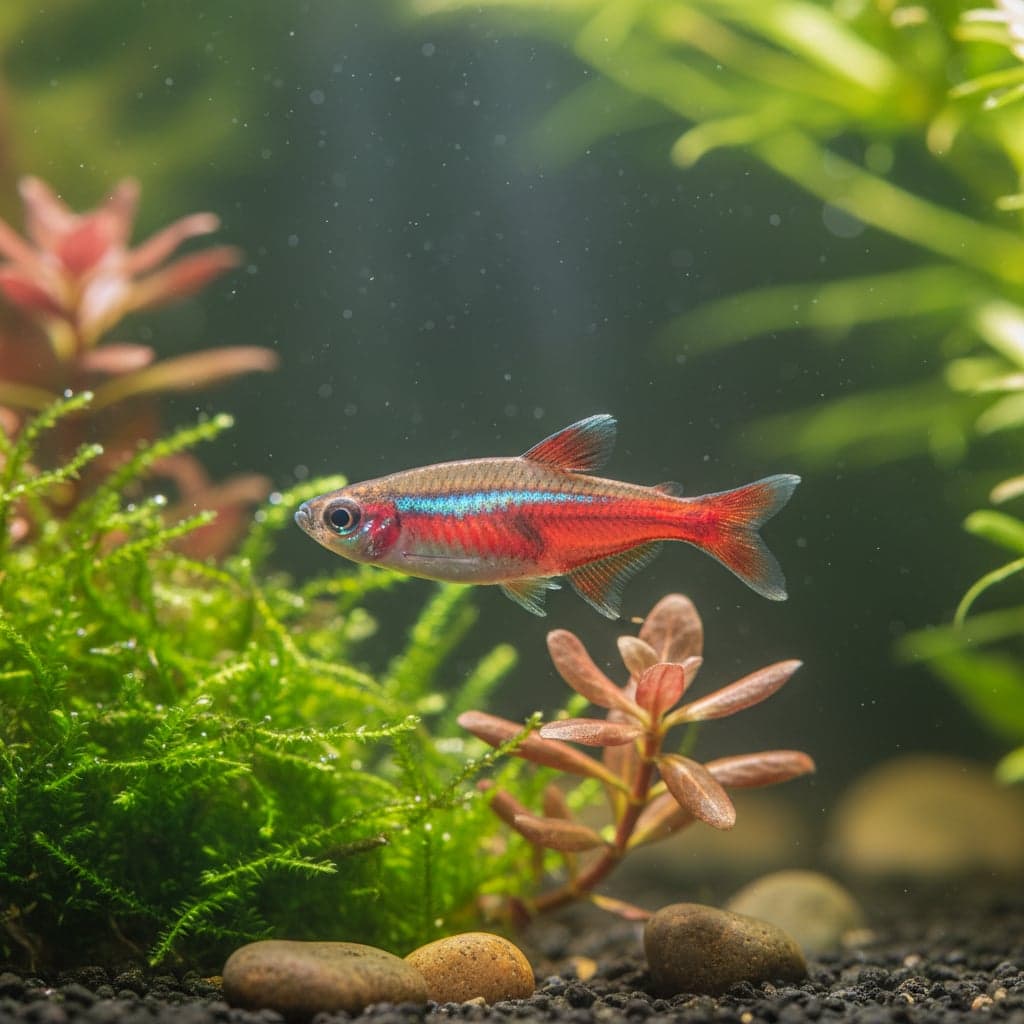
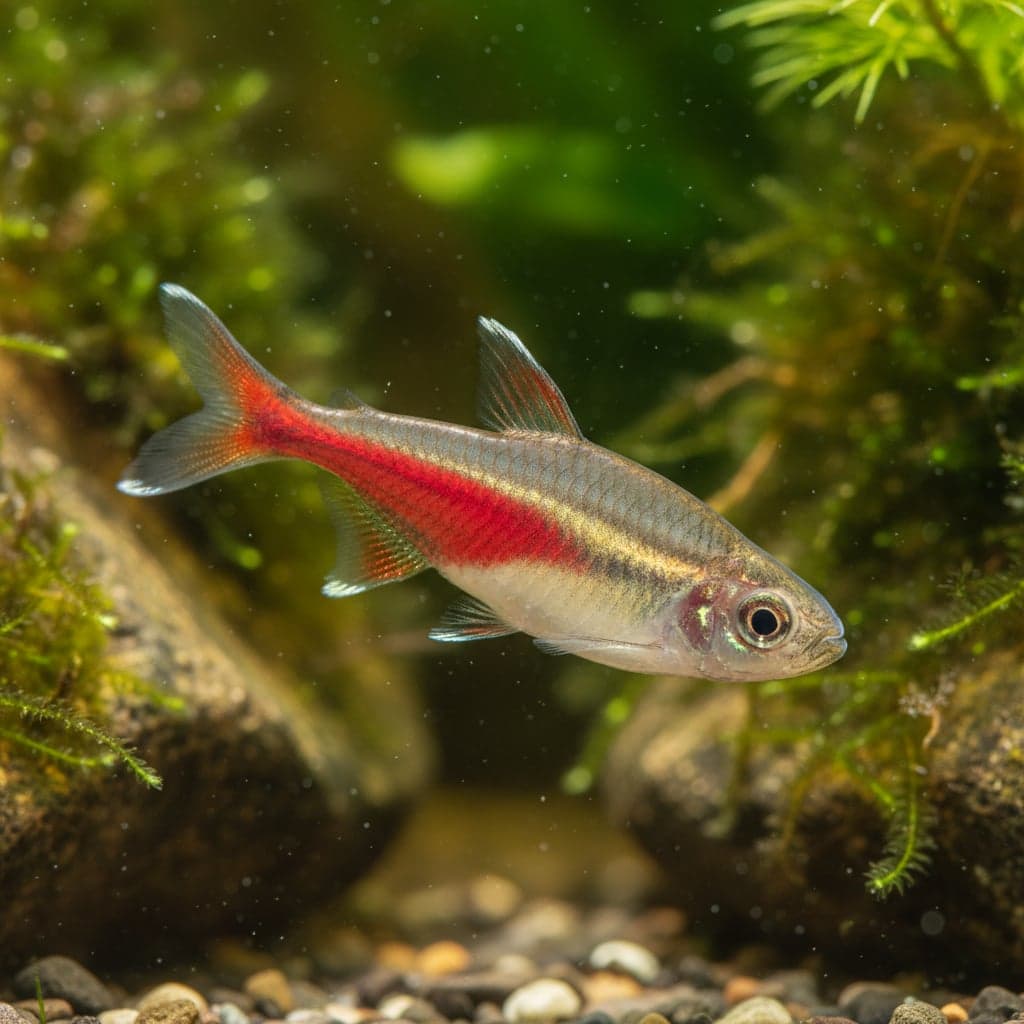
An incredibly rare, brilliantly colored, deep-bodied tetra displaying neon blue markings contrasting with crimson red.
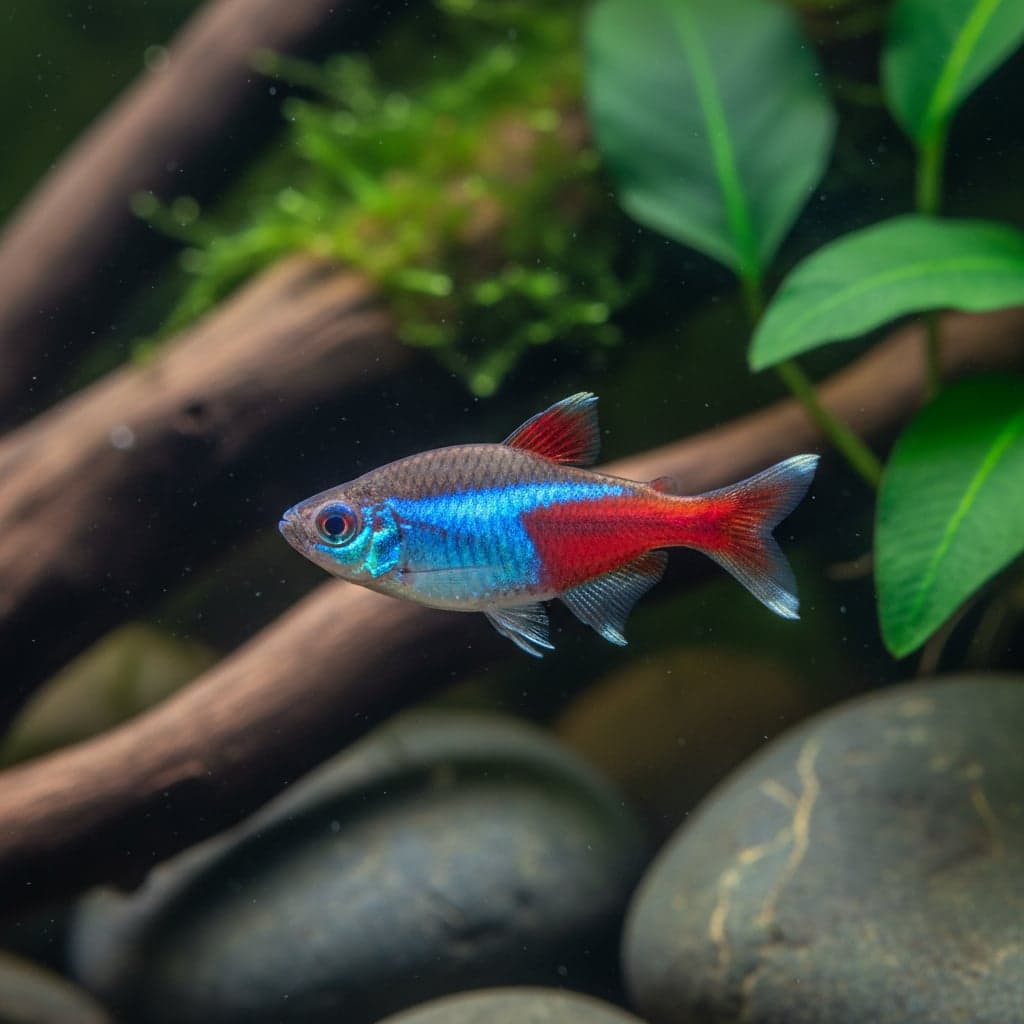
Red-Blue Peru Tetra
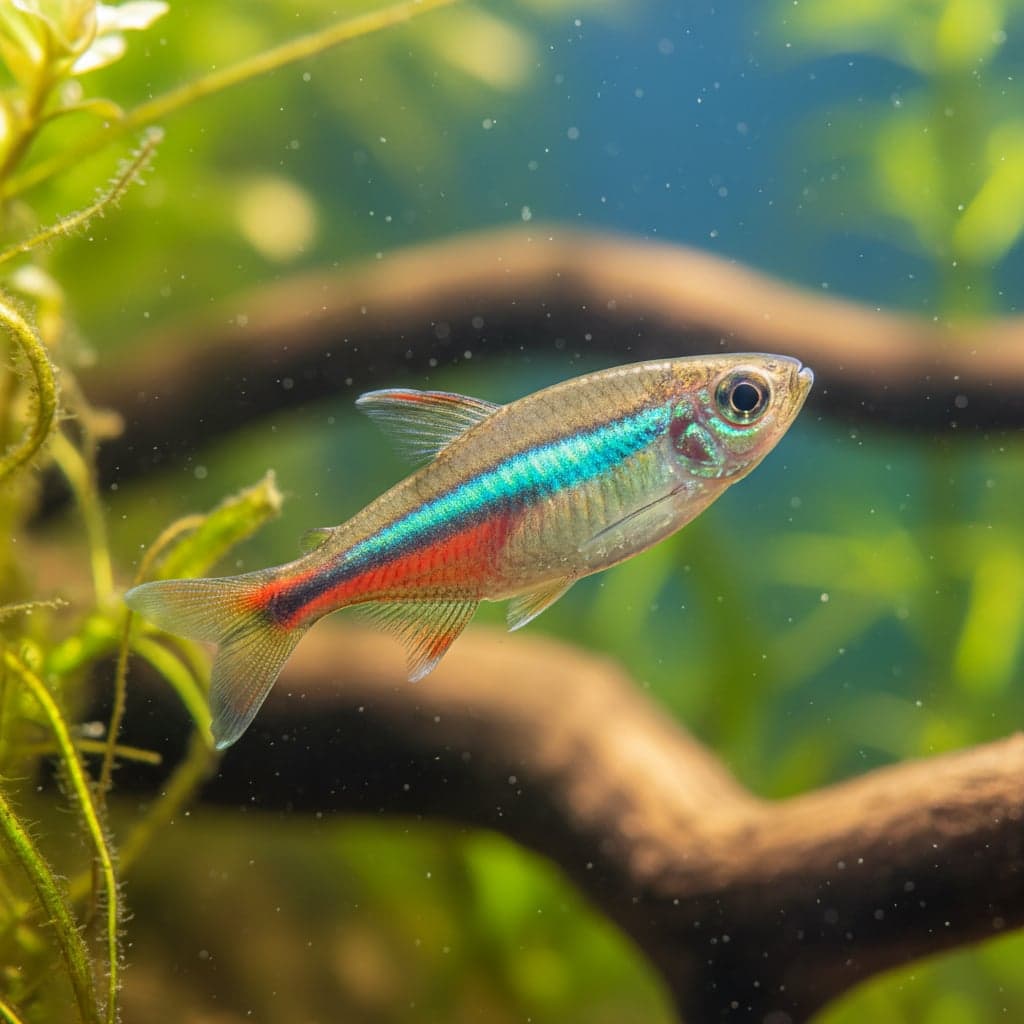
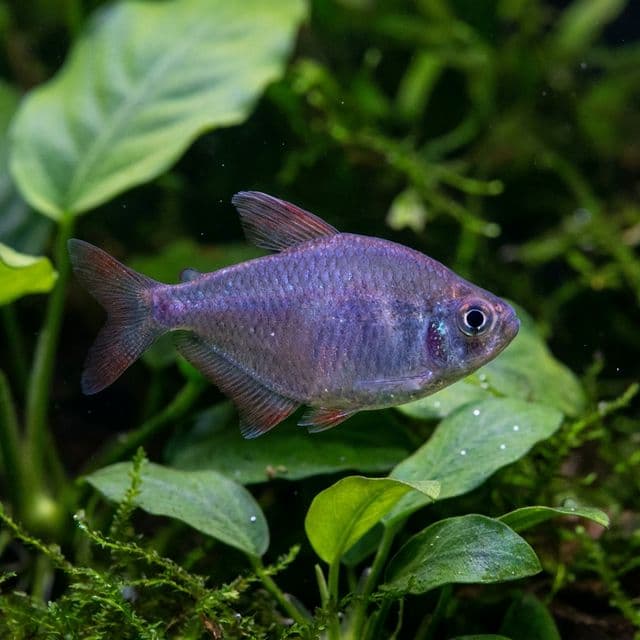
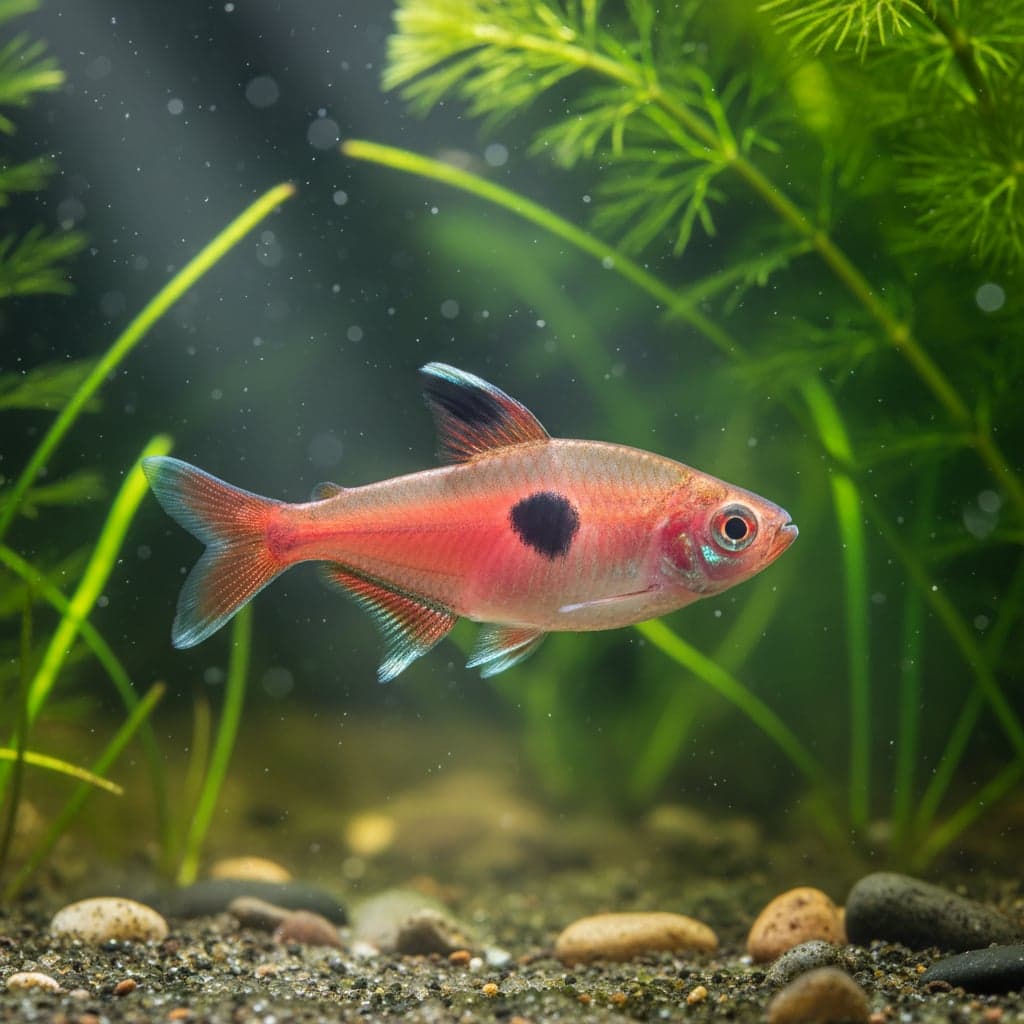
The Red-Blue Peru Tetra, scientifically known as Hyphessobrycon margitae, is a strikingly beautiful freshwater fish that has captivated aquarists since its introduction into the aquarium trade. With its vibrant blue and red coloration, the species displays a dazzling array of hues that creates a mesmerizing visual appeal in aquatic settings. Their iridescent bodies are adorned with shimmering shades that can vary slightly depending on the quality of water and the conditions of their environment, making them a favorite for community tanks. Beyond their aesthetic charm, these fish play a significant role in the aquarium hobby due to their hardiness and easy care requirements, making them an excellent choice for both novice and experienced aquarists alike.
In the aquarium community, the Red-Blue Peru Tetra is often praised not only for its vivid colors but also for its lively and engaging behavior. These small and slender fish typically reach about two inches in length, allowing them to be housed comfortably in various tank sizes. Their sociable nature and schooling habits promote a vibrant aquatic display, as they are best kept in groups where they can exhibit their natural schooling tendencies. As a species derived from the Amazon Basin, the Red-Blue Peru Tetra not only adds a splash of color to aquariums but also helps in educating tank owners about the importance of preserving natural ecosystems.
Natural Habitat & Origin
The Red-Blue Peru Tetra originates from the clear, slow-moving waters of the Amazon Basin, particularly from regions within Peru. These fish inhabit blackwater streams and flooded forests, where the water is often stained with tannins from decaying vegetation. The natural environment of the Red-Blue Peru Tetra is characterized by rich biodiversity, featuring dense aquatic plant growth and driftwood structures that provide shelter and breeding sites. Consequently, recreating a similar environment in a home aquarium is essential for their well-being and vitality.
The water in their natural habitat typically exhibits a low pH range of 5.5 to 7.0, with soft to moderately hard water hardness. This specific set of conditions, combined with a warm temperature averaging between 75°F to 82°F (24°C to 28°C), enables the Red-Blue Peru Tetra to thrive. Understanding these parameters is crucial for aquarium caretakers to ensure that their fish can express natural behaviors and maintain optimal health.
Care Requirements
When caring for Red-Blue Peru Tetras, it’s important to maintain specific water parameters to replicate their natural environment. Ideal pH levels should be kept between 6.0 and 7.0, while the temperature should remain stable between 75°F and 82°F (24°C - 28°C). The water hardness should ideally be soft to moderately hard, around 2 to 15 dGH. Regular water changes and quality checking are essential to keep unhealthy spikes in ammonia and nitrate at bay.
Tank setup should provide a minimum size of 20 gallons for a small school of these tetras. A sandy substrate or fine gravel works well to mimic their natural habitat, while live plants such as Java Fern or Amazon Sword not only add beauty but serve as hiding spots and enhance water quality. Use soft, diffused lighting to simulate their dimly lit natural environment, coupled with decorations like driftwood and leaf litter to provide additional cover.
Diet & Feeding
The Red-Blue Peru Tetra is primarily an omnivore, requiring a balanced diet to thrive. In captivity, they can be offered high-quality flake food, small pellets, and a mix of freeze-dried or frozen foods such as brine shrimp, daphnia, or bloodworms. A varied diet ensures they receive essential nutrients for optimal health. Occasionally supplementing with plant-based foods, such as spirulina flakes or blanched vegetables, can also enhance their dietary nutrition and color vibrancy.
Feeding should be scheduled to provide them with 2-3 small meals daily rather than one large feeding session. This practice caters to their foraging behavior and promotes a healthier digestive system. Ensuring that leftover food is promptly removed from the aquarium will help maintain water quality while preventing overfeeding and related health issues.
Behavior & Temperament
Red-Blue Peru Tetras are known for their peaceful demeanor and active nature. They exhibit schooling behavior and should be kept in groups of at least six to promote a sense of security and reduce stress. In a well-established school, these tetras will often be seen swimming in synchronized patterns or exploring the aquarium environment together. While they are predominantly peaceful, they may display slight territoriality during breeding or in smaller tank setups.
In terms of vertical placement, Red-Blue Peru Tetras tend to occupy the mid to upper levels of the tank, where they can dart playfully among the aquascape while taking advantage of available hiding spots. Their social nature makes them ideal candidates for community tanks, as they generally coexist well with a variety of other species that share a compatible temperament.
Tank Mates
When selecting tank mates for Red-Blue Peru Tetras, it is crucial to choose compatible species that share similar water parameters and temperaments. Ideal companions include other small-bodied tetras, rasboras, and guppies, which complement their peaceful nature. Additionally, species such as Corydoras catfish and neon tetras make excellent additions to a community tank.
Conversely, it is best to avoid pairing the Red-Blue Peru Tetra with larger or aggressive fish like cichlids, barbs, or any fin-nipping species, as these could instigate stress or harm to the tetras. A balanced community setup that includes compatible species helps create a harmonious environment conducive to the health and well-being of all fish involved.
Breeding
Breeding Red-Blue Peru Tetras in captivity can be a rewarding experience, although certain conditions are necessary to promote successful spawning. To stimulate breeding, a separate breeding tank of around 10 gallons, equipped with fine-leafed aquatics where the eggs can be laid, should be provided. The water should be soft, with a pH around 6.0 to 6.5 and a slightly warmer temperature of about 78°F (26°C).
During breeding, the males will display courtship behaviors that include chasing and showing off their vibrant colors. After spawning, which typically occurs at dawn, the adults should be removed from the tank to prevent them from eating the eggs. Under optimal conditions, the eggs will hatch within 24 to 36 hours, and the fry will become free-swimming after a few days. At this stage, they can be fed infusoria or finely crushed flake food until they grow large enough to eat larger particles.
Common Health Issues
Like many aquarium fish, the Red-Blue Peru Tetra can be susceptible to several health issues if not properly cared for. They may experience fin rot, ich, or velvet disease, especially if housed in poor water conditions or stressed environments. Regular water maintenance, appropriate tank mates, and a balanced diet are essential prevention strategies for these common ailments.
Also, keeping an eye on their behavior and appearance can help recognize any health issues early. Symptoms such as changes in appetite, lethargy, or unusual spots on the skin or fins should prompt immediate action, including water testing and consulting with an aquatic veterinarian as necessary. By ensuring a clean and stable environment, you can significantly minimize the risks of health problems and keep your school looking its best.