Red Cherry Tetra: Hyphessobrycon sp.
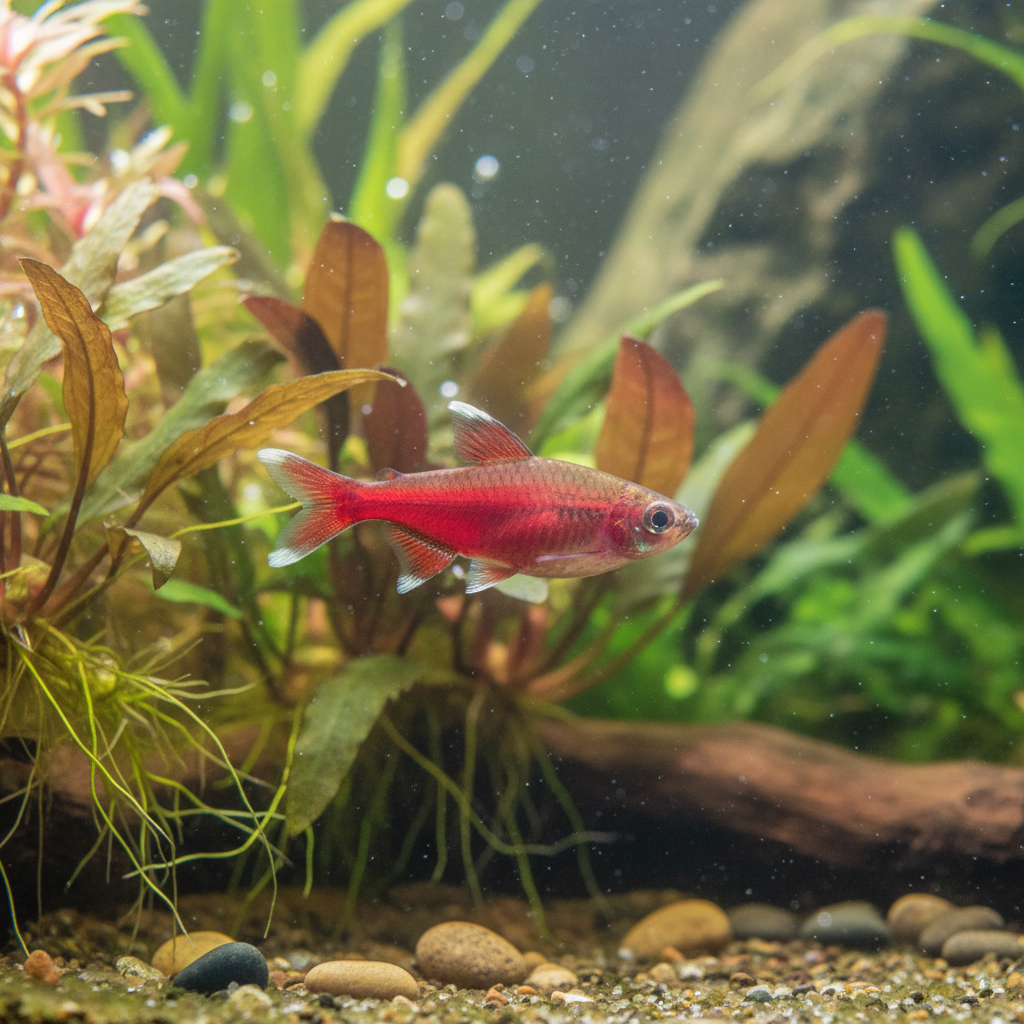
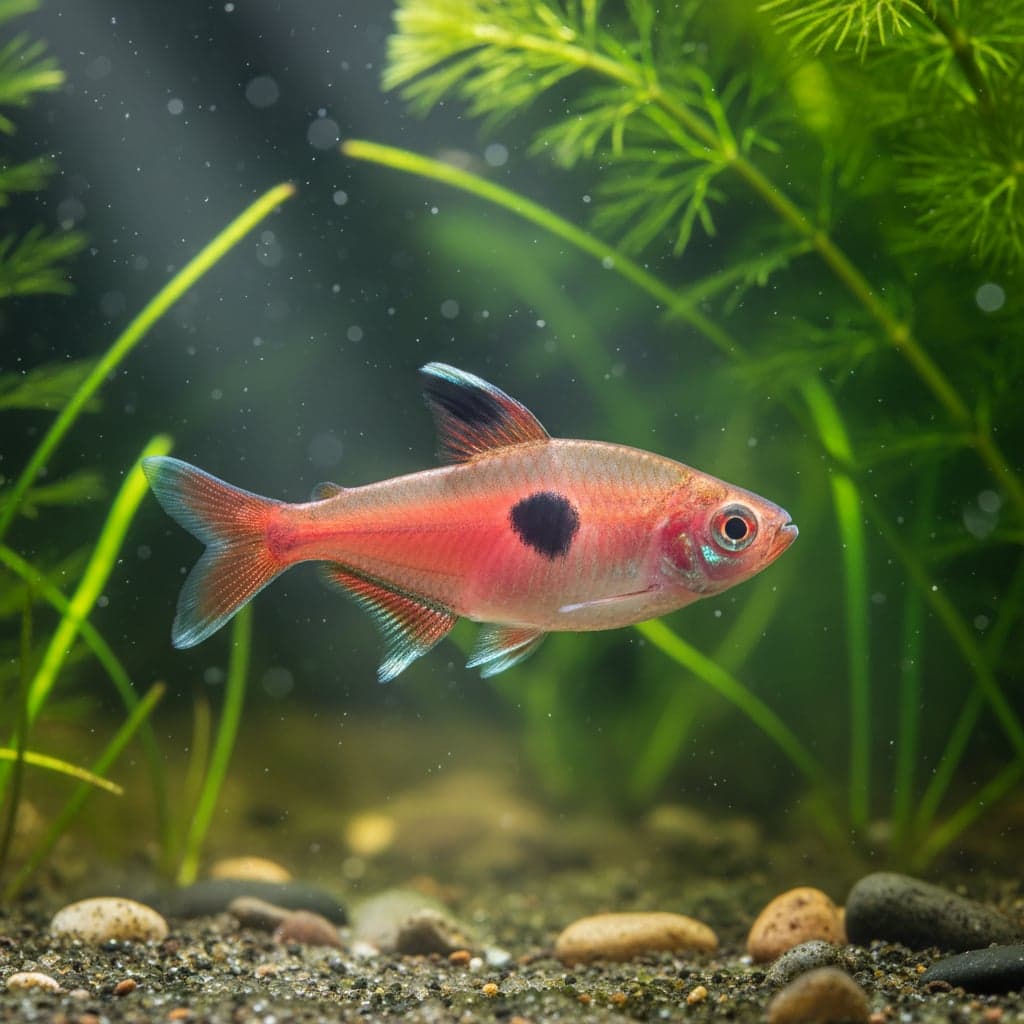
A spectacularly vivid, deep-bodied tetra that attains a solid, glowing, translucent dark-red coloration across its entire body.

Red Cherry Tetra
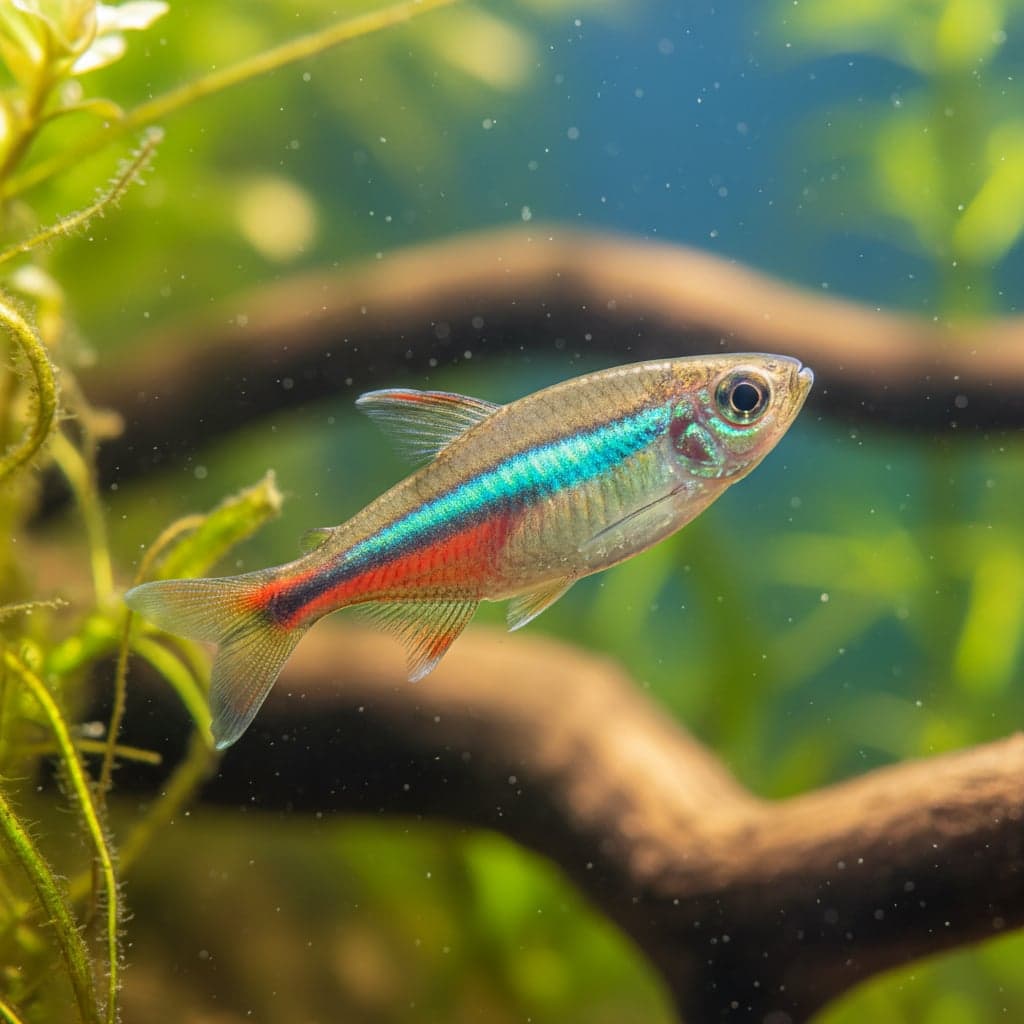
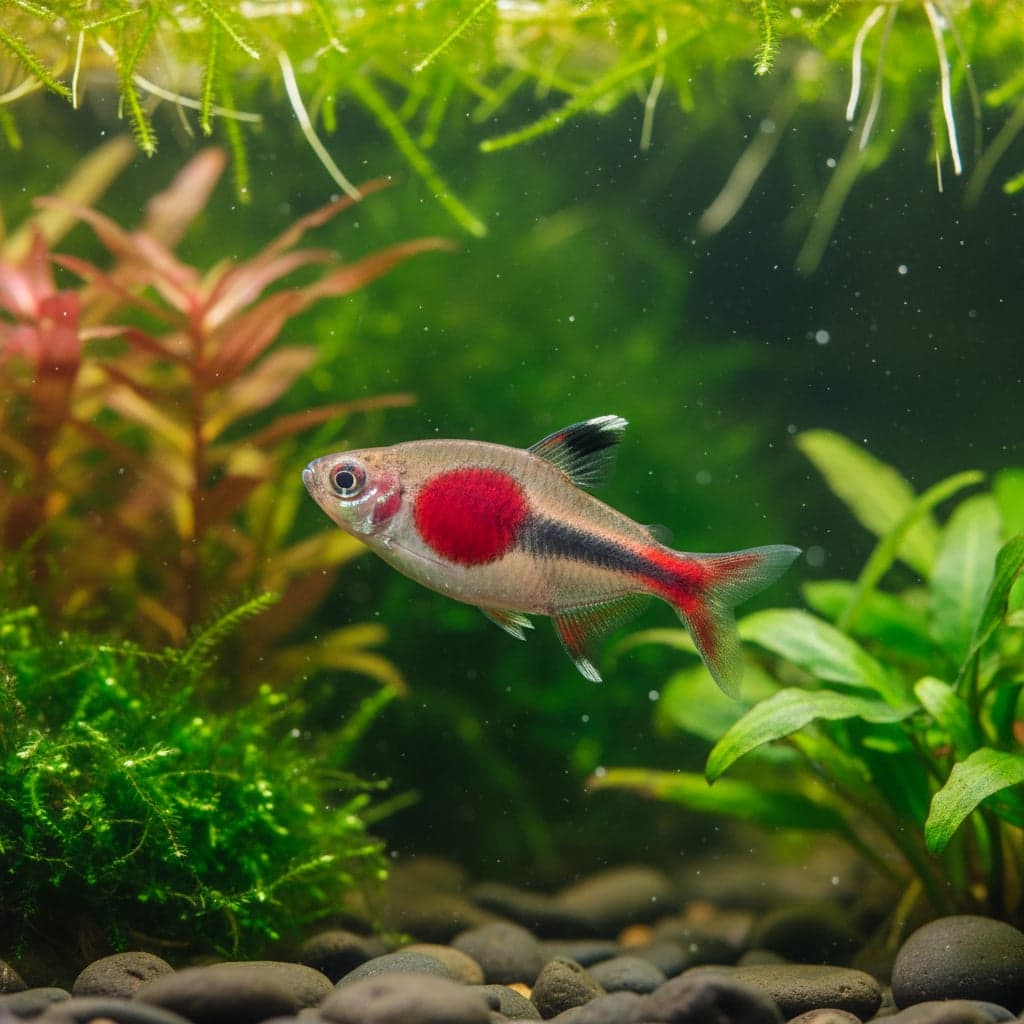
The Red Cherry Tetra, scientifically known as Hyphessobrycon sp., is a small and vibrant freshwater fish that captivates aquarists of all experience levels. This species is notable for its bright cherry-red coloration, particularly in males, which makes them a popular choice for aquariums focused on visual appeal. Furthermore, their charming presence, coupled with their active swimming behavior, adds a lively dynamic to community tanks. With a typical size range of 1 to 2 inches, the Red Cherry Tetra is an ideal candidate for smaller setups, and their bright hues can beautifully contrast with lush aquatic vegetation and other tank decor.
In addition to its aesthetic allure, the Red Cherry Tetra is significant in the aquarium hobby for its relative ease of care and sociable nature. Originating from the freshwater rivers of South America, this fish is not only a staple in many home aquariums but also a symbol of a thriving, well-maintained aquatic ecosystem. They thrive in social environments, often schooling with their own kind, which contributes to the overall viewing pleasure for aquarists and enhances the health of the fish themselves.
Natural Habitat & Origin
The Red Cherry Tetra hails from the dense, subtropical waters of the Amazon Basin in South America, specifically found in countries like Brazil and Peru. In their natural habitat, these fish inhabit slow-moving waters, including small streams and lakes, that are rich in dissolved organic matter. The water conditions in these areas are generally characterized by high acidity and low mineral content, often classified as blackwater due to the presence of decomposing plant matter and tannins that color the water. The gentle flow and heavily vegetated surrounds provide a safe haven for these fish, where they forage for food and seek cover from potential predators.
In their native environment, the Red Cherry Tetra coexists with a diverse range of other species, contributing to its adaptability in aquatic settings. The importance of replicating this blackwater environment in captivity cannot be overstated, as it greatly impacts the health and well-being of these tetras and enhances their coloration and behavior.
Care Requirements
To create a suitable habitat for the Red Cherry Tetra, specific water parameters must be maintained. The ideal pH level for these fish ranges from 6.0 to 7.5, with a temperature preference between 24°C to 28°C (75°F to 82°F). Water hardness should be kept soft to moderately hard, around 2 to 15 dGH. A well-designed aquarium should have a minimum volume of 10 gallons, although larger tanks are better for maintaining stable water conditions and providing ample swimming space.
For tank setup, a substrate of fine gravel or sand is recommended to mimic their natural environment, along with lush aquatic plants such as Java moss, Anubias, and floating vegetation to offer hiding spots and shade. Moderate to low lighting is preferable, as this closely resembles the dimly lit conditions of their blackwater habitats. Incorporating driftwood and other decor can enhance the aesthetic appeal while providing additional hiding spots, which are essential for their comfort and stress reduction.
Diet & Feeding
The Red Cherry Tetra is classified as an omnivore, thriving on a balanced diet that includes flakes, pellets, and live or frozen food options. A high-quality flake food formulated for small tropical fish can serve as a staple, ensuring they receive essential nutrients. Additionally, incorporating protein-rich foods such as micro-worms, brine shrimp, or daphnia a few times per week can enhance their color and health. It's important to avoid overfeeding; maintaining a consistent feeding schedule of small portions will prevent water quality deterioration and overeating among these active swimmers who constantly seek food.
Behavior & Temperament
Social by nature, the Red Cherry Tetra is known for its peaceful disposition, making it an excellent addition to community tanks. They exhibit schooling behavior, which provides both safety and enhances their overall wellbeing. A group of at least six individuals is recommended to allow them to display their natural behaviors and to give them a sense of security. Generally non-aggressive, these fish may display mild dominance behaviors when establishing a hierarchy within their schools, but significant aggression is uncommon.
In terms of vertical positioning, the Red Cherry Tetra typically inhabits the mid to upper layers of the aquarium, often darting through the vegetation and occasionally breaching the surface. Providing open swimming areas amidst plants ensures they have space to explore and exhibit natural behaviors.
Tank Mates
The Red Cherry Tetra cohabitates well with various species, enhancing the overall community tank experience. Compatible tank mates include other small, peaceful species like neon tetras, hatchetfish, rasboras, and dwarf cichlids. Their peaceful nature allows them to thrive alongside other non-aggressive fish. However, care should be taken to avoid larger or more aggressive species such as angelfish or larger cichlids, which may see them as food. Additionally, it is wise to steer clear of fin-nippers like tiger barbs, which could stress the Red Cherry Tetra and lead to injury.
Breeding
Breeding the Red Cherry Tetra in captivity requires adhering to specific conditions. Generally, they are egg scatterers, and spawning typically occurs in a well-planted aquarium with soft, acidic water. To encourage breeding, provide a separate breeding tank with a minimum size of 10 gallons, and raise the temperature slightly to stimulate spawning behavior. In this setup, use fine-leaved plants or spawning mops to give the fish a surface for laying eggs.
A pair of mature fish (approximately 6 months of age) should be introduced, and upon successful spawning, the adult fish should be promptly removed to prevent them from eating the eggs. The eggs will hatch within 24 to 36 hours, and the fry will become free-swimming around 5 to 7 days post-hatching. At this stage, infusoria or finely crushed flakes can be offered as their initial food.
Common Health Issues
The Red Cherry Tetra can be susceptible to several common aquarium diseases, including ich (Ichthyophthirius multifiliis), velvet, and fin rot. Maintaining optimal water quality through regular testing and partial water changes is essential in preventing infections. Additionally, providing a stress-free environment, adequate hiding spots, and a proper diet can help bolster their immune systems. Quarantining new arrivals for at least two weeks before introducing them to the main tank is a wise practice, as it helps prevent the spread of diseases. Observing these maintenance tips closely will contribute to the overall health and longevity of the Red Cherry Tetra in your aquarium.