Red-clawed Crab: Perisesarma bidens
A fascinating, brightly colored brackish crab that requires a terrestrial land area to explore and survive.
Red-clawed Crab
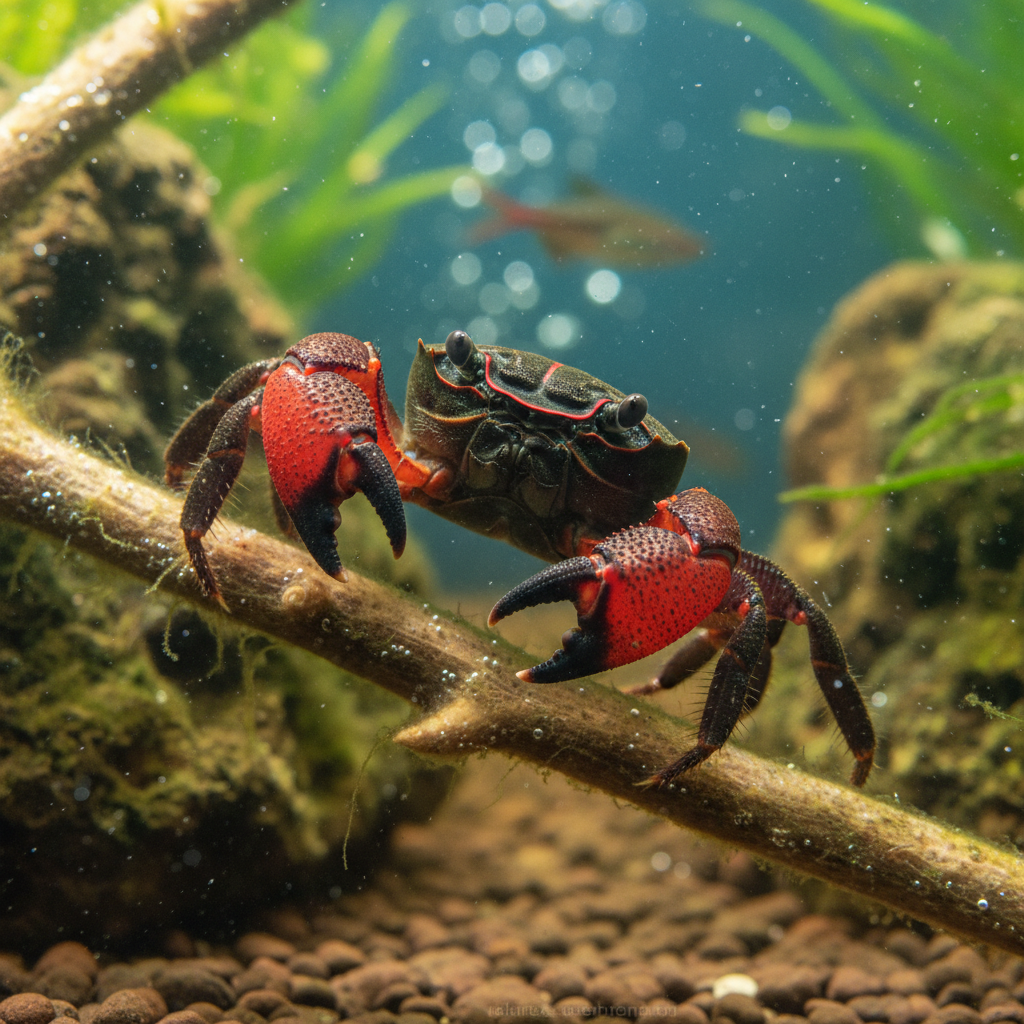
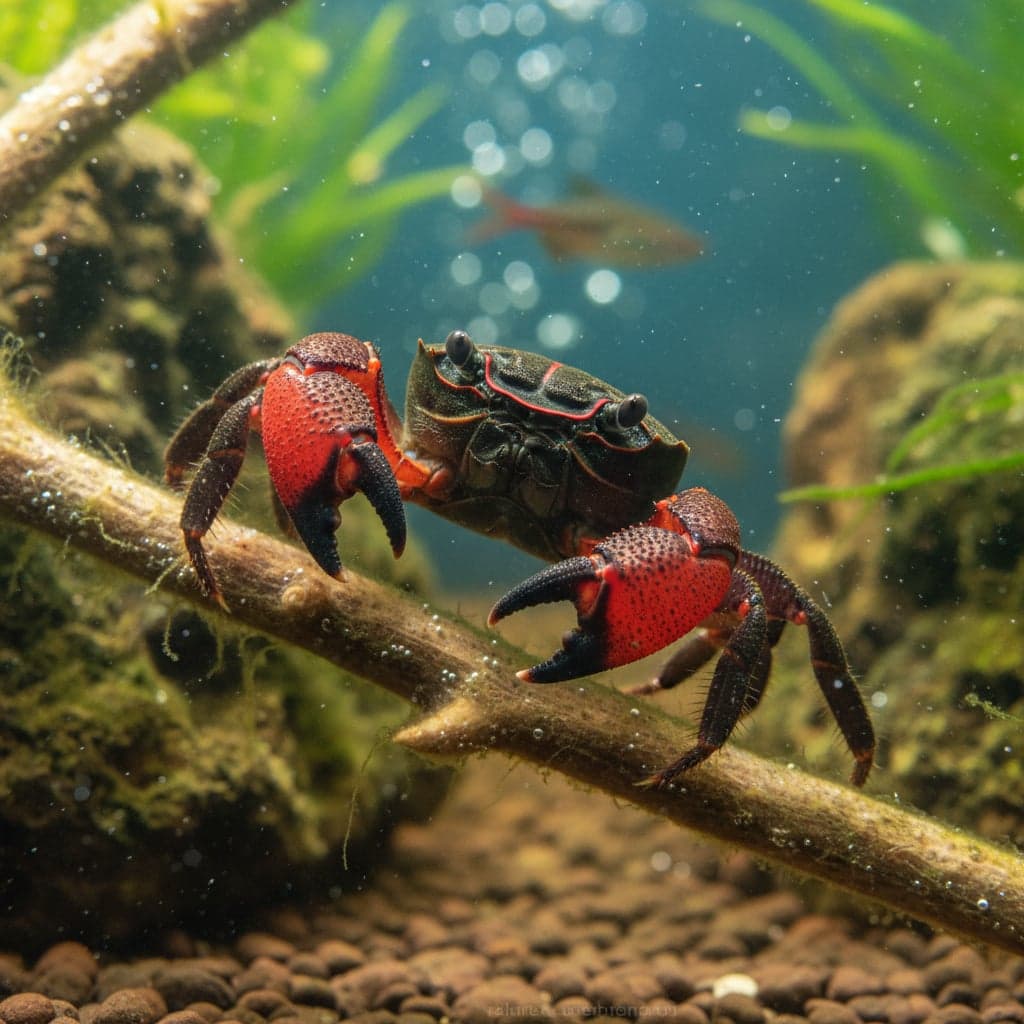
The Red-clawed Crab (Perisesarma bidens) is a captivating and vibrant addition to the freshwater aquarium hobby, known for its striking coloration and active behavior. Originating from the brackish waters of Southeast Asia, especially around mangrove forests, this species showcases a stunning palette of red and orange on its claws, which contrasts beautifully with its darker, mottled body. These crabs are not just visually appealing; they also exhibit unique behaviors that make them fascinating to observe, engaging in climbing, foraging, and even territorial displays. Their lively disposition and distinct personality traits enhance the allure of keeping them in a well-maintained aquarium.
In the aquarium hobby, the Red-clawed Crab holds significant importance for those looking for a lively and interesting species that can thrive alongside a variety of other aquatic life. The crab's captivating movements and interactions can provide a rich viewing experience, making it a favorite among aquarists aiming to create a dynamic ecosystem. Moreover, it plays a role in the overall health of the aquarium by scavenging leftover food and detritus, contributing to the cleanliness of the tank. However, potential owners should be aware of their care needs and compatibility with other species in order to ensure a thriving environment.
Natural Habitat & Origin
The Red-clawed Crab hails from coastal regions of Southeast Asia, particularly found in countries like Thailand, Vietnam, and Malaysia. It is commonly discovered in brackish waters, where freshwater rivers meet the ocean. This species has adapted well to a variety of habitats, including mangroves, estuaries, and tidal flats, where it can find shelter among mangrove roots and dense vegetation. The natural environment of the Red-clawed Crab is characterized by soft, rich substrate and a diverse assortment of plant life, which provides both grazing material and protective cover from predators.
In the wild, the crabs inhabit areas with moderate salinity, where the water can range from slightly acidic to neutral pH levels. The habitat is typically dimly lit, which mimics the conditions they require in captivity. Understanding the natural habitat of the Red-clawed Crab is essential for recreating an appropriate aquarium setting that meets its specific environmental needs.
Care Requirements
To thrive in captivity, the Red-clawed Crab requires specific water parameters and a carefully designed tank setup. Ideal water conditions include a pH of 6.5 to 7.5, a temperature range of 24 to 28 degrees Celsius (75 to 82 degrees Fahrenheit), and moderate hardness of 5 to 15 dGH. Maintaining these parameters is crucial, as fluctuations can lead to stress and potential health issues.
When it comes to tank setup, a minimum size of 20 gallons is recommended to provide ample swimming space and territories for the crabs. The substrate should consist of fine sand or gravel to mimic their natural habitat, along with hiding spots created from rockwork, driftwood, or dense aquatic plants. Lighting should be moderate to low, as brighter lights could stress the crabs. Plants such as Java Fern, Anubias, and other hardy aquatic flora will not only beautify the tank but also offer essential refuge for the Red-clawed Crabs.
Diet & Feeding
The Red-clawed Crab is an omnivore, possessing a diverse diet that includes both plant and animal matter. In the wild, they forage for algae, detritus, and small invertebrates, making it crucial to replicate this varied diet in captivity. It is recommended to provide high-quality crab pellets, flake foods, and frozen options such as bloodworms or brine shrimp to ensure a well-rounded nutritional intake. Additionally, offering fresh vegetables like blanched zucchini, spinach, and carrots is beneficial for their digestive health.
Feeding should take place once or twice daily, with only as much food as the crabs can consume within a few minutes. Overfeeding can result in poor water quality, so careful monitoring is essential. Supplementing their diet with occasional live foods can also encourage natural foraging behavior and enhance their overall vitality.
Behavior & Temperament
The Red-clawed Crab exhibits an engaging mix of behaviors that can keep aquarists entertained. Generally, these crabs are considered semi-aggressive, especially when competing for territory or during feeding times. They tend to be more active during dawn and dusk, exploring their environment and establishing hierarchies among themselves. Unlike many fish species, they do not form schools, but a small group of two to five individuals can coexist if enough space and structures are provided.
Despite their territorial nature, they can develop a fascinating social structure within the tank. It’s important to note that they prefer to stay near the bottom and can often be seen climbing on decor or plants. Providing ample vertical space helps satisfy their climbing instincts and can mitigate territorial disputes.
Tank Mates
Choosing compatible tank mates for the Red-clawed Crab is crucial for a harmonious aquarium. Suitable companions include peaceful fish species such as guppies, neon tetras, rasboras, and some smaller barbs. Invertebrates like snails and shrimp (specifically larger species like Amano shrimp) may also coexist well, provided the crabs are not overly aggressive during territorial disputes.
However, tank mates to avoid include small or slow-moving fish, as well as other aggressive crabs or crustaceans, which could lead to stress or physical confrontation. It’s essential to consider the swimming level of potential tank mates, as the Red-clawed Crab tends to occupy the bottom of the tank, thereby leaving the upper and mid-level areas for more active swimmers.
Breeding
Breeding the Red-clawed Crab in captivity can be quite challenging due to their specific requirements. They are typically indirect breeders and require brackish water conditions for successful reproduction. A separate breeding tank that mimics their natural brackish environment is beneficial, ideally with a salinity of around 1.008 to 1.015. Spawning often occurs during the warmer months, where females will carry fertilized eggs under their body until they hatch.
To encourage breeding, condition the crabs with a high-protein diet and maintain stable water conditions. After the eggs hatch, the larvae will need to be transferred to a separate rearing tank with appropriate salinity—this is a critical step as they require specific care during their larval stage before they can metamorphose into juvenile crabs.
Common Health Issues
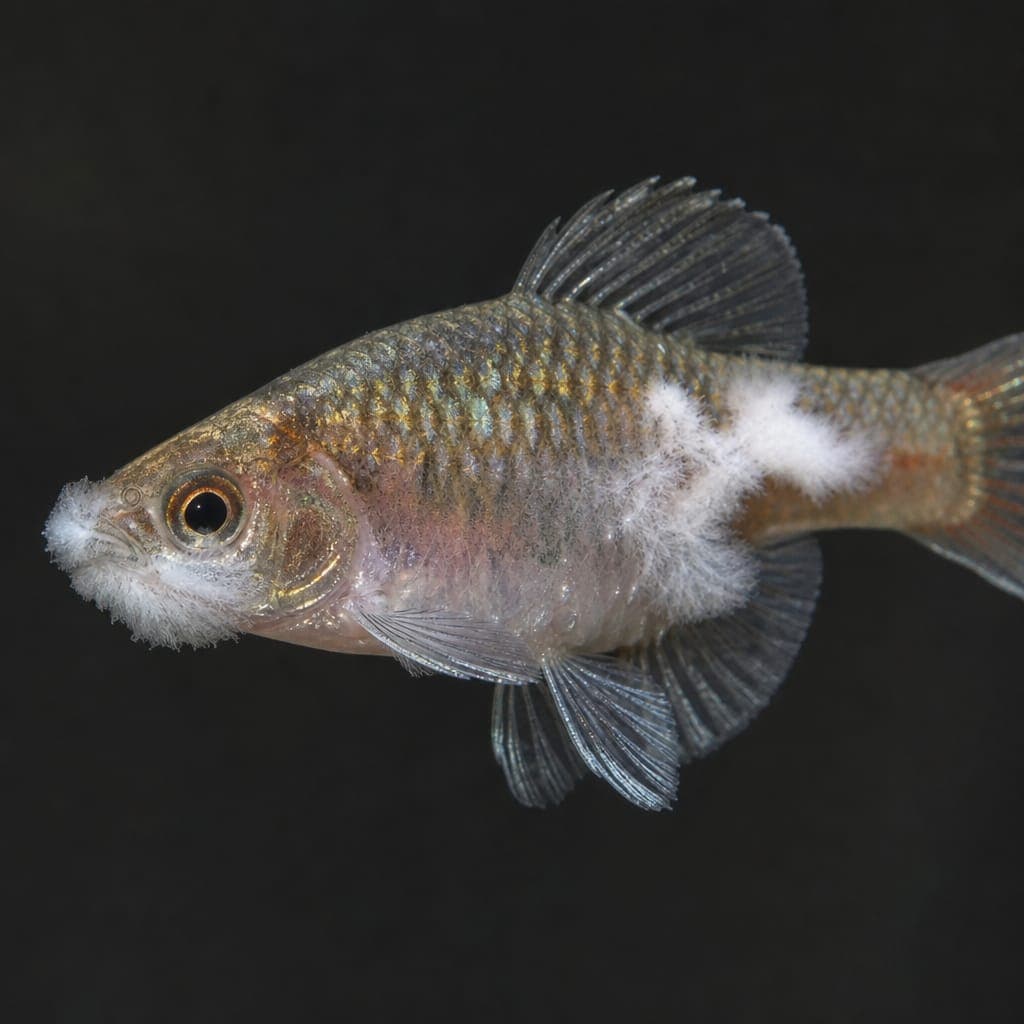
While the Red-clawed Crab is relatively hardy, they may be prone to certain health issues if not properly cared for. Common ailments include shell disease, which can result from poor water quality and stress, and fungal infections that develop if injuries are not properly treated. To prevent these issues, maintain optimal water quality through regular testing and changes, and ensure that environmental stresses are minimized.
Regularly observe your crabs for signs of distress, such as lethargy, discoloration, or lesions on their shells. Prompt isolation and treatment can greatly increase recovery chances. Additionally, providing a well-balanced diet and avoiding overcrowding can aid in preventing health complications and ensuring a vibrant and thriving Red-clawed Crab population in your aquarium.