Red Head Goby
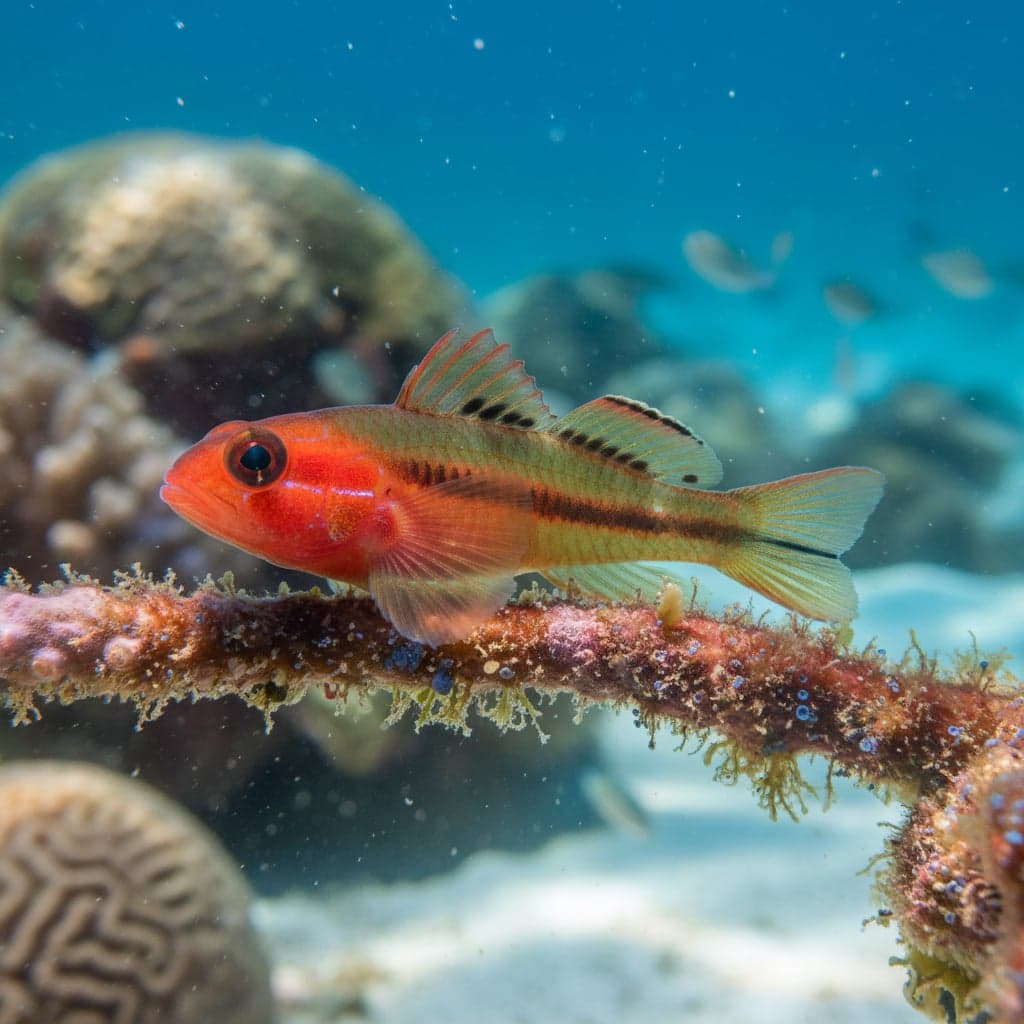
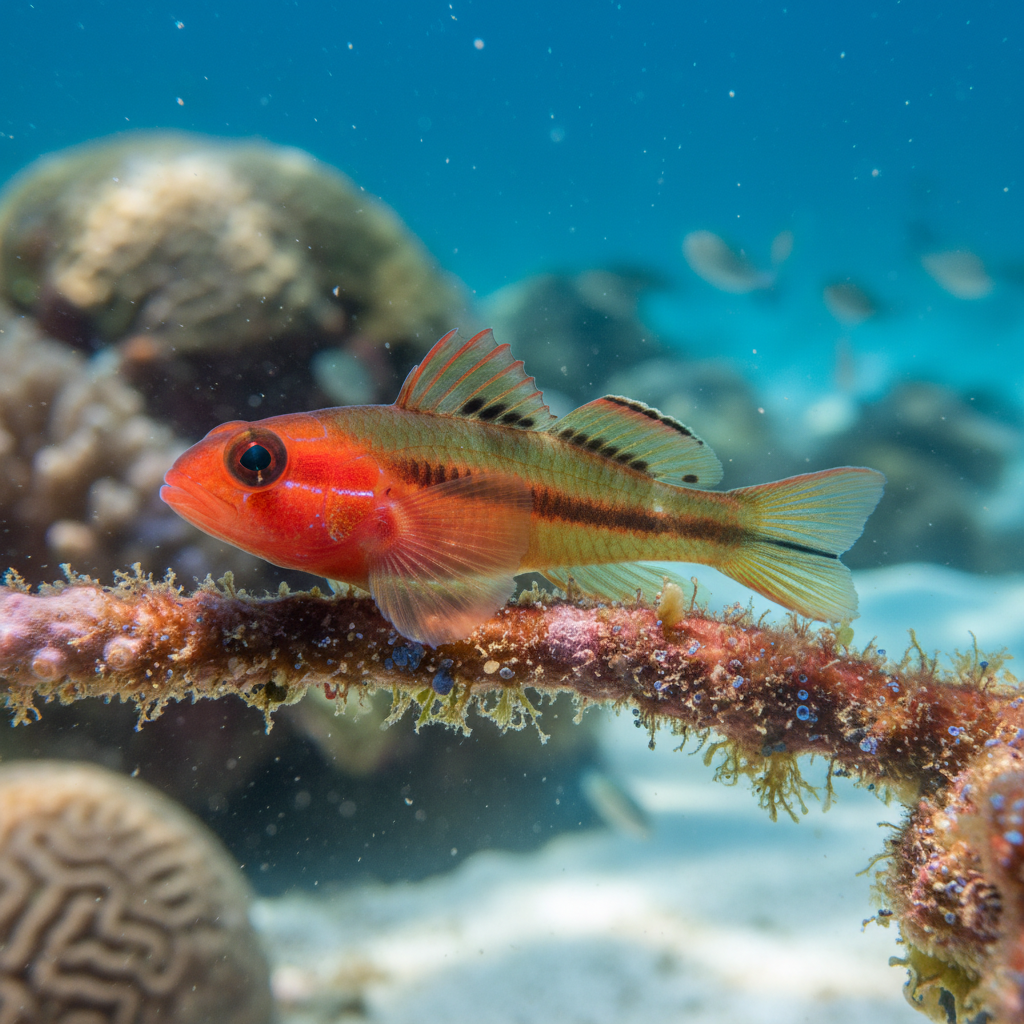
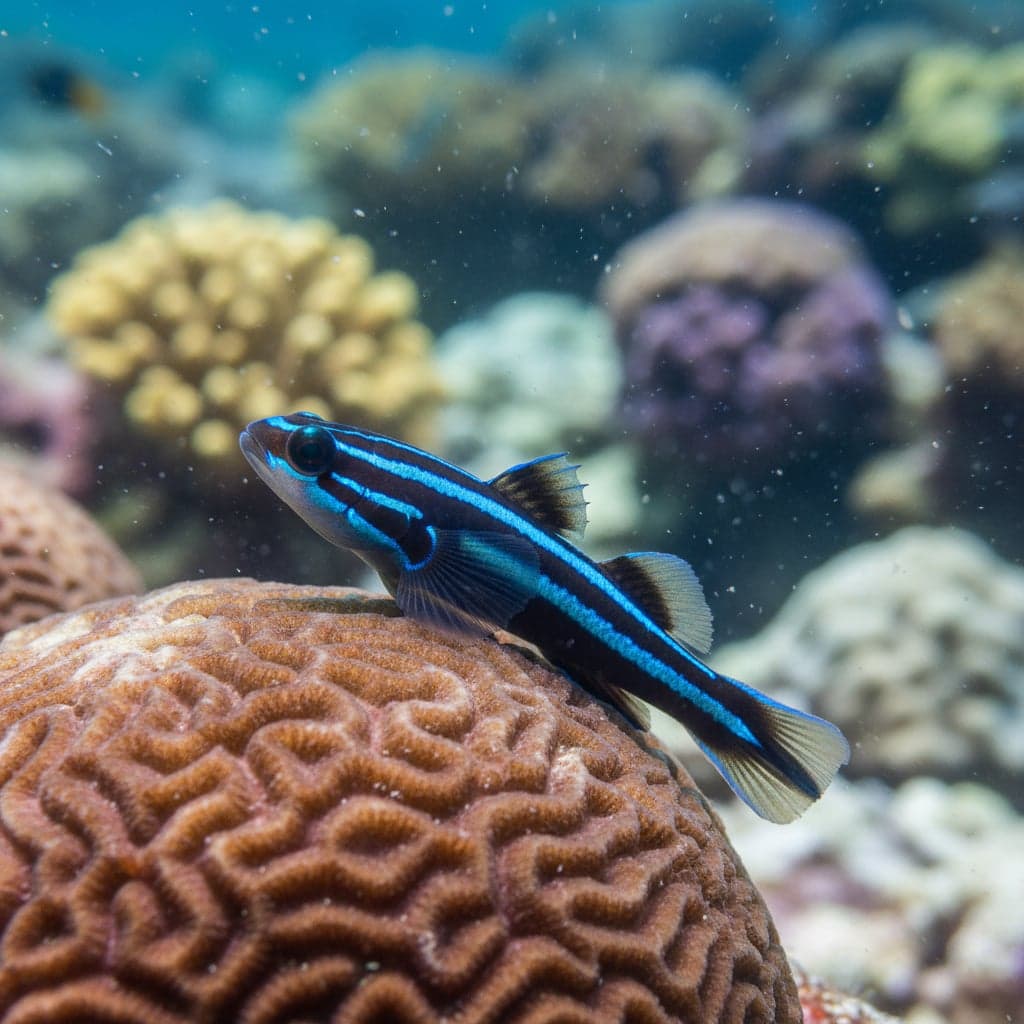
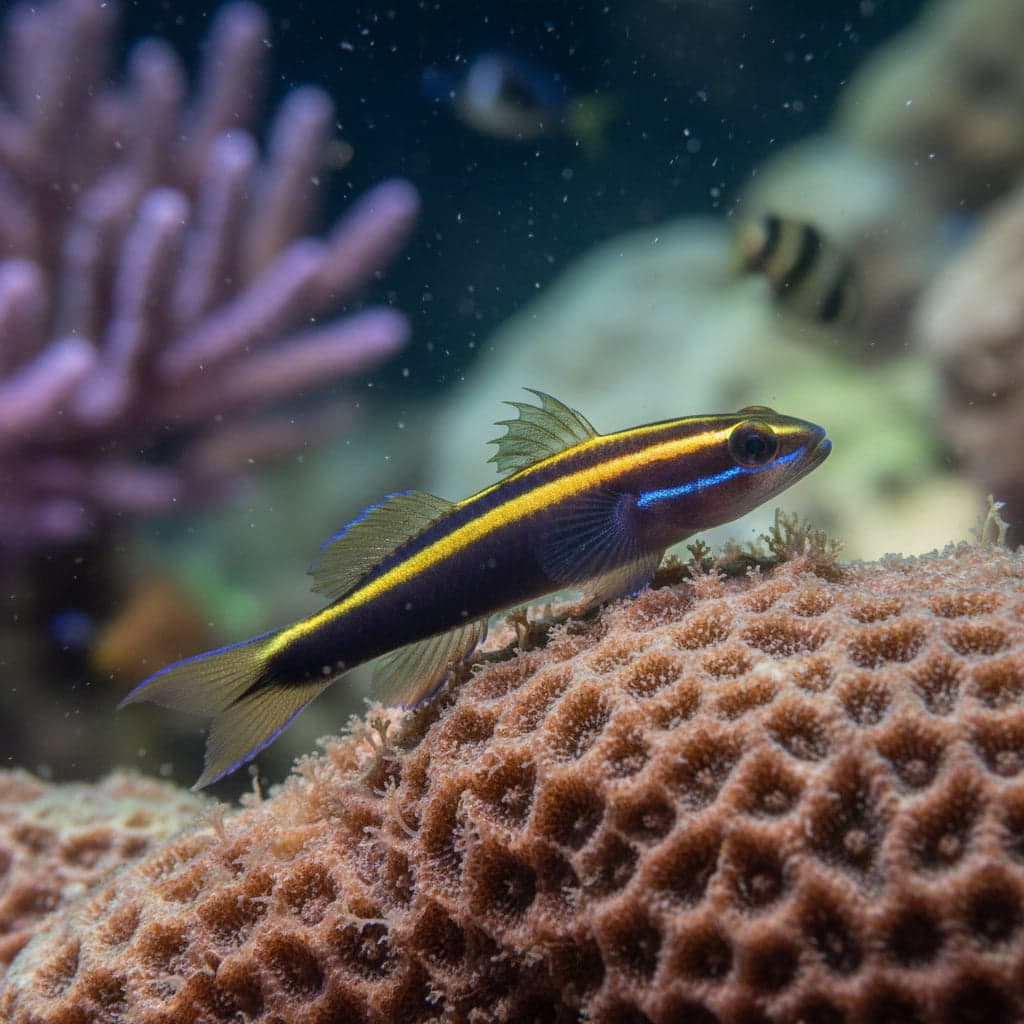
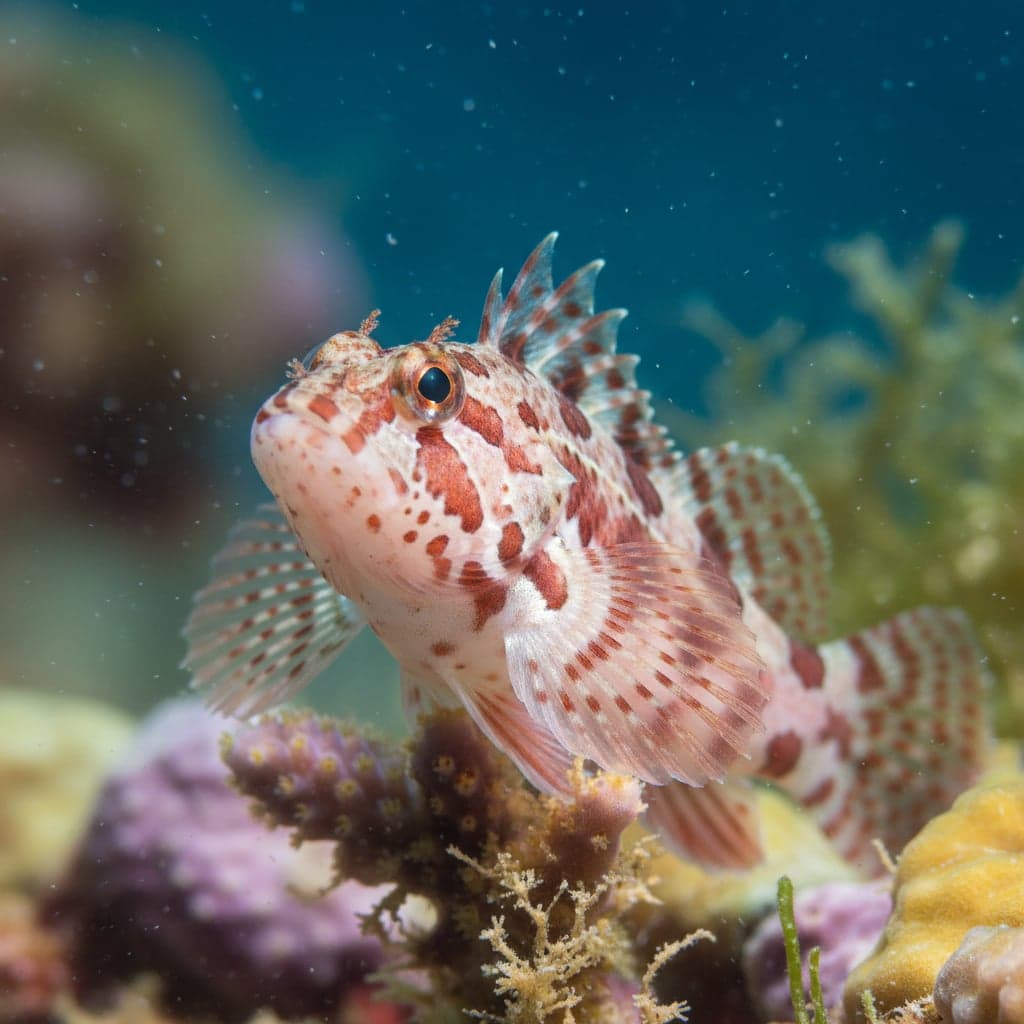
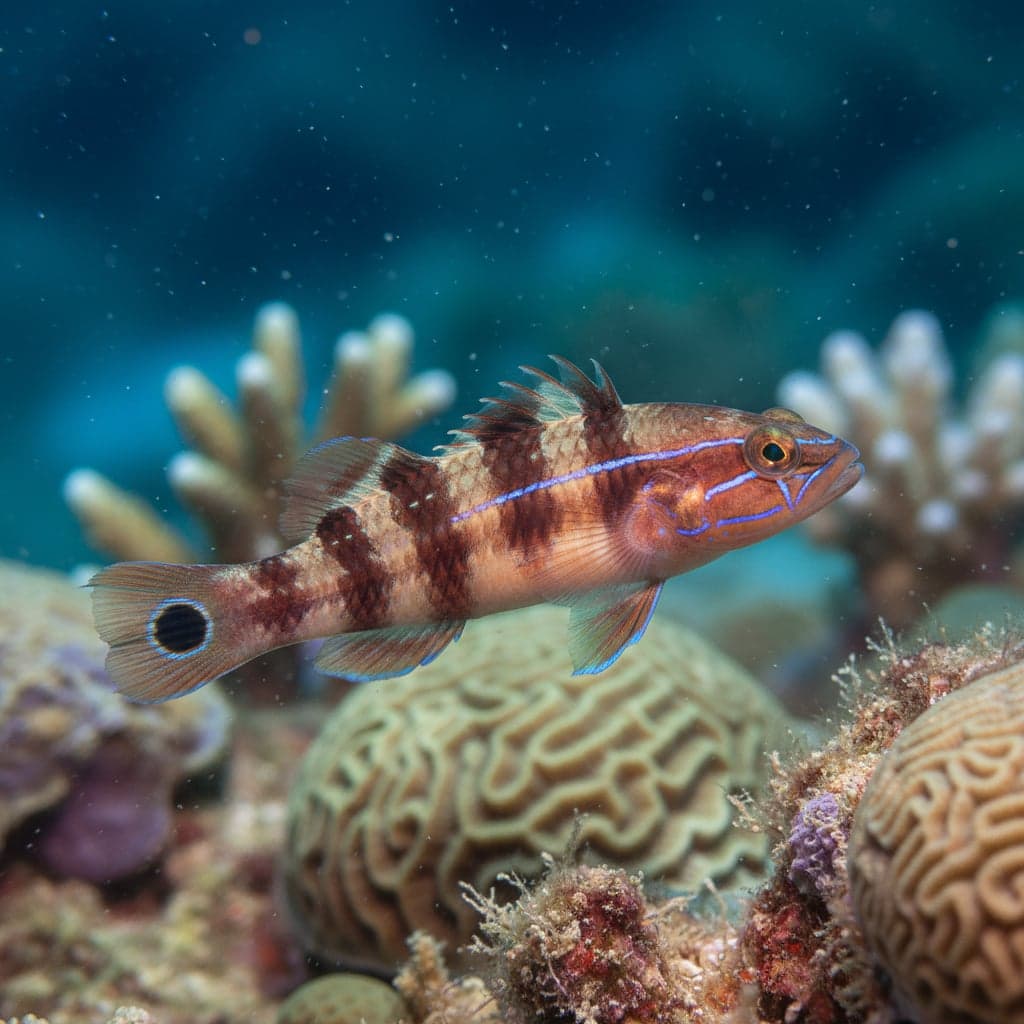
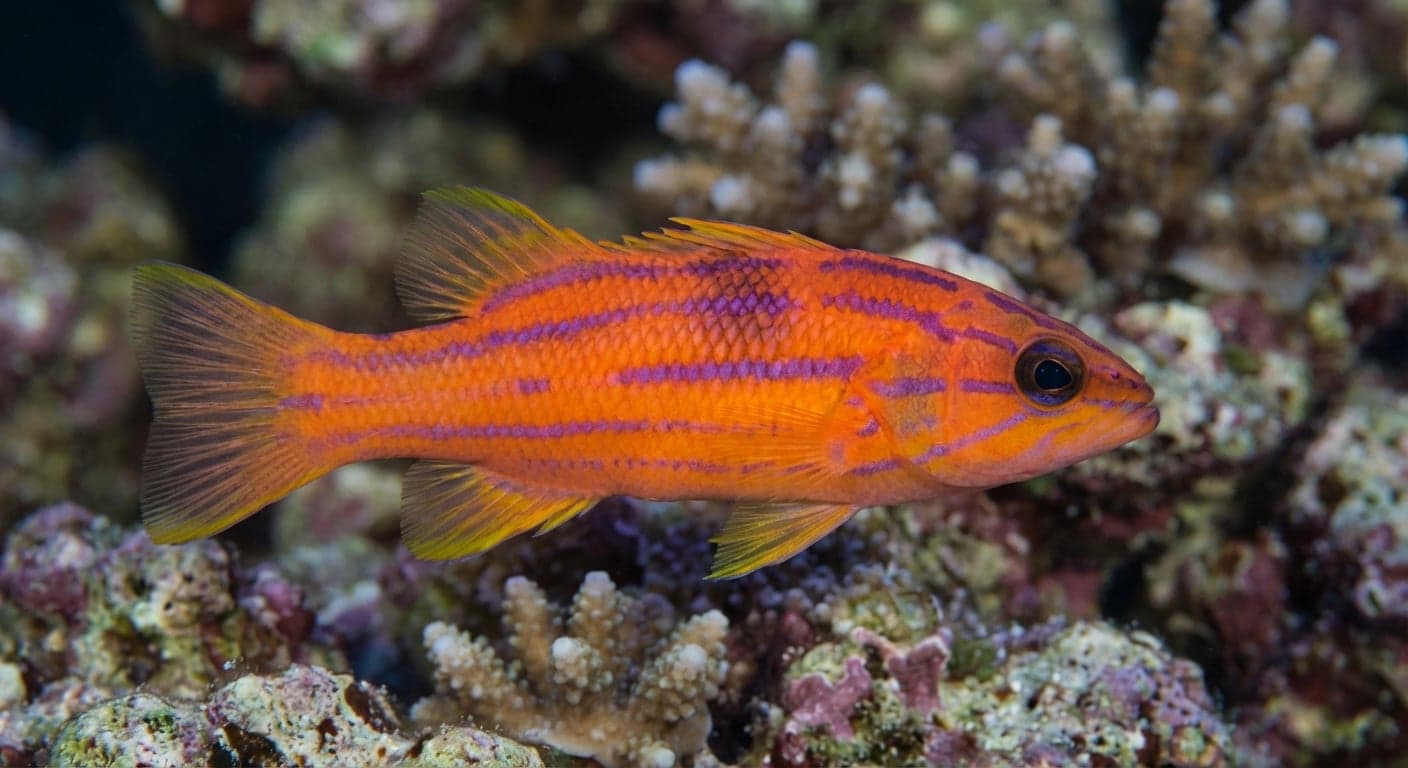
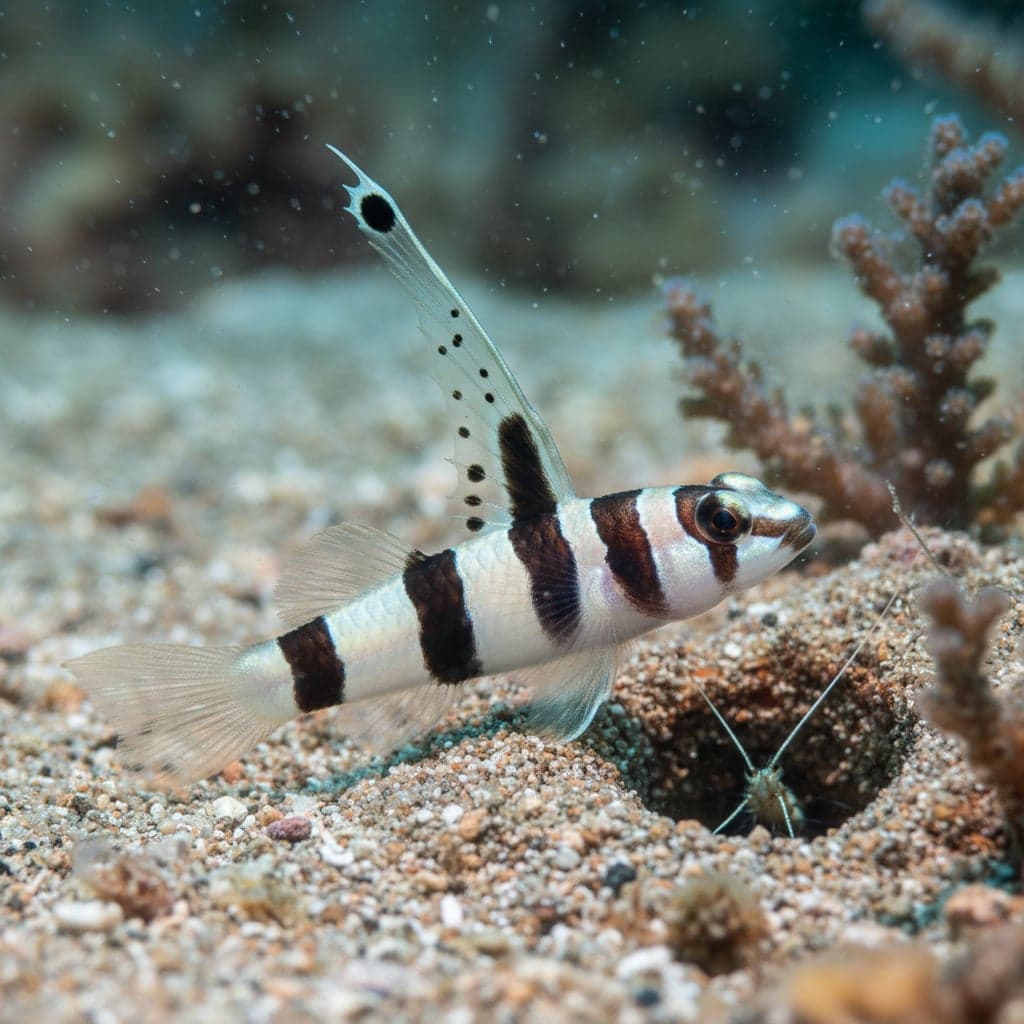
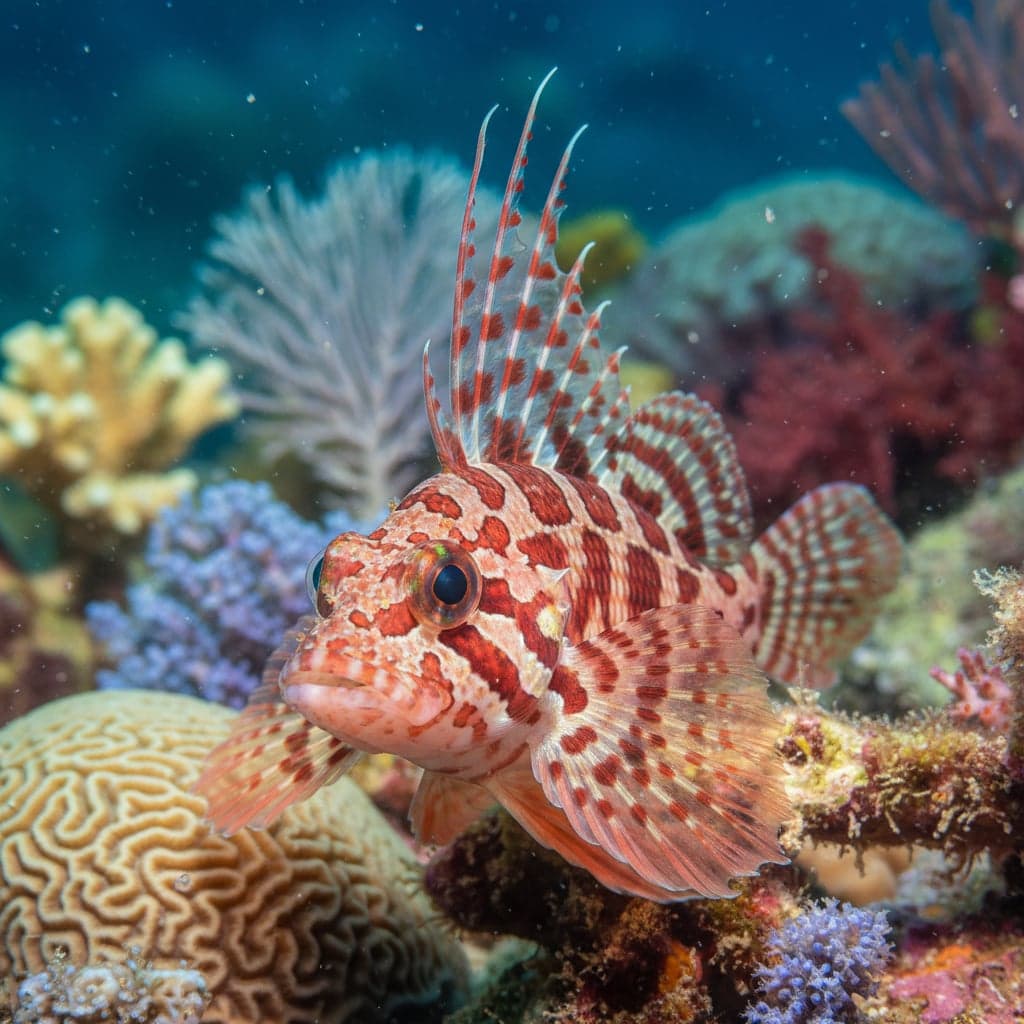
The Red Head Goby (Elacatinus puncticulatus) is a stunning saltwater fish known for its unique appearance and behavior.

Red Head Goby
The Red Head Goby, scientifically known as Aphyocharacthys normani, is a distinctively colorful freshwater fish that has garnered attention among aquarists for its vibrant aesthetics and engaging personality. With its striking red-orange head and slender, elongated body, this little gem brings a splash of color to community aquariums. The contrast between its lively top half and the iridescent green-marbled body creates a dynamic visual display, making it a favorite choice for both novice and experienced fishkeepers. As part of the Gobiidae family, this species is not only a treat for the eyes but has also become significant due to its adaptability in various aquarium setups and its appealing social behaviors.
In the aquarium hobby, the Red Head Goby holds a special place due to its rarity in domestic environments, often captivating owners with its lively antics and interaction levels. Its unique morphology and behavioral traits encourage enthusiasts to keep not only a single specimen but rather a small school, enhancing the fish's natural display of social interaction. This species' charm, combined with its relatively resilient nature, makes it an ideal candidate for those looking to curate a multi-species tank that thrives in harmony, further enriching the aquarium ecosystem.
Natural Habitat & Origin
The Red Head Goby originates from the freshwater streams and rivers of Southeast Asia, predominantly found in the waters of Thailand and Cambodia. These habitats serve as lush environments featuring both slow-moving and still waters, often surrounded by dense vegetative cover. The waters are usually characterized as clear or slightly tinted, with a gentle flow that provides a serene atmosphere conducive to aquatic wildlife. The natural habitat of the Red Head Goby typically consists of sandy or muddy substrates interspersed with small rocks, which serve as hiding spots and breeding grounds.
These fish thrive in conditions created by blackwater environments, where organic matter decomposes, offering dark hues enriched with tannins. Such conditions lead to lower visibility but higher biodiversity, allowing various aquatic organisms, including the Red Head Goby, to prosper. Understanding these environmental parameters is crucial for aquarium enthusiasts seeking to create an optimal habitat that mimics the fish's natural origins, ensuring their health and well-being.
Care Requirements
To properly care for the Red Head Goby, aquarists must maintain specific water conditions that closely resemble the fish's natural habitat. Ideal water parameters include a pH range of 6.0 to 7.5, with a temperature between 24°C to 28°C (75°F to 82°F). The hardness level should be kept between 5 to 15 dGH, allowing for a comfortable environment. Proper filtration and regular water changes are essential to maintain water quality, as these fish thrive in clean and well-oxygenated waters.
When it comes to tank setup, a minimum tank size of 20 gallons is recommended to provide ample swimming space for a school of Red Head Gobies. Substrates such as fine sand or smooth gravel are ideal, allowing for natural foraging. It is equally important to include multiple hiding places using driftwood, rocks, and plenty of aquatic plants like Java moss and Anubias to promote a secure and enriching environment. Dim lighting can also be beneficial, as it mimics the shadowy depths of their natural habitat while enhancing the colors of the fish.
Diet & Feeding
As opportunistic feeders, Red Head Gobies are omnivorous and will enjoy a varied diet that includes both plant and animal matter. In captivity, it is crucial to provide a well-rounded diet to ensure their health and vitality. Quality flake or pellet foods designed for tropical fish can serve as a staple, but it is essential to supplement their diet with frozen or live foods such as brine shrimp, daphnia, and bloodworms. These protein sources will stimulate their natural foraging behaviors and enhance their pigmentation.
Feeding should occur at least once or twice daily, with small portions that can be consumed within a few minutes to prevent overfeeding and maintain water quality. Additionally, incorporating blanched vegetables like zucchini or spinach can provide essential nutrients while satisfying their foraging instincts. This diverse diet will keep your Red Head Goby healthy, vibrant, and active within its aquatic habitat.
Behavior & Temperament
The Red Head Goby is known for its peaceful disposition, making it an excellent addition to community tanks. This species exhibits social behavior, where they thrive when kept in groups of four or more, allowing for natural schooling and interaction. They are primarily mid to bottom-dwellers that frequently explore the tank substrate, using their elongated bodies to navigate through denser aquatic plants and rock structures.
While not aggressive, Red Head Gobies can display territorial behavior, especially during breeding periods or when competing for food. It’s advisable to observe their interactions and provide adequate space and hiding spots to reduce any potential conflicts. This fish typically prefers to occupy the lower levels of the aquarium, but they are also known to venture higher within the tank structure, particularly during feeding times.
Tank Mates
The Red Head Goby is generally compatible with various peaceful community fish, including Tetras, Rasboras, and smaller Gouramis, making it a versatile choice for community aquariums. Compatible species also include peaceful catfish such as Corydoras and various species of shrimp like Cherry Shrimp or Amano Shrimp. Adding snails to the tank can complement the ecosystem while providing additional algae control.
However, it is crucial to avoid aggressive or overly boisterous species, such as Cichlids or larger barbs, as these can cause stress or confrontation. Other fish that can disturb the Red Head Goby's calm nature include aggressive livebearers or large predatory fish that may perceive the goby as food. Creating a harmonious environment with suitable tank mates will not only ensure the well-being of the Red Head Goby but also enhance the aesthetic and behavioral dynamics of your aquarium.
Breeding
Breeding Red Head Gobies in captivity requires careful attention to specific environmental conditions mimicking their natural spawning settings. This species is a substrate spawner, typically laying eggs on flat surfaces among plants or on smooth stones. To trigger breeding behavior, a slight increase in water temperature and improved food availability can encourage spawning actions.
For successful breeding, providing plenty of hiding places and a separate breeding tank may be beneficial to reduce stress on adult fish and promote egg survival. After spawning, it's recommended to remove the adult fish as they may eat the eggs. The eggs will hatch in about 2-4 days, depending on water temperature, and the fry will require microalgae or specialized fry food until they can consume more substantial food items. Monitoring water quality during this period is critical, as the frequent water changes will support the fry's development and overall health.
Common Health Issues
While the Red Head Goby is generally resilient, they can be prone to certain health issues common among freshwater fish. Diseases such as Ichthyophthirius (ich), fin rot, and fungal infections may affect them, particularly in poorly maintained aquariums or when stressed. Symptoms to watch for include abnormal swimming patterns, white spots on skin or fins, and frayed fins.
Preventive care is essential to support the health of your Red Head Goby. Regular water testing and changes, maintaining optimal water parameters, and providing a well-balanced diet play significant roles in disease prevention. Good tank hygiene, including cleaning substrates and removing