Amphilophus citrinellus x (Hybrid): Red Parrot Cichlid
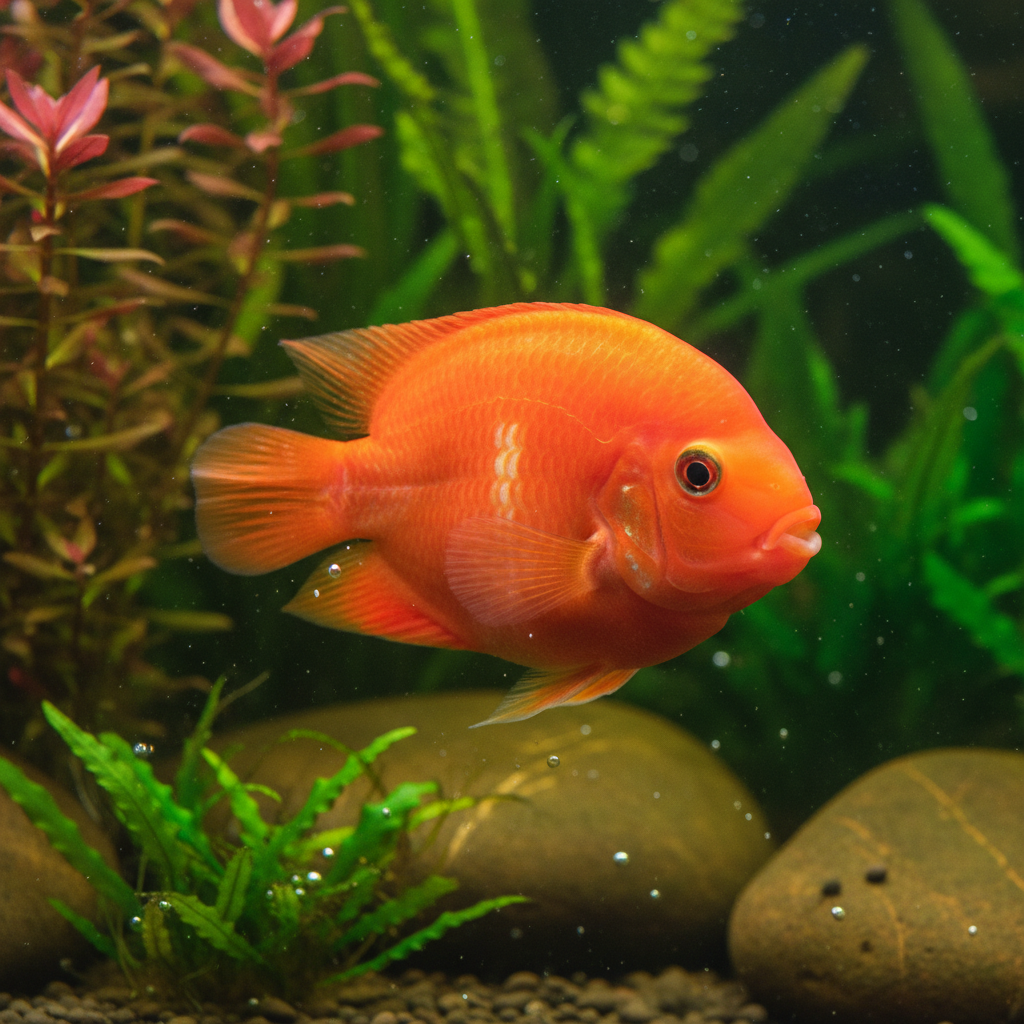
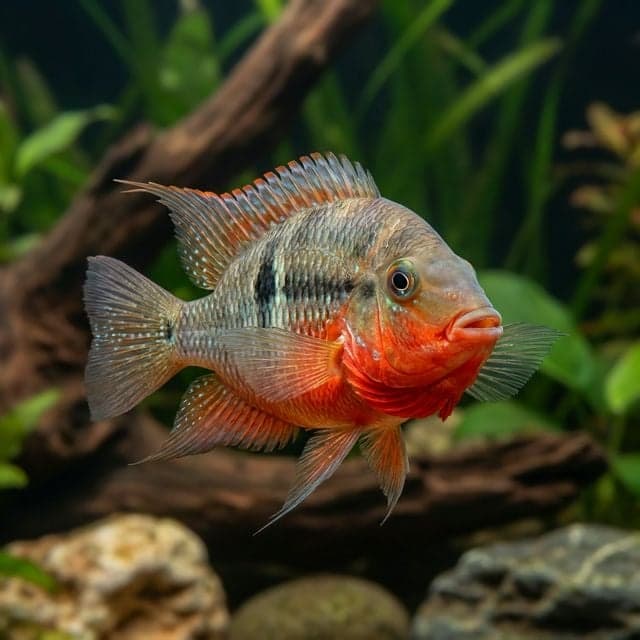
A deeply controversial, incredibly popular hybrid featuring a bright orange/red spherical body and an inability to close its tiny mouth.
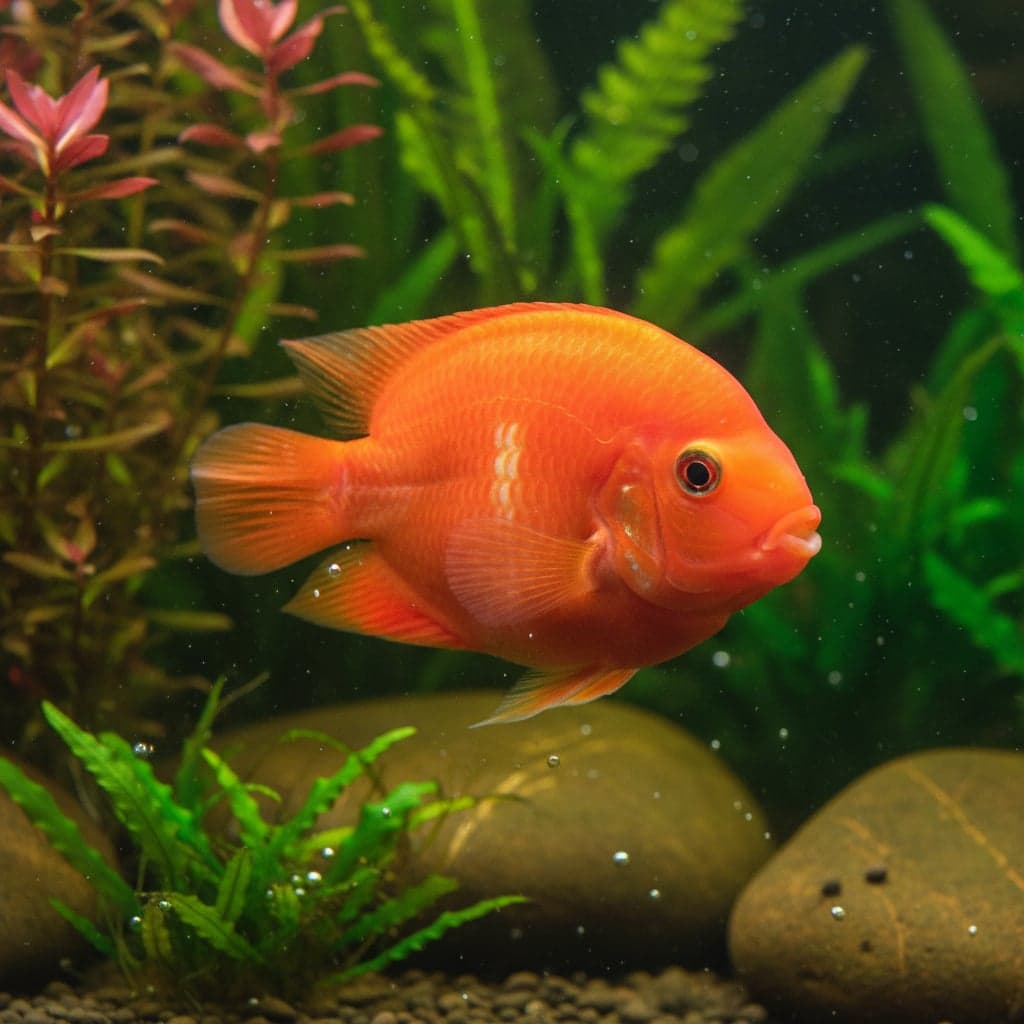
Amphilophus citrinellus x
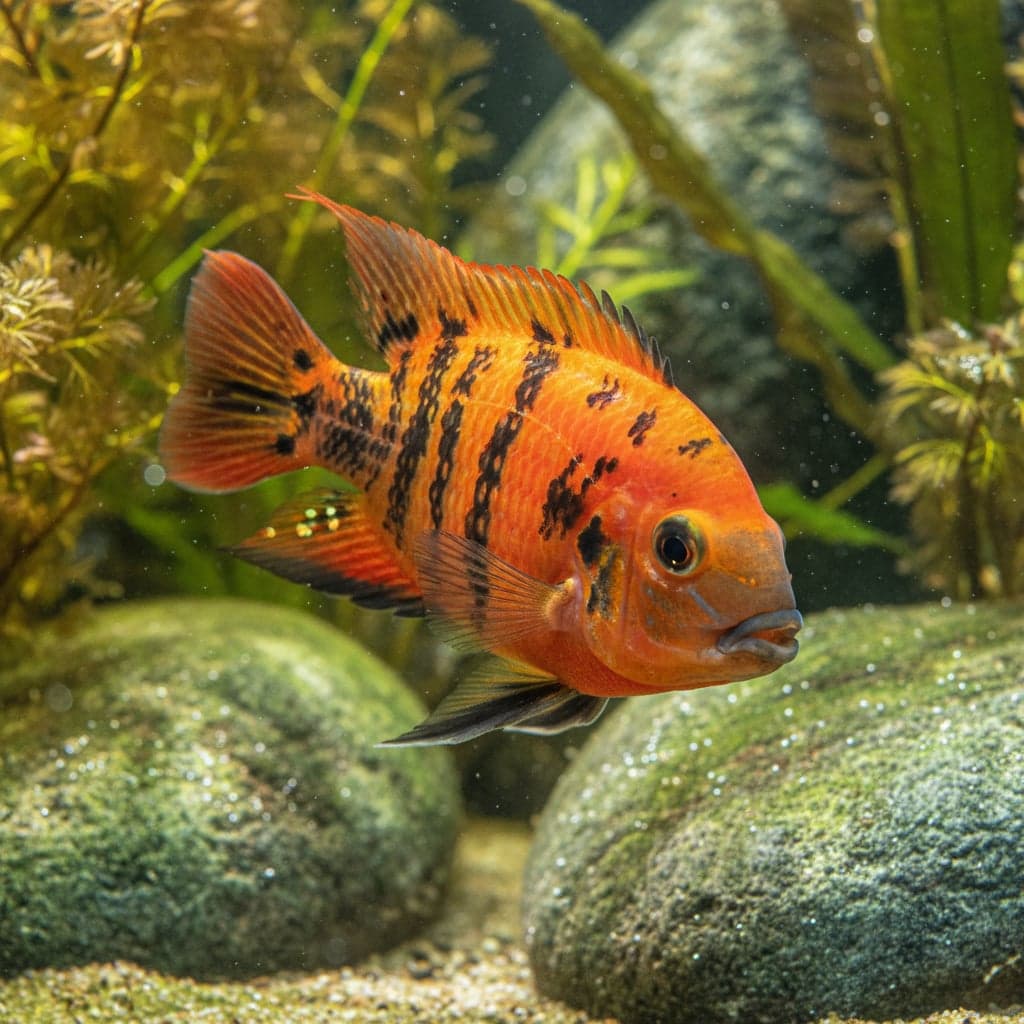
The Amphilophus citrinellus x, commonly known as the Red Parrot Cichlid, is a captivating hybrid fish created through the crossing of the Midas cichlid (Amphilophus citrinellus) and various species of cichlids, often including the Blood Parrot Cichlid. Renowned for its vibrant coloration, which typically includes shades of red, orange, and yellow, this fish is a striking focal point in any aquarium setting. Its unique body shape resembles that of a parrot, hence the name, and the visual appeal is further enhanced by its rounded physique and cheerful demeanor. Due to its attractiveness, the Red Parrot Cichlid has gained immense popularity among fish enthusiasts and aquarists alike.
In the realm of aquarium hobby, the Amphilophus citrinellus x carries significant importance not only for its aesthetics but also for its amusing behavior. It has a friendly and inquisitive nature that captivates viewers and adds liveliness to a community tank. While some may criticize its hybrid status, it has proven to be a resilient fish able to adapt to various environments, which has contributed to its widespread appeal. Furthermore, its vibrant hues have made it a favorite for breeders and aquarists focused on color morphs, adding to the genetic diversity within the aquarium trade.
Natural Habitat & Origin
The natural habitat of the Amphilophus citrinellus x is rooted in the freshwater ecosystems of Central America, primarily in countries such as Nicaragua and Costa Rica. These fish are typically found in shallow waters of lakes, rivers, and lagoons, where they are accustomed to a diverse range of environmental conditions. The waters in these regions can vary from clear to turbid, often influenced by seasonal rains, contributing to a mix of nutrients and organic matter in the habitat.
Although the Red Parrot Cichlid is a man-made hybrid, its ancestral lineage reflects traits adapted to freshwater environments characterized by moderate salinity levels and various substrates, from sandy bottoms to rocky crevices. They often thrive in areas rich in vegetation, which provides cover and breeding grounds while also contributing to the complexity of their environment. Understanding their natural habitat aids aquarists in replicating suitable conditions for successful captive care.
Care Requirements
To ensure optimal health and well-being, the Amphilophus citrinellus x requires specific water parameters. A pH level between 6.5 and 7.5 is suitable, with a temperature range of 75°F to 82°F (24°C to 28°C). Hardness should be around 10-20 dGH, providing slightly alkaline conditions. For tank setup, a minimum of 30 gallons is recommended, with additional space for larger specimens or multiple individuals.
The substrate should ideally be soft sand or fine gravel to prevent any damage to their delicate bodies. A well-lit aquarium with ample hiding places and structures made from rocks, caves, or driftwood is essential to reduce stress. Live plants or silk plants can also enhance the environment but should be securely planted, as the fish may uproot them during exploration. The setup should allow for sufficient swimming space, as the Red Parrot Cichlid enjoys moving around their territory.
Diet & Feeding
The Amphilophus citrinellus x is an omnivore, with a diet that thrives on a wide variety of foods. A balanced diet should include high-quality flakes or pellets specifically formulated for cichlids, supplemented by fresh or frozen food options. Recommended additions to their diet include brine shrimp, bloodworms, and daphnia, which help promote vibrant coloration and provide essential nutrients.
To keep the fish healthy, it is beneficial to alternate between dry and live food sources several times a week. Offer smaller portions multiple times daily to mimic natural feeding behaviors while preventing overfeeding, which can lead to health issues. Fresh vegetables such as spinach or zucchini can also be included occasionally to provide dietary diversity and essential fibers.
Behavior & Temperament
The behavior of the Amphilophus citrinellus x is characterized by a curious and social disposition. They tend to be semi-aggressive, particularly during breeding or territorial disputes, making it important to observe their interactions with other fish. These cichlids do not typically school but prefer to establish a personal territory within the aquarium, engaging in both active swimming in the open water and seeking refuge in hiding spots.
They often exhibit vertical placement in the tank, utilizing the entirety of the environment from the substrate to the surface. This adaptability in spatial usage showcases their active nature, making them an engaging species to observe. Although they may show signs of aggression, particularly towards similarly shaped or brightly colored fish, consistent environmental enrichment can help mitigate undue stress during interactions.
Tank Mates
When considering tank mates for the Amphilophus citrinellus x, it's essential to select species that can withstand their semi-aggressive nature while also contributing to a harmonious community. Suitable tank mates include robust cichlid species such as the Jaguar Cichlid, Convict Cichlid, and various larger Tetras. Other options may include larger catfish like the Raphael Catfish or peaceful barbs, as they can often navigate the tank's environment without direct confrontation.
Species to avoid include small or delicate fish like Neon Tetras and Guppies, as they can easily become targets for aggression or predation. Additionally, other brightly colored or similarly shaped cichlids should be approached with caution, as they may provoke territorial disputes or stress among tank residents.
Breeding
Breeding the Amphilophus citrinellus x can be a rewarding experience for aquarists willing to provide the necessary conditions. Successful spawning typically requires a dedicated breeding tank, with a minimum size of 40 gallons. The optimal water conditions for spawning include a slightly elevated temperature of around 80°F (27°C) and a pH between 7.0 and 7.5, with moderate hardness levels.
To encourage breeding behavior, incorporate flat surfaces like rocks or ceramic tiles where the female can lay eggs. After the female lays her eggs, which can number in the hundreds, both parents will often exhibit protective behaviors over the fry. Providing a separate rearing tank for the fry after they are free-swimming is advisable, ensuring they can grow in a healthy environment free from potential predation.
Common Health Issues
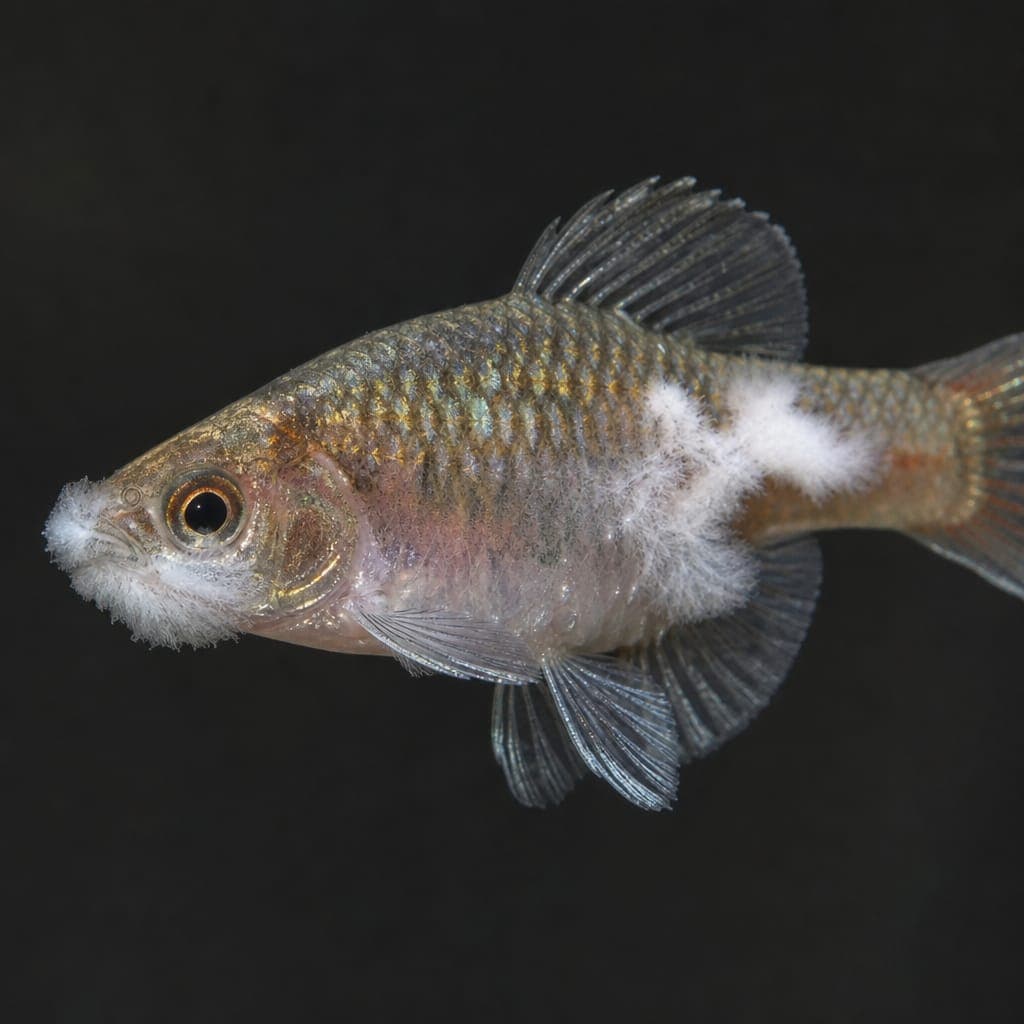
While the Amphilophus citrinellus x is generally a hardy fish, it can be prone to several specific health issues. One common concern is Ich (Ichthyophthirius multifiliis), a protozoan parasite that manifests as white spots on the skin and fins. To prevent this, maintaining clean water conditions and minimizing stress can be effective measures. Another potential ailment is fin rot, often caused by poor water quality and stress; prompt treatment involves improving water conditions and using appropriate antifungal medications.
Additionally, behavioral problems such as aggression can lead to injury among tank mates. Observing their interactions and providing sufficient hiding spots and space can prevent stress-related conditions. Routine health checks and proactive care, including monitoring for signs of illness, will significantly enhance their lifespan in captivity.