Red Phantom Tetra: Hyphessobrycon sweglesi
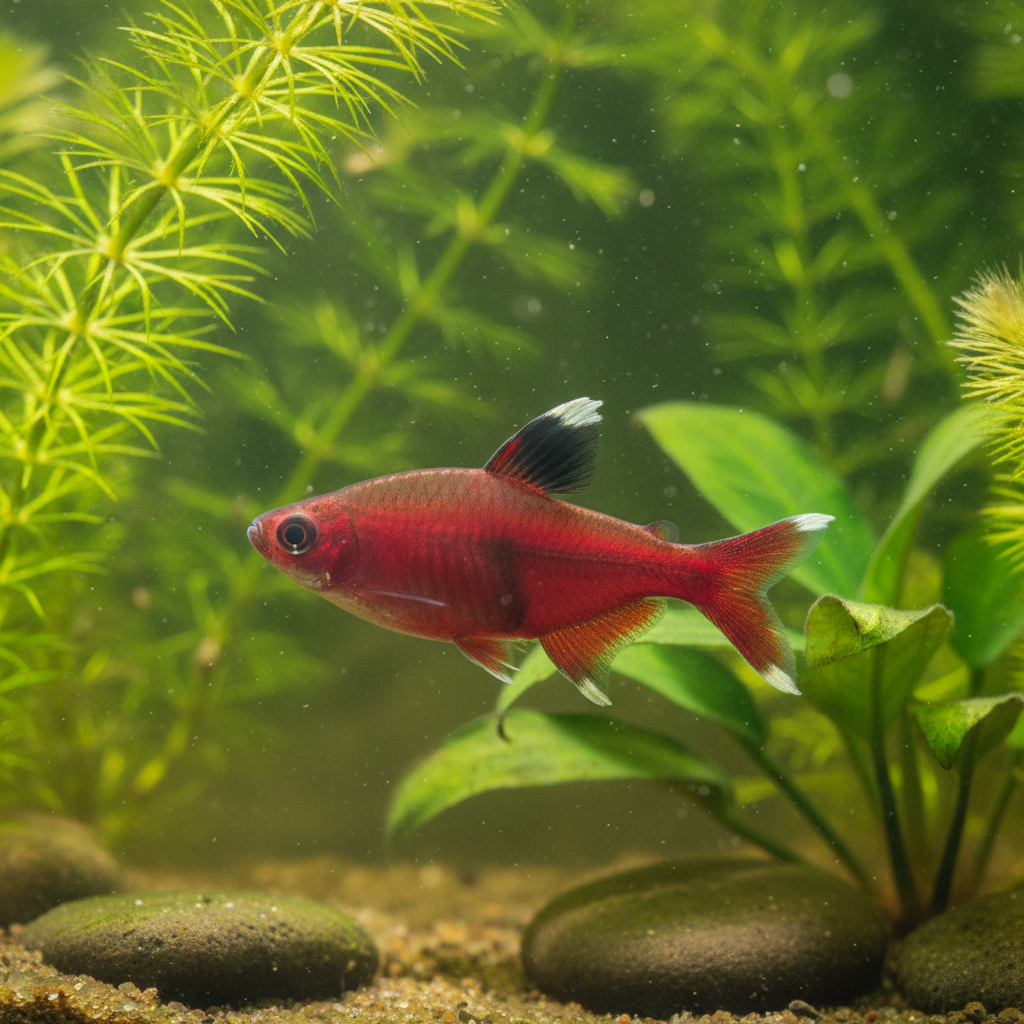
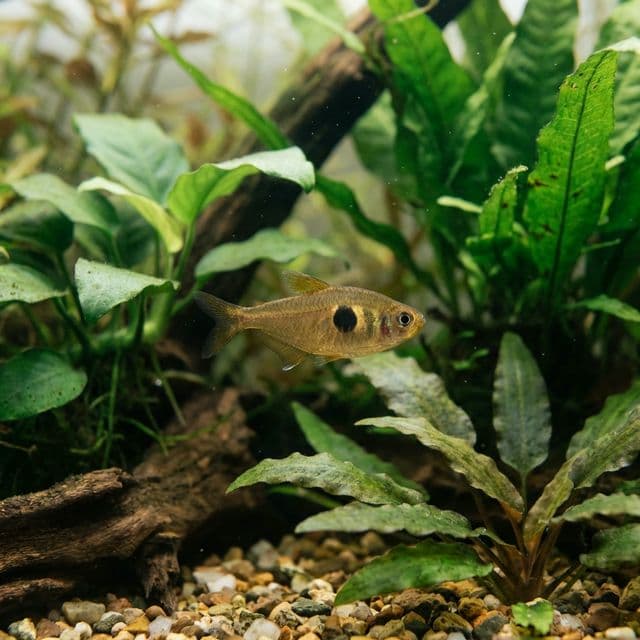
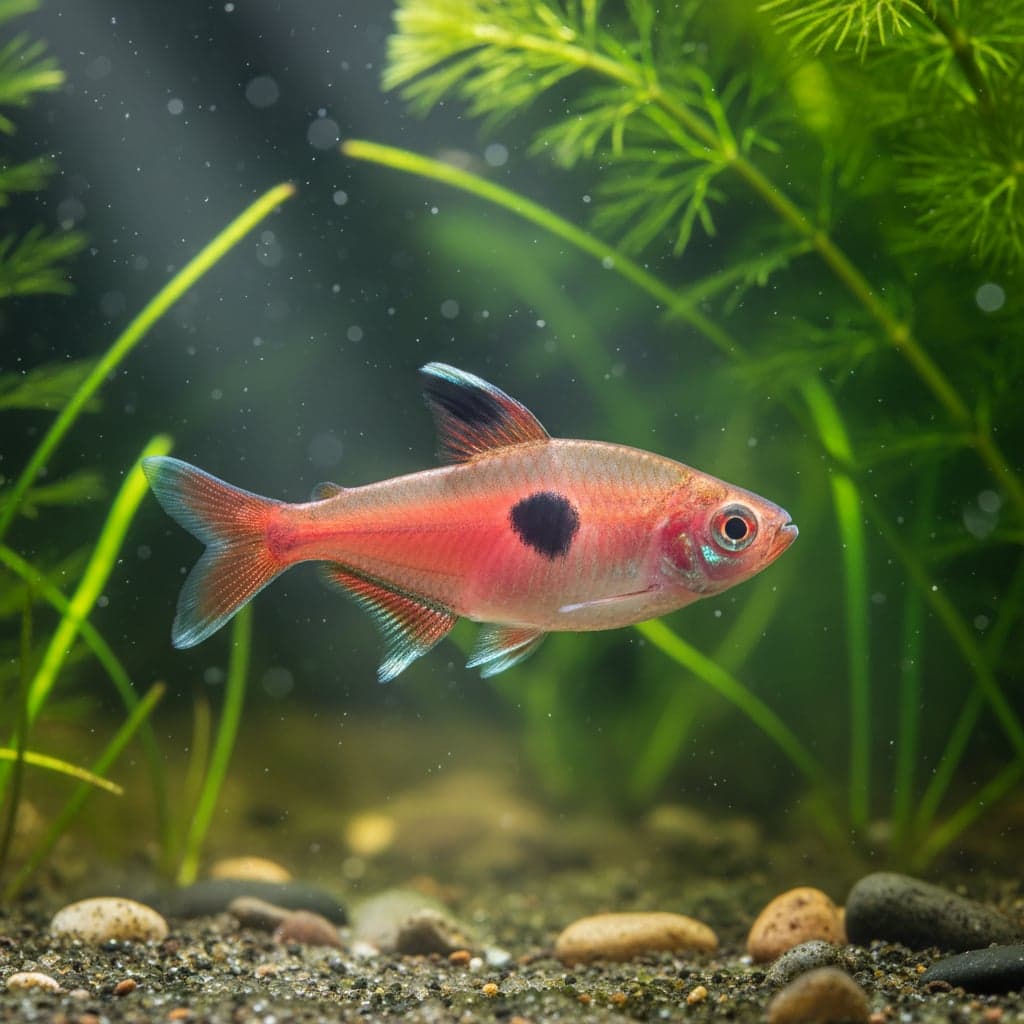
A peaceful, translucent red tetra featuring a prominent black shoulder patch, often confused with the Serpae Tetra.
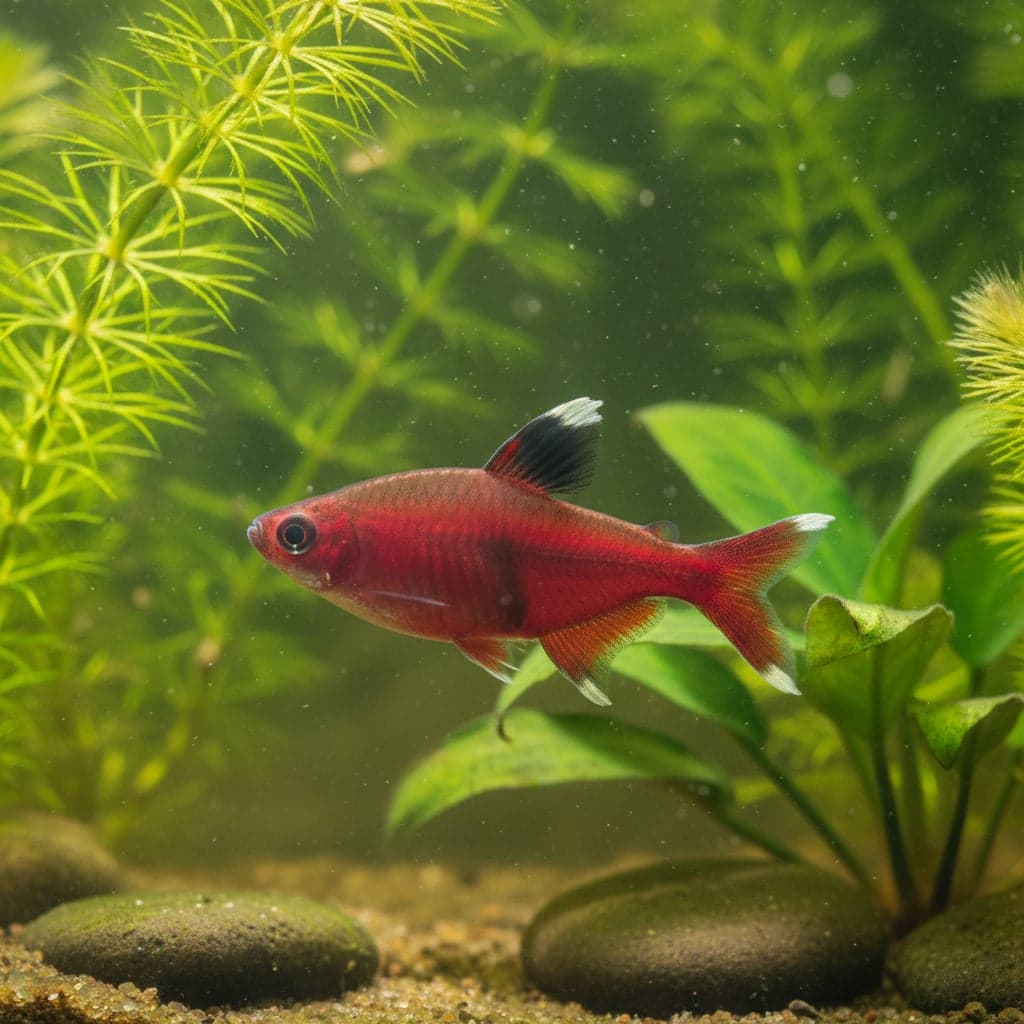
Red Phantom Tetra
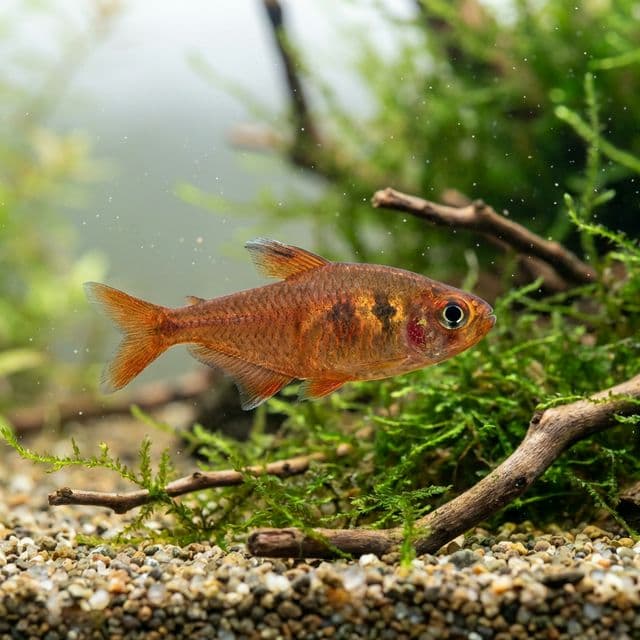
The Red Phantom Tetra, scientifically known as Hyphessobrycon sweglesi, is a captivating freshwater fish that has gained popularity among aquarium enthusiasts for its vibrant coloration and peaceful demeanor. Characterized by its striking red-orange body and elongated fins, the Red Phantom Tetra presents an alluring visual display that becomes even more pronounced under proper lighting conditions. Unlike many other tetra species, which often exhibit more subdued coloration, the Red Phantom Tetra stands out with its vivid hues, providing an aesthetically pleasing addition to both community tanks and species-specific setups.
This species is significant in the aquarium hobby not only for its beauty but also for its resilience and adaptability to various water conditions, making it an appealing choice for novice and experienced aquarists alike. As a schooling fish, the Red Phantom Tetra thrives in groups, showcasing mesmerizing shoaling behavior that adds dynamic movement to the aquarium environment. As interest in sustainable and ethical fish keeping rises, the responsible choice to keep these enchanting fish contributes positively to the preservation of aquatic diversity in home aquariums.
Natural Habitat & Origin
The Red Phantom Tetra is native to the slow-moving waters of the Orinoco River Basin in Venezuela and Colombia. This region is characterized by its blackwater rivers, which provide a unique ecological environment rich in organic matter and plant life. The water in this habitat is often stained dark brown due to decomposing plant materials, creating a soft, acidic environment that is essential for the health of the species. The Red Phantom Tetra is typically found among submerged leaf litter and dense vegetation, where it can seek shelter and forage in a natural setting.
In its natural habitat, the Red Phantom Tetra thrives in warm waters typically ranging from 24°C to 28°C (75°F to 82°F) and with a pH level of around 6.0 to 7.0, reflecting its preference for slightly acidic to neutral conditions. These environmental conditions influence their coloration and well-being, emphasizing the importance of replicating similar parameters in aquarium setups for optimal growth and health.
Care Requirements
To ensure the health and happiness of Red Phantom Tetras, proper water parameters and tank setup are crucial. Ideally, the aquarium should have a minimum size of 20 gallons to accommodate a small school of these fish, allowing them ample space to swim and interact. The water should be kept at a temperature range of 24°C to 28°C (75°F to 82°F), with a pH between 6.0 and 7.0 and hardness levels around 4-8 dGH.
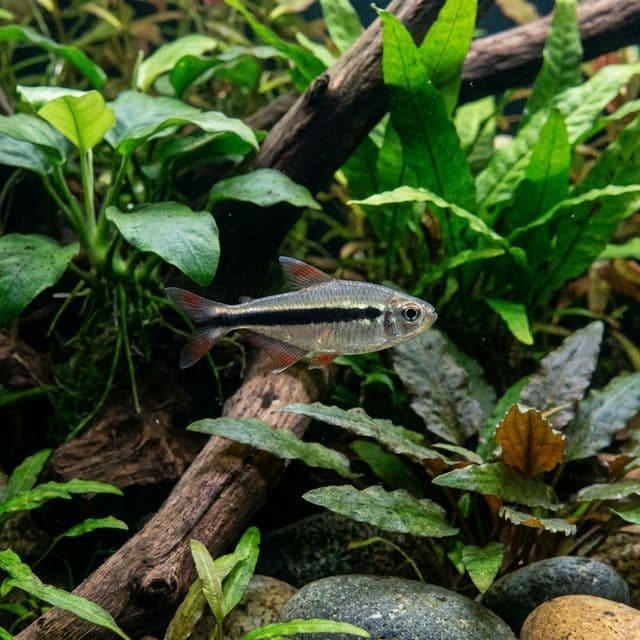
The tank setup should feature a soft, dark substrate that mimics their natural habitat, along with plenty of hiding spots created by using driftwood, rocks, and lush aquatic plants. Dense plant arrangements, particularly those with broad leaves, not only provide shelter but also promote the comfortable schooling behavior that Red Phantom Tetras exhibit. Low to moderate lighting enhances their vibrant colors while also offering a slight shadowy environment, which they prefer.
Diet & Feeding
Red Phantom Tetras are omnivorous and thrive on a varied diet, making them relatively easy to feed in captivity. Their diet comprises high-quality flake foods, small pellets, and live or frozen foods like daphnia, brine shrimp, and bloodworms. Providing a mix of commercial food options along with occasional treats of live or frozen foods supports their health and enhances their colors. Maintaining a well-rounded diet is essential for growth and vitality, and feeding should generally occur twice daily, offering only as much food as they can consume within a few minutes to avoid overfeeding.
Behavior & Temperament
Red Phantom Tetras are social, peaceful fish that display calm yet active behavior throughout the day. They are best kept in schools of six or more as this fosters their natural instinct to swim together and provides security. Their schooling behavior is especially engaging, as they form tight groups, gliding seamlessly through the aquarium. In terms of aggression, the Red Phantom Tetra is mild-mannered, making them ideal candidates for community tanks alongside other peaceful species. They tend to occupy the mid to upper levels of the aquarium, contributing a lively presence while still nipping at the water's surface for food.
Tank Mates
Choosing compatible tank mates is vital for maintaining harmony in a community aquarium. The Red Phantom Tetra pairs well with various peaceful species, including other tetras, rasboras, small gouramis, danios, and peaceful catfish varieties such as Corydoras. Avoid pairing them with aggressive fish, large predators, or fin-nippers, such as larger cichlids or fish known to exhibit territorial behavior. These incompatible species can stress the Red Phantom Tetra and lead to health issues or injuries. Generally, an aquarium community should consist of species that share similar water parameters and temperaments.
Breeding
Breeding Red Phantom Tetras in captivity can be a rewarding endeavor for aquarists. They exhibit egg-scattering spawning behavior, which means that spawning typically occurs during early dawn. To foster this natural behavior, a separate breeding tank with fine-leaved plants or spawning mops can be established. Water conditions should be maintained at a slightly lower pH of around 6.0 and a temperature of approximately 26°C (79°F) to promote breeding activity.
Once spawning occurs, adult fish should be removed from the breeding tank, as they may eat their eggs. The eggs will hatch in about 24 to 36 hours, and the fry will require infusoria or finely crushed flake foods until they are large enough to take small live or frozen foods. Patience and attention to detail are essential for successful breeding, as ensuring proper conditions can lead to healthy fry.
Common Health Issues
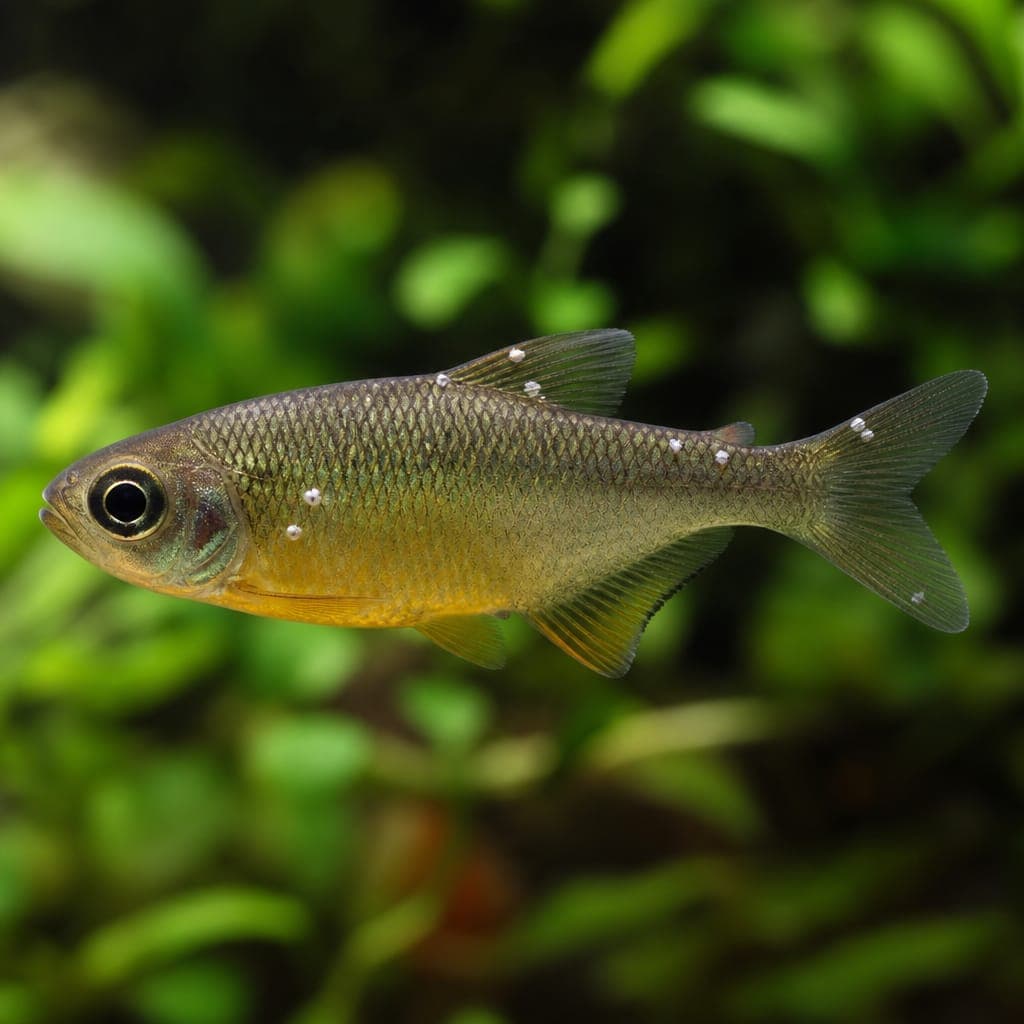
While generally hardy, Red Phantom Tetras can be susceptible to certain health issues typical among freshwater fish. Common ailments include ich (white spot disease), fin rot, and various parasitic infections. Maintaining optimal water quality through regular testing and water changes is crucial to prevent these diseases. Additionally, providing a stress-free environment, avoiding overcrowding, and ensuring a balanced diet can help minimize susceptibility to health problems. Quarantining new arrivals before adding them to an existing tank can also prevent the introduction of diseases into the aquarium.
By understanding the unique needs and behaviors of the Red Phantom Tetra, aquarists can create an enriching habitat that enhances the overall aquarium experience while promoting the long-term health and well-being of these stunning fish.