Red Scooter Blenny
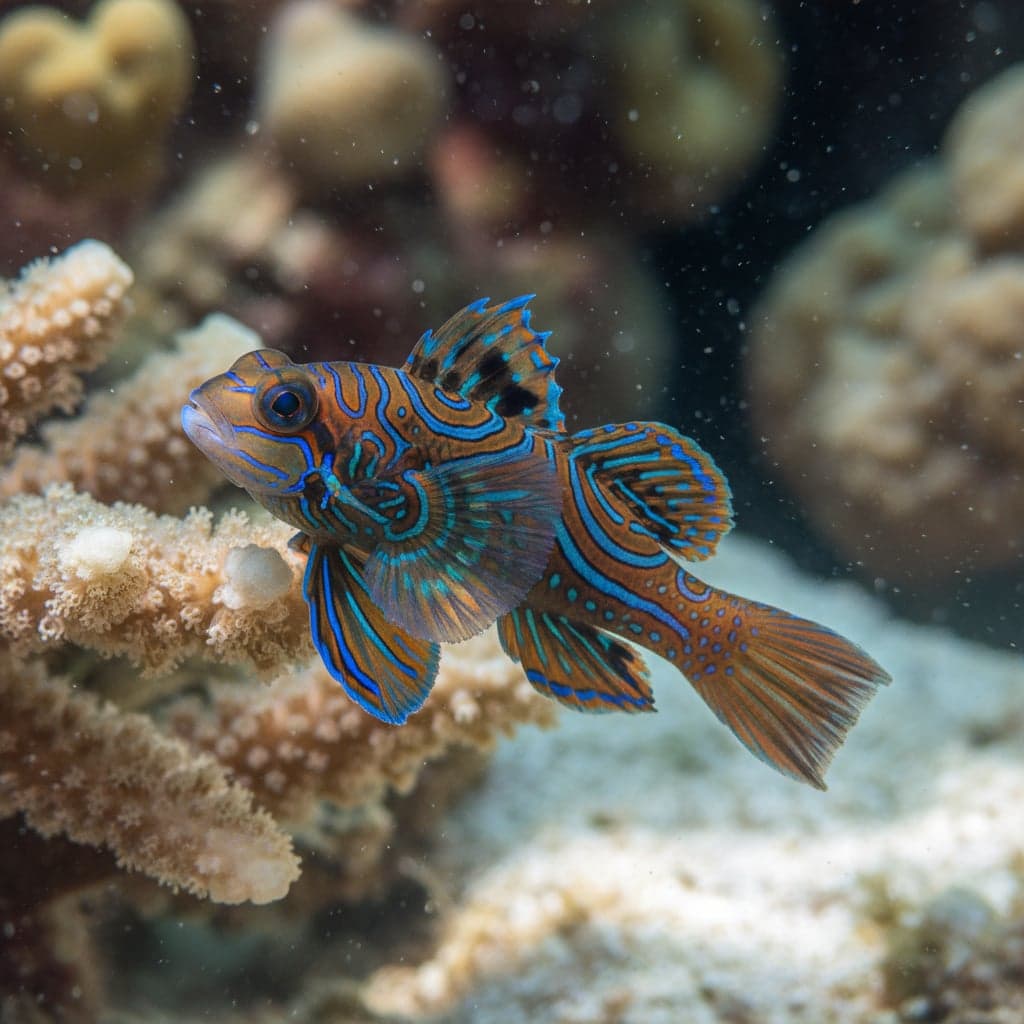
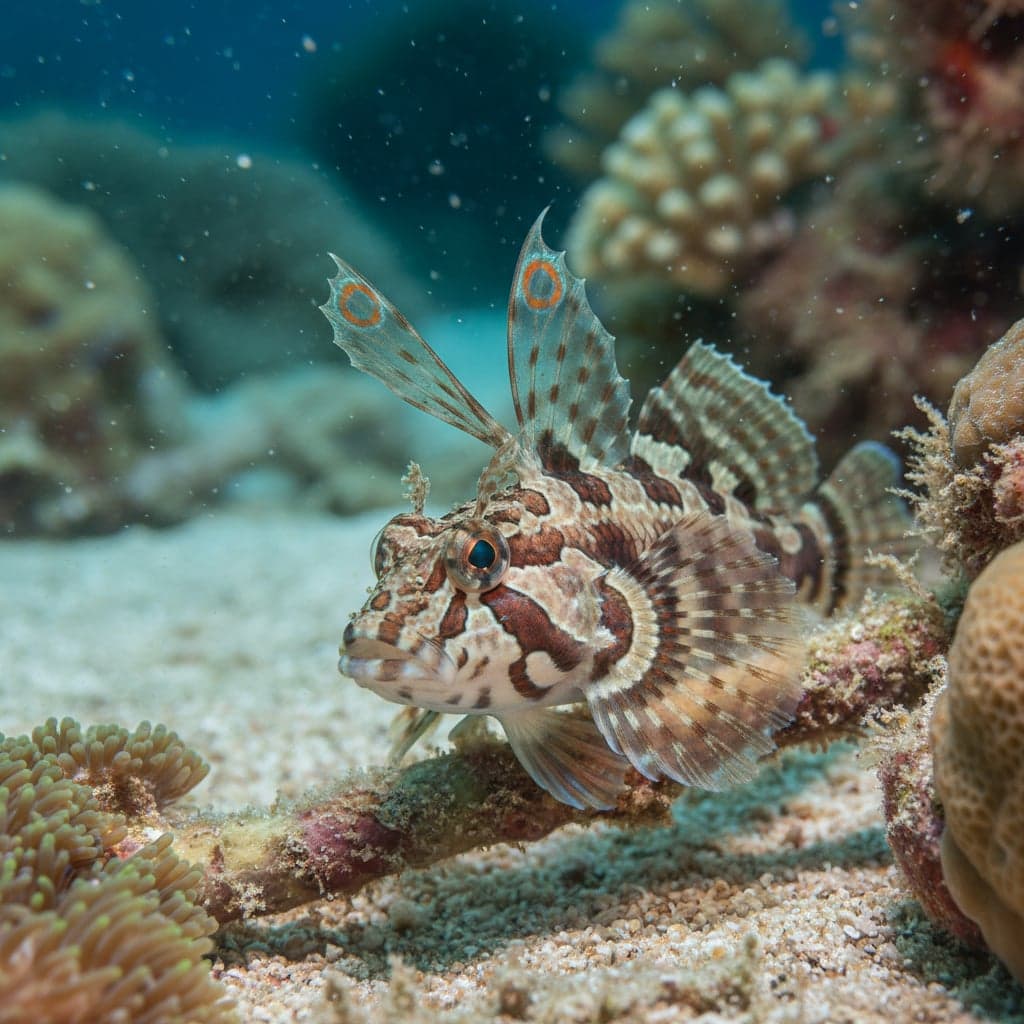
The Red Scooter Blenny (Synchiropus stellatus) is a stunning saltwater fish known for its unique appearance and behavior.

Red Scooter Blenny
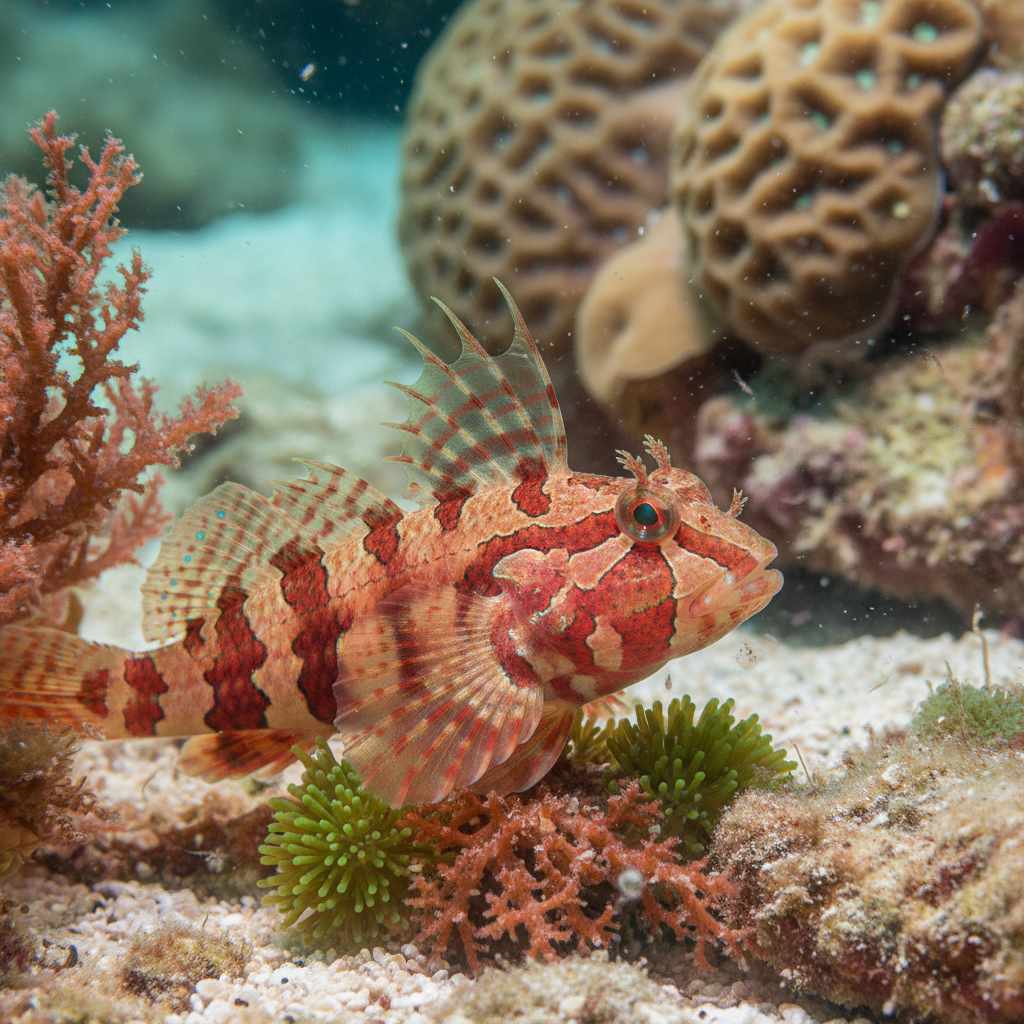
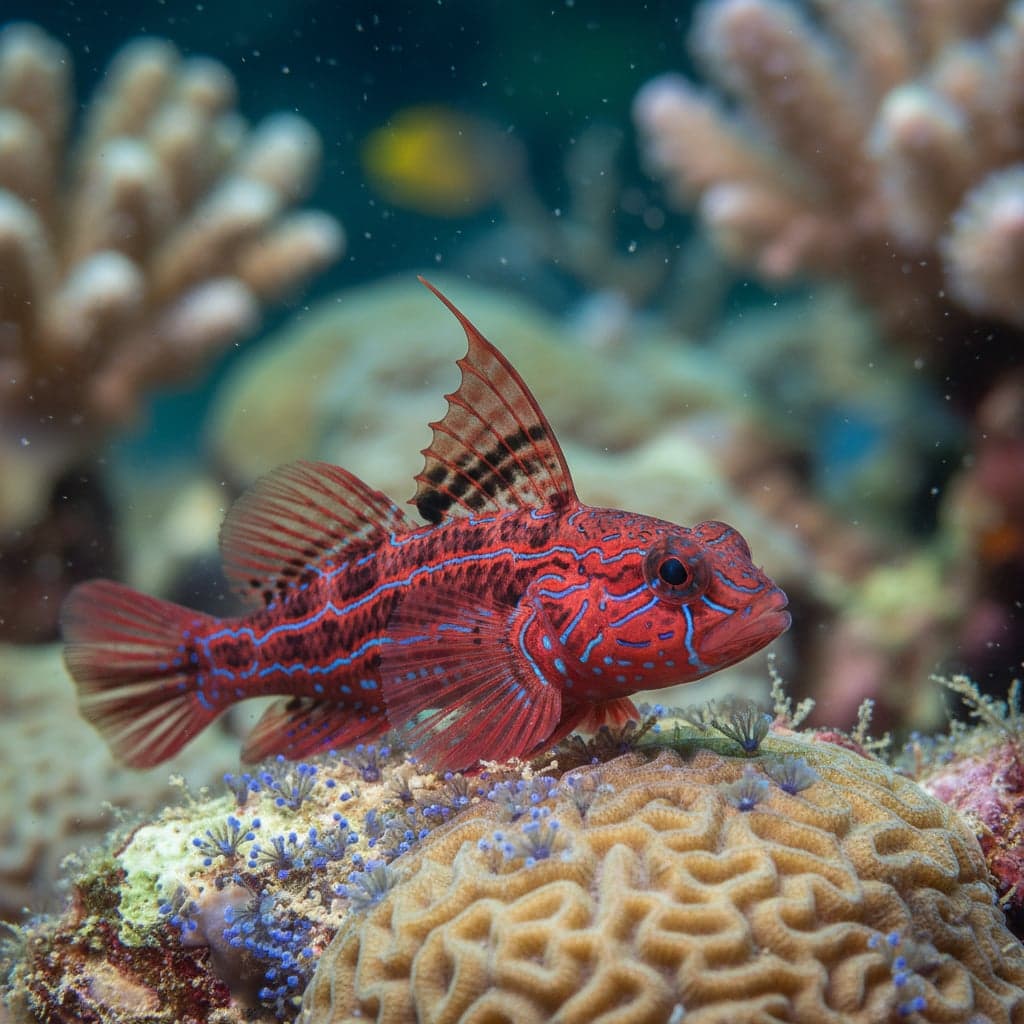
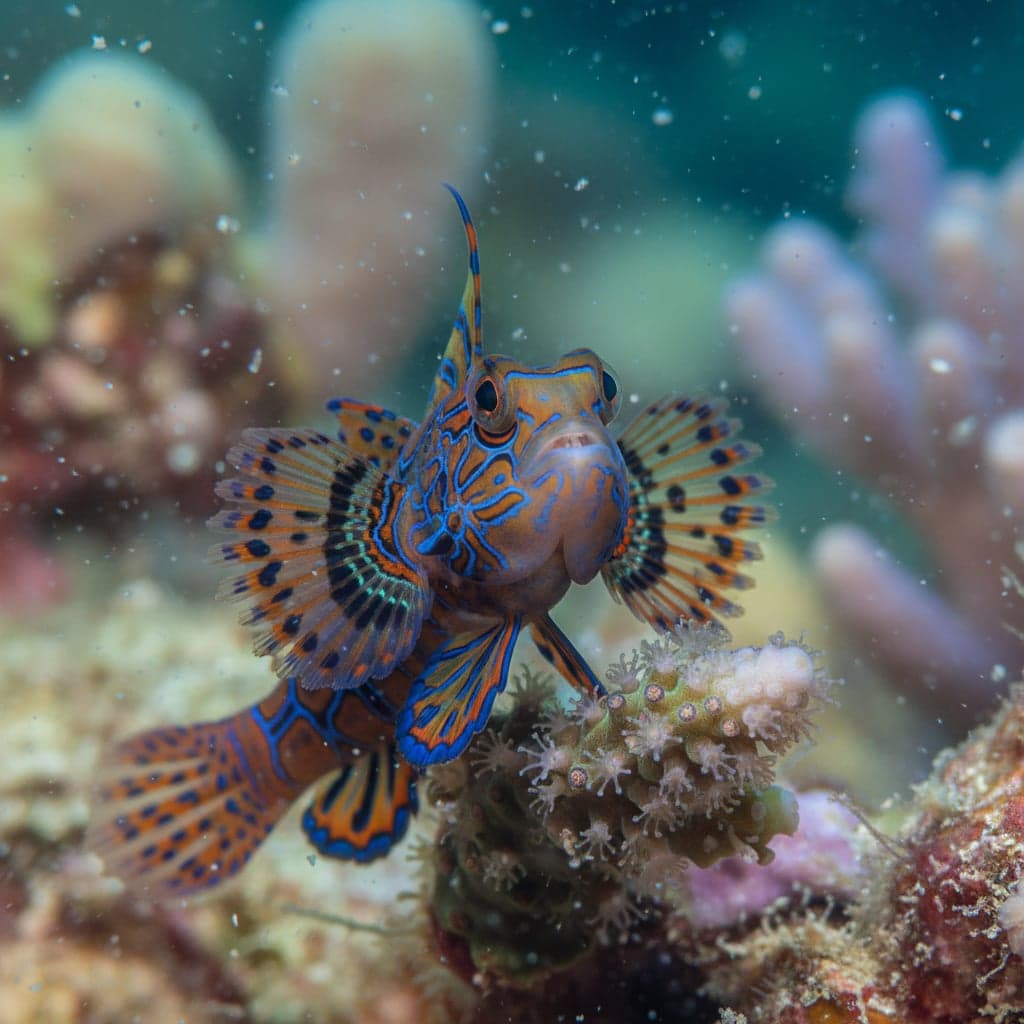
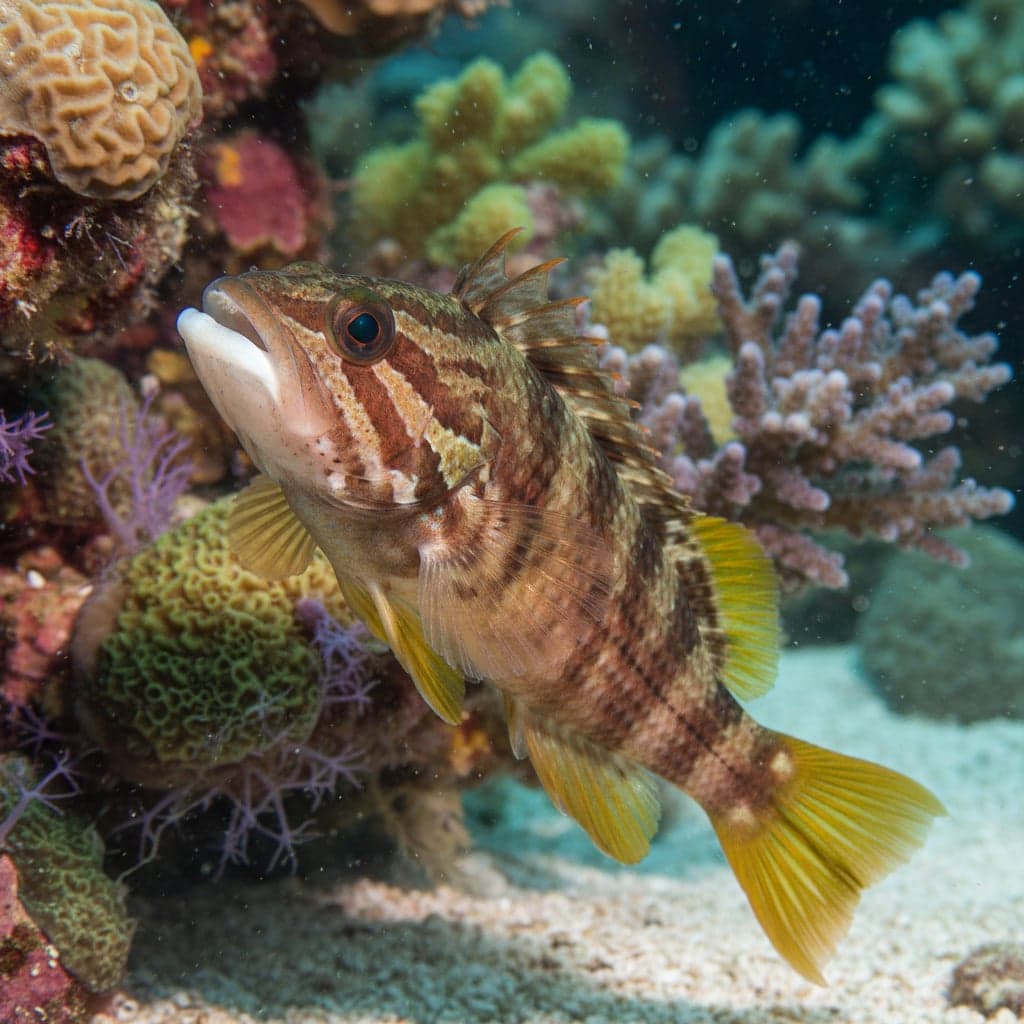
The Red Scooter Blenny (Synchiropus syngnathus) is an enchanting and popular addition to many marine aquariums, captivating aquarists with its striking appearance and playful behavior. This species showcases a vivid coloration of bright red and orange, accented with intricate patterns of blue and yellow spots, making it visually stunning as it darts around the tank. The unique body structure of the Red Scooter Blenny, characterized by its elongated body, large eyes, and small mouth, allows it to thrive in the nooks and crannies of a well-structured environment. Its charming demeanor and lively personality have secured its place as a mainstay in the aquarium hobby, appealing to both novice and experienced fish keepers alike.
In addition to its aesthetic allure, the Red Scooter Blenny plays a vital role in maintaining the ecology of marine habitats. As a member of the farmed goby family, it primarily feeds on small invertebrates, such as copepods and amphipods, which makes it an essential part of its natural ecosystem. This feeding behavior not only aids in controlling the populations of these tiny creatures, but it also contributes to the bio-diversity of the aquatic environment. For aquarists, owning a Red Scooter Blenny means not just appreciating its visual appeal, but also forming a deeper connection to the health of the aquatic community it represents.
Natural Habitat & Origin
The Red Scooter Blenny hails from the shallow, warm waters of the Western Pacific Ocean, with notable populations found around the reefs of the Philippines, Indonesia, and the Great Barrier Reef in Australia. This species typically inhabits environments characterized by a combination of sandy substrates and rocky outcrops, which provide ample hiding opportunities and grazing grounds. The Red Scooter Blenny thrives in clear water with moderate light levels, making it well-suited to reef and lagoon systems where the combination of natural light and nutrient-rich water promotes biodiversity.
These lively fish are generally found at depths from 3 to 30 meters, often hovering near coral reefs, sea grass beds, and rubble fields. The rich fauna and flora found in these habitats significantly contribute to the species' diet and overall health. Their preference for stable environments means that recreation of these conditions is essential in aquarium settings, allowing the Red Scooter Blenny to exhibit natural behaviors and remain healthy.
Care Requirements
To ensure optimal health and longevity, the Red Scooter Blenny requires specific water parameters within its aquarium environment. The ideal pH should range between 8.1 and 8.4, accompanied by a temperature of 75°F to 82°F (24°C to 28°C). Additionally, the hardness of the water should be around 8-12 dGH. When setting up the tank, a minimum capacity of 30 gallons is recommended to provide ample swimming space and territory for this active fish.
The tank substrate should consist of fine sand to mimic its natural habitat, allowing the blenny to forage comfortably for food. Equipment such as live rock and natural decorations is essential for the establishment of hiding spots, enhancing the blenny's security and happiness. Moderate to strong lighting is ideal since it promotes the growth of algae—a food source—while simulating its natural surroundings. Incorporating soft corals and hardy plant species can also help create a more appealing and beneficial environment.
Diet & Feeding
The Red Scooter Blenny is an omnivorous species with a diet primarily consisting of small crustaceans and algae. In captivity, it is essential to provide a varied and balanced diet to ensure its health and vitality. High-quality pellet or flake foods fortified with marine-based ingredients are suitable staples, complemented with regular offerings of frozen or live foods, such as brine shrimp, mysis shrimp, or copepods. Since these fish graze continuously, feeding them multiple times a day is ideal for their nutritional needs.
While they can adapt to prepared foods, it is crucial to encourage their natural foraging behavior by offering them algae wafers or seaweed clips. This not only satisfies their dietary requirements but also provides mental stimulation, keeping them engaged in their surroundings.
Behavior & Temperament
The Red Scooter Blenny exhibits a generally peaceful temperament, making it an excellent choice for community tanks. These fish prefer to establish their own territories, often claiming a favorite hiding spot among rocks or coral, and are known to be solitary swimmers. While they don't exhibit schooling behavior like some other species, Red Scooter Blennies can be kept in pairs or small groups in larger tanks provided they are introduced simultaneously to minimize territorial disputes.
Despite their peaceful nature, Red Scooter Blennies can exhibit some aggression towards similarly sized blennies or gobies. When placed in a diverse community, they tend to be shy and spend the majority of their time near the substrate or designated hiding spots, where they feel most secure.
Tank Mates
Choosing the right tank mates for the Red Scooter Blenny is crucial for maintaining harmony within the aquarium. Compatible species include smaller, peaceful fish such as clowns, dartfish, and gobies. Other ideal companions can include peaceful wrasses and non-aggressive damselfish. However, care must be taken to avoid aggressive or larger species, which can intimidate or harm the Red Scooter Blenny. Species such as large angels, triggers, or aggressive wrasses should be excluded from tank configurations.
It's also essential to ensure that the tank mates do not compete excessively for the same food sources, particularly since the Red Scooter Blenny thrives on smaller prey items and algae.
Breeding
Breeding Red Scooter Blennies in captivity can be complex, as they exhibit specific spawning behaviors. These fish are broadcast spawners, meaning both males and females release eggs and sperm into the water column simultaneously during spawning events, often coinciding with lunar phases. Creating ideal breeding conditions involves providing a well-established tank with plenty of hiding spaces and a stable environment.
To increase the likelihood of successful breeding, it's beneficial to maintain a natural day-night cycle and ensure optimal water quality. If successful, the eggs will hatch within a few days, and the fry will require specialized care and a diet consisting of microscopic food such as infusoria or rotifers until they are large enough to accept larger foods.
Common Health Issues
The Red Scooter Blenny may be prone to a few common health issues, including ich, velvet, and various parasitic infestations. Observing the fish for signs of stress, such as rapid gill movement, loss of appetite, or unusual swimming patterns, is essential for early detection of illness. Prevention tips include maintaining stable water parameters and providing a stress-free environment with hiding spaces.
Quarantining new arrivals and regularly monitoring tank conditions can significantly lower the risk of diseases entering the main display tank. Additionally, a balanced diet rich in nutrients can enhance the fish's immune system, further protecting it against potential health issues.