Red-striped Alenquer Plec: Panaqolus sp. L397
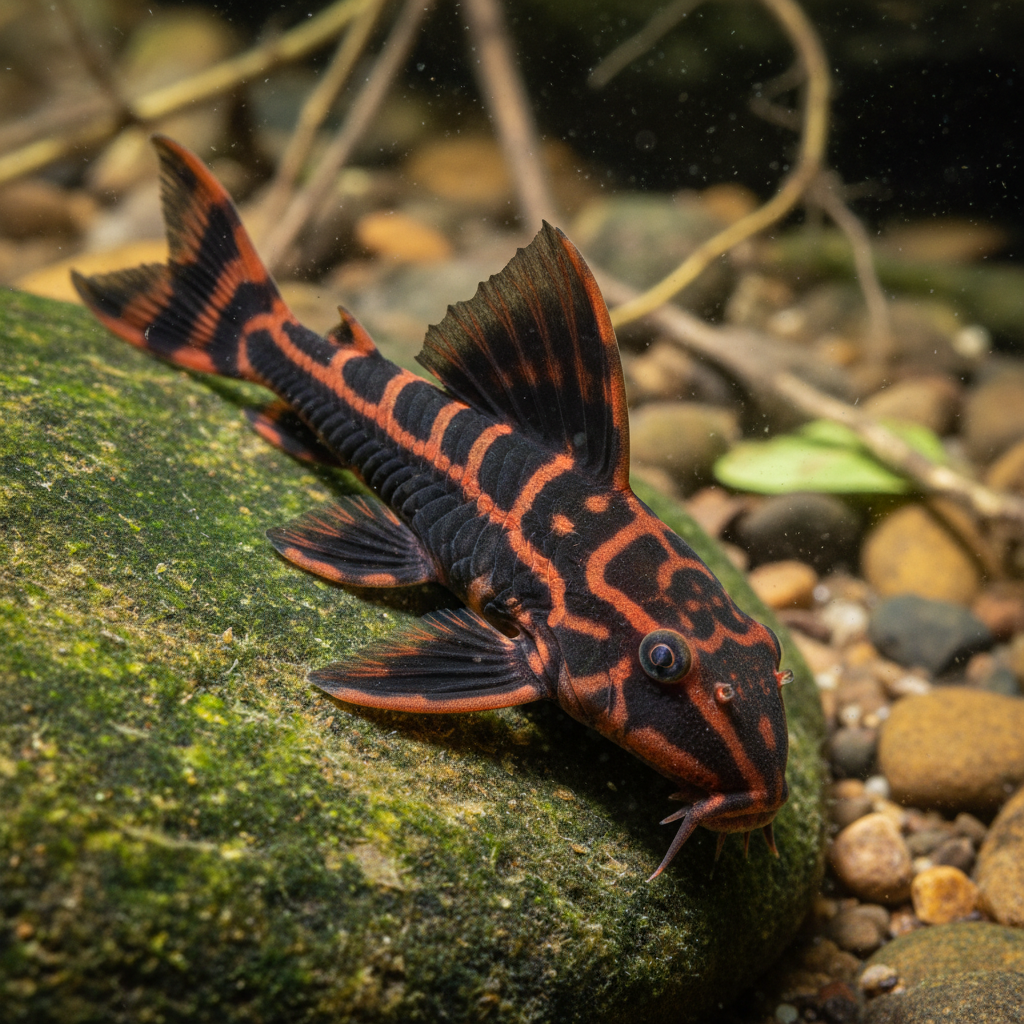
A strikingly beautiful, wood-eating dwarf pleco featuring incredibly high-contrast zebra stripes of deep orange and black.
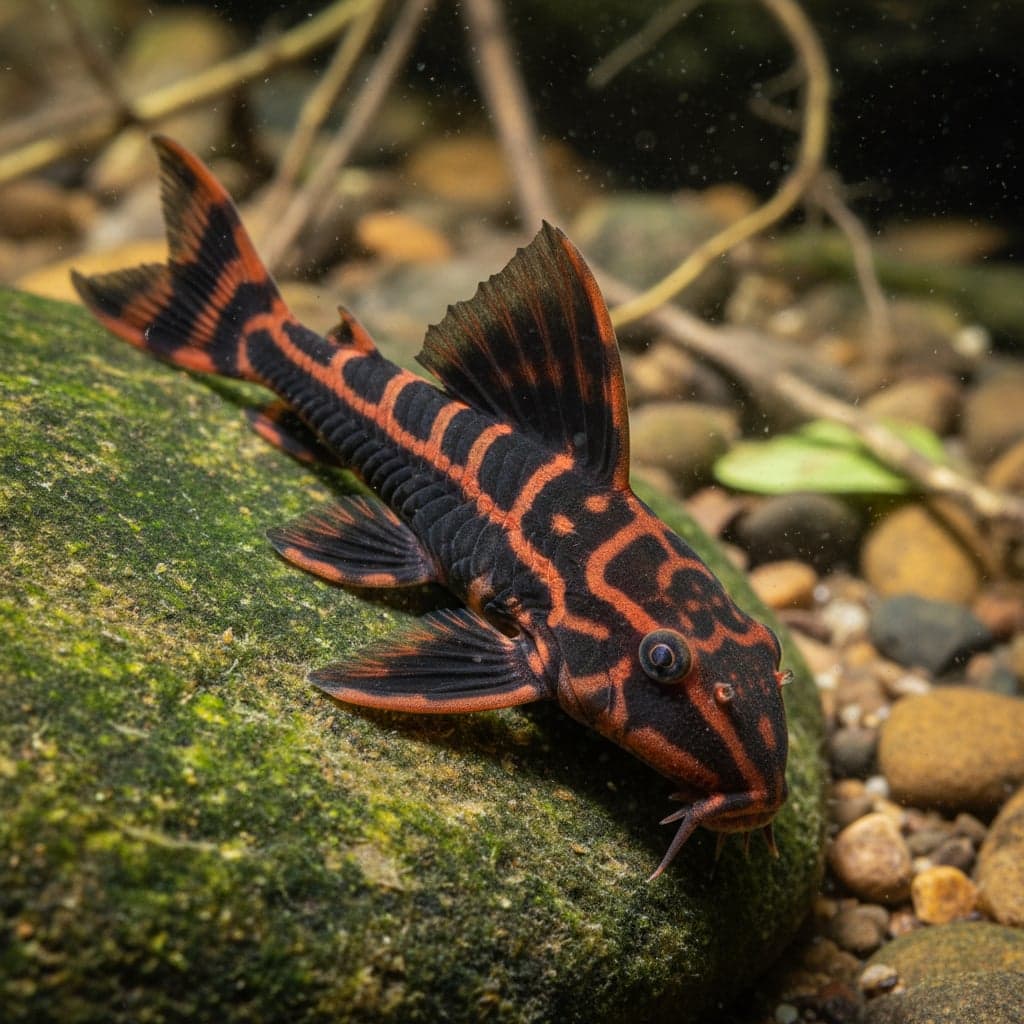
Red-striped Alenquer Plec
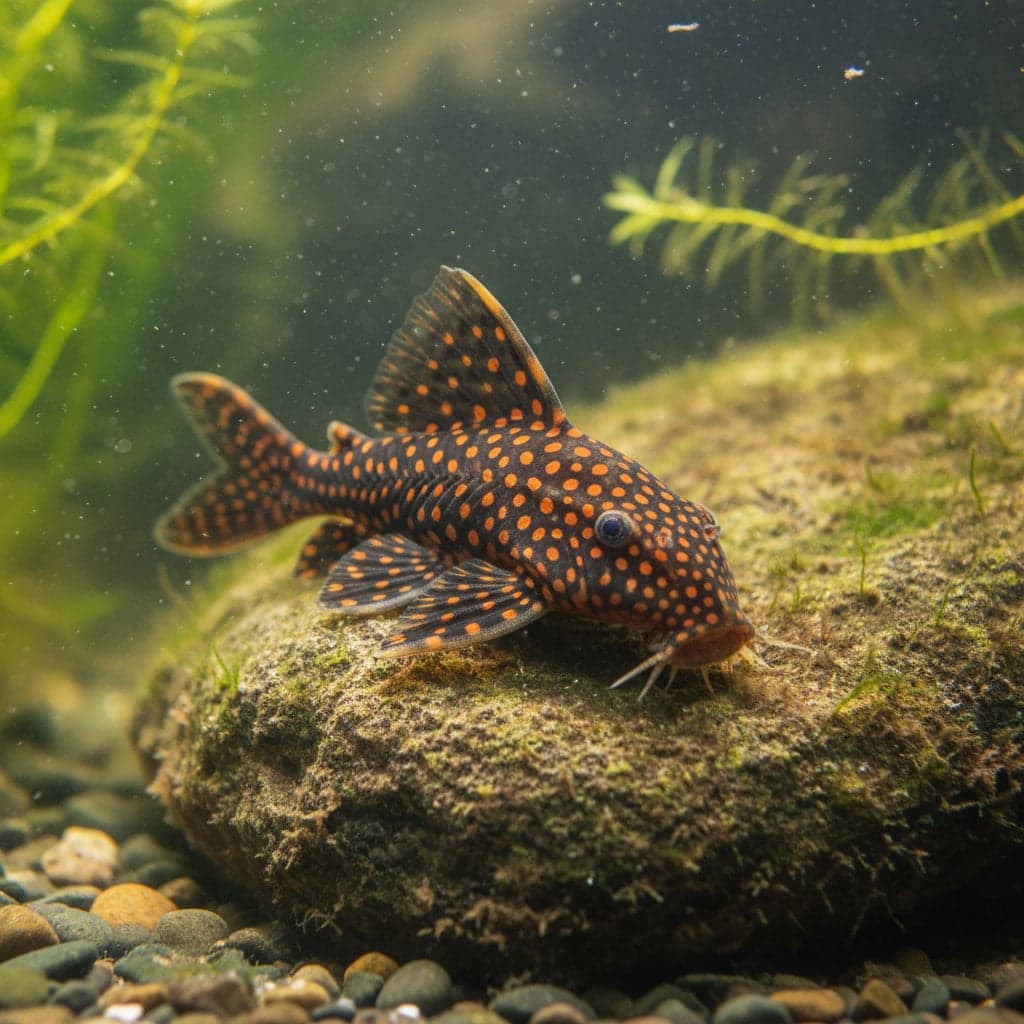
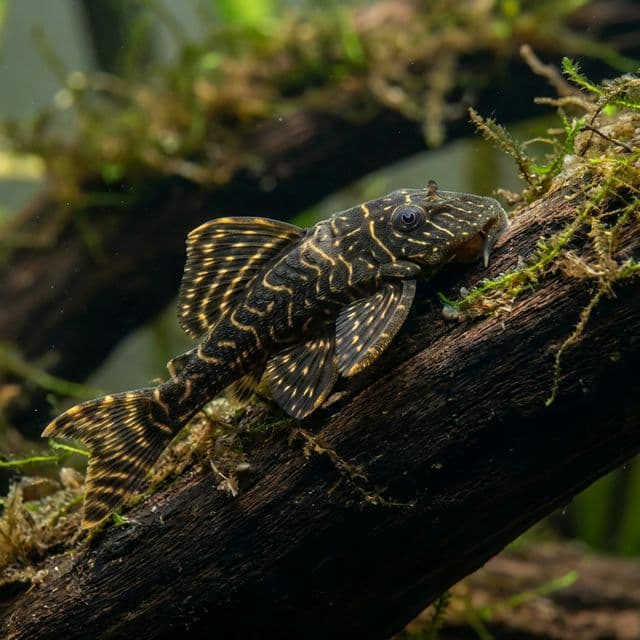
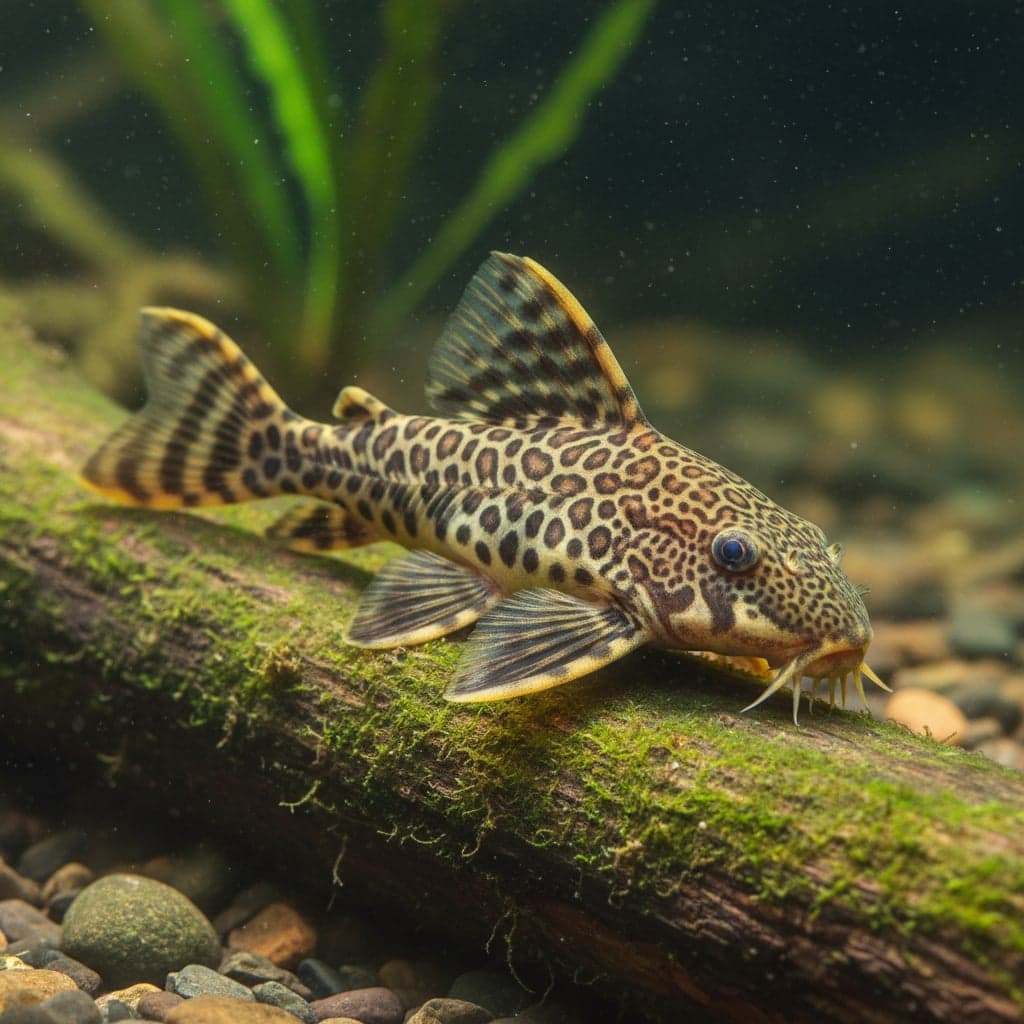
The Red-striped Alenquer Plec, scientifically recognized as Panaqolus sp. L397, is a captivating freshwater fish celebrated for its striking appearance and personality. Known for its vibrant orange to red vertical stripes that contrast beautifully against a dark brown to black body, this species stands out as a sought-after ornamental fish among aquarists. Its unique coloration and patterning not only enhance the aesthetic appeal of an aquarium but also spark conversations among fish enthusiasts and hobbyists alike. The allure of the Red-striped Alenquer Plec extends beyond its beauty; it plays a significant role in the aquarium hobby due to its peaceful temperament and algae-eating habits, making it both a visually stimulating and practical addition to tank environments.
In addition to its visual aspects, this species represents an intriguing subset of the diverse Loricariidae family. The Red-striped Alenquer Plec is particularly appreciated for its ability to thrive in well-maintained aquariums, bringing an element of the Amazon Basin into home setups. As a species that requires specialized care, it offers an opportunity for aquarists to learn about specific water chemistry and ecosystem management, making it an educational experience as well. The combination of its attractiveness and ecological significance has led to its rise in popularity among both novice and experienced aquarists.
Natural Habitat & Origin
The Red-striped Alenquer Plec hails from the Amazon River Basin, specifically the Alenquer region in Brazil. This area is characterized by its blackwater rivers, which are fed by the decomposition of plant matter, resulting in highly acidic and tannin-rich waters. The natural habitat of this species typically consists of slow-moving streams and tributaries with sandy or silt substrates, submerged logs, and abundant vegetation. This environment not only provides shelter and food sources in the form of biofilm and algae but also mimics the conditions necessary for their long-term health, making it crucial for aquarists to replicate these parameters in captivity.
In the wild, the Red-striped Alenquer Plec is adapted to low light conditions often found in densely vegetated areas. These fish are primarily found in deeper sections of rivers where they can hide among the roots and branches, which offer both protection from predators and access to food. Understanding their natural habitat is essential for maintaining the health and behavior of these fish in an aquarium setting.
Care Requirements
To successfully care for the Red-striped Alenquer Plec, it is essential to establish and maintain the right water parameters. The preferred pH range for this species is between 6.0 and 7.5, with a temperature range of 24°C to 28°C (75°F to 82°F). Additionally, the water hardness should ideally be maintained around 5 to 15 dGH. These specific conditions support the fish's natural biology and enhance their coloration and overall health.
In terms of tank setup, the Red-striped Alenquer Plec requires a minimum tank size of 100 liters (approximately 26 gallons). Providing a substrate of fine sand or smooth gravel helps facilitate their natural foraging behavior while minimizing the risk of injury. A heavily planted aquarium with plenty of hiding spaces, such as caves, driftwood, and dense foliage, will mimic their natural habitat and encourage normal behaviors. Moderate to low lighting is ideal, as it replicates the dappled light conditions of their native environment.
Diet & Feeding
The Red-striped Alenquer Plec is primarily herbivorous but exhibits omnivorous tendencies, making a varied diet essential for its health and well-being. In the wild, they feed on biofilm, algae, and decomposing plant matter. In captivity, it is recommended to provide a combination of high-quality spirulina flakes, algae wafers, and vegetable matter such as blanched zucchini or cucumbers. Additionally, offering occasional protein sources like frozen or live brine shrimp and bloodworms can help support their growth during their younger stages.
It is crucial to avoid overfeeding, as this can lead to poor water quality and health issues. A well-balanced daily feeding schedule, consisting of 2-3 small servings, is ideal to maintain the Red-striped Alenquer Plec in peak condition. Offering dietary variety not only supports their nutritional requirements but also encourages natural foraging behaviors.
Behavior & Temperament
The Red-striped Alenquer Plec is known for its peaceful demeanor, making it an excellent choice for community tanks. These fish are primarily solitary but can exhibit territorial behavior, especially among males. They do best in environments with plenty of hiding places and territories, which allows them to feel secure while also fostering a natural environment. Although they do not typically exhibit schooling behavior, keeping them in groups can be beneficial, provided there is ample space to reduce aggression and territorial disputes.
In terms of vertical placement, the Red-striped Alenquer Plec is a bottom-dwelling species, often found foraging on the substrate or in crevices in search of food. They tend to be more active during twilight hours (dusk and dawn) and may occasionally venture higher in the tank when the lighting conditions are subdued. Observers can enjoy their fascinating behaviors, such as algae scraping or investigating new objects introduced into the aquarium.
Tank Mates
When considering tank mates for the Red-striped Alenquer Plec, it is important to choose peaceful, non-aggressive species. Compatible tank mates include small to medium-sized tetras, rasboras, guppies, and discus, as these species share similar water requirements. Additionally, other bottom-dwelling fish like Corydoras can coexist harmoniously, provided there is enough space and hiding places.
Species to avoid include overly aggressive cichlids, large catfish, or any fish known for nipping fins, as these interactions can stress the shy Red-striped Alenquer Plec. Additionally, it is wise to refrain from housing them with territorial or aggressive Plecos that may compete for hiding spots and food resources.
Breeding
Breeding the Red-striped Alenquer Plec in captivity can be challenging but not impossible. These fish are cave spawners, so creating a suitable breeding environment is essential. The ideal conditions for spawning include slightly elevated temperatures of around 28°C (82°F) and a pH level on the lower end of their tolerance, approximately 6.0-6.5.
To encourage breeding behavior, ensure that the fish are well-fed and feel secure in their environment. Providing caves—whether created from driftwood or commercial breeding caves—can stimulate spawning behaviors. Once breeding occurs, the male will typically guard the eggs and care for them until they hatch, which usually takes 3 to 5 days. For successful breeding, maintaining excellent water quality and offering suitable food for the juveniles after they become free-swimming is crucial for their survival.
Common Health Issues
The Red-striped Alenquer Plec may be prone to certain health issues, including ich (white spot disease), fin rot, and bacterial infections. To prevent these common diseases, it is essential to maintain high water quality through regular water changes, monitoring parameters, and ensuring proper tank maintenance.
Additionally, ensure that the fish are not stressed by overpopulation or inappropriate tank mates, as stress can weaken their immune systems. Implementing a balanced diet and avoiding overcrowding can significantly reduce the likelihood of health issues. Regular observations of behavior and appetite help catch problems early. Treat white spots, frayed fins, or lethargy promptly with aquarium-safe medications, and quarantine new arrivals before adding them to the display. Driftwood shelters, clean well-oxygenated water, and a varied diet of veggie matter plus occasional protein keep Red-striped Alenquer Plecs healthy and active for years. Avoid copper-heavy medications when possible, as many loricariids are sensitive, and address cloudy water or sudden lethargy before secondary infections take hold.