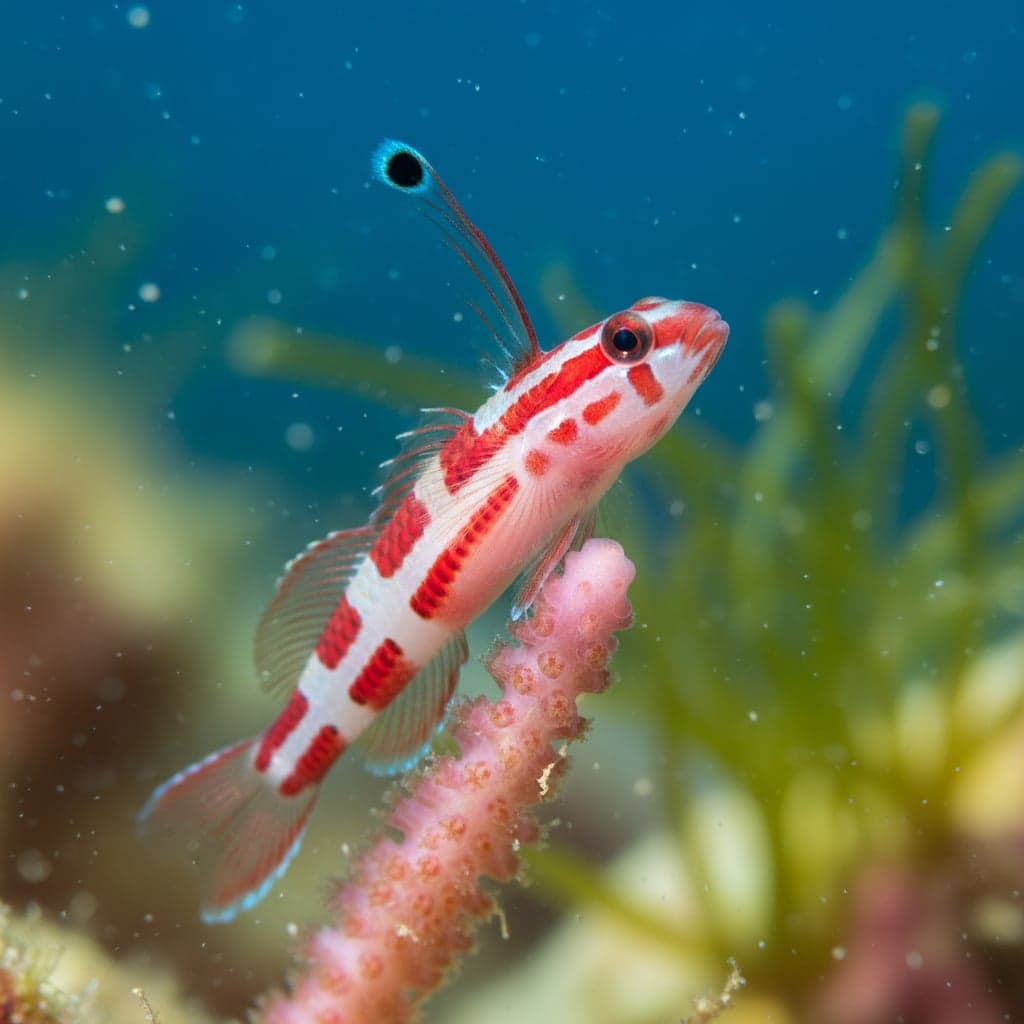
Red-tailed Goodeid: Xenotoca eiseni
A fascinating, incredibly hardy Mexican livebearer where mature males feature a stark orange-red tail and deep belly.
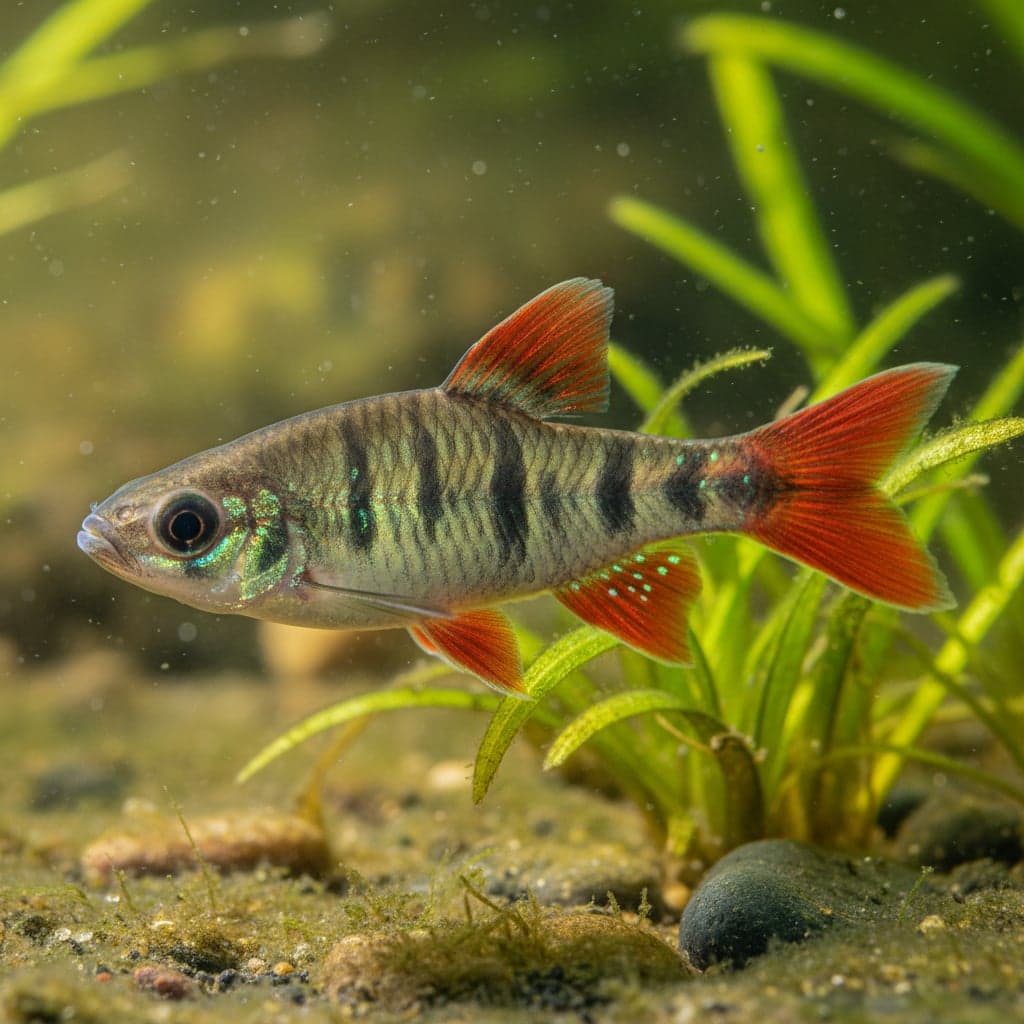
Red-tailed Goodeid
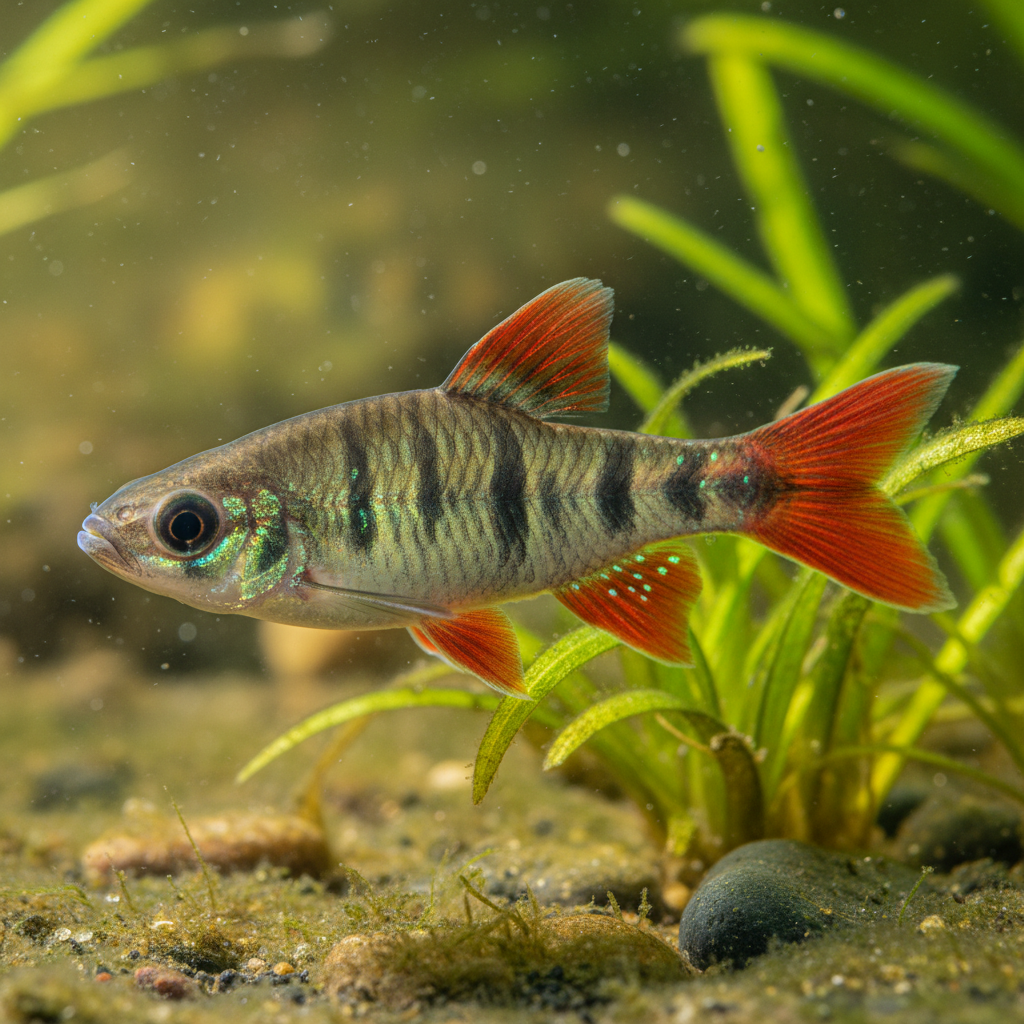
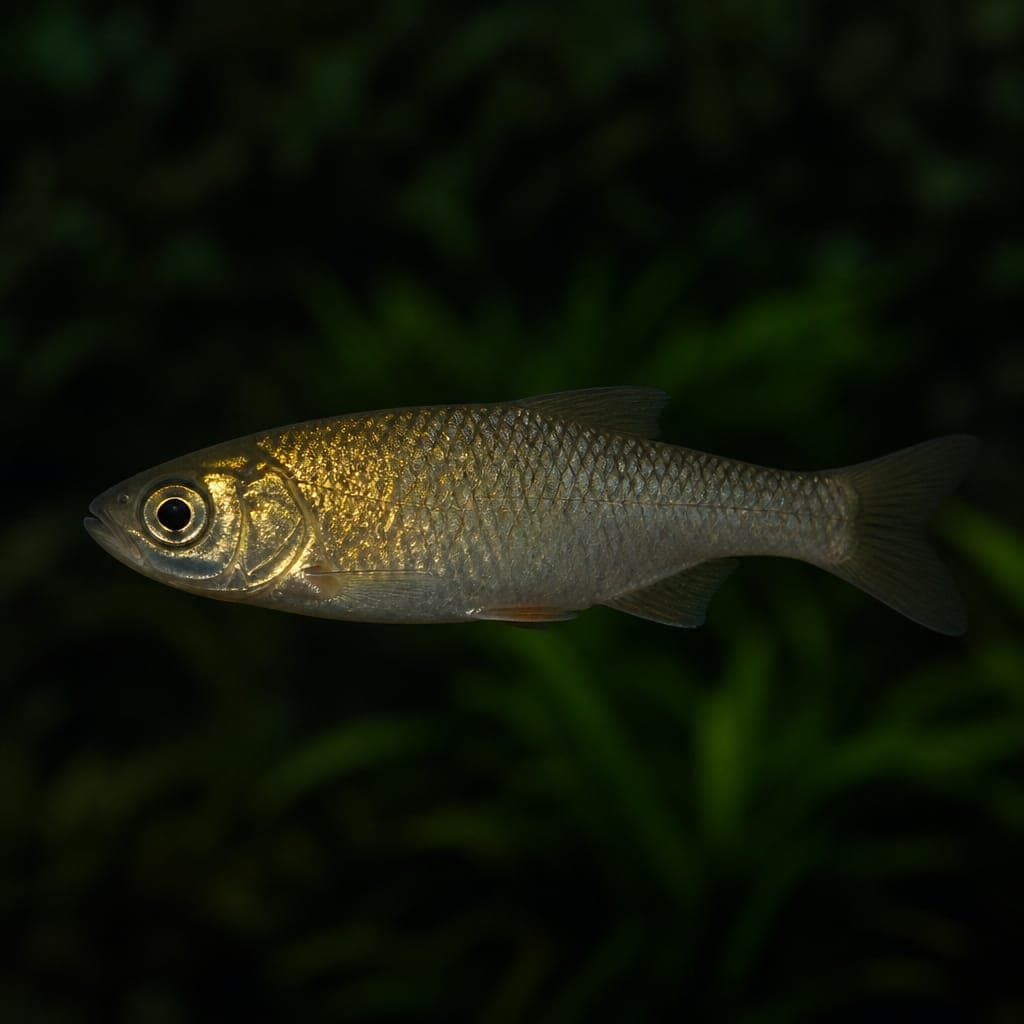
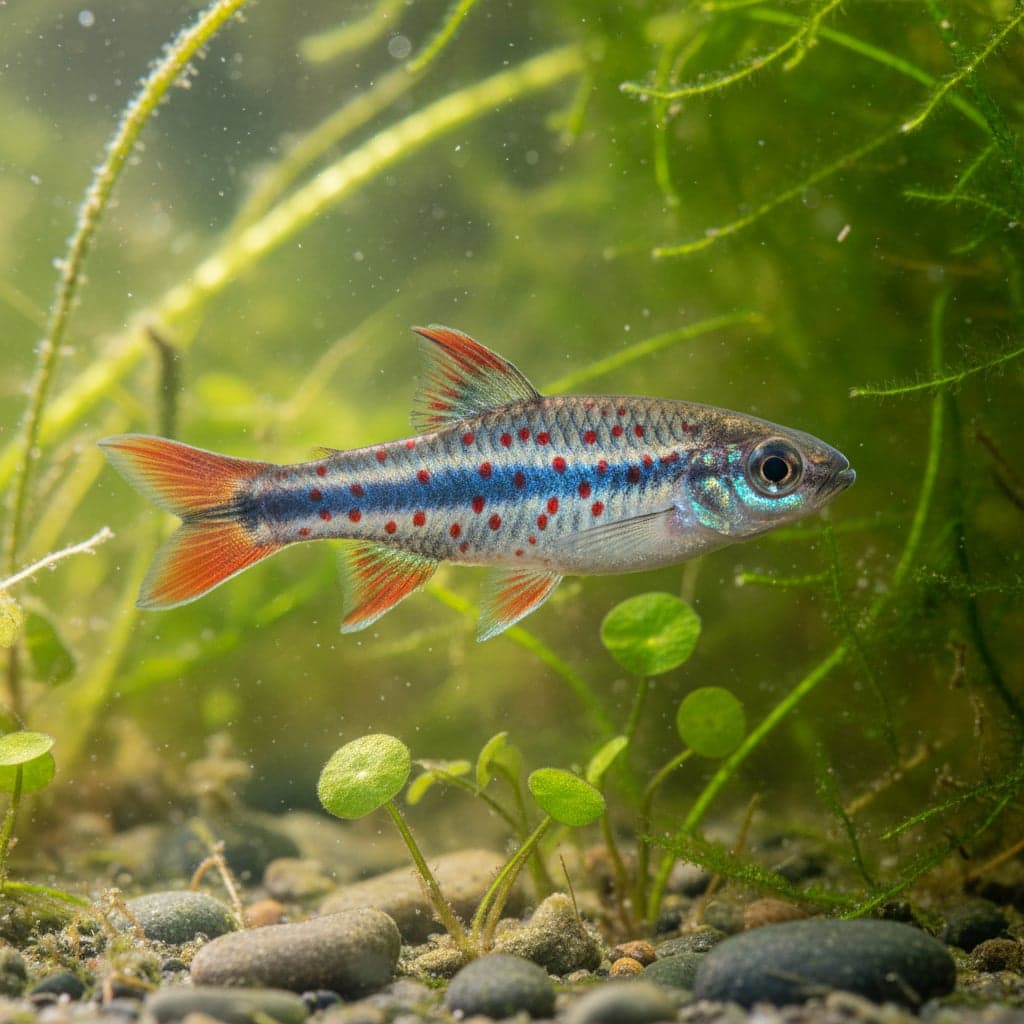
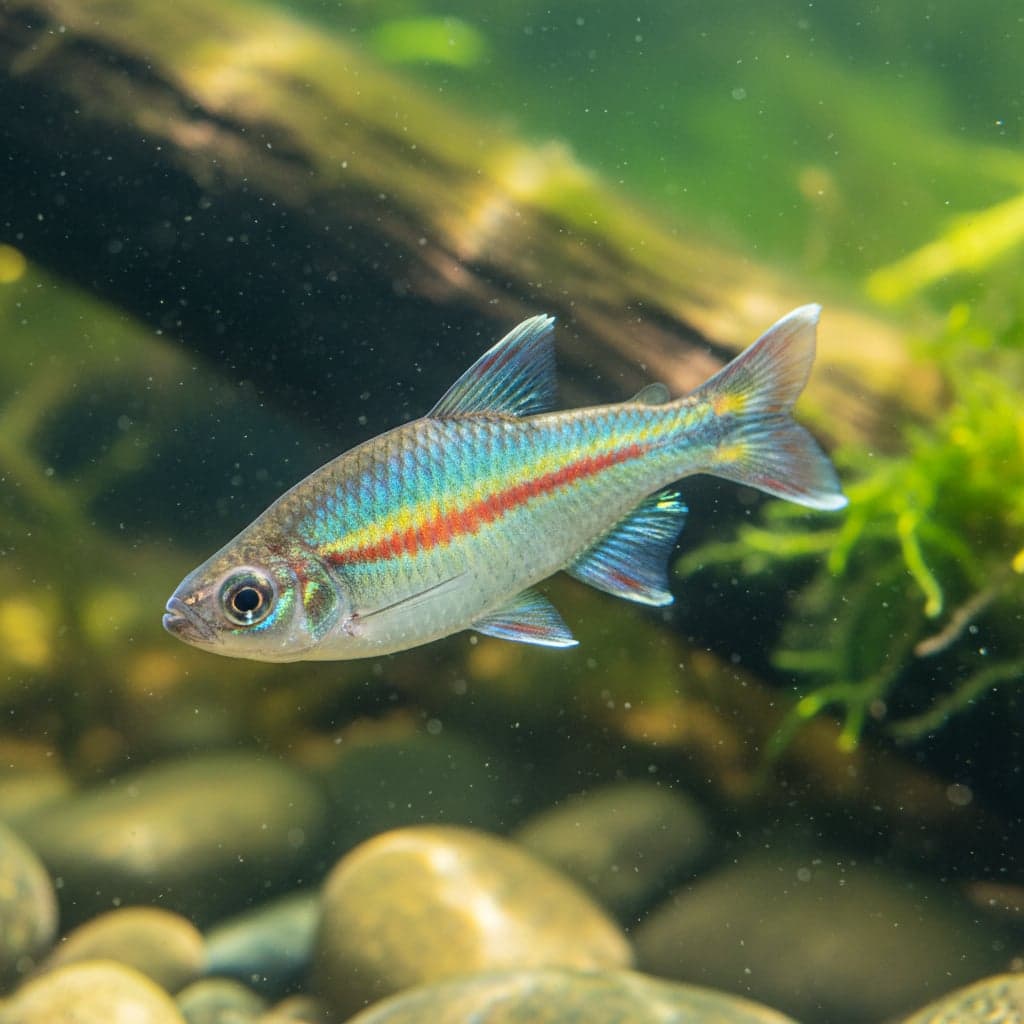
The Red-tailed Goodeid, known scientifically as Xenotoca eiseni, is a stunningly colorful freshwater fish that captivates aquarists with its vibrant appearance and unique features. Characterized by its elongate body and striking red-orange tail, this species exhibits a blend of hues ranging from iridescent blues to deep greens and silvers. Males generally exhibit more vivid colors than females, making them a focal point in any community aquarium. Their dazzling appearance is complemented by their lively behavior, which further enhances their appeal among tropical fish enthusiasts.
In the aquarium hobby, the Red-tailed Goodeid is valued not only for its aesthetic qualities but also for its adaptive nature. As a member of the Goodeidae family, this species represents a unique lineage of livebearers that offer an alternative to more commonly kept aquarium fish. Its hardy nature makes it suitable for both novice and experienced aquarists, while its sociable demeanor allows for them to thrive in varied community settings. Their conservation status is also a point of interest, as they are native to specific regions in Mexico, which makes understanding their habitat and care requirements essential for maintaining both wild and captive populations.
Natural Habitat & Origin
The Red-tailed Goodeid is endemic to freshwater environments in various regions of central Mexico, particularly around areas like the Cuitláhuac River and parts of the Veracruz state. This fish typically inhabits clear to slightly turbid waters, where they can be found among vegetation in shallow pools and streams. The natural habitats are often characterized by abundant subaqueous vegetation and moderate water flow, which provide both shelter and feeding opportunities.
These fish thrive in warm, soft waters that are rich in minerals and organic materials. The environmental context of their native habitats includes a substrate of sand and fine gravel, as well as plenty of cover from plants and roots. Despite the shifts in their ecosystems caused by human activities, the resilience of the Red-tailed Goodeid has allowed it to persist, although many aquarists emphasize the importance of replicating their natural conditions for optimal health and reproduction in captivity.
Care Requirements
To successfully care for the Red-tailed Goodeid, specific water parameters should be maintained. The ideal pH level ranges from 6.5 to 7.5, while the water temperature should be kept between 22°C to 26°C (72°F to 79°F). Hardness levels should be within the 5 to 15 dGH range to simulate their natural habitat effectively. A minimum tank size of 40 gallons is recommended, as these fish appreciate both horizontal swimming space and areas to explore.
When setting up the tank, the use of a fine, sandy substrate alongside smooth stones and driftwood will create a more natural environment. Proper lighting should be moderate to encourage plant growth, and a mix of live and artificial plants is ideal to provide hiding spots and security. Floating plants can help reduce light intensity and provide shade, further enriching their aquarium environment.
Diet & Feeding
As omnivores, Red-tailed Goodeids have a diverse diet that can include a variety of foods. In captivity, they should be offered a balanced mixture of quality flakes and pellets, supplemented with frozen or live foods such as brine shrimp, daphnia, and bloodworms. This diverse diet is crucial not only for maintaining vibrant colors but also for promoting overall health and longevity. It's advisable to feed them small portions several times a day to replicate their natural feeding habits and prevent overfeeding.
Additionally, providing them with a source of vegetable matter, such as blanched greens or spirulina-based products, can contribute to their nutritional needs. Regularly changing up their diet will help prevent boredom and encourage healthy eating behaviors among your Red-tailed Goodeids.
Behavior & Temperament
The Red-tailed Goodeid is known for its peaceful and friendly demeanor, making it an excellent addition to community tanks. They are social fish that thrive in groups, so keeping them in schools of six or more is highly recommended to reduce stress and enhance their natural behaviors. While they are generally non-aggressive, males may display territorial behavior during breeding, particularly in confined spaces, which makes adequate tank space crucial.
In a community setup, the Red-tailed Goodeid often occupies the mid to upper levels of the tank. It’s not uncommon for them to use all vertical spaces available, darting between plants and decorations. Their sociable nature allows them to interact well with other compatible species, leading to an engaging display in the aquarium.
Tank Mates
When selecting tank mates for the Red-tailed Goodeid, consider species that share similar water conditions and temperaments. Compatible species include:
- Tetra varieties (such as Neon Tetras or Rummy Nose Tetras)
- Small Rasboras
- Guppies
- Platies
- Corydoras catfish
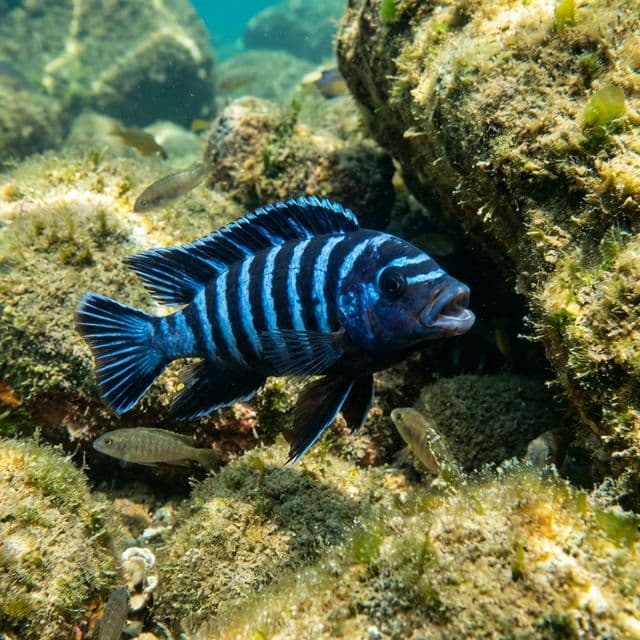
However, it's essential to avoid housing them with larger, aggressive species like cichlids or fast-swimming predators that may stress them out or compete for food. Additionally, smaller species like Betta fish can potentially show aggression toward the Red-tailed Goodeid, especially in limited space.
Breeding
Breeding Red-tailed Goodeids in captivity can be a rewarding experience, provided that specific conditions are met. These fish are livebearers, which means they give birth to free-swimming young. To stimulate breeding, maintain parameters within the optimal ranges mentioned above, and ensure a well-planted tank with plenty of hiding spots. A ratio of one male to two or three females is ideal to reduce stress during spawning.
The spawning behavior typically involves courtship displays where males will chase females. After successful fertilization, gestation lasts about four weeks before the female gives birth to live fry. Providing dense vegetation or spawning mops can help protect the young fish from being eaten by adults after birth. Separating fry into a nursery tank will promote better survival rates.
Common Health Issues
Red-tailed Goodeids are generally hardy fish, but they can still be prone to certain health issues typical in aquarium settings. Common diseases include Velvet Disease, Ich, and fin rot, often resulting from poor water quality or stress. Maintaining stable water parameters and conducting regular water changes are essential preventive measures.
Additionally, monitoring their diet, offering a variety of foods, and ensuring that tank conditions remain optimal can prevent many health issues. Introducing new fish gradually and quarantining them before adding them to the main tank can also reduce the risk of disease transmission, promoting a healthier environment for your Red-tailed Goodeid.