Red-tailed Penguin Tetra: Thayeria boehlkei
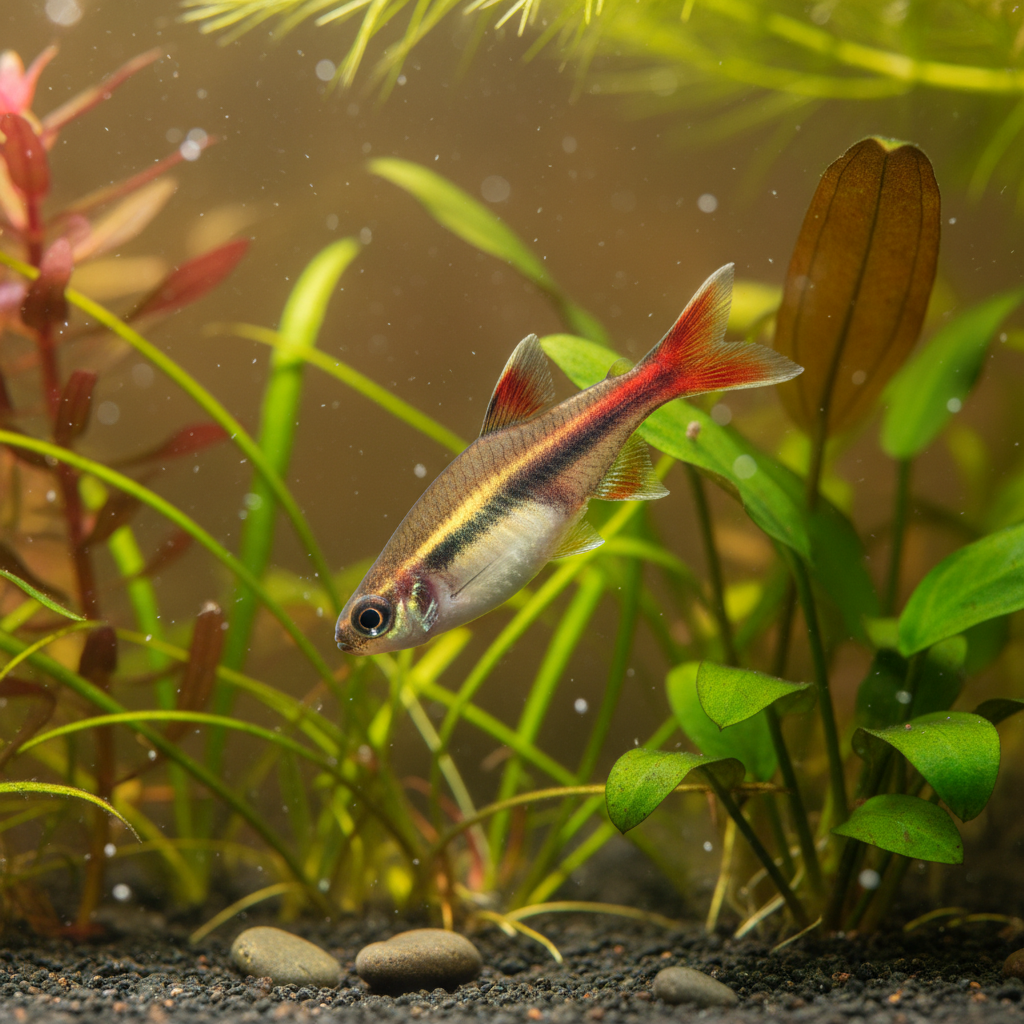
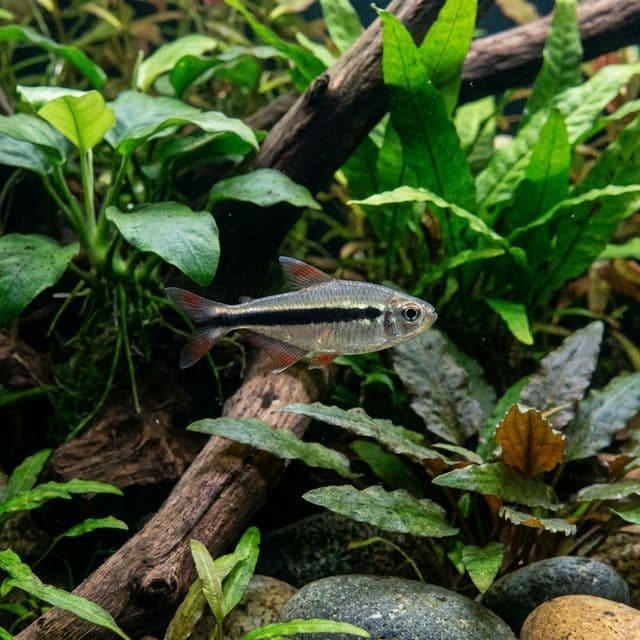
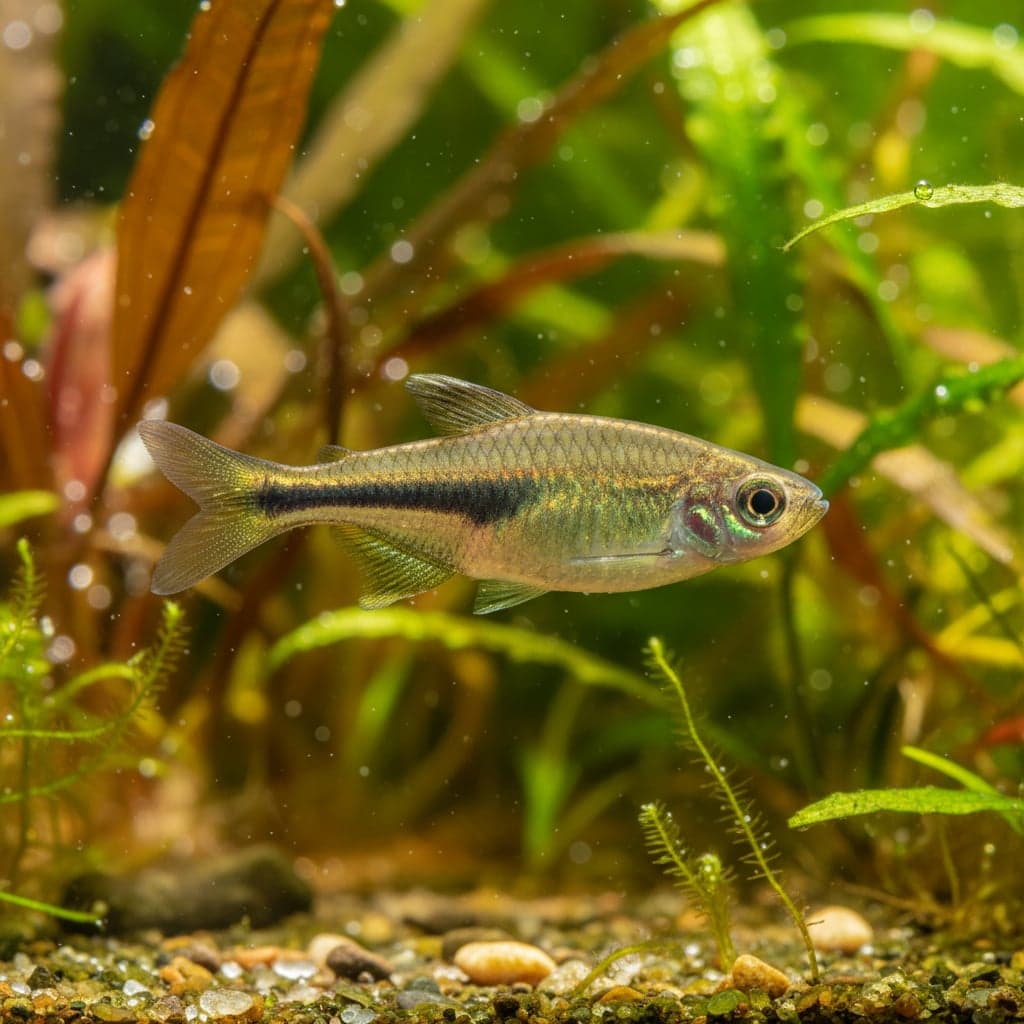
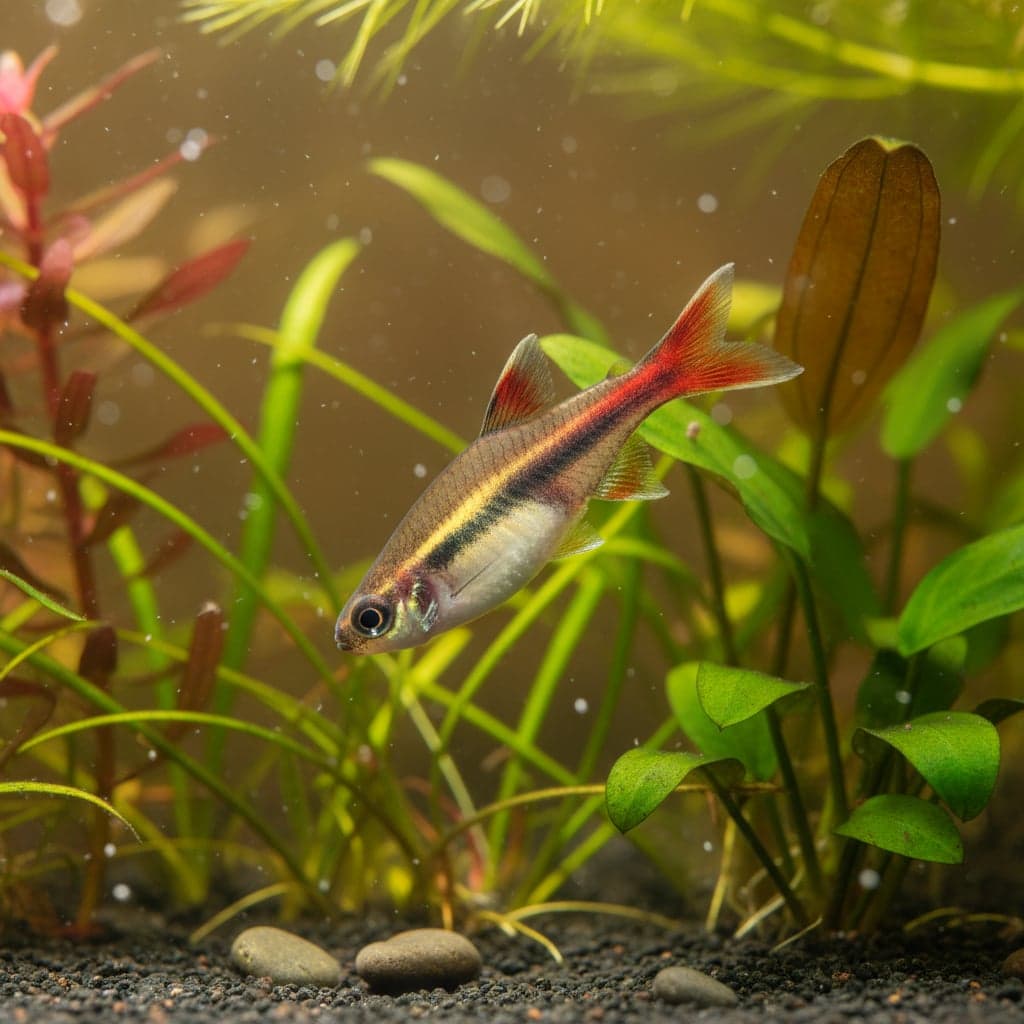
A striking variation of the classic Penguin Tetra featuring blood-red accents against its iconic black hockey-stick stripe.
Red-tailed Penguin Tetra
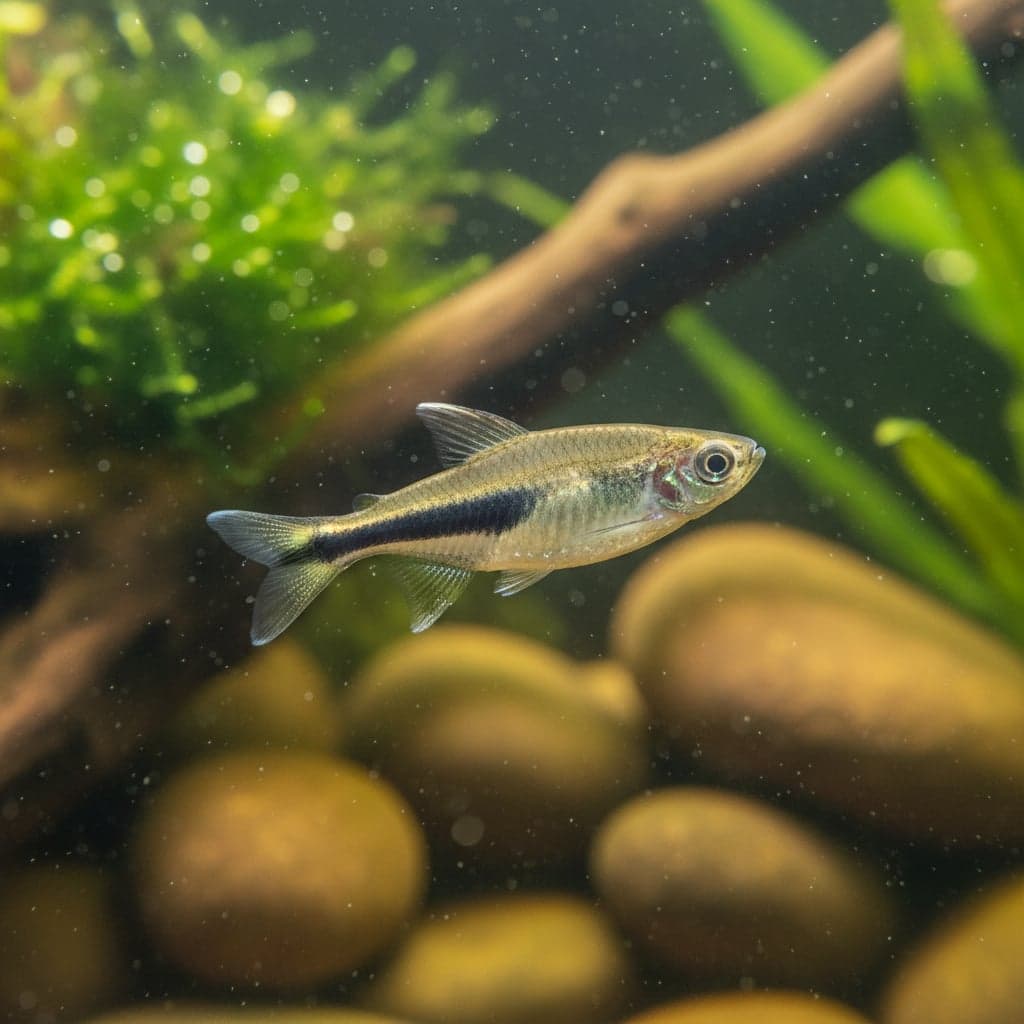
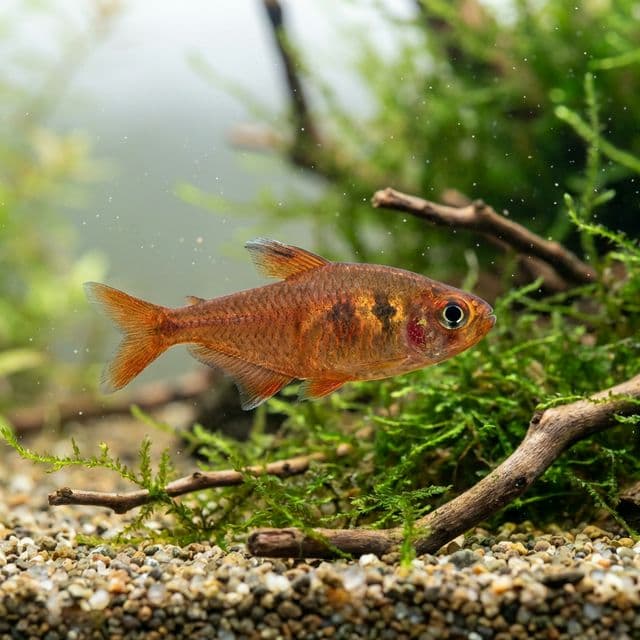
The Red-tailed Penguin Tetra, scientifically known as Thayeria boehlkei, is an eye-catching freshwater fish native to the Amazon Basin in South America. Its vibrant appearance, featuring a prominent red or orange tail, coupled with a sleek silver body, provides a striking contrast that makes it a popular choice among aquarists. As a small schooling fish typically growing to about 2.5 inches in length, this species captivates both novice and experienced aquarists with its unique coloration and playful nature.
Significant in the aquarium hobby, the Red-tailed Penguin Tetra is often appreciated for its social behavior and compatibility with various community tank setups. These fish are known to thrive in groups, creating dynamic movement across the aquarium that enhances the visual appeal of any aquatic environment. Their friendly disposition and relative ease of care make them an excellent choice for beginners and seasoned hobbyists alike, contributing to their steady demand in the aquarium trade.
Natural Habitat & Origin
The natural habitat of the Red-tailed Penguin Tetra is primarily located in the tributaries of the Amazon River in Brazil. This species typically inhabits slow-moving waters with plenty of vegetation, where they can seek cover from predators while foraging for food. The water conditions are generally characterized as soft and acidic, often displaying blackwater characteristics due to the decomposition of organic matter, which tints the water a tea-like color. These specific environmental contexts influence not only the health of the fish but also the water parameters needed for successful keeping in captivity.
In the wild, the Red-tailed Penguin Tetra is often found among submerged roots, leaf litter, and dense plant life, which provide both shelter and foraging opportunities. This backdrop showcases their natural behavior and social structure while allowing aquarists to replicate a similar environment in home aquariums to ensure their well-being.
Care Requirements
To maintain optimal health, the Red-tailed Penguin Tetra requires specific water parameters: a pH range of 5.5 to 7.0, a temperature of 74°F to 82°F, and water hardness between 2 and 15 dGH. These conditions closely mimic their natural blackwater habitats, fostering an environment conducive to their growth and happiness.
For tank setup, a minimum aquarium size of 20 gallons is recommended to accommodate a school of at least six fish, which can provide a comfortable environment for social interactions. A soft substrate, such as sand or fine gravel, is ideal for them. To create a natural aesthetic, incorporating live plants like Java moss, Amazon swords, and floating plants not only enhances their habitat but also contributes to water quality by providing oxygenation. Moderate lighting is ideal to ensure plant growth while mimicking the dappled light conditions found in their native habitat.
Diet & Feeding
The Red-tailed Penguin Tetra is classified as an omnivore, which means they thrive on a diverse diet. In captivity, these fish do well with high-quality flakes or pellets formulated for tropical fish to ensure a complete nutritional profile. Supplementing their diet with frozen or live foods such as brine shrimp, daphnia, or bloodworms can promote vibrant coloration and enhance growth. Sinking pellets can also be utilized, as these fish tend to feed at various levels in the tank.
It is essential to feed them multiple small meals throughout the day rather than a single large feeding to mimic their natural foraging behavior. Additionally, incorporating vegetable matter, like spirulina flakes or blanched vegetables, can round out their diet and contribute to overall health.
Behavior & Temperament
The Red-tailed Penguin Tetra is known for its gentle and peaceful nature, making it a great addition to community aquariums. These fish are social creatures that thrive in schools, which not only enhances their behavior but also minimizes stress. In a sizable school, they tend to display their natural swimming patterns, often darting playfully throughout the tank.
Aggression levels in this species are low, making them compatible with a wide range of tank mates. They prefer to inhabit the middle and upper levels of the aquarium, swimming gracefully through the water column. Ensuring they are kept in groups of at least six will allow them to exhibit their characteristic schooling behavior and feel secure in their environment.
Tank Mates
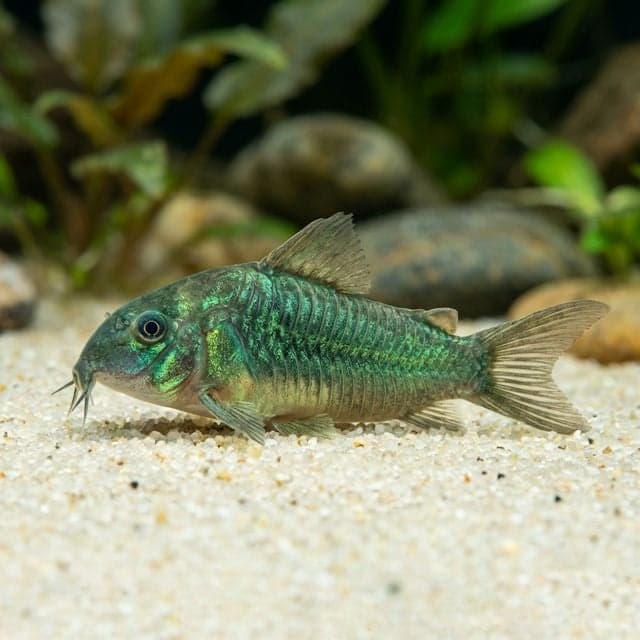
When selecting tank mates for the Red-tailed Penguin Tetra, it is vital to choose species that share similar water requirements and exhibit a gentle temperament. Ideal companions include other tetras such as Neon Tetras and Glowlight Tetras, as well as peaceful species like Corydoras Catfish, Rasboras, and adult Guppies.
However, caution should be exercised with territorial or aggressive species, such as Cichlids, Betta Fish, or larger carnivorous fish, as these can pose a threat to the Red-tailed Penguin Tetra and cause undue stress. Establishing a harmonious community setting will enhance the overall aquarium experience for both the fish and the keeper.
Breeding
Breeding Red-tailed Penguin Tetras in captivity can be achieved with some attention to their specific conditions. These fish are egg layers, and a well-planted tank with a soft substrate offers them the best chance for successful spawning. A separate breeding tank may be beneficial for monitoring the process without the risk of predation from adults.
For breeding, temperature should be slightly elevated to around 78°F, with a pH around 6.0. Providing a spawning surface such as fine-leaved plants encourages the female to lay her eggs, which the male then fertilizes. Post-spawning, it is advisable to remove the adults from the breeding tank, as they may consume the eggs. After a couple of days, the eggs will hatch, and fry can be fed infusoria or finely crushed flakes until they grow large enough for more substantial foods.
Common Health Issues
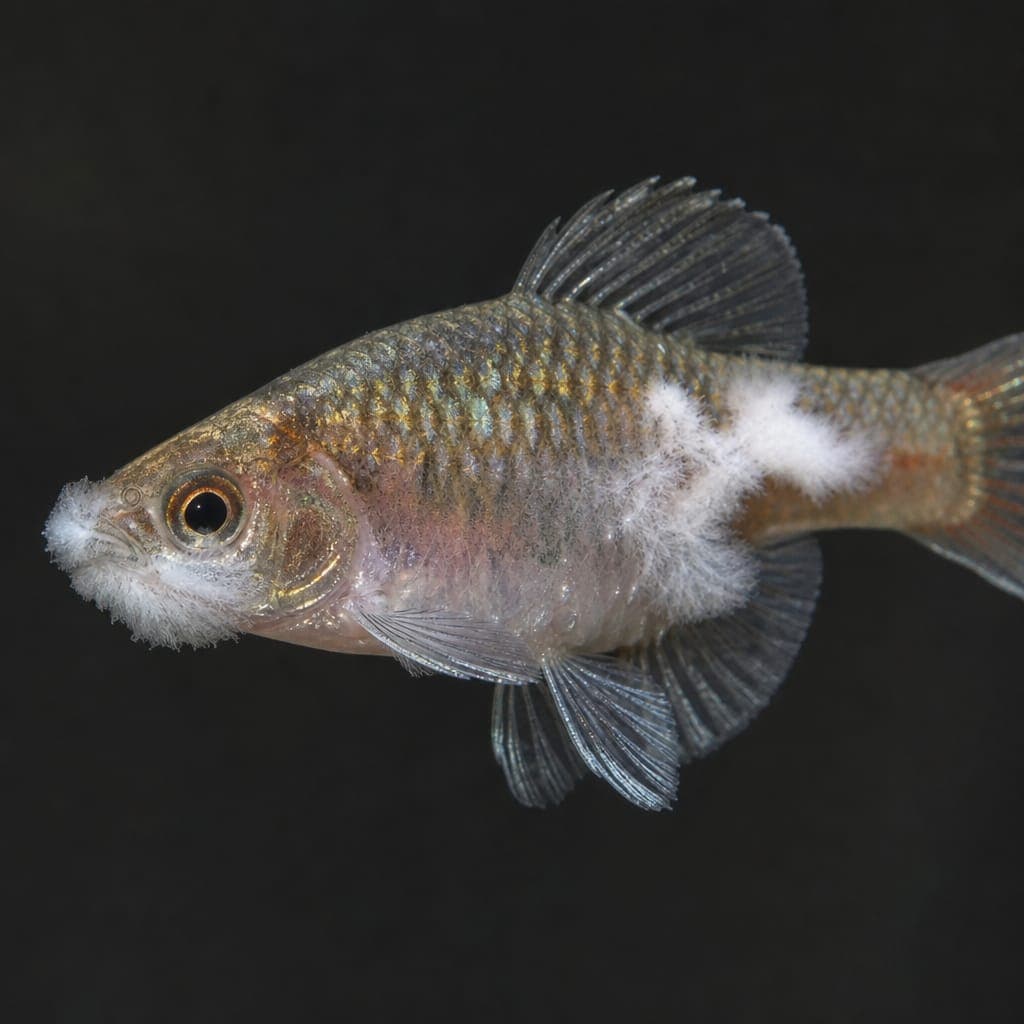
The Red-tailed Penguin Tetra can be susceptible to various health issues, primarily due to the conditions of their environment or diet. Common diseases include Ich (white spot disease), fin rot, and various fungal infections. Preventative measures include maintaining a stable and clean environment with proper water parameters, regular water changes, and a varied diet to bolster immune health.
Routine observation for signs of stress or illness—such as loss of appetite, abnormal behavior, or physical changes—can aid in early detection and treatment. Quarantine new additions accurately before introducing them to an existing tank population to reduce the risk of introducing pathogens. Regular monitoring and prompt treatment, when necessary, will help maintain the health and vitality of the Red-tailed Penguin Tetra and contribute to a thriving aquarium environment.