Red-tailed Rasbora: Rasbora borapetensis
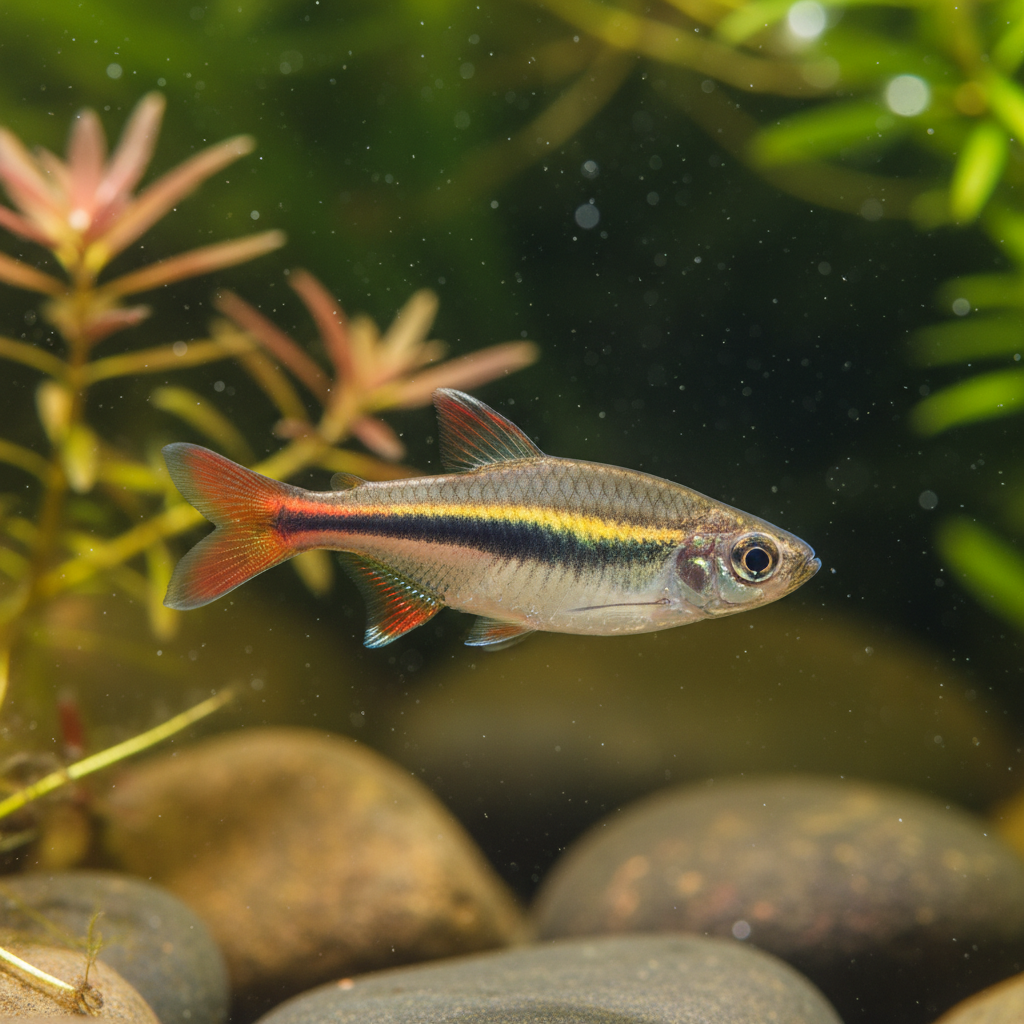
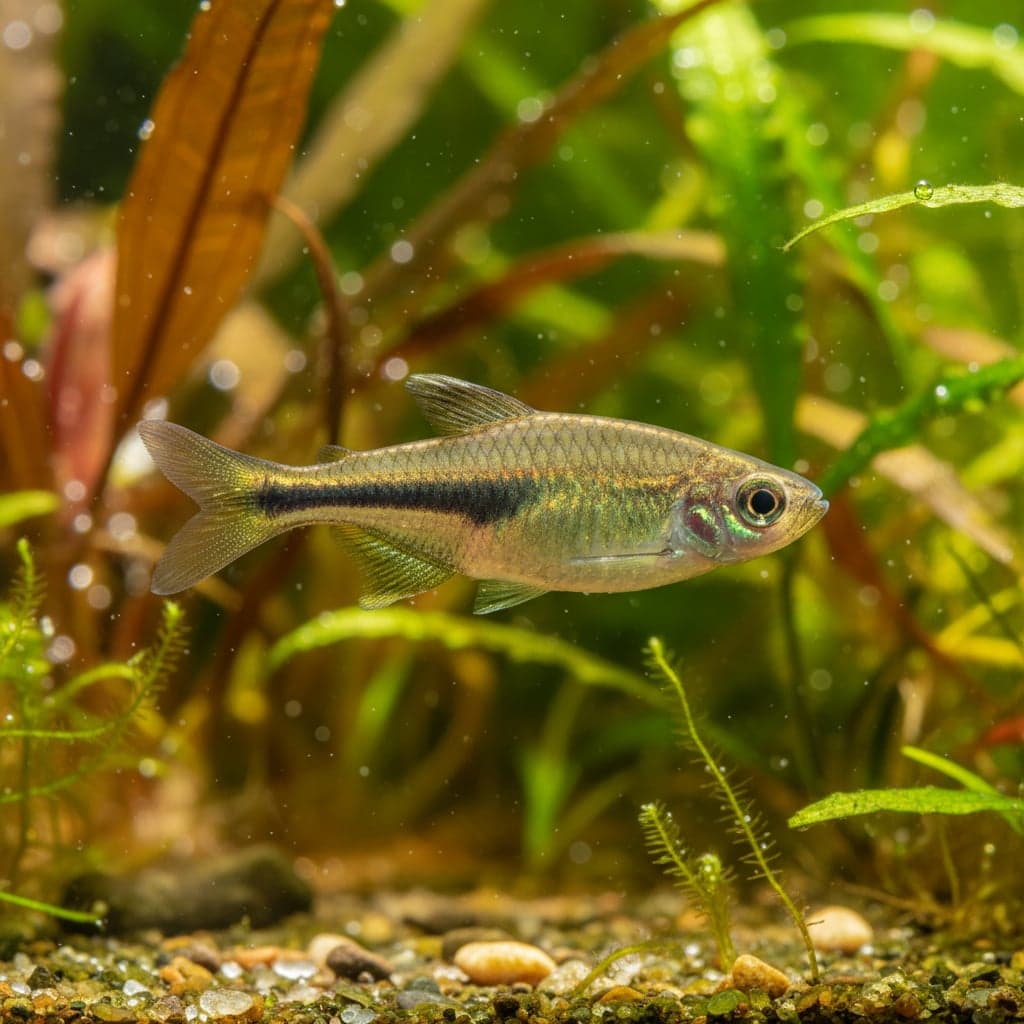
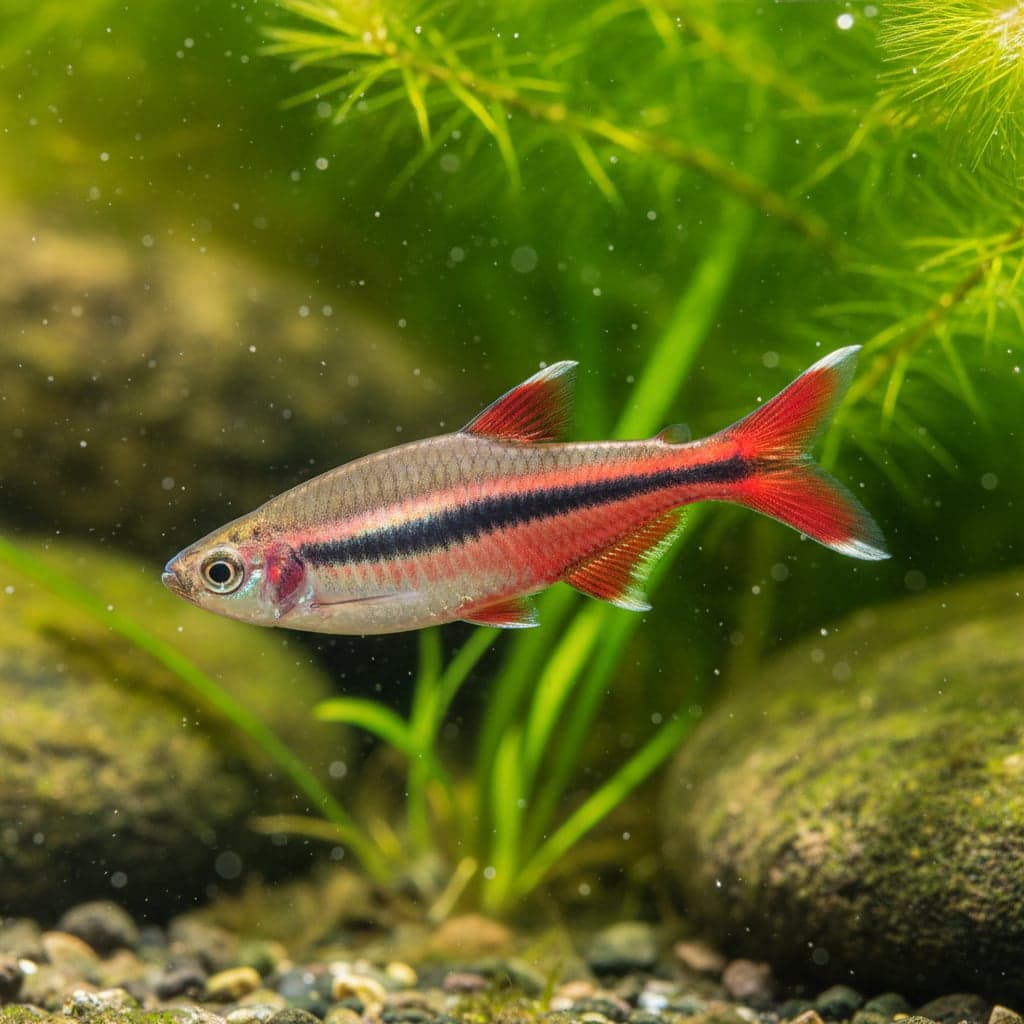
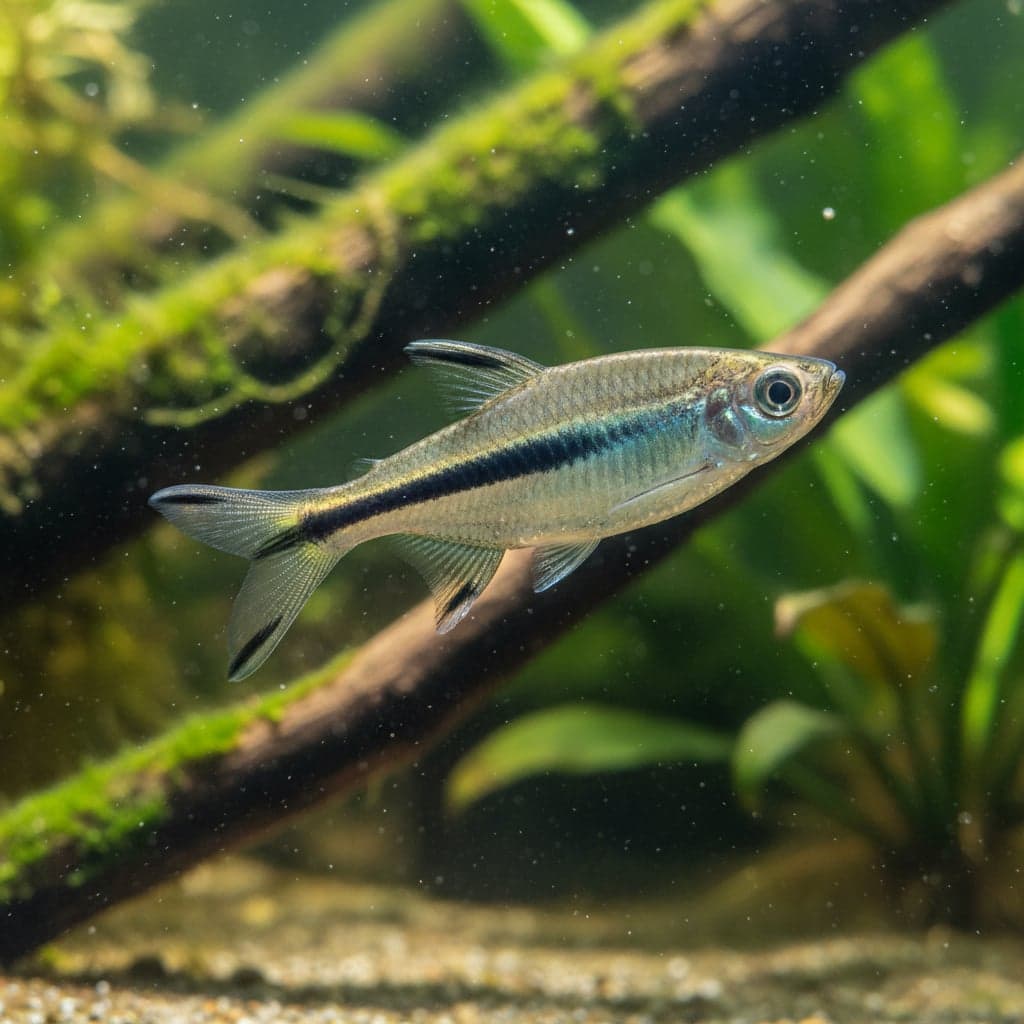
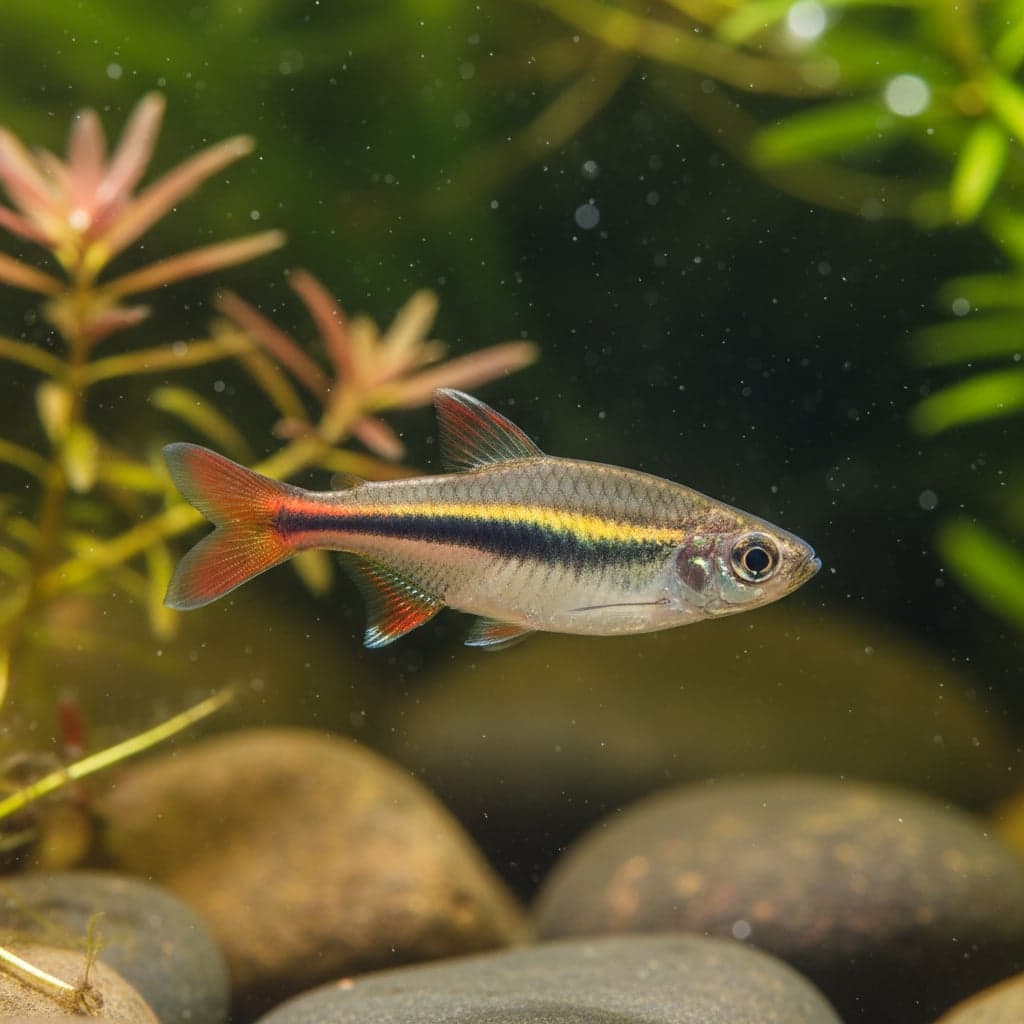
A spectacular, high-contrast schooling cyprinid featuring a jet-black lateral line tipped by a brilliant red-orange tail.
Red-tailed Rasbora
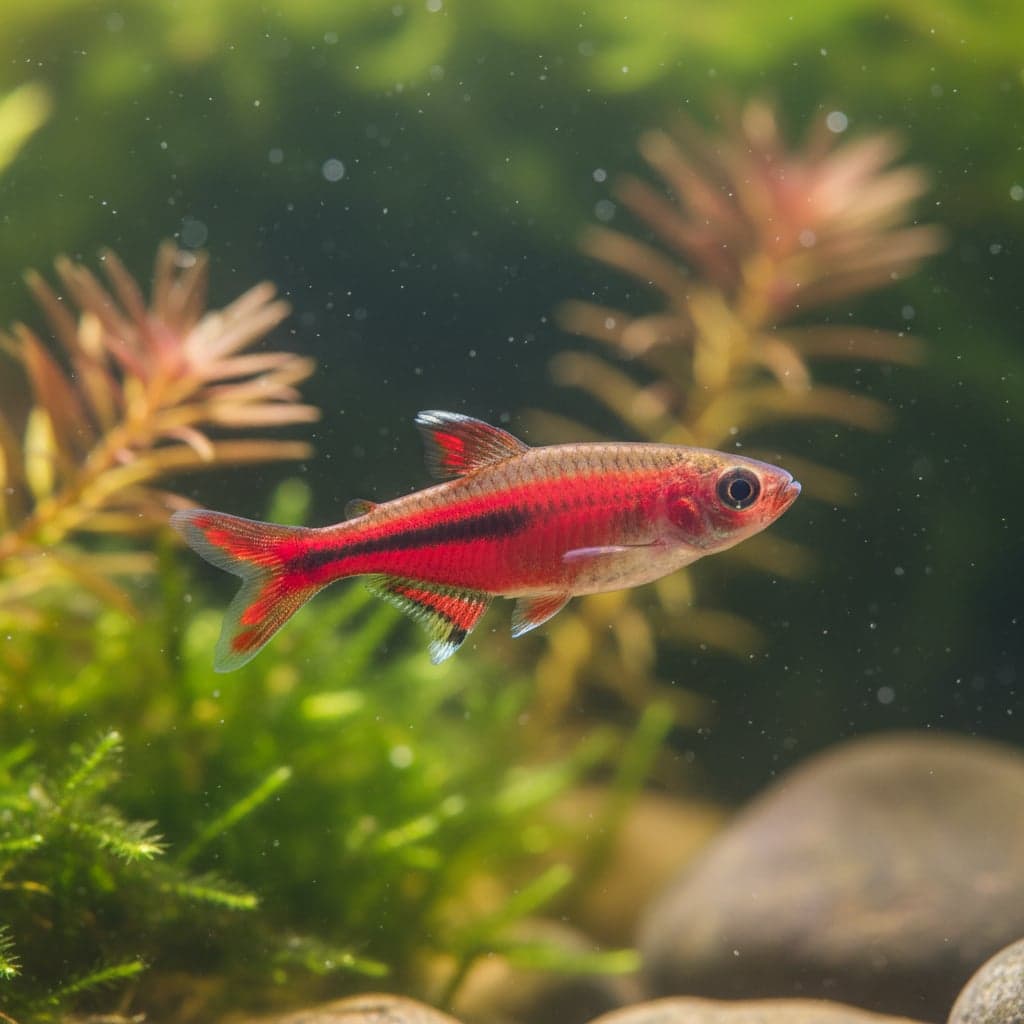
The Red-tailed Rasbora (Rasbora borapetensis) is a captivating freshwater fish species that has gained significant popularity among aquarists for its stunning visual appeal and vibrant personality. Adorned with an eye-catching red-orange tail and a slender, streamlined body featuring subtle hues of gold and silver, this species adds an exquisite splash of color and liveliness to any aquarium. Growing to approximately 2-2.4 inches (5-6 cm) in length, the Red-tailed Rasbora is particularly appealing to both beginners and experienced enthusiasts alike, making it an excellent choice for a community aquarium.
In addition to its aesthetic charm, the Red-tailed Rasbora holds a notable significance in the aquarium hobby due to its friendly and peaceful nature. This schooling fish thrives in groups, encouraging natural social behaviors that enhance the viewing experience. Their active swimming patterns and playful interactions create an engaging environment, fostering a healthy ecosystem within the aquarium while simultaneously providing joy to aquarists of all levels. The Red-tailed Rasbora not only serves as a visual centerpiece but also plays an important role in promoting ecological balance, exemplifying the wondrous biodiversity of aquatic life.
Natural Habitat & Origin
The Red-tailed Rasbora originates from Southeast Asia, particularly from the floodplains and slow-moving streams of Thailand and Malaysia. These fish inhabit a diverse range of environments, including well-vegetated areas with plenty of submerged plants and driftwood, which provide them with shelter and forage opportunities. The waters in their native habitat are typically low in minerals, often falling into the blackwater or softwater category, characterized by high acidity and low alkalinity. This unique environment contributes to the fish's coloration and overall health, reflecting the importance of replicating these conditions in captivity.
In their natural surroundings, Red-tailed Rasboras are found in shaded areas where dappled sunlight filters through the canopy. They thrive in warm temperatures ranging from 75°F to 82°F (24°C to 28°C) and prefer slightly acidic to neutral pH levels, reflecting the characteristics of their ecological niche. Understanding the natural habitat of the Red-tailed Rasbora is crucial for aquarists seeking to replicate their needs in an aquarium setting, ensuring their health and longevity.
Care Requirements
To provide optimal care for the Red-tailed Rasbora, it's essential to maintain specific water parameters tailored to their natural preferences. Ideal water conditions for these fish include a temperature range of 75°F to 82°F (24°C to 28°C), a pH between 6.0 to 7.5, and soft to moderately hard water with a hardness of 5 to 12 dGH. Maintaining stable water conditions with regular monitoring is vital, as fluctuations can lead to stress or health issues.
In terms of tank setup, a minimum aquarium size of 20 gallons is recommended to accommodate a small school of Red-tailed Rasboras, ideally 6 or more individuals to promote their social behavior. Substrates such as fine gravel or sand are preferable, as they mimic their natural habitat. The aquarium should be well-planted with plenty of hiding spots using live or artificial plants, as well as decor like driftwood. Moderate lighting enhances plant growth while creating a dimly lit environment that mimics their natural surroundings, promoting comfort and security for these fishes.
Diet & Feeding
Red-tailed Rasboras are omnivorous, making them adaptable to a variety of diets in captivity. High-quality flake or small pellet foods specifically designed for community fish serve as a solid foundation for their nutrition. Additionally, it is beneficial to supplement their diet with frozen or live foods such as daphnia, brine shrimp, or bloodworms, as these options offer essential nutrients and stimulate natural hunting behaviors. It is recommended to feed them small portions two to three times a day, ensuring that all food is consumed within a short time to avoid water quality issues.
A well-rounded diet not only promotes the overall health and vitality of Red-tailed Rasboras but also enhances their natural coloration, making them even more visually stunning in the aquarium. Providing a varied diet will keep these fish thriving, encouraging robust growth and lively activity.
Behavior & Temperament
The Red-tailed Rasbora is known for its active and sociable demeanor, which makes it a delightful addition to any community tank. As a schooling fish, it displays natural behaviors when kept in groups, showcasing their playful interactions and intricate swimming patterns. It is best to keep these fish in groups of six or more, as this encourages a comfortable social structure and reduces stress levels. When kept alone, they may become shy and less dynamic, diminishing their appealing characteristics.
In terms of temperament, Red-tailed Rasboras are peaceful and generally non-aggressive, making them suitable for a wide range of community aquarium settings. They tend to inhabit the mid-level - to upper levels of the tank, frequently darting in and out of plants and enjoying open swimming space. Their non-confrontational nature makes them ideal companions for various other species, provided that the tank is adequately sized and the tank mates are similarly peaceful.
Tank Mates
Selecting compatible tank mates for Red-tailed Rasboras is crucial for establishing a peaceful community aquarium. Ideal companions include small, peaceful fish that occupy a similar environmental niche. Some compatible species include Tetras (such as Neon and Rummy Nose Tetras), Guppies, Corydoras Catfish, and smaller Rasboras, such as Harlequin Rasboras. Certain peaceful dwarf cichlids, like Apistogramma species, can also coexist harmoniously with Red-tailed Rasboras, given the right tank conditions.
On the other hand, it is essential to avoid aggressive species or those known for fin-nipping, as such interactions may stress or harm the Red-tailed Rasbora. Species to avoid include large Cichlids, some Barbs (like Tiger Barbs), and territorial fish that may bully the more peaceful Red-tailed Rasboras. By carefully curating a harmonious community, aquarists can create a vibrant and dynamic underwater environment.
Breeding
Breeding Red-tailed Rasboras in captivity may be achievable with the right conditions and setup. To stimulate breeding behavior, setting up a separate breeding tank with soft, slightly acidic water (pH around 6.0-6.5) and a temperature around 78°F (26°C) is ideal. The breeding tank should contain fine-leaf plants, such as Java Moss, where the fish can lay their eggs. A ratio of one male to two or three females can create a more natural breeding environment, as males will display courtship behaviors to attract females.
The spawning typically occurs in the early morning when the fish are most active. After the spawning process—which involves the male courting the female—the eggs are laid and can be incubated in the aforementioned aquatic vegetation. Once the fry are hatched, they can be fed infusoria or finely crushed flakes until they are large enough to consume micropellets. With proper care and suitable conditions, aquarists can successfully breed and raise Red-tailed Rasboras in captivity.
Common Health Issues
While the Red-tailed Rasbora is generally hardy, they can be susceptible to some common health issues. One of the diseases they may encounter is ich (Ichthyophthirius multifiliis), which appears as white spots on the body and fins and is often triggered by temperature swings or poor water quality. Fin rot and bacterial infections can also develop under stress. Maintain stable parameters, perform regular water changes, and quarantine new arrivals. A varied diet and a proper school reduce stress and support immunity, helping Red-tailed Rasboras stay active and healthy for years. Soft, slightly acidic water with gentle flow and a planted cover further lowers disease risk in these delicate schooling cyprinids.