Red-tailed Tinfoil Barb: Barbonymus schwanenfeldii
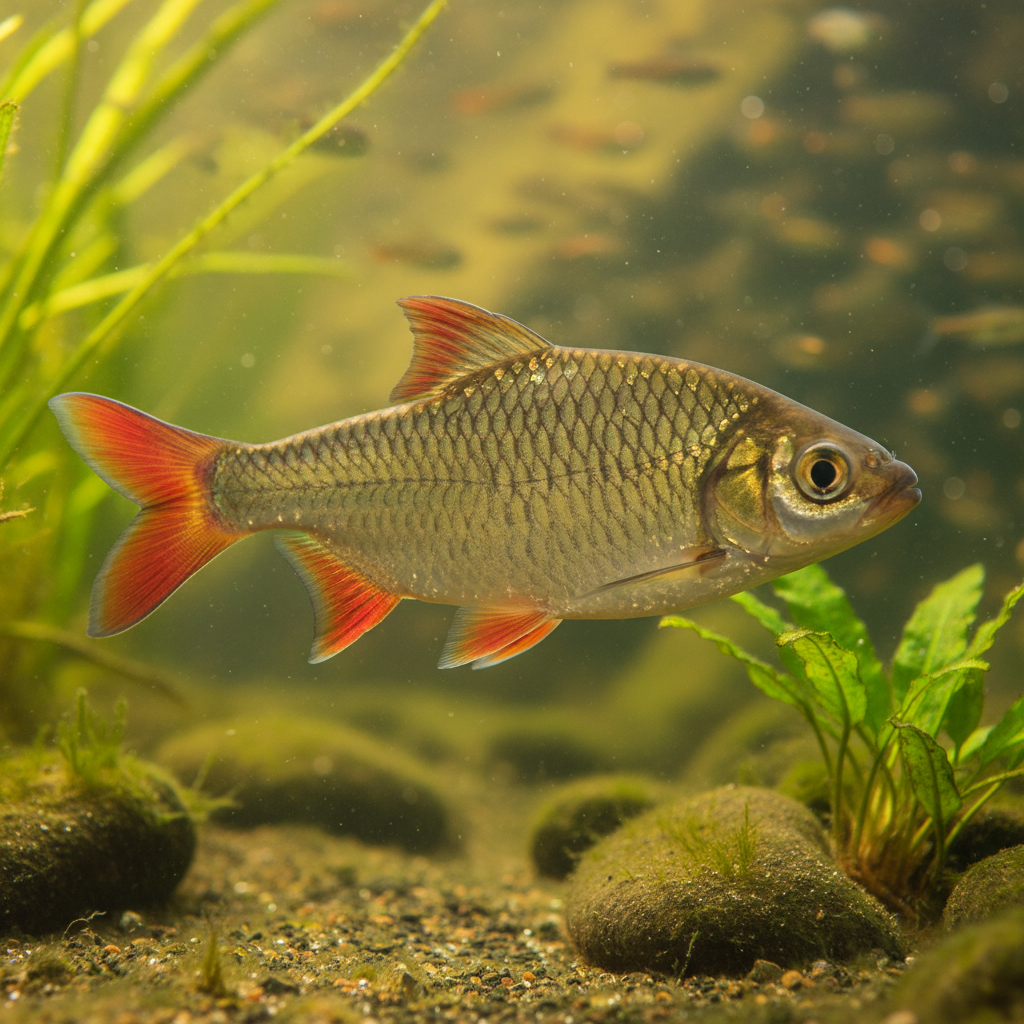
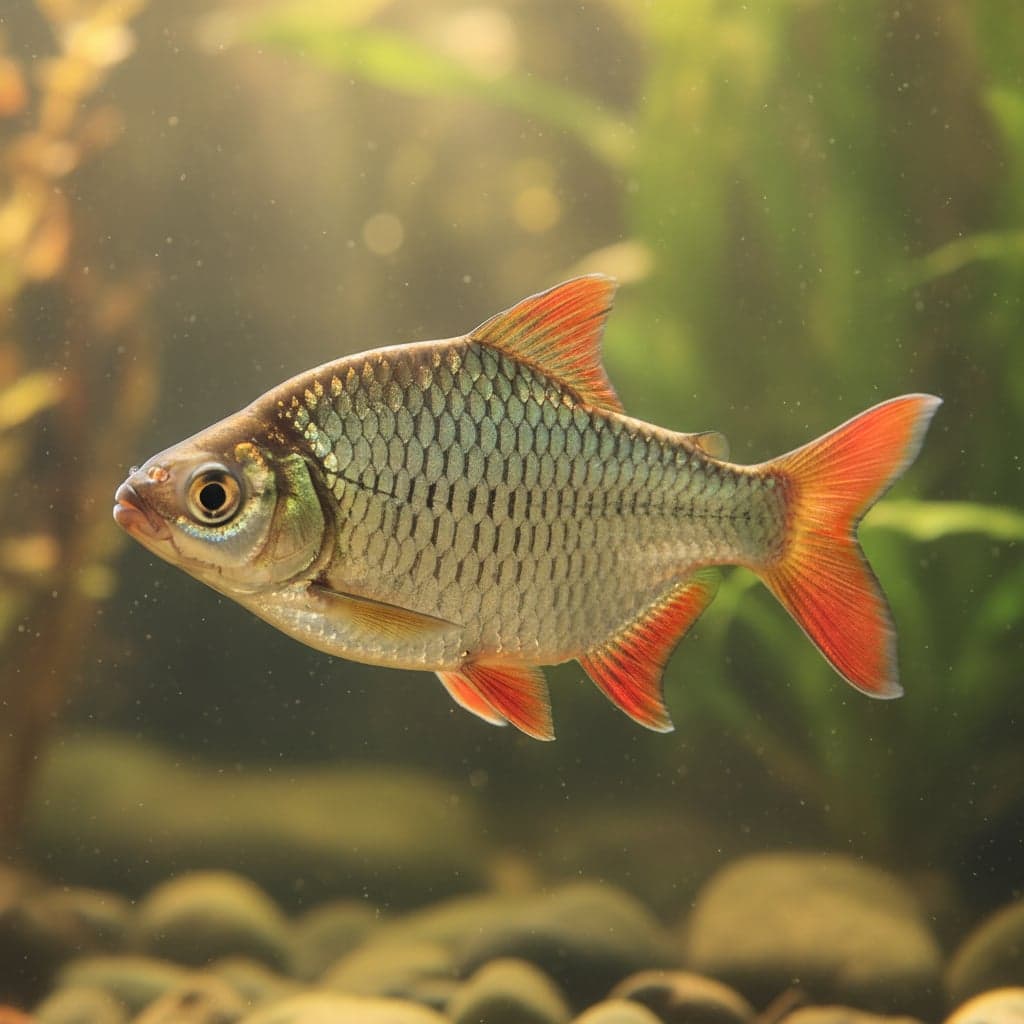
A gargantuan, intensely silver schooling fish featuring incredibly bright red and black-tipped fins.

Red-tailed Tinfoil Barb
The Red-tailed Tinfoil Barb (Barbonymus schwanenfeldii) is a captivating species that has garnered attention from aquarists worldwide due to its striking appearance and dynamic behavior. Characterized by its elongated body, the Red-tailed Tinfoil Barb boasts a shimmering silver body adorned with vibrant red-orange fins, particularly at the tail, giving it a distinguished and eye-catching appearance. This fish can reach a size of up to 12 inches in captivity, making it an impressive centerpiece in larger aquariums. Its active swimming pattern and schooling nature add a lively presence to any aquatic environment, thus enhancing the overall aesthetic appeal of the tank.
In the aquarium hobby, the Red-tailed Tinfoil Barb is appreciated not only for its beauty but also for its hardiness and adaptability, making it suitable for both novice and experienced aquarists. Its striking coloration and playful demeanor make it a popular choice for community tanks, while its natural behaviors provide endless entertainment for observers. As a fish that thrives in social settings, it serves as a perfect example of how actively engaging species can contribute to a vibrant aquarium ecosystem.
Natural Habitat & Origin
The natural habitat of the Red-tailed Tinfoil Barb primarily spans the rivers and floodplains of Southeast Asia, particularly countries like Indonesia, Malaysia, and Thailand. This fish inhabits freshwater systems, where it typically prefers clear or slightly stained waters with slow to moderate currents. The ecological context includes densely vegetated areas in rivers and lakes, where they find ample food sources and breeding grounds. This natural environment underscores their need for similar conditions in captivity for optimal growth and well-being.
In the wild, Red-tailed Tinfoil Barbs are often found in habitats enriched with floating and submerged plants, which provide shelter and foraging opportunities. They thrive in warm waters, and their adaptability to varying conditions—such as slight changes in pH and hardness—contributes to their success as an aquarium species. Understanding their natural habitat helps aquarists replicate an environment conducive to their health and vitality.
Care Requirements
For optimal care, the Red-tailed Tinfoil Barb requires a minimum tank size of 55 gallons due to its size and active swimming nature. The recommended water parameters include a pH range of 6.5 to 7.5, a temperature between 75°F and 82°F (24°C to 28°C), and moderate hardness around 4 to 12 dGH. A well-cycled aquarium is crucial to maintain water quality and prevent stress.
When setting up their tank, opt for a substrate of fine gravel or sand, which mimics their natural environment. Decorate with a mix of plants—both floating and rooted—as well as rocks and driftwood to create hiding spots. While Red-tailed Tinfoil Barbs appreciate good lighting for plant growth, ensure that it is not too intense, as they prefer semi-bright conditions to thrive. A spacious tank layout allows these fish to engage in their natural swimming behaviors and bidirectional schooling, fostering a healthy and vibrant community.
Diet & Feeding
The Red-tailed Tinfoil Barb is an omnivorous species, thriving on a diverse diet that includes high-quality flakes, pellets, and various frozen or live foods. They readily accept commercial fish foods designed for tropical species, which provide essential nutrients for their growth. A staple diet should primarily consist of high-protein flakes or pellets supplemented with vitamins and essential fatty acids.
In addition to the base diet, it is beneficial to offer a variety of frozen or live foods such as bloodworms, brine shrimp, and daphnia to stimulate natural foraging behaviors and enhance coloration. Regular, varied feeding not only ensures overall health but also promotes vibrancy and longevity. It is recommended to feed the Red-tailed Tinfoil Barb in small portions several times a day to replicate their natural feeding patterns while preventing overfeeding.
Behavior & Temperament
Red-tailed Tinfoil Barbs are known for their sociable and active nature, often exhibiting schooling behavior when kept in groups of six or more. This schooling instinct not only reduces stress but also provides an engaging visual display that highlights their lively interactions. While generally peaceful, these fish can exhibit mild assertiveness, especially when establishing a hierarchy within their group.
In terms of tank placement, Red-tailed Tinfoil Barbs are mid to upper-level swimmers, frequently exploring the tank's upper regions. They tend to thrive when paired with similarly active species, making them excellent additions to community tanks that encompass other compatible fish. Understanding their behavior and social dynamics is vital for creating a harmonious aquarium environment.
Tank Mates
When selecting tank mates for the Red-tailed Tinfoil Barb, consider species that share similar water conditions and activity levels. Ideal companions include larger tetras, barbs, danios, and peaceful cichlids that can handle their energetic disposition. Some suitable species include:
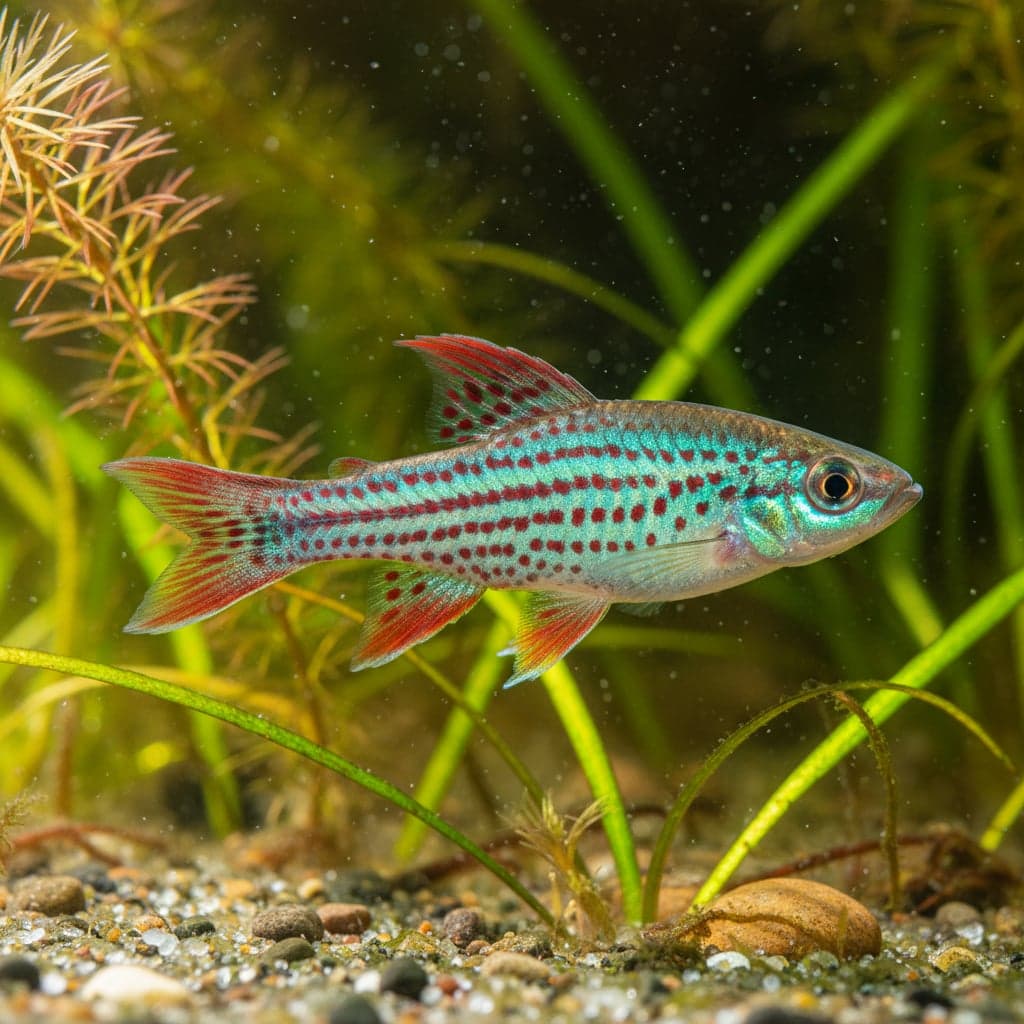
- Rainbowfish
- Larger Rasboras
- Swordtails
- Gouramis
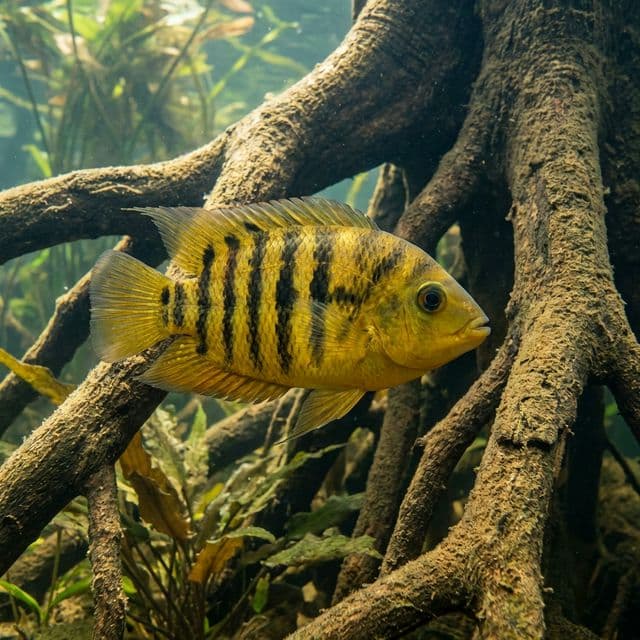
However, it is essential to avoid keeping them with overly aggressive or fin-nipping species such as some cichlids, bettas, or small, timid fish. Mixing compatible species ensures a peaceful coexistence and a dynamic community tank that showcases the harmonious interactions of various aquatic life.
Breeding
Breeding Red-tailed Tinfoil Barbs in captivity requires careful attention to their environmental conditions and spawning behaviors. Successful breeding typically occurs in pairs or small groups, with females being noticeably larger than males. To stimulate spawning, maintain optimal water conditions with a slightly elevated temperature (around 80°F or 27°C) and a pH level slightly below their regular parameters.
Setting up a separate breeding tank, filled with soft substrate and densely planted areas, can encourage spawning. The males will chase females, and once ripe, they will scatter their eggs among the plants. After spawning, it is crucial to remove the parents to prevent them from eating the eggs. The fry will hatch within 24 to 48 hours and can be fed with infusoria or finely crushed flakes until they grow large enough to consume larger foods.
Common Health Issues
Although the Red-tailed Tinfoil Barb is a resilient species, they are still prone to certain health issues that can impact their well-being. Common ailments include ich (white spot disease), fin rot, and various forms of parasitic infections. Preventive measures include maintaining high water quality, performing regular water changes, and ensuring an appropriately cycled aquarium.
Observing other fish for any signs of illness and minimizing stress through proper tank conditions can help mitigate risks. Routine health monitoring and immediately addressing any unusual behaviors or symptoms will go a long way in ensuring the longevity and health of your Red-tailed Tinfoil Barbs. Being proactive in their care and environment will allow these fish to thrive and display their full potential in your aquarium.