Red Terror: Mesoheros festae
Arguably the most beautifully colored, shockingly aggressive Central American cichlid in existence.

Red Terror
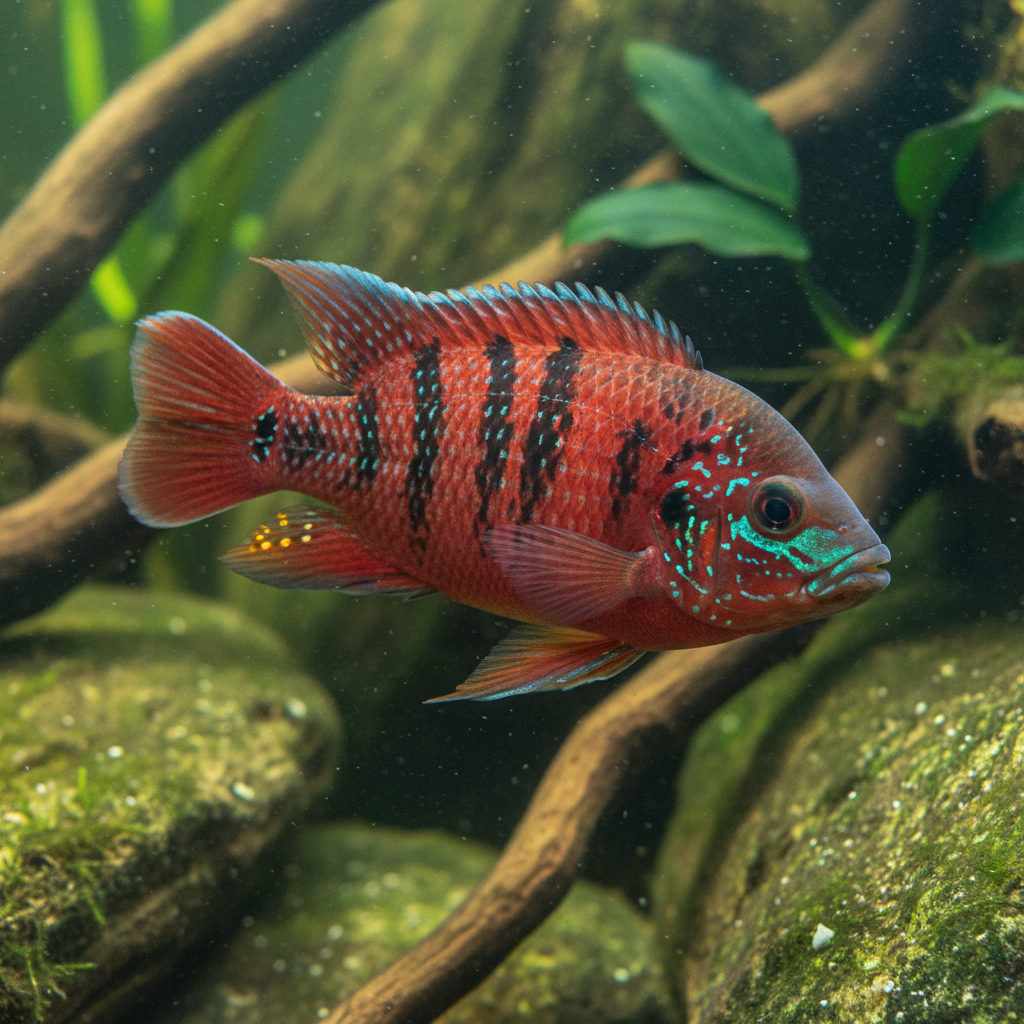
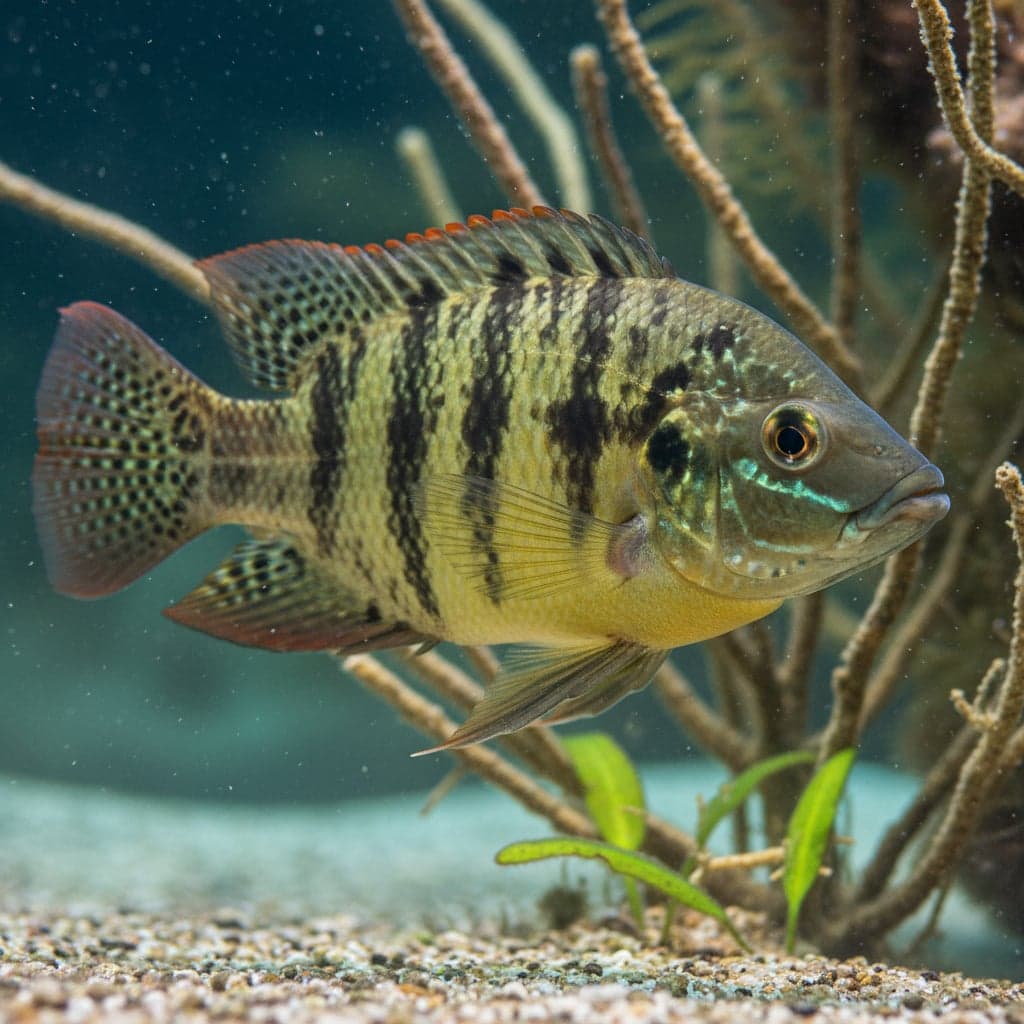
The Red Terror, scientifically known as Mesoheros festae, is a stunning freshwater fish that captivates aquarium enthusiasts with its vibrant colors and striking appearance. Known for its brilliant hues, the Red Terror typically showcases a mix of fiery red, orange, and dark blue, making it an eye-catching centerpiece in any aquarium. Its elongated body and prominent dorsal fin contribute to its predatory allure, while the black markings along its body further enhance its visual appeal. This Cichlid is not only valued for its beauty but also for its dynamic personality, making it a favorite among aquatic hobbyists looking for an engaging fish.
As an aquarium specimen, the significance of the Red Terror extends beyond its aesthetic qualities. This species is renowned for its unique behaviors and interactions, offering a showcase of natural instincts in a controlled environment. The Red Terror is an excellent choice for aquarists seeking a species that will add vibrancy and excitement to their tank. Knowledge of its care requirements and behavioral traits is essential for keeping this species healthy and thriving, as its captivating display can quickly turn to aggression if not managed properly.
Natural Habitat & Origin
The Red Terror originates from the freshwater rivers and streams of Central America, specifically in Nicaragua and Costa Rica. It thrives in warm, shallow waters where it can find plenty of rocks and vegetation to hide and breed. The water in its natural habitat typically consists of soft to moderately hard parameters, with a slightly acidic to neutral pH. These conditions create a rich ecosystem that supports a variety of microorganisms, which contribute to the overall health and development of the fish.
In these natural environments, the Red Terror is often found in areas with ample cover, such as submerged logs, boulders, and dense vegetation. These structures not only provide shelter but also serve as breeding grounds during the spawning season. Understanding the native environment of the Red Terror helps aquarists replicate its natural habitat effectively, promoting a stress-free and enriching living arrangement.
Care Requirements
To successfully maintain a Red Terror in captivity, specific water parameters must be adhered to: an ideal pH range is approximately 6.5 to 7.5, with a temperature range between 75°F and 82°F (24°C - 28°C). Additionally, water hardness should be between 5-20 dGH, allowing for suitable mineral content for growth and health.
Regarding tank setup, a minimum tank size of 50 gallons is recommended to accommodate the fish's size, particularly as it approaches adulthood. The substrate can include sand or gravel, which allows the fish to dig and create territories. Lighting should be moderate, with plenty of hiding spots created through rocks, driftwood, and live plants. However, be cautious with live plants; many species may not survive the Red Terror’s digging and territorial behavior. Artificial plants can be used effectively in place of live ones when necessary.
Diet & Feeding
The Red Terror is classified as an omnivore, but its diet predominantly leans towards carnivorous as they are known to eat smaller fish and invertebrates in the wild. In captivity, it's crucial to provide a varied diet to ensure optimal health. High-quality flakes or pellets designed for Cichlids should form the foundation of their diet. Additionally, supplementing with frozen or live foods such as brine shrimp, bloodworms, and earthworms will boost their nutritional intake and color vibrancy.
Feeding should occur 2-3 times a day, offering portions that can be eaten within a few minutes to prevent water quality issues. This diverse diet not only satisfies their dietary needs but also stimulates natural hunting behaviors, keeping the Red Terror both healthy and engaged.
Behavior & Temperament
The Red Terror is well-known for its assertive nature and territorial behavior, which makes it a somewhat aggressive species. In the wild, they establish territories that they fiercely protect, and this trait is mirrored in captivity. While they can be kept in community tanks, the selection of tank mates is crucial. The Red Terror typically prefers to be the dominant fish, often displaying aggression towards both similar-sized and smaller fish, particularly during breeding seasons.
Vertical placement in the tank should be considered, as this fish tends to occupy the mid to upper regions, using the height of the tank to establish dominance and show off its colorful fins. Creating various levels in the aquarium with rock formations or plants can aid in mitigating aggression, as this allows for more space and hiding spots, helping establish territories without conflict.
Tank Mates
When selecting tank mates for the Red Terror, it is essential to choose species that can withstand its aggression levels. Compatible species include larger cichlids like the Jaguar Cichlid or the Green Terror, as well as robust fish like Silver Dollars or other larger Characins that can hold their own in an assertive tank.
Species to avoid include smaller community fish, neon tetras, and other peaceful species, as they are likely to become targets. Additionally, mixing other aggressive cichlid species can lead to undue stress and aggression. Careful consideration of tank dynamics will ensure a better environment for all inhabitants.
Breeding
Breeding Red Terrors in captivity requires careful preparation. They are substrate spawners, typically preferring to lay eggs on flat surfaces. A breeding pair will often select a rock or large leaf within their territory to spawn, laying anywhere from 200 to 1000 eggs at a time.
To create optimal conditions for spawning, maintain slightly acidic to neutral pH (6.5-7.5) and ensure stable water parameters. The presence of ample hiding spots and a secure environment will encourage breeding behavior. After hatching, the fry will need to be kept away from other fish species, and feeding them specialized fry food or finely crushed flakes will help them grow successfully.
Common Health Issues
Red Terrors can be prone to certain health issues that aquarists should be aware of. Common ailments include ich (Ichthyophthirius multifiliis), fin rot, and stress-related illnesses, often resulting from poor water quality or inadequate tank conditions.
Prevention tips include maintaining a consistent water quality through regular changes, monitoring water parameters closely, and ensuring a well-maintained tank environment. Routine health checks and a balanced diet can significantly minimize the risk of diseases. Quarantine new arrivals and treat any sign of illness promptly to ensure a healthy aquarium community.