Red Whiptail Catfish L010A: Rineloricaria sp. L010A
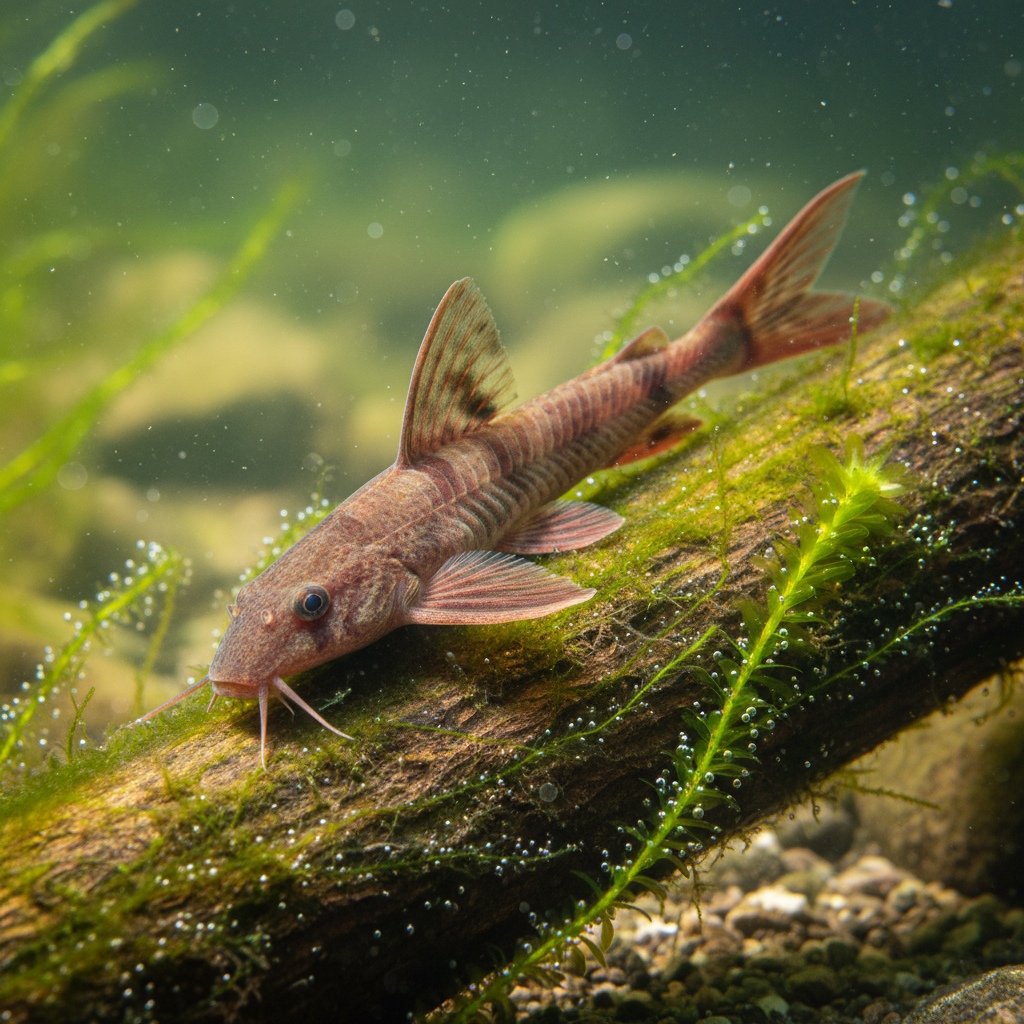
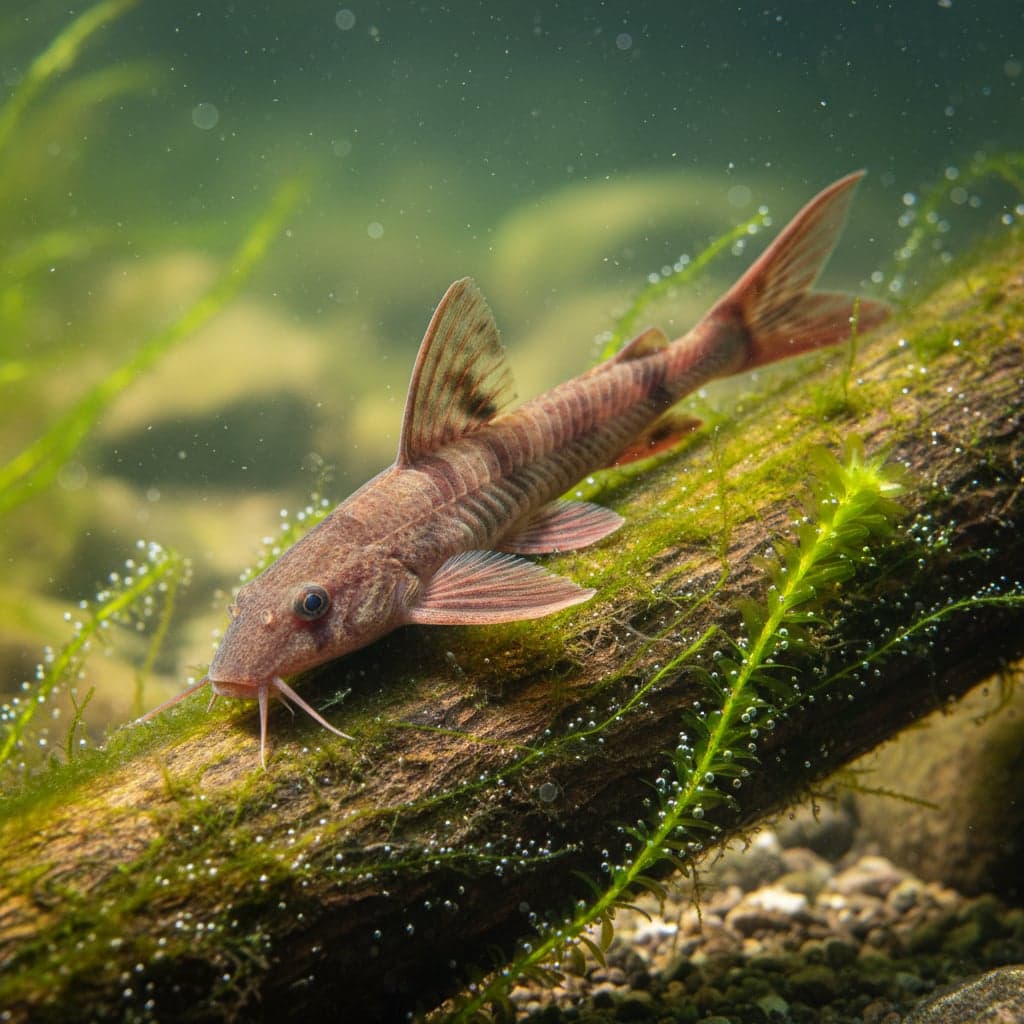
An incredibly unique, heavily armored bottom dweller featuring a bright, solid brick-red coloration and a whip-like tail.
Red Whiptail Catfish L010A
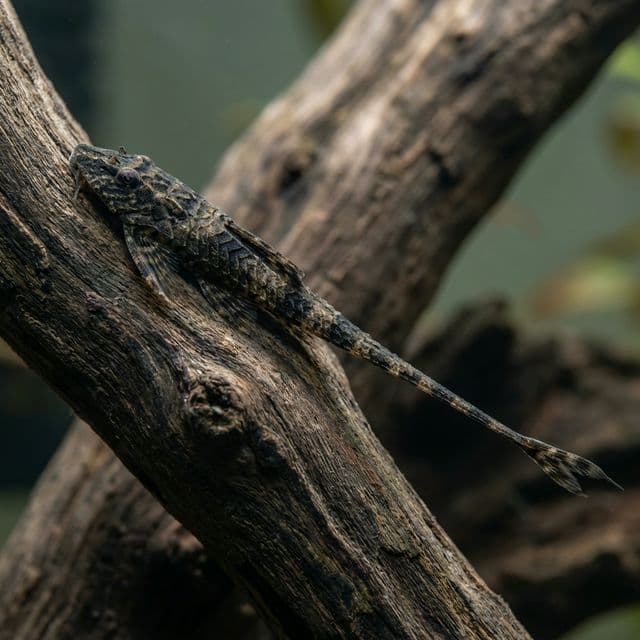
The Red Whiptail Catfish L010A, scientifically known as Rineloricaria sp. L010A, is a captivating addition to the aquarium hobby due to its unique appearance and fascinating behavior. With its elongated body and distinctive pattern of red and brown hues, this catfish stands out in any aquascape. Their slender, whip-like tail gives them their common name and allows them to maneuver through the substrate with grace, mimicking their natural environment. Enthusiasts appreciate their peaceful demeanor and algae-eating tendencies, often making them an excellent choice for community tanks.
This species holds significant appeal not only for their aesthetic qualities but also for their ecological role in freshwater systems. In the wild, they are often found in soft, acidic waters, contributing to the overall maintenance of their habitat's integrity by feasting on biological detritus and algae. Their presence in the aquarium trade encourages responsible sourcing and breeding practices that support conservation efforts. As such, the Red Whiptail Catfish L010A serves as a reminder of the delicate balance between aquatic ecosystems and aquarium conservation.
Natural Habitat & Origin
The Red Whiptail Catfish L010A hails from the rich waterways of South America, specifically the Amazon River Basin in Brazil. This region is characterized by its diverse aquatic biomes, where these catfish thrive in blackwater streams and flooded forests. Blackwater habitats are known for their low pH, stained yellow to brown by decomposing organic material, and soft, nutrient-rich sediment. These environments are vital for the survival of the species as they offer the right conditions for feeding, breeding, and shelter, making it crucial for aquarists to replicate these parameters at home.
In their natural habitat, the water temperature typically ranges from 24 - 28°C (75 - 82°F), with a pH of 5.5 - 7.0, and a conductivity of 10 - 150 µS/cm. The landscape usually features fallen branches, leaf litter, and dense vegetation, providing essential surfaces for algae growth and areas for hiding. Understanding this context can help aquarists create a more suitable environment that mimics their natural surroundings.
Care Requirements
Caring for the Red Whiptail Catfish L010A requires specific water parameters to ensure its overall health and well-being. The ideal aquarium conditions include a temperature range of 24 - 28°C (75 - 82°F), a slightly acidic to neutral pH of 6.0 - 7.0, and a water hardness of 2 - 15 dGH. To maintain these parameters effectively, regular water changes and quality testing are necessary.
As for the tank setup, a minimum tank size of 100 liters (approximately 26 gallons) is recommended to allow these fish sufficient swimming space. The substrate should consist of fine sand or smooth gravel, which mimics their natural environment and prevents injuries to their delicate bodies. Soft, dim lighting is ideal, encapsulated by floating plants or tall aquarium decorations that provide shade and hiding spots. This setup not only promotes a sense of security for the Red Whiptail Catfish L010A but also enhances the overall aesthetic of the aquarium.
Diet & Feeding
The Red Whiptail Catfish L010A is predominantly herbivorous, but it also enjoys a balanced diet that includes both plant-based and protein-rich foods. In the wild, they primarily consume algae, detritus, and decomposing plant matter. To replicate this diet in captivity, aquarists should provide high-quality algae wafers, spirulina flakes, and blanched vegetables like zucchini or cucumber. Additionally, offering occasional protein sources, such as live or frozen brine shrimp and bloodworms, can provide essential nutrients and variety.
Feed these fish once or twice a day, ensuring that any uneaten food is removed within a few hours to maintain water quality. It's important to observe their feeding habits, as they may prefer to graze on algae-covered surfaces rather than feeding in open water.
Behavior & Temperament
The Red Whiptail Catfish L010A is known for its gentle and peaceful demeanor. These fish are best kept in groups of 3-5, which allows them to exhibit their social behavior and prevents loneliness. They are primarily bottom dwellers, often found resting on surfaces or searching for food among the substrate. Despite their sociable nature, they are not aggressive and can coexist peacefully with a variety of community fish.
While they tend to stay near the bottom of the tank, they may occasionally venture into mid-water regions to explore or interact. It is essential to provide hiding spots and structures to ensure they feel safe, as they may become shy if exposed to excessive disturbances or aggressive tank mates.
Tank Mates
When selecting tank mates for the Red Whiptail Catfish L010A, it's critical to choose species that share similar water requirements and are known for their peaceful temperament. Compatible tank mates include:
- Tetras (various species such as Neon, Cardinal, or Rummy Nose)
- Corydoras catfish
- Rasboras
- Gouramis
- Angelfish (in larger tanks)
- Smaller species of barbs
However, it is crucial to avoid keeping them with overly aggressive or large predatory fish, such as cichlids, large catfish, or anything that might consider them prey. Additionally, avoid keeping them with fish that are fin nippers, as the Red Whiptail Catfish L010A has delicate fins that can easily be damaged.
Breeding
Breeding the Red Whiptail Catfish L010A in captivity can be a rewarding experience, although it may require some specific conditions to encourage spawning. This species is known for its egg-laying behavior and will typically spawn on flat surfaces like leaves or rocks. To stimulate breeding, maintain a breeding group of 1 male to 2-3 females in a separate breeding tank with similar water conditions to their natural habitat.
To initiate breeding, gradually lower the water temperature and mimic the rainy season by performing frequent water changes with slightly cooler water. Once the females are conditioned, they will release their eggs, which the males will fertilize and guard. Once the eggs hatch, the fry can be fed infusoria or finely powdered foods until they are large enough for small flakes. Breeding success may vary, so patience and dedication are essential.
Common Health Issues
While the Red Whiptail Catfish L010A is generally hardy, they can still be prone to certain health issues, particularly if their environmental conditions are suboptimal. Common ailments include ich (white spot disease), fin rot, and other parasitic infections. To prevent these health problems, it is crucial to maintain good water quality, perform regular maintenance, and quarantine any new arrivals before introducing them to the main tank.
Additionally, ensuring a varied and balanced diet, as well as monitoring for signs of stress or disease, will help keep these fish thriving in your aquarium. Early intervention and proper treatment are key to maintaining the health of your Red Whiptail Catfish L010A and ensuring a vibrant addition to your aquatic community.