Red & White Oranda: Carassius auratus 'Oranda'
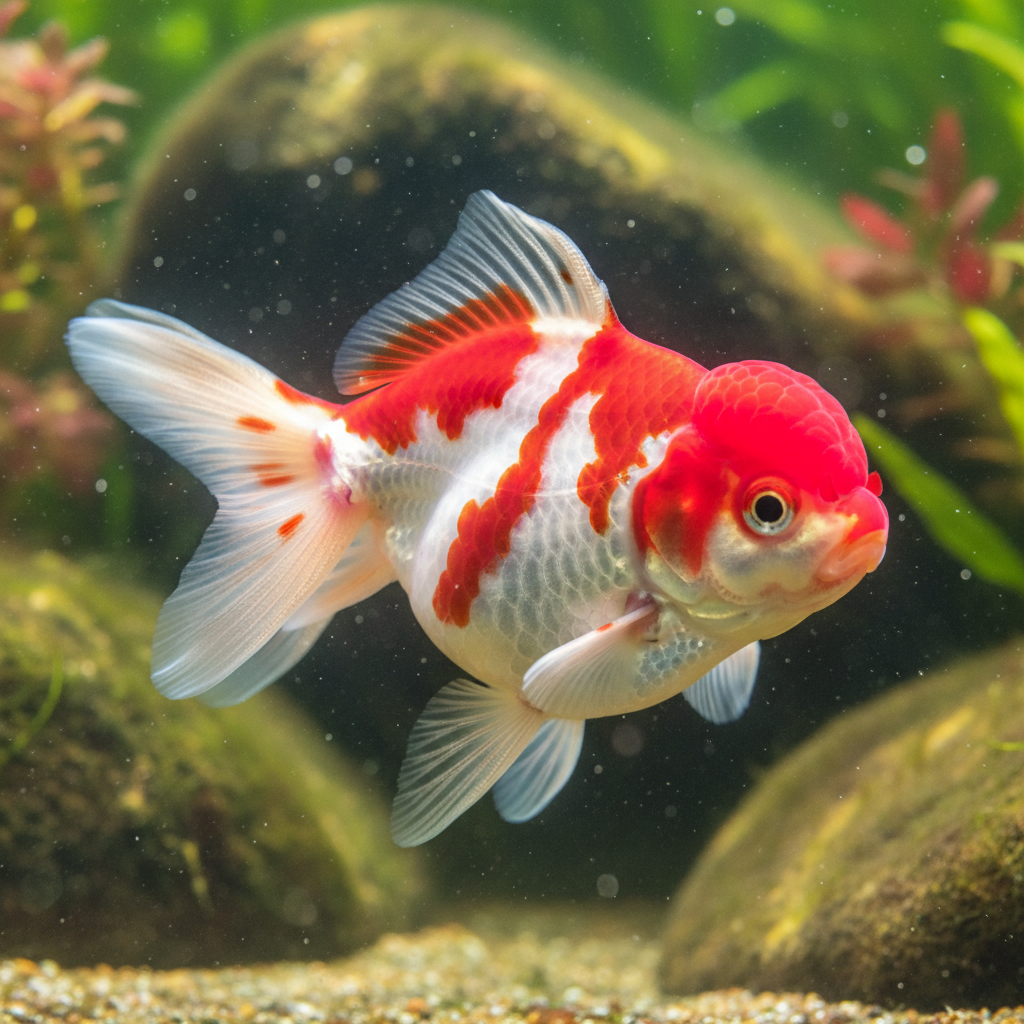
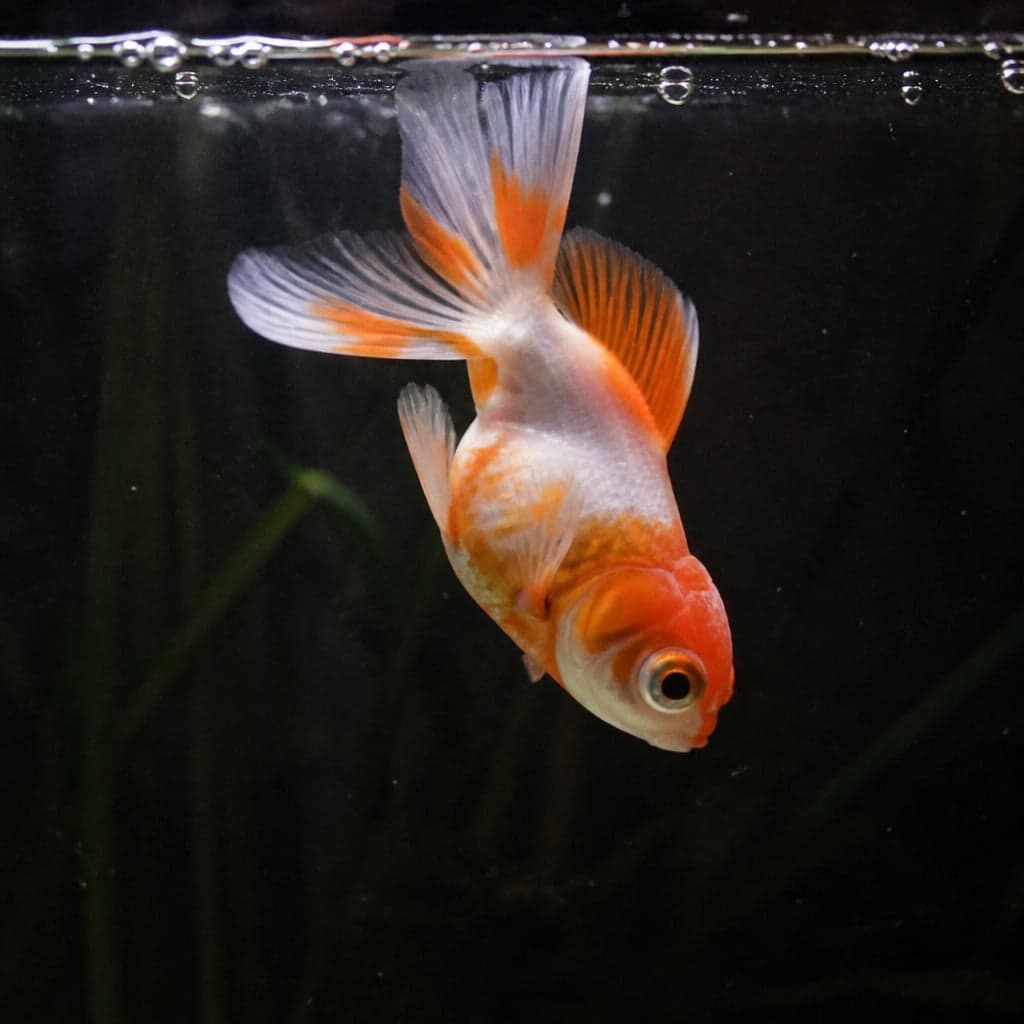
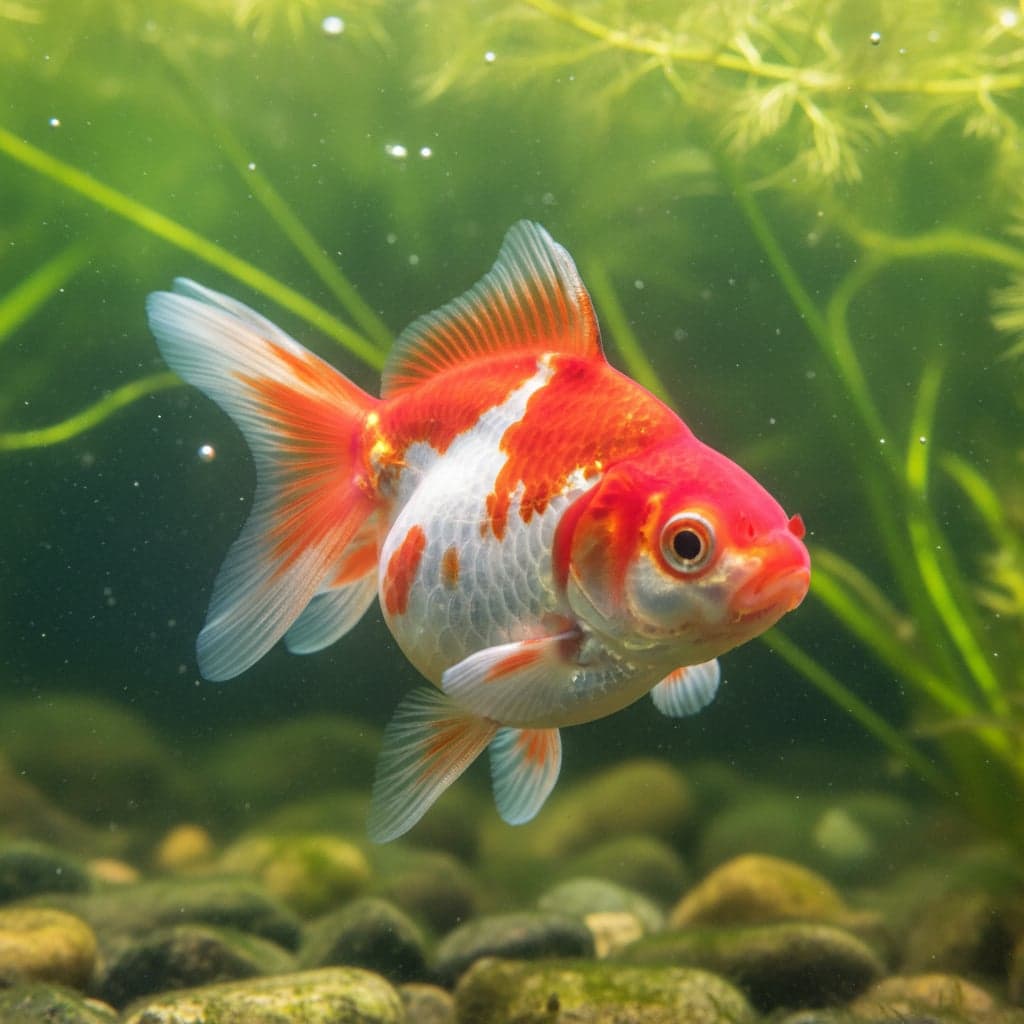
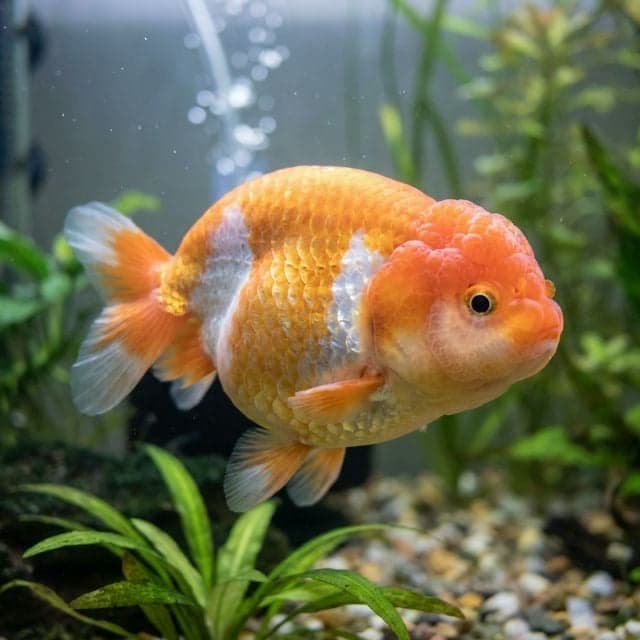
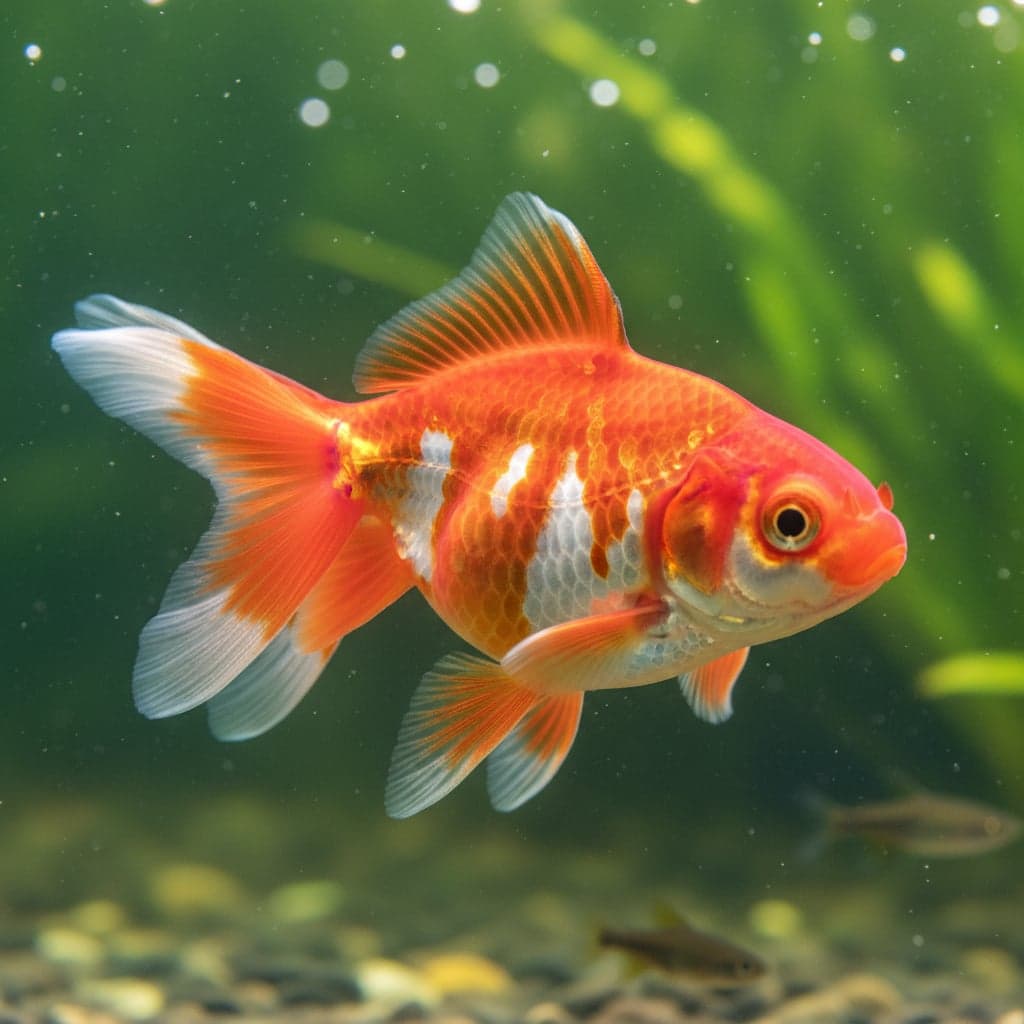
A classic, highly popular color variant of the Oranda fancy goldfish, featuring distinct patches of deep orange-red and pure white.
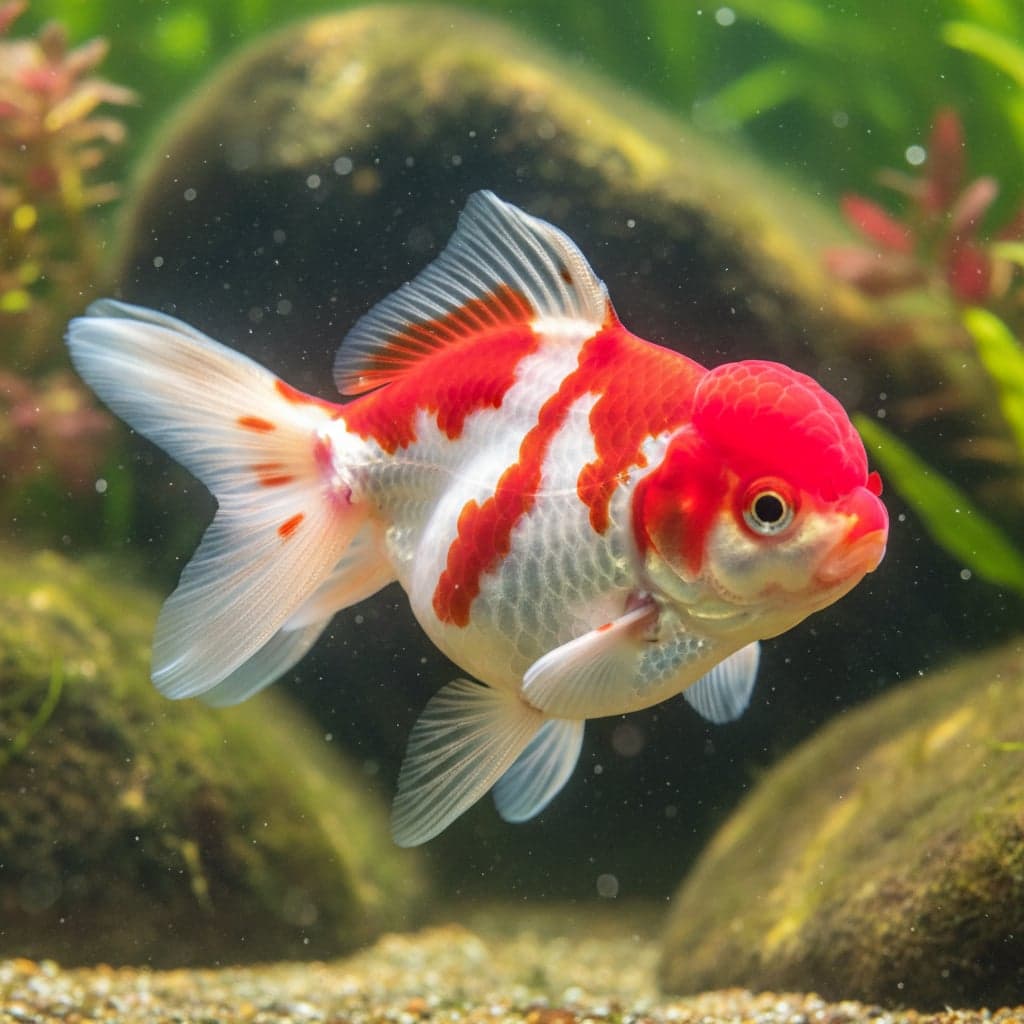
Red & White Oranda
The Red & White Oranda, a stunning variety of the goldfish species Carassius auratus, is widely recognized for its striking coloration and unique body shape. This ornamental fish stands out in the aquarium due to its vibrant red and white scales, often enhanced by a prominent, fleshy wen or cap on its head. This cap develops as the fish matures, adding to the visual appeal and making the Oranda a cherished choice among aquarists. Its graceful swimming and playful nature further contribute to its popularity in home aquariums, making it a favorite for both novice and experienced fish keepers.
Significantly, the Red & White Oranda holds a place of esteem within the aquarium hobby, not just for its beauty, but also for its history. Originally bred in China over several centuries, Orandas were developed through selective breeding, resulting in various colorations and body types. This dedication to enhancing the fish's appearance has made the Oranda a symbol of luxury and sophistication in freshwater aquariums. As a pet, it offers an enchanting focal point that draws both admiration and intrigue from aquarium enthusiasts.
Natural Habitat & Origin
The Red & White Oranda's origins trace back to ancient China, where goldfish were first domesticated from wild ancestors found in East China’s freshwater lakes and rivers. These bodies of water typically feature soft, slow-moving streams and ponds enriched with plants. The natural habitat tends to be characterized as clearwater, where the sunlight penetrates to encourage aquatic plant growth, providing both shelter and food for these fish. The environmental context of their natural habitat emphasizes parameters that are conducive to fish with vibrant coloration, highlighting the importance of clear water and the availability of natural aesthetics.
In captivity, maintaining a clean and well-cycled tank will mimic these conditions and help maintain the health and color vibrancy of the Red & White Oranda. Aquarists should aim to create an environment that can replicate aspects of its natural habitat, ensuring the stability of the water quality to support overall well-being.
Care Requirements
The Red & White Oranda thrives in well-maintained aquarium conditions with specific water parameters. Ideal water pH levels range from 6.5 to 7.5, with a temperature between 65°F to 75°F (18°C to 24°C). Hardness should be maintained around 5-20 dGH. Given that these fish are quite sensitive to water quality, aquarium owners must realize the importance of regular water changes to keep nitrate levels low and ensure optimal health.
In terms of tank setup, a minimum tank size of 20 gallons is recommended for a single specimen, with additional space required for each additional fish. Substrate options include smooth gravel or sand to prevent injuries to their delicate fins. Adequate filtration is essential, as Orandas produce a significant amount of waste. Additionally, planting the aquarium with live plants can provide hiding spots and snacks for these omnivorous fish, while moderate lighting will help in plant growth without overwhelming the fish.
Diet & Feeding
The Red & White Oranda is classified as an omnivore, enjoying a varied diet that includes both plant and animal matter. High-quality flakes or pellets designed for goldfish provide a balanced diet, while frozen or live foods such as daphnia, brine shrimp, and bloodworms can be offered to enhance dietary variety. It is crucial to avoid feeding them excess protein, as this can lead to health issues, including swim bladder dysfunction.
Feeding should occur 1-2 times daily, with care taken not to overfeed. In addition, the use of high-quality, sinking pellets helps prevent floating issues that can affect their buoyancy, which is vital for the Oranda given its rounded belly and buoyant nature. Always ensure that any food offered is appropriately sized for the fish, promoting better digestion and overall health.
Behavior & Temperament
The Red & White Oranda is known for its peaceful temperament and sociable nature, making it an excellent addition to community tanks. These fish are generally friendly, exhibiting little aggression and showcasing a mix of interaction styles, such as foraging near the substrate and swimming in the mid-water column. Although they do not require schooling, Orandas are social creatures that thrive in the company of other compatible fish, often forming loose shoals.
Due to their size and shape, Red & White Orandas tend to favor the mid to lower levels of the aquarium. They are not aggressive by nature, but they can be out-competed for food if kept with faster, more aggressive species. Their calm demeanor is appealing, making them a joy to observe as they glide gracefully through the water.
Tank Mates
When selecting tank mates for the Red & White Oranda, it is important to choose compatible species that share similar water quality requirements and temperamental characteristics. Ideal companions include other goldfish varieties—such as Ryukin goldfish, Lionhead goldfish, and other Oranda types—as well as peaceful species like Corydoras catfish, Honey Gouramis, and certain types of loaches.
Conversely, avoid housing them with aggressive fish like cichlids or fast swimmers that might bully the Orandas for food, such as danios or barbs. Additionally, small fish that may fit into the Oranda's mouth, such as neon tetras or guppies, should be avoided. Always consider the size and temperament of potential tank mates to ensure a harmonious community.
Breeding
Breeding Red & White Orandas can be achieved in a controlled aquarium setting, though it requires specific conditions to encourage spawning behavior. A breeding pair should be kept in a separate spawning tank, ideally around 30 gallons, with gentle filtration and plenty of flat surfaces for the females to lay eggs, such as spawning mops or mesh. The water conditions need to be slightly cooler (around 65°F to 68°F) to trigger breeding behavior.
To induce spawning, a period of cooler temperatures combined with increased feeding of high-quality, protein-rich foods can simulate seasonal changes. After spawning occurs, it is crucial to remove the parents, as they may consume their eggs. The eggs will typically hatch within 3 to 5 days, leading to free-swimming fry that require suitable, finely crushed food until they are large enough to consume baby brine shrimp or specially formulated fry food.
Common Health Issues
While the Red & White Oranda is resilient, it is prone to several health issues that aquarists should be vigilant about. Swim bladder disorders are common due to overfeeding, which can impair buoyancy. To prevent this, ensure proper feeding routines and offer balanced diets.
Additionally, Red & White Orandas can be susceptible to diseases such as fin rot, ich, and velvet, particularly in poor water conditions. Maintaining high water quality through consistent maintenance and avoiding overcrowded tanks are crucial preventive measures. Regularly monitoring for physical symptoms and promptly isolating any affected fish will help minimize the spread of illness within the aquarium. Proper quarantining of new fish and regular health check-ups will also contribute to their overall health and longevity.