Redback Bleeding Heart Tetra: Hyphessobrycon pyrrhonotus
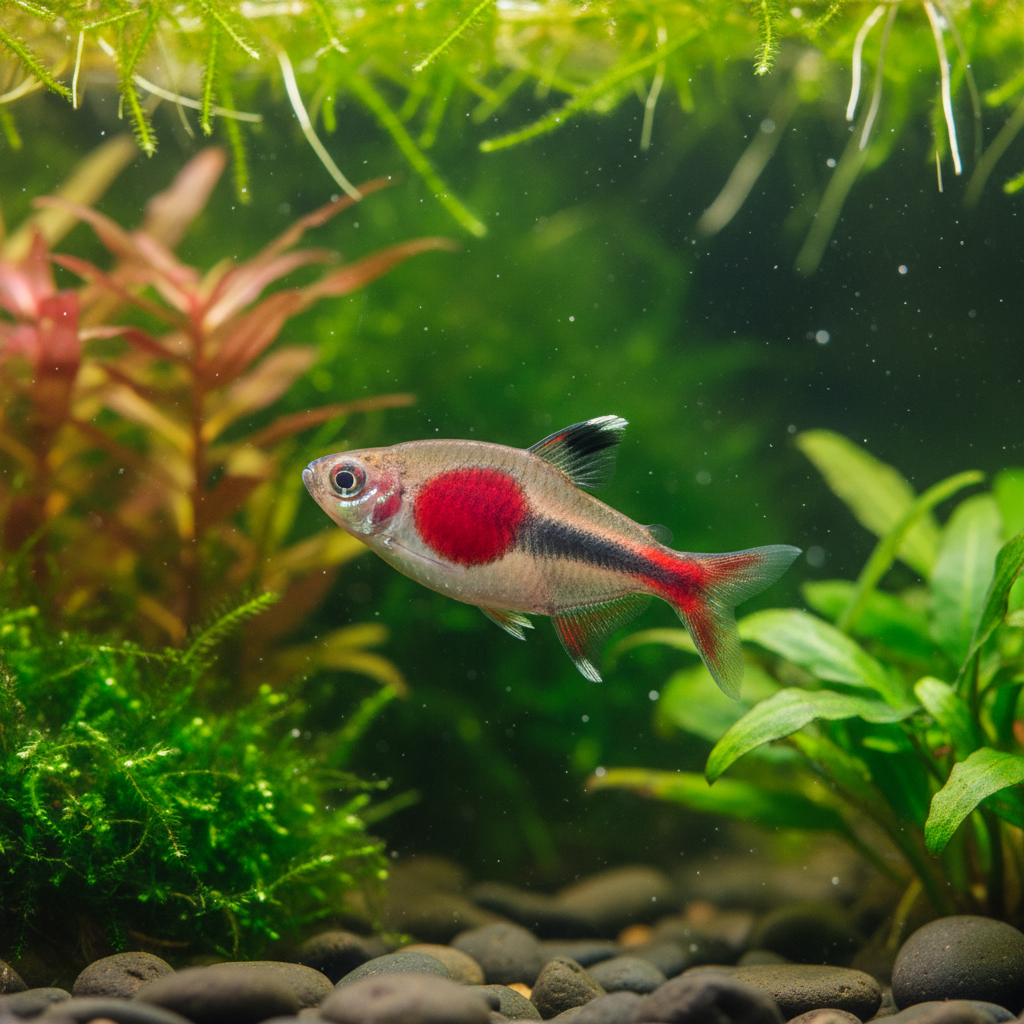
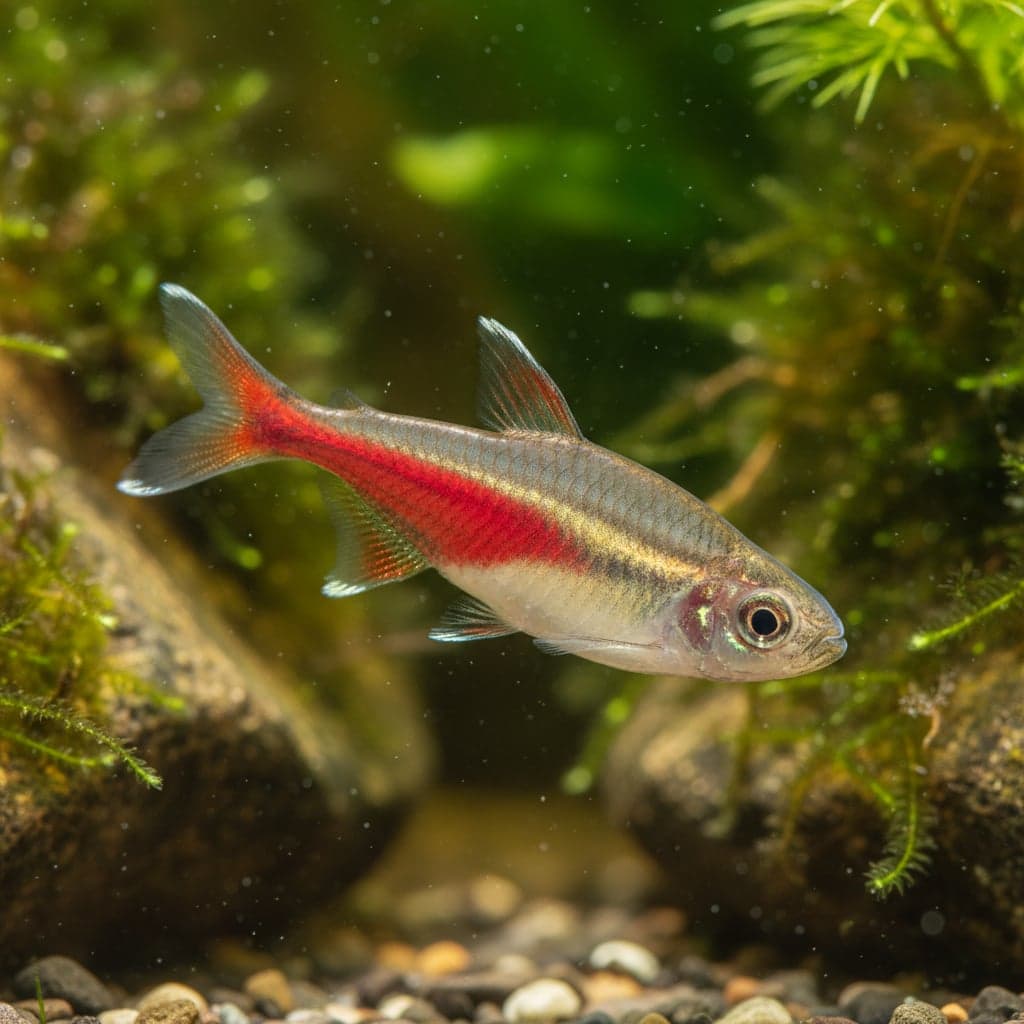
A spectacular variant of the Bleeding Heart Tetra distinguished by an intensely glowing, solid red stripe across its back.
Redback Bleeding Heart Tetra
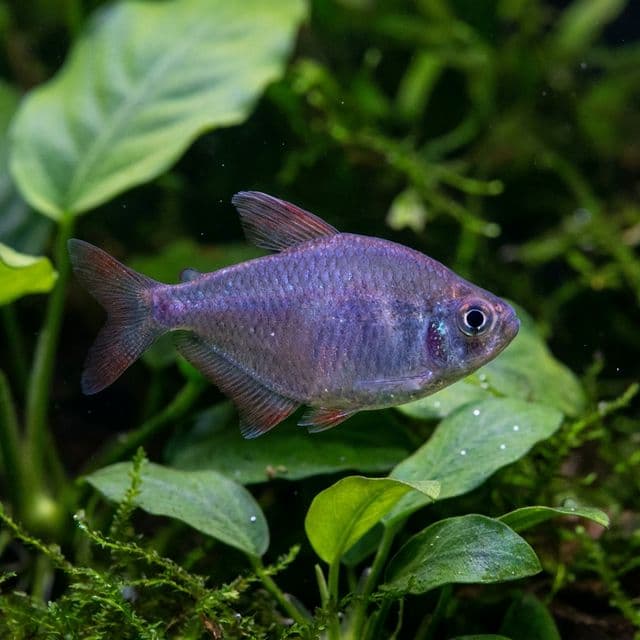
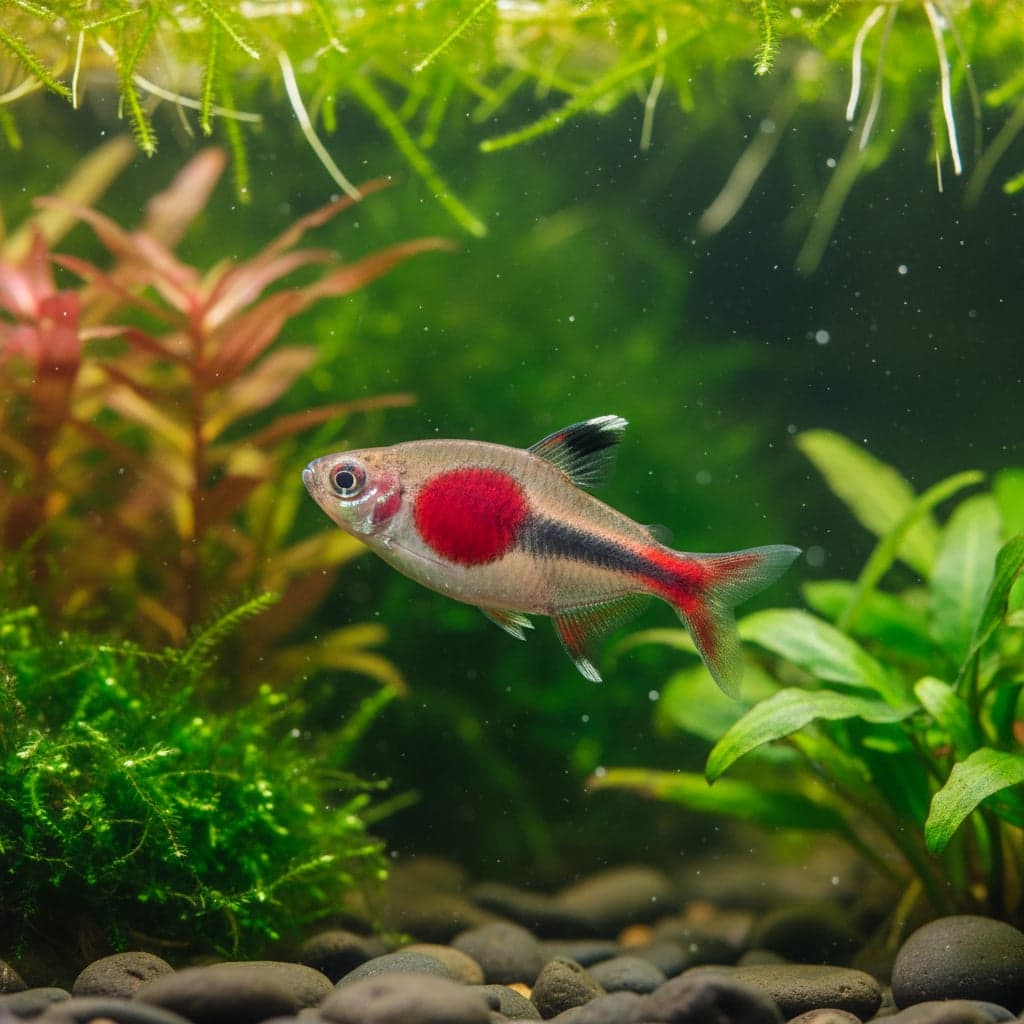
The Redback Bleeding Heart Tetra, scientifically known as Hyphessobrycon pyrrhonotus, is a visually striking freshwater fish renowned for its vibrant coloration and stunning patterns. This small tetra is characterized by its shimmering, semi-translucent body adorned with brilliant red markings on the upper part, resembling vivid “bleeding hearts” that provide a unique aesthetic appeal in any aquarium setting. Their striking appearance, combined with their active nature, makes them a favorite among aquarists. With a maximum size of around 1.5 to 2 inches, they are ideal for community tanks, adding both beauty and liveliness to the aquatic environment.
In addition to their stunning appearance, the Redback Bleeding Heart Tetra holds considerable significance in the aquarium hobby due to its hardiness and adaptability. Originating from the Amazon River basin, this tetra not only benefits beginner aquarists but also offers seasoned enthusiasts challenges when creating an ideal habitat that mimics their natural environment. They symbolize the diversity of freshwater species and the importance of keeping well-balanced ecosystems in home aquariums. As a result, incorporating the Redback Bleeding Heart Tetra can enhance not only the beauty of your aquarium but also your understanding of freshwater biodiversity.
Natural Habitat & Origin
The Redback Bleeding Heart Tetra is native to the lush waterways of the Amazon River basin, particularly found in countries like Brazil and Peru. These fish thrive in warm, slow-moving waters that are often well-vegetated and shaded by overhanging trees. The natural habitat features soft, acidic waters with a dark hue, resulting from decayed plant matter that contributes to the characteristics of blackwater environments. This type of habitat is crucial for their survival, as it helps them feel secure amidst rich biodiversity.
In their natural environment, these tetras are commonly observed in shallow bays and tributaries where dense vegetation offers ample cover from predators. They prefer floating plants, driftwood, and other natural structures that provide shelter. These conditions are vital for their breeding and development, as they encourage social interaction among groups of tetras and facilitate a peaceful community among various aquatic species.
Care Requirements
To successfully maintain Redback Bleeding Heart Tetras, it is essential to mimic their natural habitat as closely as possible within the aquarium. They thrive in warm waters, with optimal temperature ranges of 75°F to 82°F (24°C to 28°C), acid to neutral pH levels of 5.5 to 7.0, and soft to moderately hard water (3-12 dGH). Due to their preference for blackwater conditions, it is advisable to use peat or Indian almond leaves to soften and tint the water, promoting their overall well-being.
As for tank setup, a minimum aquarium size of 20 gallons is recommended to provide ample swimming space and minimize territorial disputes. The substrate should ideally be fine gravel or sand that allows for easy burrowing. Feature plenty of plants, such as java fern or Amazon sword, along with driftwood and rocks to create hiding spaces and stimulate a natural environment. Moderate lighting will help keep plants healthy while promoting the visibility of these beautiful fish. A well-maintained filter is also necessary to ensure good water quality, as tetras are sensitive to poor water conditions.
Diet & Feeding
Redback Bleeding Heart Tetras are omnivorous, enjoying a varied diet that includes high-quality flakes, micro pellets, live, and frozen foods. They benefit from a balanced diet that provides essential nutrients necessary for their growth and coloration. Flake foods specifically formulated for tropical fish can serve as a stable base, supplemented with protein-rich foods like daphnia, brine shrimp, and bloodworms to ensure they meet their dietary requirements fully.
Feeding should occur twice a day, with an amount that can be consumed within a few minutes to prevent overfeeding and maintain water quality. These fish are friendly and non-aggressive eaters, often forming a social structure during mealtime; hence, providing food in different areas can promote natural foraging behavior and minimize competition.
Behavior & Temperament
The Redback Bleeding Heart Tetra exhibits a peaceful and sociable temperament, making them ideal inhabitants for community tanks. These fish prefer to be in schools of at least six or more individuals, as they are naturally shoaling creatures. In such groups, they display a captivating array of social interactions and behavior patterns. They are generally non-aggressive but may display signs of dominance among peers during feeding times or territorial disputes, particularly if kept in smaller groups.
In terms of tank placement, the Redback Bleeding Heart Tetra often occupies the middle and upper levels of the water column, where they can swim freely. Observing their graceful movements and social dynamics adds to the pleasure of keeping them in an aquarium, as they tend to be lively swimmers, often darting playfully amongst plants and decorations.
Tank Mates
When selecting tank mates for Redback Bleeding Heart Tetras, consider species that share similar water parameters and temperaments. Compatible tank mates include:
- Corydoras Catfish
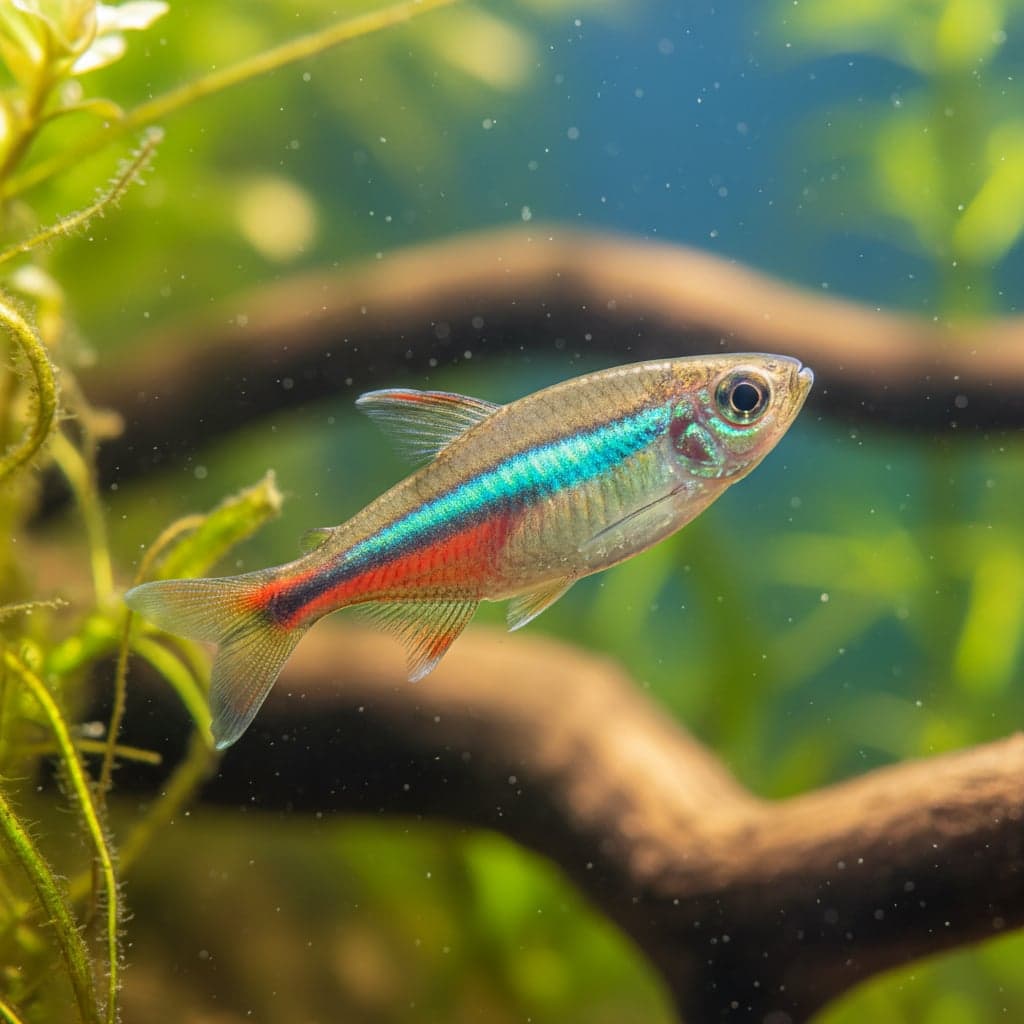
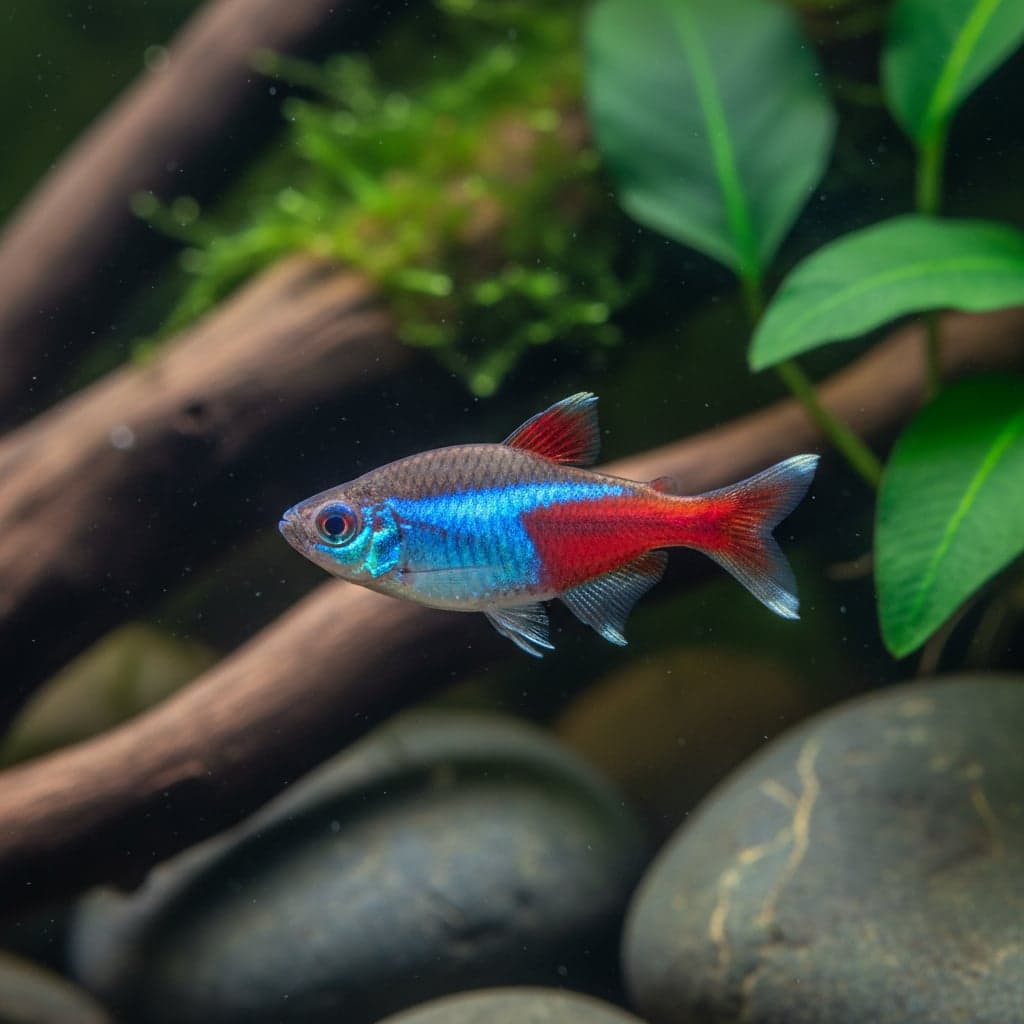
- Neon Tetras
- Guppies
- Zebra Danios
- Rasboras (such as Harlequin Rasboras)
- Small non-aggressive cichlids (such as Apistogramma species)
Species to avoid are larger or aggressive fish such as:
- Cichlids (especially larger species)
- Barbs (such as Tiger Barbs)
- Large Tetras (like Boesemani Rainbows)
- Betta Fish (due to their territorial nature)
Choosing the right companions will ensure a harmonious environment, allowing Redback Bleeding Heart Tetras to thrive alongside their peers.
Breeding
Breeding Redback Bleeding Heart Tetras, while achievable, requires specific conditions to replicate their natural spawning environment. They exhibit egg-scattering spawning behavior, laying adhesive eggs on plants or surfaces in a separate breeding tank, which should ideally be around 10-15 gallons in size. It is recommended to maintain a slightly lower light level and provide ample dense vegetation to mimic their natural habitat.
To initiate breeding, ensure a well-maintained water temperature of about 78°F to 80°F (25°C to 27°C) with slightly acidic water. Providing a varied diet that is high in protein will prepare the breeding pair. After spawning, the adult fish should be removed, as they may consume the eggs or fry. Under optimal conditions, eggs will hatch within 24-36 hours, and the fry will become free-swimming after a few days. Feeding the fry infusoria or finely crushed flakes will ensure a proper start in their growth.
Common Health Issues
Despite being hardy fish, Redback Bleeding Heart Tetras can still fall victim to common freshwater ailments if not properly cared for. Issues such as ich (Cryptocaryon irritans), fin rot, and bacterial infections can arise, especially in substandard water conditions. To prevent these diseases, consistently monitor water parameters and maintain high water quality through regular water changes.
Additionally, ensure proper tank hygiene by removing uneaten food and waste promptly. Quarantining new fish before introducing them to the main tank will also help reduce stress and the potential spread of disease. Keeping an eye on their behavior can also provide early signs of health issues; any change such as lethargy, change in coloration, or loss of appetite warrants closer inspection and, if needed, isolation and treatment. Stable soft, slightly acidic water and a varied diet help these tetras stay resilient. With consistent care, Redback Bleeding Heart Tetras remain lively and colorful members of a peaceful community aquarium.