Redbreasted Acara: Laetacara fulvipinnis
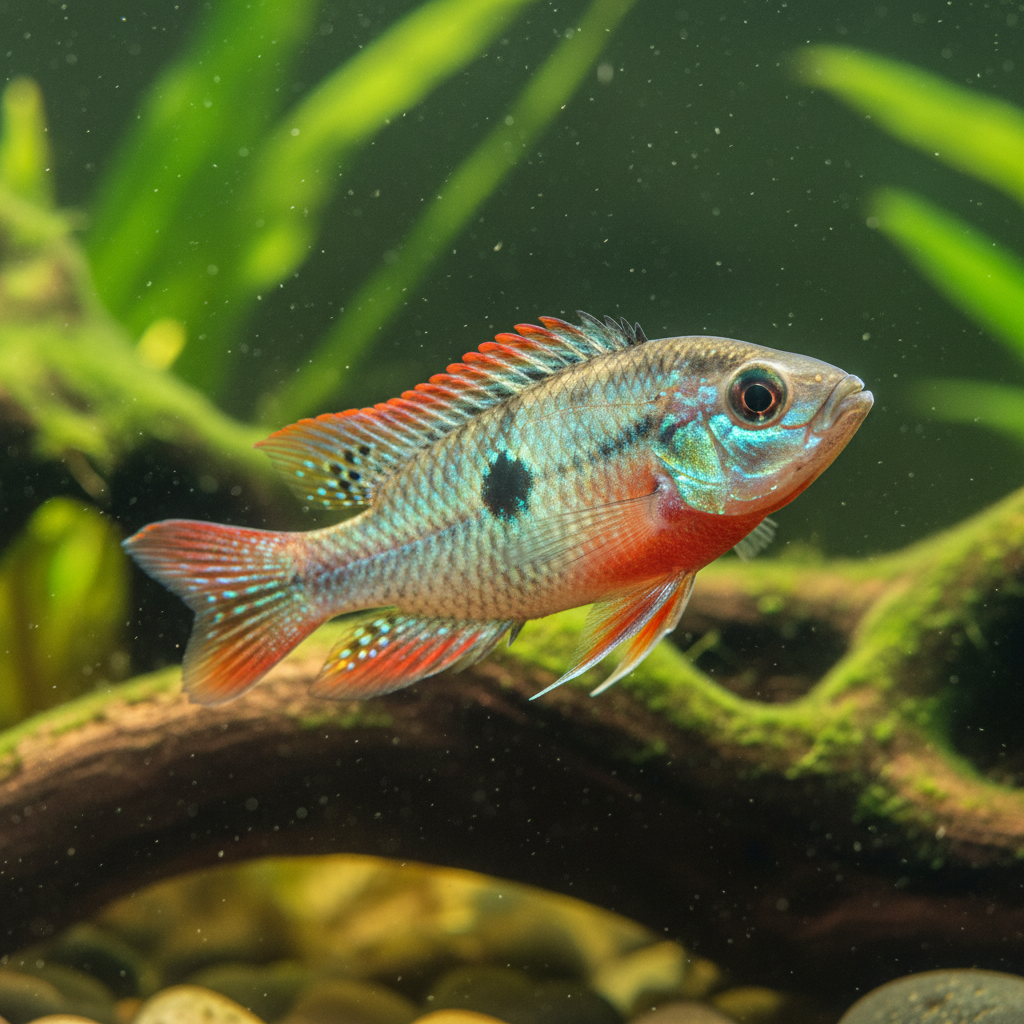
An elegant, deeply peaceful dwarf cichlid featuring striking iridescent scales and a glowing orange-red chest.

Redbreasted Acara
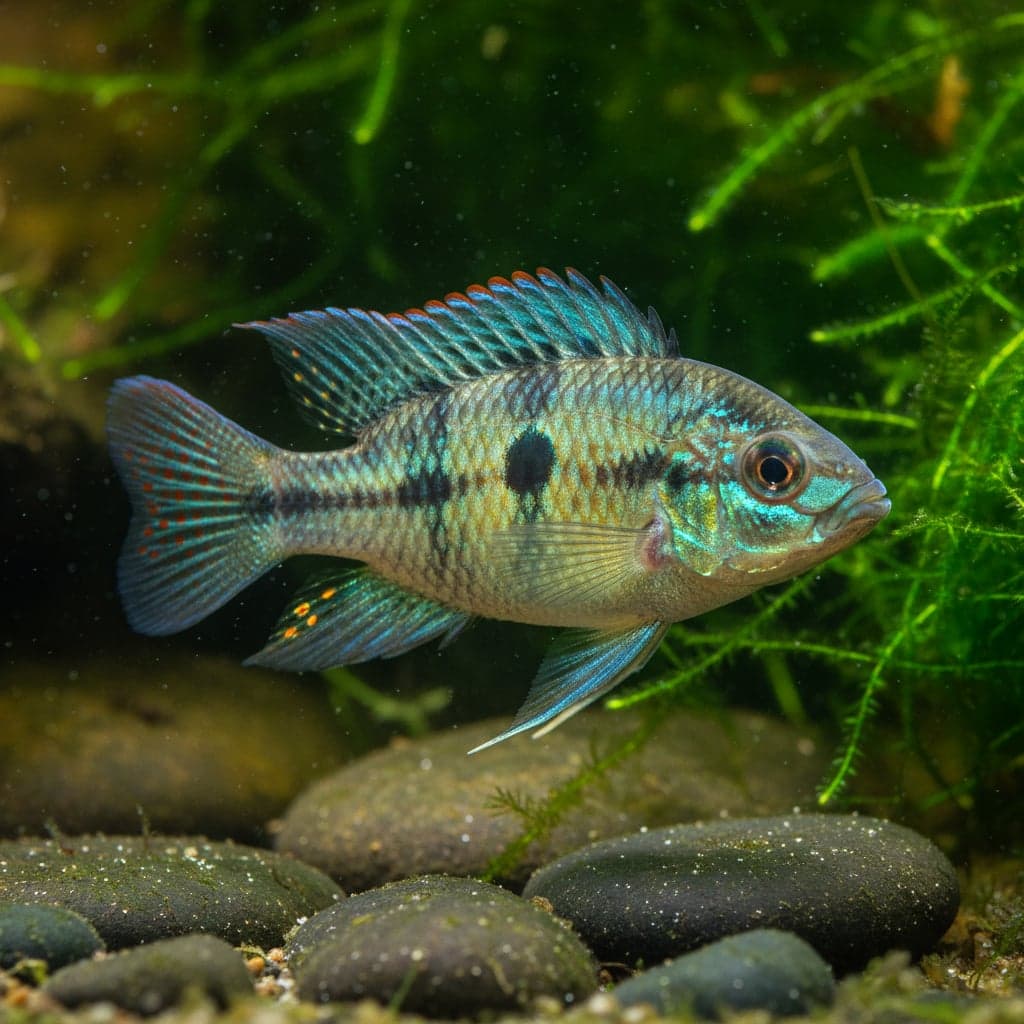
The Redbreasted Acara, scientifically known as Laetacara fulvipinnis, is an enchanting freshwater fish native to South America, specifically the Amazon River Basin. Renowned for its vibrant coloration, the Redbreasted Acara showcases a stunning mix of blues and greens highlighted by a vivid red-orange patch on its throat and pectoral fins. This visually striking appearance not only makes it an attractive addition to aquariums but also a favorite among aquarists seeking to add a touch of South American biodiversity to their setups. With a maximum size of around 4 to 5 inches, the Redbreasted Acara is suitable for both novice and experienced fish keepers looking for a captivating swimming companion.
In the aquarium hobby, the significance of the Redbreasted Acara lies not only in its beauty but also in its engaging behaviors. Known for being interactive and curious, this fish can establish a strong bond with its keepers, often darting to the surface for feeding and displaying unique social behaviors. These characteristics, coupled with its relatively easy care needs, have positioned the Redbreasted Acara as a staple species in many aquarist collections. Its appeal extends beyond aesthetics; it serves as an excellent introduction to South American cichlids, showcasing their behaviors without the complexity often associated with larger, more aggressive species.
Natural Habitat & Origin
The Redbreasted Acara originates from the warm, waterways of the Amazon Basin in South America, specifically in regions characterized by slow-moving waters and diverse aquatic plant life. These fish are typically found in sandy or muddy substrates, densely vegetated areas near margins of rivers and floodplains, where they can seek cover and forage among the plants. The natural habitat of the Redbreasted Acara is often categorized as blackwater or clearwater; the water is typically soft and slightly acidic due to the decomposition of organic materials, which influences the water chemistry where these fish thrive.
The diverse environmental context of the Amazon is critical for the survival and behavioral patterns of the Redbreasted Acara, as it requires specific conditions to thrive in captivity. The natural complexity, with its floating plants and driftwood, not only provides a safe haven for fish but also a stimulating habitat that allows for natural behaviors, making it essential for aquarists to replicate such settings within their tanks to ensure the overall well-being of this species.
Care Requirements
Successful care of the Redbreasted Acara requires attention to specific water parameters. Ideal conditions for this fish include a pH level ranging from 6.0 to 7.5, temperatures between 75°F to 82°F (24°C to 28°C), and water hardness of 2-15 dGH. Maintaining these parameters is essential to simulate their natural habitat, fostering healthy growth and vibrant coloration. Additionally, water changes should be performed routinely, ideally every week, to maintain water quality and remove excess waste.
In terms of tank setup, a minimum tank size of 30 gallons is recommended to provide ample swimming space and territories for the Redbreasted Acara. The substrate should consist of fine sand or soft gravel, allowing for natural foraging behaviors. Incorporating plenty of live plants, driftwood, and hiding spots will help mimic their native environment and reduce stress levels. Moderate lighting conditions promote plant growth while enhancing the fish's aesthetic, creating an appealing display in any aquarium setting.
Diet & Feeding
Redbreasted Acaras are omnivorous, thriving on a varied diet that replicates their natural feeding habits. They enjoy a combination of high-quality flakes, pellets, and live or frozen foods such as bloodworms, brine shrimp, and daphnia. Considered opportunistic feeders, they may sift through substrate or explore vegetation for microorganisms when kept in a naturalistic setup. To ensure optimal health and vibrant coloration, it is crucial to provide a balanced diet that includes both plant-based and protein-rich foods.
Feeding guidelines for Redbreasted Acaras should involve small portions 2-3 times daily, tailored to their size and hunger levels. Avoid overfeeding to maintain water quality, as uneaten food can quickly pollute the aquarium environment. Incorporating vegetable matter or spirulina into their diet several times a week will contribute to their well-rounded nutritional intake, allowing for a lively and healthy aquarium inhabitant.
Behavior & Temperament
The Redbreasted Acara exhibits a generally peaceful temperament ideal for community tanks, though may display territorial tendencies during breeding or when asserting dominance. They are not typically schooling fish; instead, they prefer to establish their own space within the aquarium. Social behaviors often include curiosity and playful interactions, leading to frequent swimming throughout different strata of the tank, as they prefer the mid to upper levels.
In communal setups, it is essential to observe the behavior of individual fish, as slight aggression episodes may occur, particularly in smaller spaces or lacking sufficient hiding spots. Redbreasted Acaras thrive in environments where they can confidently explore their surroundings, thus ensuring they feel secure will promote a harmonious community setting.
Tank Mates
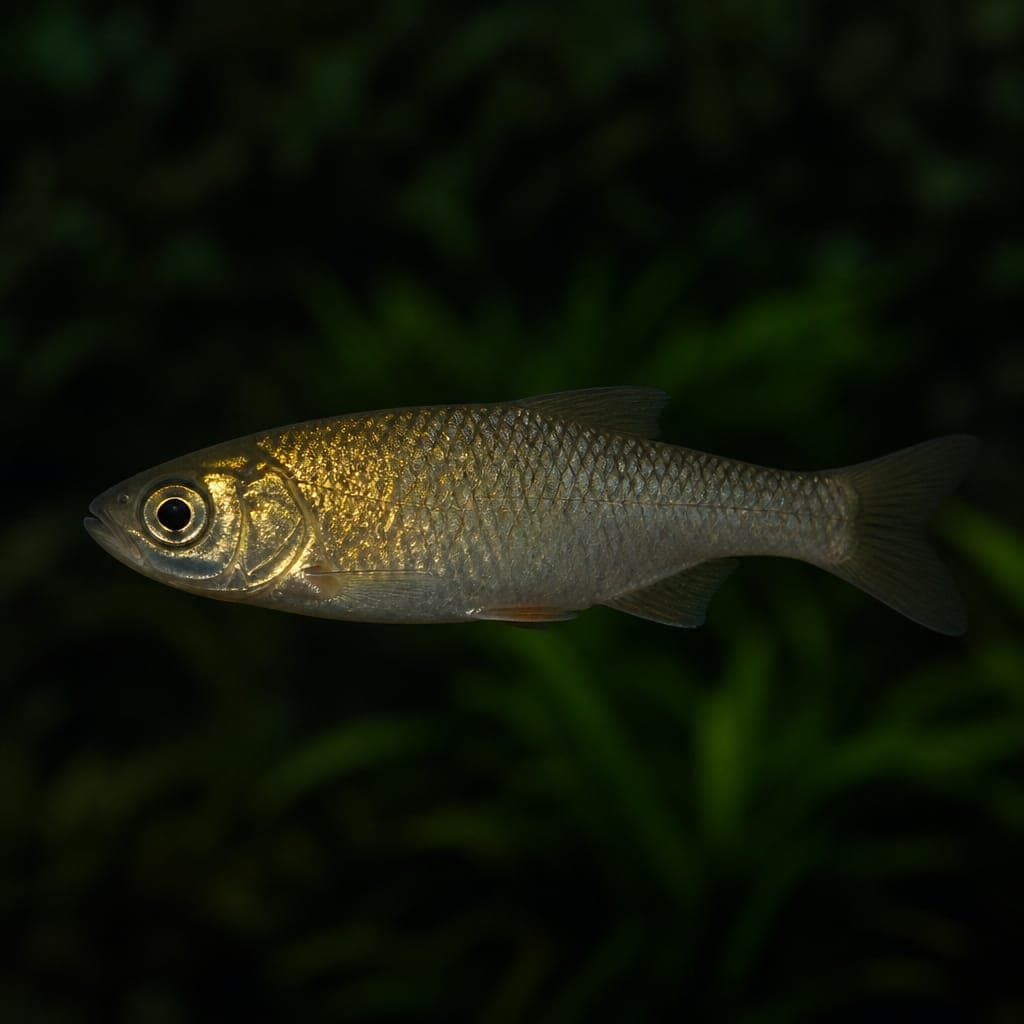
Choosing compatible tank mates for the Redbreasted Acara involves careful consideration to minimize aggression and demonstrate social interaction. Ideal companions include peaceful species like tetras (such as Neon or Rummy Nose tetras), Corydoras catfish, and smaller cichlid species like Apistogramma or checkerboard cichlids. Moreover, species such as guppies and danios can coexist with the Redbreasted Acara, provided their tank is adequately sized and structured to offer territories and hiding spaces.
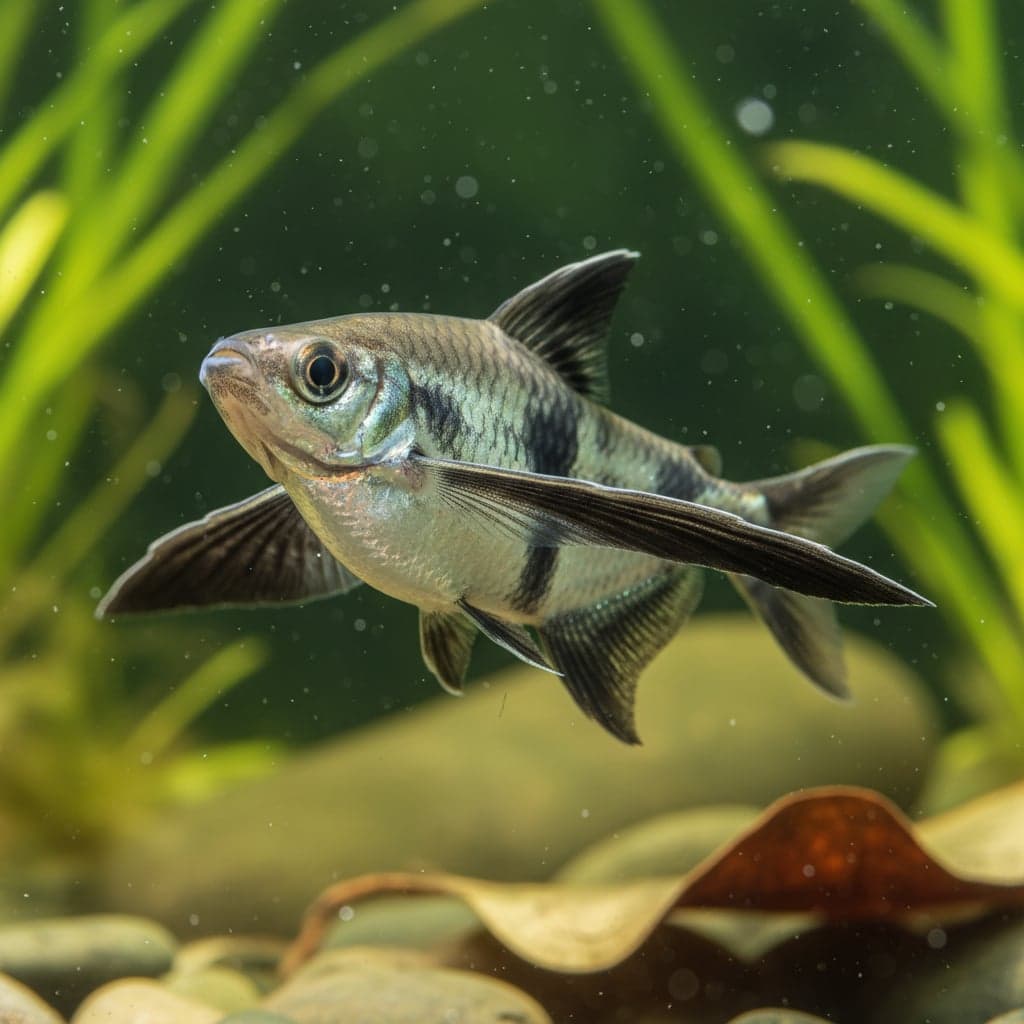
Conversely, aggressive or territorial fish, such as larger cichlids or predatory species (like Oscars or jack Dempsey fish), should be avoided. Species known for their fin-nipping behaviors, such as certain barbs, can also create undue stress for the Redbreasted Acara, thus steering clear of such tank mates is advisable for maintaining peace within the aquarium.
Breeding
Breeding the Redbreasted Acara in captivity is often successful with the right conditions. These fish are known to be relatively good parents, showcasing nesting behaviors. To induce spawning, slightly raising the water temperature (to approximately 80°F or 27°C) and performing a water change with soft, slightly acidic water can signal readiness. Breeding caves, flat surfaces, or terracotta pots can serve as suitable spawning sites where the female will lay around 100-200 eggs.
Once the eggs are fertilized, they will hatch in approximately 3-5 days, with the fry requiring ample protection in the form of plants or decorations. Parents often guard the fry actively, moving them to safer areas as needed. To ensure a successful breeding experience, offering a steady diet of fine powdered foods and infusoria for the fry during their early developmental stages is essential, progressing to small brine shrimp and crushed flakes as they grow.
Common Health Issues
Like many aquarium fish, Redbreasted Acaras are susceptible to particular diseases if not maintained in optimal conditions. Common health concerns include ich (Ichthyophthirius multifiliis), fin rot, and velvet disease. Signs of illness can manifest as abnormal behavior, loss of appetite, or physical changes like white spots or fraying fins.
Preventative measures include maintaining proper water quality through regular changes and testing parameters frequently, ensuring the tank is adequately cycled before introducing new fish.