Redfin Peppered Tiger Loach: Syncrossus berdmorei
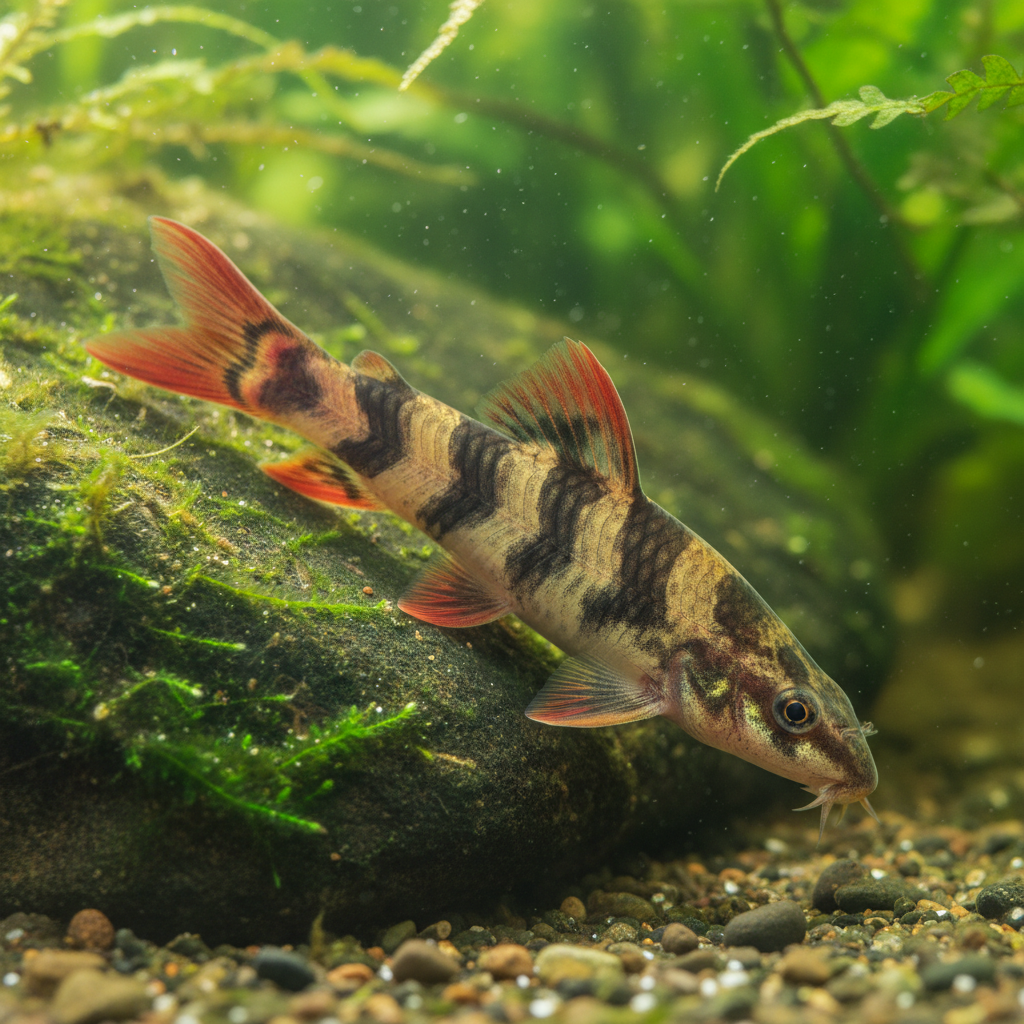
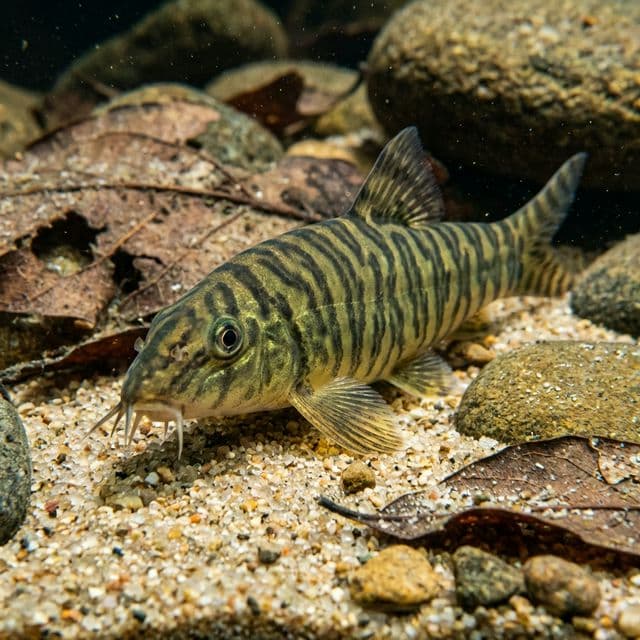
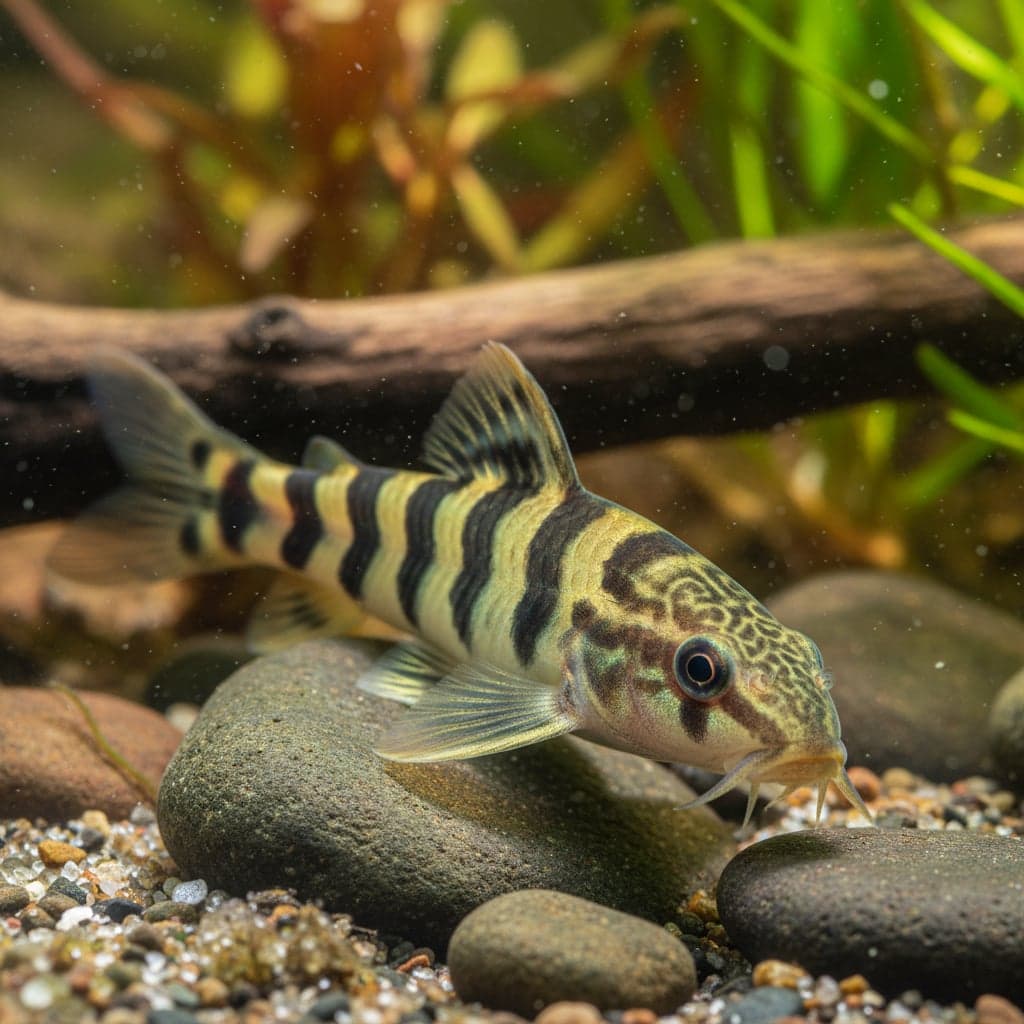
A deeply patterned, highly active loach boasting a gold and black striped body with bright reddish-orange fins.
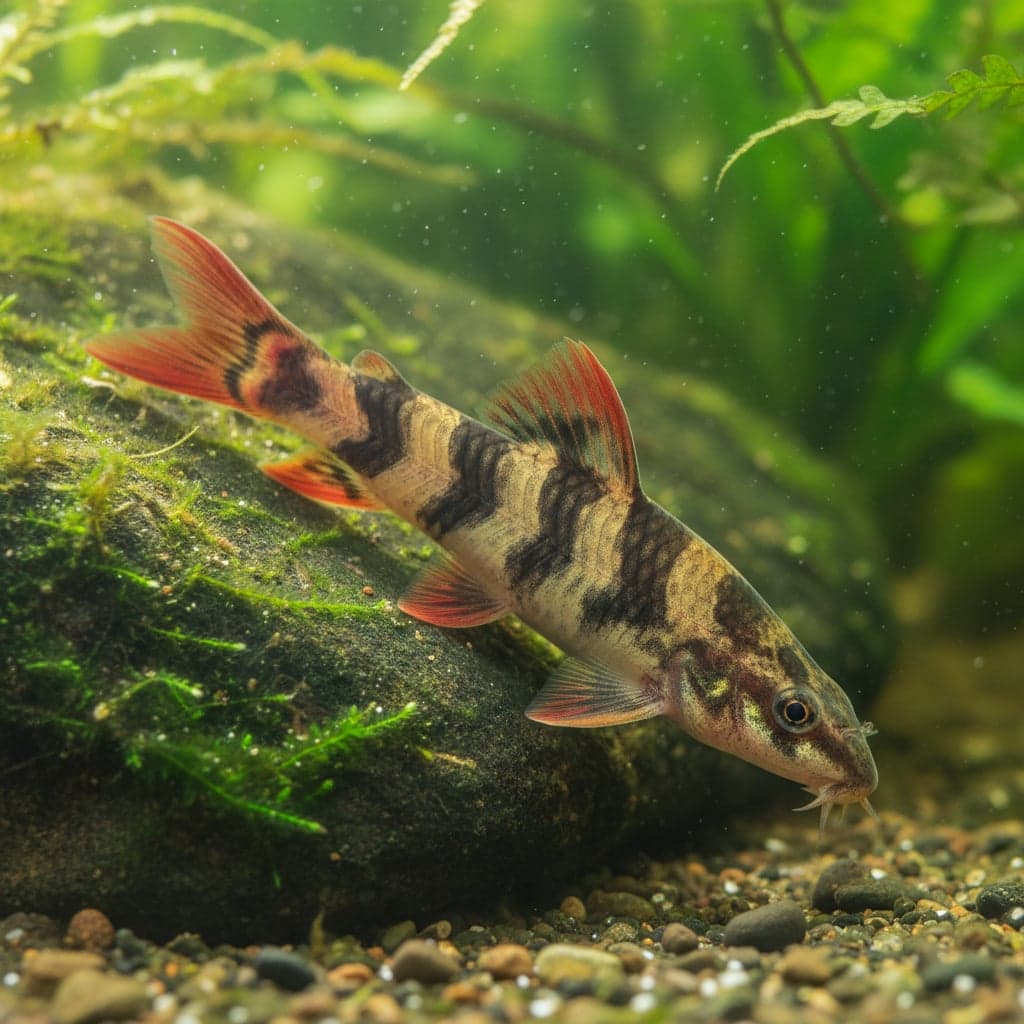
Redfin Peppered Tiger Loach
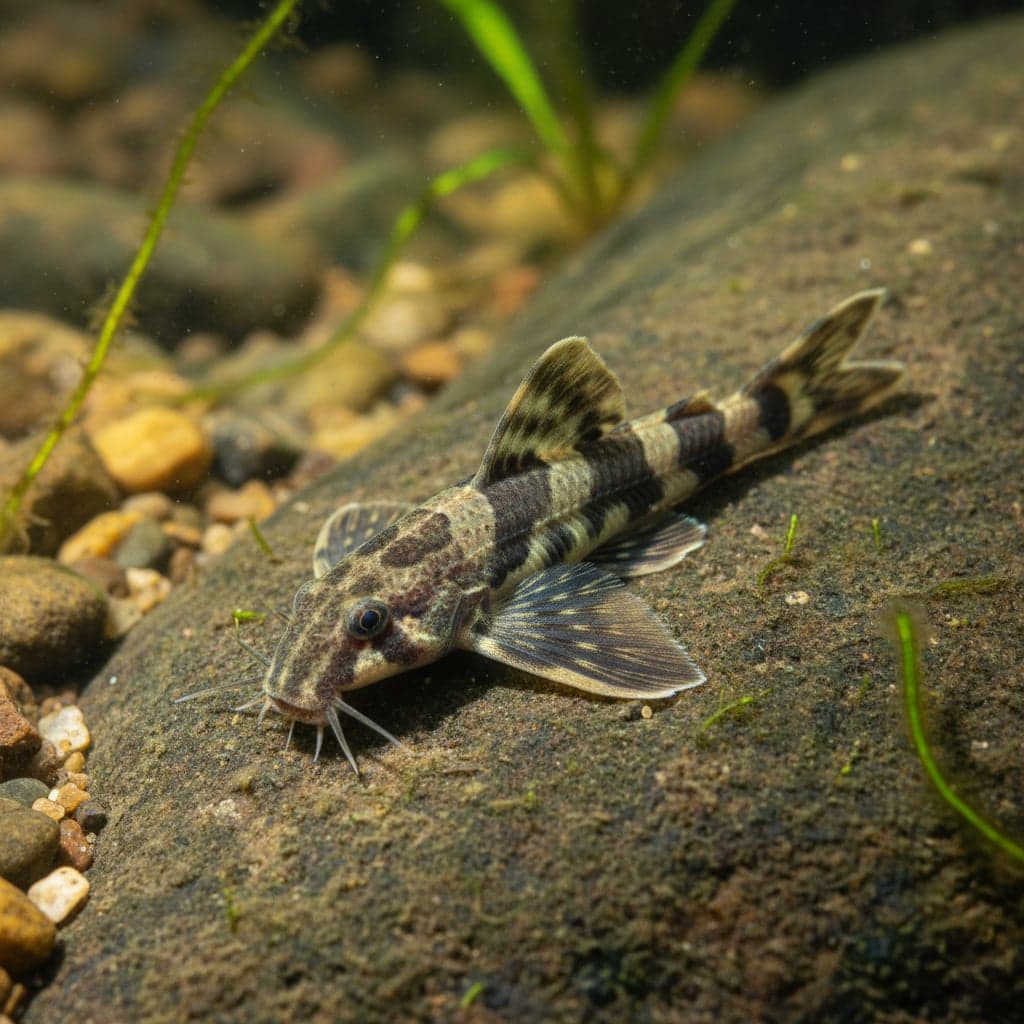
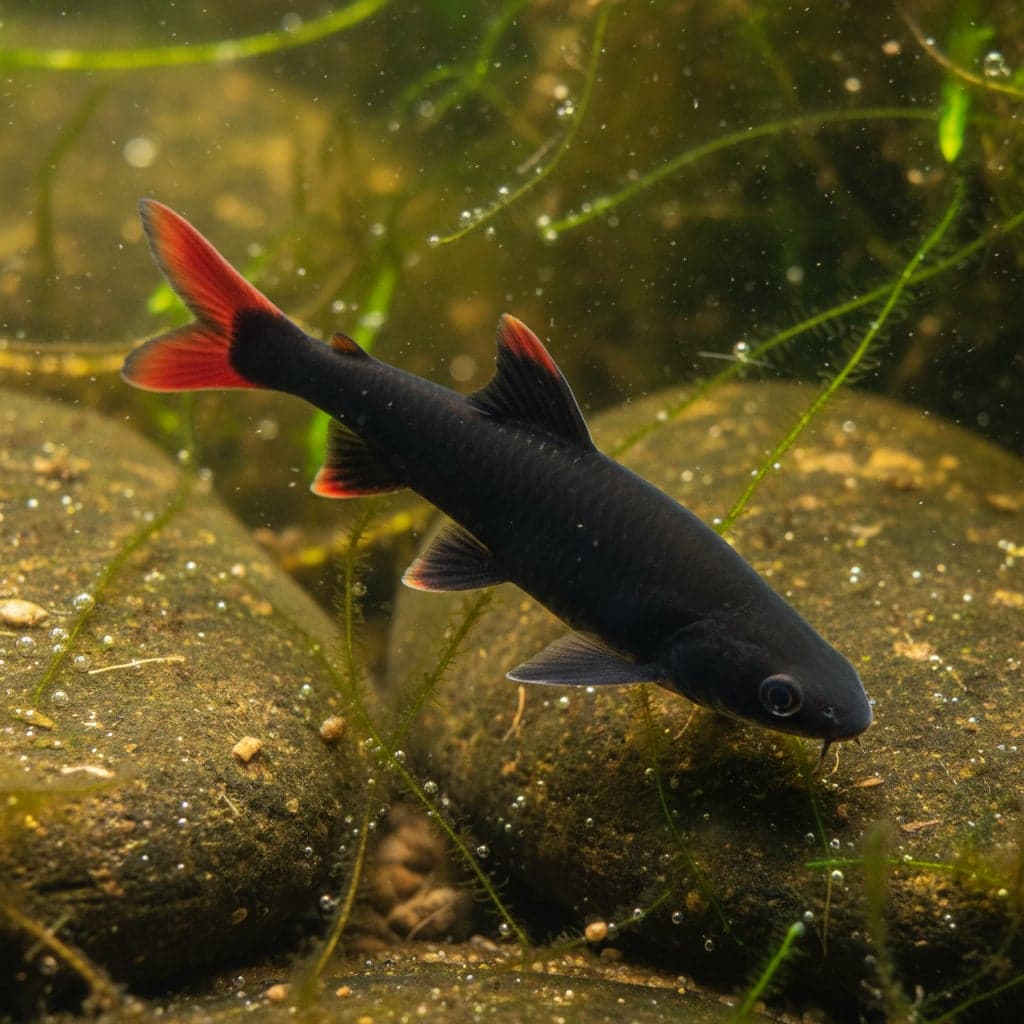
The Redfin Peppered Tiger Loach, scientifically known as Syncrossus berdmorei, is a unique and striking freshwater fish popular in the aquarium hobby. Known for its vivid colors and distinctive patterns, this species showcases a mesmerizing blend of orange, yellow, and dark markings that create a tiger-like appearance. Its red-tipped fins provide an additional pop of color, making it a visual centerpiece in aquariums. Beyond its aesthetic appeal, the Redfin Peppered Tiger Loach holds significance for fish enthusiasts due to its fascinating behavior and adaptability to various tank environments, showcasing both vivacity and resilience.
In the aquarium setting, the Redfin Peppered Tiger Loach is not just another ornamental fish; it is a joy to observe due to its active and playful nature. These fish exhibit behaviors such as burrowing and foraging, which can add a dynamic element to aquascapes. Additionally, they are regarded as a great species for community tanks, provided that proper cuidados (care) and companionship are maintained. Their unique characteristics and captivating demeanor make them a favored choice for both novice and experienced aquarists.
Natural Habitat & Origin
The Redfin Peppered Tiger Loach hails from the freshwater rivers and streams of Southeast Asia, specifically from countries such as Myanmar (Burma) and Thailand. It thrives in areas where dense vegetation and natural debris provide cover and foraging opportunities. Typically found in slow-moving waters, these loaches prefer soft, slightly acidic to neutral pH levels and water temperatures ranging from 24°C to 28°C (75°F to 82°F). The natural habitat is characterized by soft, tannin-stained blackwater, where leaf litter and decaying organic matter contribute to lower light conditions, creating a semi-shaded environment—an important consideration for aquarium enthusiasts when attempting to replicate their native conditions.
The environmental context in which the Redfin Peppered Tiger Loach is found is crucial for its overall well-being. This fish occupies the bottom strata of the riverbed, often seeking refuge in crevices and among substrate and plant matter. As such, a well-planned aquarium setup that mimics these conditions can greatly enhance its health and activity levels.
Care Requirements
To ensure the health and longevity of the Redfin Peppered Tiger Loach, specific water parameters must be maintained. Ideally, the pH level should range between 6.5 and 7.5, with a water hardness of 5 to 15 dGH. The temperature should be kept between 24°C and 28°C (75°F to 82°F), as they thrive in warmer conditions, closely mimicking their natural habitat. The minimum tank size should be at least 75 gallons (284 liters) for a small group, as these fish are semi-social and can become territorial without adequate space.
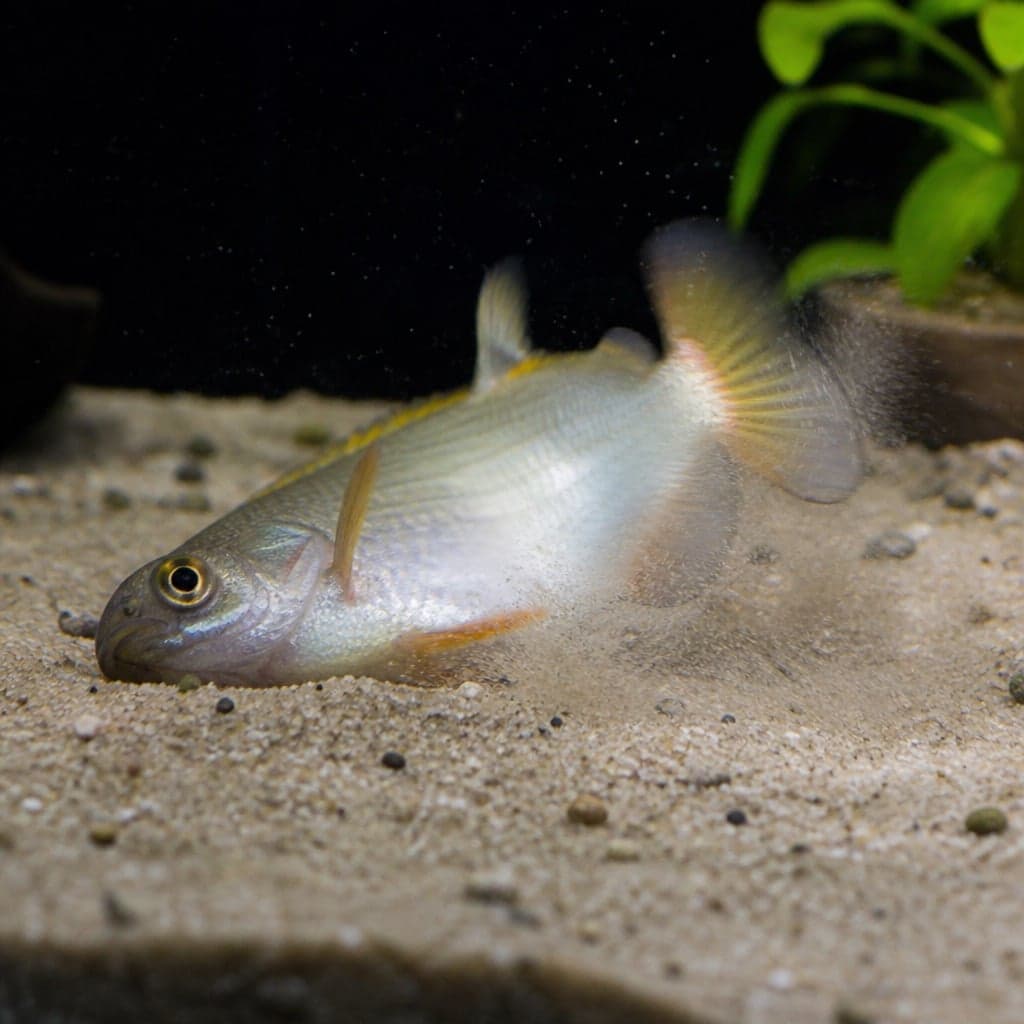
The tank setup for the Redfin Peppered Tiger Loach should include a soft substrate—preferably sand or fine gravel—to protect their sensitive barbels. They also require plenty of rocky caves and hiding spots to feel secure, as well as live plants or floating vegetation to diffuse light and create shaded areas. Moderate lighting is recommended to emulate their natural environment better, while a good filtration system is essential to maintain water quality, as loaches can be sensitive to poor conditions.
Diet & Feeding
The diet of the Redfin Peppered Tiger Loach is omnivorous, making them relatively easy to feed in captivity. They flourish on a varied diet that includes high-quality flake or pellet food designed for bottom-dwellers, as well as live or frozen foods like brine shrimp, bloodworms, or daphnia. Providing a rich selection of foods not only ensures they receive the balanced nutrition they require but also promotes their natural foraging behaviors. It's beneficial to supplement their diet with vegetable-based options such as blanched zucchini or spinach to introduce fiber. Ensuring diversity in their dietary intake is crucial to maintaining their health and vibrant coloration.
Feeding should occur once or twice a day, avoiding overfeeding, as loaches can be prone to obesity if provided with excessive food. Monitoring their feeding habits allows aquarists to adjust quantities according to individual consumption, ensuring an optimal balance in their diet.
Behavior & Temperament
Redfin Peppered Tiger Loaches are known for their lively and inquisitive nature. They exhibit social behavior characteristic of loaches, often engaging in playful antics like swimming in circles or darting about their environment. While they are generally peaceful, they can show territorial tendencies, particularly during feeding times or in confined spaces. Though they may thrive in groups, it's important to provide sufficient room, as overcrowding can lead to aggressive behavior among individuals vying for territory or food.
In terms of tank placement, these fish predominantly occupy the bottom strata of the aquarium. They often seek shelter among rocks, caves, and plant roots, where they feel secure and comfortable. When appropriately housed with similar-sized tank mates, their social and active nature becomes a delightful aspect of their behavior.
Tank Mates
Selecting compatible tank mates for the Redfin Peppered Tiger Loach is vital for a harmonious aquarium community. Suitable companion species include other loaches, tetras, barbs, and smaller cichlids, as these species generally share similar water parameter requirements and social behavior. Some compatible species may include the Cherry Barbs, Neon Tetras, and Corydoras Catfish, which can coexist peacefully with the loach without provoking territorial disputes.
To avoid conflicts, it’s essential to steer clear of aggressive or overly boisterous species, such as larger cichlids or fin-nippers like certain tetras, as they may stress or harass the loach. Additionally, it’s not advisable to place them with smaller, slow-moving fish, as the Redfin Peppered Tiger Loach may unintentionally harm them while foraging or swimming.
Breeding
Breeding the Redfin Peppered Tiger Loach in captivity can be challenging, as they are not routinely bred in home aquariums. Spawning typically occurs during the rainy season in their natural habitat, indicating that certain environmental triggers may be necessary. To stimulate breeding behavior, it's essential to maintain optimal water conditions, including slightly cooler temperatures and softer water, mimicking a rainy period.
If successful, the fish will exhibit distinct courtship behavior, with the males pursuing the females. Spawning usually occurs on flat surfaces or among plants. After mating, it’s advisable to separate the adults from the eggs, as they may consume the fertilized eggs. The eggs typically hatch in about 48 to 72 hours, and once free-swimming, the fry should be fed micro-plankton or specialized fry food to ensure healthy growth.
Common Health Issues
While the Redfin Peppered Tiger Loach is relatively hardy, they are prone to specific health issues that all aquarists should be vigilant against. Common ailments include ich (whitespot disease), flukes, and bacterial infections. Maintaining high water quality and ensuring proper tank maintenance is essential in preventing these health issues, as poor water conditions can lead to stress and disease susceptibility.
Routine observation of the fish for any abnormal behaviors, such as excessive scratching against objects or decreased appetite, is crucial for early detection of illness. Quarantining new arrivals before introducing them to the main tank is another effective strategy to prevent the introduction of diseases. Regular water testing and consistent partial changes keep ammonia and nitrite at zero while holding nitrates in check. Soft sand substrate and ample caves reduce stress that invites disease. Offer a varied diet and avoid aggressive tank mates that chase them. Respond quickly to white spots, flashing, or clamped fins so Redfin Peppered Tiger Loaches stay active, social, and healthy for years in a mature aquarium.