Redhook Myleus: Myloplus rubripinnis
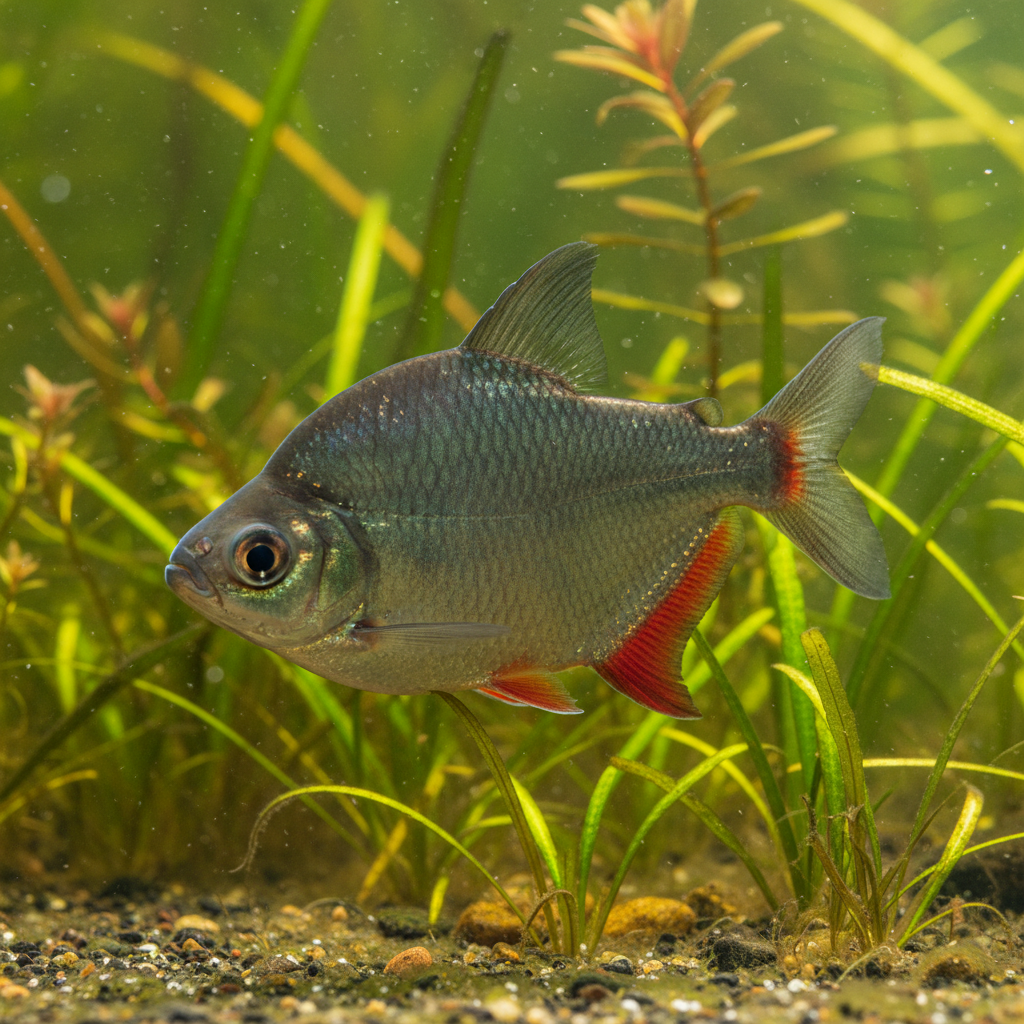
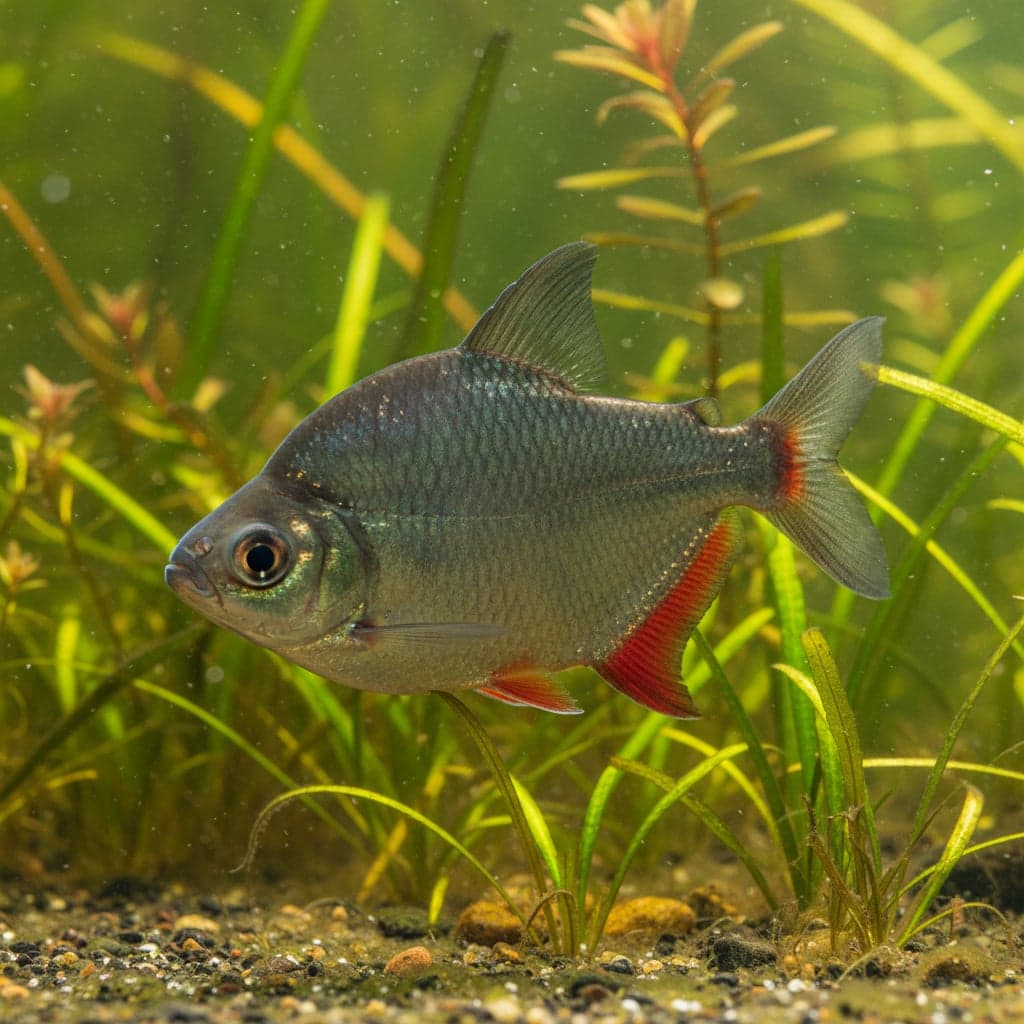
A massive, completely peaceful "vegetarian piranha" distinguished by a bright red, sharply curved anal fin resembling a hook.
Redhook Myleus
The Redhook Myleus, scientifically known as Myloplus rubripinnis, stands out as a breathtaking freshwater fish captivating aquarium enthusiasts worldwide. With its striking red or orange fins contrasting vividly against a silver body, this species is not only a visual delight but also a fascinating addition to any aquarium. The Redhook Myleus is particularly recognized for its unique, laterally compressed shape and vibrant coloration, making it a sought-after specimen for aquarists looking to enhance their aquatic displays. This fish can grow up to 12 inches in length, thus becoming a centerpiece of larger community tanks where its dynamic presence can be fully appreciated.
In the aquarium hobby, the Redhook Myleus is significant not only for its aesthetic appeal but also for its intriguing behavior and adaptability to different environments. Native to the Amazon River basin, this species is often found in large groups, exhibiting dynamic schooling behavior that contributes to its popularity in community tanks. The appeal of the Redhook Myleus goes beyond its beauty; it offers aquarists an opportunity to engage with a species that exhibits social and active behaviors, making it a joy to observe. Understanding their needs and characteristics is crucial for ensuring their health and longevity in captivity.
Natural Habitat & Origin
The Redhook Myleus is indigenous to the northern regions of South America, prominently inhabiting the Amazon River basin, which extends through countries such as Brazil, Colombia, and Peru. These fish thrive in both blackwater and clearwater environments, where the water is typically stained with tannins from decaying plant material. The natural habitats are rich in submerged vegetation and offer plenty of hiding spots, such as root structures and floating plants, which contribute to both food availability and safety from predators. Understanding their natural habitat is critical for replicating an appropriate environment in aquarium settings.
In these freshwater habitats, Redhook Myleus are often found in slow-moving water bodies where they forage among the leaf litter and plant matter. The acidity of the water can range from slightly acidic to neutral, with water temperatures generally hovering around 75°F to 85°F (24°C to 29°C). Knowing these details is crucial for aquarists who aim to create a sustainable and comfortably replicative environment to keep this species healthy and thriving.
Care Requirements
To provide optimal care for the Redhook Myleus, careful attention must be given to water parameters and tank setup. Ideal water conditions include a pH range of 6.0 to 7.5, a temperature between 75°F to 85°F (24°C to 29°C), and a hardness level of 2 to 15 dGH. These parameters closely mimic their natural habitats, decreasing stress and promoting well-being. A minimum tank size of 75 gallons is recommended, as these fish require ample swimming space and prefer to be housed in groups to exhibit natural schooling behavior.
Regarding tank setup, aquarists should utilize a soft substrate to protect their delicate bodies and reduce stress. Driftwood and rocks should be incorporated to provide hiding spots, with the addition of live plants creating a more natural feel while also assisting in maintaining water quality through natural filtration. Lighting should be moderate to low, imitating the slightly shaded conditions of their natural environment. Implementing these elements will contribute to the overall health and happiness of the Redhook Myleus.
Diet & Feeding
Redhook Myleus are considered omnivores, but they have a distinct preference for plant matter combined with protein-rich foods. In captivity, a varied diet is essential for their optimal health and color vibrancy. High-quality flakes and pellets specifically formulated for carnivorous or omnivorous fish should be a staple, complemented by regular offerings of frozen or live foods such as bloodworms, brine shrimp, and daphnia. Vegetables like zucchini, spinach, and blanched peas can also be provided, promoting good nutrition and satisfying their herbivorous tendencies.
Feeding should occur multiple times a day in smaller portions rather than one large meal, which will help reduce waste and maintain water quality in the aquarium. It is also crucial to ensure that food is sized appropriately for their size to avoid choking or overfeeding. By adhering to these dietary guidelines, aquarists can support the Redhook Myleus's health and physical condition effectively.
Behavior & Temperament
The Redhook Myleus is known for its engaging and lively behavior, often displaying a peaceful temperament when housed with compatible tank mates. They are schooling fish and prefer to be kept in groups of five or more to exhibit their natural herd instincts, which leads to a more enriching and visually stimulating aquarium environment. While generally non-aggressive, it is important to note that they can exhibit territorial behavior, particularly during feeding or in confined spaces, thus monitoring interactions with other species is advisable.
In terms of vertical placement within the tank, Redhook Myleus tend to occupy the mid to upper levels of the aquarium. They enjoy swimming freely and often dart among plants and decorations, showcasing their energetic nature. Providing sufficient space and hiding spots is crucial, as it allows these fish to express their natural behaviors while minimizing stress.
Tank Mates
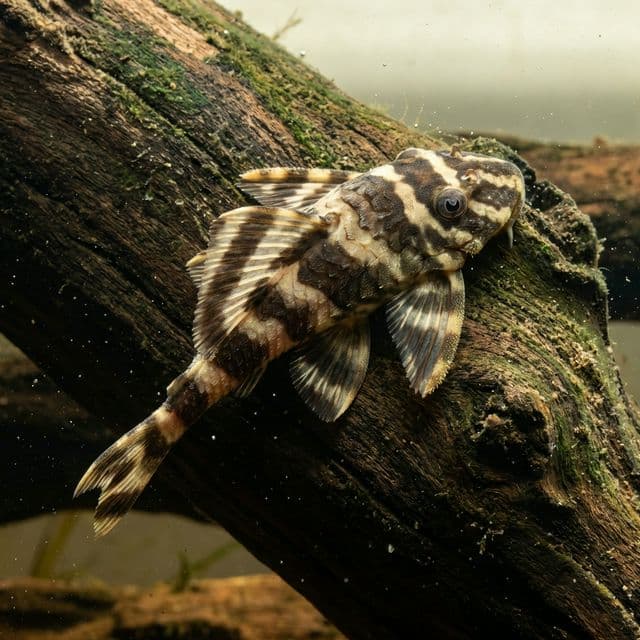
When considering tank mates for the Redhook Myleus, it's essential to choose species that share similar water conditions and temperaments. Suitable tank mates include larger characins like Tetra species, large peaceful cichlids, and other non-aggressive fish such as rainbowfish and danios. Catfish such as the Plecostomus can also coexist harmoniously, providing both a cleaning service and companionship.
Conversely, it's wise to avoid housing Redhook Myleus with small or overly aggressive fish. Species such as small tetras or overly territorial cichlids could become targets for fin nipping or aggression, leading to stress and potential health issues. Ensuring a harmonious community tank will enhance the well-being of Redhook Myleus and the overall aquarium environment.
Breeding
Breeding Redhook Myleus in captivity can be challenging but rewarding with the right conditions. They are known to spawn in schools during the rainy season in their natural habitats, thus replicating these conditions is critical for successful breeding in an aquarium. Ideal breeding conditions include maintaining slightly acidic to neutral water parameters, with a temperature of about 80°F (27°C) to encourage spawning behavior.
To facilitate breeding, a separate breeding tank may be beneficial, featuring fine-leaved plants or spawning mops where the female can deposit eggs. After spawning, the adults should be removed from the breeding tank to prevent them from consuming their eggs. It is important to note that Redhook Myleus will lay a significant number of eggs, requiring careful monitoring until they hatch and become free-swimming fry. Providing a nutritious diet for the fry, consisting of infusoria or finely crushed flakes, is essential for their growth and development.
Common Health Issues
Like many fish, Redhook Myleus can be susceptible to various health issues, particularly if kept in suboptimal conditions. Some common diseases include ich (Ichthyophthirius multifiliis), fin rot, and bacterial infections. To prevent these health concerns, maintaining excellent water quality through regular testing and water changes is crucial. Quarantining new arrivals before introducing them to an established tank will also minimize the risk of introducing diseases.
Additionally, a balanced diet and careful attention to tank compatibility can further reduce stress and keep immune systems strong. Watch for white spots, frayed fins, clamped fins, or sudden appetite loss, and treat promptly in a quarantine tank with suitable medications. Keep water well oxygenated, avoid sharp décor that can injure their soft bodies, and never overcrowd the school. With consistent maintenance and a plant-forward diet, your Redhook Myleus can remain active, colourful, and healthy for many years.