Redline Dwarf Cichlid: Apistogramma hongsloi
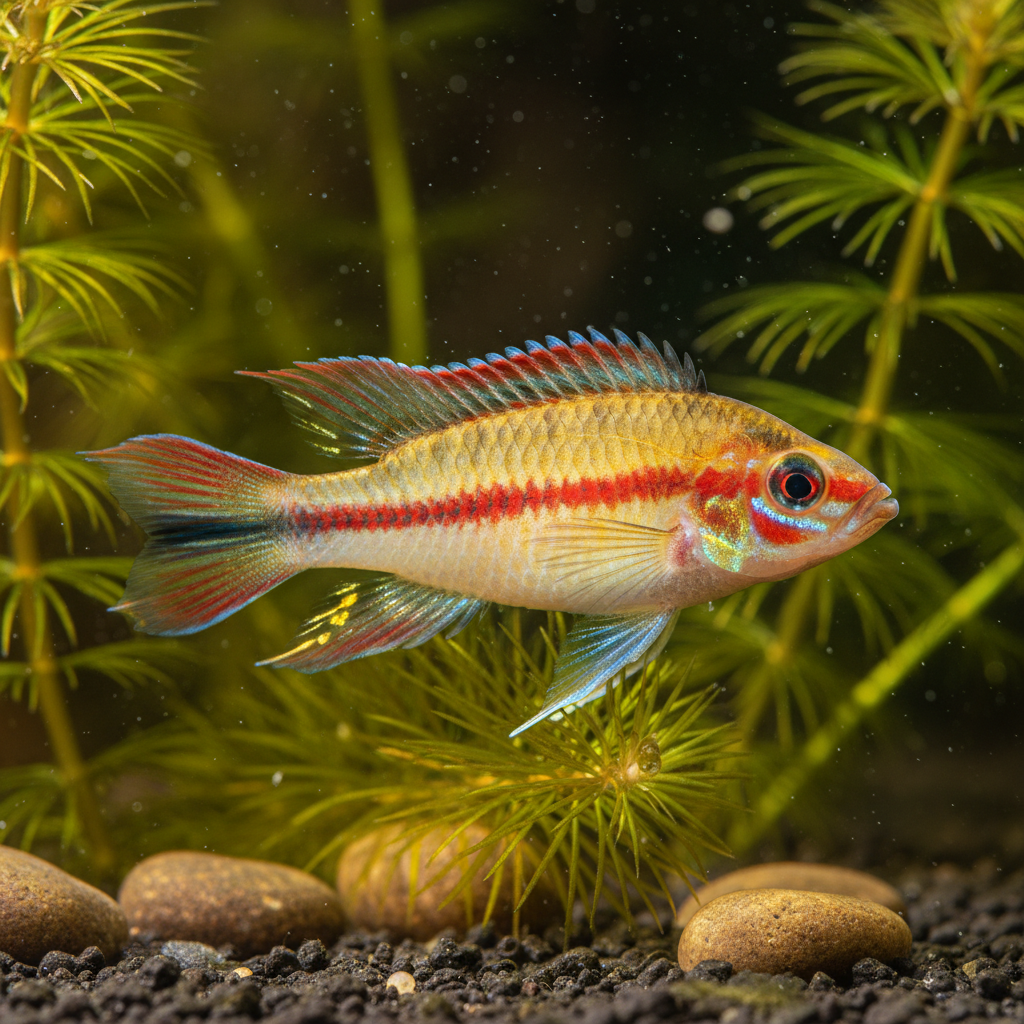
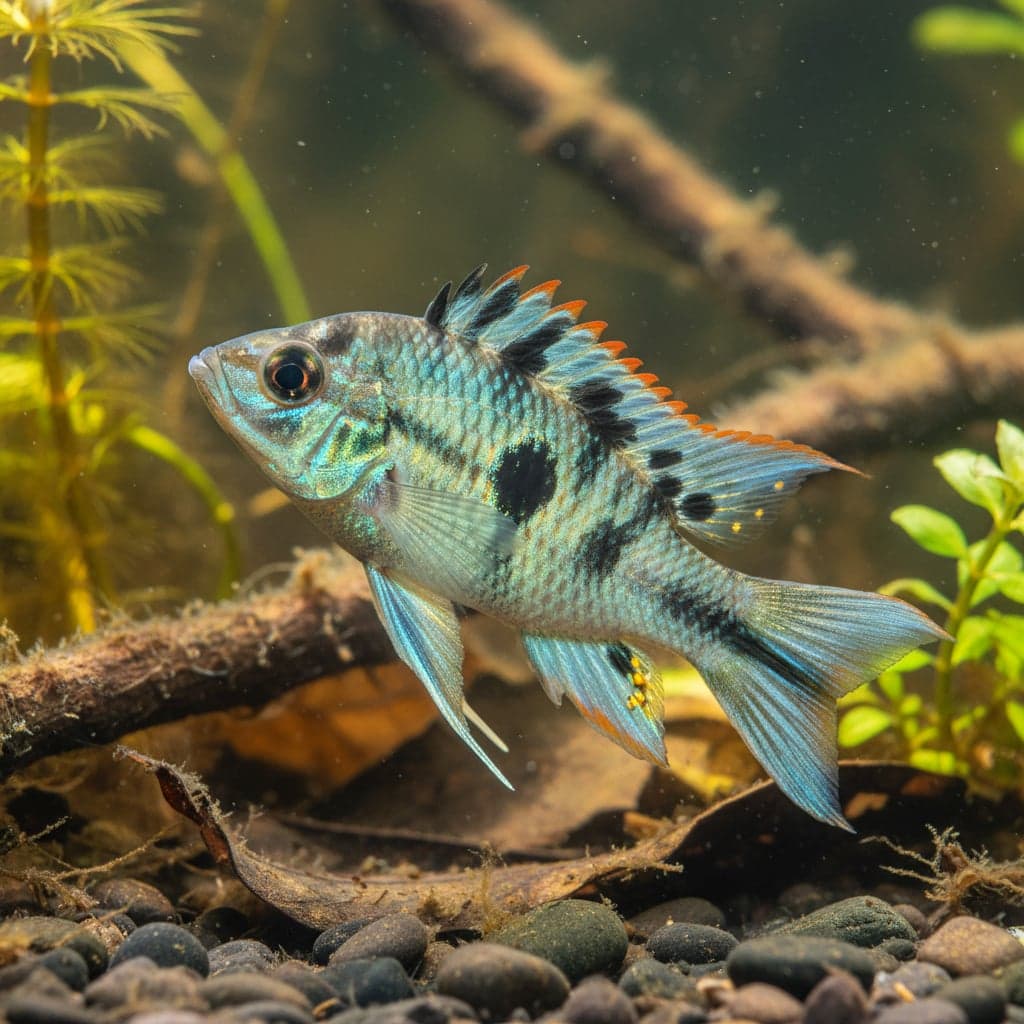
Arguably the most vividly pink-red Apistogramma in the hobby, featuring intense streaks along its belly and tail.

Redline Dwarf Cichlid
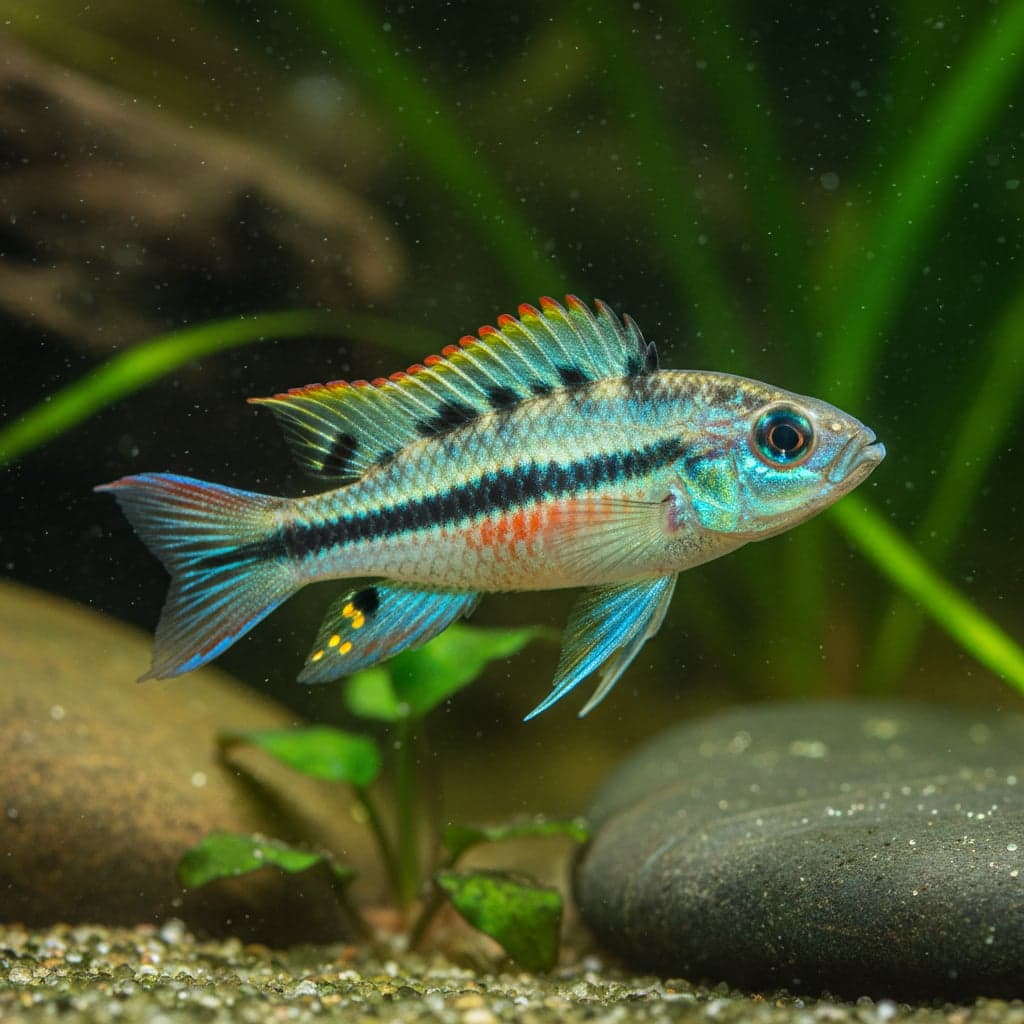
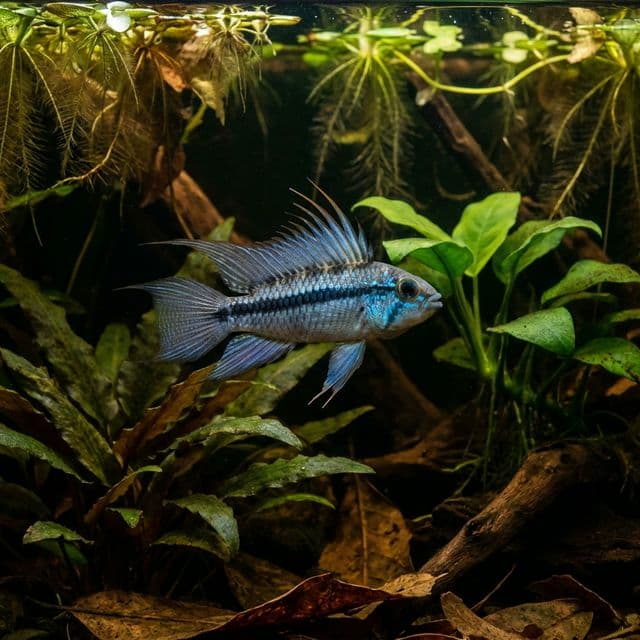
The Redline Dwarf Cichlid, scientifically known as Apistogramma hongsloi, is a strikingly beautiful species that has caught the attention of aquarium enthusiasts around the world. Characterized by its vibrant coloration, which showcases a blend of hues ranging from gold and orange to deep blue, this small cichlid exhibits a stunning red line that runs along the dorsal fin and body, giving it a distinctive appearance among freshwater fish. Its compact size, generally reaching only up to 3 inches in length, makes it ideal for smaller tanks, while its eye-catching visuals amplify the aesthetic appeal of any aquascape.
In the aquarium hobby, the Redline Dwarf Cichlid holds significant importance due to its peaceful temperament, making it an excellent choice for community tanks. This species is not only prized for its beauty but also for its engaging behavior, as it often displays subtle interactions with tank mates and exhibits interesting territorial rituals. The Redline Dwarf Cichlid's appeal is further enhanced by its unique breeding habits, allowing aquarists to witness the complexities of cichlid reproduction firsthand. These qualities contribute to its popularity, establishing it as a beloved species among both novice and seasoned fish keepers.
Natural Habitat & Origin
The Redline Dwarf Cichlid originates from the slow-moving waters of the Orinoco River basin in Venezuela and Colombia. This region is characterized by soft, acidic blackwater environments, rich in tannins and organic materials, which contribute to the brown coloration of the water. The natural habitat includes areas with dense vegetation, submerged roots, and leaf litter, providing cover and hiding spots that are essential for the fish’s survival. These environmental factors play a significant role in shaping the behaviors and biological needs of the Redline Dwarf Cichlid, making it essential to replicate these conditions in captivity for optimal health and wellbeing.
Aquatic environments within their natural habitat are typically warm, with temperatures ranging from 75°F to 82°F (24°C to 28°C). The water is usually highly acidic, with pH levels between 5.5 and 7.0. It is important for aquarists to offer environments that mimic these characteristics, including substrate types that closely resemble their natural surroundings, to promote natural behavior and stress-free living conditions.
Care Requirements
To successfully keep the Redline Dwarf Cichlid, specific water parameters must be maintained. A pH range of 5.5 to 7.0 is ideal for this species, with hardness levels between 1 to 10 dGH. The recommended temperature should be set between 75°F and 82°F (24°C to 28°C). It's vital to maintain water quality through regular water changes and the use of a reliable filtration system, considering the fish’s sensitivity to poor water conditions.
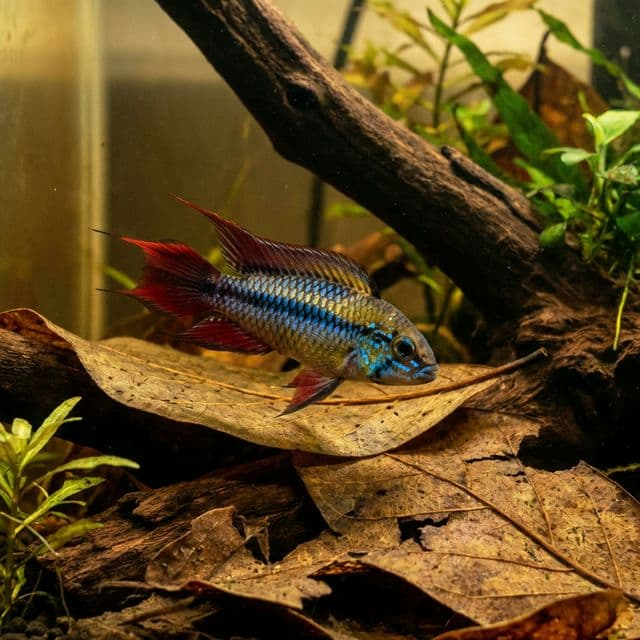
In terms of tank setup, a minimum tank size of 20 gallons is advisable to accommodate their swimming behavior and territorial nature. The substrate should be soft and sandy to mimic the riverbed of their natural habitat, accompanied by sturdy decorations like rocks, driftwood, and plenty of hiding places. Live plants can enhance the tank's aesthetics while providing additional cover, though they should be complemented by open swimming areas, as these fish also enjoy exploring. Soft, subdued lighting is recommended, reflecting the shaded environments they thrive in.
Diet & Feeding
The Redline Dwarf Cichlid is classified as an omnivore, making it versatile in terms of dietary needs. In their natural habitat, they consume a varied diet that includes insects, crustaceans, and plant matter. For captive care, high-quality flake foods and pellets designed for cichlids are excellent as a staple diet. Supplementing their diet with frozen or live foods such as brine shrimp, daphnia, or bloodworms can promote vibrant coloration and overall health. It’s suggested to feed them small portions multiple times a day to mimic natural feeding behaviors while avoiding overfeeding, which can lead to water quality issues.
Behavior & Temperament
The Redline Dwarf Cichlid exhibits a generally peaceful temperament, particularly when kept in a suitably sized tank with adequate hiding spots. These fish are social creatures that do best when kept in pairs or small groups, allowing them to display natural social dynamics. However, like many cichlids, they can exhibit territoriality, especially during breeding periods. It’s essential to provide enough space and cover to reduce potential aggression.
In the tank, the Redline Dwarf Cichlid generally prefers the lower and middle levels, where it can dart in and out of hiding spots. While they are not known to be aggressive, providing a balanced community tank with appropriate tank mates can help in preventing stress and conflict.
Tank Mates
When selecting tank mates for the Redline Dwarf Cichlid, it’s crucial to choose species that share similar water parameters and don’t pose a threat to their territorial nature. Compatible tank mates include smaller tetra species, dwarf rasboras, and peaceful bottom dwellers like Corydoras catfish. Other potential companions could be livebearers like guppies or platies, provided that they do not outcompete the cichlid for space and food.
Species to avoid include larger or more aggressive cichlids, as well as fast-moving fish that may instigate competition for territory. Additionally, avoid keeping them with very small fish, which may be seen as prey.
Breeding
Breeding the Redline Dwarf Cichlid in captivity can be a rewarding experience for aquarists. These fish exhibit interesting spawning behavior, often preparing a secluded nest site among rocks or plants. Female Redline Dwarf Cichlids typically lay around 30 to 80 eggs at a time, adhering them to a flat surface. It is essential to provide optimal conditions, including slightly softer, more acidic water and plenty of cover, to encourage successful breeding.
Once the eggs are laid, both parents will guard the nest vigorously. After hatching, the fry can be fed with infusoria or finely crushed flakes until they grow larger and are able to accept more substantial food. Creating a breeding set-up separate from the main tank can prevent harassment from other residents and increase the fry's chances of survival.
Common Health Issues
Redline Dwarf Cichlids can be susceptible to various health issues typically associated with freshwater fish, including ich (Ichthyophthirius multifiliis), fin rot, and velvet (Oodinium spp.). To prevent these conditions, maintaining excellent water quality through regular testing and changes, along with proper filtration, is vital. Quarantining new arrivals before introducing them into an established tank can help prevent the introduction of disease.
Additionally, monitoring their diet to ensure they receive all necessary nutrients will bolster immunity against infections. Keeping the tank clean and ensuring that hiding spots are free from sharp edges can also prevent injuries that may lead to infections. Regular health checks can make a significant difference in maintaining the vitality of Redline Dwarf Cichlids.