Redline Rasbora: Rasbora pauciperforata
A hyper-slender, fast-moving cyprinid from Southeast Asian peat swamps, glowing with a solid neon red stripe.

Redline Rasbora
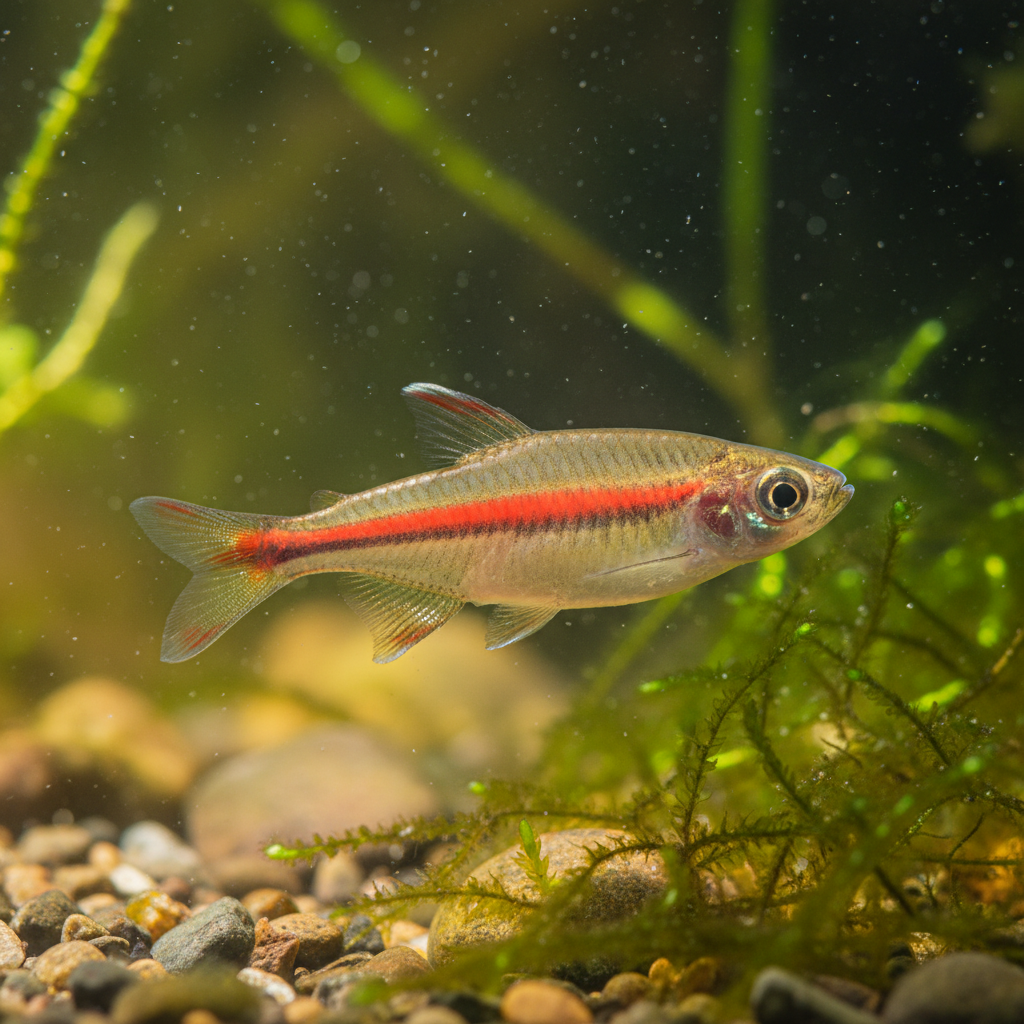
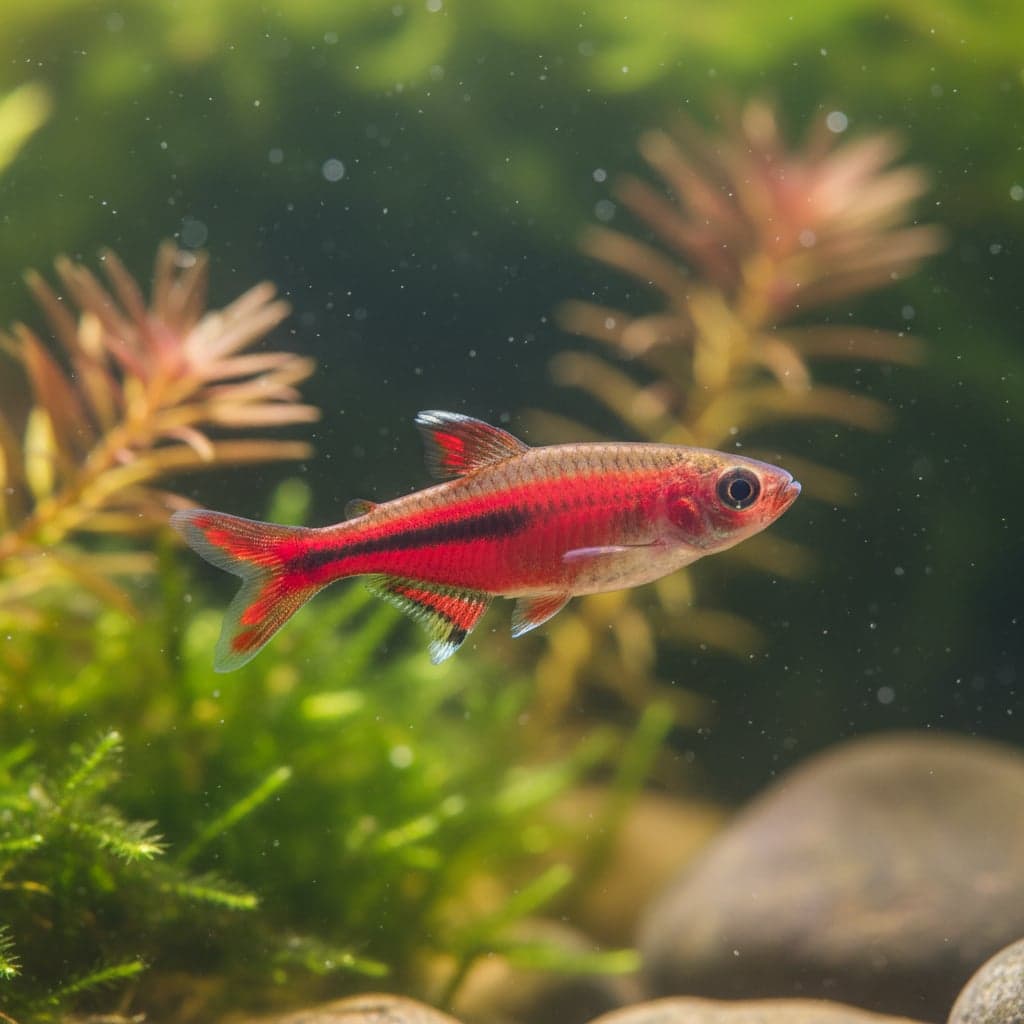
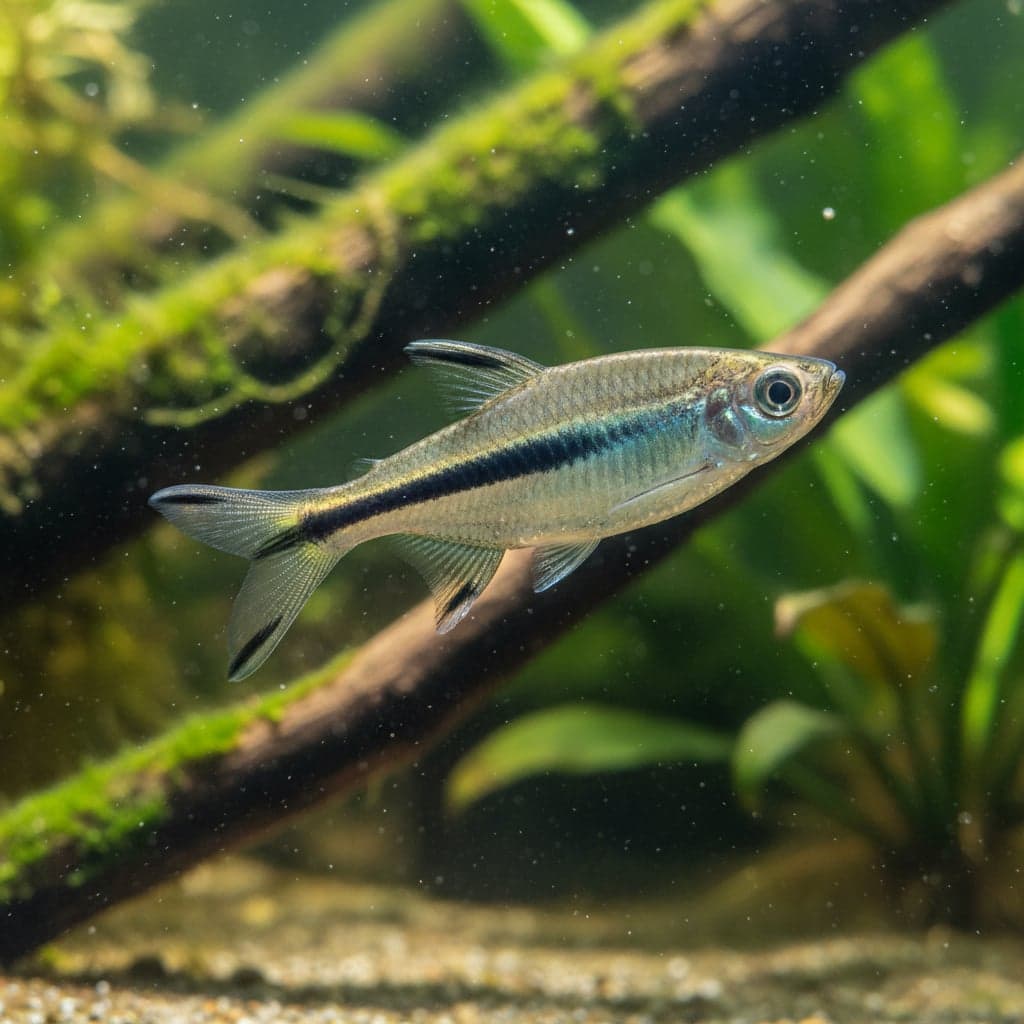
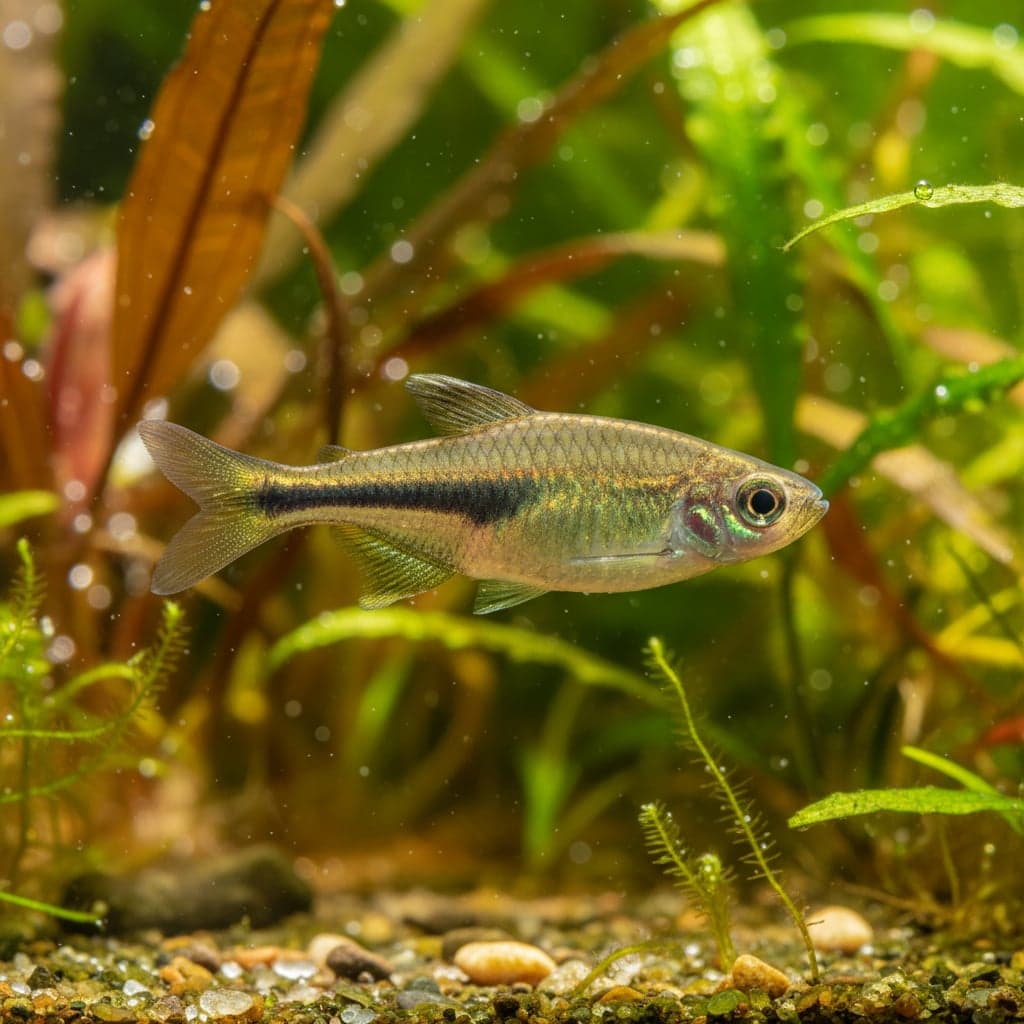
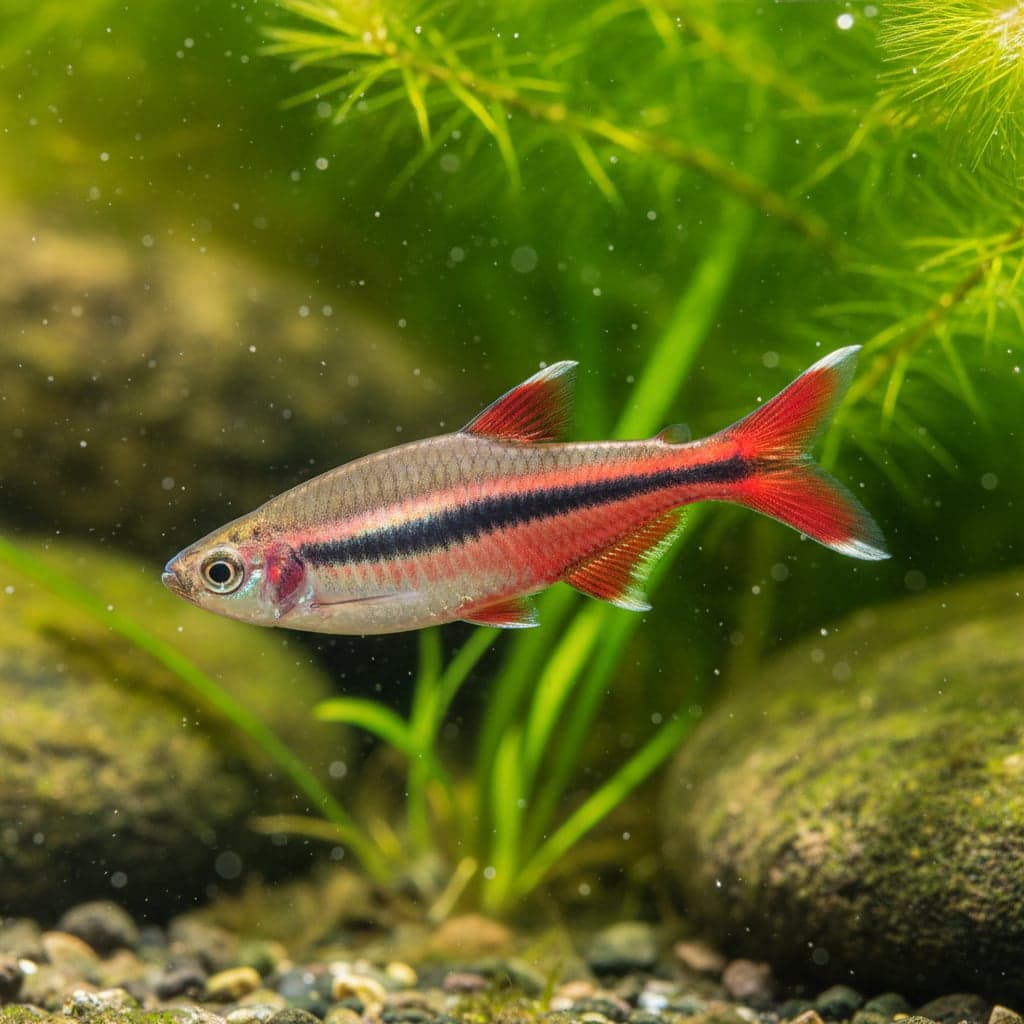
The Redline Rasbora, scientifically known as Rasbora pauciperforata, is a captivating freshwater fish celebrated for its striking appearance and social nature. This species is particularly noticeable for its vivid red line running along the length of its body, contrasting beautifully with its silvery scales. Typically reaching about 2 to 3 inches in length, the Redline Rasbora showcases a streamlined form, making it an attractive choice for aquarists seeking to enhance the visual appeal of a community tank. Its lively swimming habits and active demeanor contribute to its popularity among aquarium enthusiasts, as it adds dynamic movement and color to the aquatic landscape.
In addition to its aesthetic value, the Redline Rasbora holds a significant place in the aquarium hobby due to its hardiness and adaptability. As a peaceful schooling fish, it thrives best in groups, promoting a sense of well-being and reducing stress among its members. This social behavior makes it an ideal candidate for community tanks, where it can interact harmoniously with various compatible species. As such, the Redline Rasbora not only enriches the aquarium experience for hobbyists but also serves as an ideal ambassador for introducing newcomers to the joys of maintaining an aquarium.
Natural Habitat & Origin
The Redline Rasbora is native to Southeast Asia, specifically found in the freshwater streams and rivers of Malaysia and Indonesia. In its natural habitat, this species tends to inhabit shallow waters, often characterized by rich vegetation and various submerged structures. Redline Rasboras are commonly found in soft, acidic waters, typically in environments classified as blackwater. This type of water is often stained brown from decomposing plant material, contributing to the unique ecological landscape these fish thrive in, highlighting the importance of replicating such conditions in captivity.
The environmental context of the Redline Rasbora’s habitat is critical for its overall well-being. The water in these regions is typically warm, with temperatures ranging from 24°C to 28°C (75°F to 82°F), and features low levels of hardness and a slightly acidic pH, usually between 5.5 and 7.0. Understanding these parameters not only helps aquarists create appropriate tank conditions but also fosters a more authentic environment for the Redline Rasbora, which is essential for its health and vitality.
Care Requirements
Caring for Redline Rasboras requires attention to water parameters and tank setup to ensure their optimal health. Ideal water conditions include a temperature range of 24°C to 28°C (75°F to 82°F), a pH between 5.5 and 7.0, and soft to moderately hard water, generally between 1 to 10 dGH. Regular monitoring and maintenance of these parameters are critical, as any drastic changes can lead to stress or health issues in these fish.
When it comes to tank setup, a minimum tank size of 20 gallons is recommended to allow for ample swimming space, especially since Redline Rasboras thrive in groups of six or more. The substrate should be soft, such as sand or fine gravel, coupled with plenty of live or silk plants to mimic their natural habitat. Additionally, incorporating driftwood and rocks can create hiding spots, which can greatly enhance their comfort. Moderate to bright lighting is ideal, but it’s important to include shaded areas to prevent stress, as these fish are accustomed to swimming through more dimly lit environments.
Diet & Feeding
The dietary needs of the Redline Rasbora cater to its omnivorous nature. In the wild, they primarily consume small insects, crustaceans, and plant matter, making it essential to provide a balanced diet in captivity. A combination of high-quality flakes or micro pellets can serve as a staple diet, supplemented with occasional frozen or live foods such as brine shrimp, daphnia, and finely chopped vegetables. This not only enhances their coloration and vitality but also mimics the diversity of their natural food sources.
When feeding Redline Rasboras, it's important to avoid overfeeding, which can lead to health problems and water quality issues. Decomposed food remnants can quickly deteriorate tank conditions. It’s recommended to provide small portions multiple times a day rather than large quantities in one feeding, ensuring all fish have the opportunity to eat without competitive stress.
Behavior & Temperament
The Redline Rasbora is known for its peaceful and friendly temperament, making it an excellent choice for community tanks. They are naturally social fish that prefer to be in groups, exhibiting strong schooling behavior. Keeping them in a school of at least six will encourage their natural instincts and provide a more comfortable environment. When maintained in such conditions, Redline Rasboras often display joyful swimming patterns, darting through plants and among tankmates, creating a lively atmosphere in the aquarium.
While generally peaceful, Redline Rasboras possess a dynamic personality and may exhibit some lateral swimming or displays of hierarchy within their school. They tend to occupy the middle to upper levels of the tank, actively swimming just below the surface. The presence of plenty of plants and decor fosters a sense of security, allowing them to feel confident in their environment and display natural behaviors without fear of aggression from more dominant species.
Tank Mates
Choosing the right tank mates for Redline Rasboras is key to maintaining harmony within a community aquarium. Compatible species include other small or nano fish such as Neon Tetras, Guppies, Endler's Livebearers, and Corydoras Catfish. These fish generally have similar temperaments and occupy different levels of the tank, reducing competition for space and resources. Additionally, they help create a vibrant and diverse aquarium environment that enhances the beauty of the tank.
On the other hand, it's crucial to avoid larger or aggressive species that may intimidate or harm the Redline Rasbora. Species such as Cichlids, Barbs, and larger Gouramis can present challenges due to their potentially territorial or aggressive nature. It’s also advisable to be cautious with fin-nipping species which may view the delicate fins of Redline Rasboras as tempting targets, thereby causing undue stress.
Breeding
Breeding Redline Rasboras in captivity can be a rewarding endeavor with the appropriate conditions and setup. These fish reach sexual maturity at about six months of age, and breeding typically occurs in well-planted tanks with slightly acidic water conditions. To encourage spawning, aquarists should provide a separate breeding tank with gentle filtration and ideal parameters: a temperature of around 26°C (79°F) and a pH range of 6.0 to 6.5.
During breeding, male Redline Rasboras will display bright coloration and engage in dance-like movements to attract females. They will spawn among fine-leaved plants, often scattering eggs, which should be removed after the breeding process to prevent them from being eaten by the parents. The eggs generally hatch within 24-36 hours, and the fry should be fed with infusoria or powdered food until they can consume finely crushed flakes.
Common Health Issues
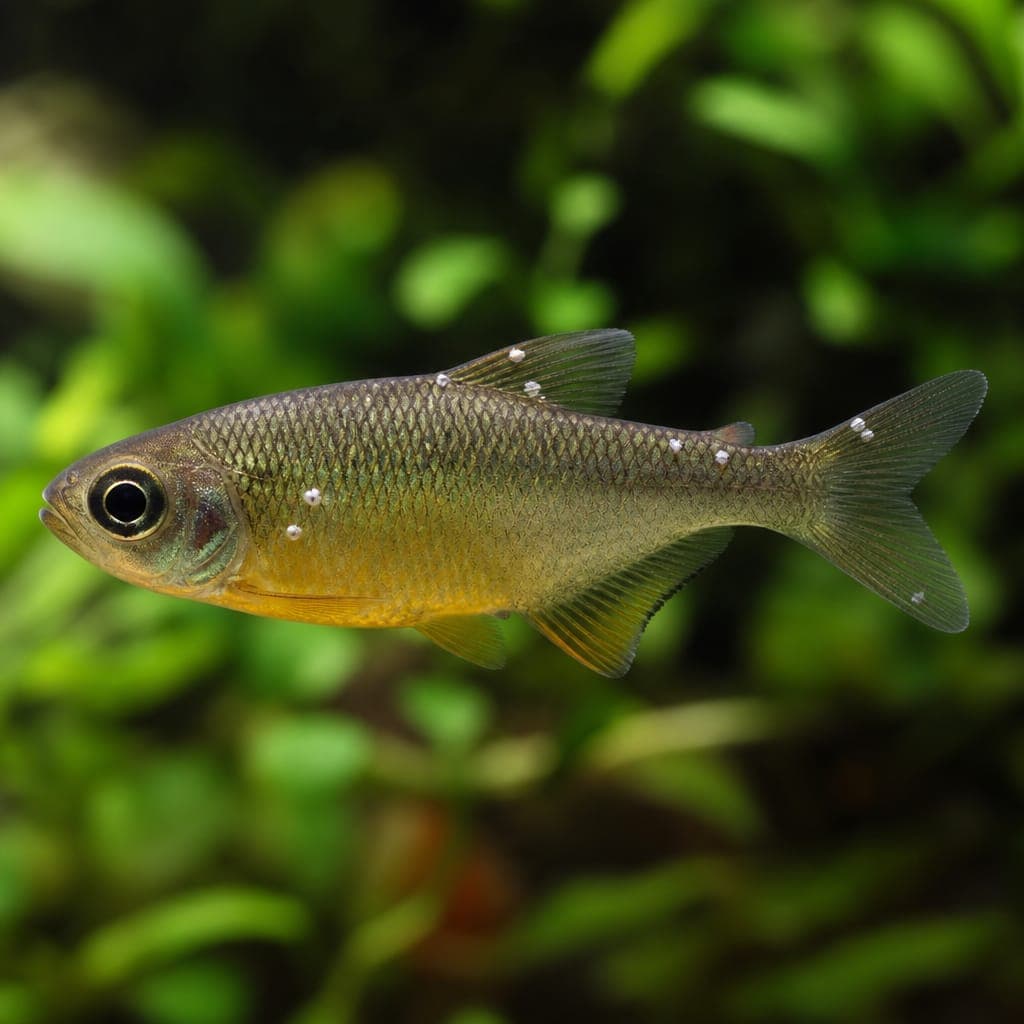
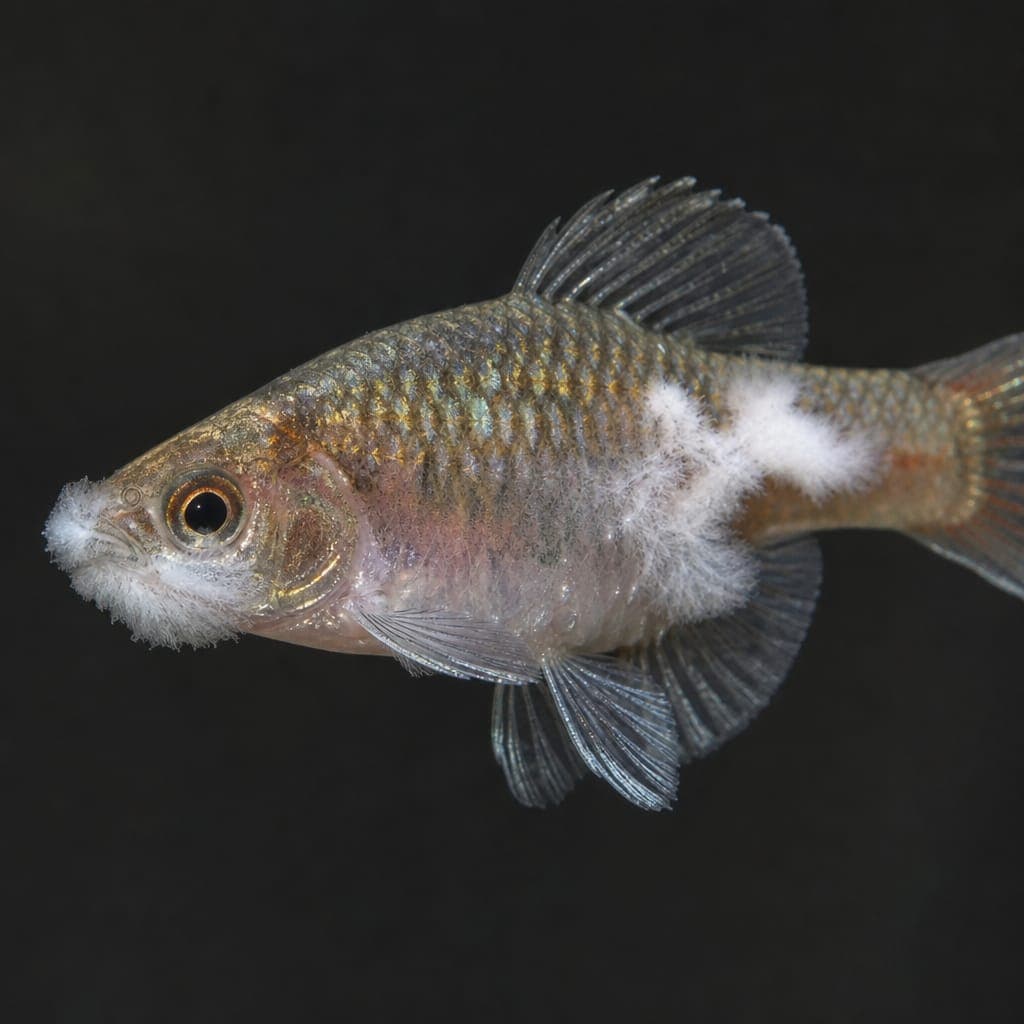
Although generally hardy, Redline Rasboras can be prone to certain health issues, particularly if water quality is not maintained. Common ailments include ich (white spot disease), fin rot, and fungal infections. Symptoms might include scratching against objects, lethargy, or changes in swimming behavior. To prevent these diseases, regular water changes and maintaining stable soft-water parameters are essential. Quarantine newcomers, avoid overcrowding the school, and keep filtration gentle with regular partial water changes. Treat ich or fin rot promptly in a hospital tank. Watch for white spots, frayed fins, flashing, or sudden colour loss, and intervene early. A varied diet supports immunity so Redline Rasboras stay vibrant mid-water swimmers for many years in a planted community.