Reticulated Hillstream Loach: Sewellia lineolata
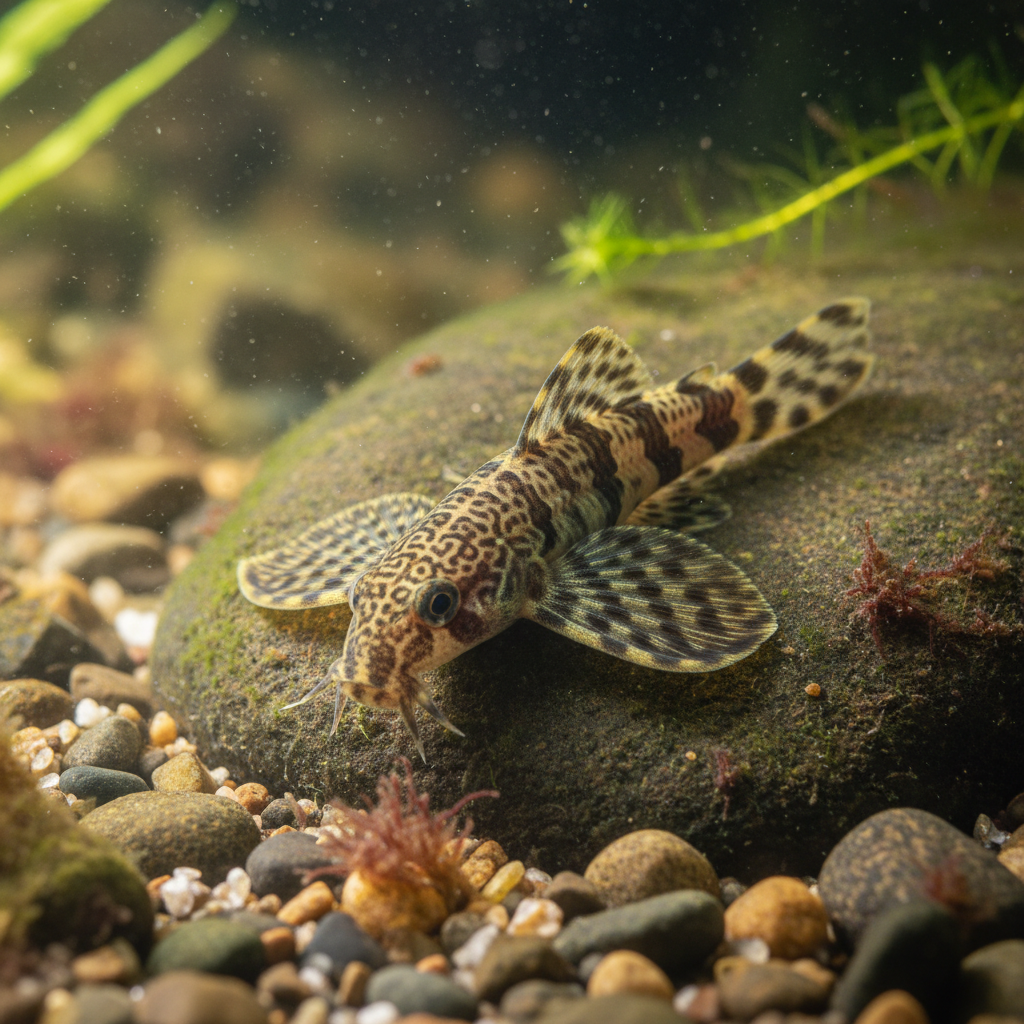
An impossibly flat, breathtaking bottom-dweller famously known as the "Freshwater Stingray," patterned with intricate gold and black mazes.
Reticulated Hillstream Loach
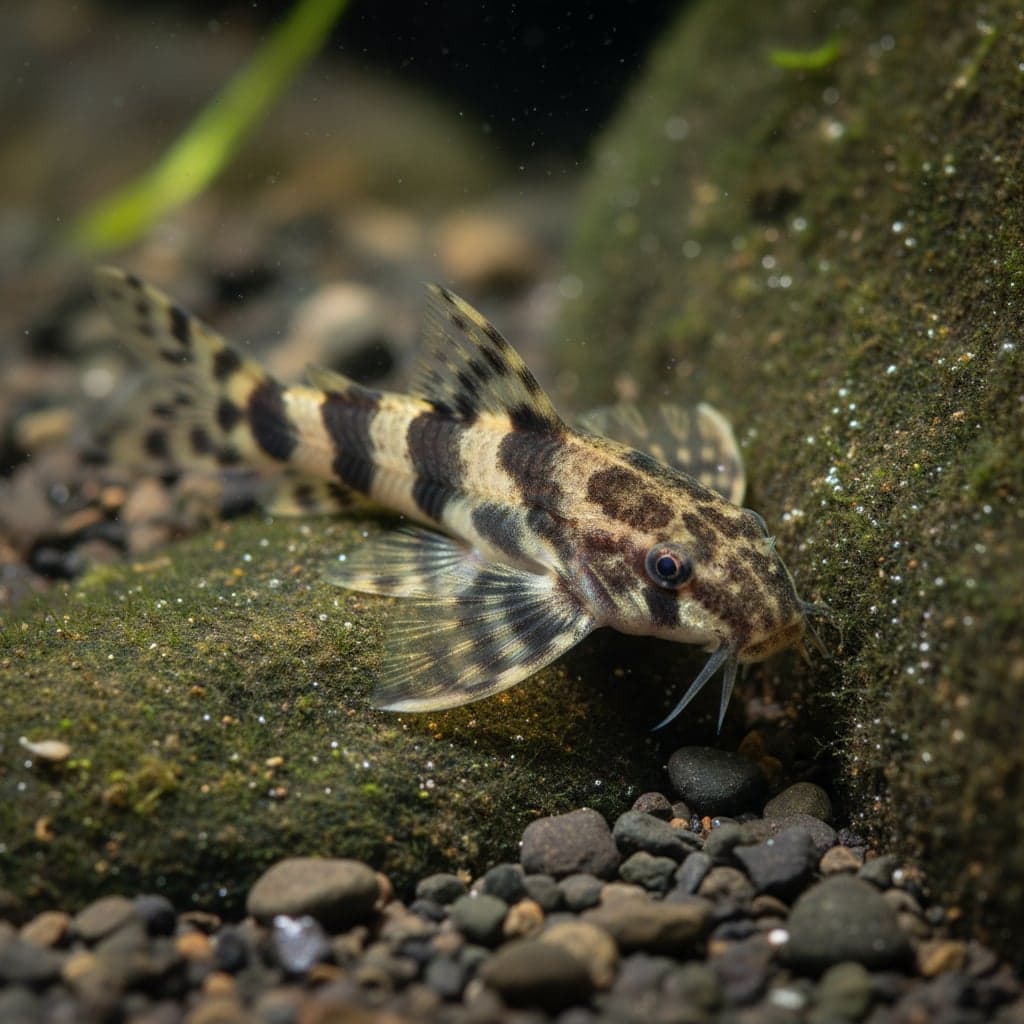
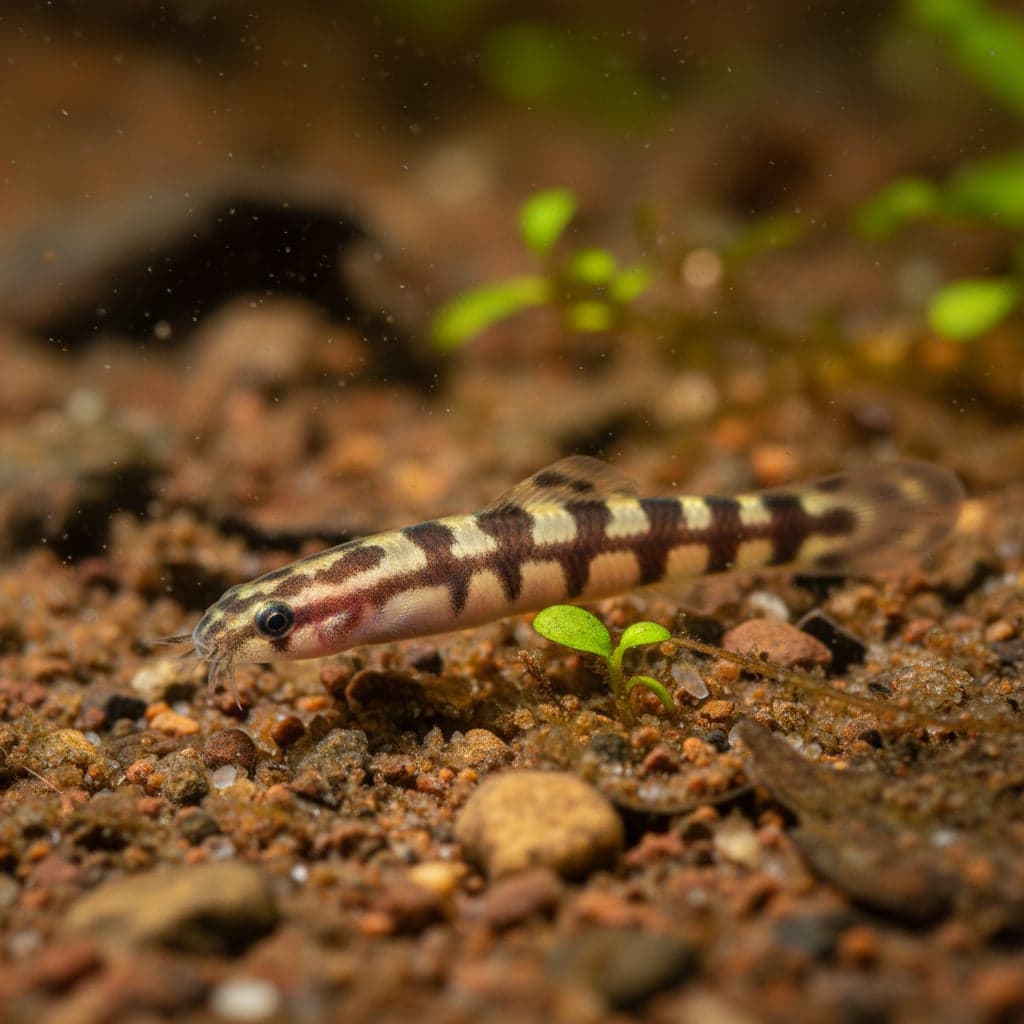
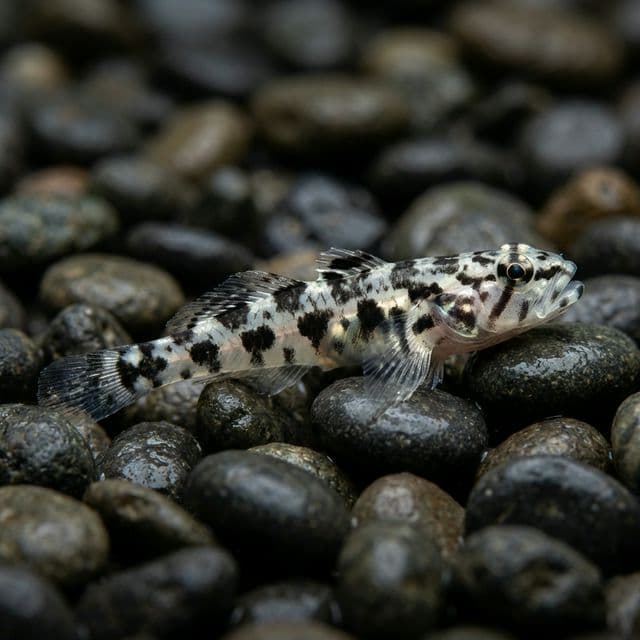
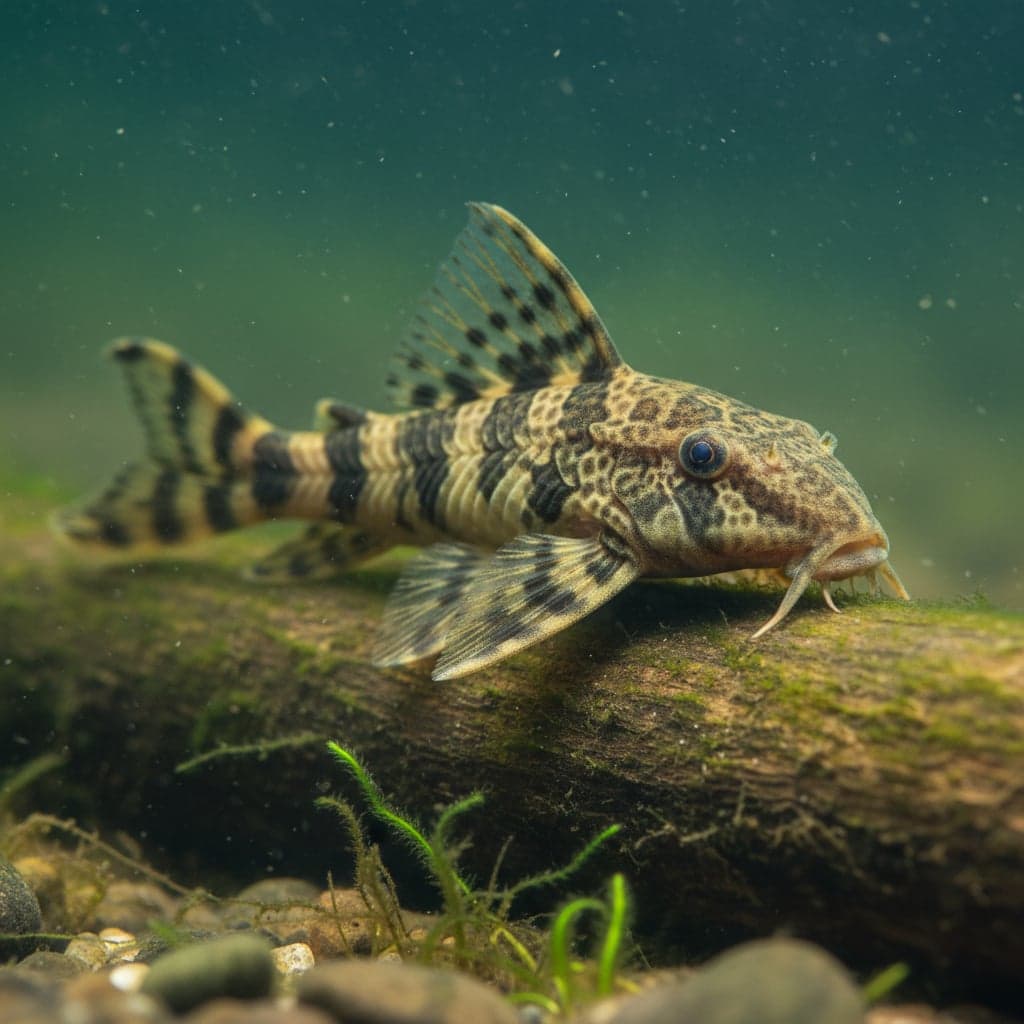
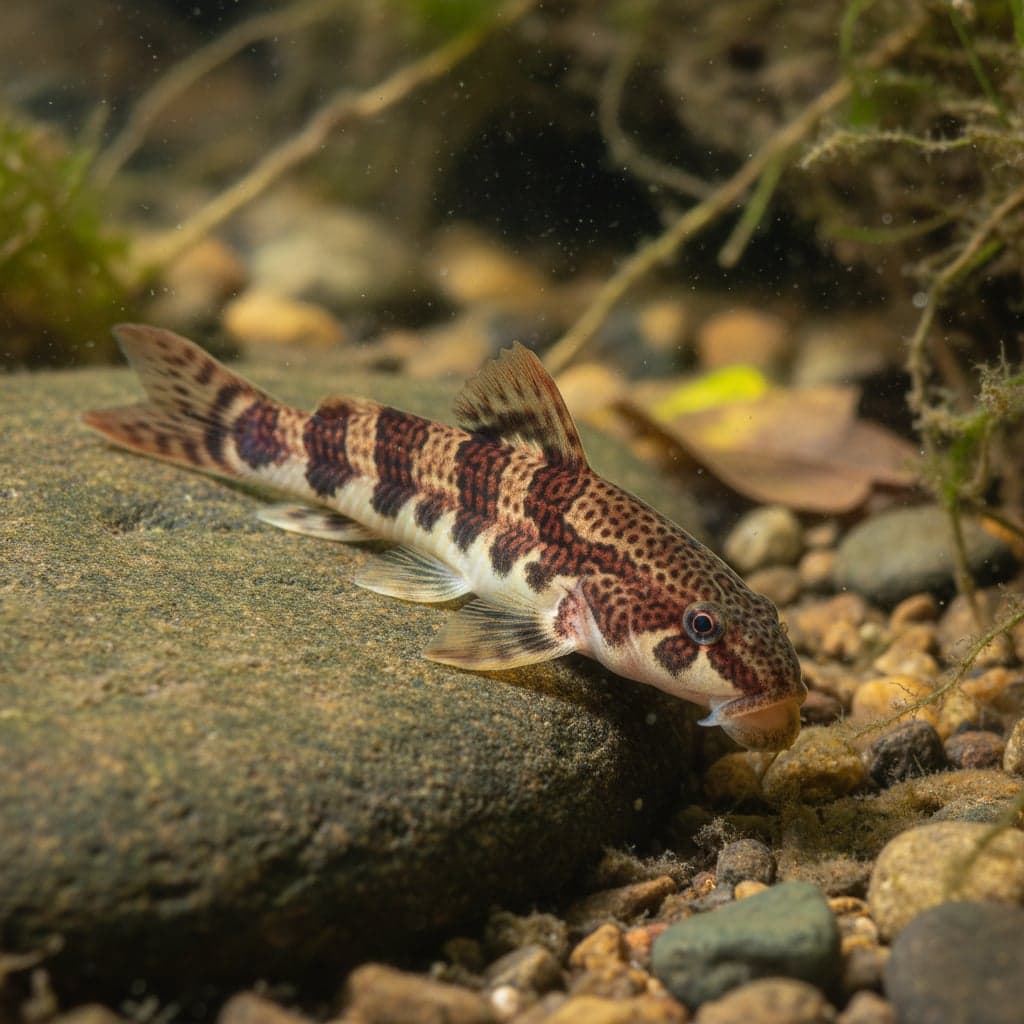
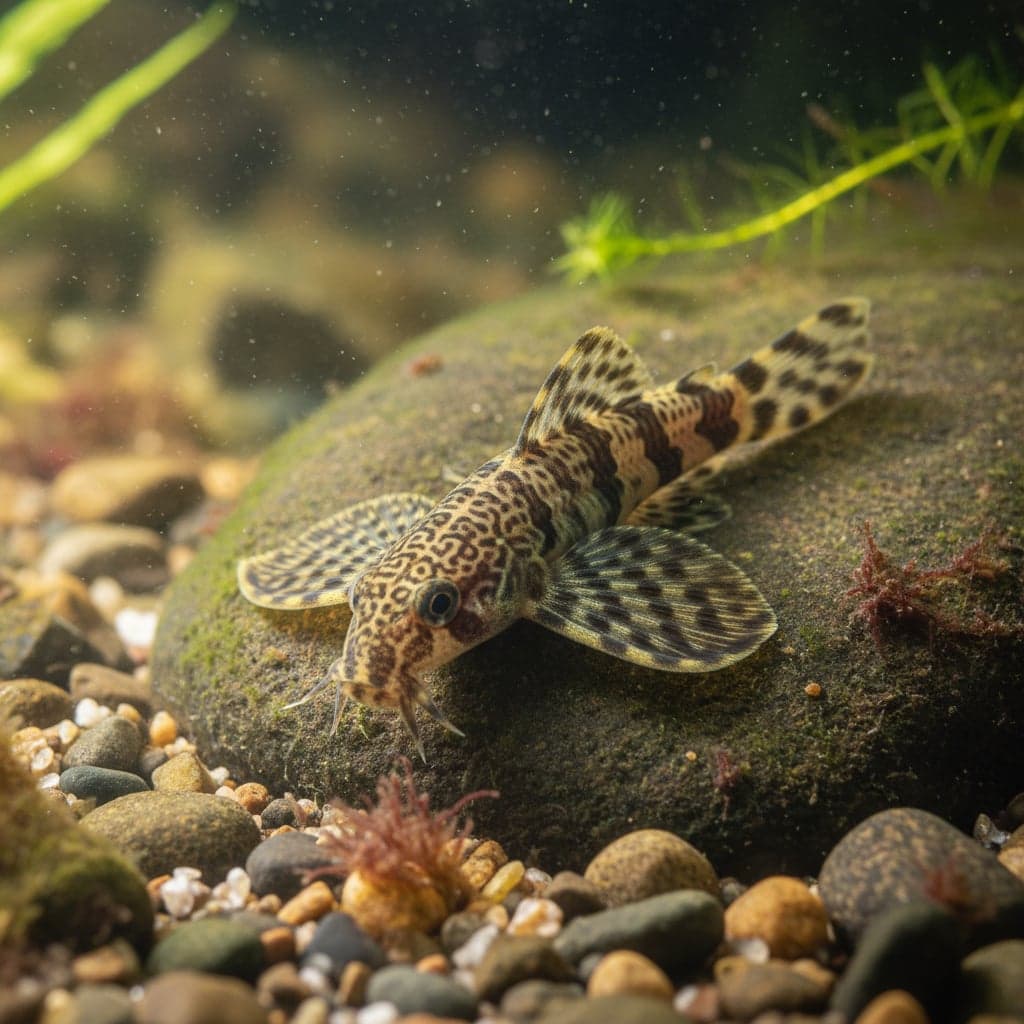
The Reticulated Hillstream Loach, scientifically known as Sewellia lineolata, is a fascinating freshwater fish that has garnered a dedicated following among aquarium enthusiasts. Renowned for its striking appearance, this species displays a unique blend of colors and patterns, with a reticulated body adorned in earthy tones of olive, brown, and hints of blue. These vibrant markings not only enhance its visual appeal but also serve as effective camouflage in its natural rocky habitat. Characterized by its flattened body and sucker-like mouth, the Reticulated Hillstream Loach is well-adapted for life in fast-flowing freshwater streams, and it captures the interest of hobbyists who seek both beauty and a truly dynamic aquarium experience.
Beyond its aesthetic allure, the Reticulated Hillstream Loach holds significance in the aquarium hobby due to its unique behavioral traits and water filtration capabilities. This loach is often utilized in aquascaping for its algae-eating habits, helping to maintain a clean environment while providing an engaging focal point for aquarists. As social creatures, they thrive in groups, offering not only entertainment but also a vibrant display of interactions among their companions. Thus, owning a Reticulated Hillstream Loach not only adds beauty to the aquarium but also enriches the ecological balance of the aquatic environment.
Natural Habitat & Origin
The Reticulated Hillstream Loach is native to the fast-flowing rivers and streams in Southeast Asia, primarily found in the waters of Vietnam and parts of Laos. These habitats are typically characterized by clear, oxygen-rich water that flows over rocky substrates, providing a natural setting where these loaches can thrive. The Reticulated Hillstream Loach prefers environments with a high current, which facilitates its primary feeding behavior and aids in oxygen intake. Unlike many freshwater fish that inhabit more stagnant waters, this species showcases a remarkable adaptation to life in swift currents, which is crucial for its survival in the wild.
In its natural habitat, the water is generally soft to moderately hard, with a neutral to slightly acidic pH range, reflecting the influences of leaf litter and organic material that contributes to a wholesome ecosystem. The presence of plant life and rocky structures not only offers shelter but also food sources in the form of detritus and algae. This ecological context is essential for understanding how to replicate their environment in an aquarium setting, ensuring that Reticulated Hillstream Loaches can flourish in captivity.
Care Requirements
To create a suitable environment for Reticulated Hillstream Loaches, aquarium keepers should ensure that water parameters closely replicate their natural habitat. The ideal range for pH is between 6.5 and 7.5, with a temperature of 23-28°C (73-82°F). Additionally, the water hardness should remain between 2-15 dGH, keeping in mind that softer water is preferable. These loaches thrive in well-oxygenated water, which can be achieved by implementing strong filtration and ensuring sufficient water movement through surface agitation.
In terms of tank setup, a minimum tank size of 75 liters (approximately 20 gallons) is recommended to provide ample space for swimming and exploration. A sandy or fine gravel substrate is ideal, mimicking their natural environment while being gentle on their bodies. Incorporating plenty of decorative rocks, driftwood, and live plants creates hiding spots and places for algae to grow. Low to moderate lighting levels simulate the dappled light conditions found in their native streams while promoting plant growth without causing excessive algae blooms.
Diet & Feeding
The dietary habits of the Reticulated Hillstream Loach categorize it as an omnivore, with a primary focus on algae and detritus. In captivity, it is crucial to provide a varied diet that mimics its natural feeding behavior. High-quality sinking pellets specifically formulated for loaches can serve as a staple food source. Additionally, incorporating spirulina flakes, blanched vegetables (such as zucchini and cucumber), and occasional protein-rich feeds like frozen bloodworms or brine shrimp can ensure a balanced nutrition.
Offering a combination of these food types not only promotes health and vigor but also satisfies the fish's natural foraging instincts. It's advisable to conduct regular feedings in small portions, allowing the loaches to graze throughout the day, which is more aligned with their natural behavior and helps maintain water quality.
Behavior & Temperament
Reticulated Hillstream Loaches are social and peaceful creatures that exhibit interesting behaviors, particularly when kept in groups of three or more. They display a strong inclination to interact with one another, often seen adhering to rocks and swimming against the current in a playful manner. This species is known for its exploration of its environment, frequently utilizing vertical spaces within the aquarium as they navigate various structures, reflecting their natural behavior of clinging to rocks and substrates in fast-water conditions.
Due to their generally calm temperament, they seldom show aggression, making them suitable for community tanks. However, during feeding, loaches may compete for food, so it's essential to ensure multiple feeding spots in the aquarium to reduce stress and ensure all fish can access their share. Observing their interactions can provide a captivating experience, as they engage in playful chasing and establish hierarchies within their shoal, enhancing the dynamic nature of the aquarium setting.
Tank Mates
When selecting tank mates for Reticulated Hillstream Loaches, it's essential to choose peaceful species that thrive in similar water conditions. Ideal companions include small schooling fish such as Tetras (e.g., Neon Tetras), Rasboras, and smaller Danios. Other compatible species include dwarf Gouramis, peaceful Barbs, and even other loach species like Botia or other hillstream loaches.
Conversely, it is crucial to avoid larger, aggressive fish that may see the loaches as a threat or potential snack. Species such as Cichlids, larger Barbs, and aggressive Tetras should be excluded from their tank environment. Additionally, avoid keeping them with bottom-dwelling catfish that may compete for food or territory. By choosing compatible fish, aquarists can create a harmonious and thriving community tank.
Breeding
Breeding Reticulated Hillstream Loaches in captivity presents certain challenges, as they are reluctant to spawn under conventional aquarium conditions. However, certain conditions can promote spawning. It is beneficial to create a breeding environment that mimics their natural habitat, providing plenty of flow and spaces for them to hide among rocks and plants. Raising the water temperature slightly, around 26-28°C (78-82°F), while maintaining good water quality can stimulate spawning behaviors.
Once the conditions are right, males will often chase females, leading to spawning near submerged surfaces. The eggs are adhesive and will attach to rocks or plants. After spawning, the parents should be removed to prevent them from eating the eggs. The eggs typically hatch within a few days, and the larvae will begin to feed on infusoria or liquid fry food until they mature and can transition to more substantial diets. While challenging, successful breeding can be a rewarding endeavor for hobbyists equipped with patience and proper conditions.
Common Health Issues
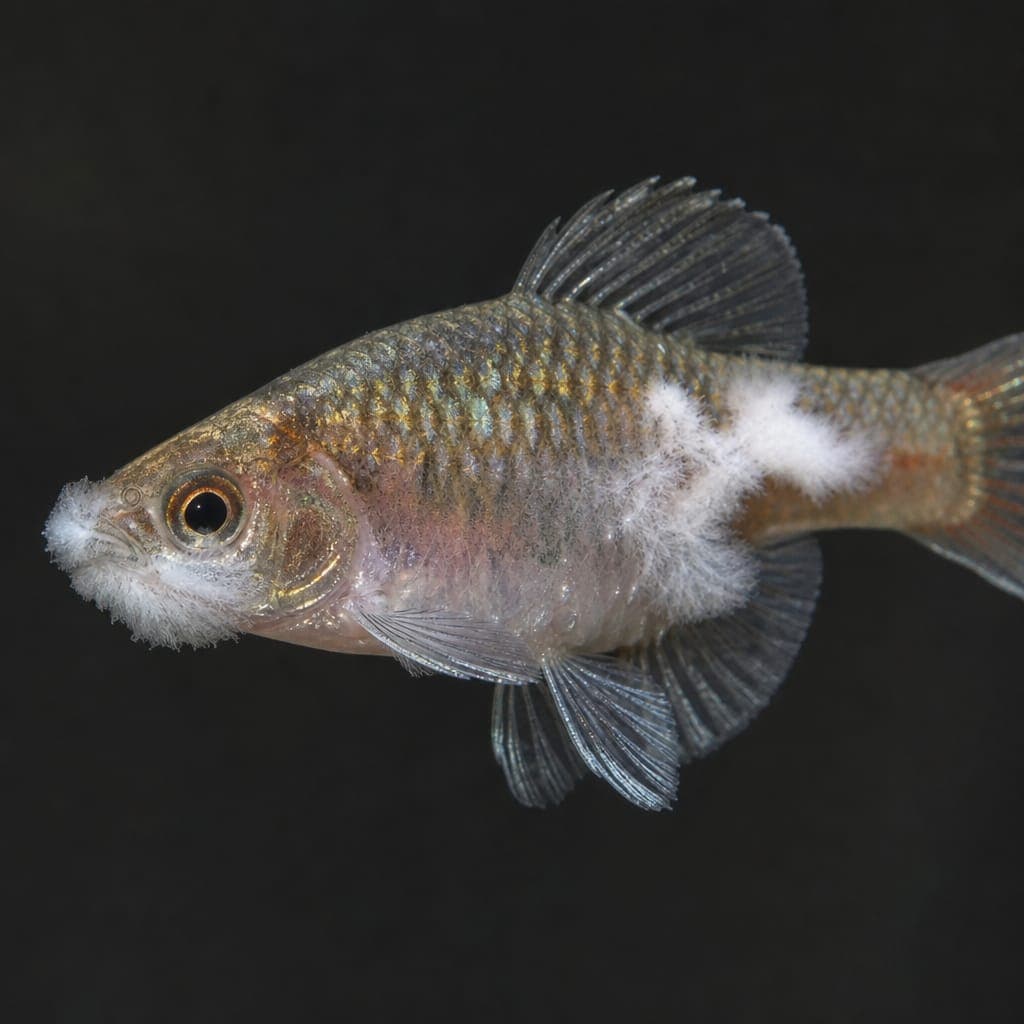
Reticulated Hillstream Loaches are generally hardy fish but are susceptible to certain health issues, particularly if kept in suboptimal conditions. Common problems include ich (white spot disease), fin rot, and fungal infections. Stress and poor water quality can exacerbate these problems, so prioritize cool, well-oxygenated water with strong current and frequent changes. Quarantine new arrivals and avoid overcrowding. Offer algae wafers and biofilm-rich surfaces to support immunity. Watch for white spots, frayed fins, clamped fins, or lethargy, and treat promptly. With pristine, oxygen-rich conditions, smooth rock surfaces, and a varied diet, Reticulated Hillstream Loaches stay active, hardy grazers that thrive long-term in the aquarium.