Rhombo Barb: Desmopuntius rhomboocellatus
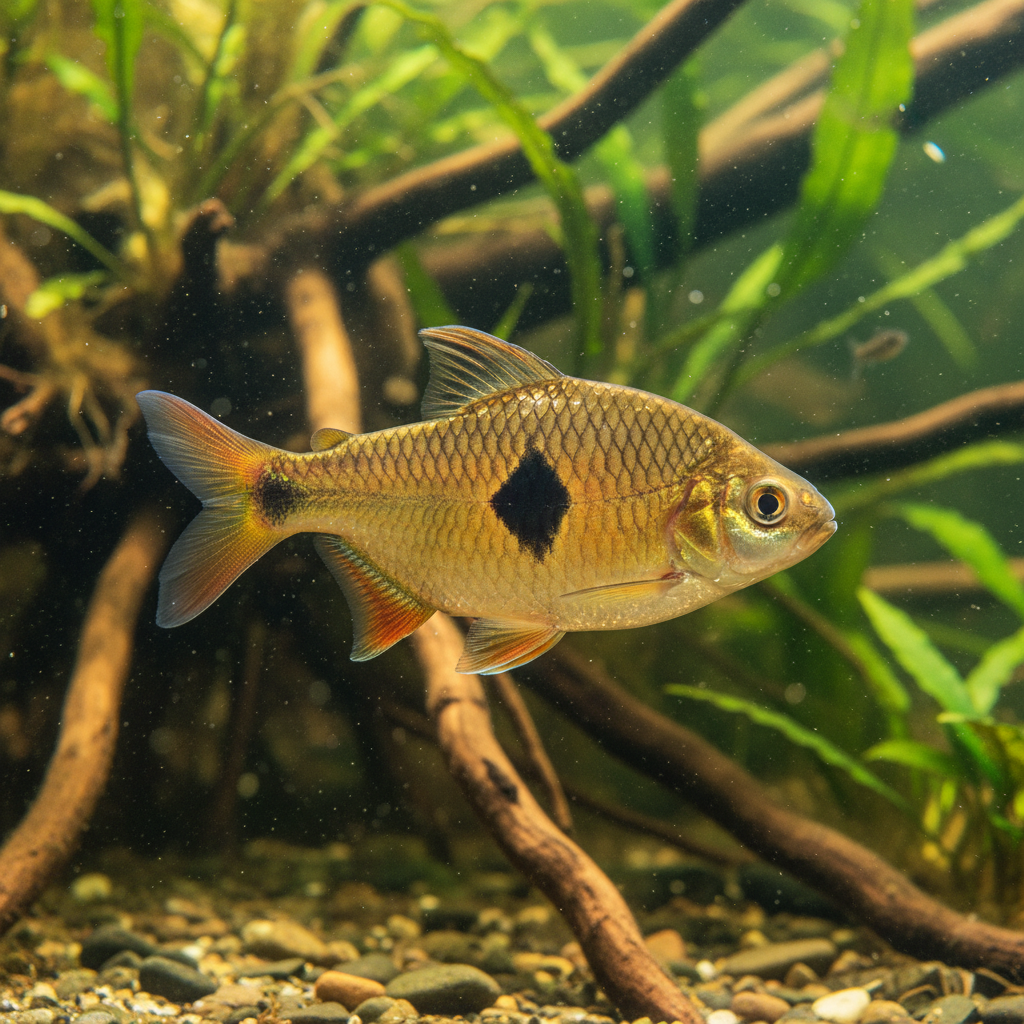
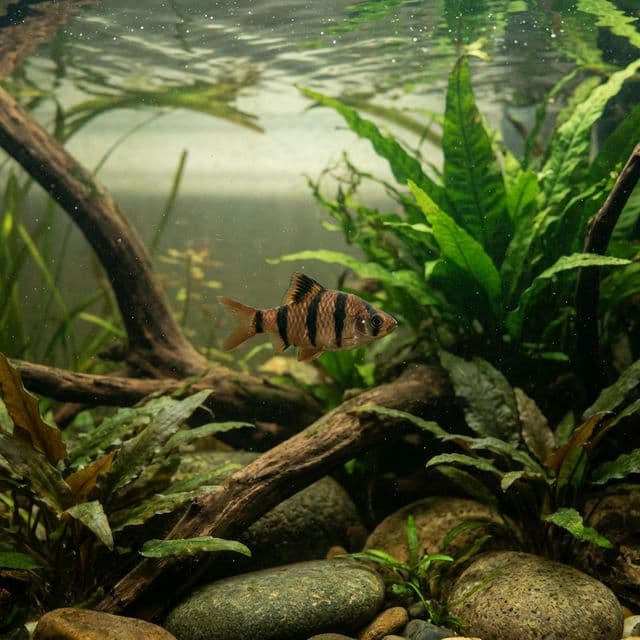
A spectacularly patterned, deeply peaceful schooling fish from Borneo featuring stark, snake-like oval black rings.
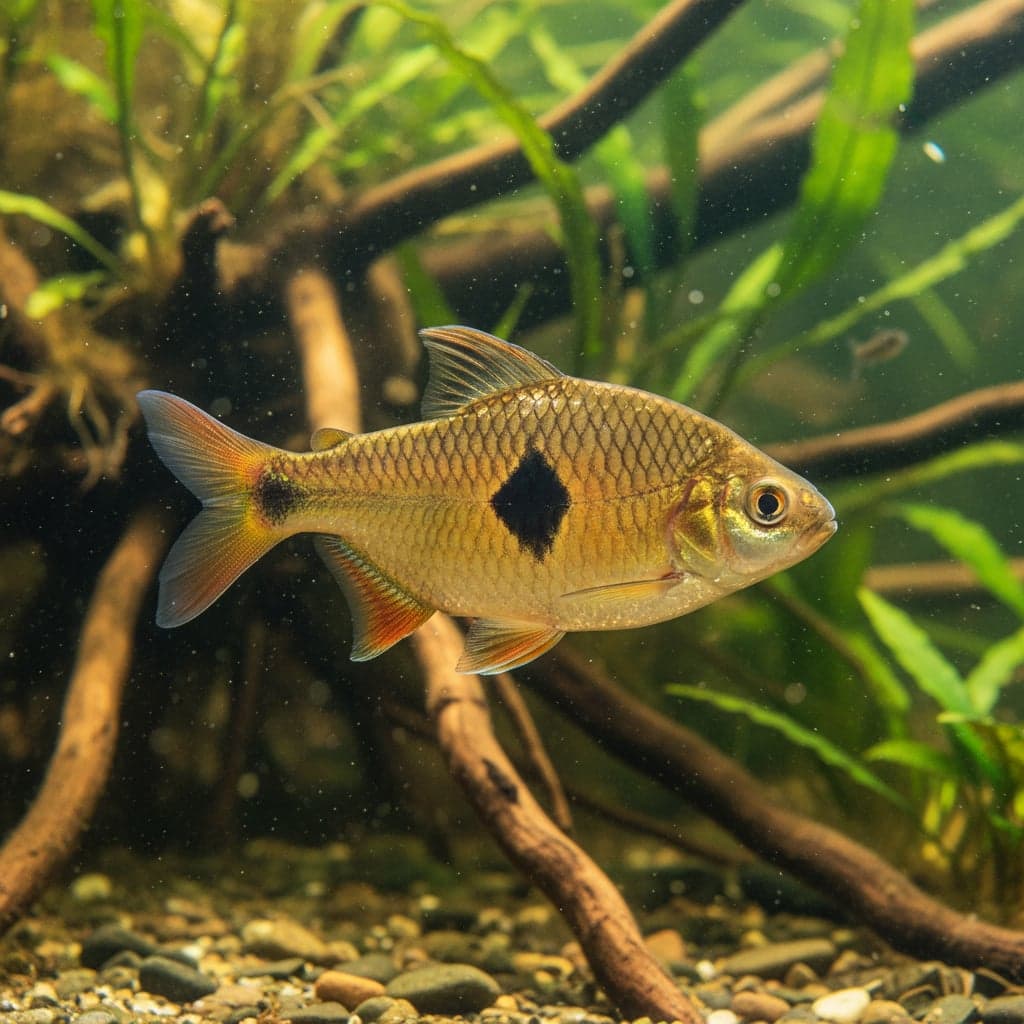
Rhombo Barb
The Rhombo Barb, scientifically known as Desmopuntius rhomboocellatus, is a captivating species that enchants aquarists with its striking appearance and lively behavior. Recognized for its beautiful, diamond-shaped body adorned with a pattern of dark spots encased within a golden hue, this fish draws the eye and enhances any freshwater aquarium. As a relatively small fish, typically reaching a length of 5-6 cm, it fits well in community tanks, where its vibrant colors and active nature can shine. The Rhombo Barb not only adds aesthetic value but also contributes to the biodiversity of home aquariums, making it a favorite among both novice and seasoned fish keepers.
Significantly, Rhombo Barbs are known for their hardiness, making them suitable for a variety of tank conditions. Their popularity in the aquarium hobby is bolstered by their peaceful temperament, which encourages beginners to venture into bio-diverse setups without fear of aggression. These fish exhibit engaging social behaviors, thriving in groups where they can showcase their spirited interactions. Their ease of care and appealing characteristics have solidified the Rhombo Barb’s position as a staple in freshwater aquarium management.
Natural Habitat & Origin
The Rhombo Barb is native to the freshwater rivers and streams of Southeast Asia, specifically found in countries such as Borneo and Sumatra. This region is characterized by dense tropical rainforests that surround freshwater habitats, which are rich in biodiversity. The typical water conditions in these habitats are often soft, slightly acidic, and sometimes tinted with tannins from decomposing plant material, creating a blackwater environment. The calm waters, along with the submerged vegetation, provide the Rhombo Barb with a refuge as well as ample food sources, which influence their natural behavior and lifestyle.
In their native habitat, Rhombo Barbs thrive in slow-moving waters laden with foliage, which offers shelter from predators and breeding grounds. The environmental context of these waters clusters them in schools near the surface and middle layers of the water column, where they can easily navigate through dense plant life and forage for food. Understanding their natural habitat is crucial when replicating conditions in captivity to ensure their health and well-being.
Care Requirements
To provide optimal care for Rhombo Barbs, aquarium owners will need to focus on replicating their natural environment. Ideal water parameters include a pH range of 6.0 to 7.0, a temperature range between 75°F to 80°F (24°C to 27°C), and a hardness level of 4 to 12 dGH. This species prefers slightly acidic, soft water, which replicates their tropical habitat. Additionally, a minimum tank size of 20 gallons is recommended, allowing them space to swim freely and establish a school.
When setting up the tank, a substrate of fine gravel or soft sand works best, as it is gentle on their delicate fins. The environment should be enriched with dense vegetation, including floating plants and hardy, low-light species such as Anubias or Java Fern, which replicate their habitat. Adequate lighting is important; however, it should not be too bright, as Rhombo Barbs prefer more subdued lighting which mimics their natural blackwater environments. Incorporating driftwood and rocks can also enhance the tank's aesthetic and offer additional shelter for these active fish.
Diet & Feeding
Rhombo Barbs are omnivorous and have a diverse diet that includes various food types. In captivity, they are best fed a balanced diet containing quality flake or pellet foods that are high in protein. They can thrive on a combination of high-quality commercial pellets and flakes, supplemented with occasional feedings of live or frozen foods, such as brine shrimp, daphnia, and bloodworms. Offering a variety of food not only keeps them healthy but also ensures they receive the necessary nutrients to support their active lifestyle, vibrant coloration, and overall well-being.
In addition to pellets and flakes, incorporating plant materials can be beneficial as Rhombo Barbs are known to enjoy grazing on algae or blanched vegetables like zucchini or spinach. This variety in their diet mimics their natural foraging behavior, promotes optimal health, and can prevent potential dietary deficiencies. Regular feeding routines should be established, providing small portions two to three times a day.
Behavior & Temperament
Rhombo Barbs are social creatures that exhibit lively and engaging behaviors. They thrive in groups, ideally kept in schools of six or more, which not only reduces stress but promotes their natural instinctual behavior. Their social disposition allows them to engage in playful activities, darting through the aquarium with enthusiasm. They typically prefer the mid to upper regions of the tank, where they can interact with one another and feel secure in their environment.
While the Rhombo Barb is generally peaceful, they can exhibit slightly territorial behaviors during breeding times. However, conflicts are rare, especially when kept in proper group sizes. They do well in community tanks with other peaceful species, making them an excellent choice for mixed setups. Observing their interactions can provide a captivating experience, highlighting their lively nature and social interplay.
Tank Mates
When selecting tank mates for Rhombo Barbs, it is essential to choose species that share similar care requirements and temperament. Compatible tank mates include peaceful schooling fish such as tetras, danios, rasboras, and other barbs like Cherry Barbs or Tiger Barbs. Additionally, small vivacious species such as guppies and Corydoras catfish make excellent companions due to their non-aggressive nature and compatibility with the water conditions preferred by Rhombo Barbs.
However, it is crucial to avoid keeping them with aggressive species, such as cichlids, larger barbs, or any fish known for territorial behavior, as these can stress or harm the Rhombo Barb. Moreover, aggressive or fin-nipping fish could lead to an unbalanced ecosystem and result in injuries or diminished health for the Rhombo Barb. By carefully selecting tank mates, aquarists can create a harmonious community that enhances the beauty of the aquarium while providing a thriving environment for all species involved.
Breeding
Breeding Rhombo Barbs in captivity can be a rewarding endeavor for aquarists willing to provide optimal conditions. These fish exhibit egg-scattering behavior, where the female will release eggs among fine-leaved plants or spawning mops, while the male will follow to fertilize them. To initiate breeding, it is important to separate a breeding pair or a group of fish in a separate tank with softer water, temperatures around 78°F to 80°F (25°C to 27°C), and subdued lighting.
Providing plenty of vegetation or spawning mops will encourage the female to scatter her eggs, which will typically hatch within 24 to 36 hours. Post-hatching, it is advisable to remove the parents from the breeding tank to prevent them from consuming the fry. The fry can be fed infusoria or finely crushed flakes as soon as they are free-swimming, emphasizing the importance of providing appropriate nutrition for their growth and development. Following successful breeding, maintaining water quality and conditions will ensure the healthy development of the young Rhombo Barbs.
Common Health Issues
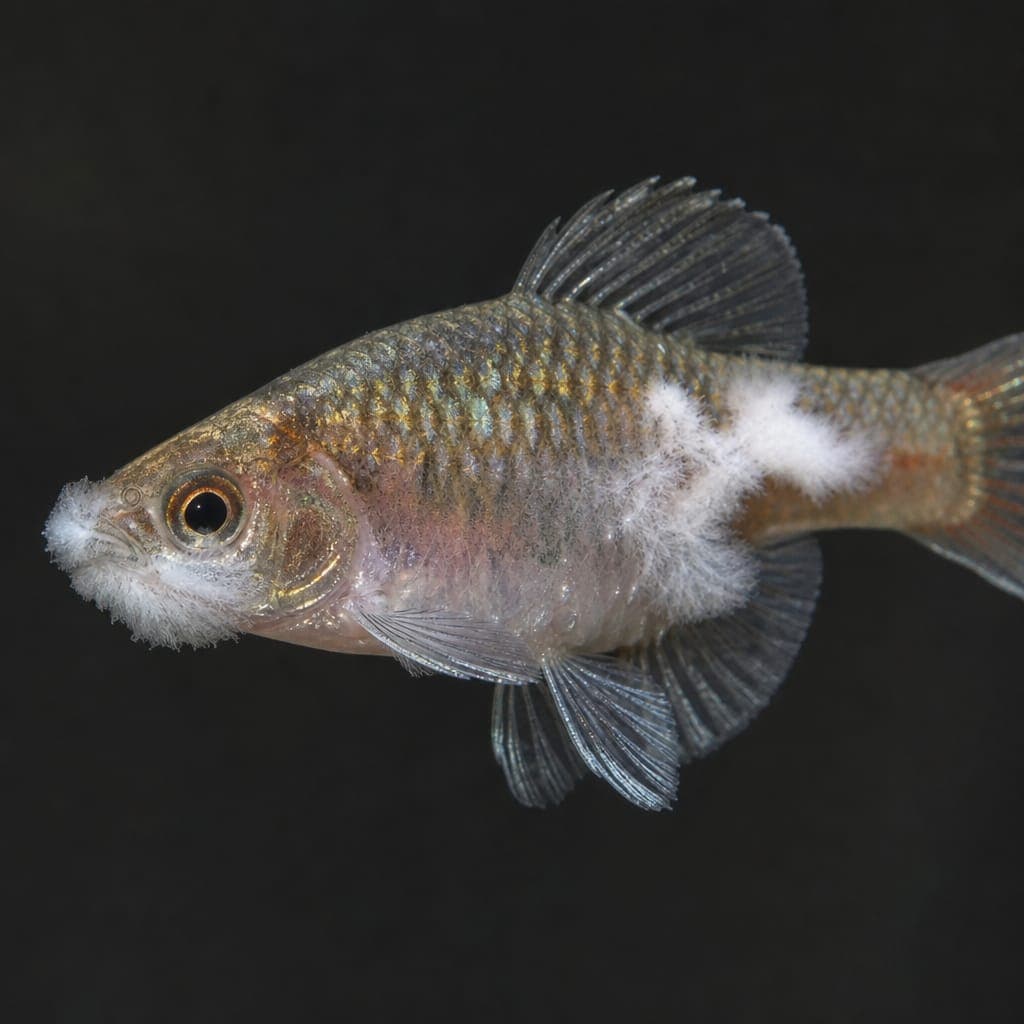
Rhombo Barbs are relatively hardy fish; however, like all aquarium species, they can be susceptible to certain health issues. Common ailments include ich (Ichthyophthirius multifiliis), fin rot, and fungal infections, often linked to poor water quality or sudden parameter swings. Maintaining stable conditions, performing regular water changes, and quarantining new arrivals go a long way toward prevention. A varied diet and a peaceful, well-planted tank also reduce stress. At the first sign of white spots, frayed fins, or lethargy, test the water and treat promptly with aquarium-safe remedies., and fungal infections, often linked to poor water quality or sudden parameter swings. Maintaining stable conditions, performing regular water changes, and quarantining new arrivals go a long way toward prevention. A varied diet and a peaceful, well-planted tank also reduce stress. At the first sign of white spots, frayed fins, or lethargy, test the water and treat promptly with aquarium-safe remedies.