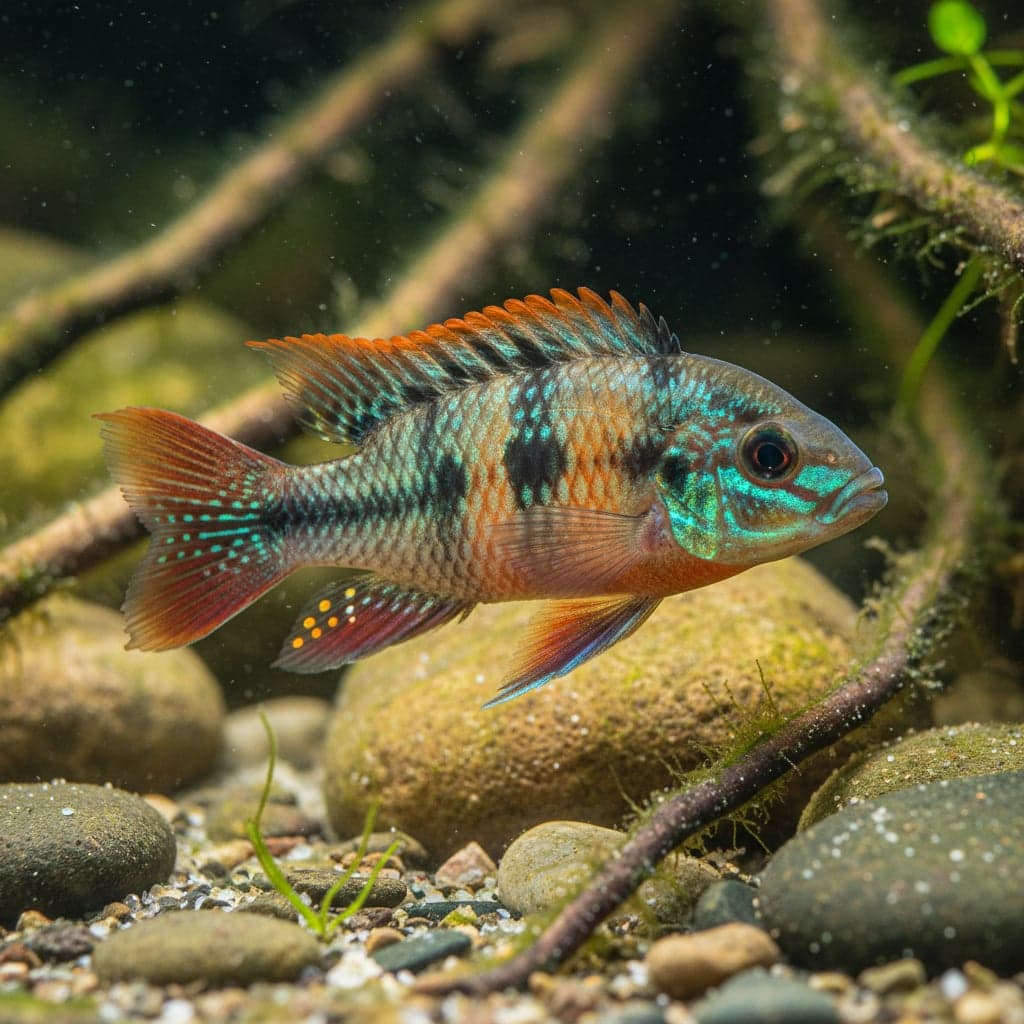
Rock Kribensis Cichlid: Pelvicachromis rubrolabiatus
An incredibly rare, brilliantly colorful West African dwarf cichlid featuring fiery red spots and glowing yellow flanks.
Rock Kribensis Cichlid
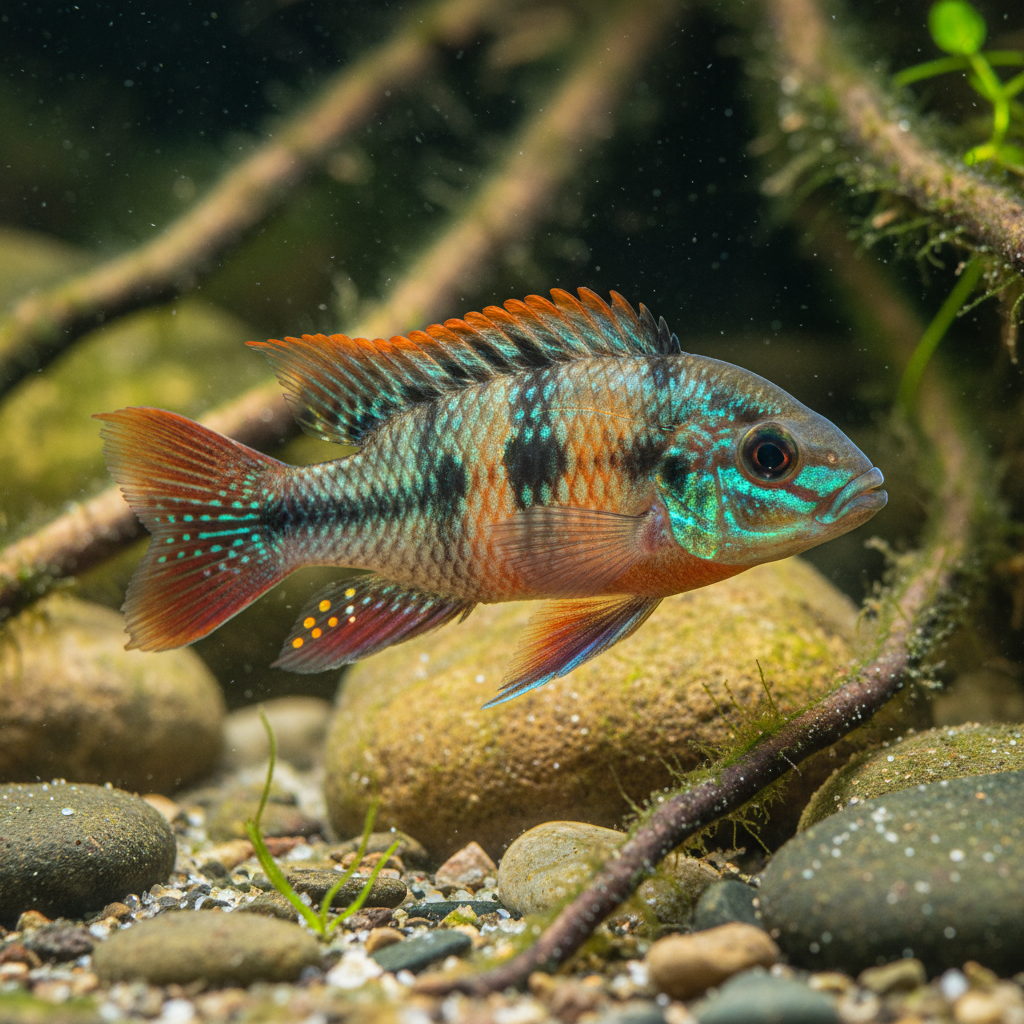
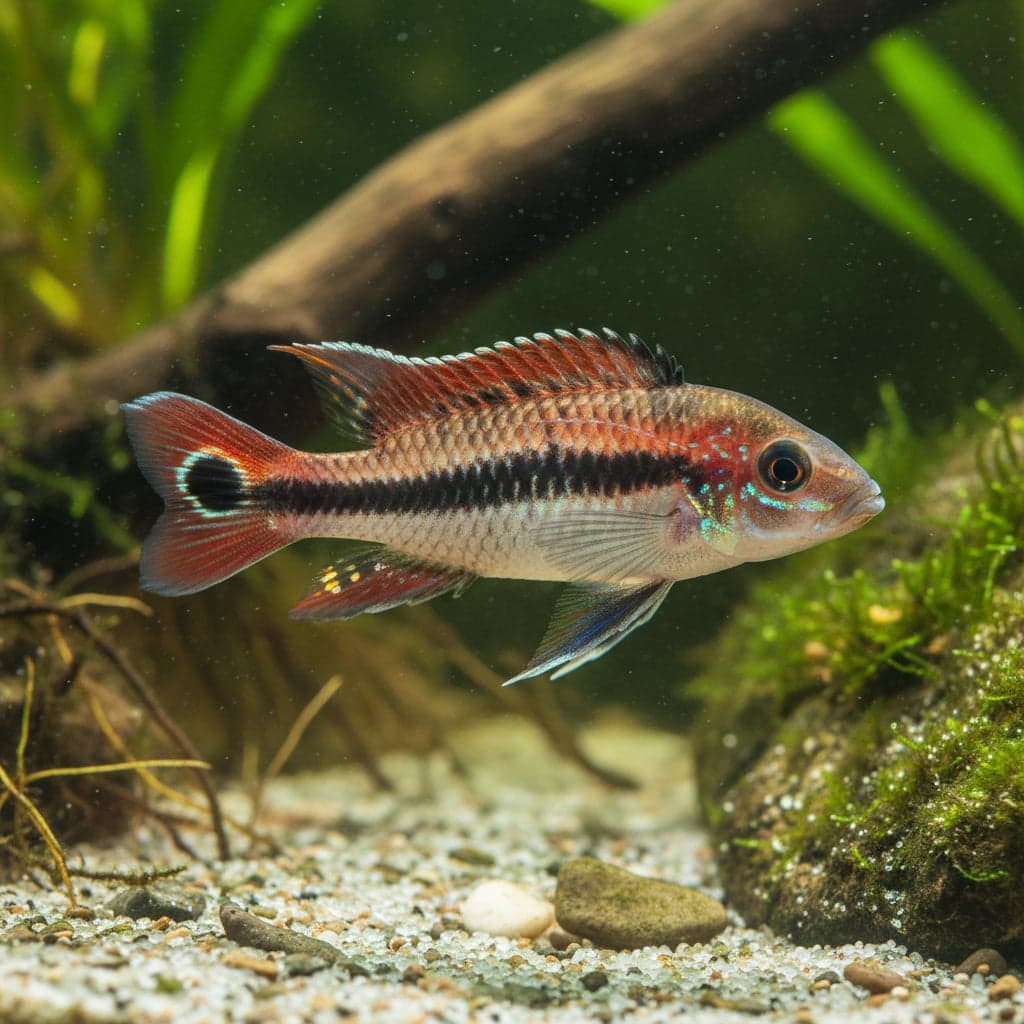
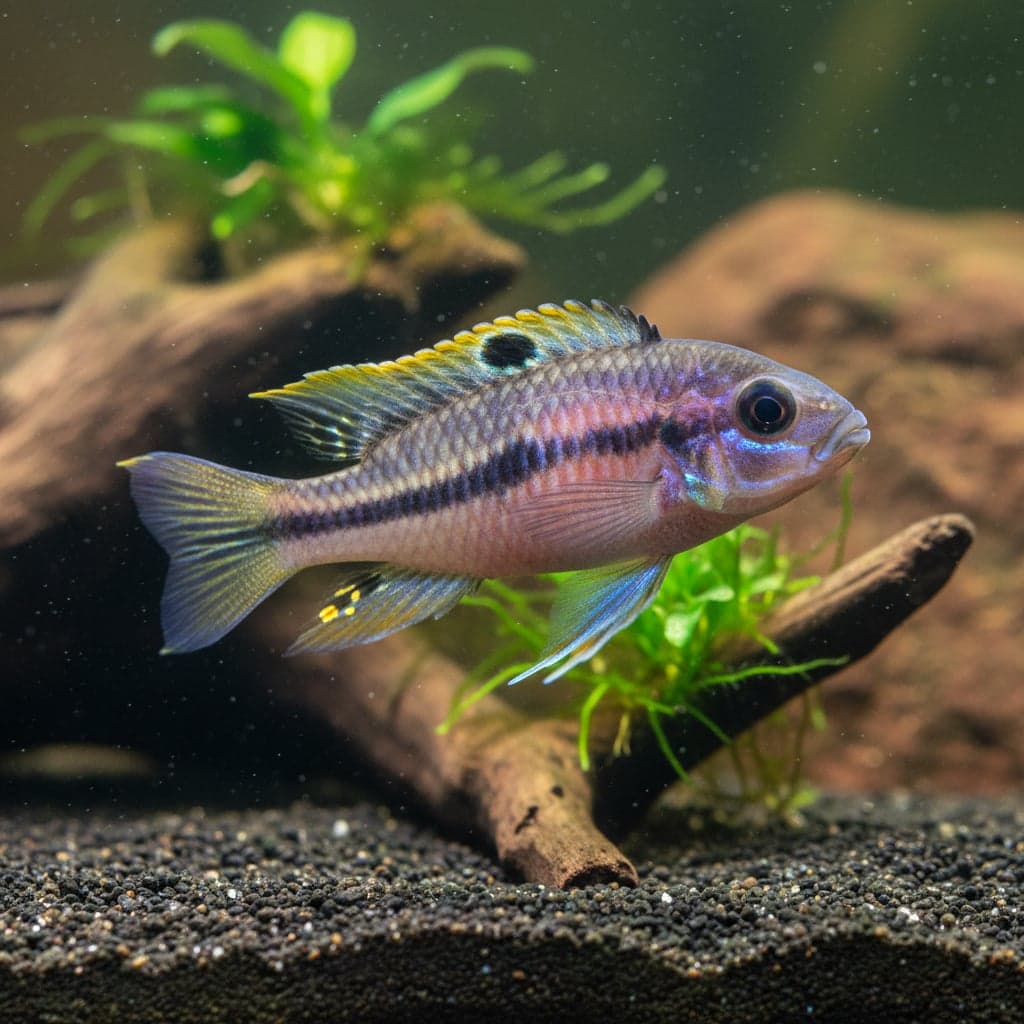
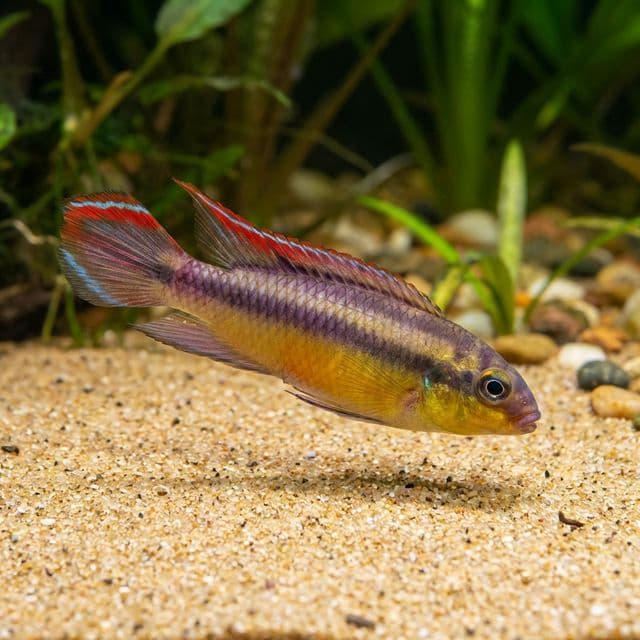
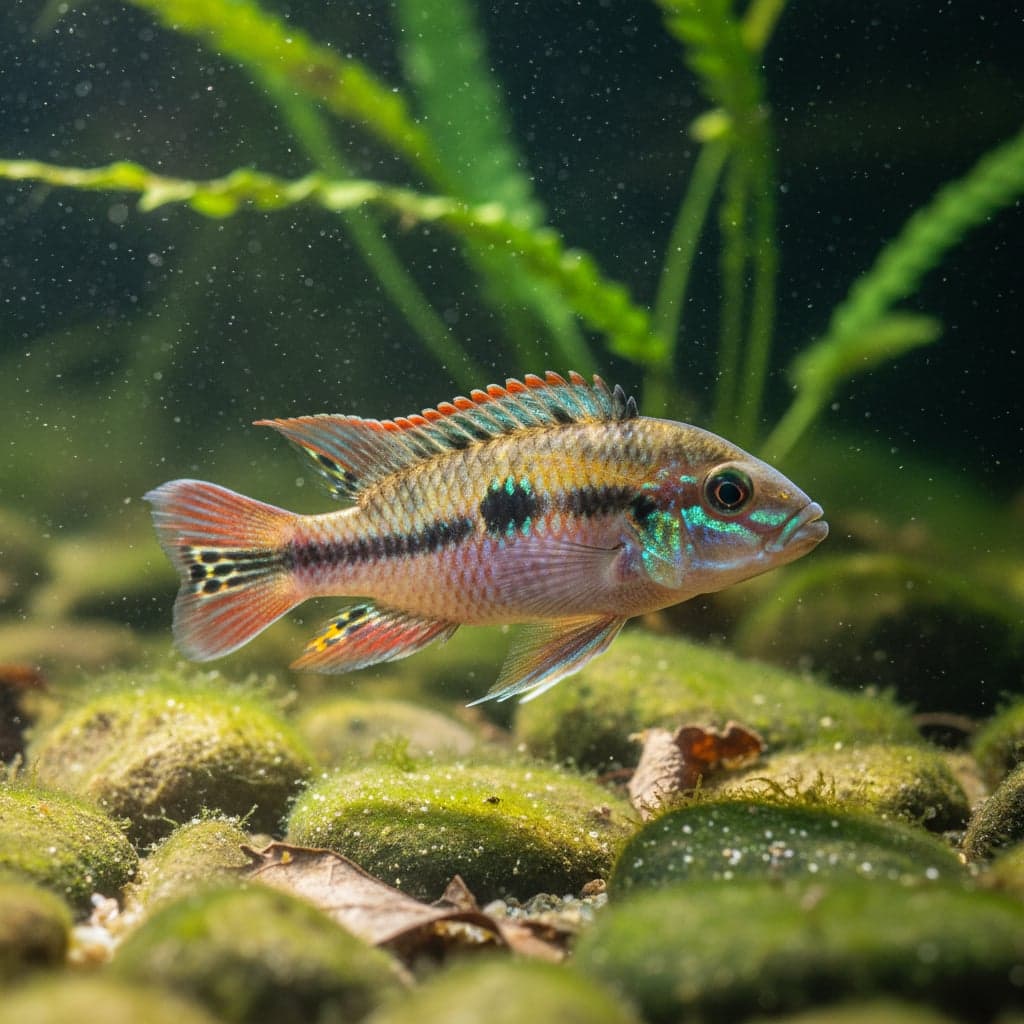
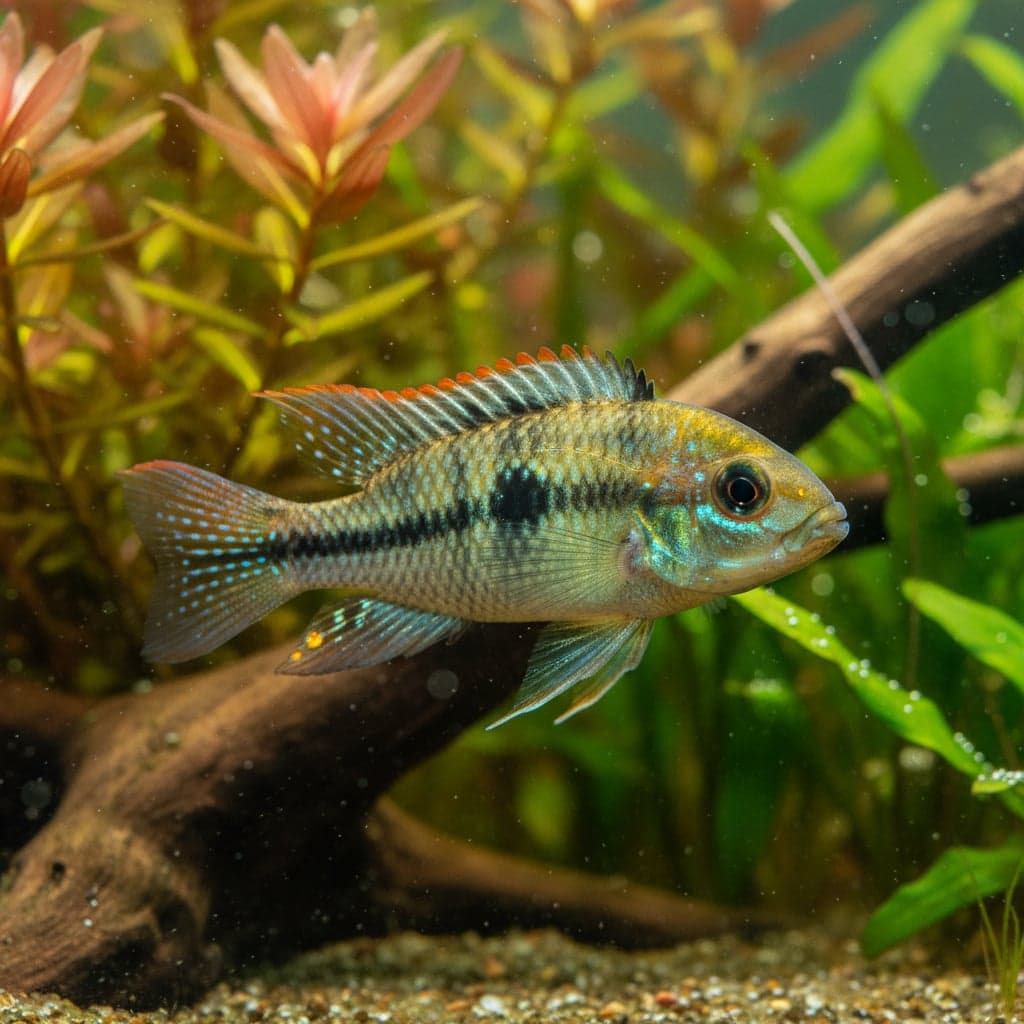
The Rock Kribensis Cichlid, scientifically known as Pelvicachromis rubrolabiatus, is a captivating freshwater fish that adds a burst of color and intrigue to aquarium setups. Known for their vibrant hues of red and yellow, adorned with blue highlights, these cichlids showcase a stunning visual appeal that can draw the attention of even novice aquarists. Their unique coloration and distinct body shape, featuring a slightly elongated body and a short dorsal fin, make them a favored choice in the aquarium hobby. The Rock Kribensis Cichlid’s lively swimming patterns and interactive behaviors further enhance their charm, making them a prominent feature in planted or biotope aquariums.
Beyond their aesthetic value, Rock Kribensis Cichlids hold a pivotal place within the aquarium community due to their relatively manageable care requirements and sociable nature. They are often regarded as an excellent choice for both beginners and experienced aquarists alike. Their inquisitive and territorial personality brings life to the aquarium, as they explore hiding spots and engage with tank mates. By fostering an understanding of their needs and behaviors, aquarists can thoroughly enjoy raising this striking species while contributing to the conservation of their natural environment.
Natural Habitat & Origin
Rock Kribensis Cichlids are native to the freshwater rivers and streams of West Africa, particularly in regions surrounding the lower Niger River drainage. They are primarily found in slow-moving waters with ample vegetation, where they often inhabit areas rich in submerged roots and rocky crevices. The water in these habitats is typically soft and acidic, often classified as blackwater due to the presence of decomposing plant material contributing to a dark tannin coloration. This unique adaptation to their natural habitat underscores the importance of replicating similar conditions in aquarium settings to ensure their health and vitality.
In their wild environment, Rock Kribensis Cichlids thrive in a community of diverse flora and fauna, where they find shelter among aquatic plants and rocks. This natural context highlights the need for aquarists to provide suitable environmental parameters in captivity, such as stability in water chemistry and adequate hiding spots, to mimic their native ecosystem and promote their well-being.
Care Requirements
When setting up a tank for Rock Kribensis Cichlids, it is important to maintain specific water parameters for optimal health. The recommended pH level ranges from 6.0 to 7.5, with a hardness of 5-15 dGH and a temperature between 24-28°C (75-82°F). These values reflect their natural habitat's soft and slightly acidic water characteristics. A minimum tank size of 75 liters (20 gallons) is advisable for a small group, as they thrive in slightly larger environments where they can establish territories.
For the tank setup, fine sand or smooth gravel substrate is suitable as it mimics their natural environment and allows for digging behaviors. Incorporating plenty of hiding spots using rocks, driftwood, and dense plants will provide secure areas for the Rock Kribensis Cichlid to explore and retreat when necessary. Moderate lighting is recommended to simulate their natural habitat, along with floating plants that can provide cover and lessen brightness, creating a more natural atmosphere.
Diet & Feeding
Rock Kribensis Cichlids are omnivorous and thrive on a varied diet to maintain their health and coloration. In captivity, it is essential to provide them with a balanced diet consisting of high-quality flakes or pellets designed for cichlids, as these can supply necessary nutrients. Additionally, incorporating frozen or live food, such as brine shrimp, bloodworms, and daphnia, can promote healthy growth and vibrant coloration. Offering plant matter, such as blanched spinach or spirulina-based foods, can enhance their diet and satisfy their natural foraging instincts.
It's crucial to feed Rock Kribensis Cichlids multiple times a day in small amounts, ensuring that all food is consumed within a few minutes to avoid water quality issues. Regular dietary variation and proper portioning are significant to prevent overfeeding and maintain the overall vitality of these colorful cichlids.
Behavior & Temperament
The Rock Kribensis Cichlid is known for its playful yet territorial behavior, particularly during breeding seasons. Generally, they exhibit a peaceful disposition towards similarly sized tank mates but can display aggression when establishing territories or during the spawning process. Males tend to be more territorial than females and may engage in displays of dominance, such as flaring their fins and puffing up their bodies.
These cichlids do not typically school, although they do benefit from the presence of congeners, which can encourage natural behaviors and social interactions. In terms of vertical placement in the tank, Rock Kribensis Cichlids are primarily mid to bottom dwellers, often utilizing the lower area of the aquarium where they can forage and find shelter among rocks and plants.
Tank Mates
When selecting compatible tank mates for Rock Kribensis Cichlids, it's essential to consider species that are similarly sized and share similar care requirements. Good choices include small to medium-sized fish such as:
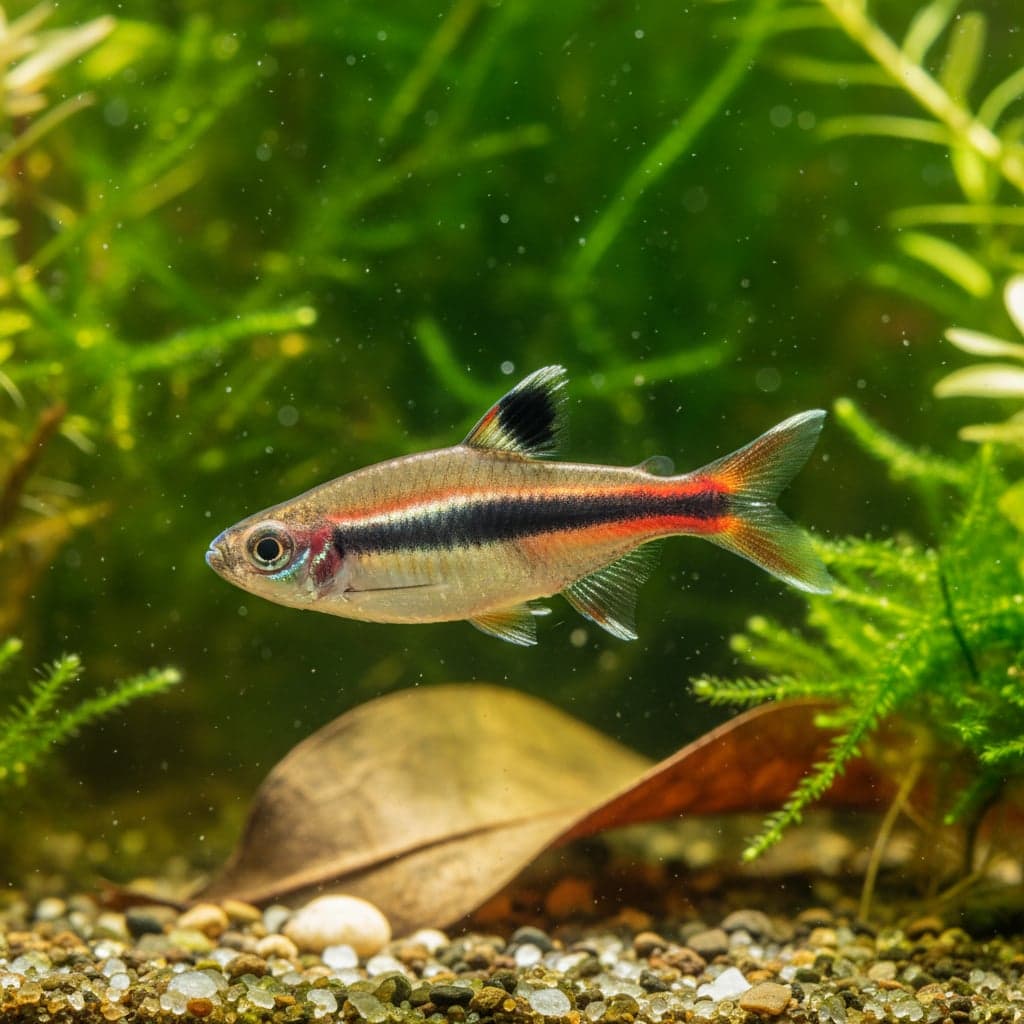
- Neon Tetra (Paracheirodon innesi)
- Rasboras (Boraras spp.)
- Corydoras Catfish (Corydoras spp.)
- Otocinclus Catfish (Otocinclus spp.)
These species tend to exhibit peaceful behavior and can coexist harmoniously with Rock Kribensis Cichlids. However, it's important to avoid housing them with overly aggressive or larger fish—such as some species of barbs or larger cichlids—that may bully or outcompete them for food and territory. Maintaining a balanced community tank with peaceful, compatible species is vital for the longevity and happiness of the Rock Kribensis Cichlid.
Breeding
Breeding Rock Kribensis Cichlids in captivity can be a rewarding experience for aquarists. They are known to be relatively easy to breed once the appropriate conditions are met. To encourage spawning, it is recommended to provide a separate breeding tank or ensure ample hiding spots and flat surfaces within the main tank. The temperature should be slightly elevated to around 28-30°C (82-86°F), and water changes can stimulate breeding behavior.
During the spawning process, the female typically lays her eggs on flat surfaces, often utilizing rocks or leaves for this purpose. Following the egg-laying, the male will fertilize the eggs, and both parents may exhibit protective behavior around the nest. Once the fry are free-swimming, they can be fed infusoria and micro-sized foods until they are large enough to accept more substantial fare. Providing a stress-free environment and a nutritious diet is paramount for successful breeding and raising the fry to maturity.
Common Health Issues
While the Rock Kribensis Cichlid is generally hardy, they may be susceptible to certain health issues, particularly in suboptimal water conditions. Common problems include ich (Ichthyophthirius multifiliis), fin rot, and swim bladder disease. To prevent these diseases, maintaining proper water quality through regular testing and changing, along with ensuring a balanced diet, is vital. It's essential to monitor the fish for any signs of illness, such as abnormal swimming, discoloration, or loss of appetite, and to respond promptly with treatment or quarantine as necessary.
Preventative measures also include quarantining new arrivals and avoiding sudden parameter swings, so Rock Kribensis Cichlids stay colorful and active for years.