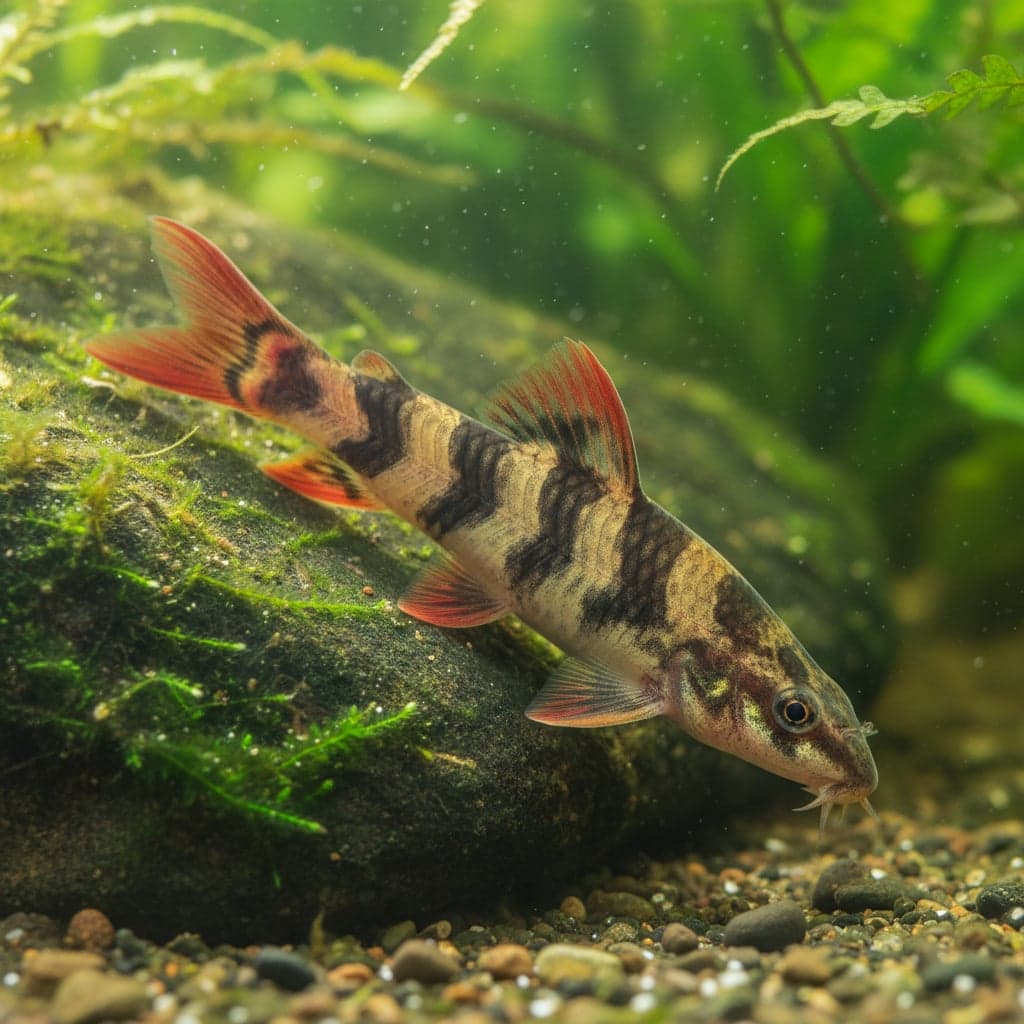
Rocket Garfish: Ctenolucius hujeta
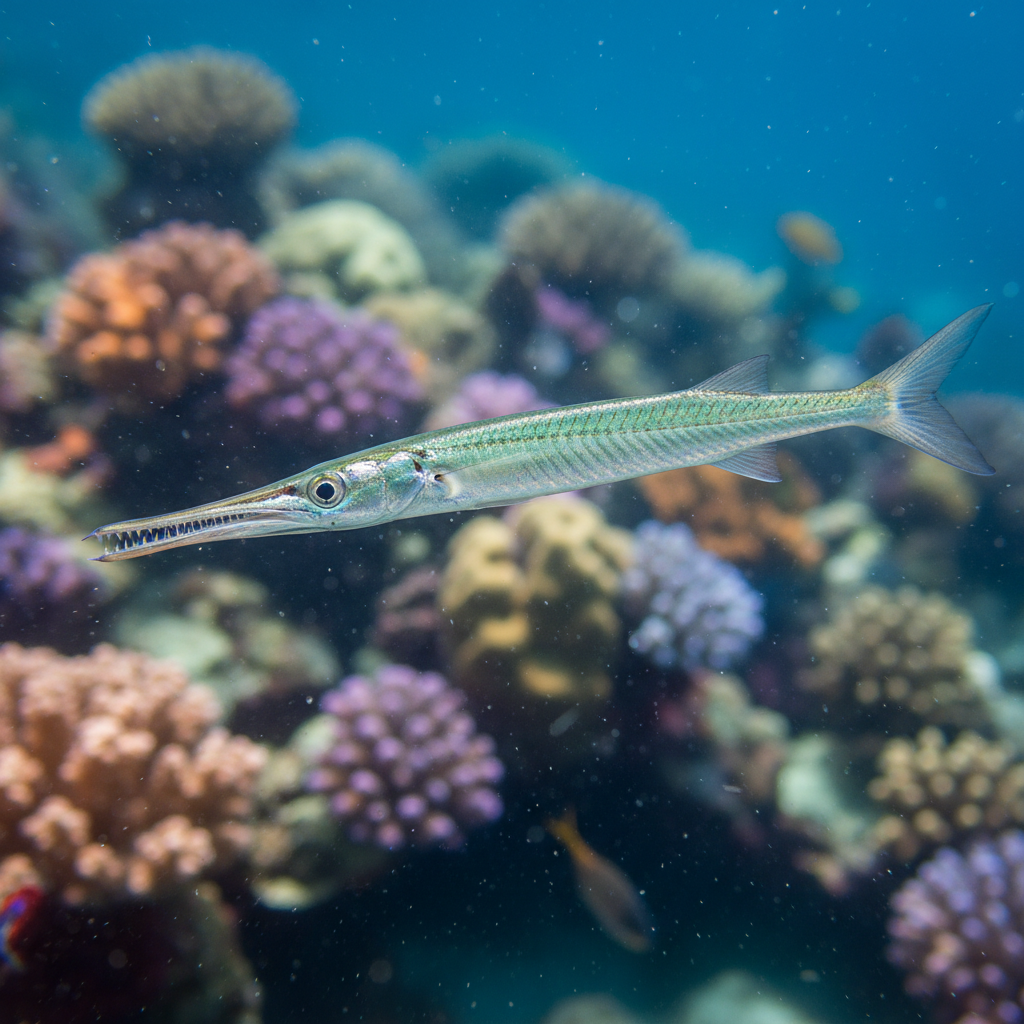
A deeply prehistoric, purely surface-dwelling predatory characin resembling a miniature freshwater barracuda.
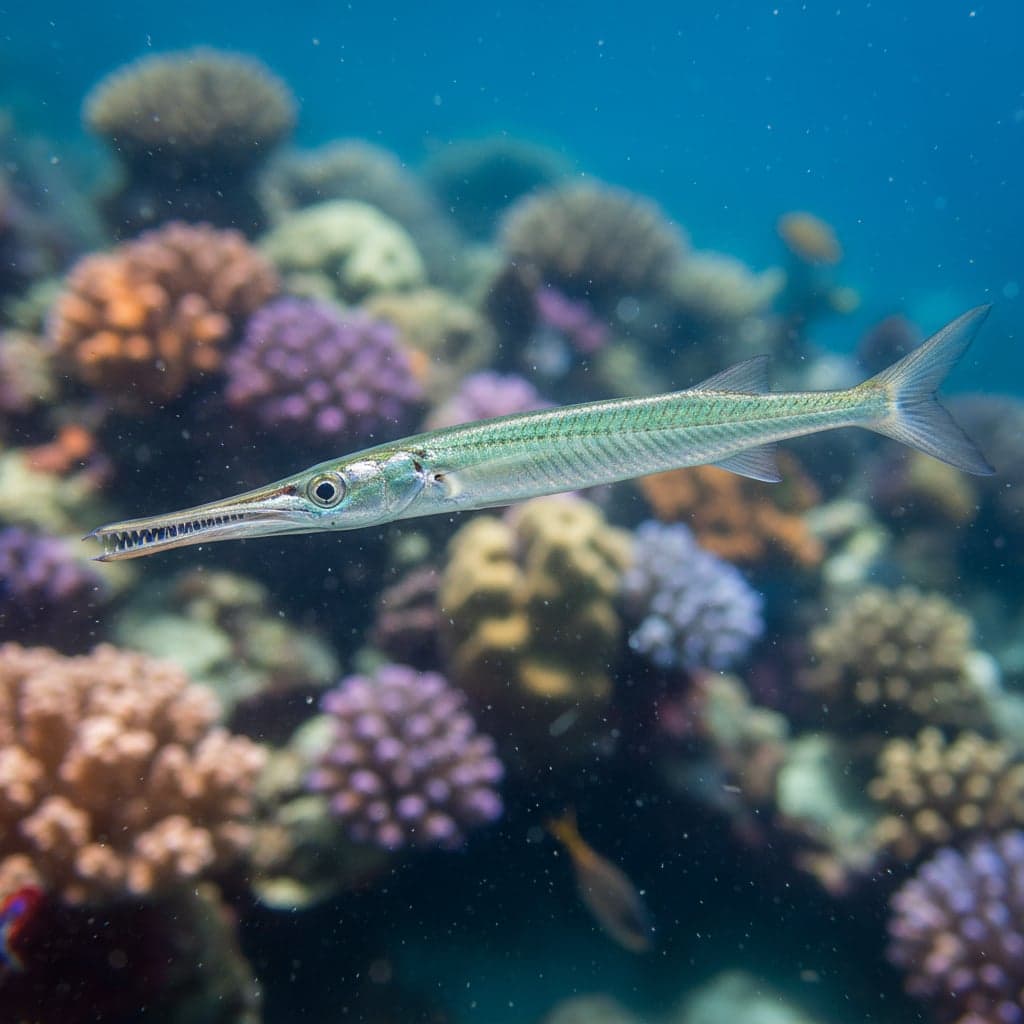
Rocket Garfish
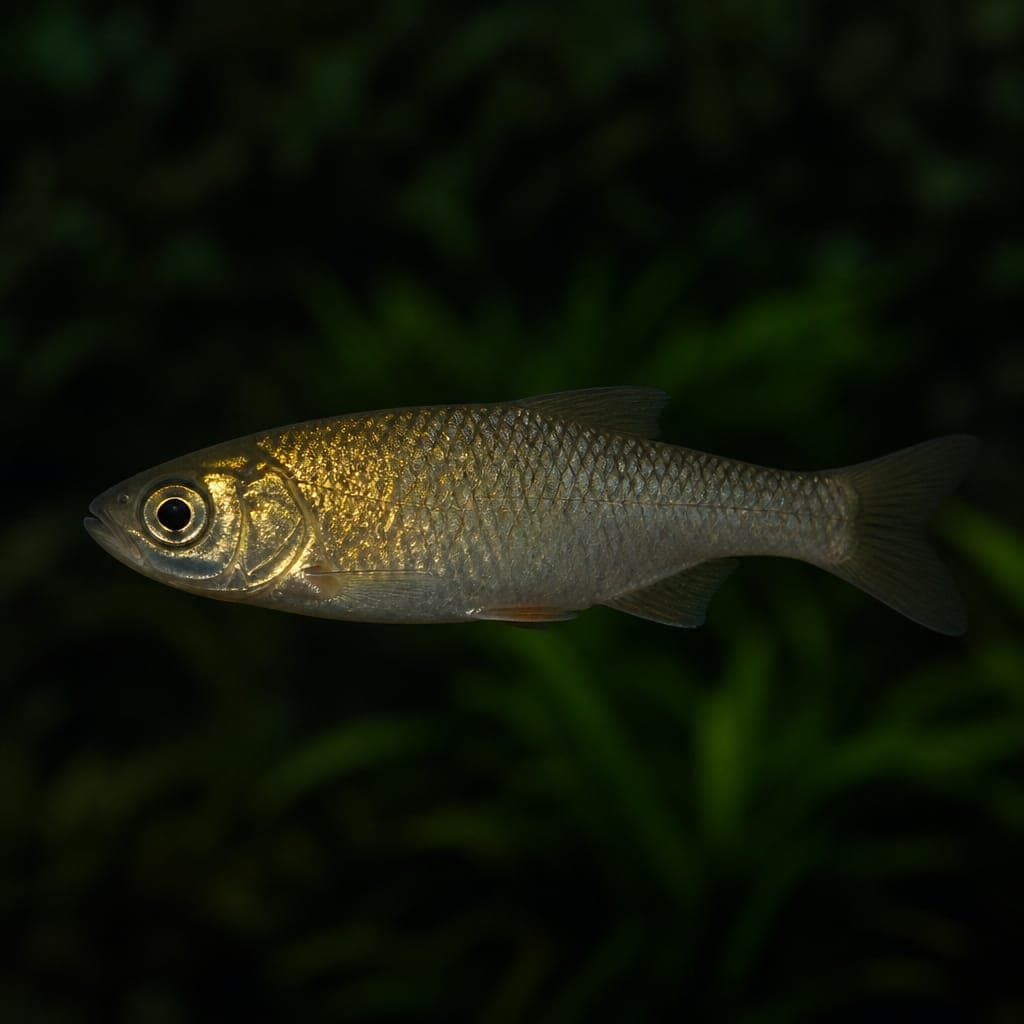
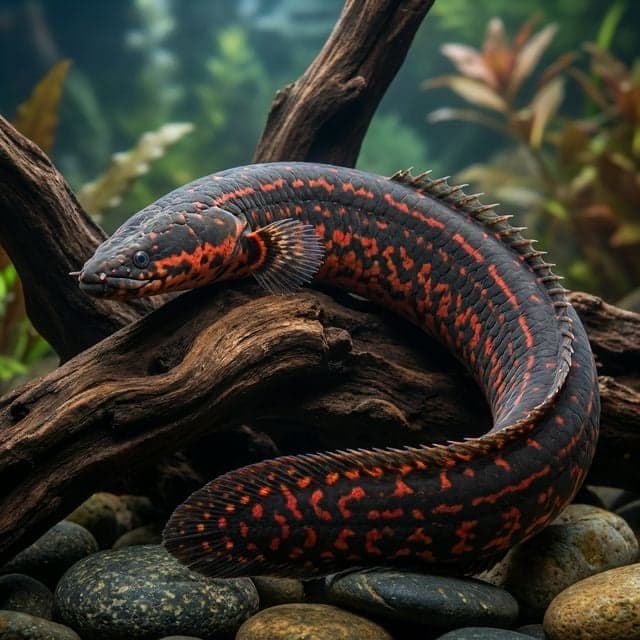
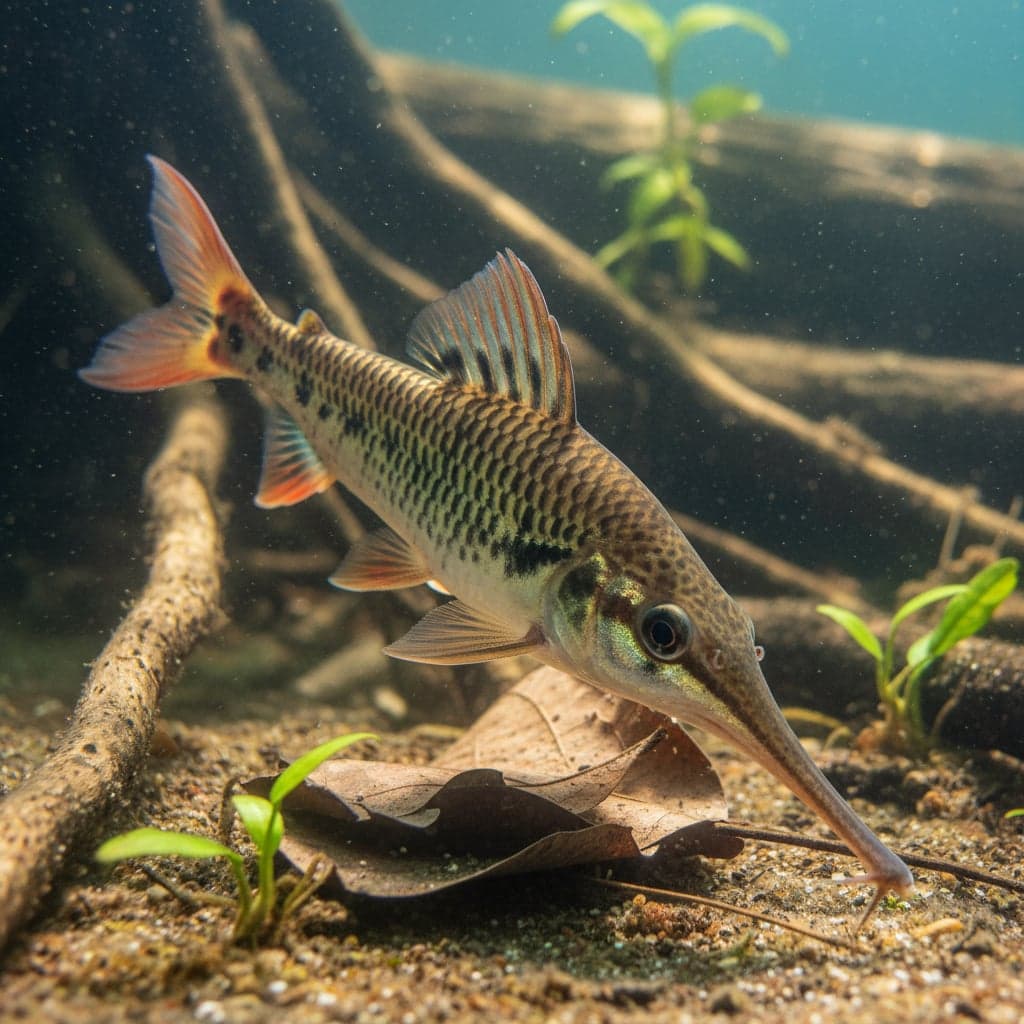
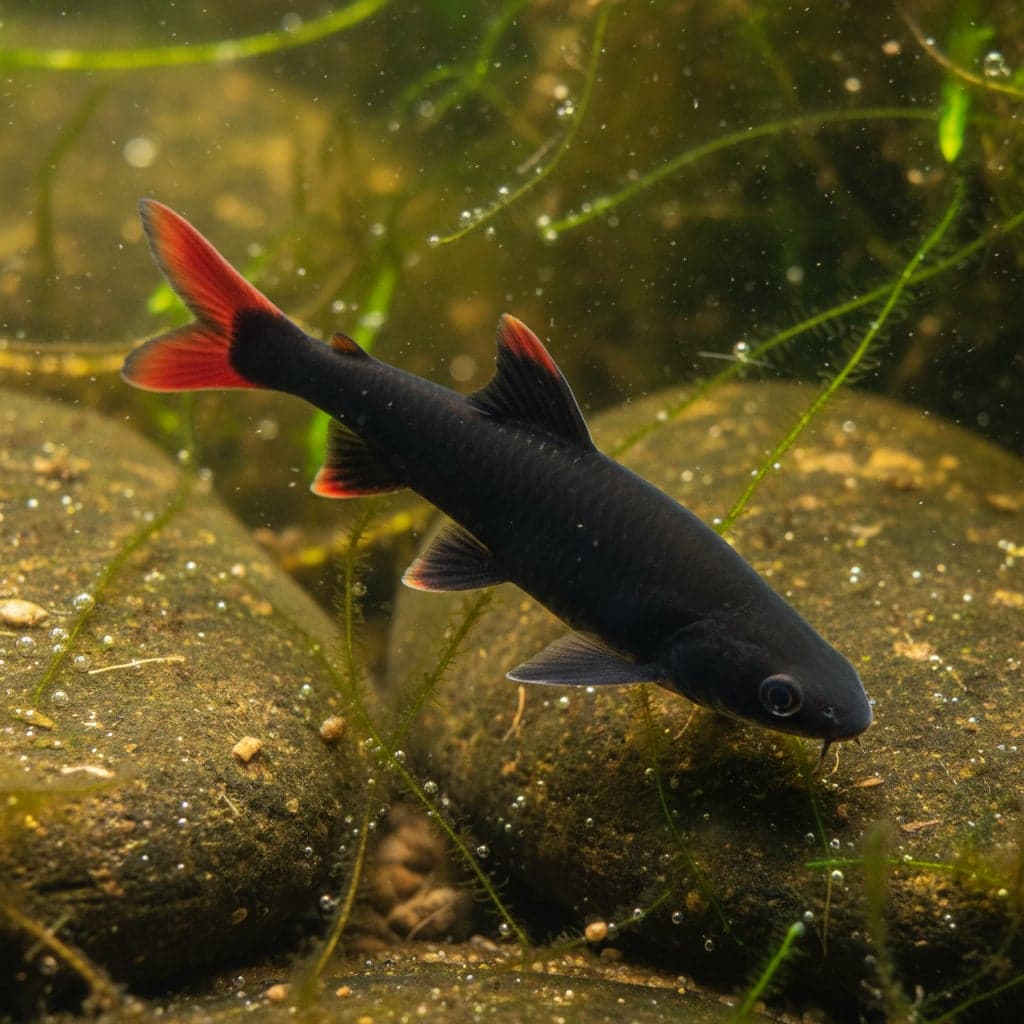
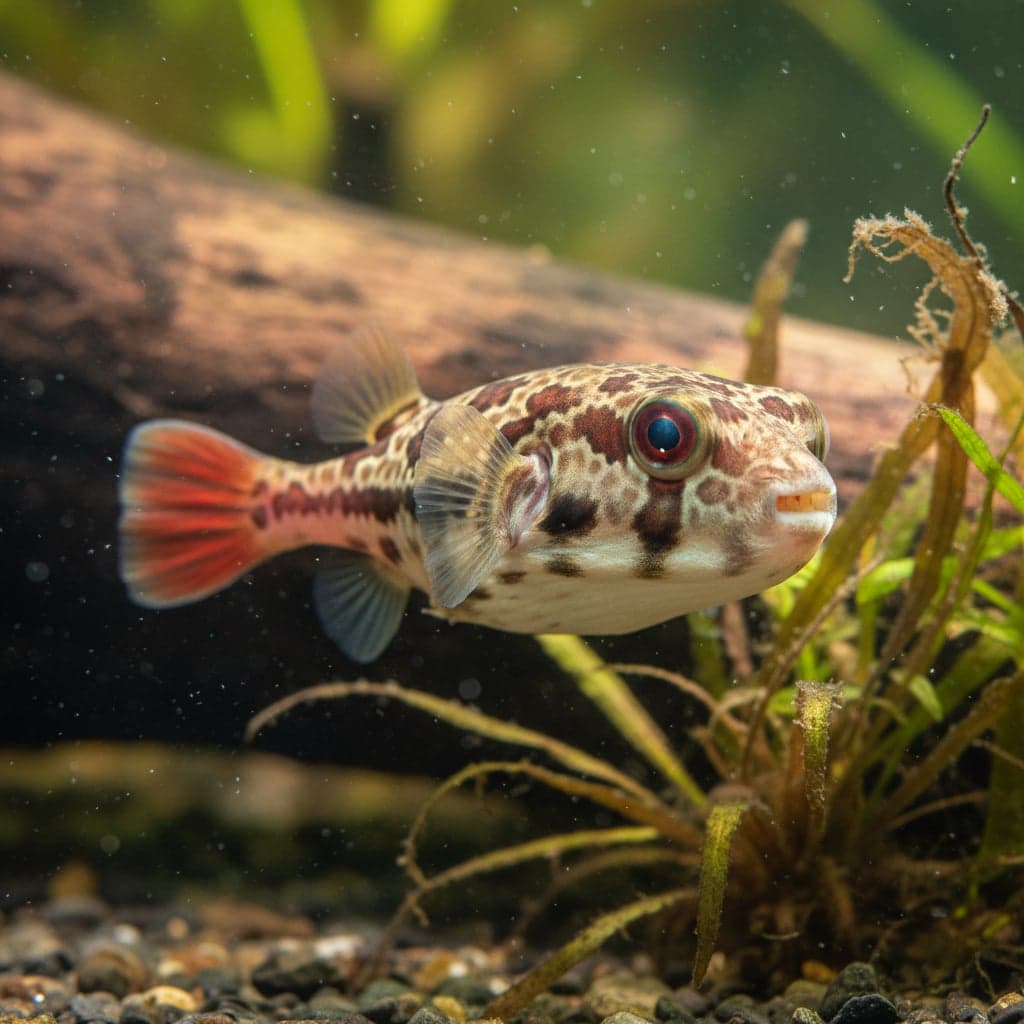
The Rocket Garfish, scientifically known as Ctenolucius hujeta, is a captivating and visually striking species hailing from the freshwaters of South America. Characterized by its elongated, streamlined body and iridescent green to gold hues, this fish is a show-stopper for aquarists looking to add a dynamic element to their aquarium. Its distinctive shape and fast swimming antics make it an intriguing subject for observation and study. The Rocket Garfish boasts a unique dorsal fin that resembles a sail and adds to its aesthetic appeal, making it worthy of display in both home aquariums and professional setups.
Importantly, the Rocket Garfish is not just a pretty face; it plays a notable role in the aquarium hobby due to its lively nature and compatibility with various species. It is often recognized for its agility and speed, darting through the water with grace. This fish can bring energy and excitement to any tank, making it a prized addition for enthusiasts willing to cater to its specific care requirements. Owners appreciate their active behavior, which provides a remarkable viewing experience, enhancing the overall aesthetic of a well-planned aquarium environment.
Natural Habitat & Origin
The Rocket Garfish originates from the slow-moving waters of the Amazon Basin, where it thrives in distinct brackish and freshwater habitats. This fish is commonly found in blackwater rivers and tributaries characterized by low light and tannin-stained waters, which result from decaying plant matter and leaf litter in its natural environment. These conditions create a unique ecological niche, where Rocket Garfish navigate submerged structures and vegetation, allowing them to find cover and hunt for prey.
Understanding its natural habitat is crucial for aquarists striving to replicate suitable living conditions for this species. The ecological balance within its native waters dictates the water parameters and overall environment required to keep Rocket Garfish healthy and stress-free in captivity, showcasing the need for a thoughtful approach in aquarium setup.
Care Requirements
To ensure the well-being of Rocket Garfish in captivity, specific water parameters must be maintained. The ideal pH range is between 5.5 and 7.5, with temperatures kept comfortably between 24°C and 28°C (75°F to 82°F). These fish prefer softer water, so a hardness level of 2 to 12 dGH is recommended.
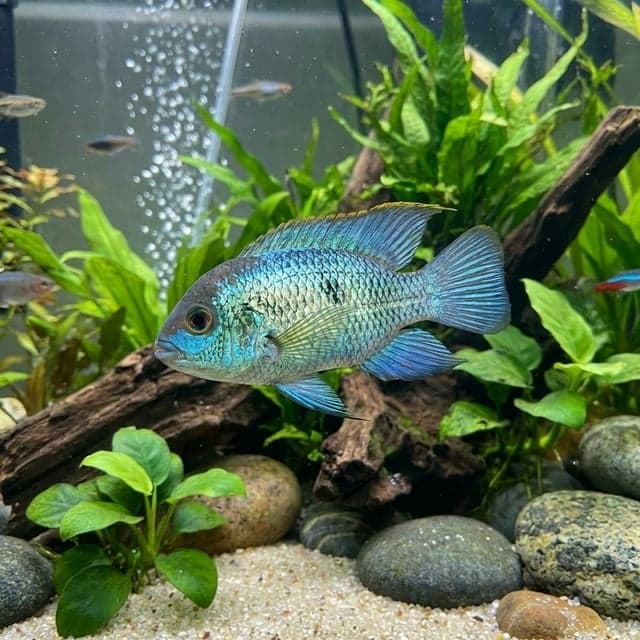
When setting up a suitable tank for Rocket Garfish, a minimum tank size of 75 gallons is advisable due to their active swimming nature. The substrate should mimic their natural environment, using dark-colored sands or fine gravel that helps to create a less reflective surface. For lighting, a moderate level of illumination is preferable, highlighting, without overpowering, the tank's features. Additionally, incorporating live plants, driftwood, and rock formations will provide necessary hiding spots and enhance their habitat, while also creating a visually appealing layout.
Diet & Feeding
Rocket Garfish are primarily carnivorous but exhibit omnivorous tendencies in captivity. In the wild, they feed on insects, smaller fish, and crustaceans. To replicate this diet, it is recommended to provide a varied feeding regimen that includes high-quality flakes, pellets, and frozen or live foods such as brine shrimp, bloodworms, and daphnia. It is essential to include a range of food types to ensure their nutritional needs are met.
Maintaining a feeding schedule that includes small, frequent meals throughout the day helps replicate their natural feeding behavior and prevent boredom. Creating a varied diet not only promotes optimal health but also stimulates natural hunting instincts, enhancing their activity levels within the aquarium.
Behavior & Temperament
The Rocket Garfish is known for its playful and active temperament, making them a delight to observe in a home aquarium. They are social creatures that thrive in groups, ideally requiring a minimum of five individuals to exhibit their natural schooling behavior. Though usually peaceful, they can display territorial tendencies, particularly during feeding times, and should be monitored to prevent any potential aggression amidst tank mates.
In terms of swimming habits, Rocket Garfish prefer the upper and mid-levels of the aquarium, often darting around the top while occasionally venturing deeper into the tank. Providing sufficient swimming space is crucial to facilitate their energetic movement and ensure a balanced social dynamic within the tank.
Tank Mates
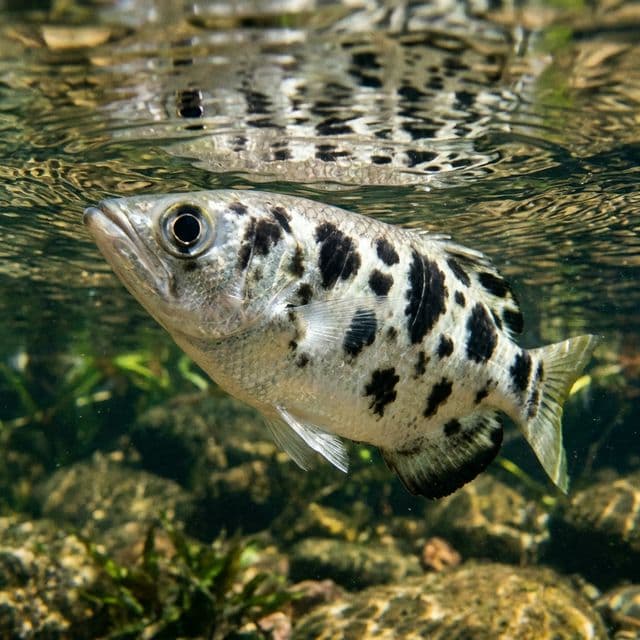
When selecting tank mates for Rocket Garfish, it’s essential to choose species that will coexist peacefully. Compatible species include larger tetras, rainbowfish, danios, and certain types of barbs. However, smaller, slow-moving fish and small invertebrates should be avoided, as the Rocket Garfish may see them as prey. Additionally, aggressive fish or those known for territorial behavior can pose a threat to the well-being of Rocket Garfish and should be excluded.
It is always best to introduce new tank mates with caution, observing interactions to ensure that all species are comfortable and there are no signs of stress or conflict. In a well-planned community tank, Rocket Garfish can thrive alongside various compatible species, enhancing the biodiversity and balance of the aquarium.
Breeding
Breeding Rocket Garfish in captivity can be a challenging but rewarding process. They are known to spawn in the early morning, usually after a substantial water change that mimics seasonal rains in their natural habitat. Setting up a breeding tank with soft, slightly acidic water can help encourage breeding behavior. The tank should contain fine-leaved plants or spawning mops as ideal surfaces for egg deposition.
Following spawning, the parents should be removed, as they may eat the eggs. The eggs typically hatch within 24 to 48 hours, with the fry becoming free-swimming shortly thereafter. Feeding the fry infusoria or finely crushed high-quality flakes will support their growth. Maintaining optimal water conditions throughout this process is critical to successfully raising the young Rocket Garfish.
Common Health Issues
Rocket Garfish are generally hardy, but they may be susceptible to certain health issues, primarily due to poor water quality or stress. Common diseases include Ich (white spot disease), fin rot, and velvet disease. Regular water testing, routine maintenance, and a balanced diet are pivotal for preventing these issues.
To promote optimal health, ensure consistent water changes, monitor temperature and pH levels, and maintain good aeration. Immediate quarantine of any affected fish is essential to mitigate outbreaks. Keeping the tank environment stable, clean, and well-structured can significantly reduce the occurrence of health problems, allowing Rocket Garfish to thrive in your aquarium setup.