Rosy Minnow: Pimephales promelas
A hardy coldwater schooling fish sold as a feeder but well suited to unheated tanks. Keeps at 10-24°C, pH 7.0-8.5. Tank size, diet and care.
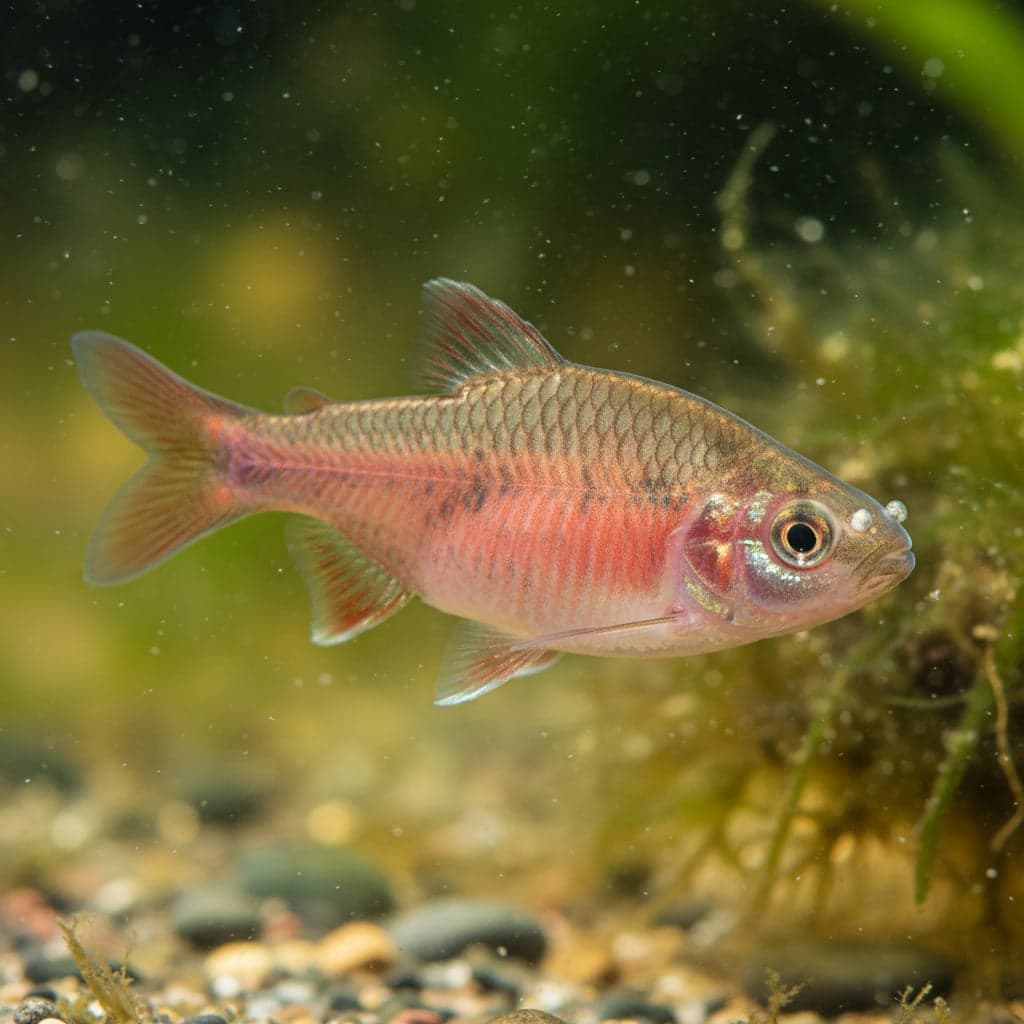
Rosy Minnow
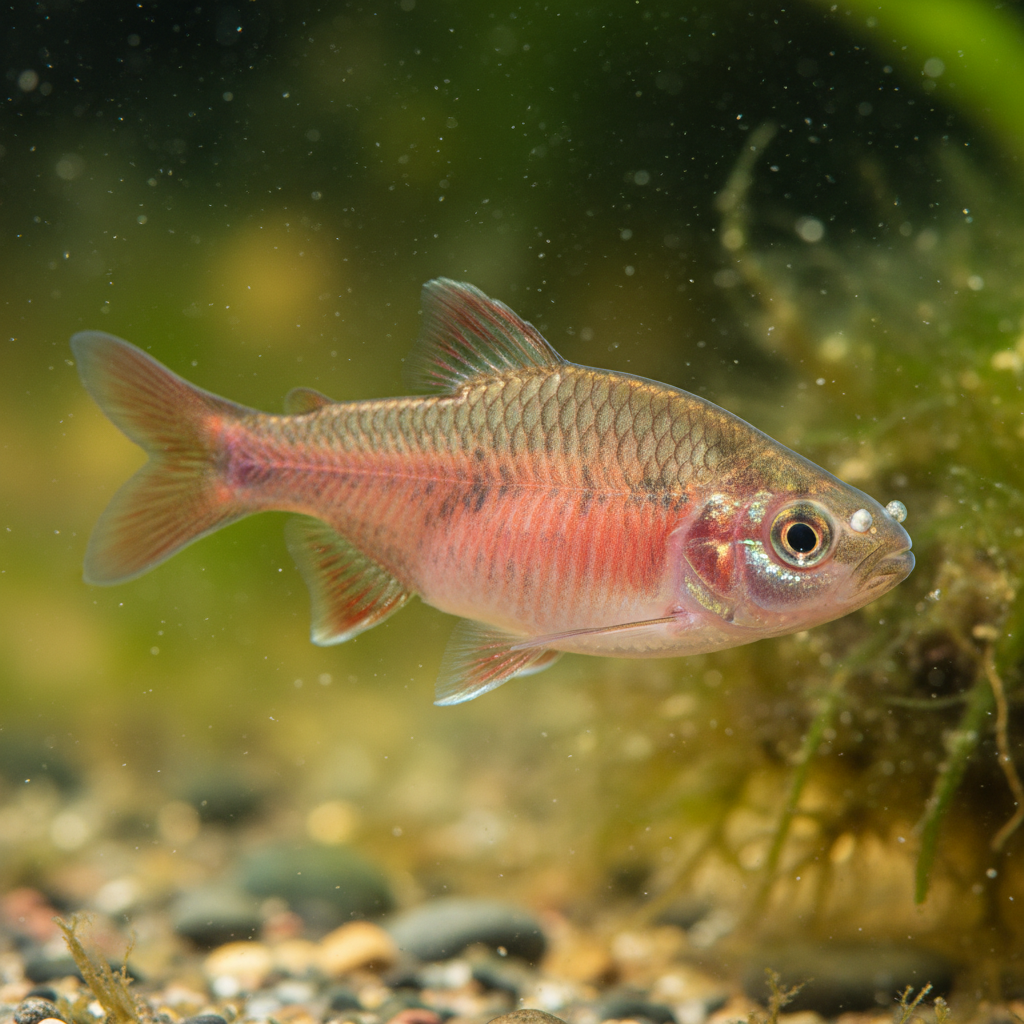
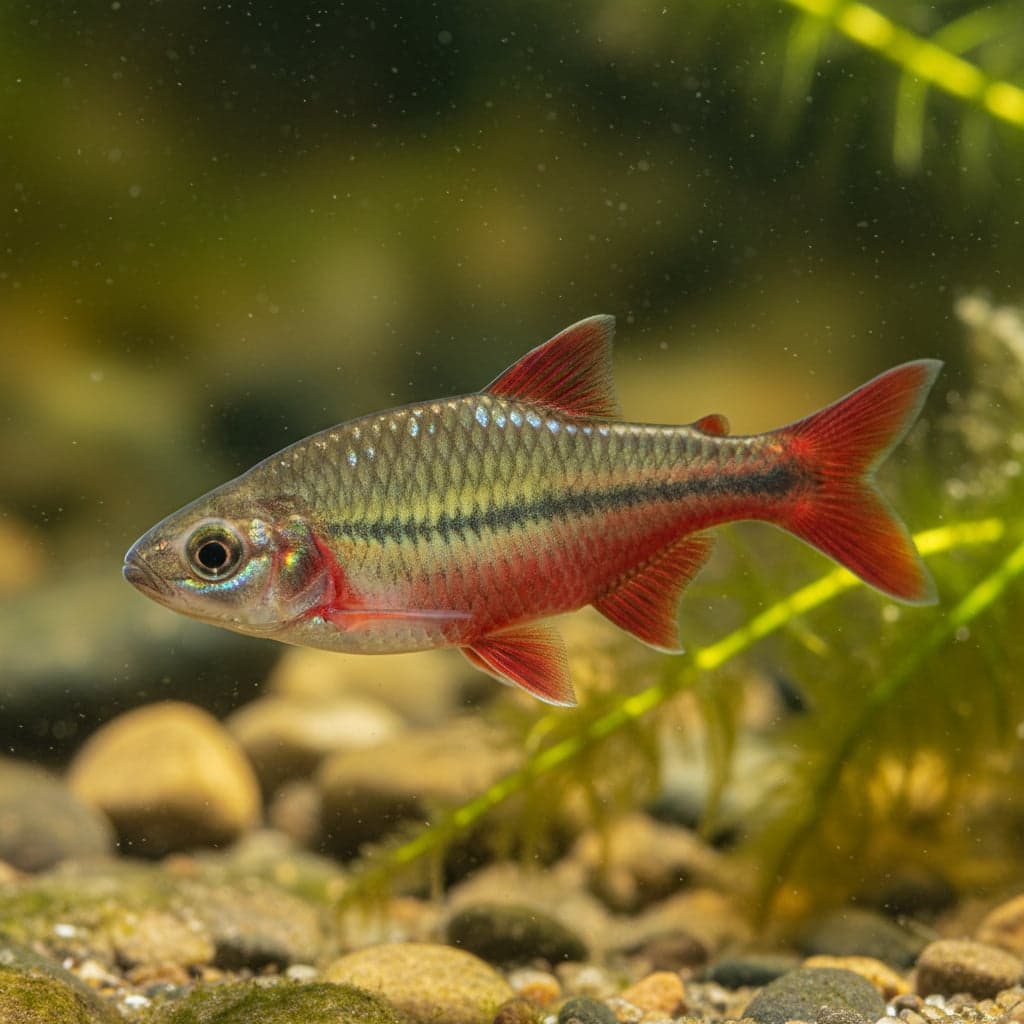
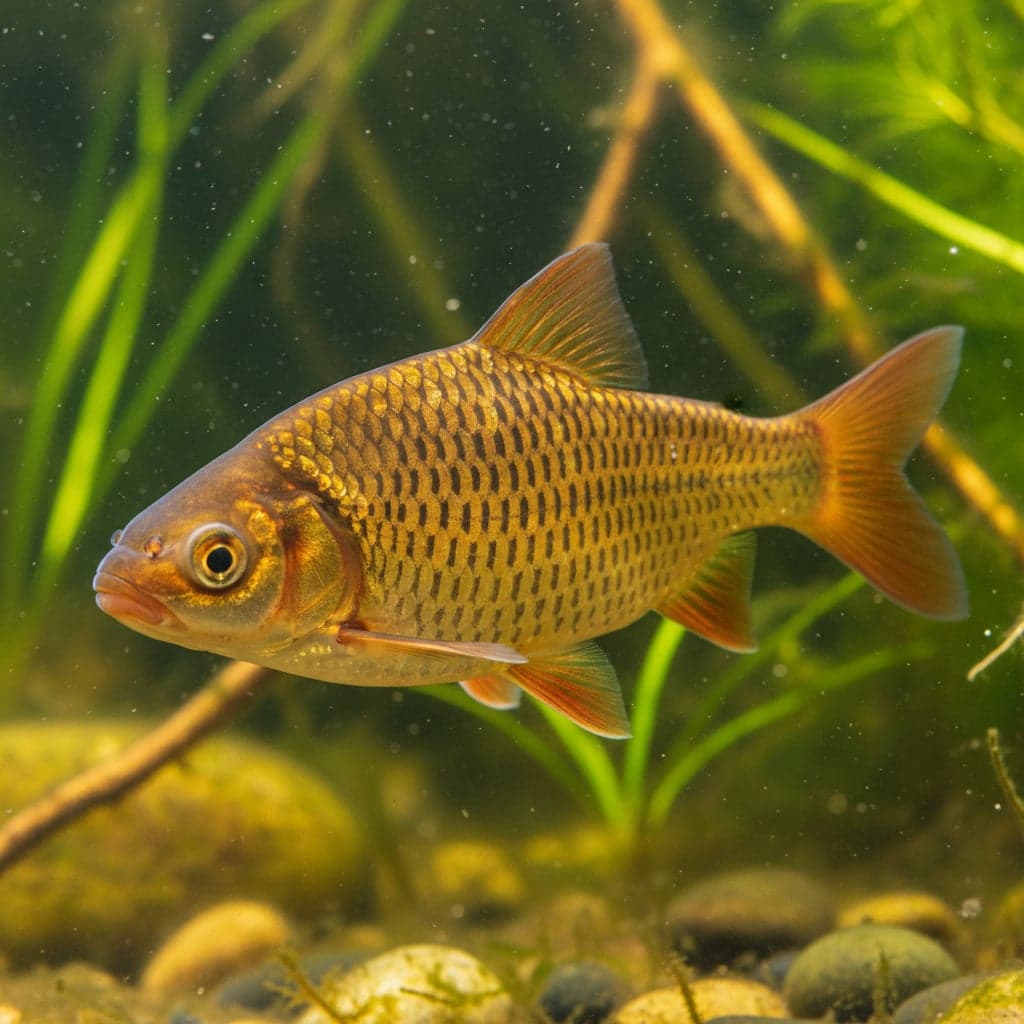
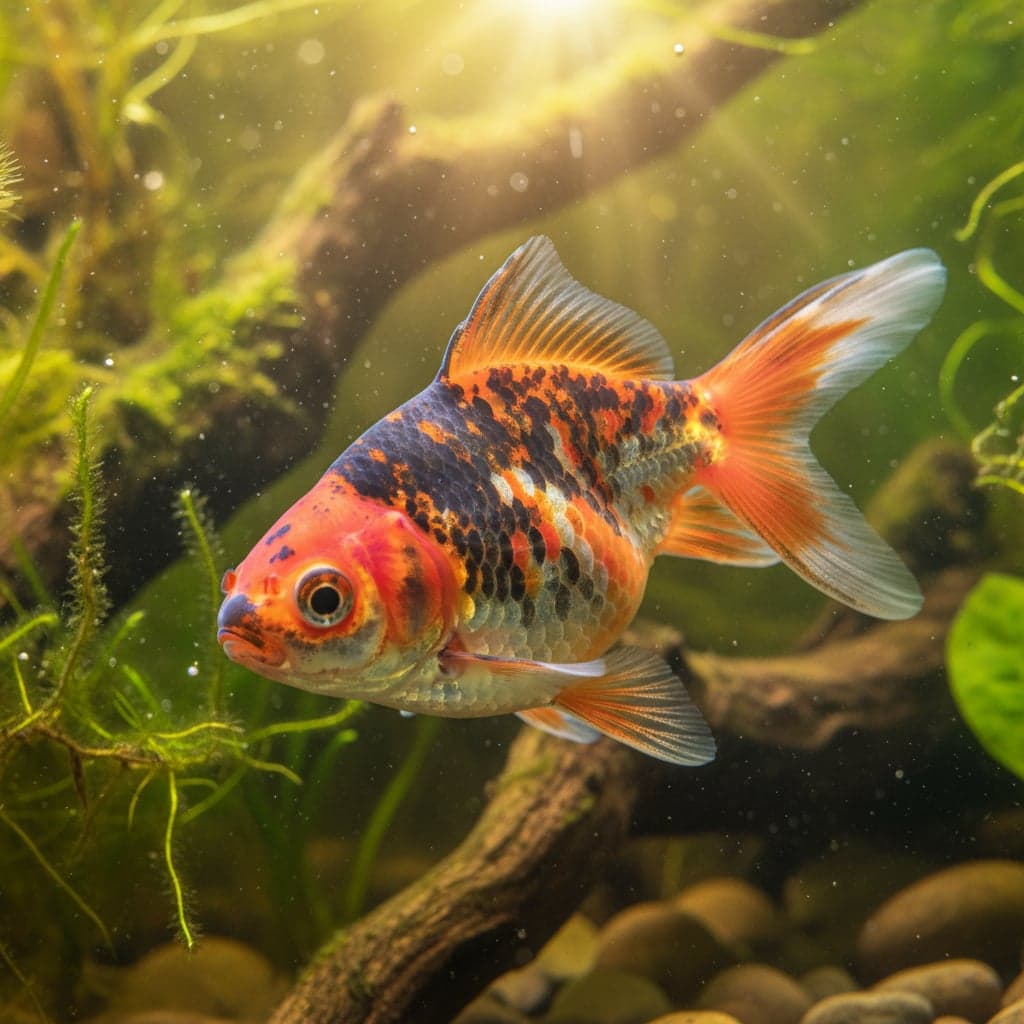
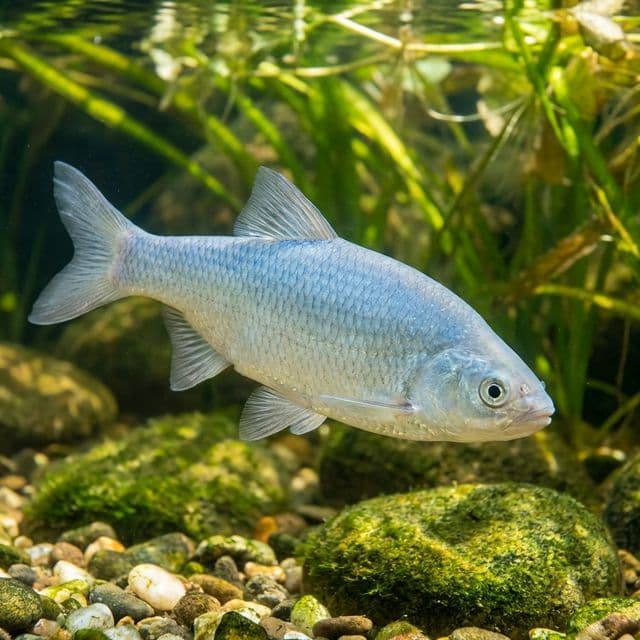
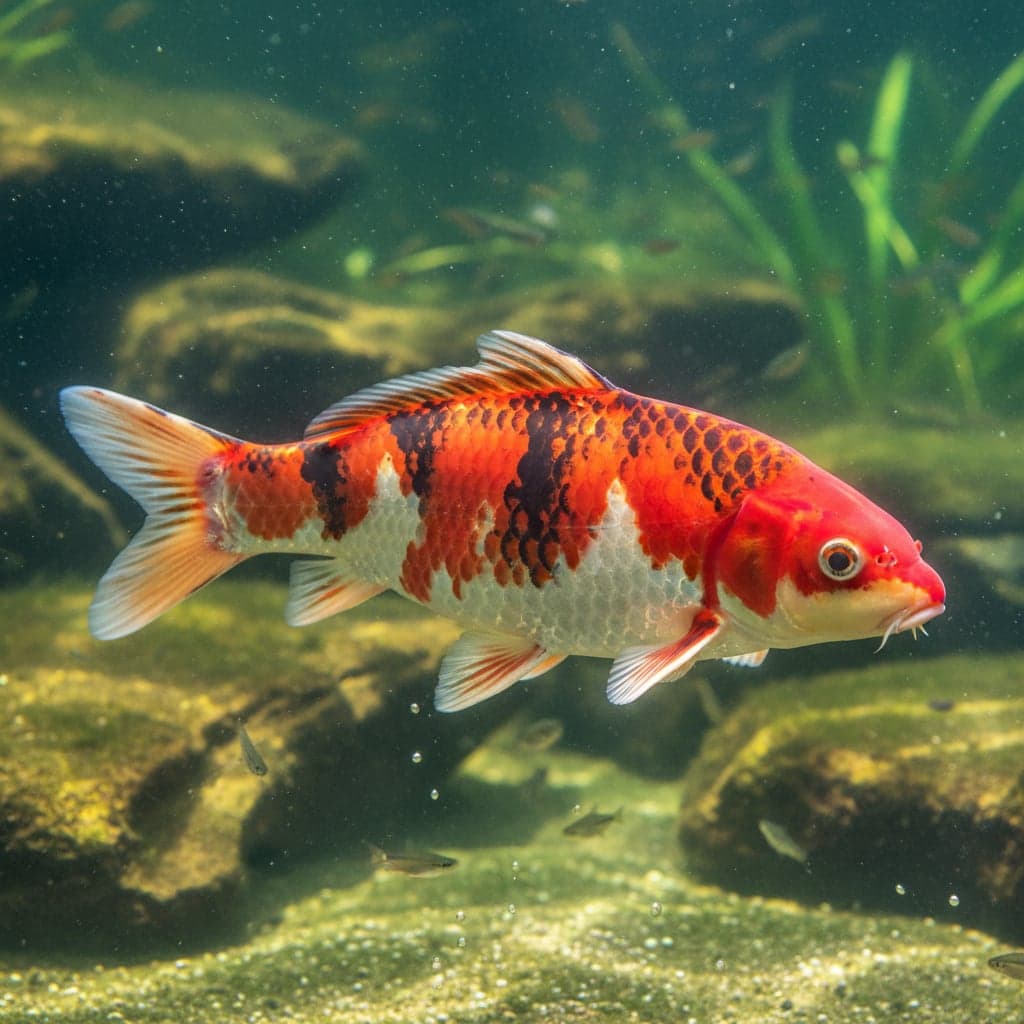
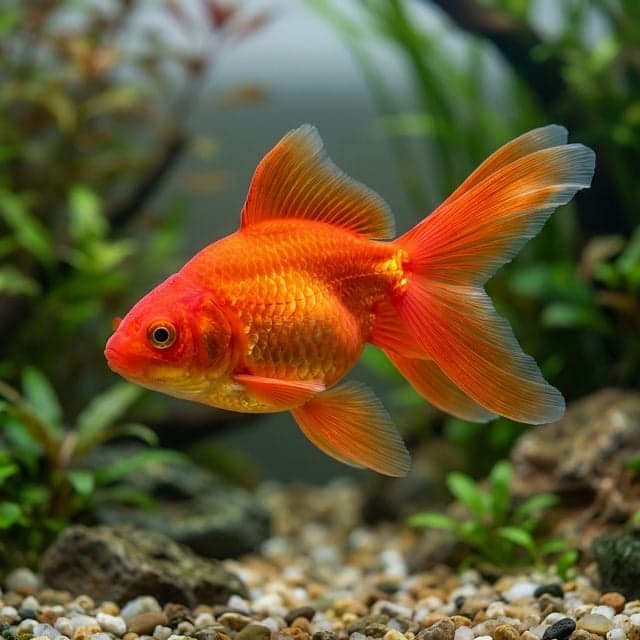
The Rosy Minnow (Pimephales promelas) is a captivating freshwater fish renowned for its vibrant color and lively behavior, making it a popular choice among aquarium enthusiasts. It typically displays a beautiful hue, ranging from pale pink to rich rosy red, especially during its reproductive season, where males exhibit a stunning display of color to attract females. This charm, combined with its energetic nature and ease of care, has cemented the Rosy Minnow's status as a staple in freshwater hobbyist aquariums.
Historically, the Rosy Minnow has also played a significant role in the aquarium hobby, acting as a feeder fish in many situations, particularly for larger predatory species. However, with a growing appreciation for its aesthetic qualities and social nature, its popularity as a mainstay in community tanks has expanded. Its cheerful demeanor and ability to thrive in various conditions make it a fascinating species for both novice and experienced aquarists looking to add a splash of color to their aquarium.
Natural Habitat & Origin
The Rosy Minnow is native to North America, primarily found in the central United States, particularly in the waters of the Mississippi River basin and nearby tributaries. This species typically inhabits shallow, slow-moving waters such as ponds, rivers, and streams with soft sediment substrates. The natural environment of the Rosy Minnow is characterized by clear to slightly turbid water with moderate vegetation, which provides ample cover and breeding sites.
In the wild, these fish are often found in areas that experience seasonal changes, including varying temperatures and water levels. The ecological context of its habitat plays a crucial role in the Rosy Minnow's behavior and adaptations, where they have evolved to tolerate a range of water parameters, making them resilient and adaptable for the aquarium setting.
Care Requirements
To maintain healthy Rosy Minnows in captivity, it is essential to replicate their natural habitat. Optimal water parameters include a pH of 6.5 to 8.0, a temperature range of 64°F to 75°F (18°C to 24°C), and a hardness level of 5 to 20 dGH. These fish thrive in stable conditions, so regular water changes and monitoring are crucial to avoid fluctuations that could stress them.
In terms of tank setup, a minimum tank size of 20 gallons is recommended to provide adequate swimming space for a small school of Rosy Minnows. The substrate can be fine gravel or sand, allowing for easy navigation. Lighting should be moderate to highlight their colors and encourage plant growth. Additionally, incorporating plenty of live plants, driftwood, and rocks can create natural hiding spots, promoting a sense of security for these social creatures.
Diet & Feeding
The Rosy Minnow is an omnivorous fish, thriving on a varied diet that supports its health and vibrancy. A balanced diet can include high-quality flakes or pellets specifically designed for small freshwater fish, supplemented with occasional frozen or live foods like brine shrimp, daphnia, and bloodworms. This variety will enhance their coloration and support their overall well-being.
Feeding should occur 2-3 times per day, providing only as much food as they can consume in a few minutes to prevent overfeeding and maintain water quality. Regularly incorporating vegetable matter, such as spirulina or blanched greens, can also contribute to a well-rounded diet and promote optimal growth.
Behavior & Temperament
Rosy Minnows are known for their sociable and active nature, often found swimming in schools of 6 or more individuals. They exhibit peaceful behavior, making them suitable for community aquariums. However, being shoaling fish, they feel most secure when kept in groups, displaying social interactions that enhance their vibrancy and reduce stress.
In terms of vertical placement, Rosy Minnows typically occupy the midwater column, playfully darting among plants and structures. They are curious fish, often exploring their environment while displaying comfortable interactions with their tank mates.
Tank Mates
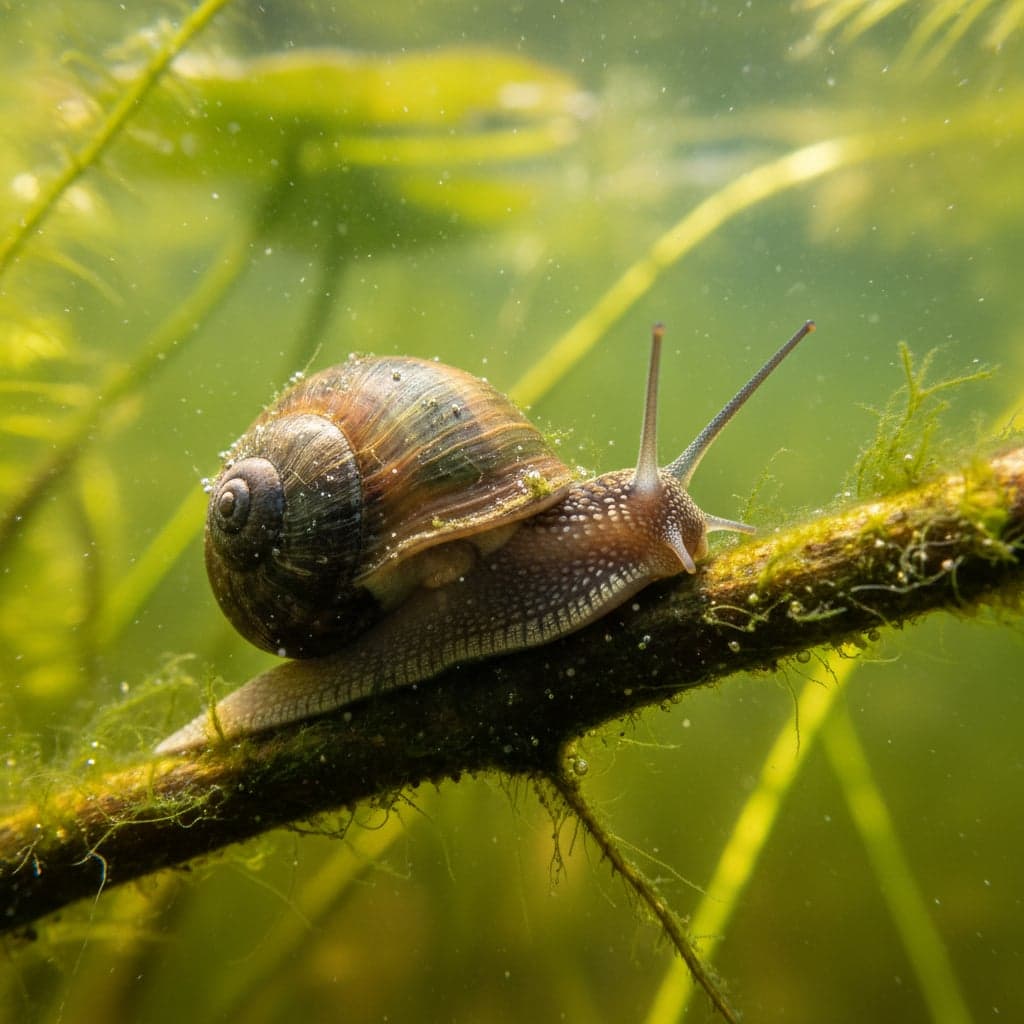
When selecting tank mates for Rosy Minnows, it is crucial to choose species that share similar water requirements and temperament. Compatible species include smaller, peaceful fish such as Tetra species (like Neon or Cardinal Tetras), Guppies, and Corydoras Catfish. They can also coexist with other small schooling fish and invertebrates like shrimp or snails.
However, it’s advisable to avoid larger or aggressive fish such as Cichlids or Barbs, which may view Rosy Minnows as potential targets or intimidate them, causing undue stress. The key to a harmonious community tank is ensuring compatible species that can thrive together.
Breeding
Breeding Rosy Minnows in captivity requires specific conditions to encourage spawning behavior. Ensure that females are well-fed to promote health and reproductive readiness. Prepare a breeding tank, ideally set at slightly cooler temperatures (around 68°F or 20°C) with gentle filtration and sparse vegetation to mimic their natural spawning environment.
During breeding, males exhibit heightened aggression and brighter colors to attract females. After spawning, which can involve the female laying eggs among fine-leaved plants, it’s vital to remove adults from the breeding tank to prevent them from eating the eggs. The eggs typically hatch in 4-5 days, and once the fry are free-swimming, they can be fed infusoria or finely crushed food until they grow large enough to consume larger particles.
Common Health Issues
Rosy Minnows are generally hardy fish, but they can be susceptible to specific health issues. Common diseases include Ich (Ichthyophthirius multifiliis), Fin Rot, and Dropsy. Prevention focuses on maintaining excellent water quality through regular monitoring and water changes, avoiding overcrowding, and ensuring a varied, nutritious diet to bolster their immune systems.
Observing any unusual behavioral changes, such as lethargy, loss of appetite, or visible signs of disease, allows for prompt treatment. Providing a stress-free environment, secure hiding spots, and compatible tank mates will also contribute to their overall health and longevity.