Rosy Tetra: Hyphessobrycon rosaceus
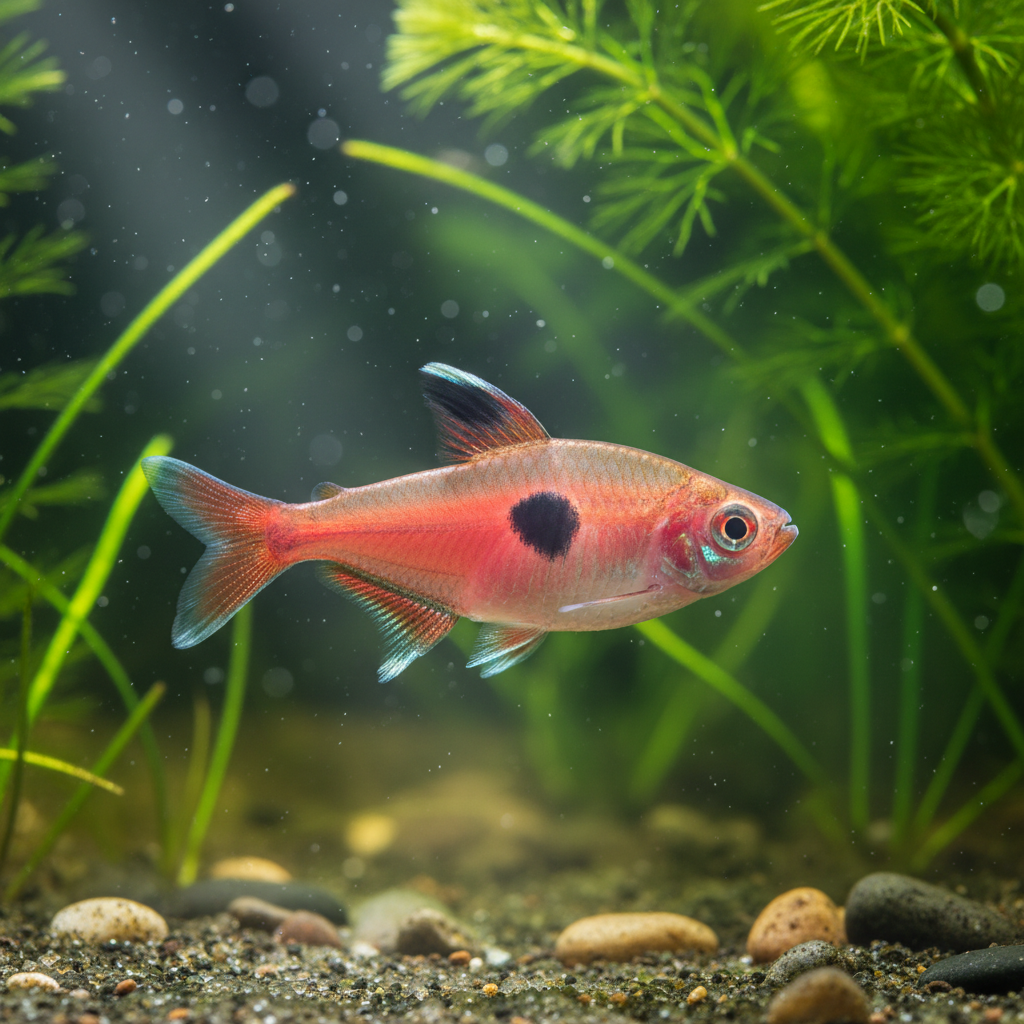
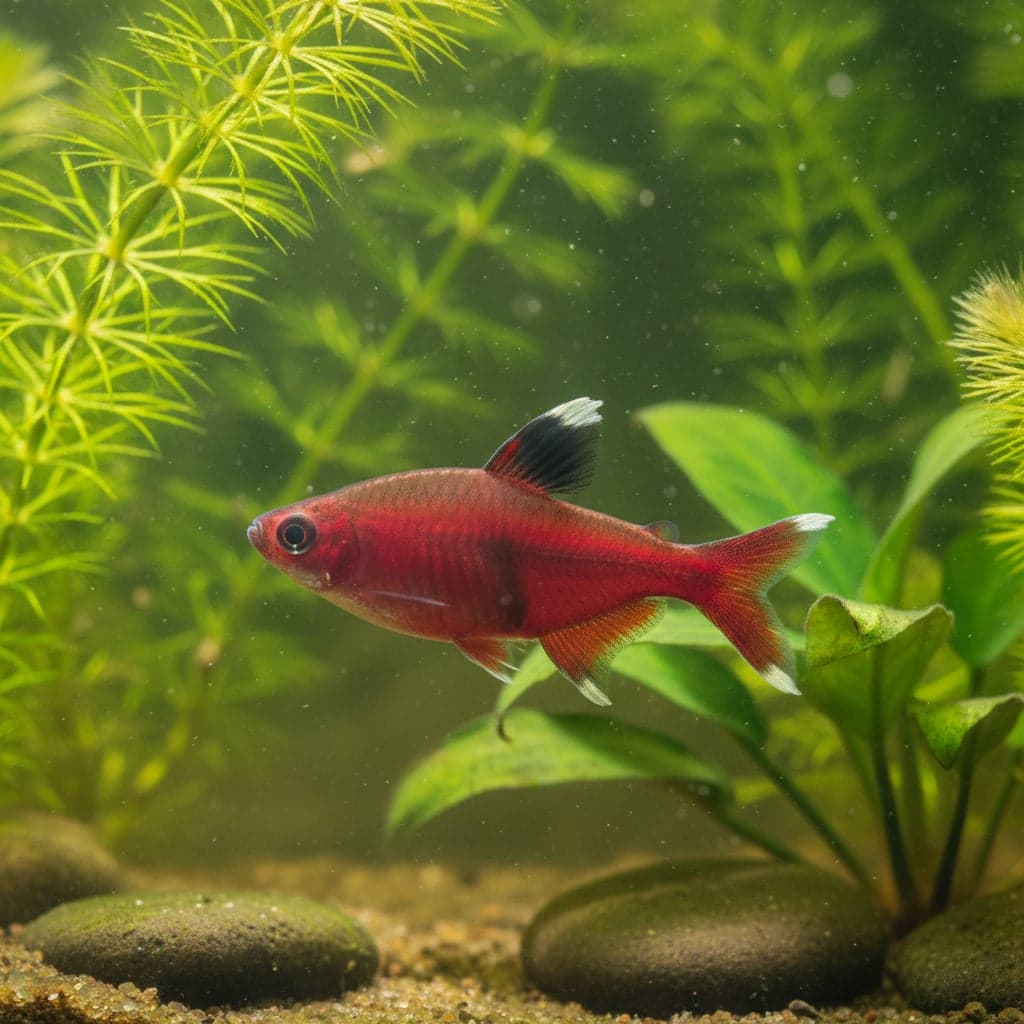
A deeply peaceful, classic South American tetra displaying a subtle, stunning pink flush and heavily white-tipped fins.
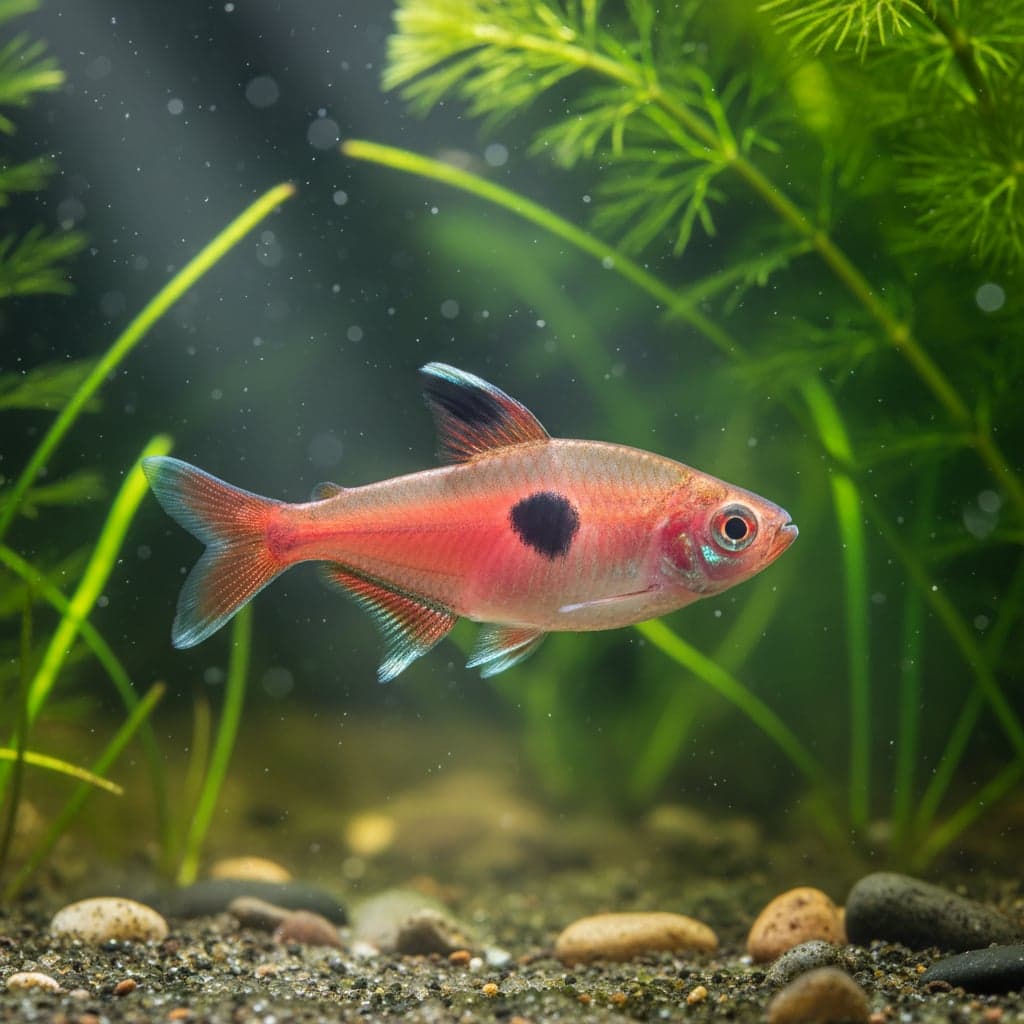
Rosy Tetra
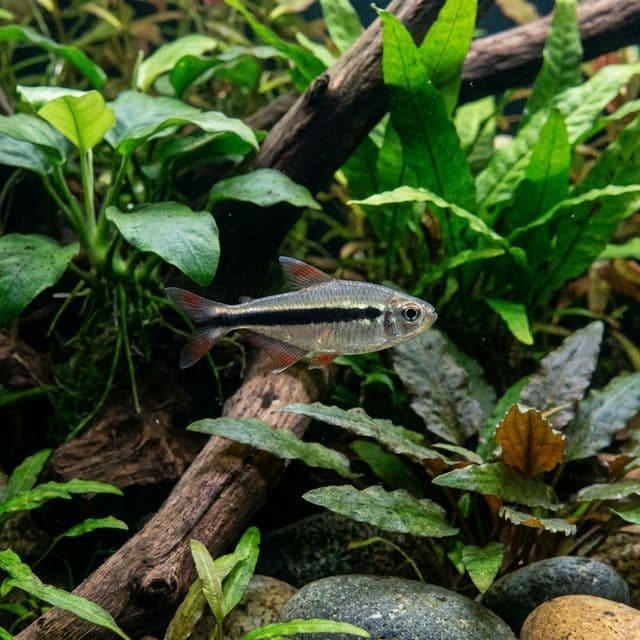
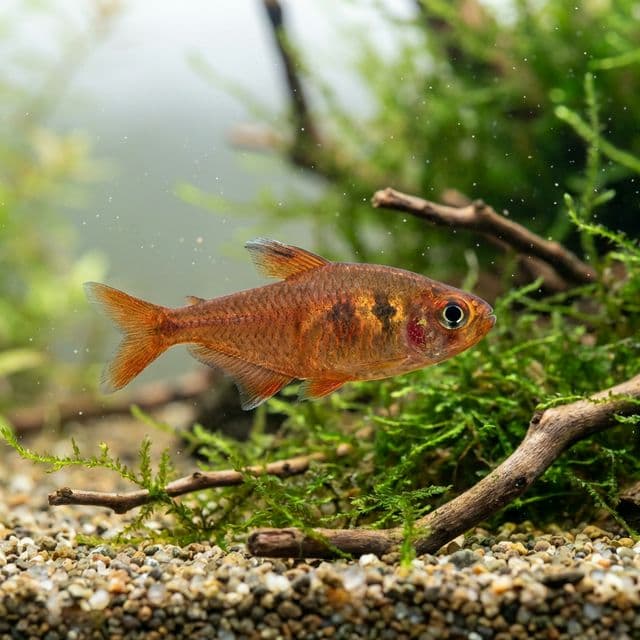
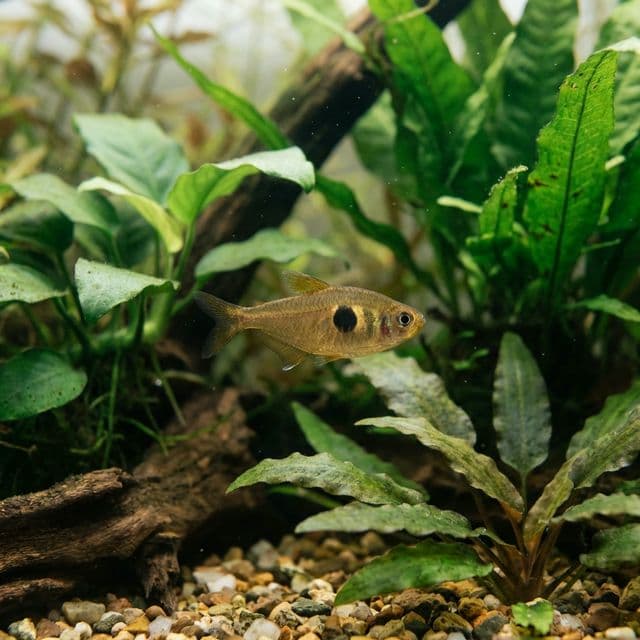
The Rosy Tetra, scientifically known as Hyphessobrycon rosaceus, is a popular freshwater fish prized by aquarists for its striking visual appeal and peaceful demeanor. Characterized by a shimmering pink to rose-colored body, these tetras have a distinctive black horizontal stripe running from the eye to the base of the tail. Their vibrant colors are accentuated by the iridescent hues that reflect light, creating a spectacle in any aquarium setup. The Rosy Tetra typically grows to a size of about 2 inches (5 cm), making it an ideal choice for both small and medium-sized tanks. Its sociable nature makes it a wonderful addition to community aquariums, where it adds a colorful splash and dynamic movement.
In addition to their aesthetic value, Rosy Tetras have become significant in the aquarium hobby due to their adaptability and ease of care. These fish are known to thrive in a variety of water conditions, making them a suitable choice for novice aquarists. Their peaceful behavior fosters harmonious interactions among tank mates, making it easy for aquarists to create a lively and interactive aquatic environment. This combination of beauty and temperament has solidified the Rosy Tetra’s status as a beloved staple in the world of freshwater fishkeeping.
Natural Habitat & Origin
The Rosy Tetra is native to the freshwater streams and rivers of South America, particularly in Brazil and Colombia. These fish inhabit slow-moving waters that are typically acidic and soft, often found in densely planted areas near submerged logs and leaf litter. The species is commonly found in blackwater environments, where the water is stained with tannins from decaying organic matter, providing a dimly lit habitat rich in both food sources and protective cover. This unique habitat not only influences their coloration but also contributes significantly to their overall behavior and social dynamics in the wild.
In their natural environment, Rosy Tetras cohabit with a variety of other fish species, such as other small tetras and peaceful cichlids. These relationships help to establish a social structure that is integral to their survival. Maintaining similar water conditions and environmental decor in an aquarium setting is crucial for replicating their habitat and ensuring their well-being in captivity.
Care Requirements
To successfully care for Rosy Tetras, specific water parameters must be maintained. The ideal pH range is between 6.0 and 7.5, with a temperature range of 72°F to 79°F (22°C to 26°C). Water hardness should be kept between 2 to 12 dGH, simulating the soft, acidic waters of their natural habitat. A minimum tank size of 20 gallons is recommended to provide ample swimming space for these active fish, ideally in a well-planted aquarium that mimics their natural environment.
When setting up a tank for Rosy Tetras, the substrate can vary; however, a darker substrate is often preferred as it enhances their natural coloration. Incorporating live plants such as java fern, Amazon sword, or crypts offers hiding spots and creates an aesthetically pleasing environment. Providing moderate lighting, with shaded areas created by plants or driftwood, mirrors the dappled light found in their natural habitat and encourages a more comfortable setting for these fish.
Diet & Feeding
Rosy Tetras are omnivores, making them relatively easy to feed and ensuring various dietary options are available. In the aquarium, they thrive on a balanced diet that includes high-quality flake or pellet foods designed for tropical fish, supplemented with frozen or live foods such as brine shrimp, daphnia, and bloodworms. This variety not only adds nutritional value but also stimulates their natural foraging behaviors. It is essential to feed them small amounts multiple times throughout the day rather than one large feeding to prevent overfeeding and maintain water quality.
As with most tropical fish, developing a diverse diet will keep the Rosy Tetra healthy and vibrant. Experimenting with different offerings helps satisfy their dietary needs while providing a visually exciting feeding experience during mealtime.
Behavior & Temperament
The Rosy Tetra is known for its social and peaceful behavior, making it an excellent choice for community tanks. They thrive in schools of at least six or more, which helps them exhibit natural schooling behavior and feel secure. These fish display lively movements, often darting about the tank, creating a captivating display for observers. And although they can be skittish at times, especially when kept in smaller groups, having a stable school helps alleviate this tendency.
In terms of vertical placement, Rosy Tetras are not strictly bottom-dwellers; instead, they enjoy mid-water swimming and can often be seen darting in and out of the plants. However, they tend to occupy all levels of the aquarium, showcasing their active and curious nature. With their non-aggressive temperament, they can cohabitate well with a variety of other peaceful species, making them a versatile choice for community tanks.
Tank Mates
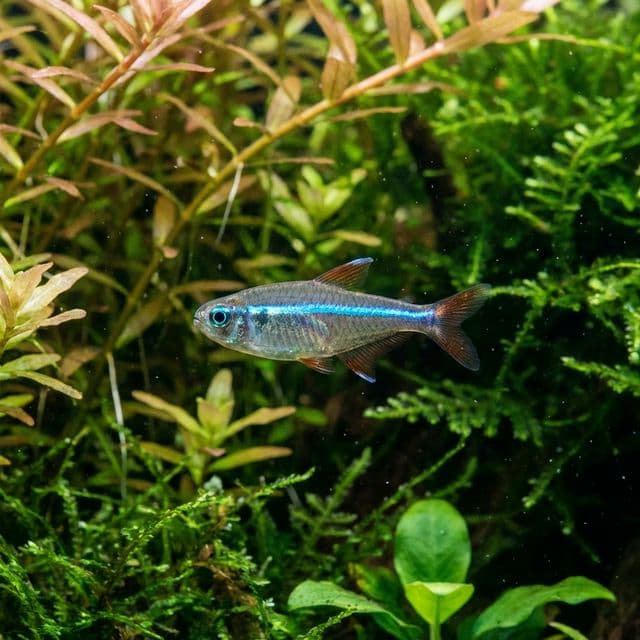
When selecting tank mates for Rosy Tetras, it is crucial to choose species that share similar care requirements and temperaments. Ideal companions include small to medium-sized fish such as Neon Tetras, Corydoras Catfish, Guppies, and other peaceful community fish. Avoid aggressive or fin-nipping species, such as cichlids and larger barbs, as these can stress the Rosy Tetras and disrupt the harmony of the aquarium.
It is advisable to avoid species that are fast-moving and territorial, as these can intimidate the Rosy Tetra, potentially leading to a decline in their overall health. Striking a balance between compatible species will further enhance the visual appeal and dynamics of the aquarium, allowing each fish to thrive in a collaborative environment.
Breeding
Breeding Rosy Tetras in captivity can be relatively straightforward, given the proper conditions are established. They are egg-scatterers, meaning that they will release their eggs into the water for fertilization. To encourage breeding, a separate breeding tank of about 10 gallons is recommended, filled with soft, slightly acidic water (pH of 6.0 to 6.5) and a temperature around 75°F to 78°F (24°C to 26°C). A spawning medium such as fine-leaved plants or a spawning mop will also provide suitable surfaces for egg deposition.
Once the breeding pair has spawned, it is essential to remove them shortly after fertilization, as they may eat their eggs. The eggs will typically hatch within 24 to 36 hours, with the fry free-swimming in about 3 to 5 days. Fry should be fed on infusoria or liquid fry food until they grow large enough for finely crushed flakes and brine shrimp. Keeping a stable environment in terms of water conditions and regular feeding will significantly increase the chances of healthy fry development.
Common Health Issues
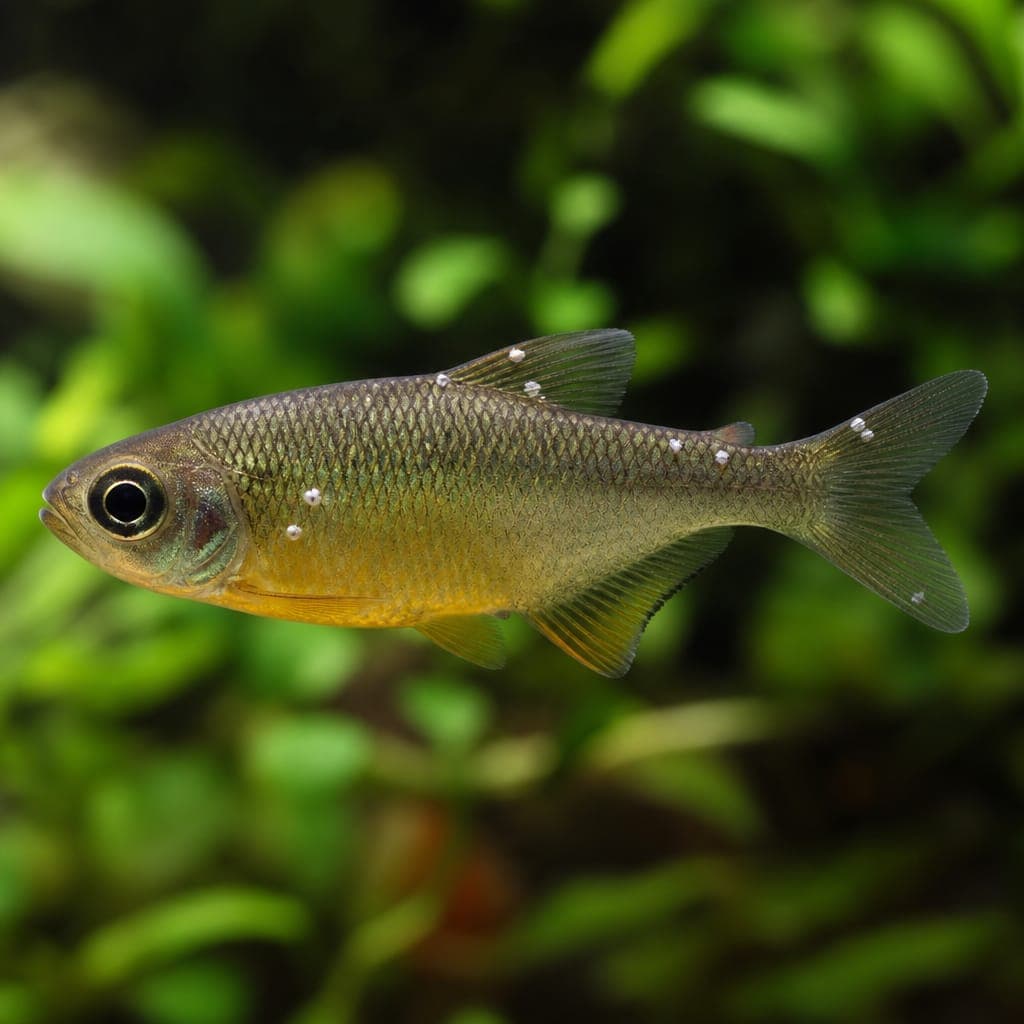
Although Rosy Tetras are generally resilient, they can be prone to a few common health issues, primarily related to poor water quality and stress. Diseases such as Ich (white spot disease), fin rot, and bacterial infections can affect individuals, particularly if they are not kept in optimal conditions. To prevent these ailments, it is essential to maintain water quality with regular testing and adjustments as needed, along with frequent water changes of 10-20% weekly.
Providing a balanced diet and escaping overcrowding in the aquarium can also enhance their overall health and resistance to disease. Early observation of clamped fins, faded color, or unusual swimming helps catch problems before they spread through the school.