Royal Pencil Wrasse
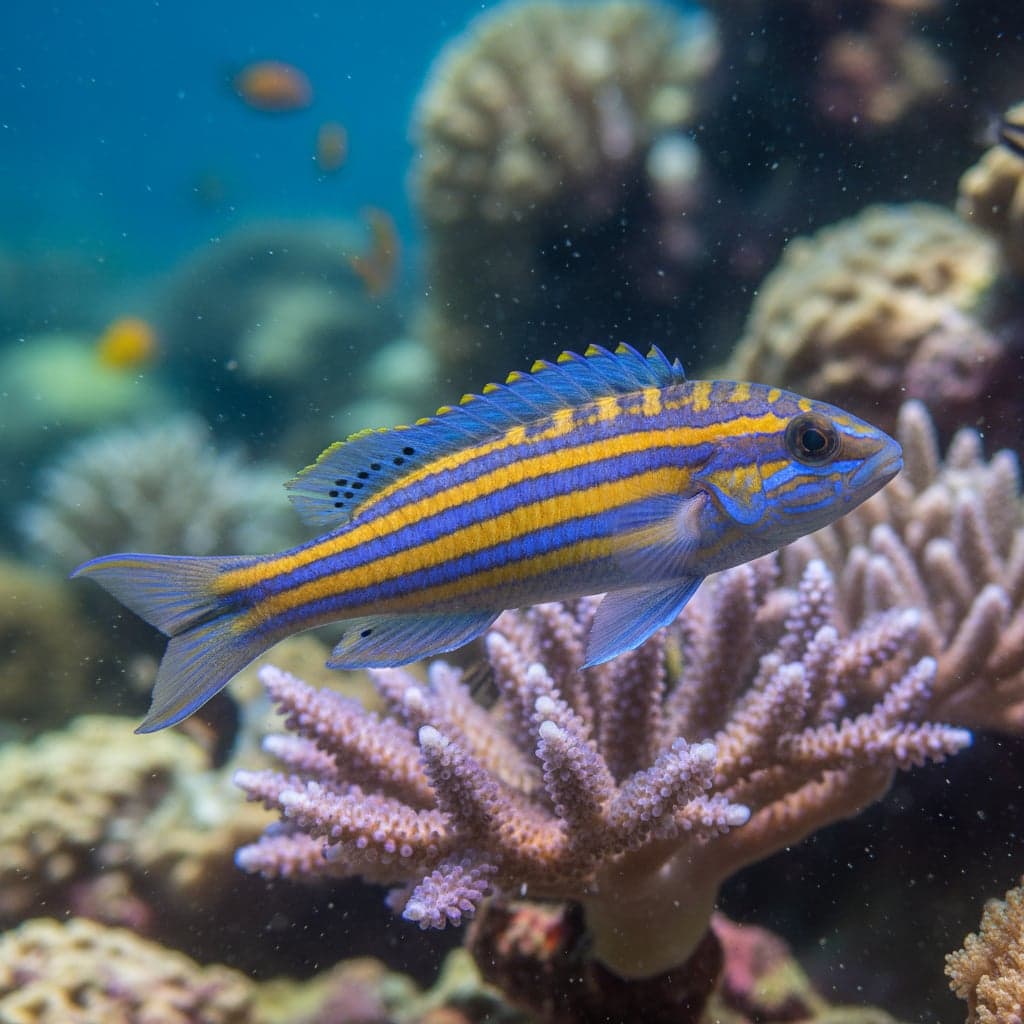
A 12cm wrasse with a spectacular terminal-phase male. Needs a sand bed to sleep in, a sealed lid, and a peaceful tank.
Royal Pencil Wrasse
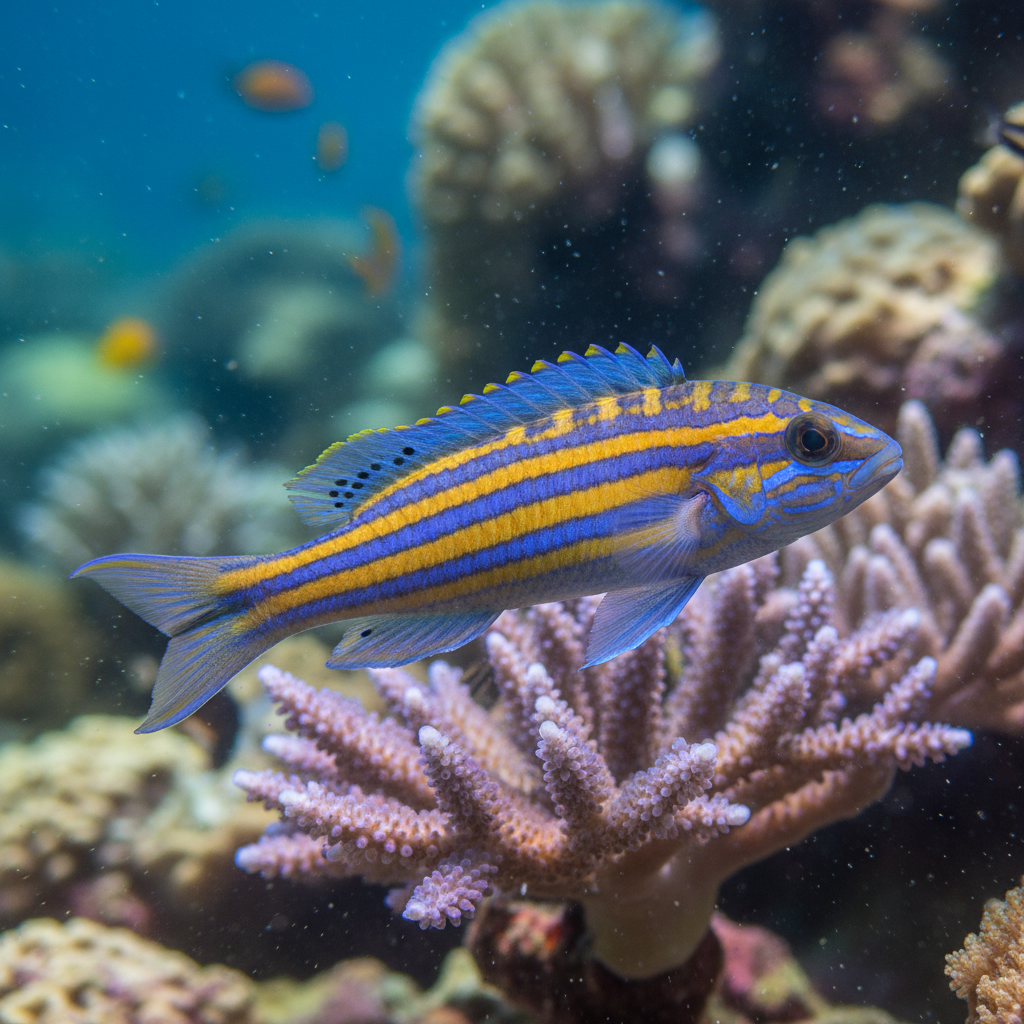
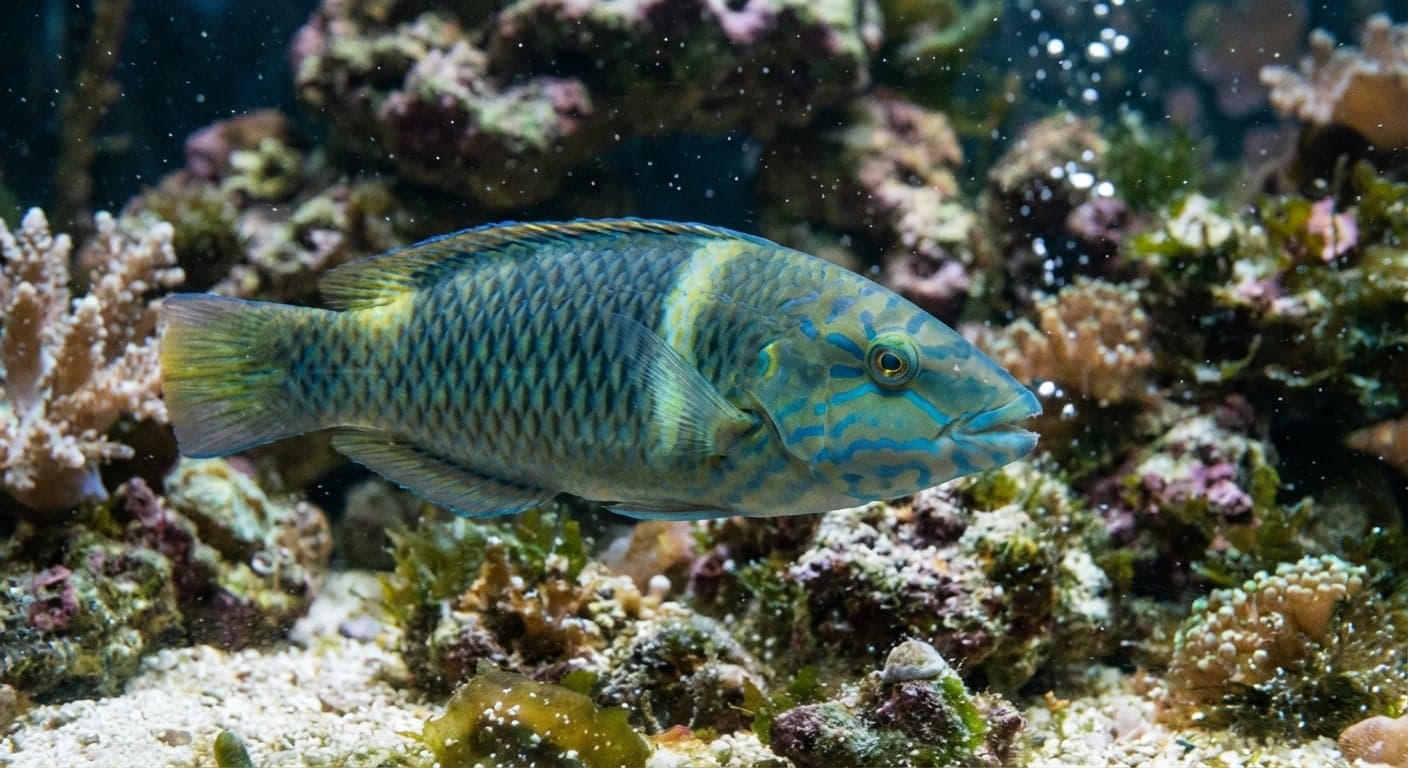
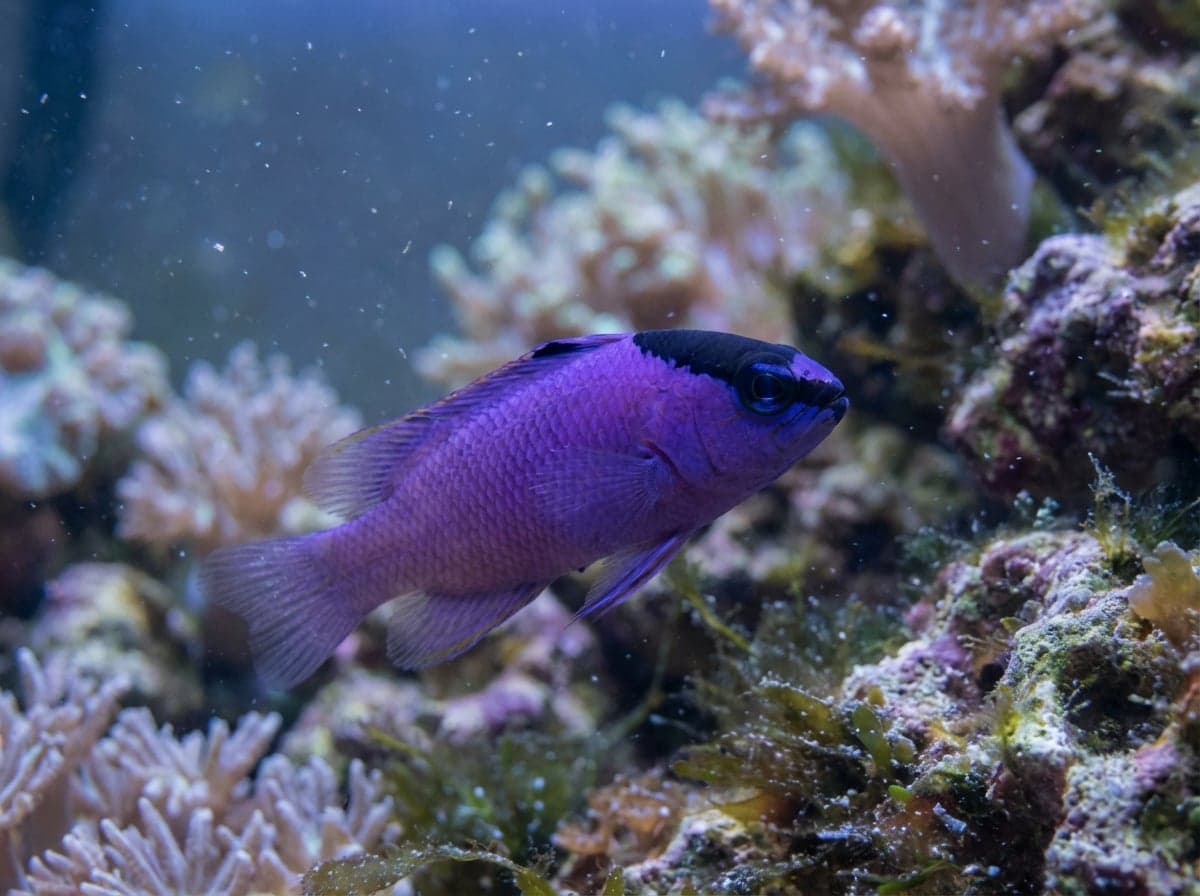
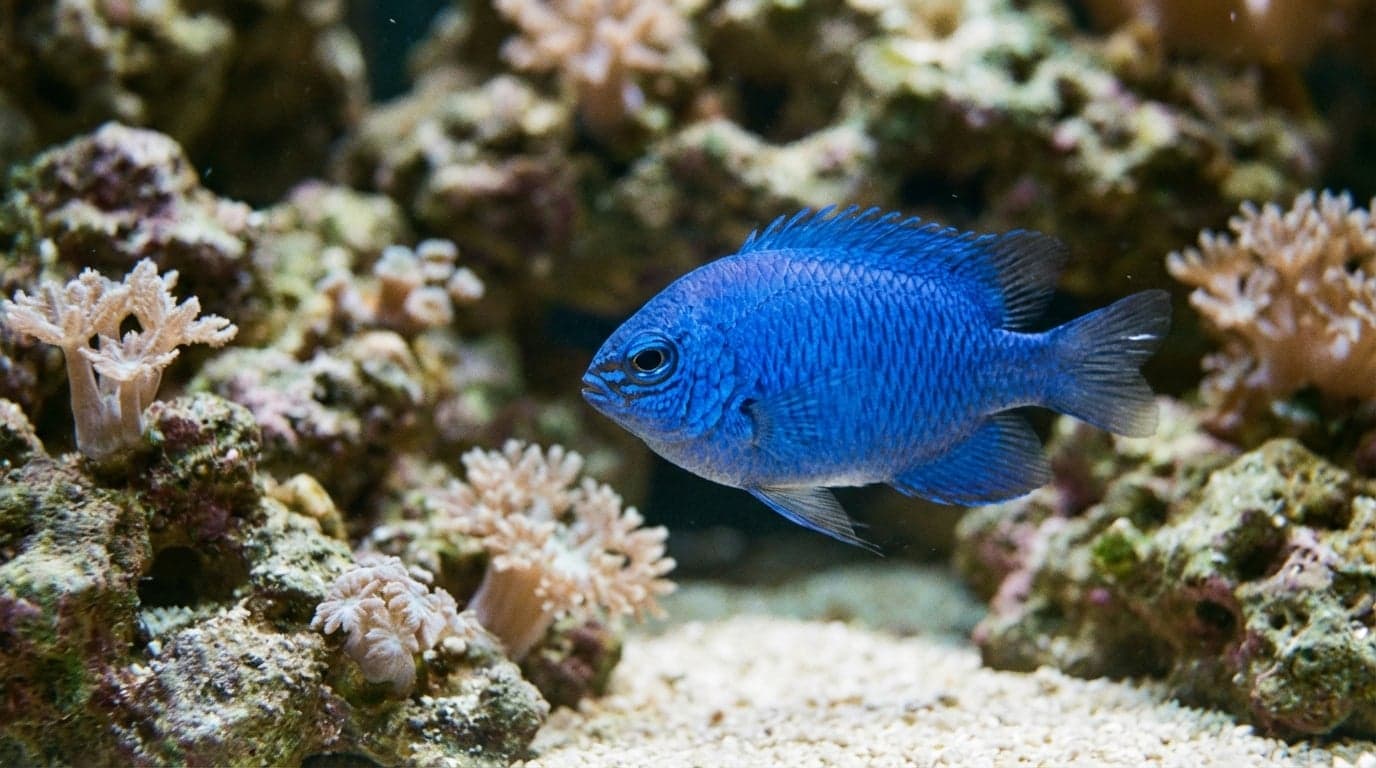
The Royal Pencil Wrasse, scientifically known as Pseudocheilinus sp., is a captivating marine fish renowned for its striking appearance and dynamic behavior in the aquarium. With a slender, elongated body, its vivid coloration—often featuring shades of blue, red, and yellow—makes it a popular choice among aquarists seeking to enhance the visual appeal of their marine setups. The enchanting patterns displayed on their bodies not only serve as a feast for the eyes but also help them blend into their natural habitat, where they often inhabit vibrant coral reefs. As a species, the Royal Pencil Wrasse holds significant value in the aquarium hobby, not only for its beauty but also for its role in controlling pests on live rock and coral.
Beyond their aesthetic appeal, Royal Pencil Wrasses are remarkable for their unique behaviors, particularly their feeding habits. They are known to be active hunters, often scouring the substrate and reef environments in search of small invertebrates and pests. This natural behavior contributes to the ecological balance of the aquarium, making them an appealing choice for aquarists who appreciate a species that is both beautiful and beneficial. Their vibrant colors and lively nature make them a centerpiece in marine tanks, and as they engage in their usual activities, they continually attract the attention of observers, thereby enhancing the experience of keeping marine life.
Natural Habitat & Origin
The Royal Pencil Wrasse is native to the warm waters of the Indo-Pacific, primarily found in regions such as the Red Sea, Hawaiian Islands, and parts of the Great Barrier Reef. This species inhabits shallow coral reefs and sandy substrates, where they thrive in environments rich with aquatic biodiversity. Typically residing in clear, warm waters, they are comfortable at depths ranging from 1 to 20 meters, often seeking refuge among rocks and corals, which provide both shelter and hunting grounds for small invertebrates. The ecological importance of their habitat ensures that they maintain a symbiotic relationship with the delicate environment of coral reefs, underscoring their significance as both a resident species and a collector’s gem in the aquarium hobby.
Primarily found in areas with ample light penetration, the Royal Pencil Wrasse favors locations that support coral growth and diverse marine life. The substrate of their natural habitat comprises sandy to rocky bottoms, often complemented by patches of seagrass or coral formations. The clear waters in these regions contribute to high visibility, allowing these fish to effectively hunt for prey as they utilize their remarkable color patterns to remain camouflaged against predators. Their coupling of beauty and function within an ecosystem makes them a fascinating subject of study for marine biologists and aquarists alike.
Care Requirements
To ensure the health and vitality of the Royal Pencil Wrasse, maintaining optimal water parameters is crucial. Ideally, the pH should be kept between 8.1 and 8.4, with a temperature range of 75°F to 82°F (24°C to 28°C), and a specific gravity of 1.020 to 1.025. The water hardness should be moderate, around 8 to 12 dGH, to mimic its natural environment. When establishing a tank setup, a minimum size of 50 gallons is recommended to provide ample swimming space and territories.
In terms of substrate, a fine sand or coral sand bottom is ideal, as it allows the Royal Pencil Wrasse to sift through for food while also replicating their natural habitat. Lighting should be moderate to bright, as this helps support coral growth and enhances the visual appeal of the tank environment. Incorporating live rock and suitable hiding spots, along with gentle water flow, fosters a more natural and stimulating setting. Additionally, plants or macroalgae can be added to facilitate a balanced ecosystem, promoting oxygenation and offering refuge for this lively species.
Diet & Feeding
The Royal Pencil Wrasse is classified as a carnivorous fish, primarily feeding on small invertebrates, such as amphipods, brine shrimp, and other meaty foods in their natural habitat. To maintain optimal health in an aquarium setting, a well-balanced diet should be provided, incorporating high-quality flakes, pellets, and frozen foods designed for carnivores. Live foods can also play an essential role in their diet, as they stimulate natural hunting behaviors and enhance nutritional intake.
To promote optimal wellness, it is advisable to feed the Royal Pencil Wrasse multiple times a day in small portions, which not only mimics their natural feeding habits but also prevents overfeeding and maintains water quality. Complementing their diet with occasional offerings of marine-based vegetables can promote digestive health and overall well-being. A varied diet therefore ensures that the Royal Pencil Wrasse remains vibrant and active, demonstrating the lively behavior that aquarists find so appealing.
Behavior & Temperament
The Royal Pencil Wrasse is known for its curious and active behavior, making it a dynamic addition to any marine aquarium. Typically a peaceful species, it enjoys exploring and hunting through live rock and sandy substrates. Royal Pencil Wrasses are generally social animals that thrive in the company of other fish but should ideally be kept in pairs or small groups to promote natural social behaviors. While they can exhibit territorial behavior, especially during feeding, they are not highly aggressive towards other tank inhabitants, provided the tank is adequately sized and structured.
Behaviorally, the Royal Pencil Wrasse tends to occupy the upper and middle water columns of the tank, often darting in and out of hiding spots as they search for food. Their active nature and preference for vertical swimming space mean they are best showcased in adequately spaced tanks with plenty of open water. However, it is essential to monitor their interactions with other fish, especially species that may be overly aggressive or larger than themselves, as this can lead to stress and erratic behavior.
Tank Mates
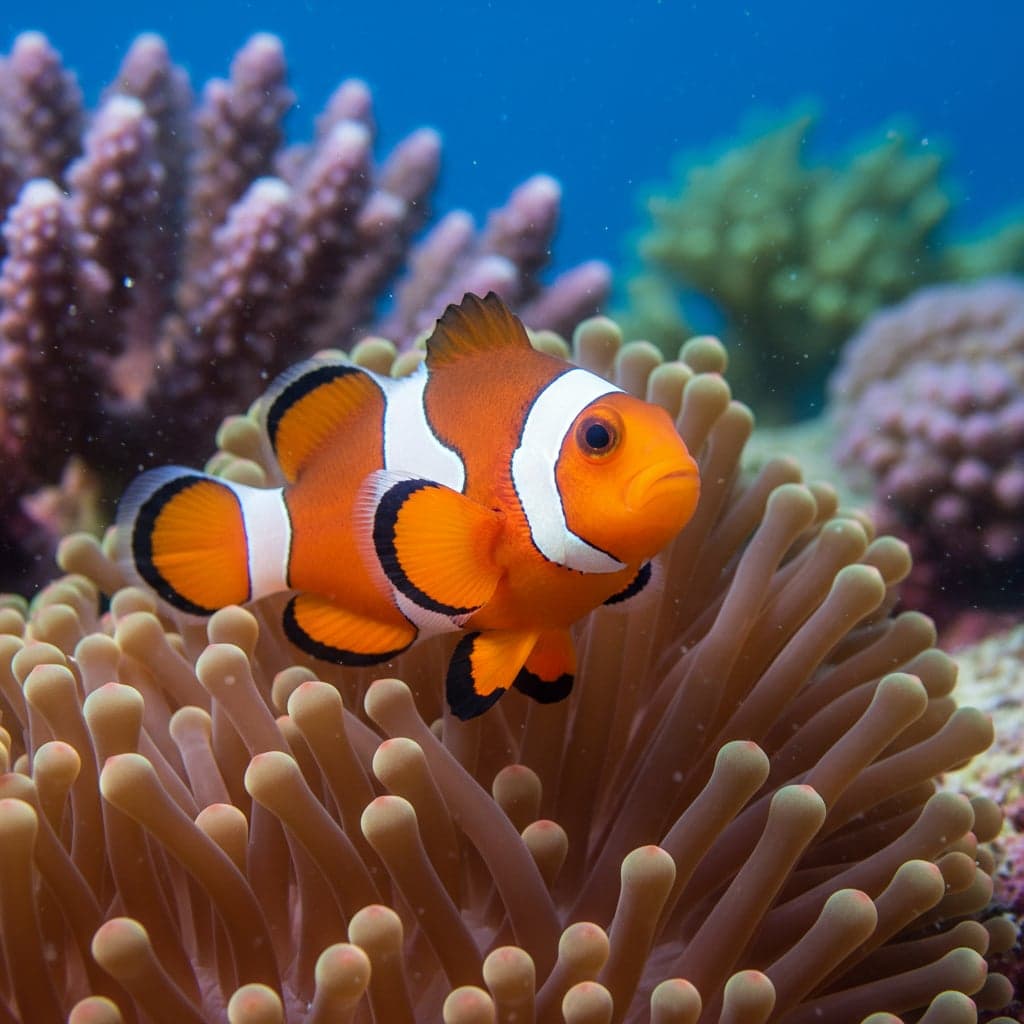
Choosing suitable tank mates for the Royal Pencil Wrasse is key to maintaining a harmonious aquatic environment. Compatible species include peaceful reef fish such as clownfish, gobies, blennies, and small wrasses that share similar care requirements. In a community tank setting, it is beneficial to keep the Royal Pencil Wrasse with other small to medium-sized fish that do not pose a threat, allowing for a vibrant, active tank environment.
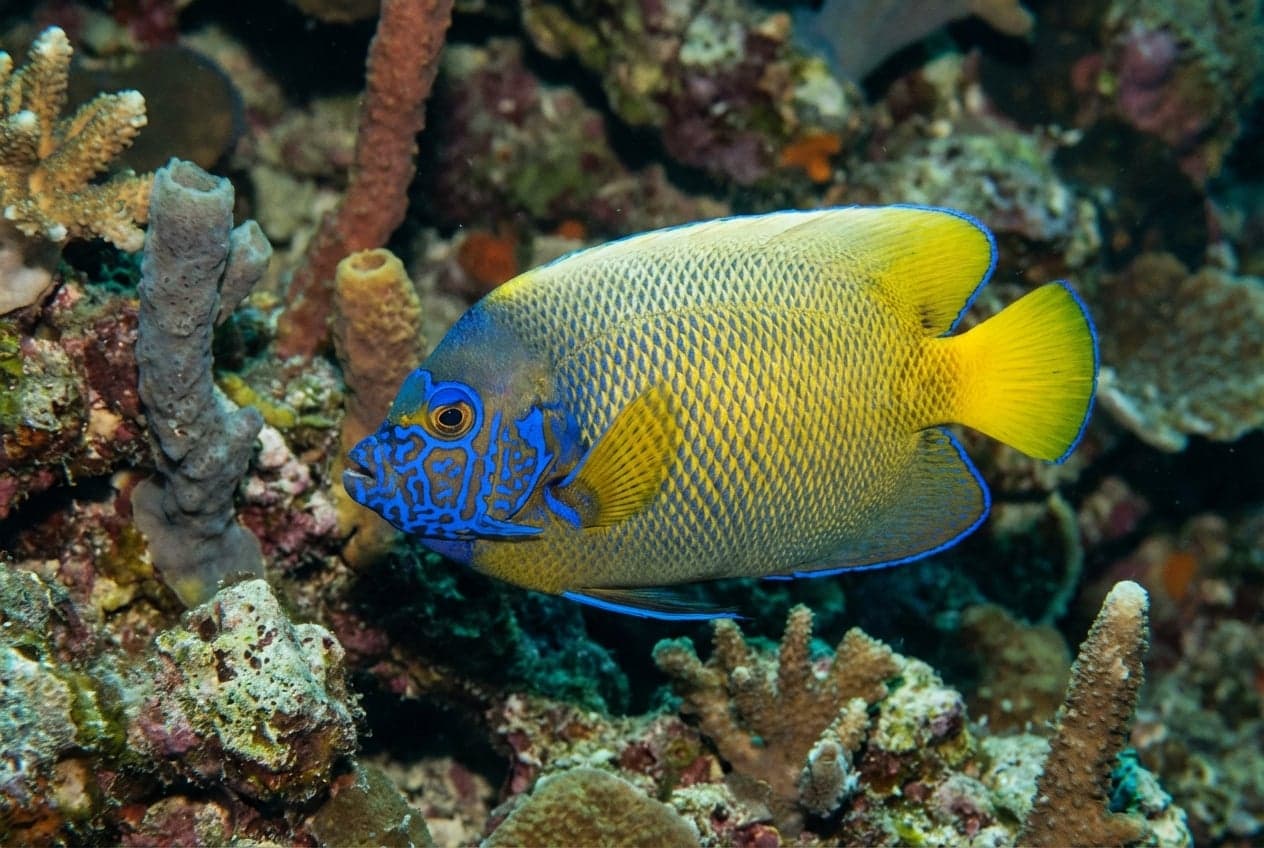
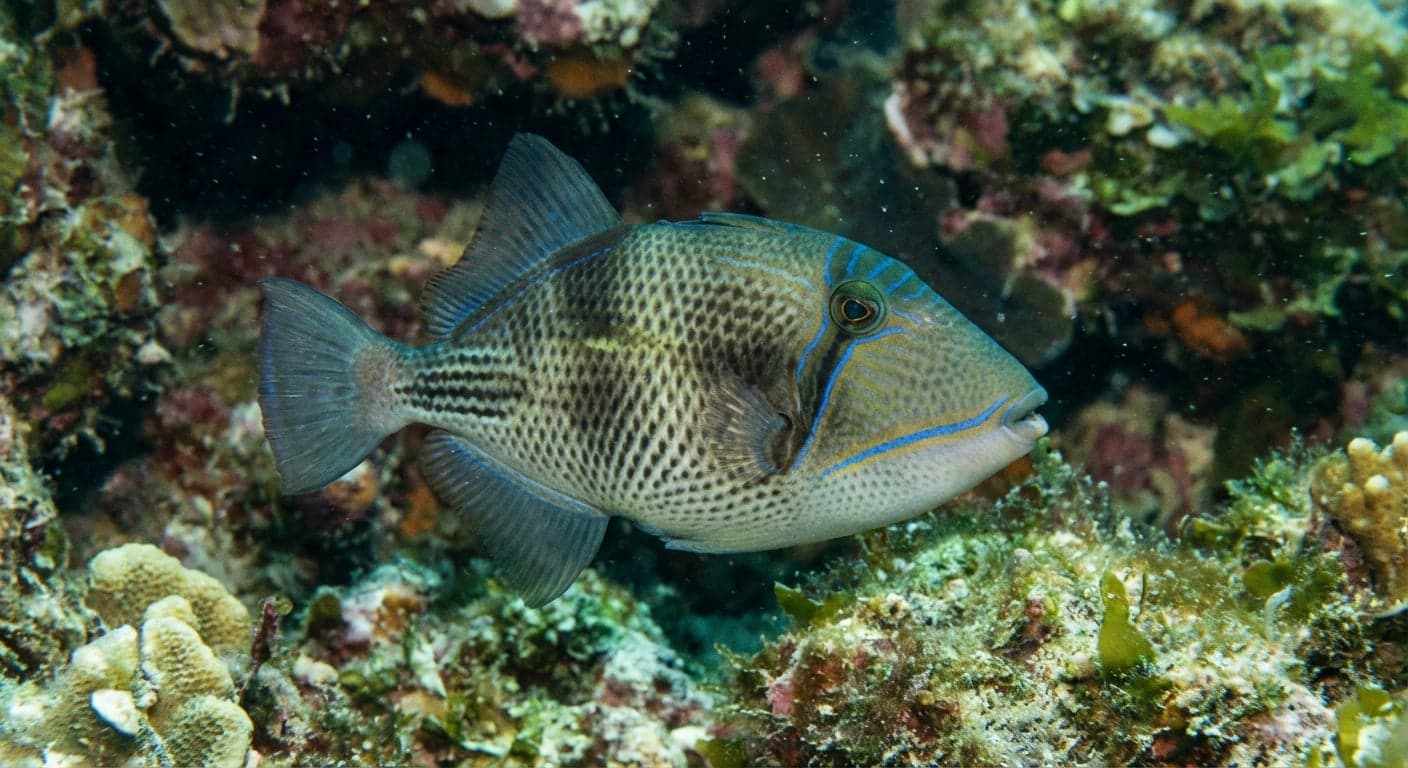
However, certain species should be avoided to prevent aggression or stress. Larger and more aggressive fish, such as lionfish, triggerfish, or large angelfish, can pose a threat to the Royal Pencil Wrasse’s well-being. Additionally, tank mates that compete for the same food sources or occupy similar niches may lead to territorial disputes. Careful selection of tank inhabitants is essential for a balanced community, ensuring a thriving tank ecosystem that allows the Royal Pencil Wrasse to flourish.
Breeding
Breeding Royal Pencil Wrasses in captivity is a complex endeavor, as little is known about their specific reproductive behavior outside of their natural habitat. They are known to be egg-scatterers, with females releasing fertilized eggs into the water column during spawning. Successful breeding typically requires a well-maintained tank that replicates their natural environments, such as stable water parameters, ample hiding spots, and sufficient open swimming space.
To encourage breeding, maintaining a ratio of one male to multiple females can enhance the likelihood of spawning occurrences. Providing high-quality foods and maintaining pristine water conditions will additionally support the overall health of the breeding pair. Spawning usually occurs during the early morning hours, and while it may take time to achieve, successful breeding can lead to free-swimming larvae that require specialized rearing conditions rarely practical in home aquaria. Most hobbyists therefore focus on long-term adult care rather than captive propagation.
Common Health Issues
Royal Pencil Wrasses can be prone to marine ich, velvet, and bacterial infections when water quality slips or new arrivals are introduced without quarantine. Stable salinity, regular water changes, and a varied diet support immunity. Watch for scratching, faded color, or rapid breathing, and treat promptly with reef-safe or fish-only appropriate medications as needed.