Royal Plec L190: Panaque nigrolineatus
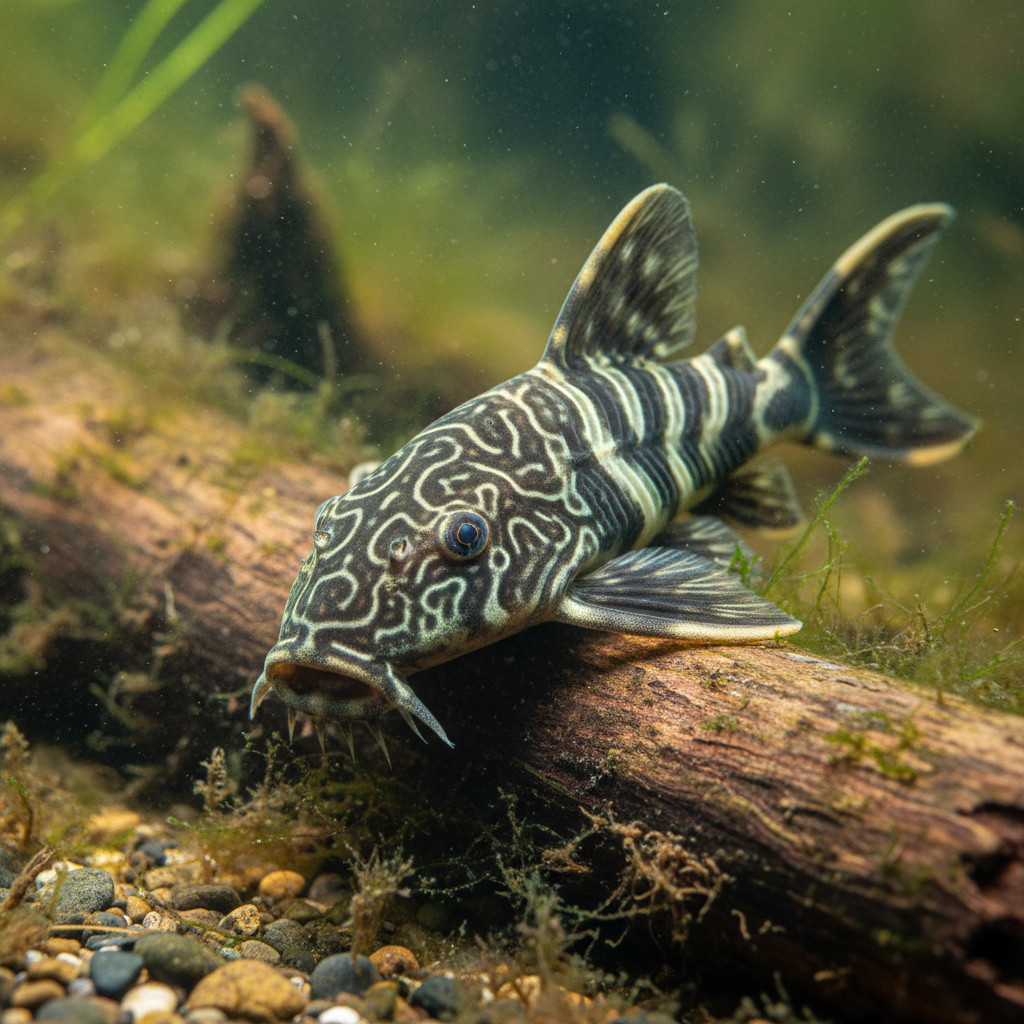
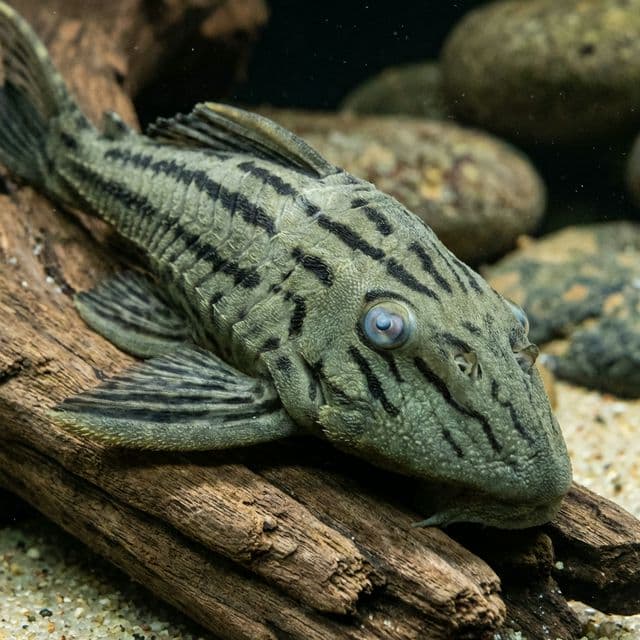
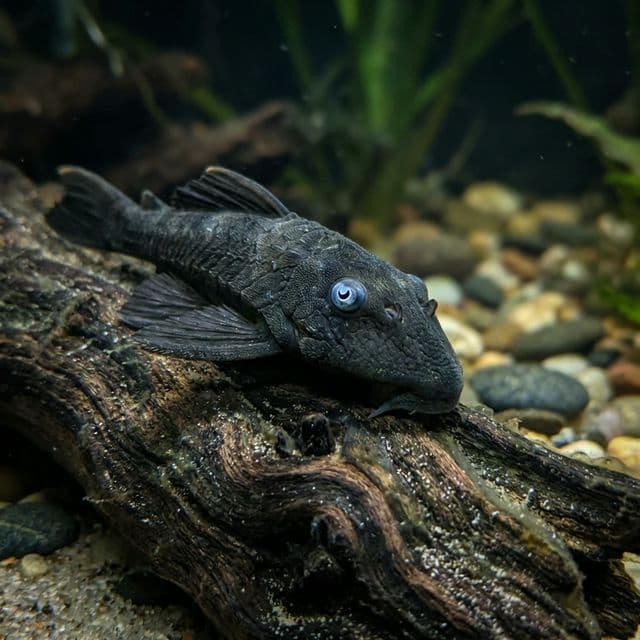
A spectacularly massive, completely prehistoric, wood-eating monster featuring intense grey horizontal stripes and glowing red eyes.
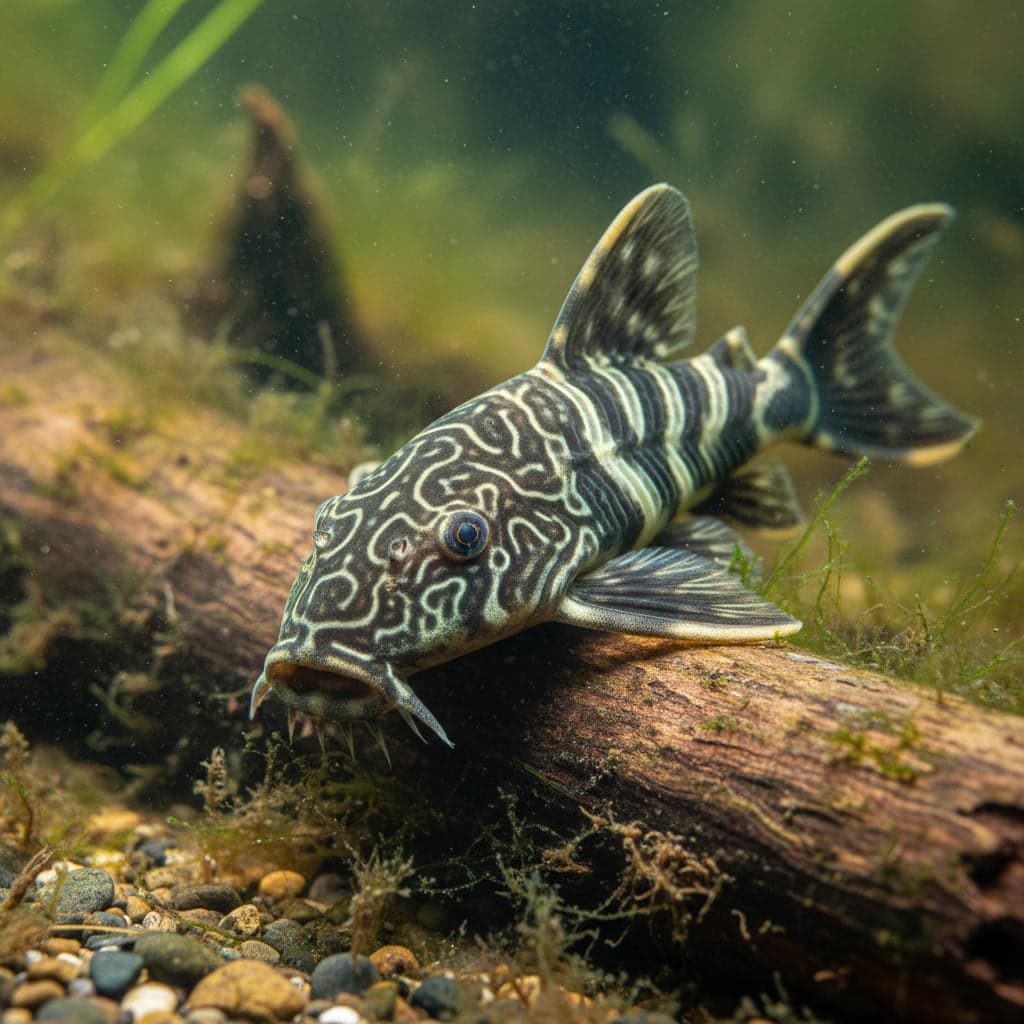
Royal Plec L190
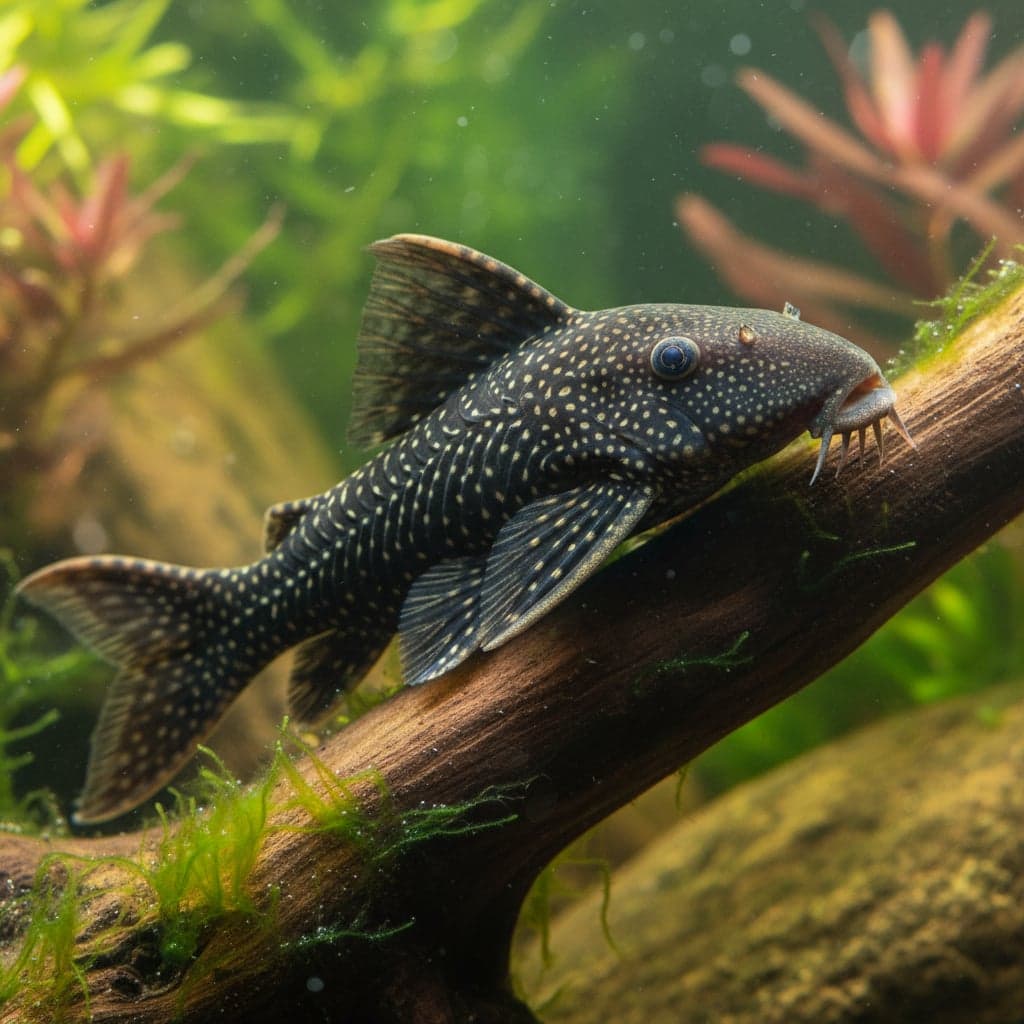
The Royal Plec L190, scientifically known as Panaque nigrolineatus, is a captivating species of freshwater fish that is highly prized by aquarists worldwide. This fish showcases a stunning pattern of dark, contrasting lines on a light brown to yellowish background, creating an eye-catching appearance that adds visual interest to any aquarium. The Royal Plec is not only appreciated for its beauty but also for its unique behaviors and ecological roles within a community tank. Unlike many popular aquarium species, the Royal Plec tends to have a more gentle nature, making it an excellent choice for novice and experienced aquarists alike.
In the aquarium hobby, the Royal Plec L190 symbolizes a blend of elegance and resilience. Its robust physique can reach lengths of up to 12 inches, so proper space and care are vital for its health and wellbeing. Known as an algae-eater, its presence helps maintain the cleanliness of the aquarium by consuming excess algae. The Royal Plec is not just another ornamental fish; it plays an essential role in freshwater ecosystems and provides great opportunities for hobbyists to observe natural behaviors such as wood chewing, which aids in the fish's digestive process.
Natural Habitat & Origin
The Royal Plec L190 originates from the Amazon Basin in South America, specifically found in regions of Brazil and Peru. Its natural habitat consists primarily of slow-moving rivers, streams, and tributaries, often characterized by their dark, nutrient-rich waters. These blackwater environments are typically stained by the decomposition of organic matter, which affects light penetration and water chemistry. The Royal Plec is well-adapted to these specific conditions, thriving in waters with low visibility and high organic matter content.
In terms of environmental context, the Royal Plec prefers areas with submerged roots, driftwood, and rocky structures where it can find shelter and feeding opportunities. These habitats provide both food sources, such as biofilm and decaying plant matter, as well as places to hide from potential predators. The warm temperature of the water, which typically ranges from 75°F to 82°F (24°C to 28°C), coupled with a slightly acidic pH of 5.5 to 7.0, creates an ideal environment for the Royal Plec.
Care Requirements
To successfully keep a Royal Plec L190, it's essential to replicate its natural environment as closely as possible. A minimum tank size of 75 gallons is recommended for this species, given its potential size and the bioload it may create. The substrate should be soft, such as sand or fine gravel, which allows the fish to thrive without injury while foraging. Providing ample hiding spots with driftwood, caves, and dense foliage will create a suitable habitat and promote a sense of security for the Royal Plec.
Water parameters are crucial for keeping the Royal Plec healthy. The ideal pH level should range between 6.0 and 7.5, with a hardness of 2-15 dGH. A stable temperature of 75°F to 82°F (24°C to 28°C) is essential for the fish's comfort. Lighting should be subdued to mimic the low-light conditions of its natural habitat, with floating plants or tall vegetation utilized to diffuse brightness and provide hiding spots. Regular maintenance of water quality, including partial water changes and monitoring ammonia levels, will ensure the Royal Plec can flourish in a home aquarium.
Diet & Feeding
In the wild, the Royal Plec L190 is primarily an herbivore, feeding on algae, biofilm, and decomposing plant matter. However, it's also an opportunistic feeder and can benefit from a varied diet. In captivity, it is essential to provide high-quality sinking pellets or wafers designed for herbivorous fish. These contain necessary nutrients for promoting optimal growth and health.
Supplementing their diet with blanched vegetables, such as zucchini, cucumbers, and spinach, can encourage natural grazing behaviors and provide essential vitamins. Offering food such as spirulina flakes and occasional protein-rich options like frozen or live brine shrimp will support overall nutritional balance. It's important to avoid overfeeding, as the Royal Plec's tendency to graze continuously can lead to obesity and related health issues.
Behavior & Temperament
The Royal Plec L190 is known for its placid temperament and can generally be kept peacefully in community tanks. Although it is not a schooling fish, it is best maintained as a solitary individual or in pairs, as it can exhibit territorial tendencies, especially during breeding seasons. The Royal Plec is primarily a bottom-dweller, often found resting on the substrate or clinging to surfaces such as driftwood.
Though not aggressive, the Royal Plec will establish a hierarchy with other bottom-dwelling species in the tank, particularly if space is limited. Because it predominantly inhabits lower levels of the aquarium, ensuring ample vertical space for upward swimming species can alleviate any potential competition for territory and promote a harmonious community.
Tank Mates
When selecting compatible tank mates for the Royal Plec L190, consider species that share similar water requirements and temperaments. Ideal companions include rainbowfish, tetras, danios, and peaceful cichlids such as apistogrammas or rams. These species not only coexist well but also utilize various levels of the aquarium, minimizing competition.
It’s crucial to avoid keeping the Royal Plec with overly aggressive fish or those that occupy the same ecological niche, such as other large plecos or aggressive cichlids like oscars and jaguar cichlids. Additionally, steer clear of smaller species like guppies or neon tetras, which could be intimidated by the plec's size or feeding habits. By carefully choosing tank mates that display a calm demeanor and occupy different regions of the tank, the Royal Plec can thrive in a community setup.
Breeding
Breeding the Royal Plec L190 in captivity can be challenging, as it requires specific conditions to encourage spawning. This species is cave-spawning and will typically lay eggs in hidden retreat spaces, such as caves made from PVC pipes or aquatic decorations that mimic its natural habitat. To promote successful breeding, the water quality should be pristine, with steady parameters maintained at a slightly elevated temperature around 80°F (27°C).
Male Royal Plecs are generally more territorial and will engage in courtship displays to attract females. During the spawning process, the male guards the eggs, which can number in the hundreds, providing oxygenation and protection from potential threats. After hatching, the fry will remain hidden among the substrate and plant material until they are strong enough to emerge. Providing additional food options with infusoria or finely crushed sinking pellets will support the fry's growth during this critical early period.
Common Health Issues
The Royal Plec L190, while generally hardy, can be susceptible to some health issues if not maintained in optimal conditions. One of the most common ailments is ich, a parasitic infection that manifests as white spots on the fish's body and fins. Prevention is crucial, which can be achieved through regular water quality monitoring and proper tank maintenance.
Other health issues include mouth and body rot, often attributed to poor water quality or insufficient diet. It's essential to provide varied and nutritious foods to promote a healthy immune system. Additionally, keeping the aquarium free from excess waste and ensuring proper filtration will help prevent these conditions. Regular observation of the fish’s appetite, coloration, and swimming behavior will help catch problems early. Quarantine new arrivals and act promptly at the first sign of distress so the Royal Plec L190 stays healthy and active for years.