Rubber Plec: Chaetostoma formosae
A 18cm pleco that grazes algae and biofilm and prefers cooler, well- oxygenated water than most. Needs driftwood and a cave.
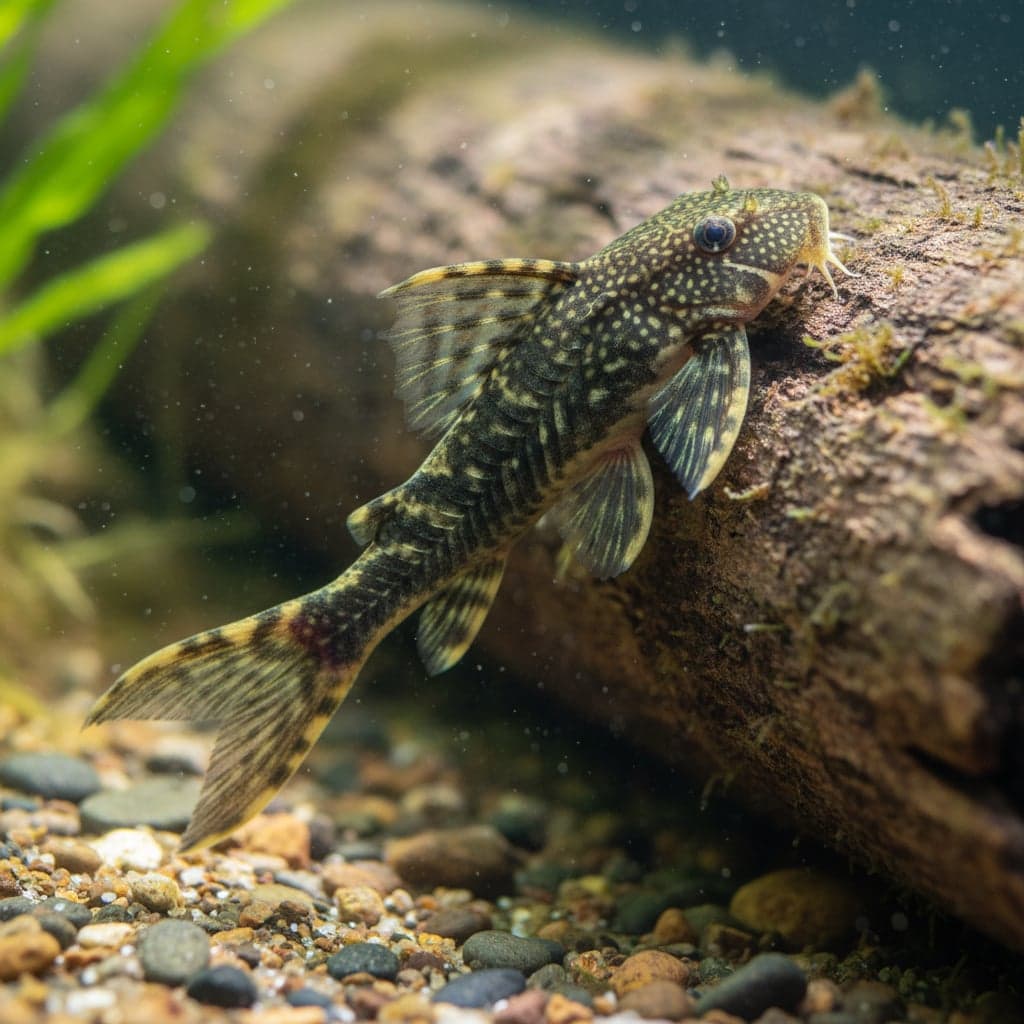
Rubber Plec
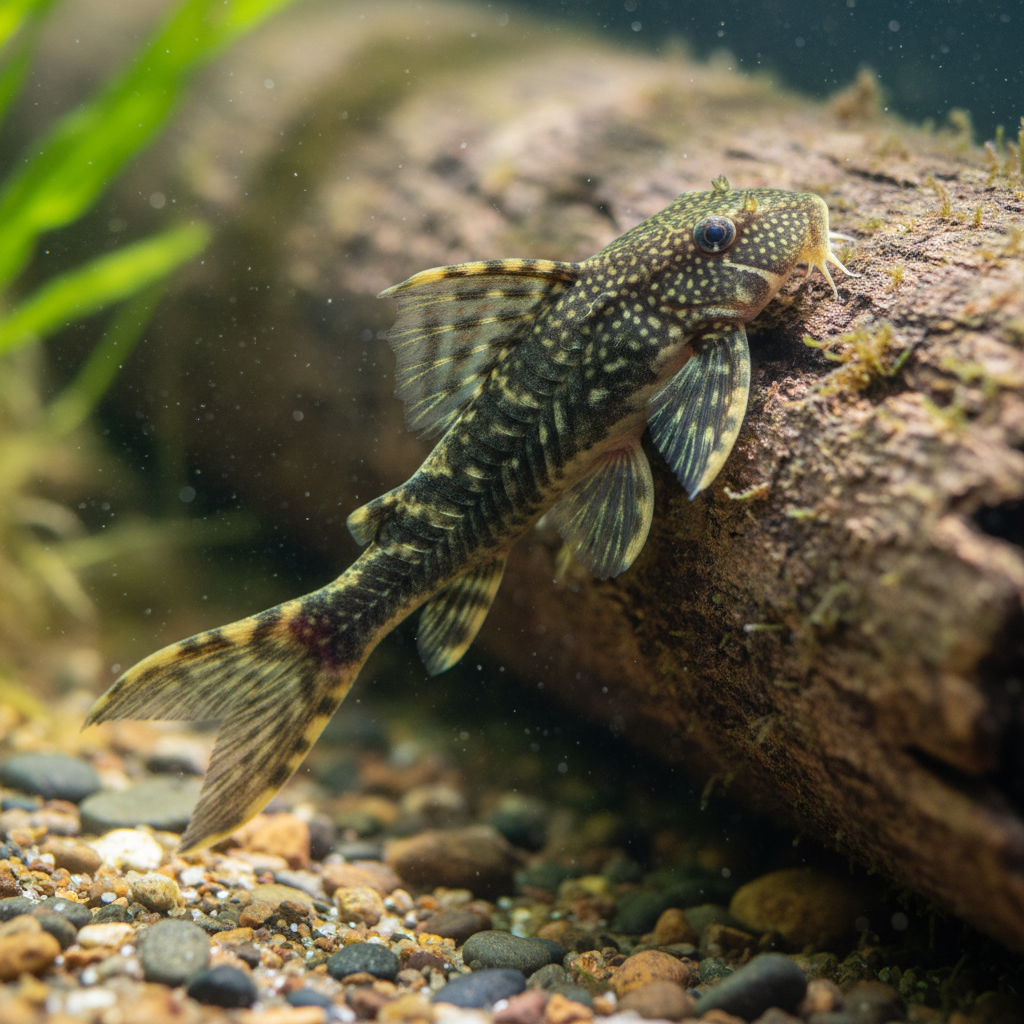
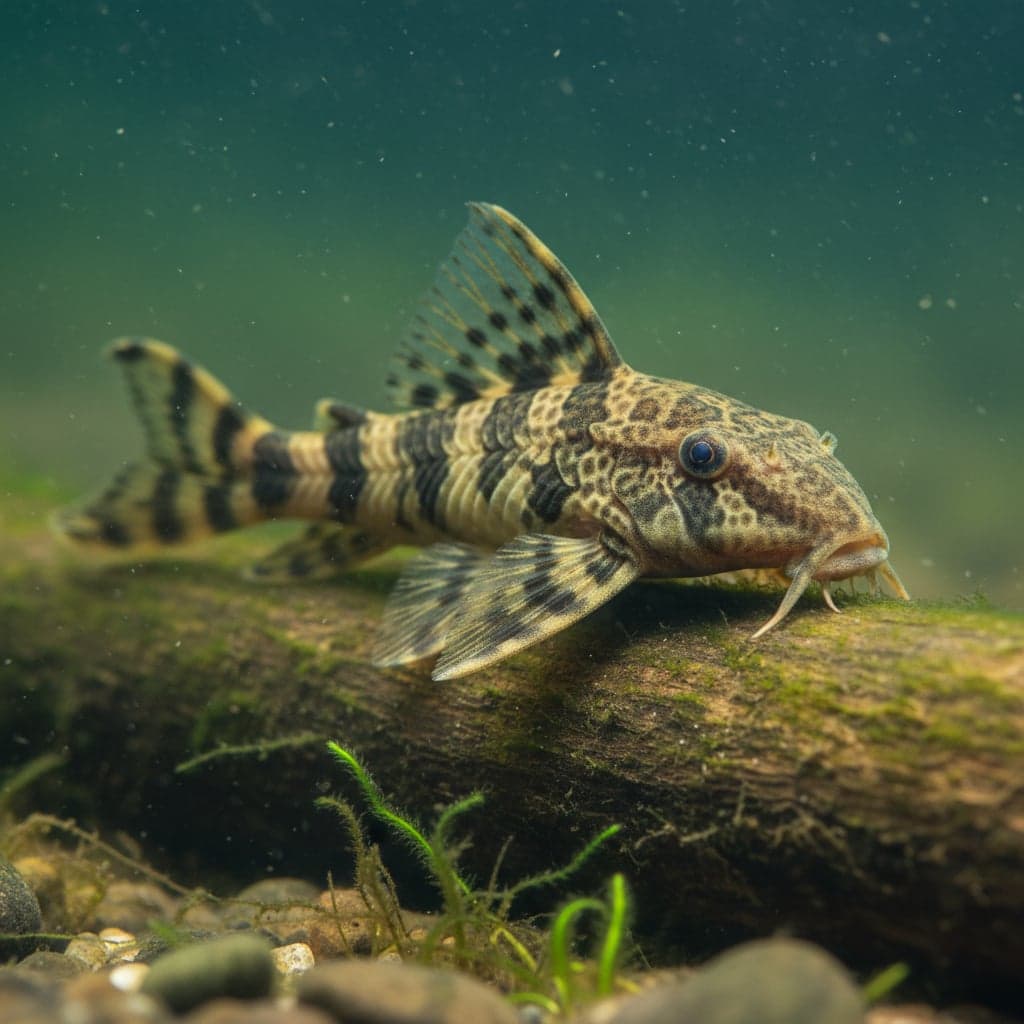
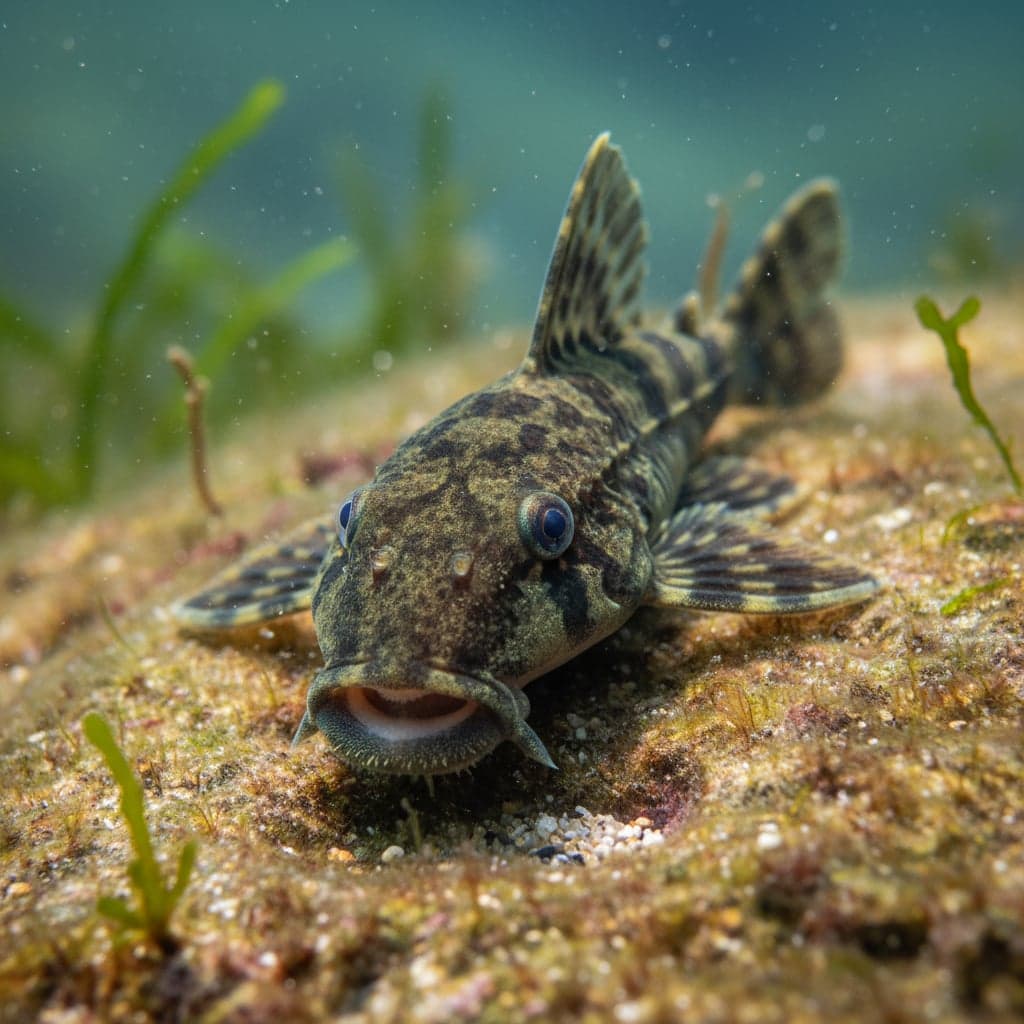
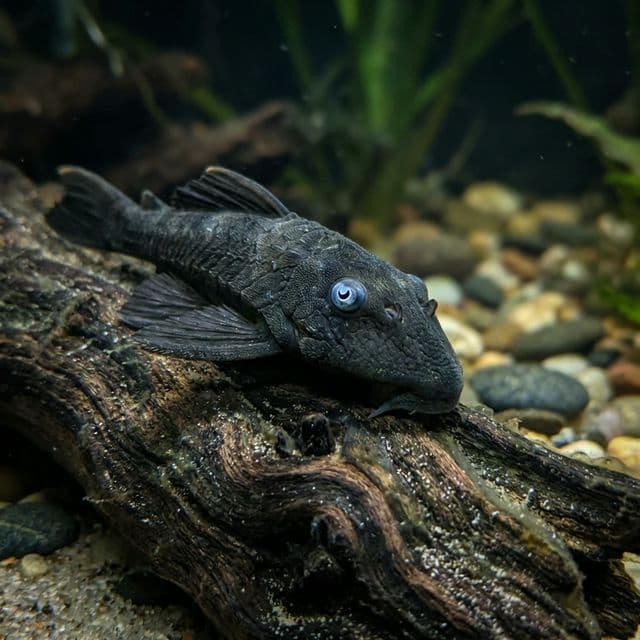
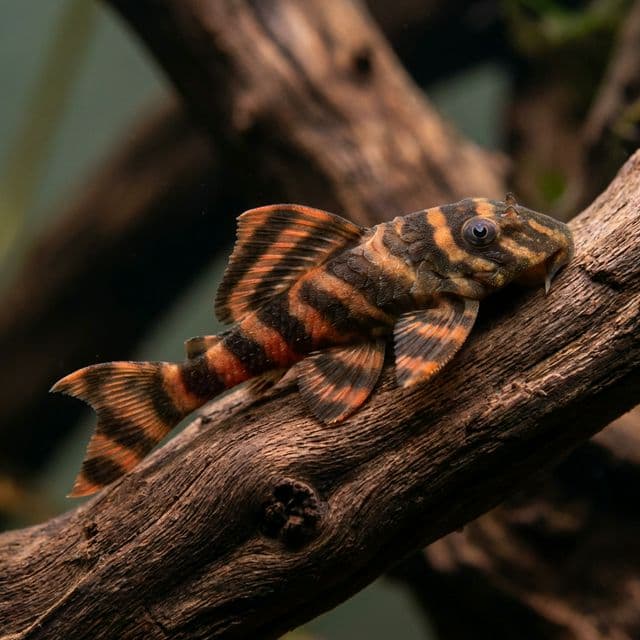
The Rubber Plec, scientifically known as Chaetostoma formosae, is a fascinating species of freshwater fish that belongs to the family Loricariidae. This species is particularly notable for its distinctive physical characteristics, which include a robust body covered with a thick, rubbery skin that appears almost textured or bumpy. Its coloration typically ranges from dark brown to olive-green, often adorned with small lighter spots that provide excellent camouflage in its natural habitat. The Rubber Plec's unique appearance not only adds aesthetic value to an aquarium but also makes it a favorite among hobbyists who appreciate its quirky charm and ability to engage in interesting behaviors.
In the aquarium hobby, the Rubber Plec holds significance for its role as an efficient algae eater. As a bottom-dwelling fish, it helps maintain good water quality by feeding on algae and detritus, which is particularly beneficial in community tanks. Its calm demeanor and nocturnal habits make it a suitable addition to many aquascapes, blending seamlessly into environments designed with caves, rocks, and driftwood. With proper care and attention, this species can thrive in captivity, allowing aquarists to enjoy both the beauty and ecological benefits it brings to their aquatic ecosystems.
Natural Habitat & Origin
The Rubber Plec is native to the freshwater rivers and streams of South America, particularly in the Amazon Basin, including regions in Peru and Ecuador. This species inhabits clear, fast-flowing waters that are rich in organic material, often found among rocky substrates and submerged wood. The waters in these regions can be characterized as slightly acidic to neutral, usually with a pH ranging from 6.0 to 7.5. The Rubber Plec prefers habitats with ample hiding spots, such as caves and crevices, which mimic its natural environment and provide security.
Due to its origins in these complex aquatic systems, the Rubber Plec has adapted to thrive in environments that offer plenty of oxygen and natural filtration from the fast-moving water. Understanding its natural habitat is crucial for aspiring aquarists, as it provides insights into the specific conditions necessary for maintaining its health and wellbeing in a home aquarium.
Care Requirements
To successfully care for a Rubber Plec, specific water parameters must be provided to emulate its natural habitat. The ideal water temperature ranges from 24°C to 28°C (75°F to 82°F), with a pH level ideally between 6.0 and 7.5. The hardness should be maintained between 2 to 15 dGH, as this species thrives in soft to moderately hard water. Additionally, regular water changes and proper filtration are essential for maintaining water quality and ensuring the health of the inhabitants.
Regarding tank setup, Rubber Plecs require a minimum tank size of 75 liters (20 gallons). A substrate of fine sand or smooth gravel is optimal, as it allows the fish to forage without injury. Incorporating driftwood, rocks, and caves into the tank design not only creates hiding spots that mimic their natural environment but also encourages natural behaviors. Lighting should be moderate to dim, as Rubber Plecs are primarily nocturnal; utilizing floating plants can help diffuse the light while providing a sense of security in the aquarium.
Diet & Feeding
As an omnivore, the Rubber Plec has a diverse diet that includes both plant and animal matter. In the wild, it scours the substrate for algae, fallen leaves, and detritus. In captivity, it is essential to replicate this varied diet by providing high-quality sinking pellets and flakes specifically designed for herbivores, which are enriched with spirulina and other vegetable ingredients. Additionally, occasional offerings of blanched vegetables, such as zucchini, cucumber, or spinach, can provide essential nutrients.
To promote health and vitality, it's recommended to supplement their diet with occasional protein sources, such as frozen or live foods like brine shrimp, bloodworms, or daphnia. Feeding should occur once or twice a day, with the amount adjusted according to the tank inhabitants to avoid overfeeding and water quality issues.
Behavior & Temperament
The Rubber Plec is known for its peaceful and mildly reclusive nature. This fish prefers to dwell on the substrate or among rocks and plants, often positioning itself vertically against surfaces, which is a natural trait for its foraging behavior. Although it is generally solitary, Rubber Plecs may show some degrees of social interaction with tank mates, particularly when there are ample hiding spaces.
While they are not aggressive, these fish can sometimes be territorial towards their own kind, particularly in tight spaces. It is best to keep them in groups of three or more if the tank size allows, which can help reduce any potential stress related to territoriality. Ideally, the Rubber Plec should be housed with peaceful community fish that occupy different levels within the aquarium.
Tank Mates
When selecting tank mates for the Rubber Plec, it is crucial to choose species that are also peaceful and non-aggressive to avoid stress and potential conflicts in the aquarium. Compatible tank mates include various species of tetras (such as Neon or Rummy Nose), rasboras, small cichlids like Apistogramma, and other bottom dwellers like Corydoras catfish and Otocinclus.
On the other hand, it is advisable to avoid housing Rubber Plecs with larger predatory fish, such as cichlids or larger characins, which may consider them prey. Similarly, avoid aggressive species that may nip at the Rubber Plec's fins or disturb its environment.
Breeding
Breeding Rubber Plecs in captivity can be a rewarding challenge, though it often requires specific conditions to stimulate spawning behavior. To initiate breeding, a slightly cooler water temperature in the range of 22°C to 25°C (72°F to 77°F) and increased water flow can mimic the onset of the rainy season in their natural habitat. This can trigger spawning activity.
The Rubber Plec is a cave spawner, meaning they prefer to lay their eggs in dark, sheltered areas. Providing several spawning caves or specially designed breeding caves will encourage this behavior. The female typically lays anywhere from 20 to 100 eggs, which the male will then fertilize and guard closely. After a few days, the eggs hatch, and the fry can be fed finely crushed flakes or powdered food until they grow large enough to handle larger foods.
Common Health Issues
The Rubber Plec can be susceptible to a variety of common freshwater fish diseases if not adequately cared for. Some of the major health concerns include ich (white spot disease), fin rot, and bacterial infections, often resulting from poor water quality or stress. Regular tank maintenance, including routine water changes, consistent filtration, and monitoring of water parameters, can significantly help in preventing these conditions.
Additionally, ensuring a balanced diet that meets their nutritional needs is vital for maintaining optimal health. Introducing any new tank mates or plants should also be done cautiously to avoid introducing potential pathogens. Keeping a close eye on your Rubber Plec for any signs of distress or illness will ensure a happy and healthy life for this unique species.