Sands' Cory: Corydoras sandsi
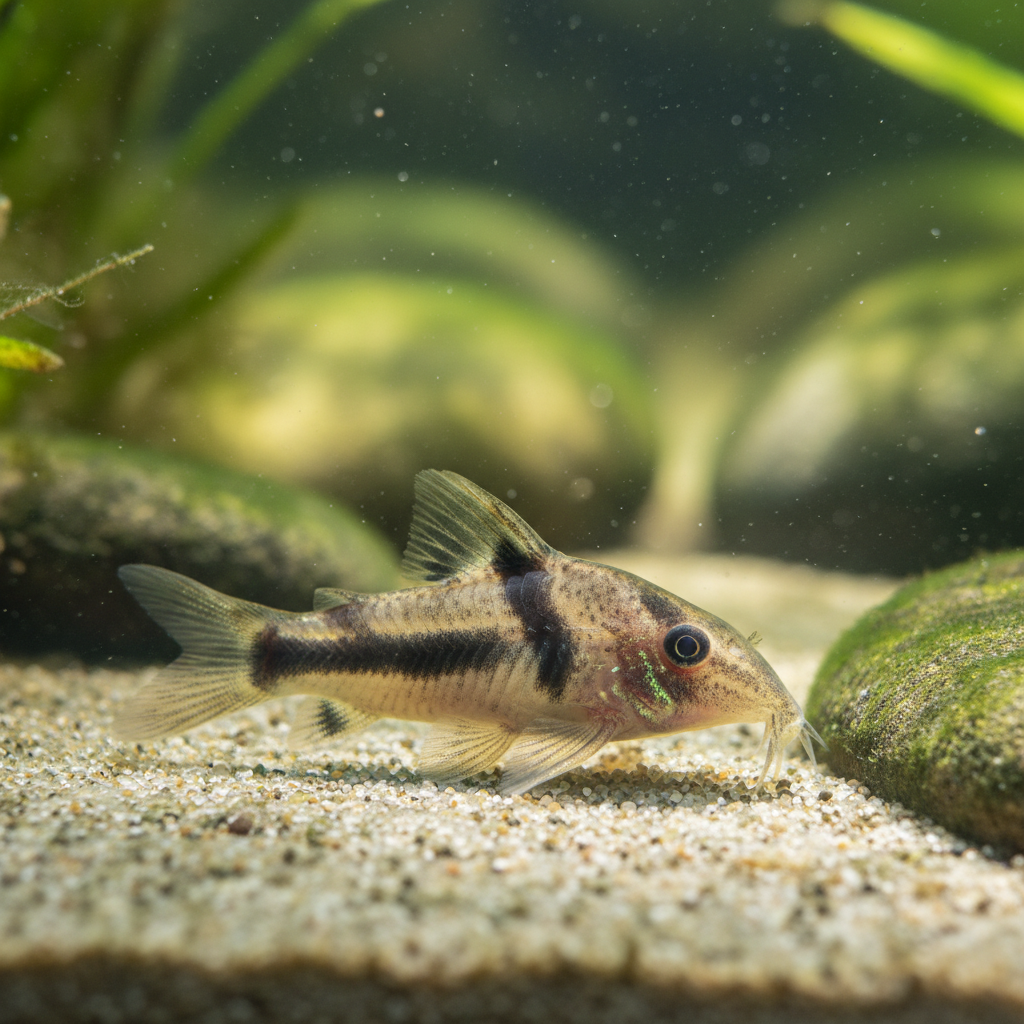
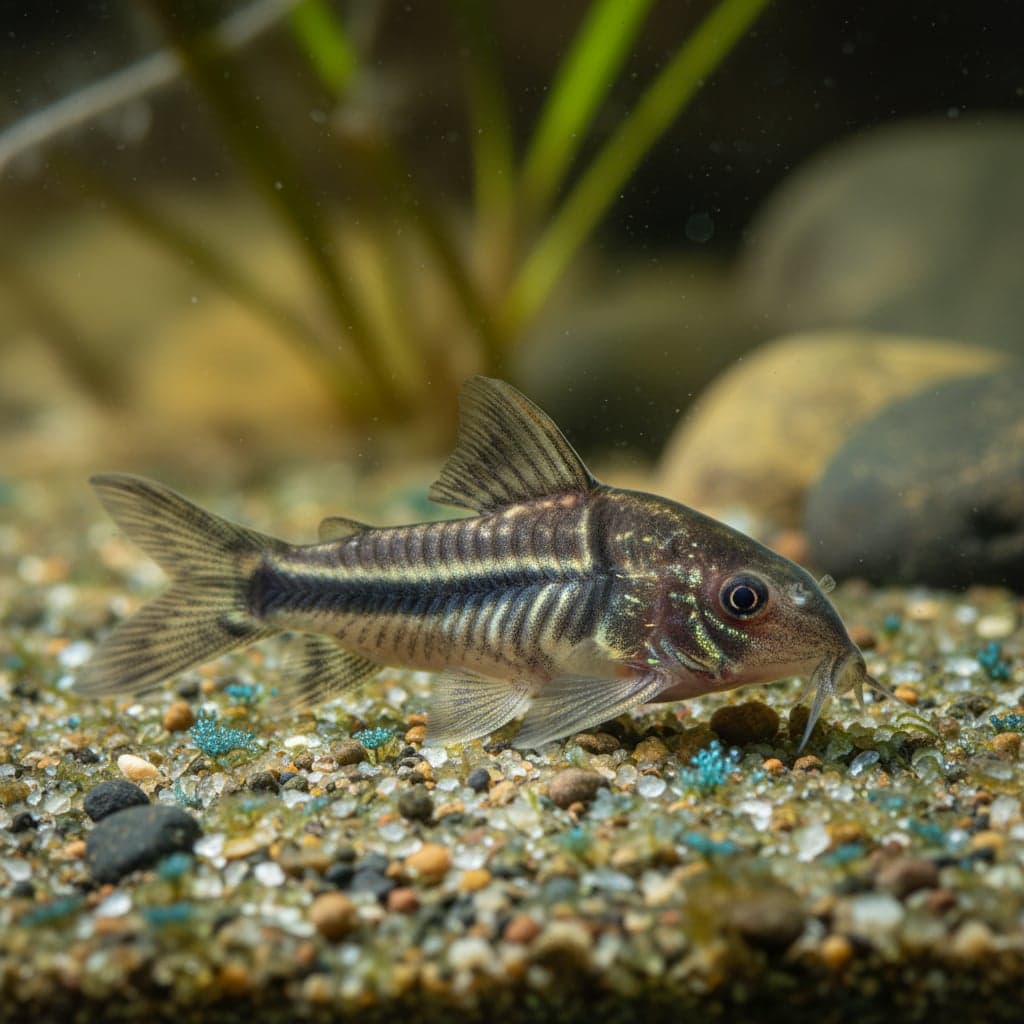
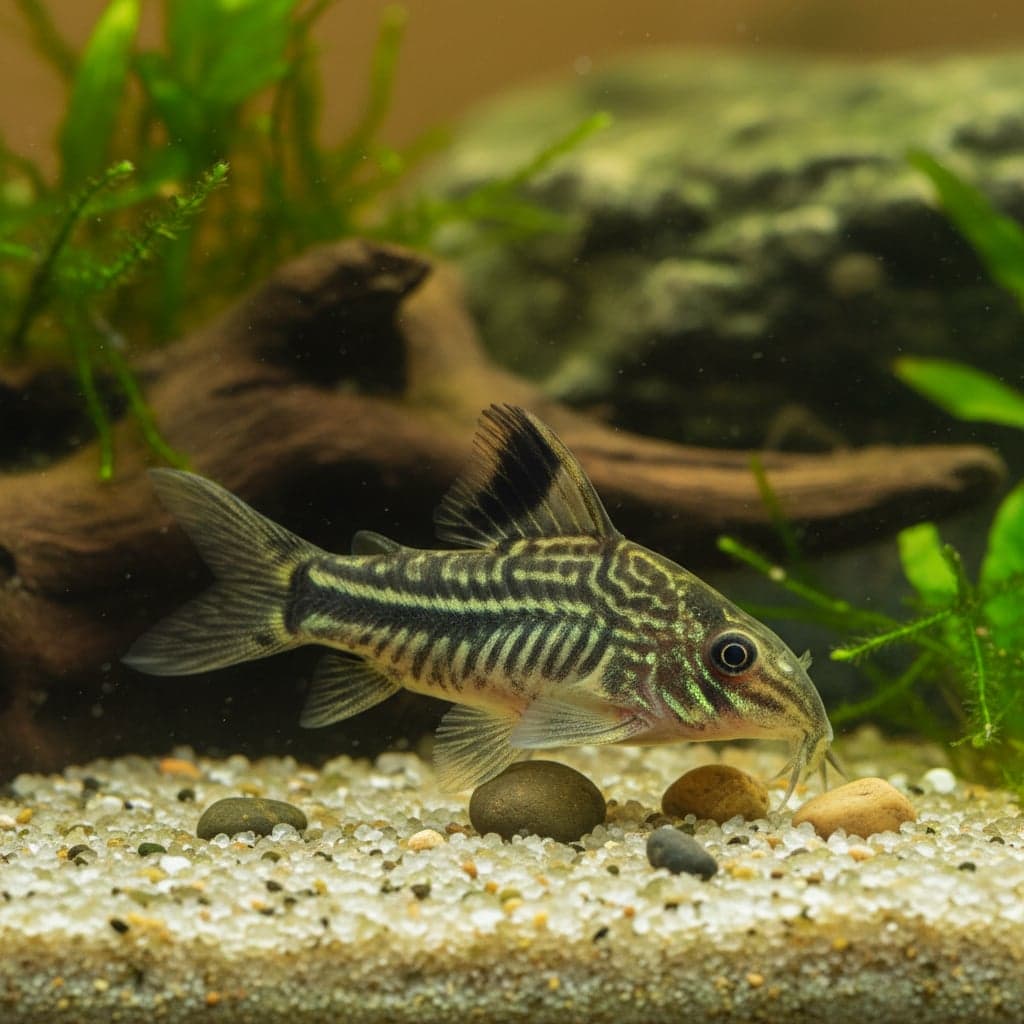
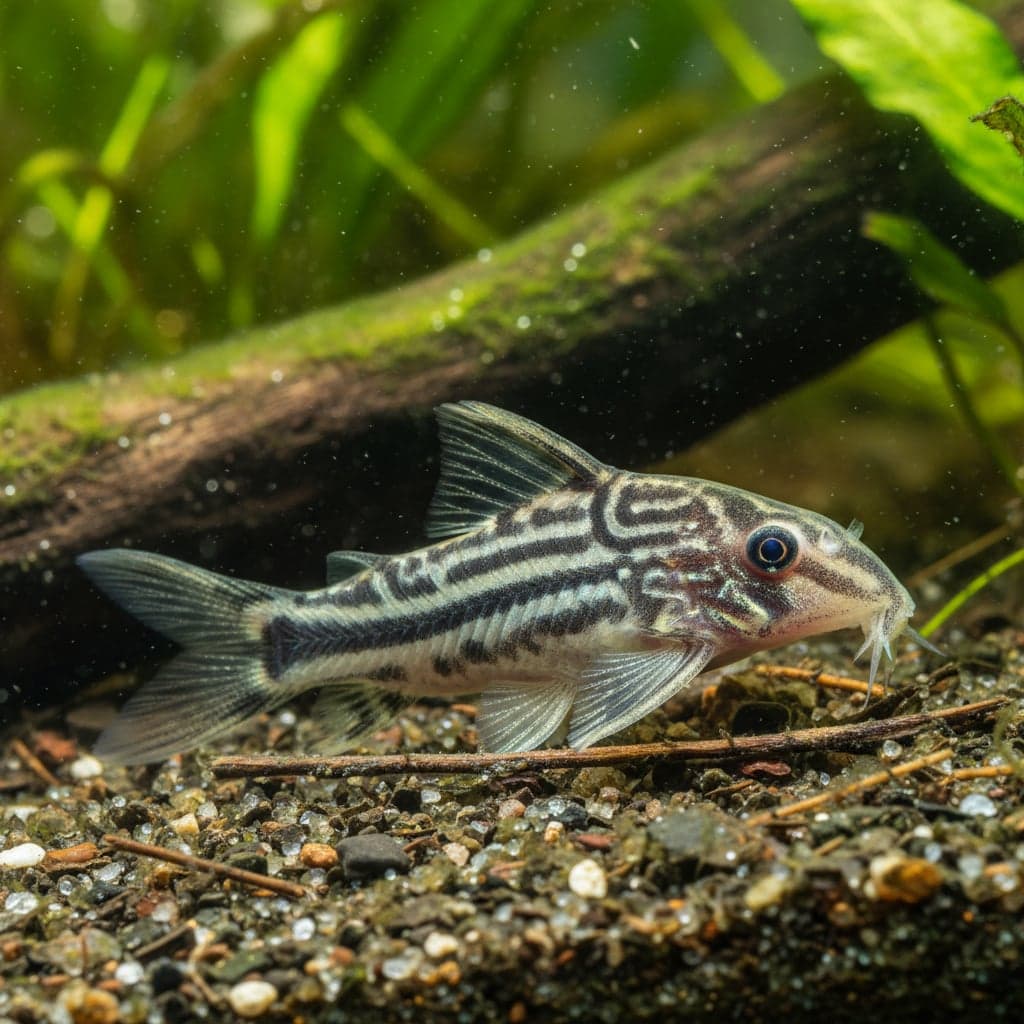
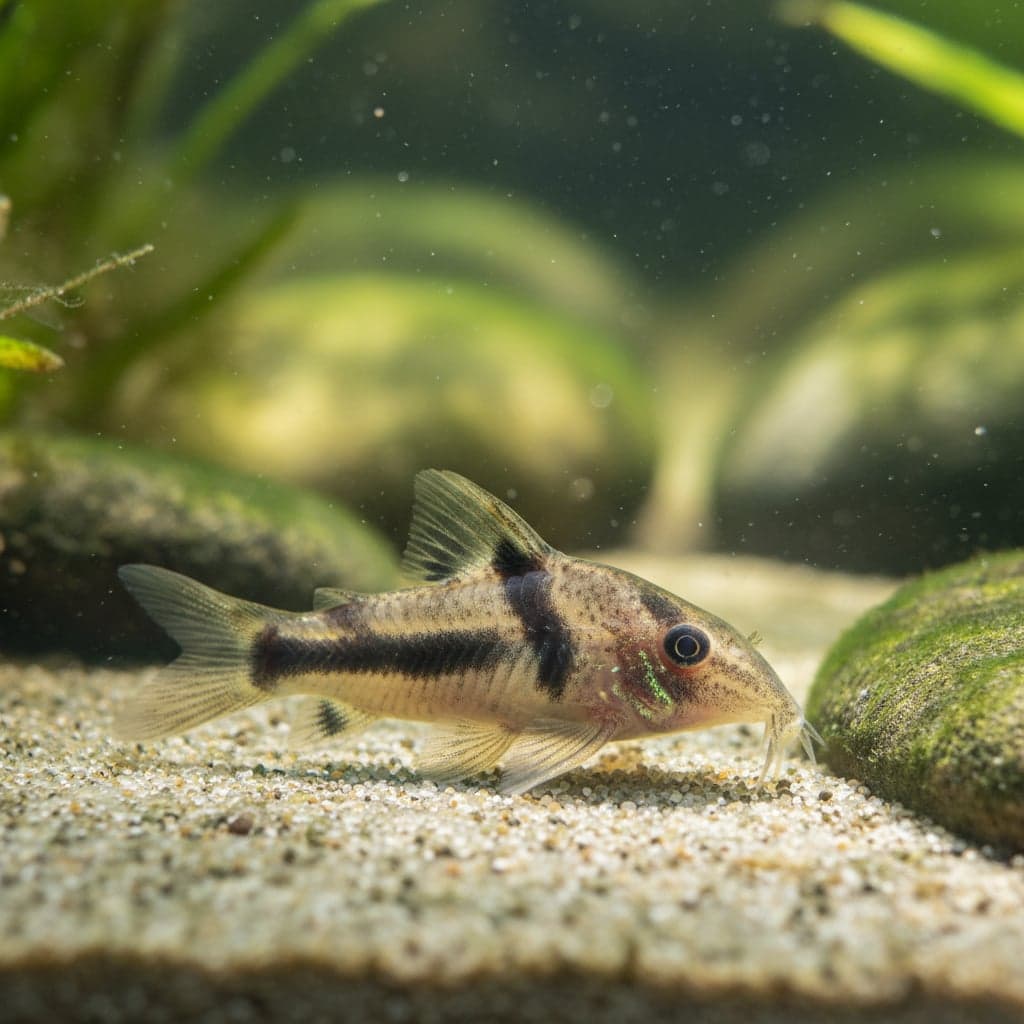
An incredibly elegant, deeply contrasted corydoras featuring a glowing pale body and a solid black stripe slashing across its eye.
Sands' Cory
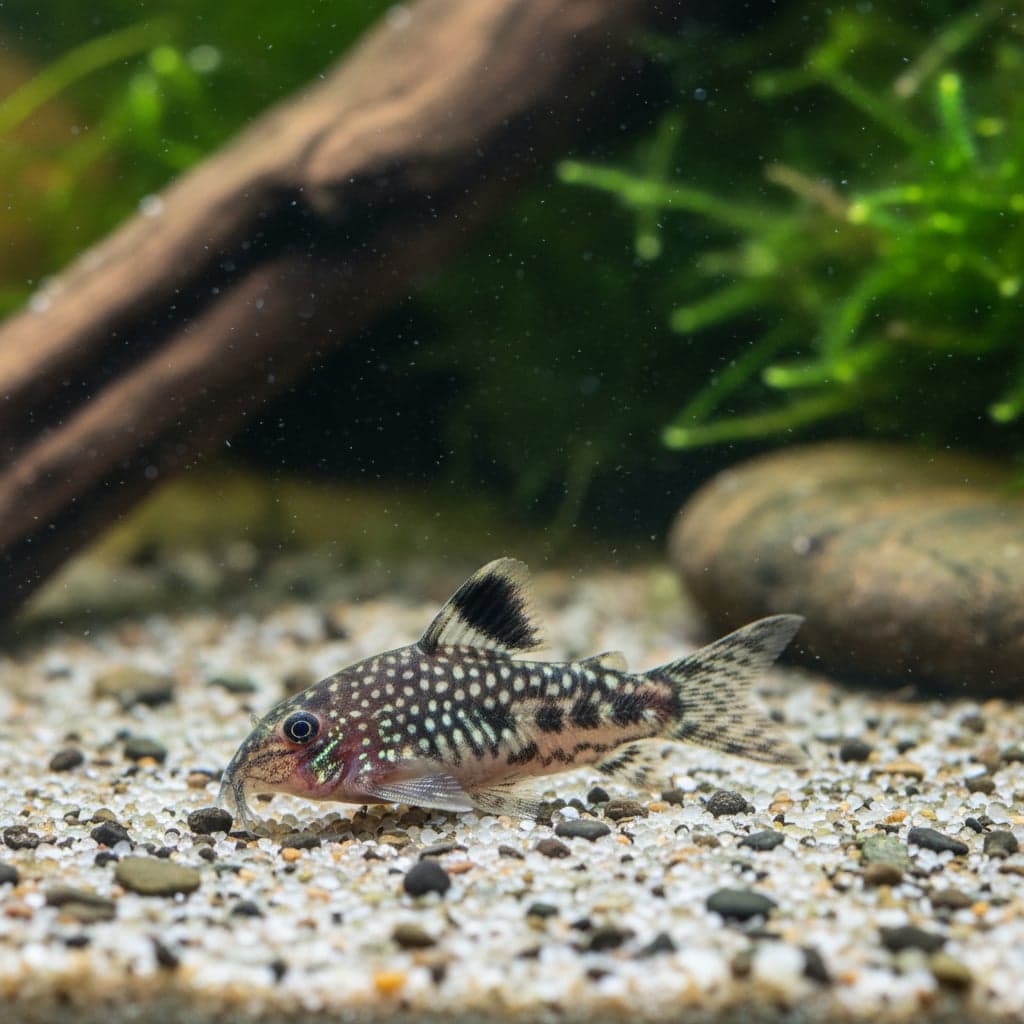
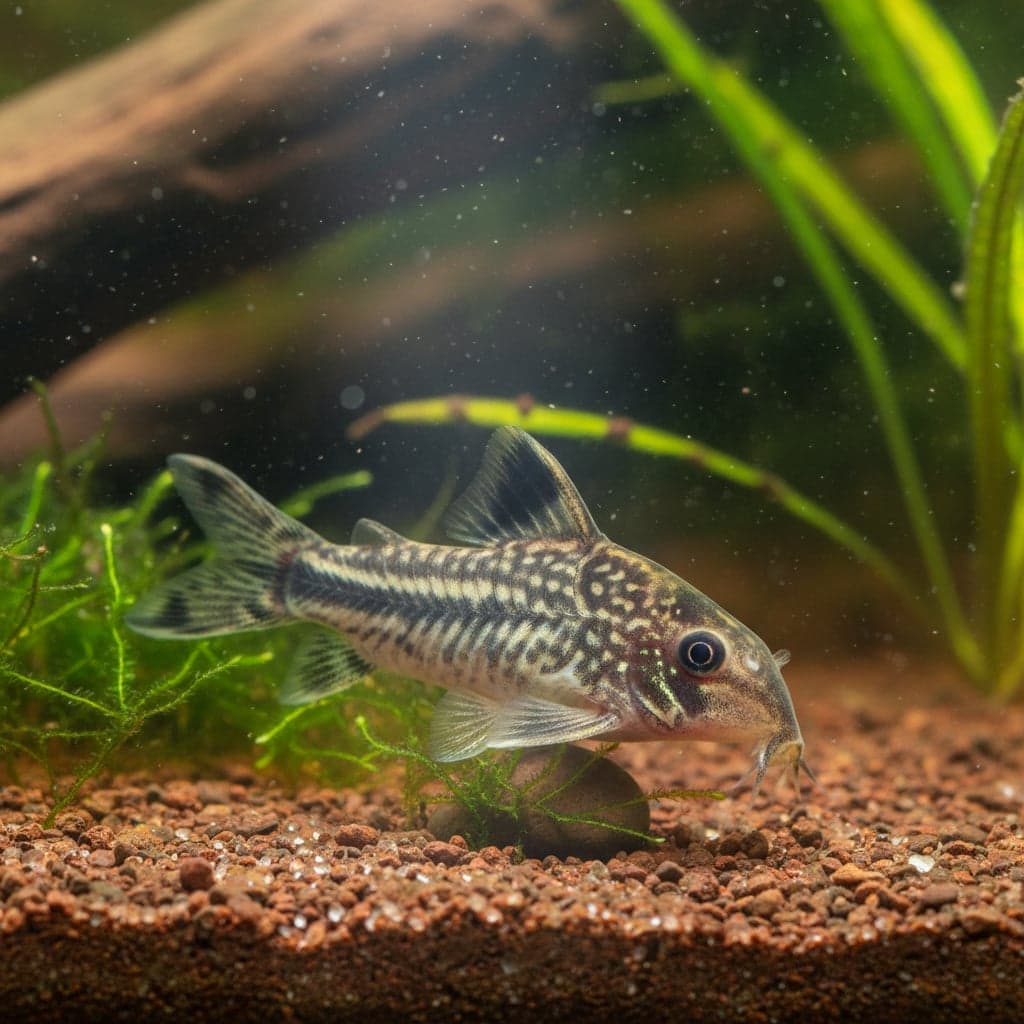
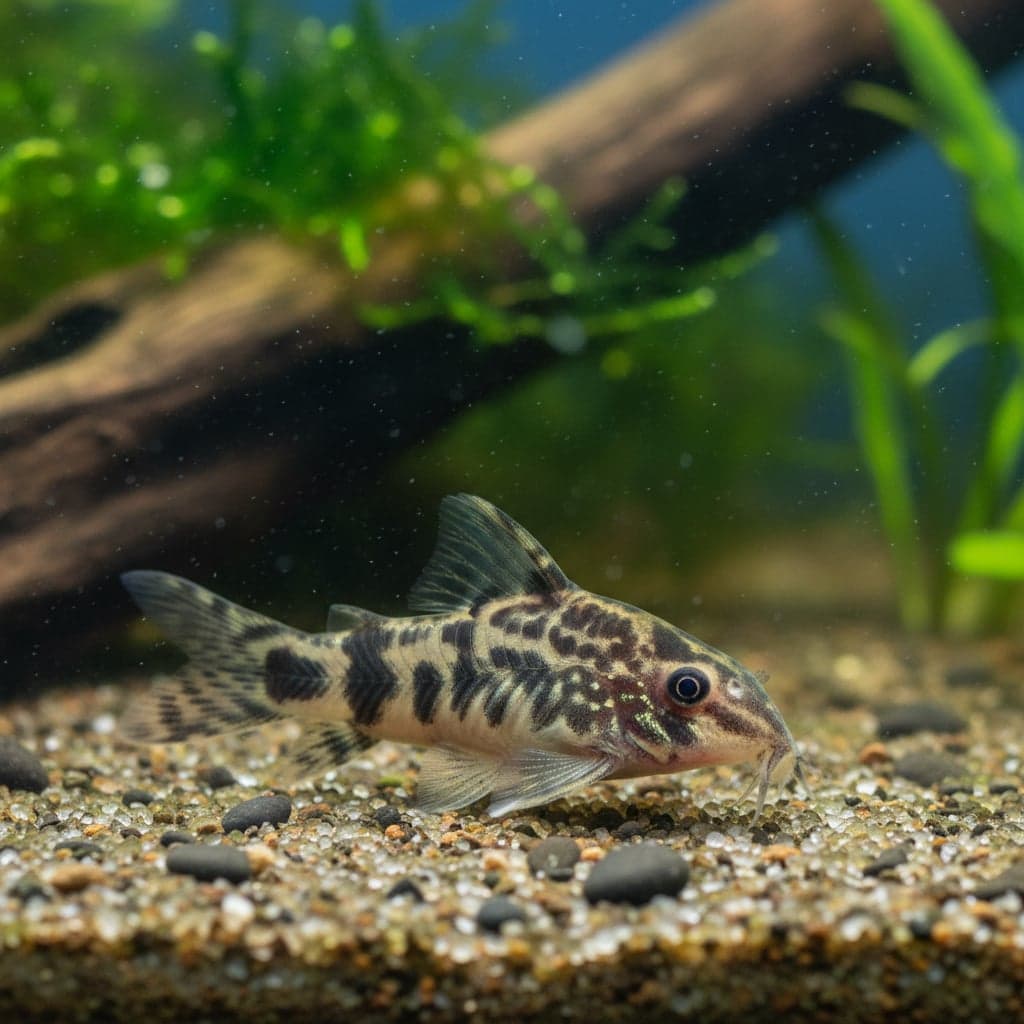
Sands' Cory (Corydoras sandsi) is a captivating freshwater fish that belongs to the family Callichthyidae, which is well-regarded among aquarists for its engaging behavior and adaptability. Characterized by a sleek, elongated body adorned with stunning patterns and markings, the Sands' Cory captures the eye with its attractive appearance. Its coloration typically presents a combination of light tan to gray and dark spots or stripes, which serve as both camouflage and ornamental flair. The visually striking aesthetic, coupled with its playful nature and friendly demeanor, makes Sands' Cory a popular choice among both novice and advanced hobbyists.
In addition to its visual appeal, Sands' Cory holds ecological importance in its native habitat and the aquarium trade. This species contributes to maintaining the balance of aquatic ecosystems, feeding on detritus and algae, thus promoting water quality. In the aquarium hobby, it serves not only as a delightful companion fish but also as a biological indicator that can signal the health of the tank environment. Moreover, Sands' Cory's peaceful temperament and active schooling behavior enrich community tanks and enhance the interactive experience of fishkeeping.
Natural Habitat & Origin
Sands' Cory hails from the slow-moving rivers and streams of the rio Orinoco and its tributaries, primarily located in Venezuela and Colombia. The natural habitat of this fish can be described as a low-light environment characterized by sandy substrates and a myriad of decaying leaf litter that serves as a primary food source. The waters are typically blackwater, meaning they are stained by dissolved organic matter, which contributes not only to water coloration but also affects pH and other water parameters. The aquatic flora in this environment includes various submerged plants and grasses, providing hiding spots and refuge for these small fish.
Key features of its natural habitat also include warm temperatures ranging from 24°C to 28°C (75°F to 82°F) and slightly acidic to neutral pH levels (about 6.0 to 7.0). The environment is often densely populated with biofilms and microscopic organisms that form in the detritus, serving as a nutritious food source for the fish. Understanding these parameters is vital for creating a suitable aquarium environment that mimics Sands' Cory's natural habitat, ensuring the health and well-being of this aquatic species.
Care Requirements
When setting up an aquarium for Sands' Cory, it is essential to consider specific water parameters to ensure their health and growth. The optimal temperature range for these fish lies between 24°C and 28°C (75°F to 82°F), with a preferred pH level of 6.0 to 7.0. Hardness should be kept moderate, around 5 to 15 dGH. Regular water changes are critical to maintain quality, as these fish can be sensitive to deteriorating conditions.
Tank setup for Sands' Cory requires a minimum size of 20 gallons (75 liters), allowing enough space for them to swim freely in groups. Soft, sandy substrate is the best choice since it is gentle on their delicate barbels and mimics their natural environment. Adequate lighting should be provided but keep it subdued to replicate the low-light conditions of their habitat. Adding live plants such as Java fern, Anubias, or floating plants can enhance the tank's aesthetic while offering hiding spots. Additionally, maintaining some driftwood and leaf litter provides shelter and aids in water quality.
Diet & Feeding
Sands' Cory are omnivorous, which means their natural diet consists of a variety of food sources found in their habitat. In captivity, it is essential to replicate this varied diet to ensure optimal health and vitality. High-quality fish flakes or pellets designed for bottom feeders should form the staple diet, ensuring they receive adequate nutrition. However, it's equally important to supplement their diet with frozen or live foods like bloodworms, brine shrimp, and daphnia, which can help vary their protein intake and stimulate natural foraging behaviors.
Feeding should take place multiple times a day in small portions to prevent overfeeding and maintain water quality. Being bottom-dwellers, Sands' Cory may require sinking food options to ensure they can access their meals. Offering a variety of foods will not only promote health but also encourage active, school-like behavior that is favored by this particularly sociable species.
Behavior & Temperament
Sands' Cory display a calm and friendly demeanor, making them an excellent choice for community tanks. They are known for their schooling behavior, thriving in groups of at least five to six individuals; this grouping helps reduce stress and enhances their natural social interactions. They often exhibit a playful, curious nature, often foraging along the substrate for food or exploring their environment.
In terms of vertical placement within the tank, Sands' Cory prefer to dwell primarily near the bottom but can sometimes be seen exploring the mid-water level. They are not aggressive and typically coexist peacefully with other fish species. While they may occasionally exhibit mild territorial behaviors, especially during feeding, they pose no threat to tank mates and thrive in a peaceful community setting.
Tank Mates
Choosing the right tank mates for Sands' Cory is crucial for maintaining a harmonious aquarium ecosystem. Compatible species often include other peaceful fish such as tetras, rasboras, guppies, and small dither fish, which can provide companionship and additional movement in the water column. Other bottom-dwellers, such as shrimp or small catfish species, can also coexist well, provided they do not compete directly for food.
However, larger and more aggressive species should be avoided, as they may pose a threat to Sands' Cory. Predatory fish that are known to attack smaller species, or highly territorial fish like some cichlids, can stress or harm these gentle fish. Additionally, avoid keeping them with any species that may outcompete them for food or disturb their bottom-dwelling behavior, ensuring their environment remains peaceful and conducive to their well-being.
Breeding
Breeding Sands' Cory in captivity can be a rewarding experience for aquarists willing to create the right conditions. These fish exhibit natural spawning behavior, often triggered by water changes that mimic their rainy season breeding pattern. To initiate breeding, it is advisable to condition the adult fish with a varied diet of high-quality foods to prepare for reproduction.
When breeding pairs are ready, they will exhibit courtship behaviors, often involving the male chasing the female and gently rubbing against her sides. Successful spawning usually occurs in the early morning hours, with the female laying eggs on broad-leafed plants or on surfaces like glass or substrate. After spawning, it is essential to remove the adult fish from the breeding tank to prevent them from eating the eggs. The eggs should hatch within 3 to 5 days, and the fry can be fed infusoria or finely powdered flake food until they grow large enough to accept other types of food.
Common Health Issues
Sands' Cory can be susceptible to common freshwater fish diseases if their water quality is not maintained or if they are subjected to stress. Some of the most prevalent health issues include ich (white spot disease), fin rot, and various parasitic infections. To prevent these ailments, it is crucial to maintain optimal water parameters, perform regular water changes, and ensure that the tank is not overstocked.
Additionally, high-stress levels can lead to various health problems, which can be minimized by keeping Sands' Cory in peaceful groups with smooth sand, stable parameters, and minimal disturbance. Quarantine newcomers and never leave uneaten food to foul the substrate. Avoid sharp gravel that shreds barbels and invites secondary infection. Watch for white spots, clamped fins, eroded barbels, or flashing, and treat promptly with aquarium-safe medications. A school of six or more, varied sinking foods, and excellent water quality keep Sands' Corys healthy, active bottom dwellers for years.