Scarlet Plec L025: Pseudacanthicus pirarara
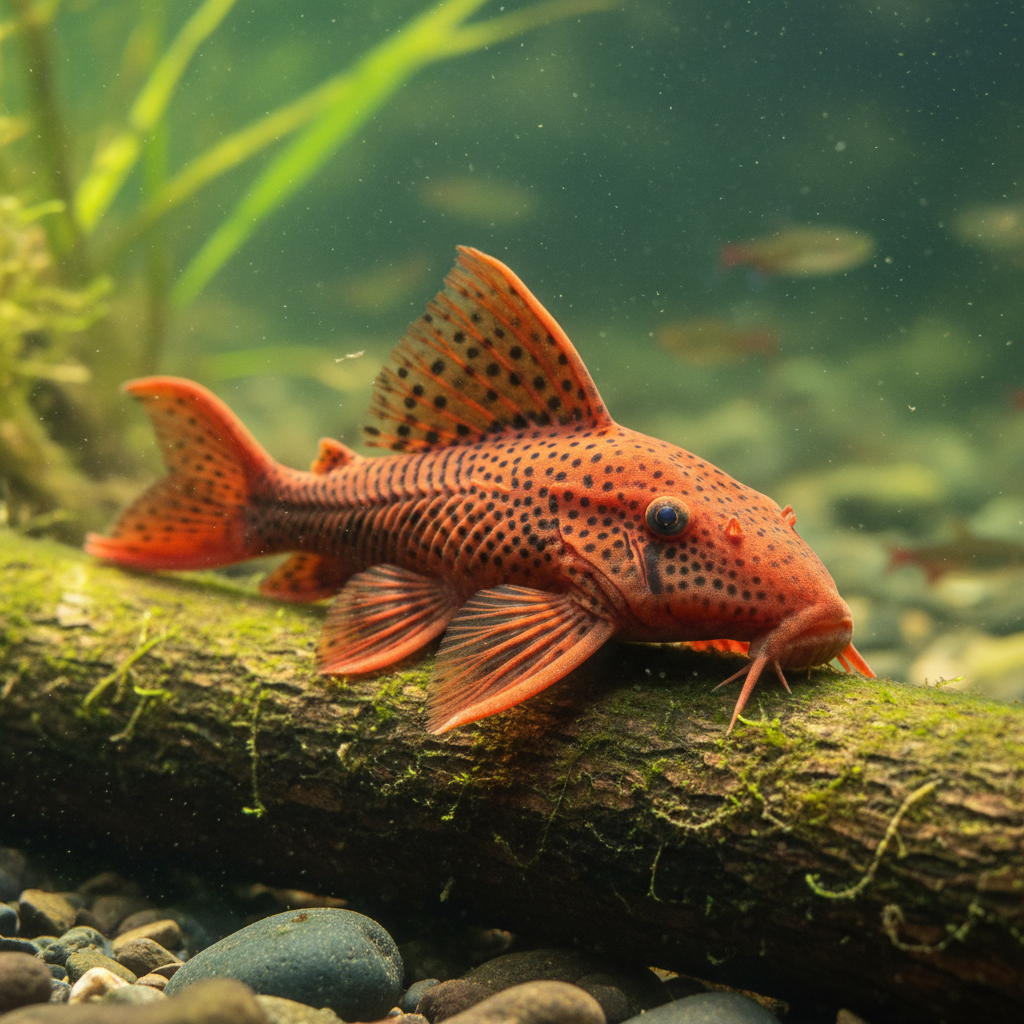
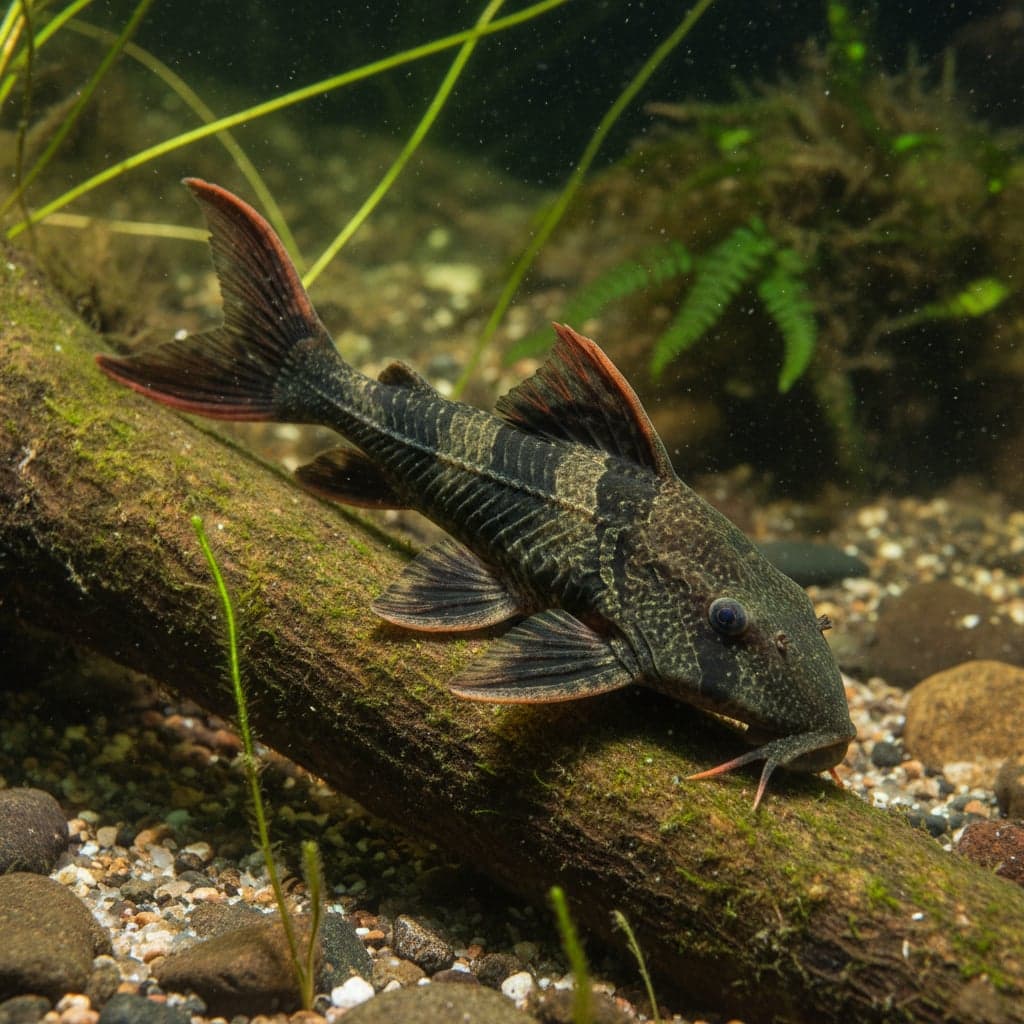
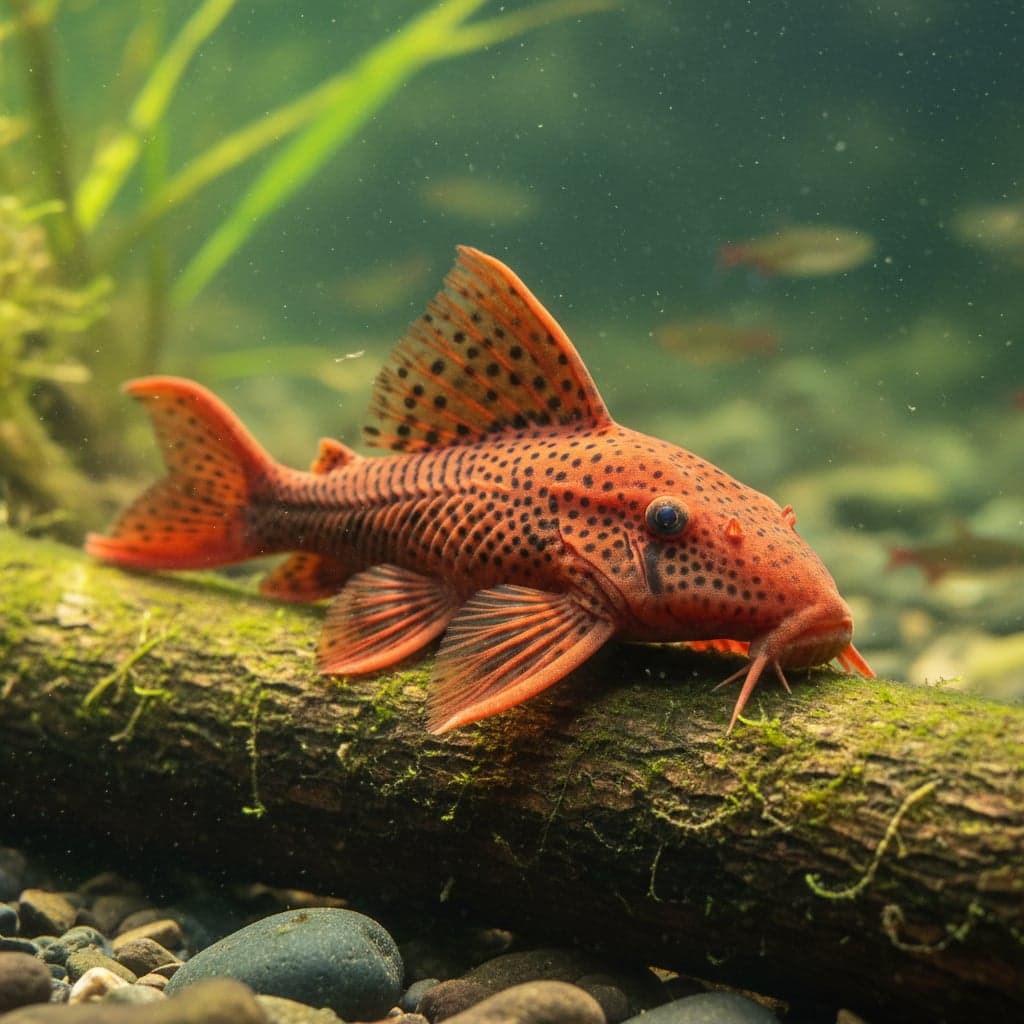
A spectacularly massive, heavily armored "cactus pleco" featuring thick spikes and solidly red-tipped fins.
Scarlet Plec L025
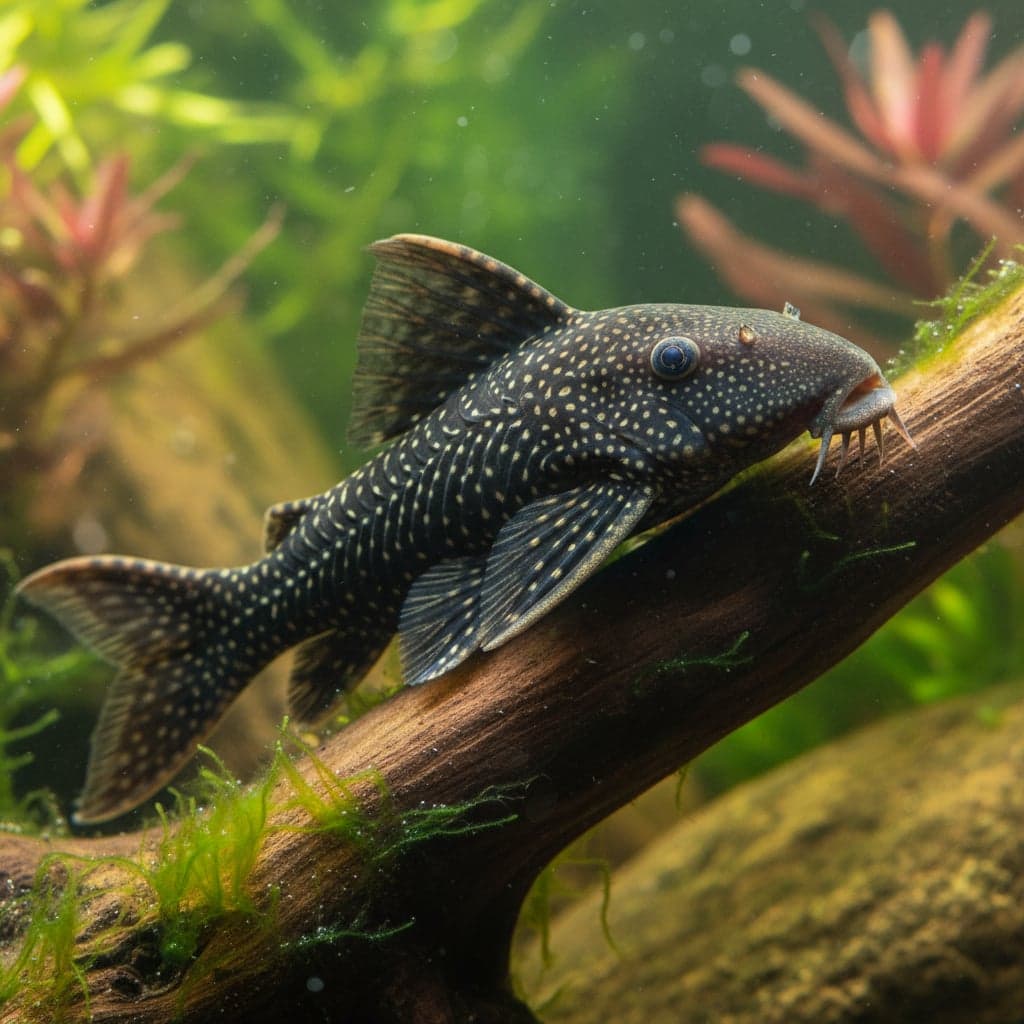
The Scarlet Plec L025, scientifically known as Pseudacanthicus pirarara, is a striking freshwater fish celebrated for its vibrant coloration and unique physical features. This species boasts a stunning array of colors, including deep black and bright orange or red hues that create a visually captivating presence in any aquarium. With its striking patterns and intricate body shapes, the Scarlet Plec L025 has become a popular choice among aquarists who appreciate both beauty and functionality in their aquatic setups. Not only does it serve as a visual centerpiece due to its vivid appearance, but its position as a bottom-dwelling fish also allows it to enhance the overall dynamics of community tanks.
The significance of the Scarlet Plec L025 in the aquarium hobby extends far beyond its aesthetic appeal. This species plays a crucial role in maintaining a balanced aquarium ecosystem by actively grazing on algae, contributing to the natural cleanliness of the tank. Its hardy nature and adaptability make it suitable for experienced hobbyists looking to introduce a beautiful yet utilitarian fish into their aquariums. The Scarlet Plec L025 is not just a decoration but a functional fish that embodies the beauty of nature while supporting responsible aquarium practices.
Natural Habitat & Origin
The Scarlet Plec L025 is indigenous to the Amazon River Basin, primarily found in regions of Brazil and Peru. This fish resides in diverse aquatic environments that range from slow-moving rivers to creeks, where it prefers areas rich in submerged wood and rocky substrates. The natural habitat of the Scarlet Plec is typically characterized by blackwater conditions, exhibiting low pH levels, soft water, and dim lighting due to abundant plant cover and tannins from decaying vegetation. These environmental factors contribute to its vibrant colors and unique behavioral adaptations, making understanding its natural habitat essential for successful captive maintenance.
In the wild, Scarlet Plecs inhabit areas with a wealth of hiding places and structures, where they can easily retreat from potential predators. Their presence often impacts the ecology of these ecosystems, as they feed on algae and detritus, contributing to nutrient cycling. Recreating these conditions in captivity is vital for keeping Scarlet Plecs healthy and stress-free, emphasizing the importance of replicating their natural environment in home aquariums.
Care Requirements
To maintain optimal health, Scarlet Plecs thrive in water with a pH range of 6.0 to 7.5, a temperature between 74°F to 82°F (23°C to 28°C), and a water hardness of around 2 to 15 dGH. It’s crucial to conduct regular water changes to maintain pristine water quality, as this species can be sensitive to fluctuations in water parameters. A minimum tank size of 75 gallons is recommended, allowing ample space for swimming and foraging. The tank should be furnished with a substrate of smooth gravel or sand to prevent damage to their sensitive undersides.
Aquascaping for the Scarlet Plec L025 should emulate its natural habitat, featuring plenty of hiding spots created with driftwood, rocks, and caves. Incorporating live plants can help create a more dynamic environment, but be cautious, as these fish may occasionally uproot fragile plants while foraging. Lighting should be soft and subdued, replicating the dimly lit waters of their native habitat, which also helps to promote their natural behavior.
Diet & Feeding
Scarlet Plecs are primarily omnivorous, but they exhibit a strong preference for plant-based foods. In the wild, their diet consists of algae, detritus, and decomposing plant matter, making it essential to replicate this dietary diversity in captivity. Providing a varied diet is critical for their health; therefore, high-quality algae wafers, sinking pellets, and frozen or live foods like bloodworms and brine shrimp are all excellent options. Offering blanched vegetables, such as zucchini or cucumber, will contribute beneficial nutrients and promote natural grazing behavior.
Feed young Scarlet Plecs twice a day, while adults can be fed once daily, ensuring they receive enough food to sustain their health and vigor. Care should be taken not to overfeed, as uneaten food can compromise water quality. Observing their eating habits will help ensure that each fish is receiving adequate nutrition, thus promoting optimal growth and overall well-being.
Behavior & Temperament
Scarlet Plecs are semi-aggressive fish that can exhibit varying degrees of territoriality, especially during breeding or when establishing dominance in the aquarium. While they prefer to dwell near the bottom, they may venture to mid-levels, particularly during feeding times. These fish are generally solitary, but they can coexist with compatible species in larger community tanks. It’s important to provide ample hiding spots and territories to reduce aggression and stress.
In terms of schooling, Scarlet Plecs do not require companions of their species and are more likely to thrive as individuals or in small groups. Their behavior is largely nocturnal, meaning they are most active during the twilight hours, showcasing their unique foraging techniques. Providing an environment where they can explore and feel secure will help promote their natural behaviors and reduce aggression towards tank mates.
Tank Mates
When selecting tank mates for the Scarlet Plec L025, it is essential to choose species that share similar water parameter requirements and can coexist peacefully. Compatible species include large tetras, peaceful cichlids, and other bottom-dwelling fish like certain species of loaches. Ideal tank mates are those that prefer mid to upper levels of the tank and are not overly aggressive, such as angelfish and peaceful barbs.
However, it is advisable to avoid smaller or more aggressive fish, such as bettas, as well as fish that may nip at fins, such as neon tetras or guppies. Harsh or overly territorial species can stress the Scarlet Plec and provoke unwanted aggression, leading to potential conflicts. Creating a well-planned community tank will provide an enriching environment while ensuring the Scarlet Plec flourishes alongside its chosen neighbors.
Breeding
Breeding the Scarlet Plec L025 in captivity can be challenging, as successful spawning requires specific conditions and habitats. To encourage breeding, it is essential to simulate the natural rainy season effect by increasing water temperature, performing regular water changes, and maintaining high water quality. Creating a suitable breeding environment involves providing flat surfaces, like rocks or slate, where the female can lay her eggs.
During the breeding process, the male will exhibit courting behavior, which includes chasing and displaying to the female. The female lays eggs, which the male fertilizes and then guards until hatching. It’s vital to remove the adults after spawning to prevent them from eating the eggs. Fry care involves providing specially formulated foods suited for their size and nutritional needs while ensuring stable water conditions as they grow.
Common Health Issues
Scarlet Plecs are generally hardy fish but can be susceptible to certain health issues if not cared for properly. Common diseases include ich, fin rot, and velvet disease, often exacerbated by poor water quality or stressful environments. Regular tank maintenance, including water changes and appropriate filtration, can help prevent these ailments. Additionally, quarantining new arrivals before introducing them to the main tank can significantly reduce the risk of disease transmission.
Maintaining a balanced diet and monitoring for any signs of lethargy, abnormal swimming patterns, or changes in appetite will help detect health issues early. If signs of disease are noticed, prompt treatment is essential. Researching specific treatments and consulting with a veterinarian specializing in aquatic animals can guide safe treatment choices for scaleless loricariids. Avoid copper-based medications when possible, keep wood and biofilm available, and maintain strong oxygenation. With clean water, a balanced diet, and early intervention, Scarlet Plecs remain hardy, colorful bottom-dwellers for years.