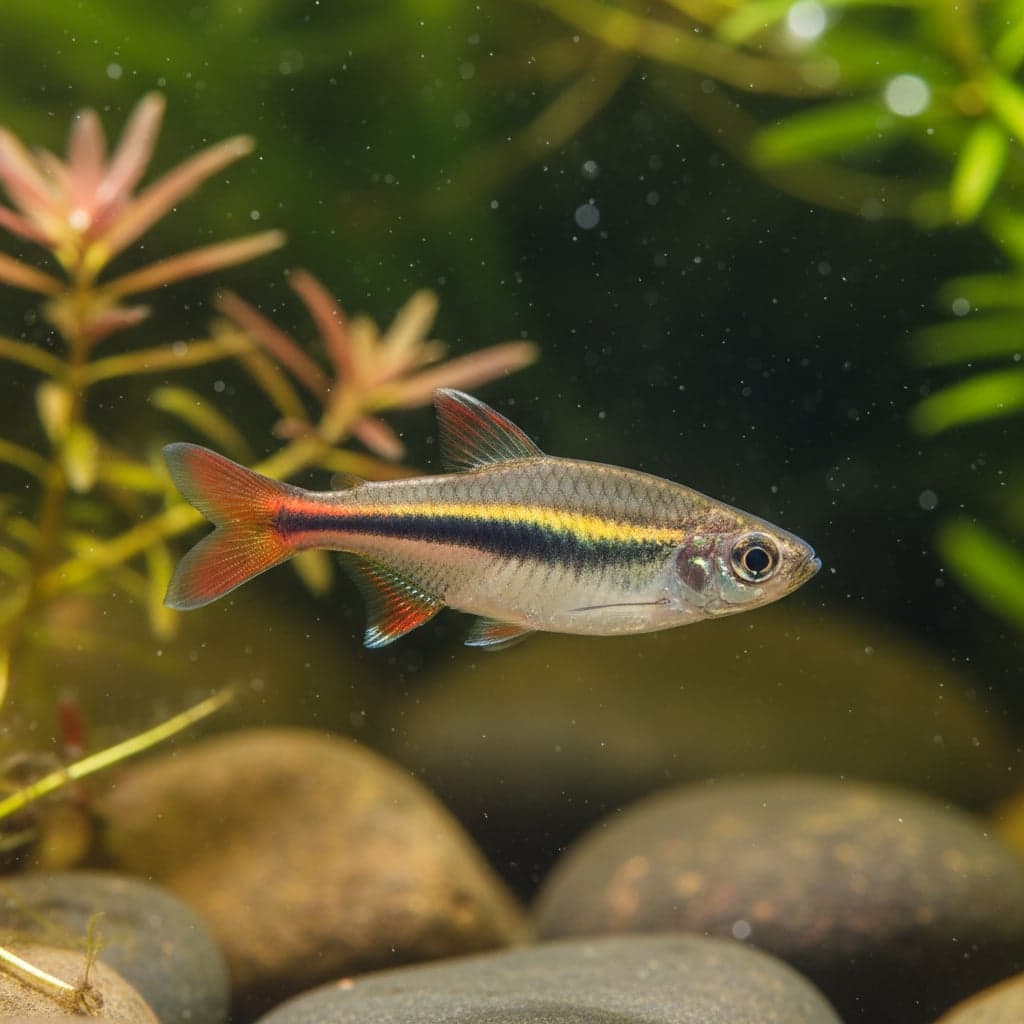
The Scissortail Rasbora: Rasbora trilineata
A sleek, silvery swimmer named for its forked, black-and-white tail that twitches like scissors. An active top-dweller.
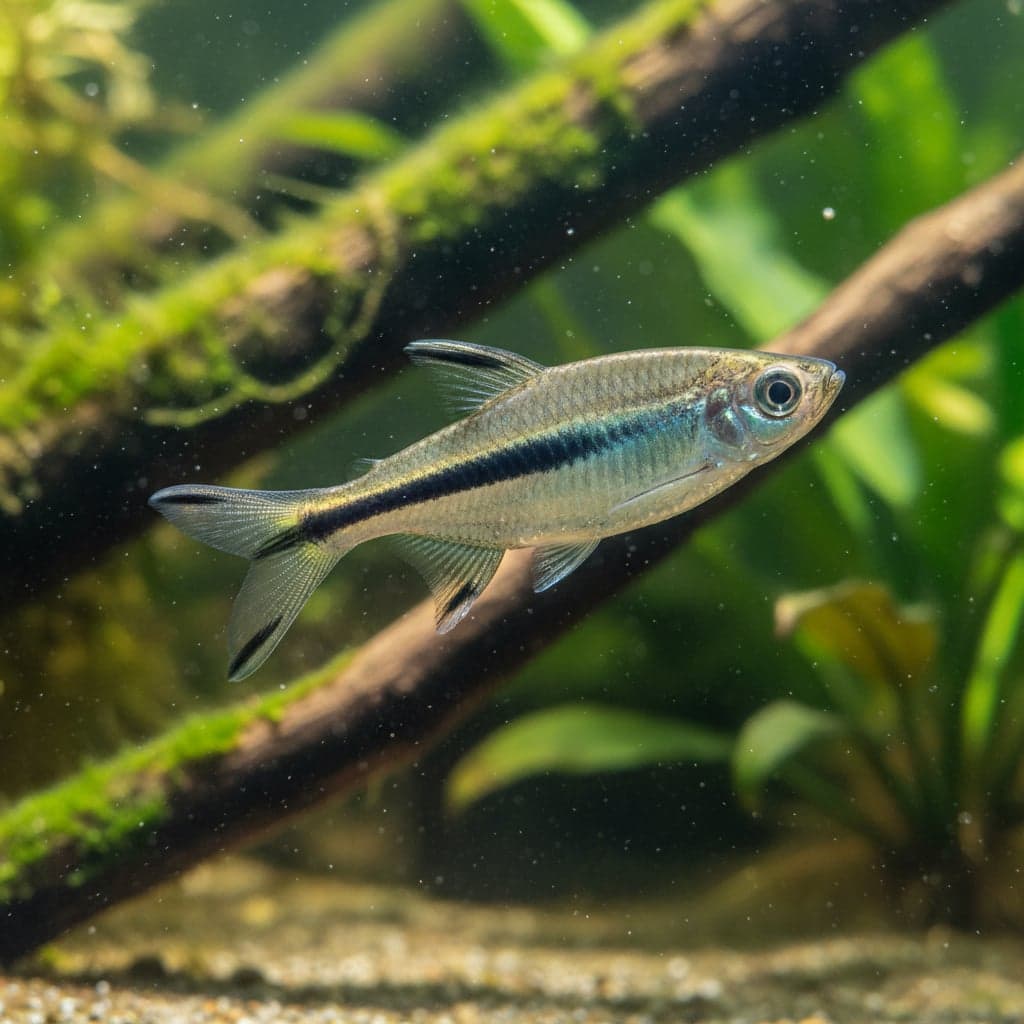
Scissortail Rasbora
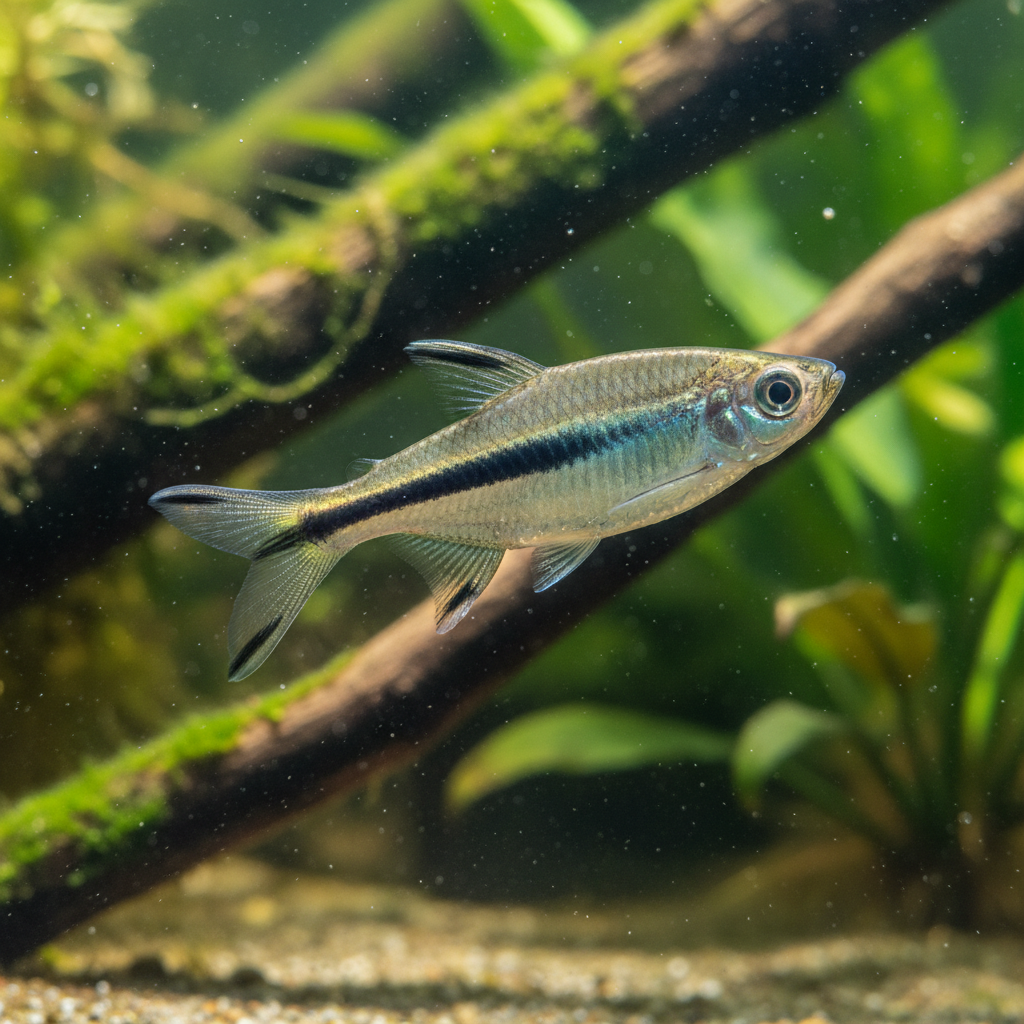
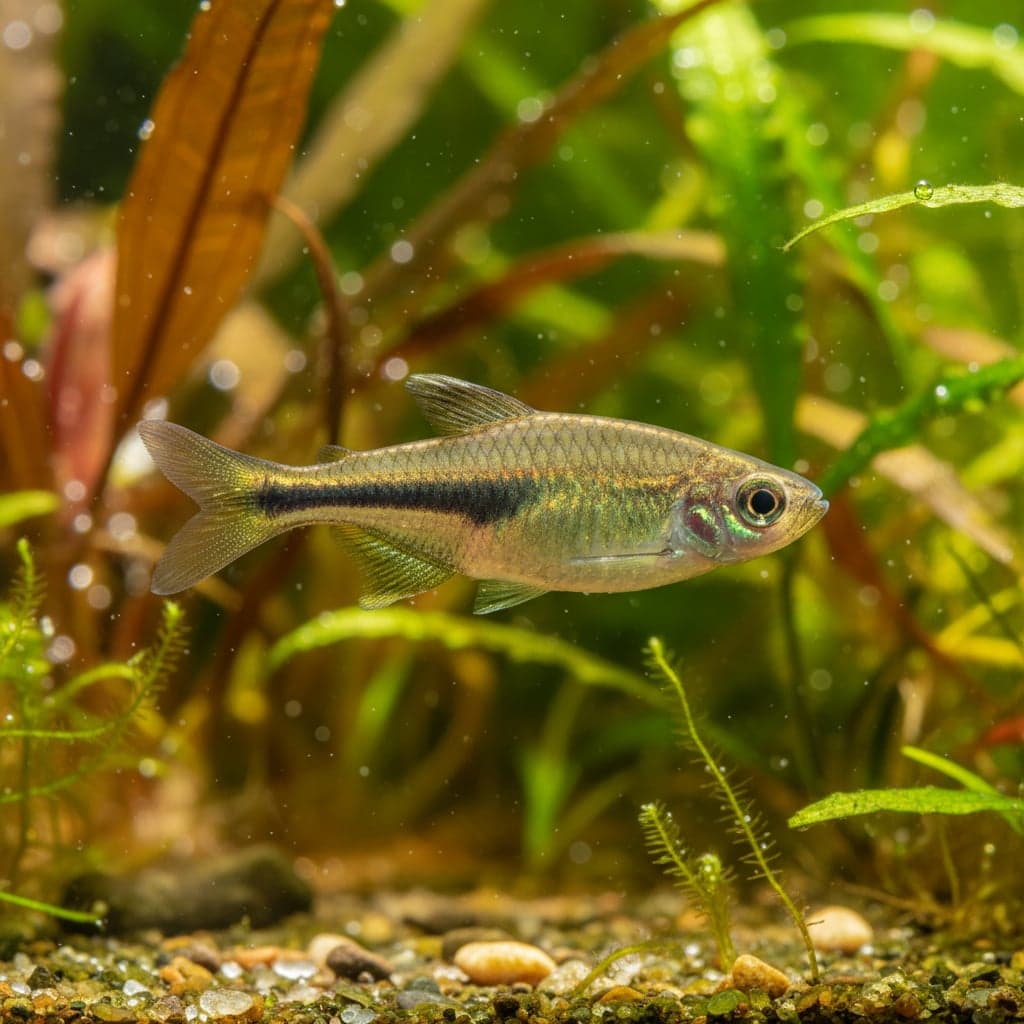
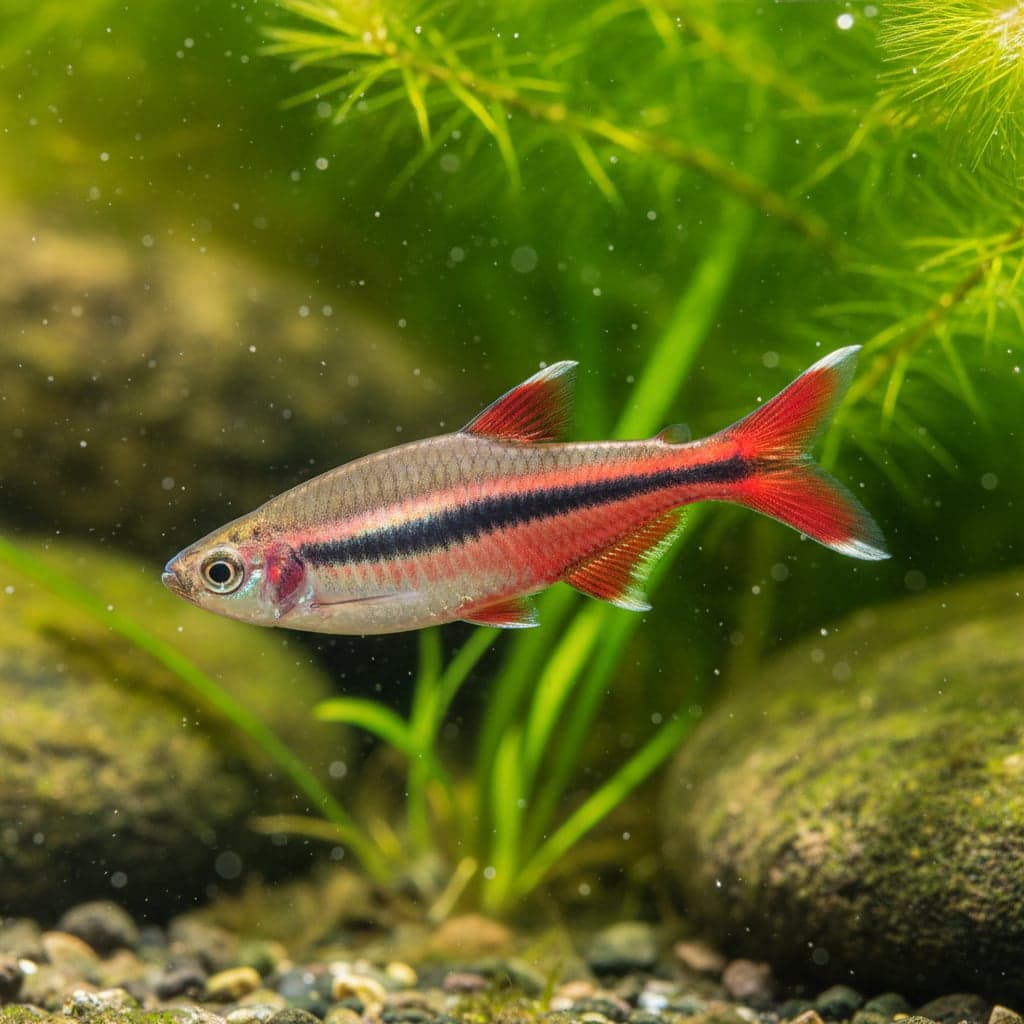
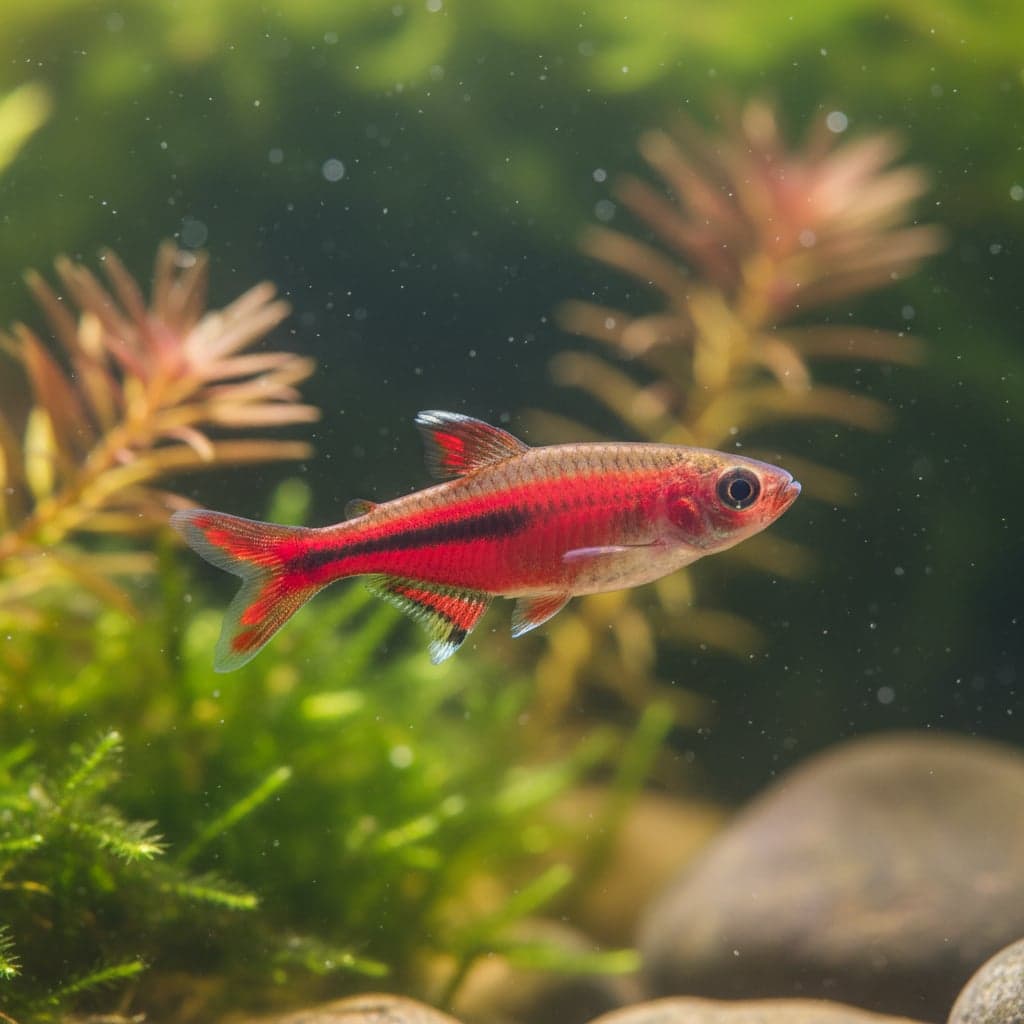
The Scissortail Rasbora, scientifically known as Rasbora trilineata, is a vibrant and captivating freshwater fish that has become a popular choice among aquarium enthusiasts. With its striking physique, featuring a slender body adorned with shimmering hues of orange, bronze, and silver, this species stands out in any aquatic environment. Its distinctive tail fin, which resembles a pair of scissors when spread, adds to its visual allure and is a hallmark feature sought after by aquarists. As a schooling fish, the Scissortail Rasbora exhibits lively group behavior, providing a dynamic display that enhances the overall beauty of the aquarium.
In the aquarium hobby, the Scissortail Rasbora is significant not only for its aesthetic appeal but also for its relatively easy care requirements. This species promotes a sense of activity within the tank, encouraging both novice and experienced aquarists to create a well-balanced ecosystem. With its peaceful temperament, it is often recommended as a community fish, contributing to a harmonious aquatic environment. This endearing species has captured the hearts of many, making it a staple in both commercial aquariums and home tanks.
Natural Habitat & Origin
The Scissortail Rasbora is indigenous to Southeast Asia, primarily found in the river systems of Thailand, Laos, and parts of Malaysia. Its natural habitat typically includes slow-moving streams and rivers, often characterized by lush vegetation and submerged roots, providing ample cover and foraging opportunities. The fish thrives in clear, slightly acidic to neutral waters, where the temperature can range from 24°C to 28°C (75°F to 82°F). These environments are critical for the Scissortail Rasbora's growth and behavior, as they offer the right blend of light and organic material that fosters a rich ecosystem.
In its natural habitat, the water is often soft to moderately hard, with a pH level ranging from 6.5 to 7.5. This soft, slightly acidic water is conducive to its well-being and is something aquarists must strive to replicate to ensure optimal health in captivity. As with many freshwater species, these environmental conditions are vital in maintaining their natural coloration and behavior, which makes understanding their native habitats crucial for successful keeping.
Care Requirements
The care requirements for the Scissortail Rasbora are relatively straightforward, making it an excellent choice for aquarists of all experience levels. The ideal water parameters for this species include a pH of 6.5 to 7.5, a temperature range of 24°C to 28°C (75°F to 82°F), and water hardness between 5 to 15 dGH. Regular water changes and filtration are essential to maintain ideal water quality, as well as to help prevent the buildup of harmful toxins.
Regarding tank setup, a minimum tank size of 20 gallons is recommended for a small school of these fish, as they thrive in groups of at least six. The substrate can be fine gravel or sand, which allows for easy foraging and mimics their natural environment. Providing ample hiding spots with live plants, driftwood, and rocks can help replicate their native habitat and reduce stress. For lighting, a moderate intensity that supports plant growth while allowing them to seek shelter in shaded areas is optimal. Keeping these considerations in mind will enhance the health and longevity of the Scissortail Rasbora.
Diet & Feeding
The Scissortail Rasbora is an omnivore, which allows it to thrive on a varied diet. In captivity, it is essential to provide a balanced mix of high-quality flakes, micro pellets, and occasional live or frozen foods such as brine shrimp, daphnia, and bloodworms. This dietary diversity not only meets their nutritional needs but also encourages natural foraging behavior, keeping the fish active and engaged.
While flakes and pellets should comprise the primary diet, integrating occasional feedings of live or frozen foods can significantly enhance the coloration and vitality of the Scissortail Rasbora. It's important to feed them small portions two to three times a day, ensuring that all food is consumed within a few minutes to prevent water quality issues. A well-rounded diet is crucial for their overall health and well-being.
Behavior & Temperament
The Scissortail Rasbora is renowned for its peaceful demeanor and social behavior. This schooling fish is happiest when kept in groups of six or more, as they exhibit lively and dynamic interactions within their schools. Their natural tendencies lead them to swim in mid to upper levels of the aquarium, and they are often seen darting playfully in coordinated movements. This vibrant activity can create a mesmerizing display, making the Scissortail Rasbora a delight to observe.
Despite their lively personality, they are generally non-aggressive and do well in community tank setups. However, it's essential to provide ample swimming space and hiding spots to reduce stress levels. Their peaceful nature enables them to coexist well with various species, provided the tank mates are similarly docile. Understanding the social needs of the Scissortail Rasbora is crucial for maintaining a harmonious aquarium environment.
Tank Mates
When selecting tank mates for the Scissortail Rasbora, it is essential to choose compatible species that share similar water parameter requirements and temperaments. Suitable tank mates include small to medium-sized community fish such as neon tetras, ember tetras, cardinal tetras, and guppies. Additionally, other peaceful species like Corydoras catfish and various species of small rasboras make excellent companions.
Conversely, it is best to avoid larger or aggressive species, such as cichlids or fin-nipping fish like tiger barbs, which may cause stress or conflict within the community. Keeping in mind the social tendencies of the Scissortail Rasbora will ensure a balanced aquarium that allows for peaceful interactions among its inhabitants.
Breeding
Breeding the Scissortail Rasbora in captivity can be a rewarding experience, though it requires specific conditions to encourage spawning. For successful breeding, it is advisable to set up a separate breeding tank with soft, slightly acidic water (pH around 6.0 to 6.5) and a temperature of approximately 27°C (81°F). Fine-leaved plants or spawning mops can be utilized within the breeding tank to provide suitable areas for egg deposition.
During breeding, the male will display courtship behaviors, such as displaying vibrant colors and chasing the female. The female will scatter eggs among the plants, with the eggs typically hatching within 24 to 36 hours. After this period, it's essential to remove the parents to prevent them from eating the fry. Raising the fry requires finely crushed flake food or specialized fry food until they grow larger. With attentive care, breeding the Scissortail Rasbora can be a fulfilling venture for aquarists.
Common Health Issues
Like many aquarium species, the Scissortail Rasbora may be prone to specific health issues, particularly if water quality is not adequately maintained. Common diseases include ich (Ichthyophthirius multifiliis), fin rot, and various forms of bacterial infections. Preventive measures such as regular water changes, maintaining consistent water parameters, and ensuring a well-cycled tank can significantly reduce the risk of these ailments.
Furthermore, stress is a common trigger for disease, so keep them in adequate schools with peaceful tank mates and plenty of swimming space. A varied diet and stable parameters further support a robust immune system, helping Scissortail Rasboras stay healthy and active.