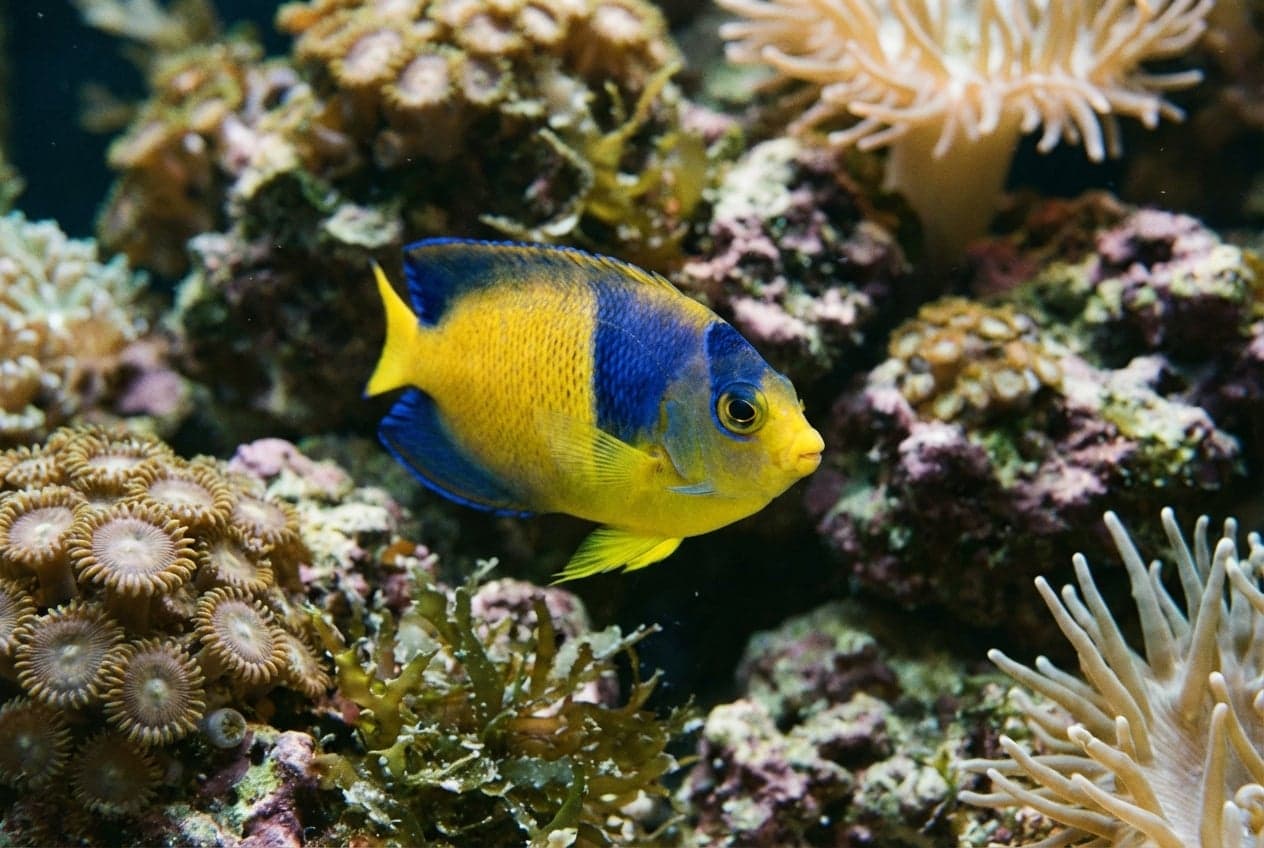
Scopas Tang
A 20cm brown tang, the hardiest and cheapest of the Zebrasoma. Needs 400L+, heavy grazing and strong flow, and it will spar with other tangs.
Also known as: brown tang · Zebrasoma scopas

Scopas Tang
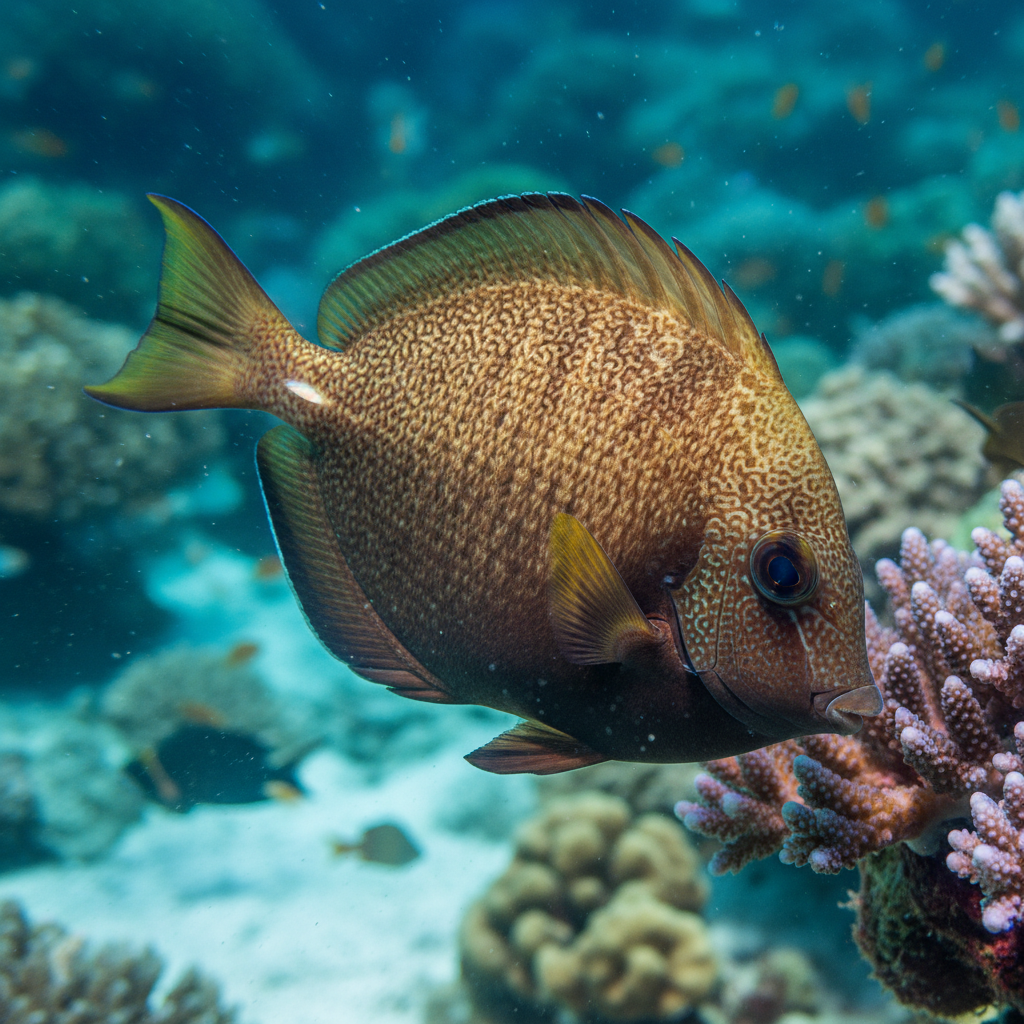
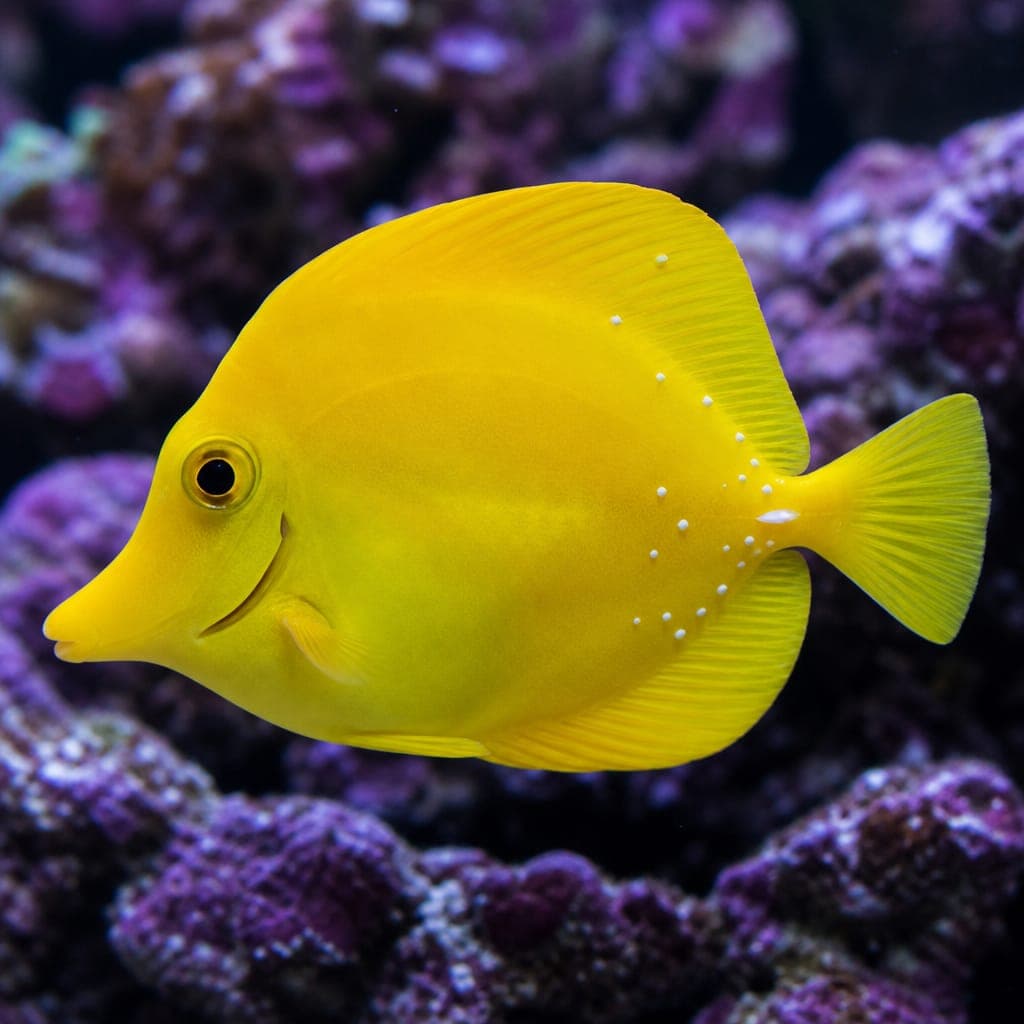
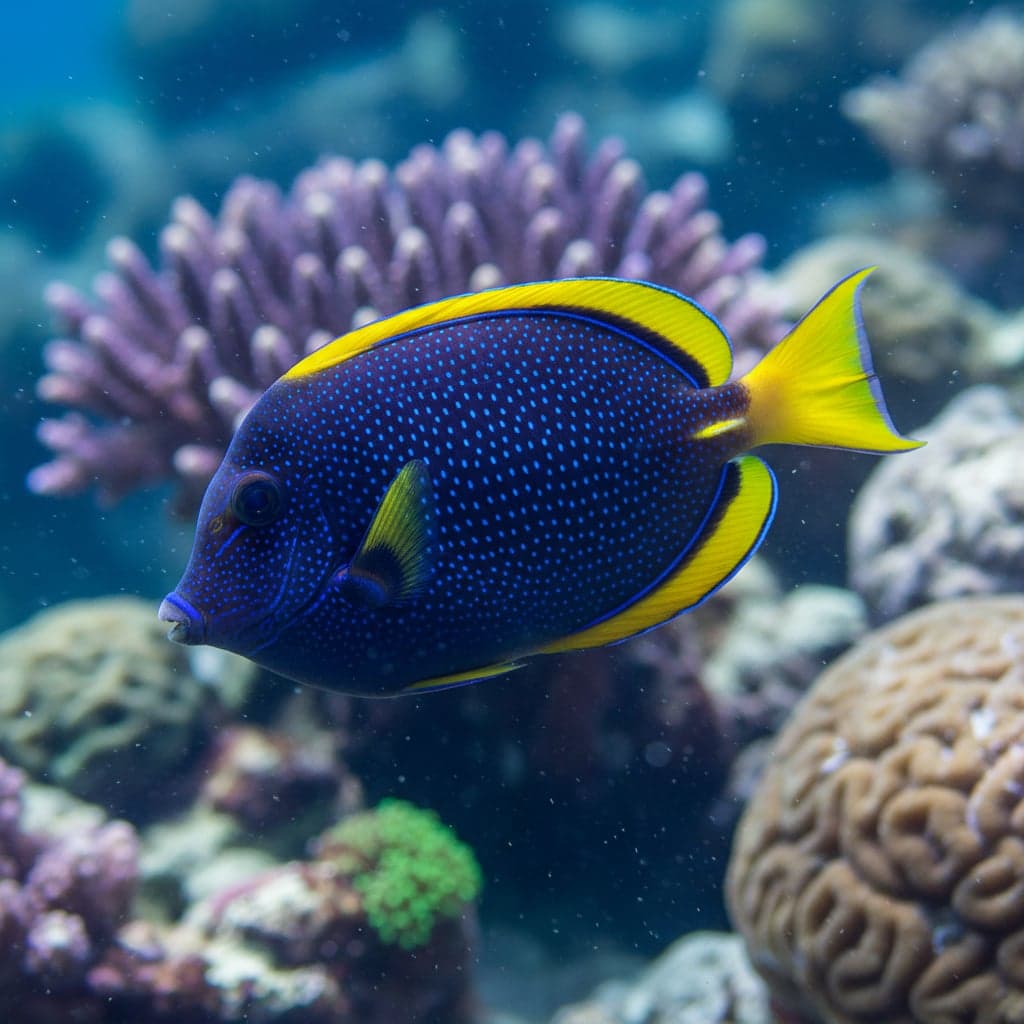
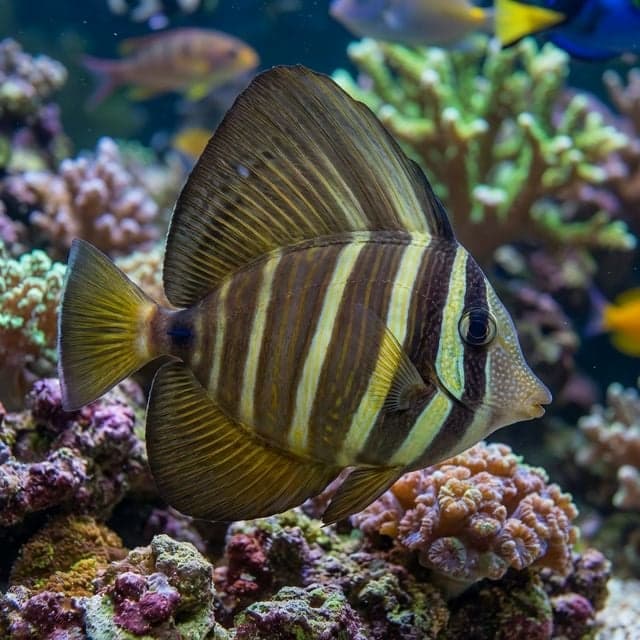
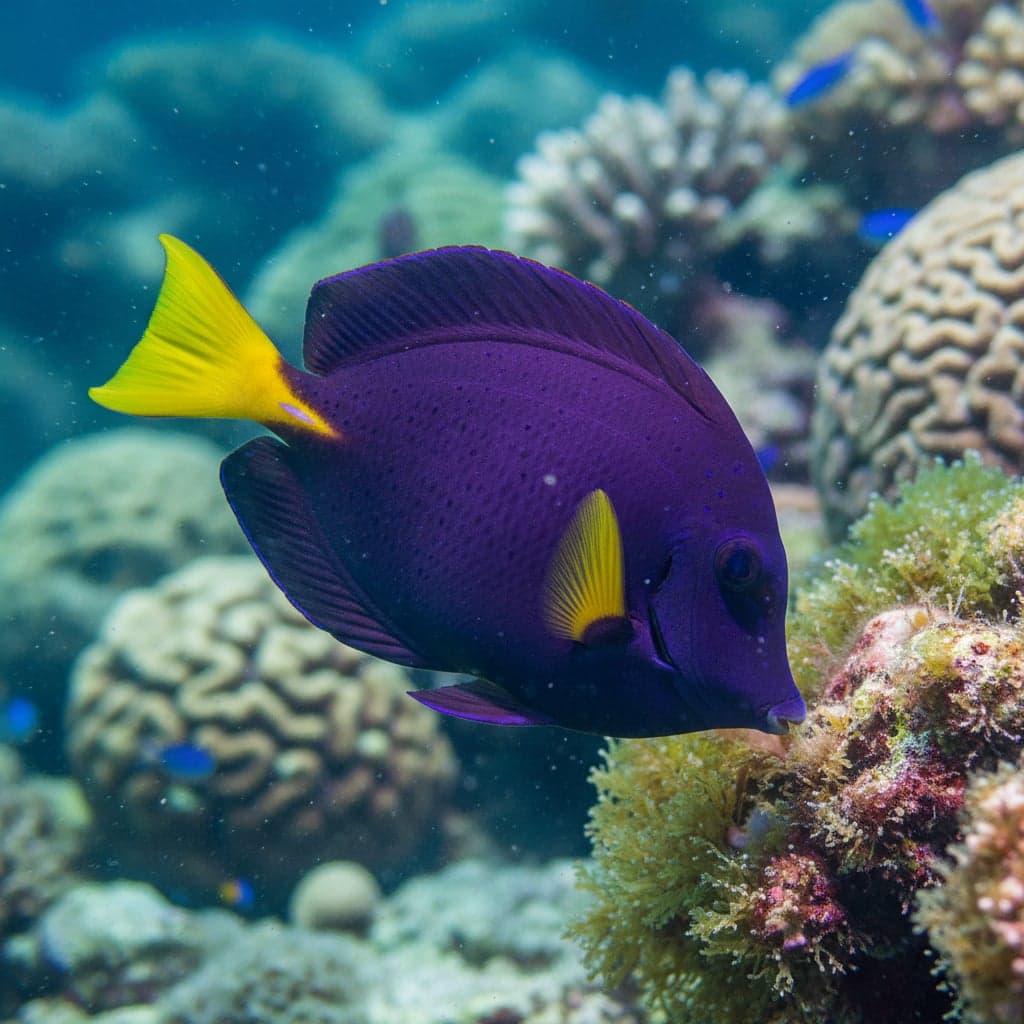
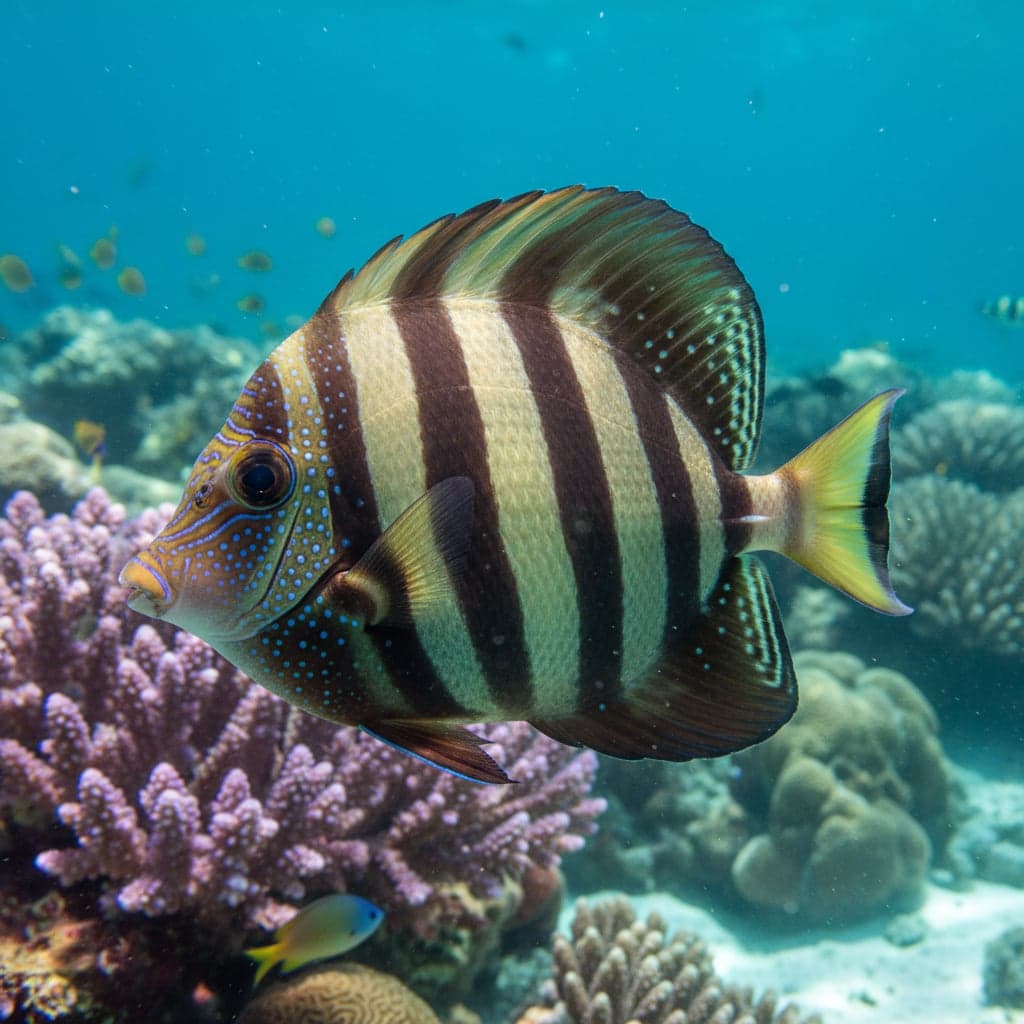
The Scopas Tang, also known as the Zebrasoma scopas, is a striking species of marine fish that captivates aquarists with its graceful movements and vibrant coloration. Characterized by its elongated body, this tang features a distinctive yellow-brown coloration with a paler belly, complemented by a unique pattern of darker vertical stripes that enhance its visual appeal. The fins and tail are often tinged with a bright yellow hue, further adding to its attractiveness as a centerpiece in a marine aquarium. Its angular, tall shape allows it to navigate through reef structures with ease, and its beauty has made it a popular choice among both novice and experienced aquarists alike.
In the aquarium hobby, the Scopas Tang holds significance not just for its aesthetic value but also for its role in maintaining the health of reef environments. As herbivorous fish, they feed predominantly on algae and help keep tanks clean by managing harmful algal blooms. This ecological contribution, combined with its hardy nature and adaptability, solidifies the Scopas Tang as a staple in reef aquariums. With the right care and environment, this elegant fish can thrive for many years, captivating hobbyists with its dynamic presence and interactive behavior.
Natural Habitat & Origin
The Scopas Tang is indigenous to the warm, tropical waters of the Indo-Pacific region, particularly around the islands of the central and western Pacific Ocean, including locations such as Hawaii, Fiji, and the Marquesas Islands. It typically inhabits coral reefs and rocky areas, where it can find ample grazing opportunities on the abundant algae. Preferring clear, nutrient-rich waters, the Scopas Tang thrives in environments characterized by stable temperatures and good water flow, which are conducive to both growth and reproduction.
In its natural habitat, the Scopas Tang occupies shallow depths, generally ranging from 1 to 30 meters below the surface. These areas are often dense with reef structures that provide both protection and foraging grounds. The combination of coral formations and pristine waters contributes to a biodiverse ecosystem where the Scopas Tang plays a crucial role in the balance of its environment through its grazing habits and interactions with other reef inhabitants.
Care Requirements
To ensure optimal health and vitality for the Scopas Tang, aquarists should maintain specific water parameters within its tank. A pH level between 8.1 and 8.4 is ideal, while the water temperature should be kept between 74°F to 82°F (23°C to 28°C) with a specific gravity of 1.020 to 1.025. The hardness of the water should fall within the range of 8 to 12 dGH to replicate its natural marine environment.
In terms of tank setup, a minimum tank size of 400 litres (105 gallons) is recommended to allow this 20cm grazer adequate swimming space. The substrate can be composed of fine, crushed coral, which mimics its natural surroundings and helps maintain the appropriate pH levels. Lighting should be moderate to high, promoting the growth of live rock and any potential macroalgae, while plants are generally not required; however, the inclusion of rock structures and hiding spots is essential for the Scopas Tang to feel secure in its environment.
Diet & Feeding
The Scopas Tang is classified as an omnivore, although it primarily thrives on a herbivorous diet. A well-balanced diet should consist of high-quality algae-based flakes or pellets specifically formulated for tangs and herbivorous marine fish. In addition to commercial food, supplementing their diet with fresh greens like nori (seaweed), spirulina, and occasional live or frozen foods such as brine shrimp or mysis shrimp will contribute to their overall health.
It is essential to feed the Scopas Tang several small meals throughout the day rather than one large feeding to encourage optimal grazing habits and prevent overfeeding. Since these fish utilize their grazing behaviors to help manage algae growth, providing a consistent supply of algae or greens can contribute significantly to their well-being and the maintenance of a balanced aquarium ecosystem.
Behavior & Temperament
The Scopas Tang is known for its vibrant personality, displaying a variety of fascinating behaviors as it interacts with its environment. Generally seen as a peaceful fish, it is best kept in either pairs or in groups within adequately sized tanks to prevent territorial disputes. Nevertheless, some individuals may exhibit aggression, especially during feeding or when being introduced to a new tank, highlighting the importance of careful tankmate selection.
In terms of vertical placement in the tank, the Scopas Tang tends to occupy the middle and upper levels of the aquarium. It enjoys swimming freely in these areas and exploring crevices in the live rock. When establishing a quarantine or main tank, it's important to monitor for signs of stress or territorial behavior, especially around feeding times or during interactions with other tang species.
Tank Mates
When selecting tank mates for the Scopas Tang, consider species that are similarly peaceful and do not exhibit territorial aggression. Compatible tank mates include:
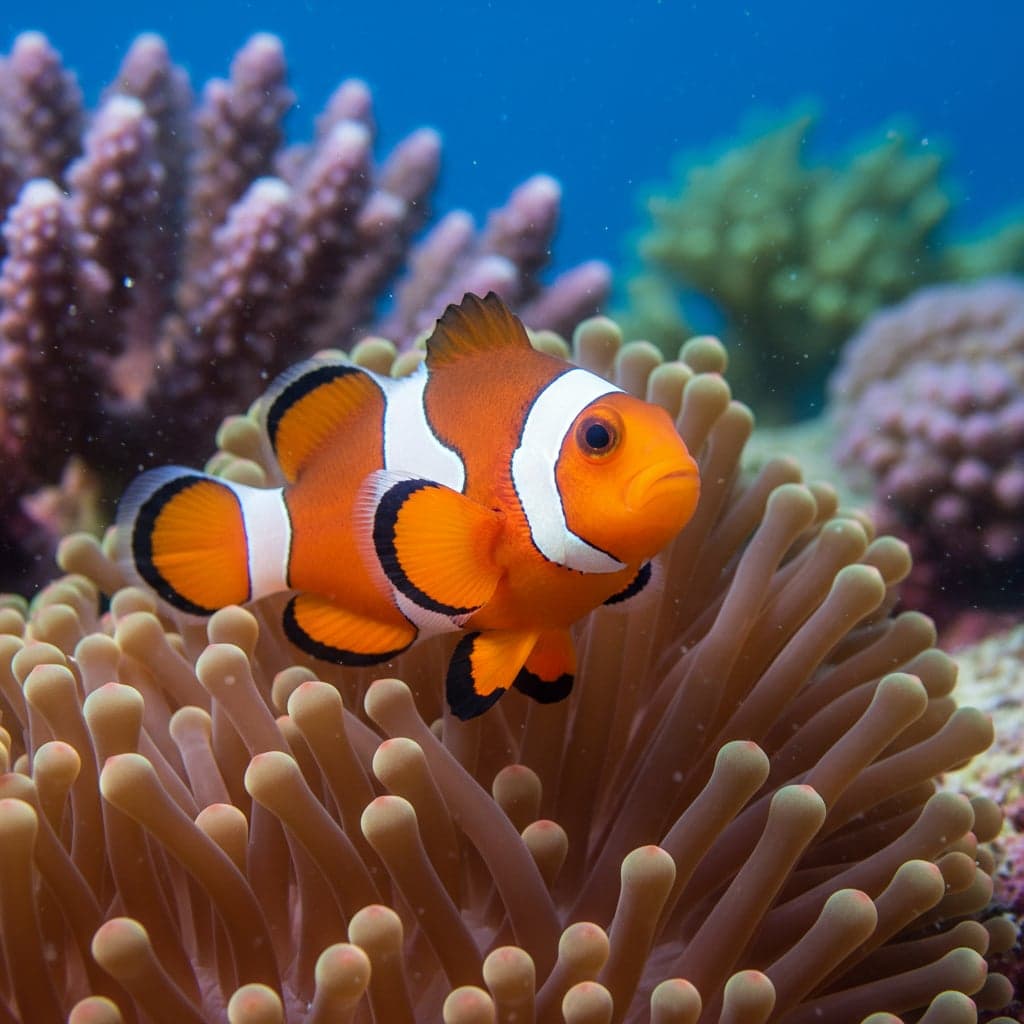
- Clownfish (e.g., Ocellaris Clownfish)
- Angelfish (e.g., Coral Beauty Angelfish)
- Gobies (e.g., Watchman Goby)
- Damselfish (e.g., Chromis species)
- Other tangs (with care, as some may be territorial)
Species to avoid in the same tank include aggressive fish such as triggerfish, large wrasses, and certain lionfish that may view the Scopas Tang as a threat or potential prey. Additionally, providing ample hiding spots and territories can reduce the likelihood of aggressive interactions in the tank.
Breeding
Breeding Scopas Tang in captivity is challenging due to their specific spawning needs. In their natural habitat, these fish are known to spawn in pairs during the warmer months, often after significant environmental cues such as moon phases and water temperature changes. To encourage spawning in an aquarium setting, maintain stable water conditions and provide ample space, typically in larger systems that replicate their natural breeding environment.
During spawning, Scopas Tang will often exhibit courtship behaviors, swimming closely together and performing synchronized swimming displays. A spawning event can result in the release of eggs into the water column, where fertilization occurs externally. If you are interested in breeding Scopas Tang, attempts should focus on providing as close to natural conditions as possible, monitoring for signs of pairing, and preparing to raise the larvae in a dedicated breeding tank, as survival rates can be quite low in mixed community tanks.
Common Health Issues
Like many marine species, Scopas Tangs can be susceptible to various health issues. Some common diseases include Ich (Cryptocaryon irritans), Marine Velvet (Amyloodinium ocellatum), and bacterial infections caused by stress or inadequate water quality. To prevent these ailments, maintaining a stable and clean environment with properly filtered water is crucial.
Regular testing of water parameters, along with quarantining new additions to the tank, can help minimize stress and disease transmission. Additionally, providing a varied and balanced diet will bolster the immune systems of Scopas Tang, enhancing their resilience against potential health issues. Regular observation and prompt intervention at the first sign of illness will contribute to the long-term success of keeping Scopas Tang in an aquarium setting.