The Serpae Tetra: Hyphessobrycon eques
A fiery red tetra known for its beauty and its feisty attitude. Stunning in a planted tank but requires a large school to curb its fin-nipping tendencies.
Serpae Tetra
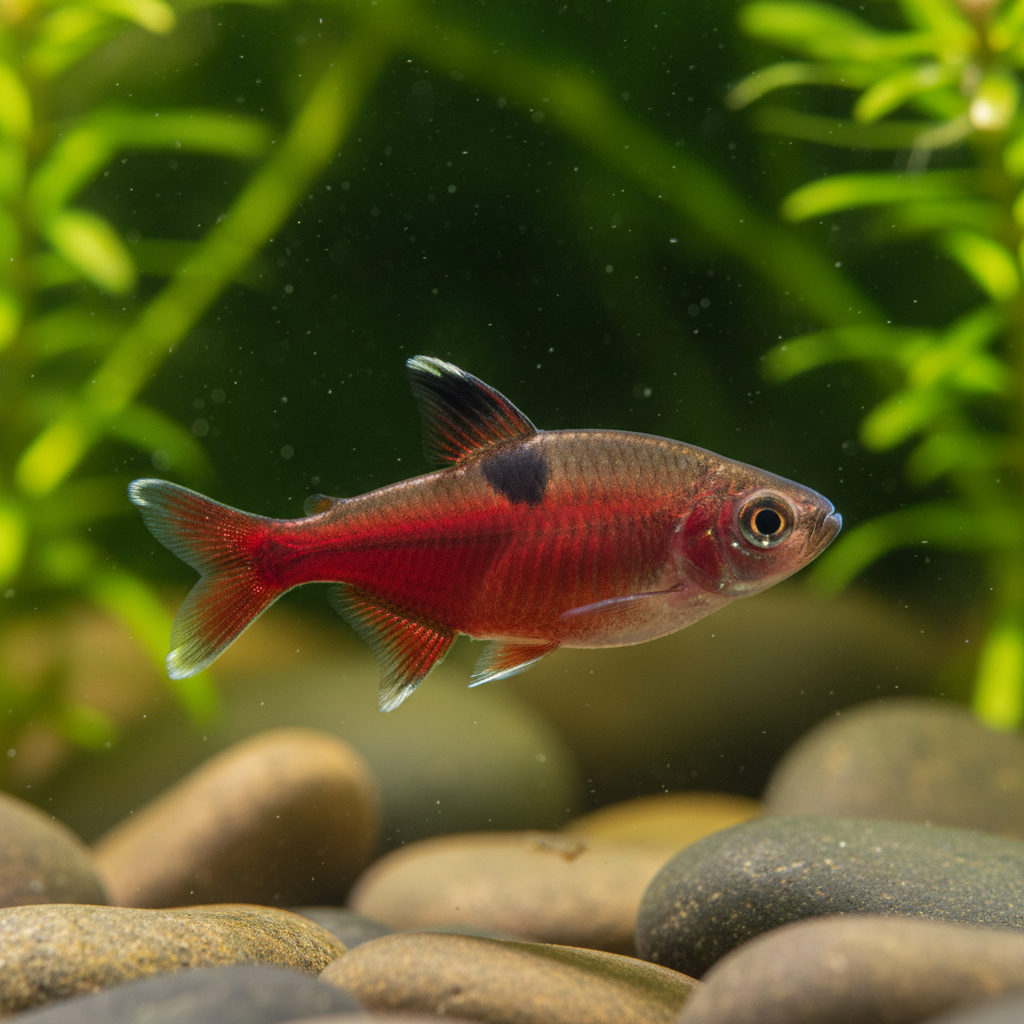
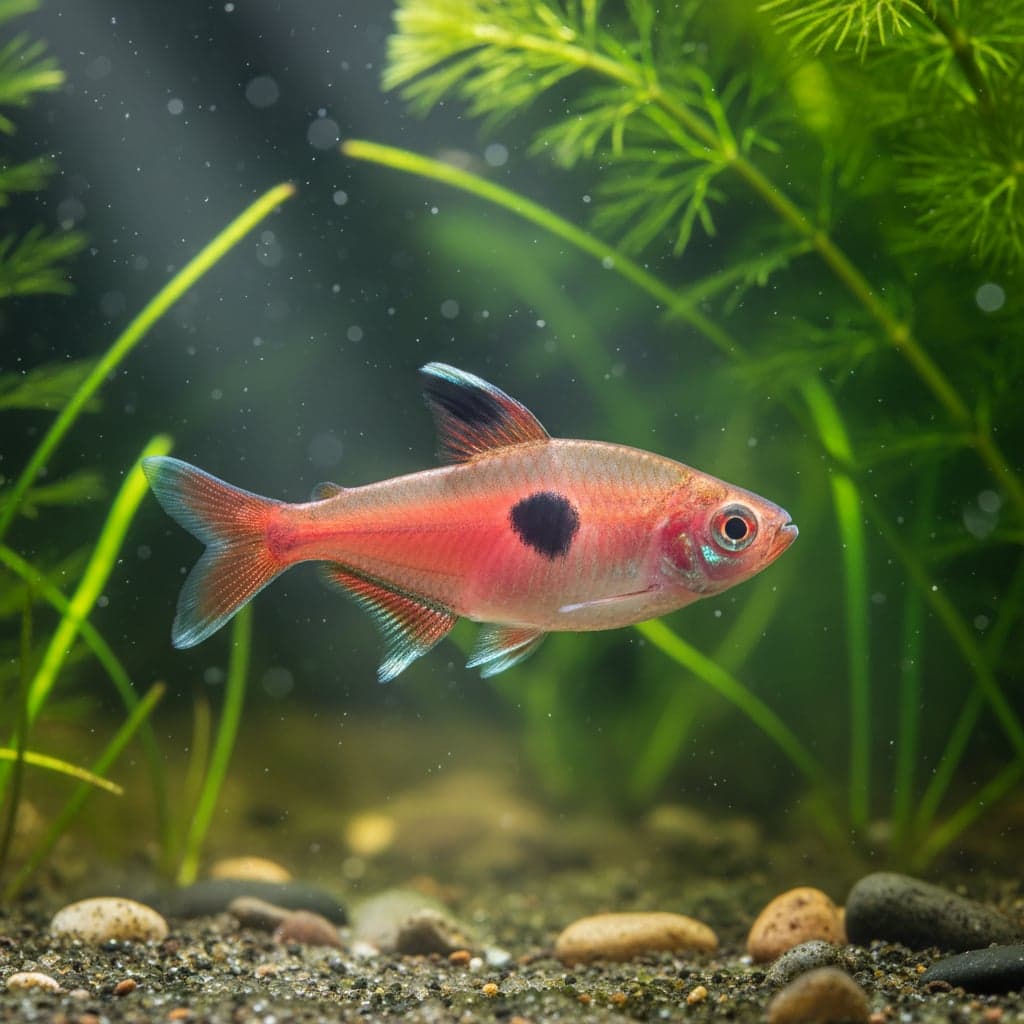
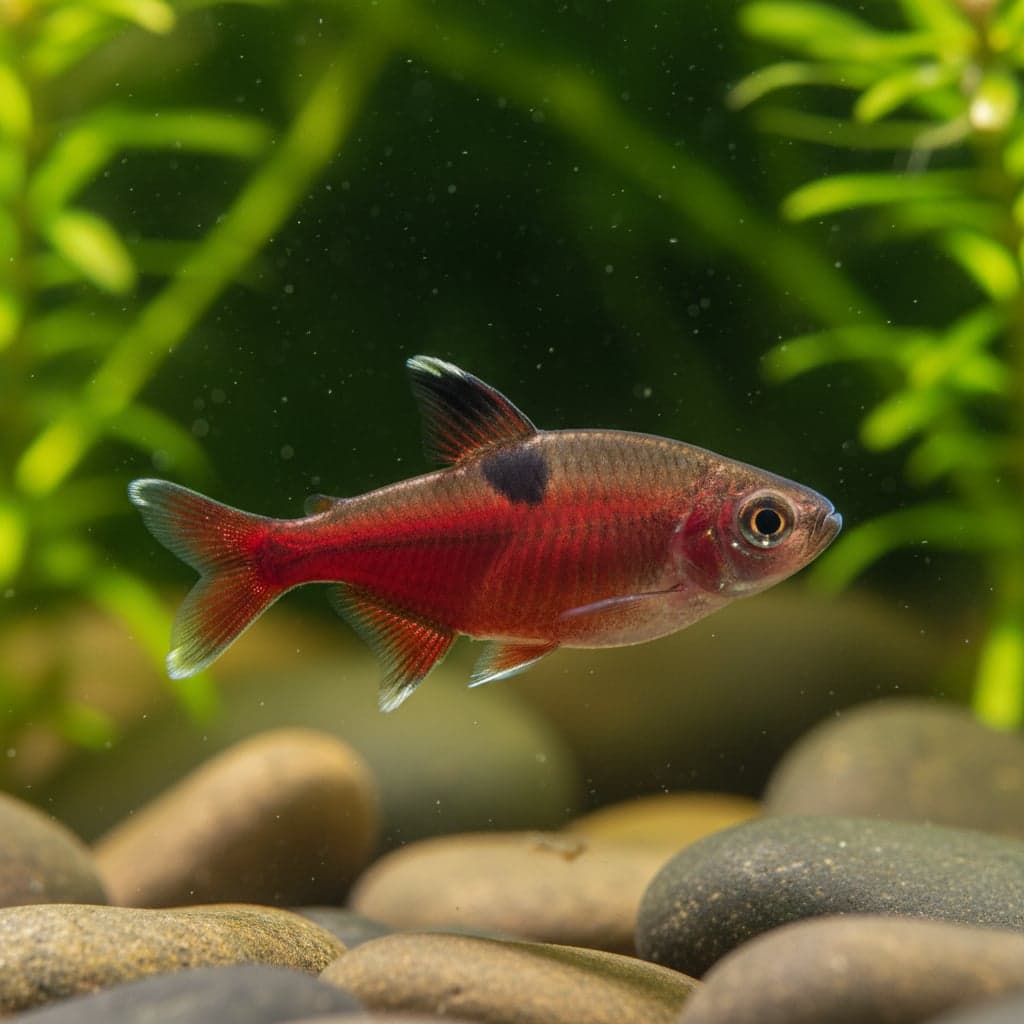
The Serpae Tetra (Hyphessobrycon eques) is a vibrant and eye-catching freshwater fish that has earned its place as a staple species in the aquarium hobby. Recognizable for its striking orange-red body adorned with a distinctive black spot at the base of its dorsal fin, the Serpae Tetra exhibits a lively demeanor that can add dynamism to any community tank. This small schooling fish typically reaches about 2 inches in length, making it an ideal choice for smaller planted aquariums or community setups where it can interact with other colorful species. The Serpae Tetra’s vivid coloration and energetic swimming patterns make it not only aesthetically pleasing but also a sought-after species for both novice and experienced aquarists.
In addition to its visual allure, the Serpae Tetra plays a significant role in promoting biodiversity within the aquarium environment. Highly adaptable, these fish thrive in varied water conditions and can adjust to different aquatic habitats, which makes them an excellent choice for mixed-species tanks. Their schooling behavior contributes to a more dynamic aquarium atmosphere, as they prefer to be kept in groups of six or more to exhibit their full range of natural behaviors. As a result, Serpae Tetras foster a sense of community within the aquarium, showcasing the importance of social dynamics in schooling fish species.
Natural Habitat & Origin
The Serpae Tetra originates from the slow-moving rivers and streams of South America, primarily in the regions of Brazil, Paraguay, and Argentina. It typically inhabits blackwater environments characterized by slight acidity and stained water from decomposed organic materials, such as leaves and plant matter. This specific habitat provides the Serpae Tetra with ample cover from predators and creates a rich ecosystem filled with natural food sources. In the wild, these fishes are often found among dense vegetation and submerged roots, where the filtered sunlight creates a dimly lit environment ideal for their natural behaviors.
The environmental context in which Serpae Tetras are found is crucial for understanding their care requirements in captivity. The conditions of their native habitats influence their adaptability and stress tolerance, making it vital for aquarists to replicate aspects of this environment in their aquariums. Providing similar water quality and layout can foster their health and vitality.
Care Requirements
To maintain optimal health, Serpae Tetras require specific water parameters. The ideal pH level for their tank should range from 6.0 to 7.5, with a temperature between 74°F and 82°F (23°C to 28°C). In terms of hardness, a range of 5 to 15 dGH is ideal. It’s essential to monitor these parameters closely, as fluctuations can lead to stress or illness.
For tank setup, a minimum tank size of 20 gallons is recommended to accommodate a proper school of these fish. The substrate can be fine gravel or sand, allowing for easy planting of live aquatic vegetation. Lighting should be moderate, ideally complemented by floating plants that can diffuse light and mimic the natural habitat of the Serpae Tetra. Additionally, including plenty of plants and driftwood in the aquarium will not only enhance aesthetics but also provide hiding spots, helping to ease stress among these fish.
Diet & Feeding
Serpae Tetras are omnivorous, requiring a balanced diet to thrive. In the wild, they consume a variety of foods, including small invertebrates and plant matter. In captivity, their diet can be supplemented with high-quality flake or pellet foods specifically formulated for tropical fish. Additionally, providing occasional offerings of frozen or live foods, such as brine shrimp, daphnia, or finely crushed vegetables, will not only enhance their coloration but also support their overall health. It is crucial to avoid overfeeding, as excess food can deteriorate water quality and lead to health issues.
Behavior & Temperament
The Serpae Tetra is a social and active fish, exhibiting peaceful behavior when housed in appropriate numbers. They are best kept in schools of six or more, as solitary individuals may become stressed or exhibit signs of aggression toward tank mates. While generally docile, Serpae Tetras can sometimes display territorial behavior, especially when establishing pecking order within the group. They are known to occupy mid to lower levels of the tank, often darting quickly through the water column, making them an engaging addition to a community aquarium. The dynamic swimming patterns of Serpae Tetras contribute to a lively tank environment and can charm any aquarist.
Tank Mates
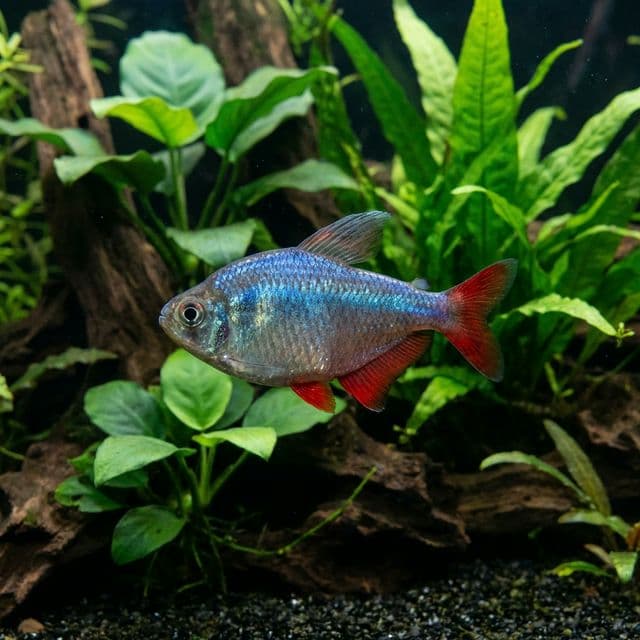
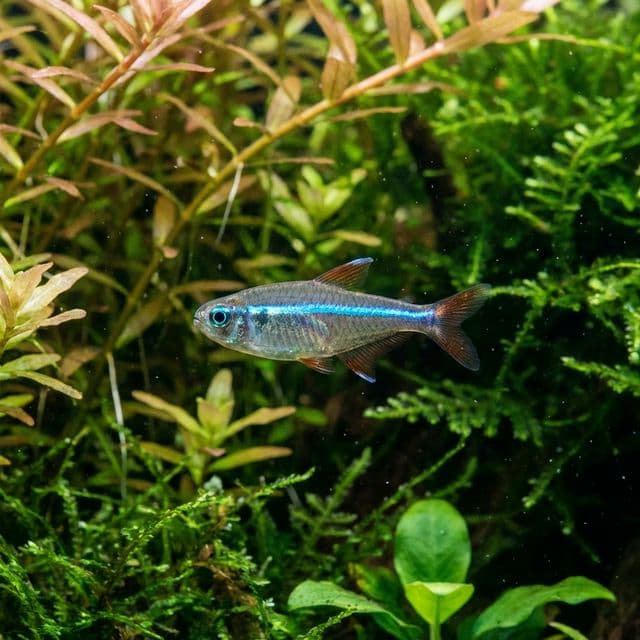
When selecting tank mates for Serpae Tetras, it is crucial to choose species that share similar water conditions and temperaments. Ideal companions include smaller, peaceful fish such as Neon Tetras, Guppies, Corydoras Catfish, and Rasboras. However, aquarists should avoid housing Serpae Tetras with larger predatory fish or overly aggressive species, as such combinations can lead to stress or predation. Additionally, it is advisable to steer clear of fin-nippers, such as certain breeds of barbs, to prevent potential conflicts and injuries.
Breeding
Breeding Serpae Tetras in captivity can be successful with the right conditions in place. To encourage spawning, a separate breeding tank with soft, acidic water (pH around 6.0) and a temperature around 80°F is recommended. The tank should be densely planted with fine-leaved spawning plants, as they prefer to lay eggs among the vegetation. A breeding pair usually engages in a subtle courtship dance before the female lays her eggs, which the male fertilizes. After spawning, it is essential to remove the adult fish from the breeding tank, as they may eat the eggs. The hatching process typically takes about 24 to 48 hours, after which the fry can be fed infusoria until they are large enough for larger food sources.
Common Health Issues
Serpae Tetras may be prone to certain health issues, including ich (ick), fin rot, and swim bladder disease, particularly if water quality is not regularly monitored. Preventive measures include maintaining stable water parameters, performing regular water changes, and ensuring a clean environment free from excess waste. Additionally, keeping the fish in appropriate school sizes and avoiding overstocking can help minimize stress and disease outbreaks. Regular observation of the fish for any signs of illness, such as changes in behavior, appetite, or physical appearance, will also aid in early detection and treatment of potential health issues.