Carassius auratus 'Shubunkin': Shubunkin
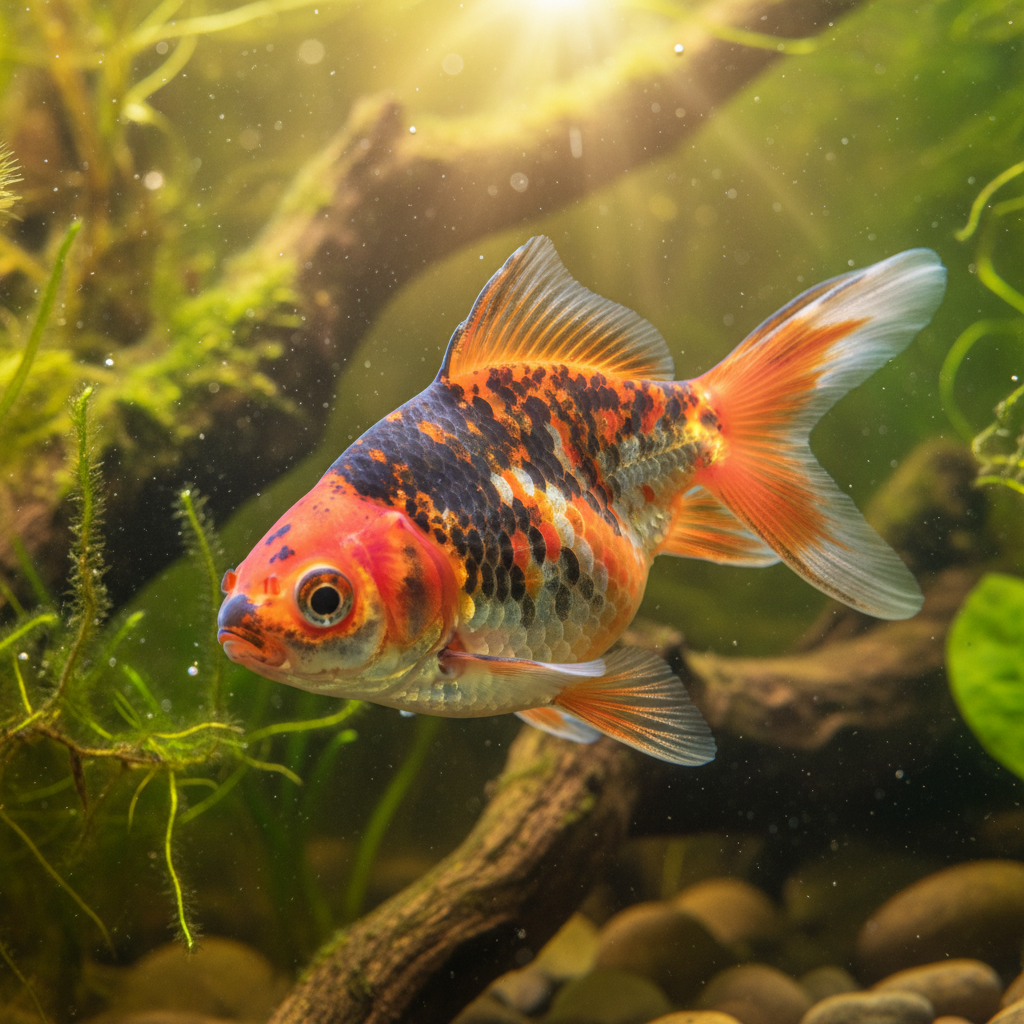
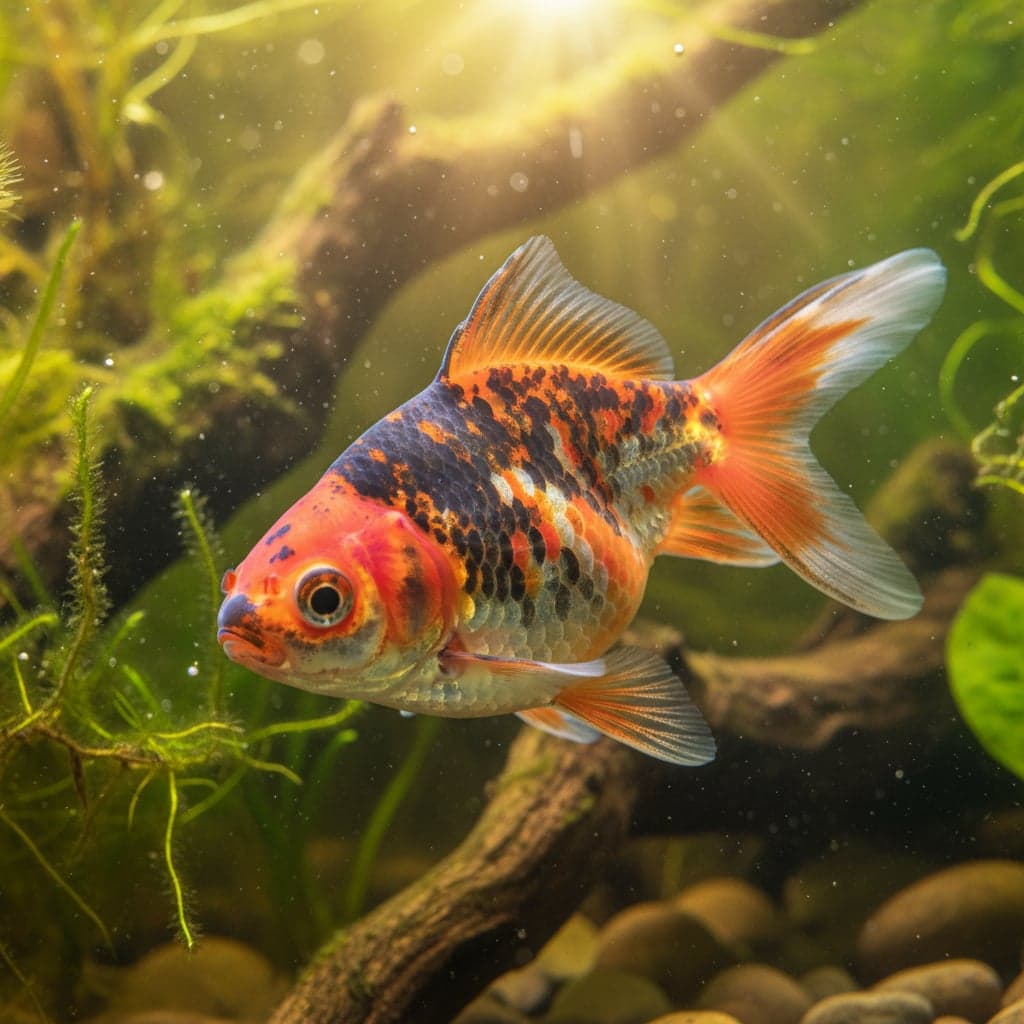
A deeply robust, fiercely fast single-tailed goldfish entirely covered in a chaotic calico splatter of blue, red, orange, and black.
Carassius auratus 'Shubunkin'
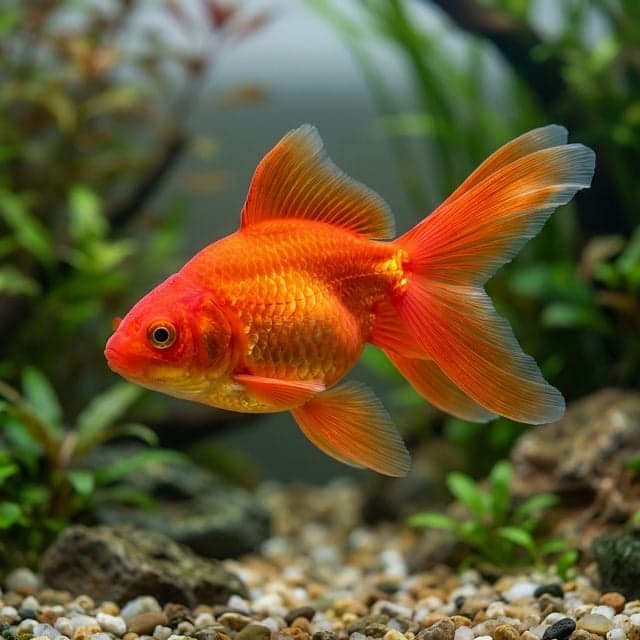
The Carassius auratus 'Shubunkin', commonly known as the Shubunkin goldfish, is a captivating variety of the standard goldfish that boasts a beautiful, multi-colored, calico pattern. This fish is particularly valued in the aquarium hobby for its unique colorations that can range from hues of blue, orange, red, and white. Shubunkins possess a streamlined body shape with long, flowing fins that create an eye-catching visual display in any aquatic environment. Their serene swimming patterns and active nature make them a beloved choice for aquarists of all skill levels.
Shubunkins are not just visually appealing; they carry cultural significance as well. Originally developed in Japan, this variety of goldfish has spread globally and is often featured in koi ponds and ornamental gardens. Their hardiness and adaptability to various water conditions further enhance their appeal, allowing them to thrive in a range of aquarium setups. As an integral part of the goldfish breeding legacy, the Shubunkin represents both a cherished aesthetic and a historical lineage within the aquarium and pond-fish keeping communities.
Natural Habitat & Origin
Shubunkins originate from the East Asian regions, primarily associated with Japan and China. These fish were selectively bred from common goldfish species to enhance their beauty and unique coloration patterns. In their natural habitat, Shubunkins are often found in slow-moving waters, such as ponds and lakes that exhibit varying degrees of clarity—from clear waters to slightly turbid environments. They thrive in habitats that provide ample vegetation, as this not only offers shelter but also plays a crucial role in their natural feeding behaviors.
In terms of water type, Shubunkins do well in both freshwater and slightly brackish setups. The environmental parameters of their native habitats typically include slightly acidic to neutral pH levels, stable temperatures ranging from 20°C to 24°C (68°F to 75°F), and moderate hardness. These factors contribute to their resilience and ability to adapt to various aquarium conditions, making them a perfect candidate for novice and experienced aquarists alike.
Care Requirements
To ensure the health and well-being of Carassius auratus 'Shubunkin', specific water parameters must be maintained. Optimal pH levels should range between 6.5 to 7.5; this provides stability and keeps the fish comfortable. The ideal temperature should be kept between 20°C to 24°C (68°F to 75°F), as extreme temperature fluctuations could stress the fish. Water hardness should be moderately low to moderate, ideally aiming for a range of 5 to 20 dGH.
When setting up a tank for Shubunkins, a minimum size of 75 gallons is recommended, given their potential for larger sizes and active swimming habits. Substrate options can include fine gravel or sand to minimize injury to the fish. Incorporating plants—both live and artificial—will not only enhance the aesthetic appeal but also provide hiding places and spawning sites. Proper lighting is essential, with a moderate level of brightness to simulate natural conditions, ensuring the plants thrive while maintaining a comfortable environment for the fish.
Diet & Feeding
Carassius auratus 'Shubunkin' is an omnivorous fish, meaning it thrives on a balanced diet that includes both plant-based and animal-based food sources. A high-quality flake food specifically formulated for goldfish is a staple in their diet. Additionally, pellets designed for goldfish can serve as a reliable food source, providing essential nutrients for their growth and development.
To ensure a well-rounded diet, incorporating frozen or live foods such as brine shrimp, daphnia, and bloodworms will stimulate their natural foraging behavior and enhance their overall health. Vegetables like blanched peas, spinach, or zucchini can also be offered as nutritious treats. Feeding three to four small meals a day rather than one large feeding is advisable to prevent overfeeding and maintain optimal tank hygiene.
Behavior & Temperament
In terms of behavior, the Shubunkin is generally peaceful and sociable. They do well in community tanks, exhibiting a curious nature and engaging in playful interactions with their tank mates. It's important to note that while they are not overly aggressive, they may exhibit territorial behavior during breeding seasons or when competing for food. Shubunkins tend to prefer the mid to lower levels of the tank, allowing them to swim freely without frequent disturbance from surface-dwelling fish.
Schooling is also an essential aspect of their behavior—keeping them in groups of at least three to five individuals helps in reducing stress levels and encouraging natural social interactions. However, tank mates should be selected carefully to ensure all species can coexist peacefully without undue stress or aggression.
Tank Mates
When selecting tank mates for Carassius auratus 'Shubunkin', compatibility is key to maintaining a harmonious aquarium environment. Ideal companions include other varieties of goldfish such as common goldfish, ryukin, and orandas, as well as peaceful species like danios, loaches, and certain tetras. These species share similar water requirements and social behaviors, contributing to a balanced community tank.
However, certain fish should be avoided as tank mates, particularly aggressive or fin-nipping species like bettas, cichlids, or some barbs. Smaller species that might fit in the Shubunkin's mouth should also be avoided to prevent accidental predation. Ensuring that all tank mates are well-suited in terms of size, behavior, and habitat requirements will contribute to a thriving aquatic environment.
Breeding
Breeding Carassius auratus 'Shubunkin' in captivity can be rewarding and requires specific conditions to encourage spawning. Generally, Shubunkins will reach sexual maturity between 1 to 2 years of age. In preparation for breeding, it's beneficial to condition them with a high-quality diet rich in protein. Once conditioned, introducing a male and female to a spawning tank with plenty of vegetation—such as Java moss or spawning mops—will aid in successful reproduction.
During the breeding process, males exhibit more aggressive chasing of females, nudging them to stimulate egg deposition. Female Shubunkins can lay hundreds of eggs, which are typically adhesive and will attach to plants or the substrate. Once spawning is complete, the parents can be removed, as they may consume the eggs. Maintaining optimal water conditions, including stable temperature and cleanliness, will help in the development of the eggs, which typically hatch in 4 to 7 days depending on the temperature.
Common Health Issues
Carassius auratus 'Shubunkin' can be susceptible to various health issues if not properly cared for. Common diseases include ich, fin rot, and swim bladder disorder. Ich is characterized by white spots on the body and can be treated with appropriate medications, but preventive measures include maintaining stable water parameters and ensuring good tank hygiene. Fin rot is often caused by poor water quality; thus, regular water changes and tank maintenance are vital.
Swim bladder disorder can occur due to overfeeding or constipation, and it manifests as difficulty swimming or staying upright. To prevent this, offer a varied diet rich in sinking pellets and blanched vegetables like deshelled peas, and avoid overfeeding floating foods that encourage gulping air. Because Shubunkins produce a substantial bioload, robust biological filtration and routine weekly water changes are essential to keep ammonia and nitrite at zero. Providing a clean, well-oxygenated environment with ample swimming space and compatible tank mates will significantly reduce the risk of illness, allowing your Shubunkins to thrive for well over a decade.