Siamese Blenny
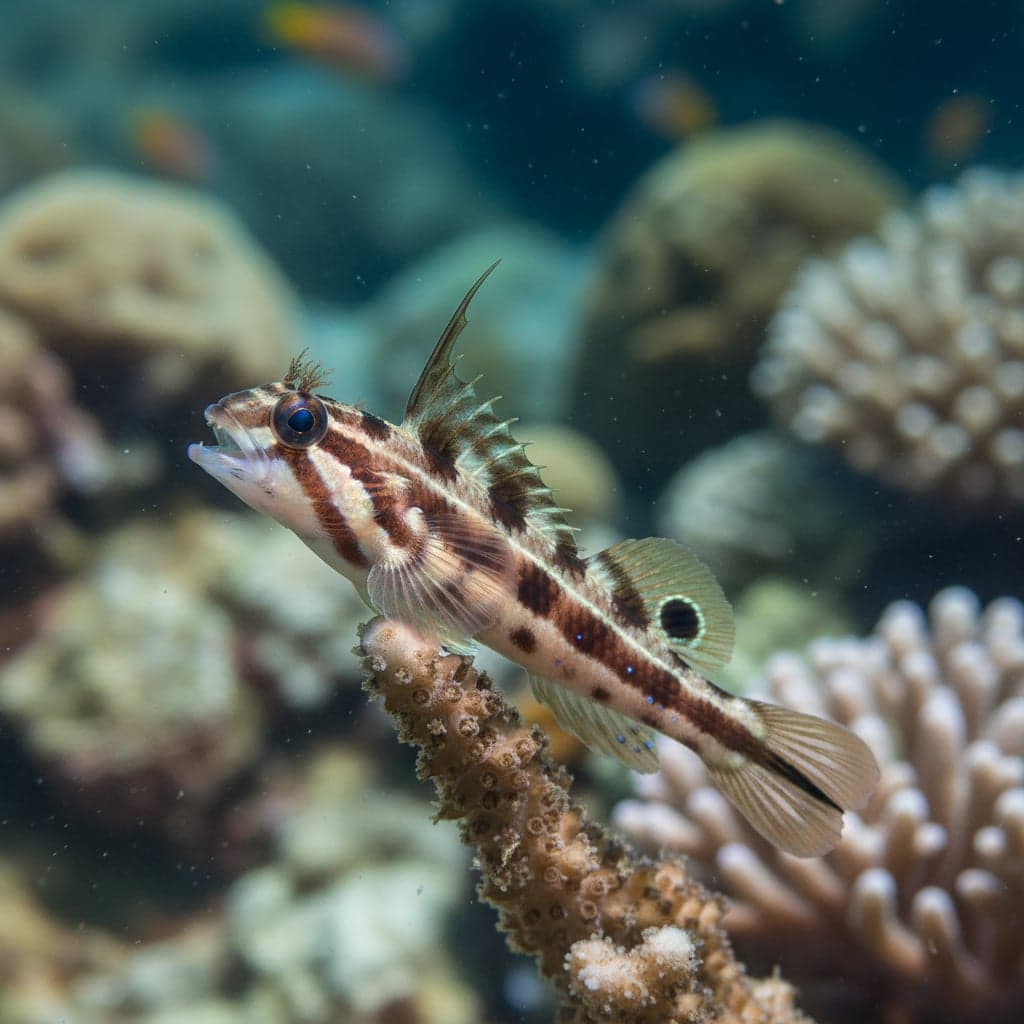
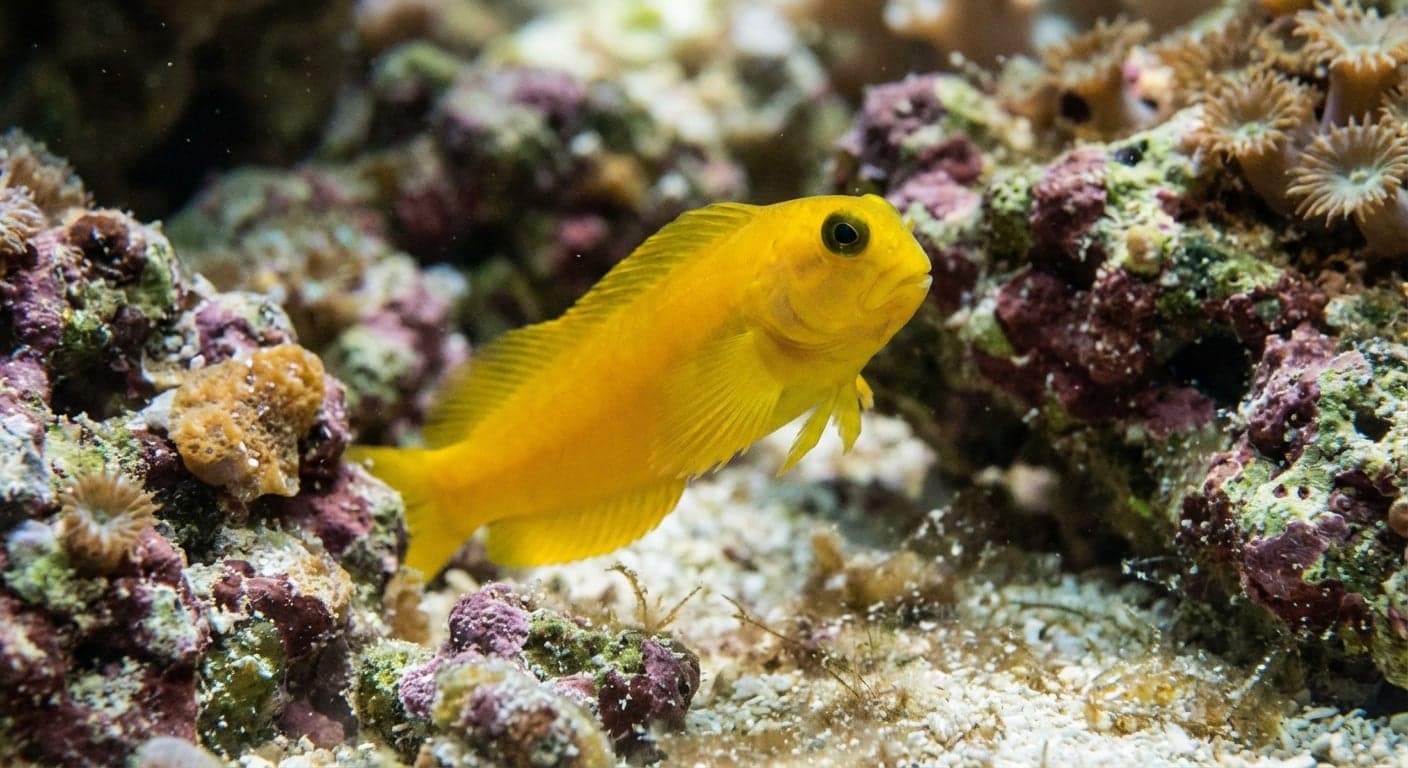
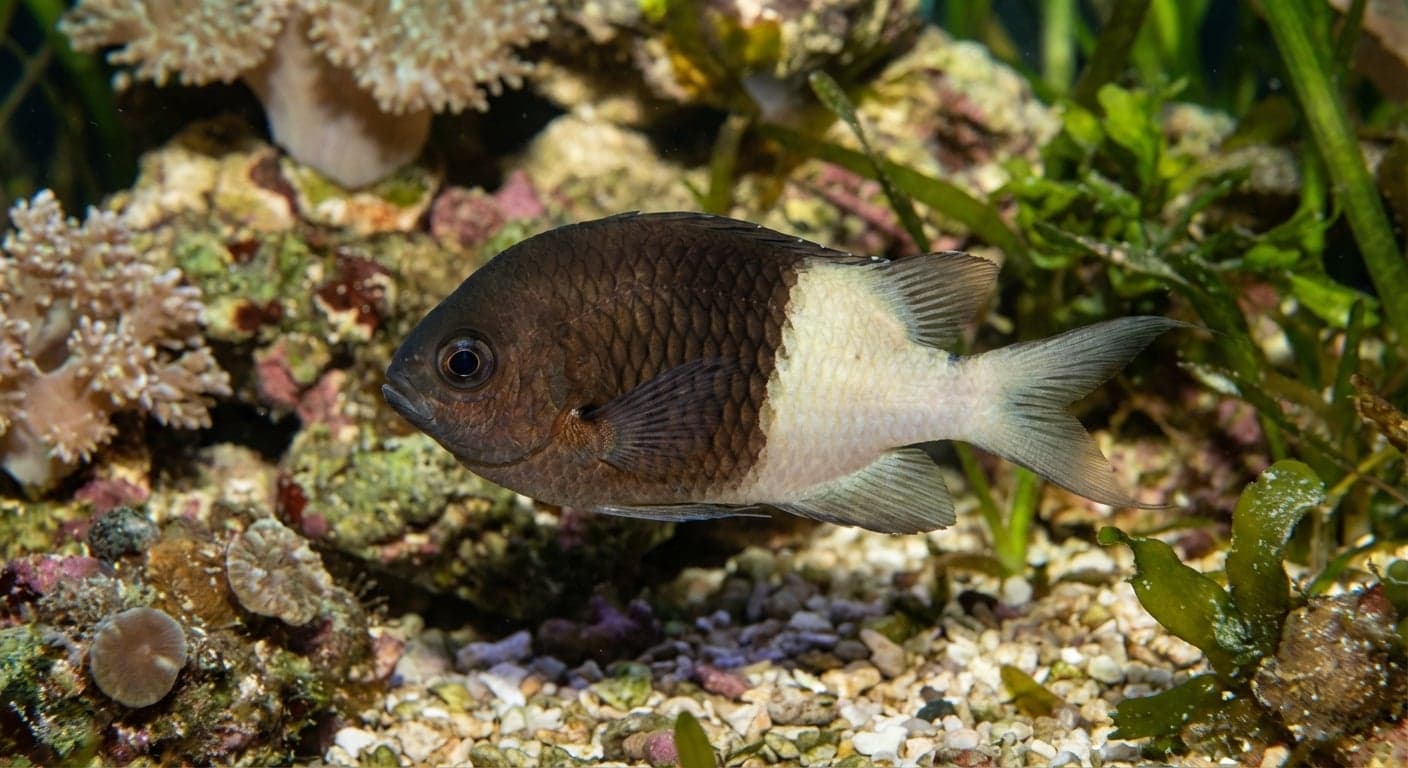
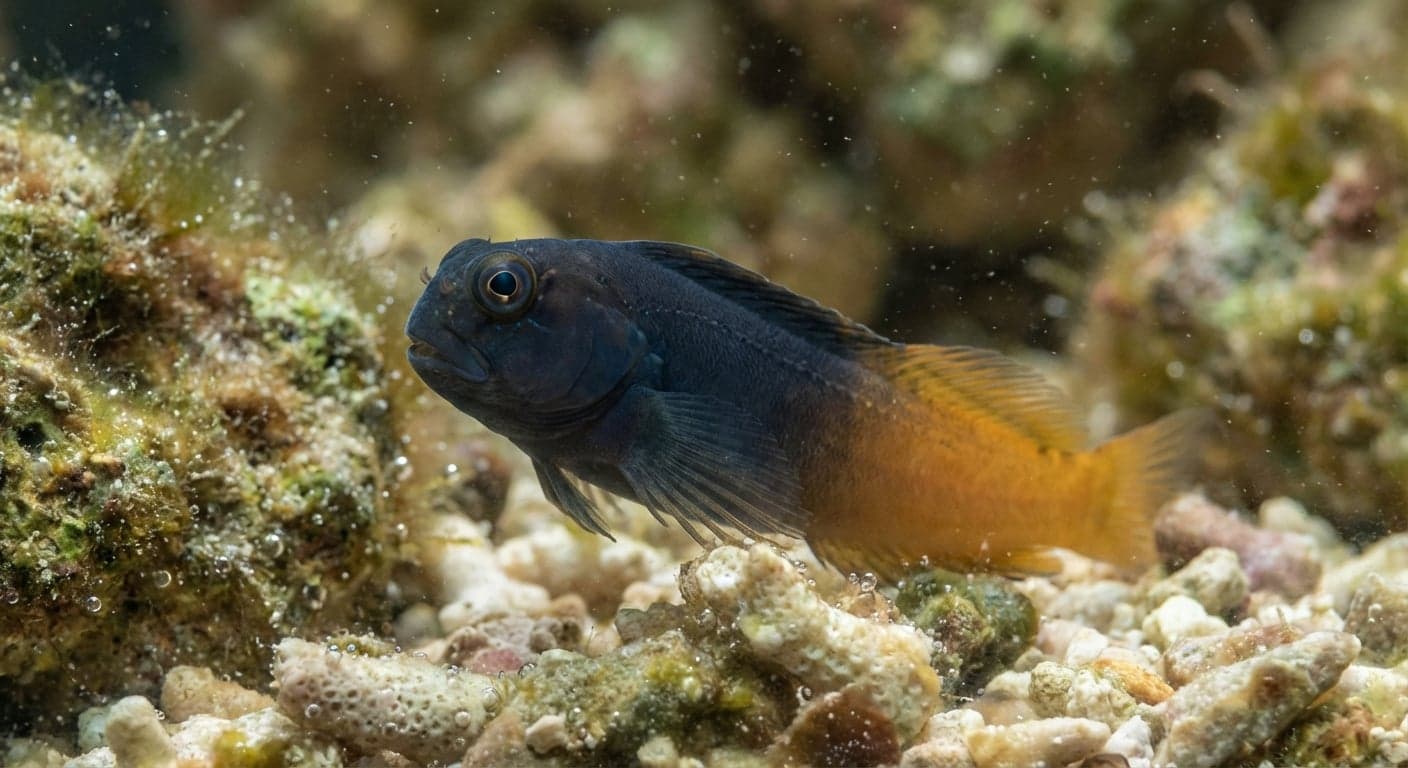
The Siamese Blenny (Meiacanthus smithi) is a stunning saltwater fish known for its unique appearance and behavior.

Siamese Blenny
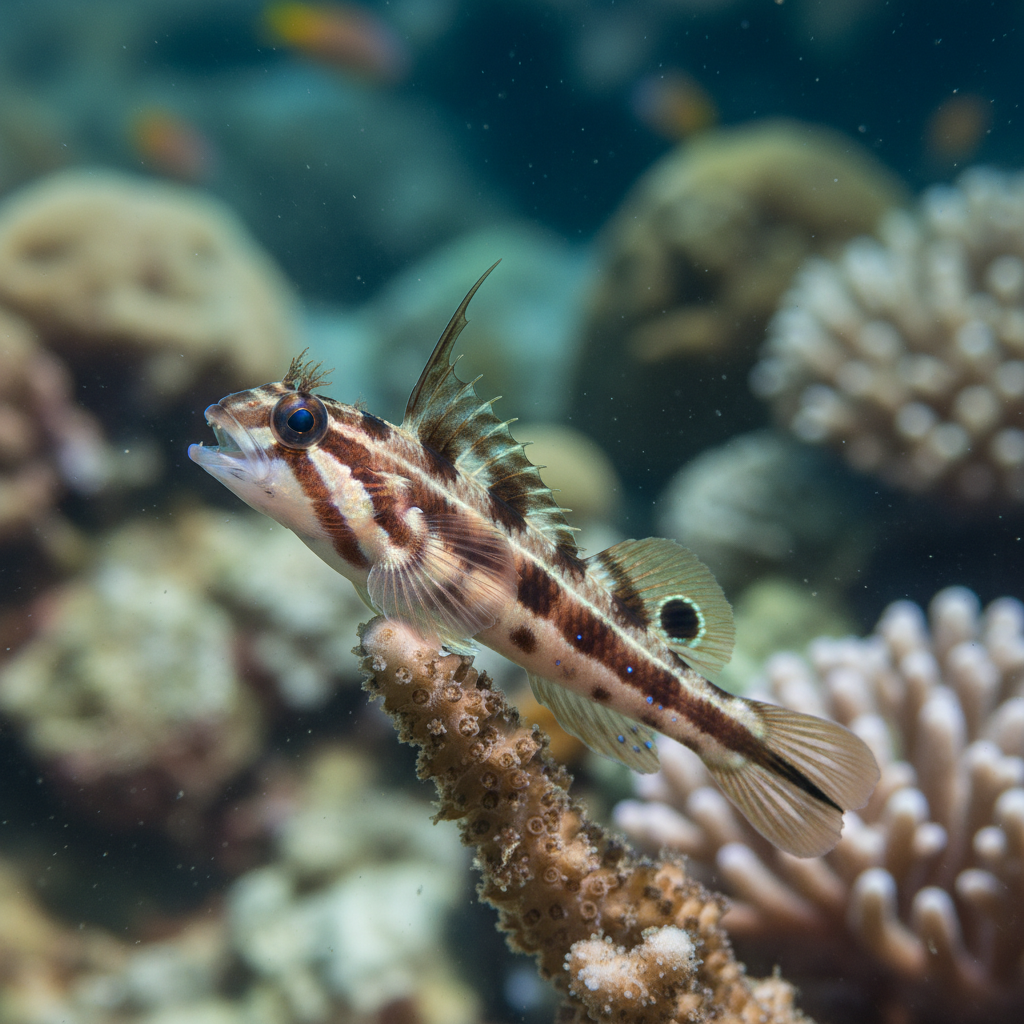
The Siamese Blenny, scientifically known as Acanthoclinus brunnicheili, is a captivating freshwater fish that has gained immense popularity among aquarium enthusiasts due to its unique appearance and charming personality. Typically exhibiting a slender, elongated body and vibrant colors ranging from deep greens to shades of blue and yellow, this fish stands out in any aquascape. Its distinctive markings, including freckles and stripes that run along the length of its body, create an eye-catching and dynamic presence in both freshwater and brackish environments. With its relatively peaceful demeanor and engaging behavior, the Siamese Blenny is often favored for community tanks and biotope setups alike.
This species not only adds aesthetic value to an aquarium but also plays an essential role in maintaining the ecosystem within the tank. Siamese Blennies are natural algae eaters and help keep the tank clean by grazing on hair algae and biofilm that may accumulate on surfaces. Their active and inquisitive nature encourages interaction with tank mates and captivates aquarists with their playful antics. As a keystone species in their natural habitat, they contribute to the ecological balance, making them a valuable addition to any hobbyist's collection.
Natural Habitat & Origin
The Siamese Blenny originates from the lush freshwater rivers and streams of Southeast Asia, primarily found in Thailand, Cambodia, and parts of Vietnam. These fish favor shallow, slow-moving waters that provide ample hiding spots among submerged rocks, roots, and aquatic vegetation. The natural environment of the Siamese Blenny is typically characterized by clear to moderately turbid water conditions, which may vary in pH and hardness depending on the specific locality. The fish are often found in areas with dense plant cover, providing both shelter from predators and access to algae, which constitutes a significant part of their diet.
The blenny thrives in freshwater conditions that mimic its natural habitat. Unlike some other freshwater species, it is adapted to slightly acidic to neutral water, which is enriched with organic material. The blackwater characteristics of some regions support a variety of life forms, including small invertebrates that the Siamese Blenny may encounter. This rich ecosystem offers the perfect backdrop for understanding the needs of this captivating fish in an aquarium setting.
Care Requirements
To ensure the well-being of the Siamese Blenny, maintaining specific water parameters is essential. Ideal conditions include a pH range of 6.0 to 7.5, a temperature between 24°C to 28°C (75°F to 82°F), and a hardness level of 2 to 15 dGH. Given their origins in densely vegetated environments, providing ample greenery in the aquarium is crucial. A minimum tank size of 75 liters (20 gallons) is recommended to allow for swimming space and territoriality, especially if multiple blennies are present.
The aquarium setup should ideally utilize a fine substrate like sand or small gravel to mimic the natural bottom found in their habitat. In addition to substrate, include a variety of live plants, driftwood, and rock formations that can offer hiding spots and encourage foraging behavior. Moderate lighting is preferable, as it promotes plant growth while allowing the blennies to express their colors and patterns confidently.
Diet & Feeding
The Siamese Blenny is classified as an omnivore, which means that its diet consists of both plant and animal matter. In captivity, this fish thrives on a varied diet that includes high-quality flakes and pellets specifically formulated for herbivorous and omnivorous fish. Additionally, it benefits from supplemental feeding of frozen or live foods such as brine shrimp, daphnia, and bloodworms. Plant-based foods, including algae wafers and spirulina supplements, should also be offered regularly to maintain a well-rounded diet.
When feeding Siamese Blennies, it's essential to provide smaller portions multiple times a day to ensure they obtain adequate nutrition and are less prone to overfeeding. Their natural grazing behavior means they will constantly forage for food, so integrating grazing-friendly foods will help mimic their natural feeding habits, ensuring their health and vitality.
Behavior & Temperament
Siamese Blennies exhibit a generally peaceful temperament and can be considered a community fish. However, they do display territorial habits, particularly during feeding or when defending their chosen hiding spots. These fish are known to be somewhat shy, especially in new environments, and may take some time to acclimatize. They occasionally engage in social interactions with their tank mates but are not known to form strong schooling groups like some other species.
In terms of vertical placement, Siamese Blennies favor bottom and mid-level zones within the aquarium, often swimming near the substrate where they can effectively forage for food. Providing sufficient hiding spots and structure is crucial to help them feel secure and reduce any stress associated with territorial disputes.
Tank Mates
When selecting tank mates for the Siamese Blenny, compatibility is key in creating a harmonious community. Suitable companions include peaceful species such as Tetras, Gouramis, Rasboras, and a variety of other small, non-aggressive freshwater fish that won't pose a threat to the blenny. Additionally, bottom-dwelling species such as Corydoras or Otocinclus can coexist well without competing for the same niche.
However, certain species should be avoided due to their potentially aggressive nature or size. Larger predatory fish like Cichlids or aggressive species such as Tiger Barbs can stress the Siamese Blenny, leading to an unhealthy environment. It's important to consider the overall community dynamics and ensure that all inhabitants can thrive peacefully.
Breeding
Breeding Siamese Blennies in captivity can be a rewarding experience, although it can pose challenges due to their specific spawning requirements. To encourage breeding behavior, provide a spacious environment with stable water parameters, similar to those required for their general care. Creating hiding spots will give females a secure area to lay eggs, which typically occurs on flat surfaces such as rocks or broad leaves.
During the spawning process, males will often display courtship behaviors, which can include fin flaring and chasing. After fertilization, the male typically guards the eggs until they hatch, which usually occurs within a few days, depending on water temperature. Post-hatch, the fry will require brine shrimp or other small live foods to ensure proper growth and development. Understanding these spawning dynamics is crucial for any aquarist interested in breeding Siamese Blennies successfully.
Common Health Issues
Siamese Blennies, like any freshwater fish, can be prone to various health issues that may arise due to suboptimal water conditions or environmental stressors. Common illnesses include Ich (white spot disease), fin rot, and various forms of parasitic infections. Maintaining clean water, performing regular water changes, and monitoring water parameters can help prevent the onset of these diseases.
Additionally, implementing a balanced diet and ensuring that tank mates are non-aggressive can significantly reduce stress on the Siamese Blenny, keeping it healthy. In case any signs of illness are observed, such as abnormal swimming patterns, loss of appetite, or visible signs of distress, prompt treatment is recommended. Quarantining sick fish can also help prevent further outbreaks in the community tank. By maintaining attention to their health and environment, aquarists can ensure their Siamese Blenny thrives in home aquariums.