Siamese Tiger Fish: Datnioides microlepis
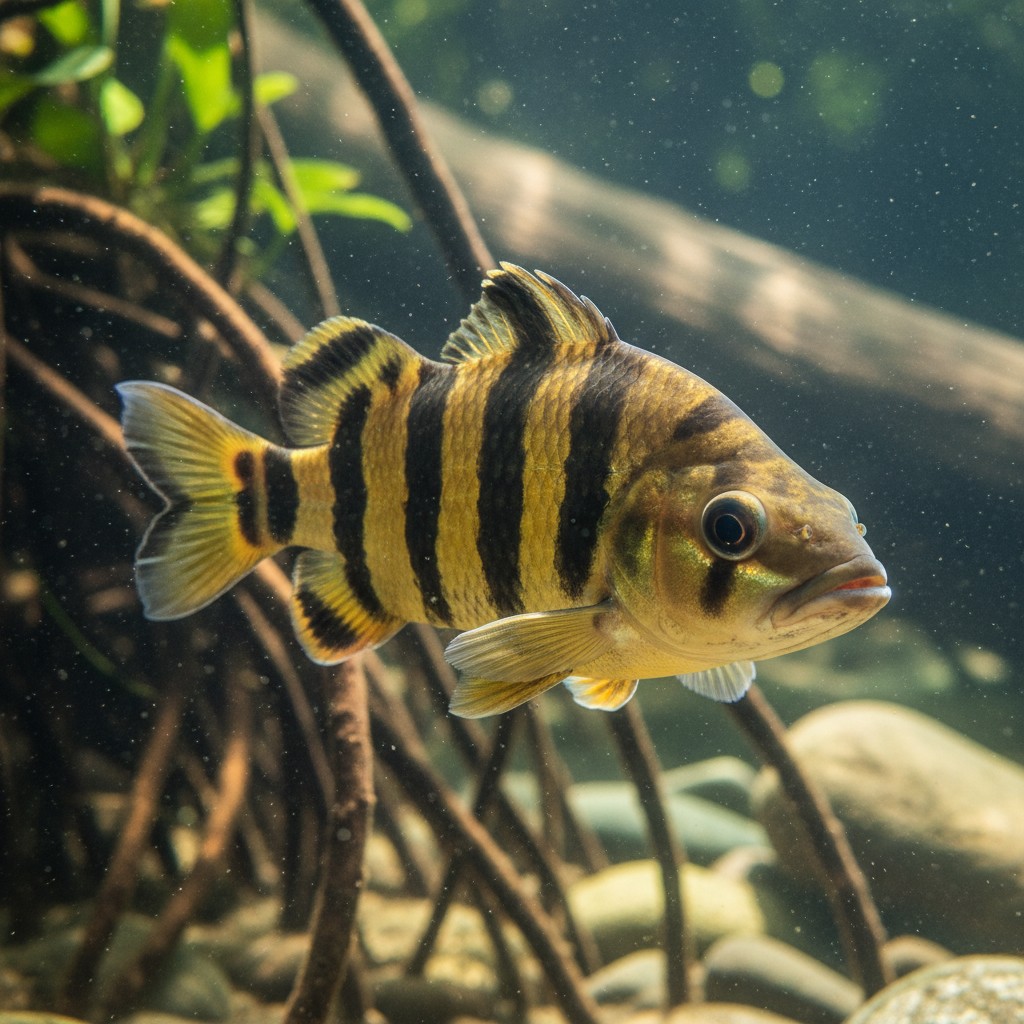
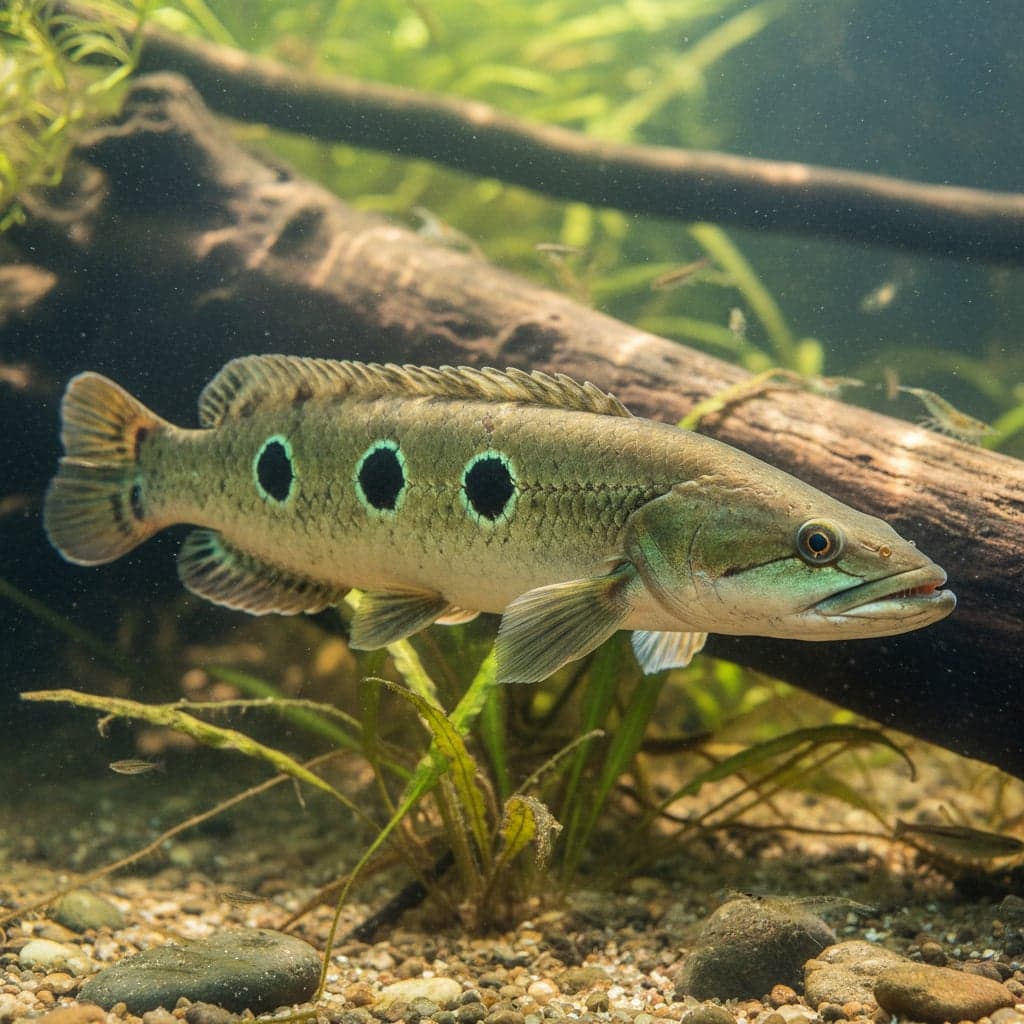
A legendary, massive, spectacularly patterned apex predator featuring glowing gold scales entirely slashed by incredibly thick, black vertical bands.

Siamese Tiger Fish
The Siamese Tiger Fish, scientifically known as Datnioides microlepis, is a striking freshwater fish renowned for its distinctive appearance and spirited nature. Characterized by its elongated body and stunning vertical black stripes against a vibrant golden-hued background, this fish commands attention in any aquarium setting. As a member of the Datnioides family, it is often sought after for its unique aesthetics, which resemble those of a tiger, thus earning its colloquial name. This species can grow quite large, reaching lengths of up to 12 inches, making it an impressive centerpiece for larger aquariums.
In the aquarium hobby, the Siamese Tiger Fish holds significant value not only for its beauty but also for its fascinating behaviors and adaptability. It thrives in various setups, from community tanks to more specialized environments that cater to its natural instincts. Fish enthusiasts appreciate its active swimming style and its intriguing predatory nature, making it a captivating choice for both novice and expert aquarists alike. Its popularity coincides with the growing interest in biotope aquariums, where hobbyists aim to replicate its natural habitat, adding an educational aspect to fishkeeping.
Natural Habitat & Origin
The Siamese Tiger Fish is indigenous to the freshwater rivers and floodplains of Southeast Asia, predominantly found in countries like Thailand, Cambodia, and Vietnam. This species typically resides in well-vegetated, slow-moving waterways, where it favors areas rich in submerged structures that provide both cover and hunting grounds. The water in these regions is generally soft and acidic, flowing through lush forests where plant matter and organic debris contribute to a blackwater environment. This results in dim lighting and stained water, which plays a crucial role in the behavior and health of the fish, emphasizing the need for similar conditions in captivity.
Care Requirements
To thrive in an aquarium, the Siamese Tiger Fish requires specific water parameters and environmental conditions. The ideal pH range is between 5.5 and 7.5, with a temperature range maintained at 75°F to 82°F (24°C to 28°C). Water hardness should ideally be between 5 to 15 dGH, as soft to moderately hard water mimics their natural habitat. When setting up the tank, a minimum size of 75 gallons is recommended to accommodate their potential growth and active swimming behavior.
For the substrate, a fine gravel or sand helps create a comfortable environment for bottom-dwelling species to thrive, while a layout featuring plenty of hiding spots, such as driftwood and dense vegetation, is essential to reduce stress. Lighting should be moderate to low, mimicking their natural habitat's subdued lighting, which can be achieved through floating plants or a well-planned aquascape.
Diet & Feeding
The Siamese Tiger Fish is primarily carnivorous, but it is also known to be an opportunistic feeder, indulging in both meaty foods and sometimes plant matter. Its diet in the wild consists of smaller fish, insects, and crustaceans, so in captivity, it's ideal to provide a varied diet that includes high-quality pellet food, live or frozen foods such as bloodworms, brine shrimp, and small fish. Although they will accept flake foods, ensuring a high protein content is crucial for their growth and health. Feeding should be done multiple times a week, offering smaller portions to prevent overfeeding and maintain water quality.
Behavior & Temperament
The Siamese Tiger Fish exhibits a lively and inquisitive temperament, making it an engaging addition to any aquarium. It tends to be semi-aggressive and is known for establishing territories, especially as it matures. While it may thrive well in a community setting, caution is advised when selecting tank mates, as it may display predatory behviors, especially towards smaller fish. The Siamese Tiger Fish typically occupies the mid-water and upper levels of the tank, spending its time actively swimming and patrolling, which highlights the importance of providing adequate swimming space.
Tank Mates
While the Siamese Tiger Fish can coexist with various species, careful consideration must be given to tank mates. Compatible species include medium to large-sized fish such as African Cichlids, larger Tetras, Rainbowfish, and other robust fish that can hold their own. However, it’s crucial to avoid keeping it with smaller or more delicate species, which it may view as prey. Additionally, aggressive fish that could challenge the Siamese Tiger Fish for territory should be avoided, as this can lead to stress and erratic behavior.
Breeding
Breeding Siamese Tiger Fish in captivity can be challenging and often requires precise conditions. These fish are known to exhibit mouthbrooding behaviors in the wild, where females incubate fertilized eggs in their mouths, but such practices are seldom observed in aquariums. To encourage spawning, potential breeding pairs should be kept in a spacious tank with well-structured vegetation. Water quality needs to be pristine, with stable parameters close to their natural habitat. High-quality protein-rich foods can enhance the health of the breeding pair, which may increase the likelihood of successful spawning.
Common Health Issues
Like many freshwater fish, the Siamese Tiger Fish can be prone to several health issues, particularly if not properly cared for. Common ailments include Ich (Ichthyophthirius multifiliis), a parasitic infection visible as white spots on the skin, and fin rot, often resulting from poor water quality. To prevent these issues, maintaining high water quality through regular testing and changes is essential. Quarantining new arrivals can help prevent the introduction of diseases, and keeping an eye on water parameters will contribute to the overall health of the aquarium. Regular monitoring and prompt treatment of any observed symptoms will ensure a long, healthy life for these captivating freshwater fish.