Six Banded Barb: Desmopuntius hexazona
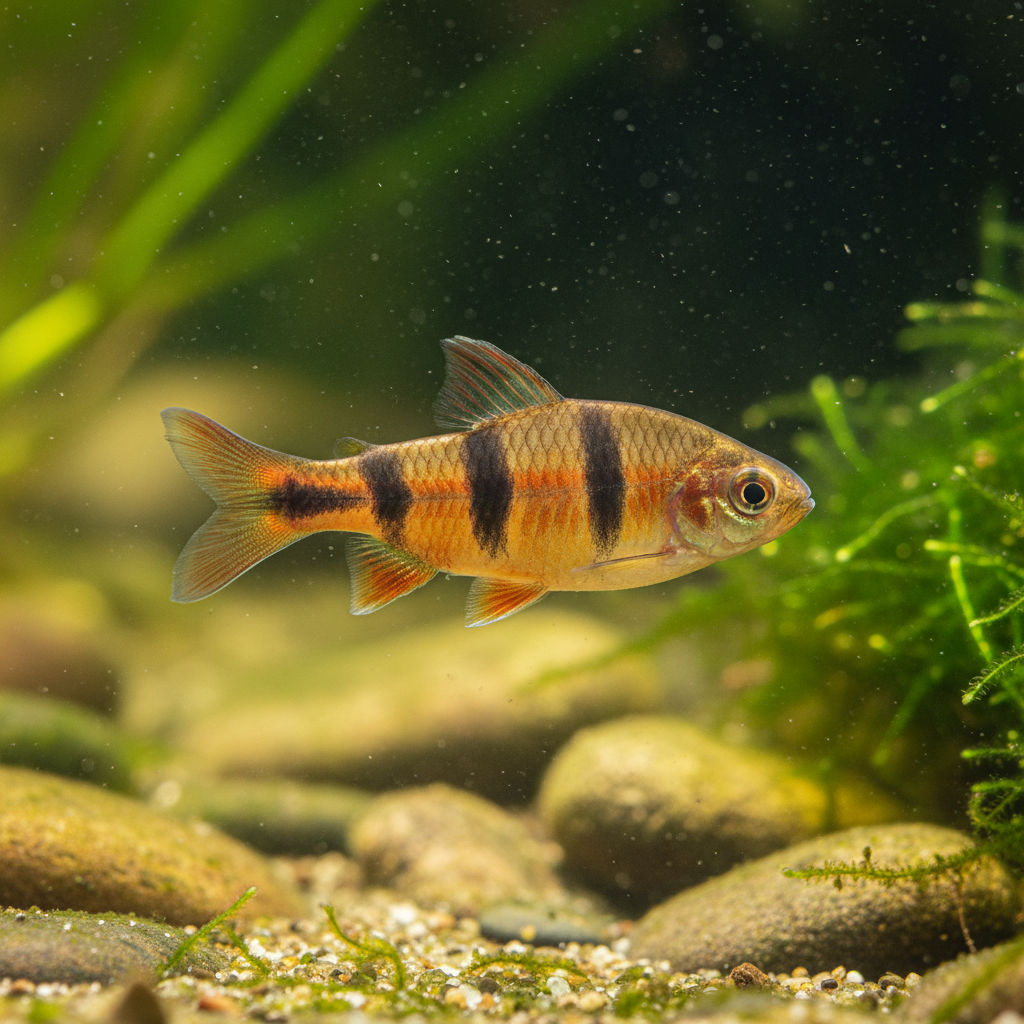
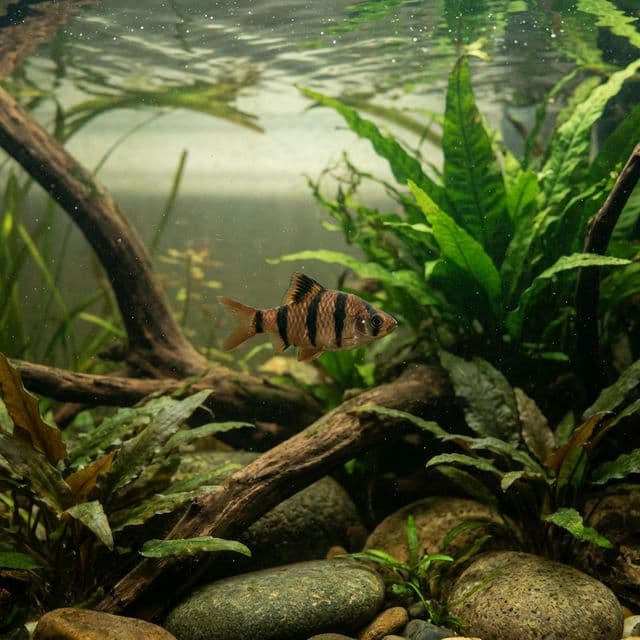
A deeply peaceful, entirely docile alternative to the Tiger Barb, featuring six bold black stripes on a glowing orange/gold body.
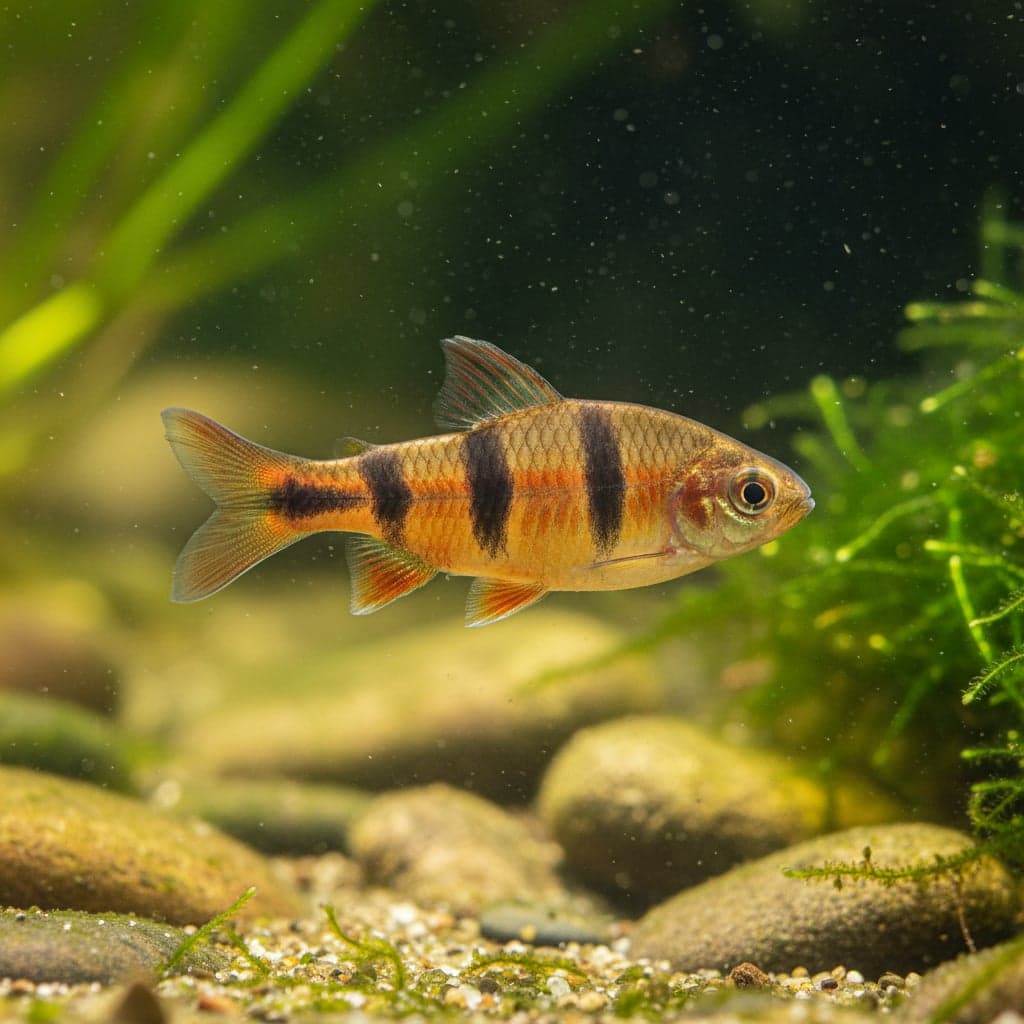
Six Banded Barb
The Six Banded Barb, scientifically known as Desmopuntius hexazona, is a striking freshwater species that captivates both novice and experienced aquarists alike. This fish is recognized for its vibrant coloration, featuring six distinct black bands running vertically along its silvery body, which contrasts beautifully with its orange to reddish fins. Eagerly recognized as a schooling fish, the Six Banded Barb adds a dynamic splash of color and activity to community tanks, making it a sought-after species in the aquarium trade. Its size typically ranges around 3 to 4 inches (7.5 to 10 cm), which makes it suitable for a variety of tank setups without overwhelming smaller aquascapes.
The significance of the Six Banded Barb in the aquarium hobby is enhanced by its hardiness and adaptability in captivity. It serves as an excellent choice for beginning aquarists, as well as for more seasoned hobbyists who appreciate its lively behavior and striking appearance. Furthermore, its role as a social fish promotes a vibrant community environment when housed alongside compatible species, fostering an engaging display that gleefully enlivens any tank setup.
Natural Habitat & Origin
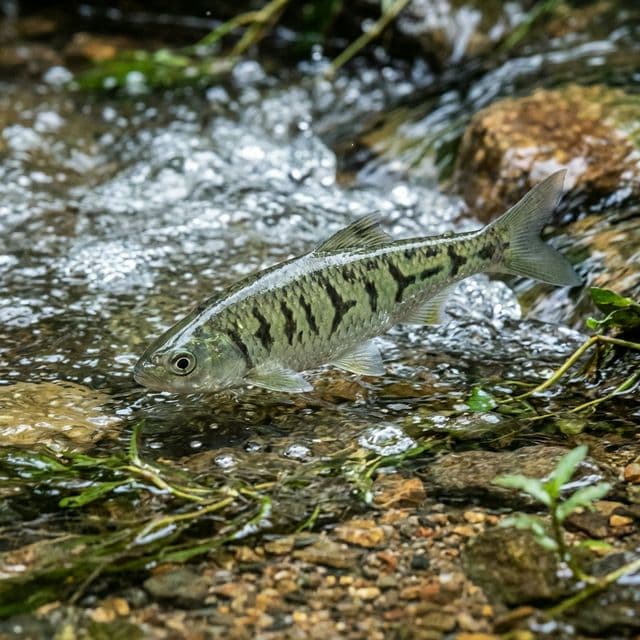
The Six Banded Barb is native to Southeast Asia, particularly found in the waters of Indonesia, Borneo, and Sumatra. In their natural habitat, these fish inhabit clear to slightly colored streams, rivers, and shallow waters where they encounter diverse aquatic plants and woody structures. Typically, their environment consists of slow-moving waters, providing ample hiding spots and vegetation that mimic the conditions required in captivity. They often thrive in areas with substrates consisting of fine sand and detritus, characteristic of blackwater systems.
The environmental context surrounding their habitat includes soft, slightly acidic waters, rich in organic material, which contributes to the quality of the ecosystem in which these fish flourish. Understanding the Six Banded Barb's natural habitat can aid aquarists in replicating suitable tank conditions that promote their health and well-being in captivity.
Care Requirements
When caring for the Six Banded Barb, maintaining proper water parameters is essential for their long-term health. Ideal conditions include a pH level between 6.0 and 7.5, a temperature range of 24°C to 28°C (75°F to 82°F), and water hardness ranging from 5 to 15 dGH. These parameters mirror their natural habitat, making it crucial to monitor and adjust them accordingly.
In terms of tank setup, the Six Banded Barb thrives in a minimum tank size of 20 gallons, as they are social fish that require ample swimming space. Substrate should consist of fine sand or smooth gravel, allowing them to explore comfortably. It is recommended to include live plants such as java ferns and floating vegetation to provide hiding spots and mimic their natural environment. Lighting should be moderate, which encourages plant growth while providing a comfortable atmosphere for the fish. The incorporation of driftwood and rocks can further enhance their tank habitat.
Diet & Feeding
The Six Banded Barb is an omnivore, which allows for a diverse diet in captivity. This species thrives on a varied diet that includes high-quality flake foods, small pellets, frozen foods such as bloodworms, brine shrimp, and high-protein live foods like daphnia. Offering a mix of these foods promotes healthy growth and vivid coloration.
It is crucial to ensure that their diet includes both plant-based and protein-rich sources to maintain their overall health. Occasional treats of blanched vegetables, such as spinach or zucchini, can also be provided to diversify their nutrition. Regular feeding habits, ideally two to three small meals per day, will ensure that the Six Banded Barbs receive adequate nourishment without overfeeding.
Behavior & Temperament
The Six Banded Barb is known for its energetic and social behavior, making it a fantastic addition to community aquariums. As a schooling fish, it is recommended to keep them in groups of six or more to ensure they feel secure. This school mentality helps to reduce stress and allows for natural behaviors to thrive. While generally peaceful, they can display some territoriality, especially if they are in smaller groups or during breeding.
In terms of vertical placement within the tank, the Six Banded Barb tends to occupy the middle layers, darting around mid-water as they seek out food and interact with their fellow tank mates. Their active swimming behavior adds liveliness to any aquarium, making them a focal point in an aquatic display.
Tank Mates
The Six Banded Barb is compatible with a wide range of tank mates, making it a versatile choice for community tanks. Suitable companions include small to medium-sized fish such as tetras, rasboras, and other barbs. They share peaceful interactions with species such as Corydoras catfish, guppies, and danios. Avoid housing them with overly aggressive or large fish species, which may stress or harm the Six Banded Barb, such as cichlids or fish with long fins that may provoke harassment.
For optimal compatibility, always consider similar water parameter requirements and avoid species known for territorial behavior, ensuring a harmonious community environment.
Breeding
Breeding Six Banded Barbs in captivity can be rewarding with the right conditions. These fish typically exhibit a spawning behavior where the male displays vibrant colors and dances around the female to entice her. To successfully breed them, a separate breeding tank of around 10 gallons is recommended, with slightly acidic water conditions (pH 6.0 to 6.5), a gentle filtration system, and spawning mops or fine-leafed plants for the female to lay her eggs.
Once the female deposits her eggs, the parent fish should be removed, as they can eat their offspring. After a few days, the eggs will hatch, and the fry can be fed infusoria or crushed flake food until they are large enough to accept baby brine shrimp.
Common Health Issues
While generally hardy, the Six Banded Barb can be prone to specific health issues typical in aquarium fish. These may include diseases like ich (Ichthyophthirius multifiliis), fin rot, and swim bladder disorders. To prevent these conditions, maintaining clean water and a stable environment is paramount. Regular water changes, ensuring suitable parameters, and quarantine procedures for new fish will significantly reduce the risk of outbreak.
Additionally, providing a balanced diet and minimizing stress through community tank harmony will bolster the fish's immune system, contributing to a longer, healthier life. By observing their behavior closely and addressing any signs of illness promptly, aquarists can enjoy the vibrant presence of the Six Banded Barb in their aquatic showcases.