Six Line Wrasse: Pseudocheilinus hexataenia
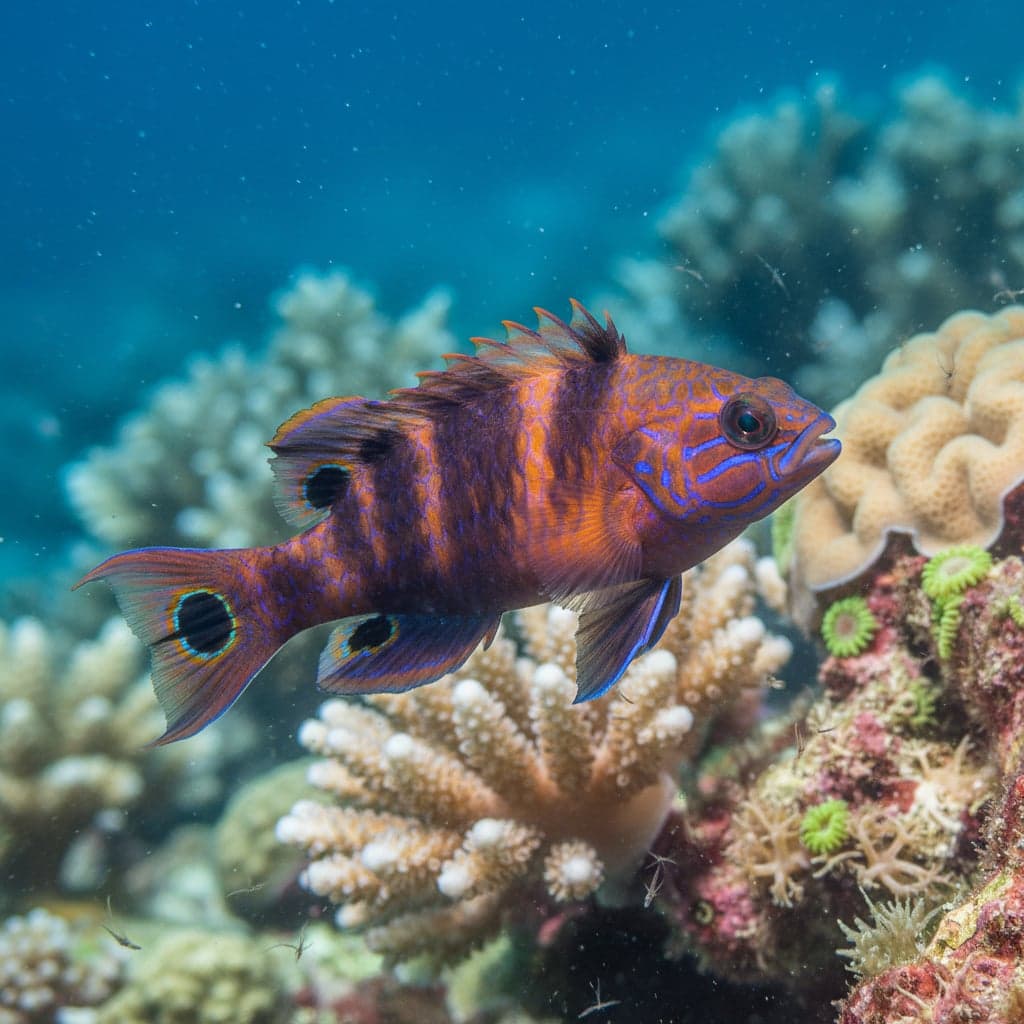
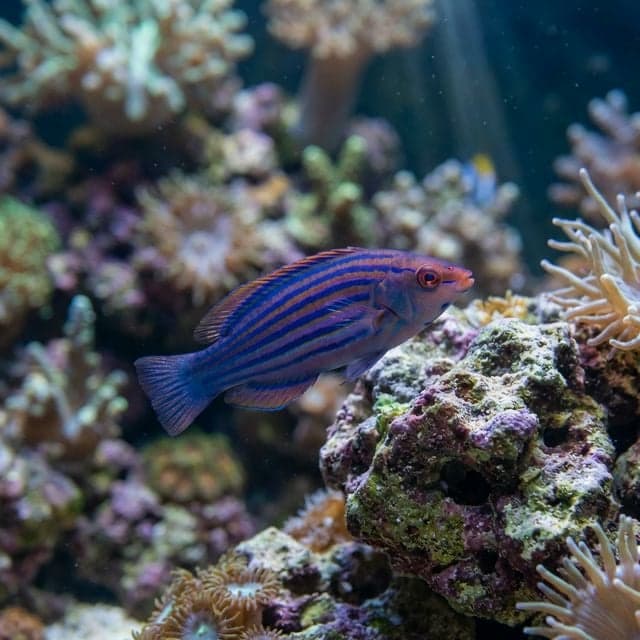
A fast, active pest hunter with six electric blue and orange stripes. Great for eating flatworms but can be a bully in smaller tanks.
Six Line Wrasse
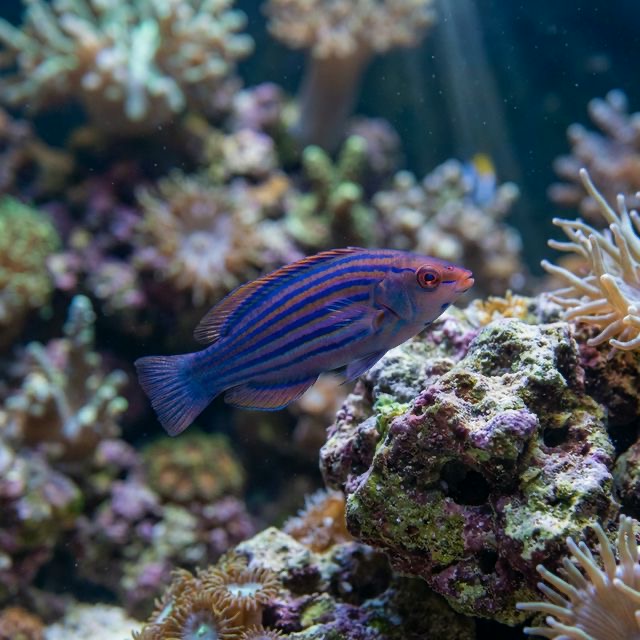
The Six Line Wrasse, scientifically known as Pseudocheilinus hexataenia, is a small yet captivating fish that has garnered popularity among aquarium enthusiasts. Characterized by its striking coloration, this fish displays vibrant hues of blue and orange, combined with six distinct horizontal lines that run across its body. The bold colors and dynamic patterns make it an attractive addition to both reef and marine aquariums. Not only is the Six Line Wrasse visually appealing, but it also brings a lively personality to the tank. Its active swimming style and inquisitive nature make it a delightful species to observe, enhancing the overall experience of maintaining a saltwater aquarium.
In the aquarium hobby, the significance of the Six Line Wrasse goes beyond its aesthetic appeal. This fish is known for its ability to control pest populations within the tank, particularly flatworms, bristleworms, and other small invertebrates. This natural behavior makes it a valuable addition for reef tank owners who seek to maintain a balanced ecosystem without relying heavily on chemical treatments. With its ease of care and intriguing behaviors, the Six Line Wrasse is an excellent choice for both novice and experienced aquarists alike.
Natural Habitat & Origin
The Six Line Wrasse originates from the warm, tropical waters of the Indo-Pacific region, particularly around the coral reefs of the Red Sea, the Maldives, and throughout the Pacific Ocean. These fish thrive in clearwater, where they can be found in shallow lagoons and outer reef slopes. The presence of diverse coral formations provides not only shelter but also a rich environment full of potential prey, aiding in their survival. The natural habitat of the Six Line Wrasse is characterized by vibrant ecosystems that promote their health and longevity, making it imperative for aquarists to replicate similar conditions in captivity.
In the wild, the Six Line Wrasse prefers environments that offer plenty of hiding spots, such as crevices in rocks and under ledges. These habitats serve as a refuge from larger predators. The warm, stable water conditions encompassing a pH range typically between 8.1 to 8.4, combined with moderate water flow, create an ideal living environment for this species. Understanding their natural habitat adds significant insights into how to best care for them in an aquarium setting.
Care Requirements
For successful maintenance of Six Line Wrasse in a home aquarium, certain care requirements must be met. The ideal water parameters include a temperature range of 72°F to 78°F (22°C to 26°C), a pH level between 8.1 and 8.4, and a specific gravity of 1.020 to 1.025. These parameters closely mimic their natural habitat and are crucial for their overall health. Additionally, water hardness should be maintained at about 8 to 12 dGH, ensuring the right mineral balance for optimum wellbeing.
When setting up the tank, a minimum size of 30 gallons is recommended to provide ample swimming space. The substrate should consist of fine sand or small gravel, with plenty of live rocks and structured decor that offer hiding spots. Lighting can range from moderate to bright, imitating the sunlit environment of a reef. Live plants are not commonly used as the Six Line Wrasse tends to forage among rocks and sand, but well-placed rock formations are essential to recreate their natural habitat and promote their natural behaviors.
Diet & Feeding
The Six Line Wrasse is primarily an omnivore, which means that its diet consists of both plant and animal matter. In captivity, it thrives on a varied diet to ensure optimal health and coloration. Quality flakes or pellets designed for marine fish, combined with a range of frozen or live foods like brine shrimp, mysis shrimp, and small pieces of seafood, provide a balanced nutritional intake. Offering a variety of food sources not only meets its dietary needs but also simulates the natural foraging behavior exhibited in the wild.
Feeding should be conducted multiple times a day in small portions to prevent overfeeding and maintain water quality—especially since Wrasse are prone to being opportunistic feeders. Providing a range of food types will keep them engaged and active, crucial factors for their well-being.
Behavior & Temperament
The Six Line Wrasse exhibits a variety of interesting behaviors that contribute to its popularity among aquarists. Known for its curious and playful nature, this fish often explores its environment vigorously, darting in and out of rock formations. As a predominantly solitary species, it is not typically found in schools, but they can exhibit some social behaviors when kept in groups in larger tanks. However, males may display aggressive tendencies, especially when kept with other wrasses or fish of similar body shape.
In terms of placement within the aquarium, the Six Line Wrasse tends to prefer mid to upper levels but is quite versatile and can be found foraging along the substrate. This active swimming behavior enhances their dynamic presence in the tank and can sometimes result in territorial disputes if they feel crowded or threatened by other species.
Tank Mates
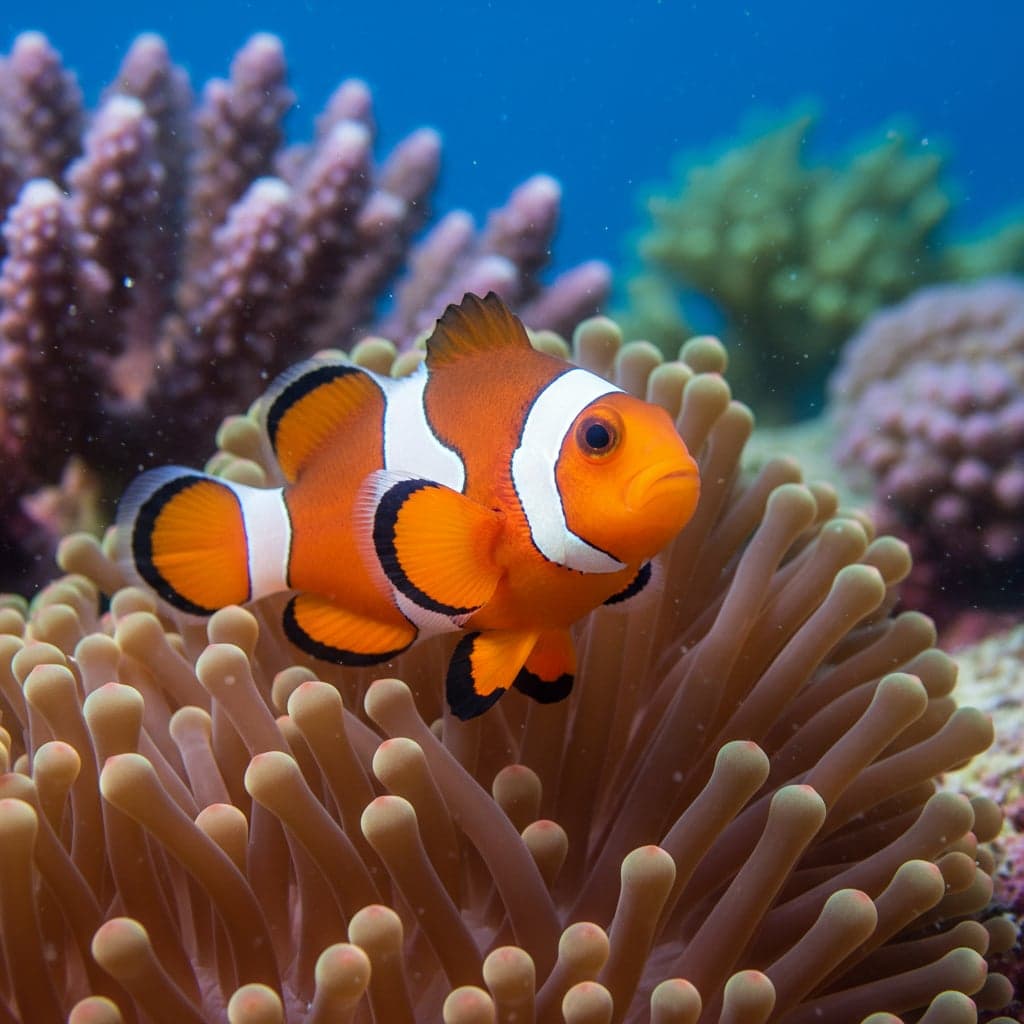
When considering the right tank mates for the Six Line Wrasse, it's important to select species that will complement its personality and temperament. Compatible species include smaller, peaceful fish such as Clownfish, Gobies, Firefish, and certain Tangs. Furthermore, invertebrates like shrimps and snails can coexist well with this fish, adding diversity to the tank's ecosystem. However, caution must be taken with other wrasses and aggressive species such as Damselfish, as territorial disputes can arise.
To avoid conflicts, housing the Six Line Wrasse in a spacious environment with plenty of hiding spaces is essential. Additionally, introducing new fish to the aquarium simultaneously can help mitigate territorial behavior, allowing for a more harmonious community.
Breeding
Breeding Six Line Wrasses in captivity can be quite challenging. They are protandrous hermaphrodites, which means that they start their lives as males and can change to females based on environmental conditions or population dynamics. In captivity, spawning behavior typically occurs in the early morning hours, where pairs engage in a courtship display involving rapid movements and color changes.
For successful breeding, a dedicated breeding tank provides the right conditions, including stable water parameters, ample space for pair bonding, and plenty of hiding spots. Providing a variety of high-quality foods can encourage spawning behaviors and improve the overall health of the adult fish. Notably, fry are pelagic and require particular feeding strategies involving planktonic foods like rotifers immediately after hatching, making the breeding process intricate and requiring significant dedication from the aquarist.
Common Health Issues
The Six Line Wrasse is generally hardy; however, it can be prone to several common health issues in the aquarium trade. These include ich (white spot disease), marine velvet, and various bacterial infections. Symptoms often manifest as white spots on the body, abnormal swimming patterns, or changes in appetite.
To prevent these health issues, a robust quarantine process for new arrivals is essential. Maintaining excellent water quality through regular water changes, diligent feeding practices, and ensuring appropriate tank conditions are key preventive measures. Moreover, observing routine behavior and promptly addressing any signs of distress or illness can avert potential outbreaks in the aquarium, ensuring the Six Line Wrasse thrives for years to come.