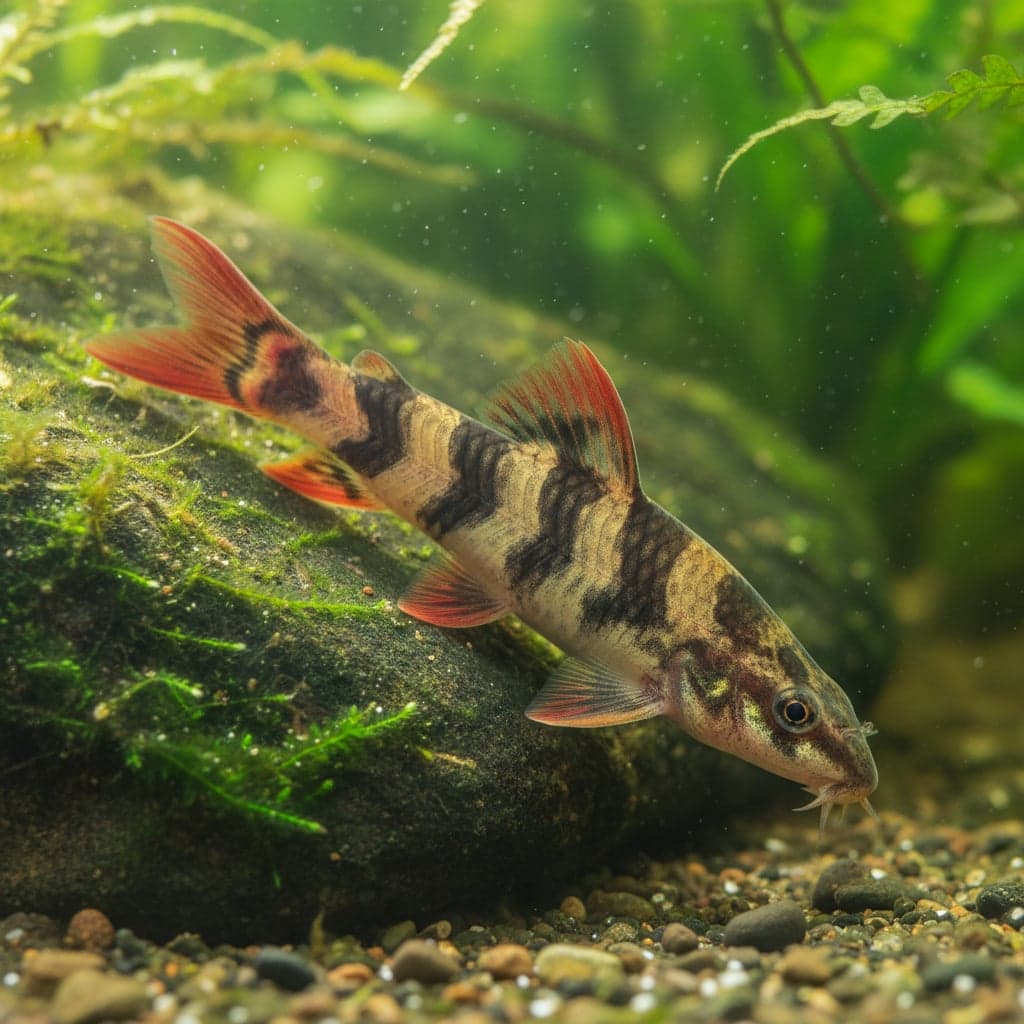
Slender Blockhead Cichlid: Steatocranus tinanti
A bottom-hugging Congo rapids cichlid built for strong current. Flow, tank size, pairing and care at 24-27°C, pH 6.5-7.5.
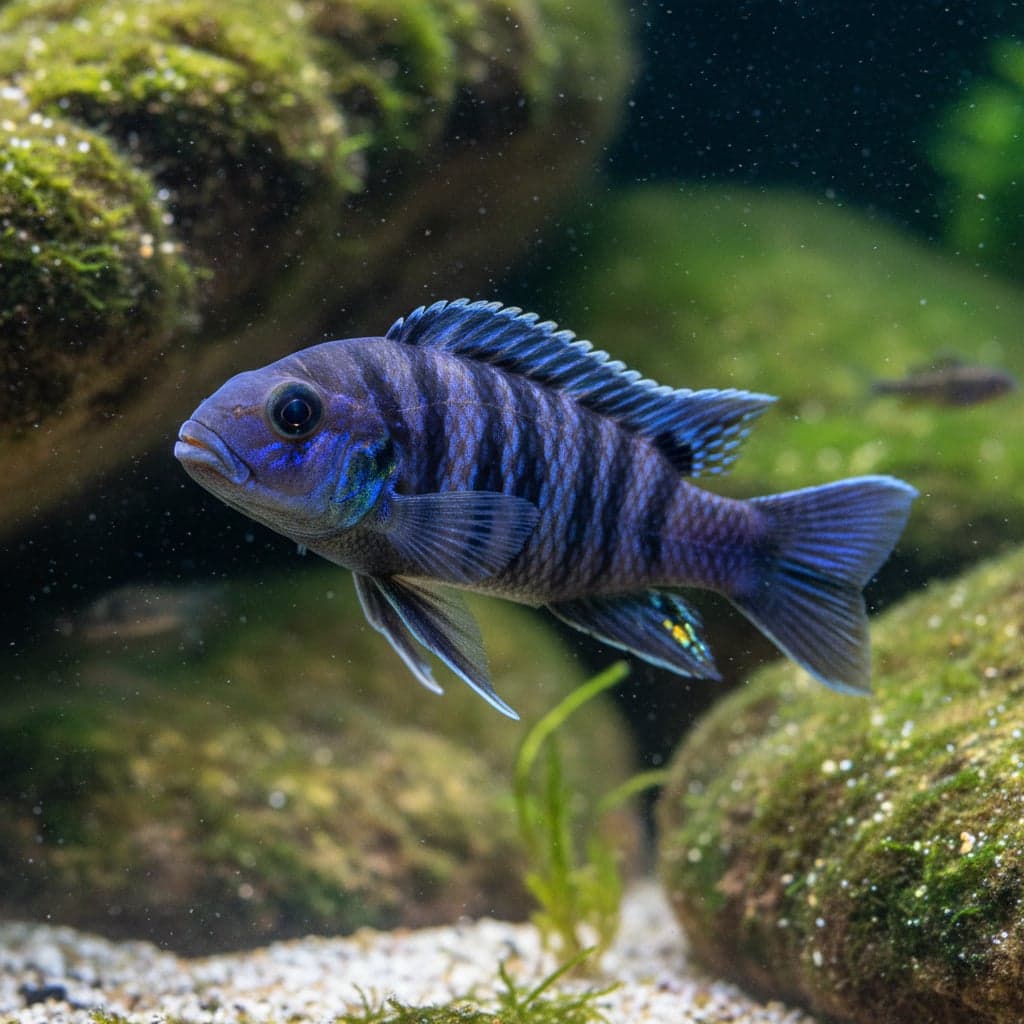
Slender Blockhead Cichlid
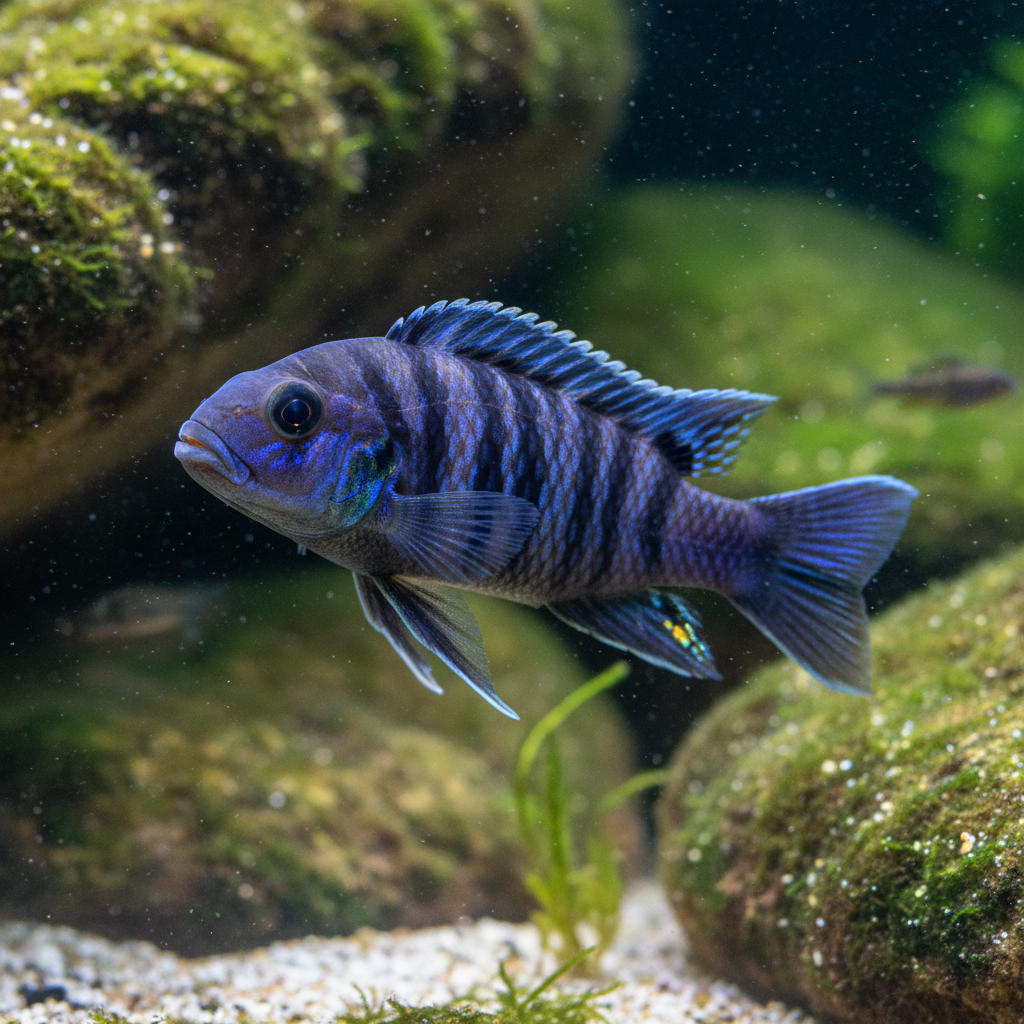
The Slender Blockhead Cichlid, scientifically known as Steatocranus tinanti, is a fascinating freshwater fish native to the aquatic ecosystems of Africa. With its distinctive elongated body shape and unique blockhead profile, this species captivates aquarists and fish hobbyists alike. Its coloration ranges from pale gray to striking blue hues, often highlighted by dark vertical bars, making it an aesthetically appealing choice for community tanks and species-specific setups. This cichlid is not only prized for its visual beauty but also for its intriguing behavior and adaptability within well-maintained aquarium environments.
As a member of the cichlid family, the Slender Blockhead Cichlid holds a significant place in the aquarium hobby due to its resilient nature and engaging personality. Known for digging and rearranging substrate, it often adds a dynamic element to the tank. Additionally, this species enhances the biodiversity of aquariums, drawing attention to the conservation of its natural habitat, which faces threats from habitat loss and pollution. Its presence serves as a reminder of the beauty and complexity of freshwater ecosystems.
Natural Habitat & Origin
The Slender Blockhead Cichlid is indigenous to the shallow waters of the Congo River Basin in central Africa, where it thrives in rocky substrates and amidst dense vegetation. This region is characterized by soft, slightly acidic waters, often classified as blackwater, which influences the biotopic conditions these cichlids require. The natural habitat is typically composed of slow-moving streams and flooded forest areas, where leaf litter and detritus create a nutrient-rich environment ideal for the diverse microorganisms that constitute a key part of their diet.
These fish prefer environments that offer plenty of hiding spots, such as rocks, logs, and aquatic plants. As they are commonly found in darker, more sheltered areas, they exhibit specific behavioral adaptations that allow them to thrive under such conditions, making them well-suited for carefully replicated aquarium settings. Understanding their natural habitat is crucial for replicating the right conditions in captivity.
Care Requirements
To ensure the Slender Blockhead Cichlid thrives in an aquaristic setting, maintaining optimal water parameters is essential. Ideal conditions include a pH level of 6.0 to 7.5, a temperature range of 24°C to 28°C (75°F to 82°F), and moderate hardness (5 - 15 dGH). For tank setup, a minimum tank size of 80 liters (20 gallons) is recommended to provide sufficient swimming space and territory for this species.
The substrate should consist of fine gravel or sand, allowing for natural digging behavior, alongside strategically placed rocks and caves to create hiding spots. Dim lighting is preferable, as it mimics their natural habitat, while live plants can also be introduced to promote a healthy ecosystem and enhance the visual appeal of the aquarium. Proper filtration to maintain water quality is crucial, as these fish are sensitive to water changes.
Diet & Feeding
The Slender Blockhead Cichlid is an omnivorous species, successfully adapting to a varied diet in captivity. It primarily feeds on small invertebrates, crustaceans, and plant matter in the wild, which means offering a mix of high-quality flakes and pellets formulated for cichlids as a staple food source. Supplementing their diet with frozen or live foods, such as brine shrimp, daphnia, and bloodworms, will enhance their nutrition and promote healthy growth.
Additionally, incorporating blanched vegetables like zucchini or spinach can contribute to a well-rounded diet and assist with their digestive health. Feeding them 2-3 times a day, with appropriate portion sizes that can be consumed within a few minutes, is ideal to maintain their health and prevent overfeeding.
Behavior & Temperament
The Slender Blockhead Cichlid exhibits intriguing social behavior characterized by a semi-aggressive to territorial nature, particularly during breeding times. They are not typically schooling fish, as they prefer to establish and defend territories within the aquarium. It is essential to provide ample space and hiding areas to minimize stress and aggression among individuals.
In terms of vertical placement, while they tend to remain closer to the bottom of the tank, they are active swimmers and will occasionally venture into the mid-water column. A well-structured environment allows them to express their natural behavior, which includes digging, exploring, and claiming specific areas as their own.
Tank Mates
When selecting tank mates for the Slender Blockhead Cichlid, it is crucial to choose species that can coexist peacefully. Compatible tank mates include larger tetras, peaceful cichlids like Apistogramma or Keyhole Cichlids, and certain rasboras. Avoid pairing them with overly aggressive or fin-nipping species, as their semi-aggressive nature may lead to stress and territorial disputes. Smaller fish, such as guppies or neon tetras, may also become targets of aggression due to the cichlid's predatory instincts.
Creating a community tank that balances the needs of all its inhabitants while providing sufficient space and territory can lead to a harmonious aquarium environment.
Breeding
Breeding the Slender Blockhead Cichlid in captivity requires replicating their natural spawning conditions. They are known to be substrate spawners, often laying eggs on flat surfaces such as rocks or within caves. To encourage breeding, it is helpful to maintain elevated temperatures of around 28°C (82°F), provide ample hiding spots, and ensure the water quality is top-notch.
Once the female lays eggs, both parents may exhibit protective behaviors towards the eggs and fry, making it essential to monitor the tank closely. If breeding is successful, after 3-5 days, the eggs will hatch, and the fry can begin to swim freely within a week. It is advisable to provide fine powdered foods or infusoria during the initial feeding phase to support their growth.
Common Health Issues
While generally resilient, Slender Blockhead Cichlids can be susceptible to certain health issues, including Ich and fin rot, particularly if environmental conditions are not maintained. Regular water changes and proper filtration can prevent many of these problems. To minimize stress, quarantine new fish before introducing them to the main tank and ensure compatibility with existing species.
Keeping an eye on their dietary habits and providing a balanced diet also plays a vital role in maintaining their health. Providing a stress-free environment with adequate hiding spots can significantly decrease the likelihood of illness, ensuring these captivating cichlids remain vibrant and healthy in your aquarium setup.