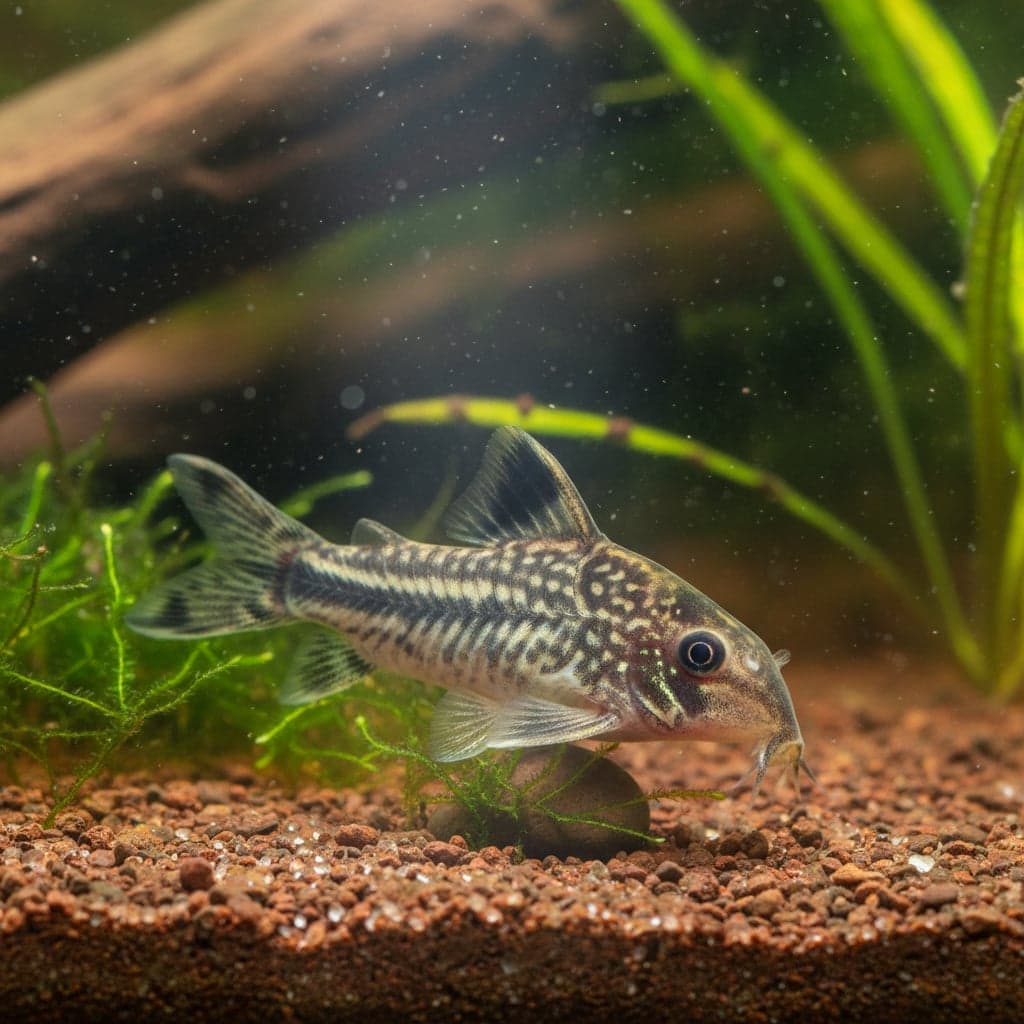
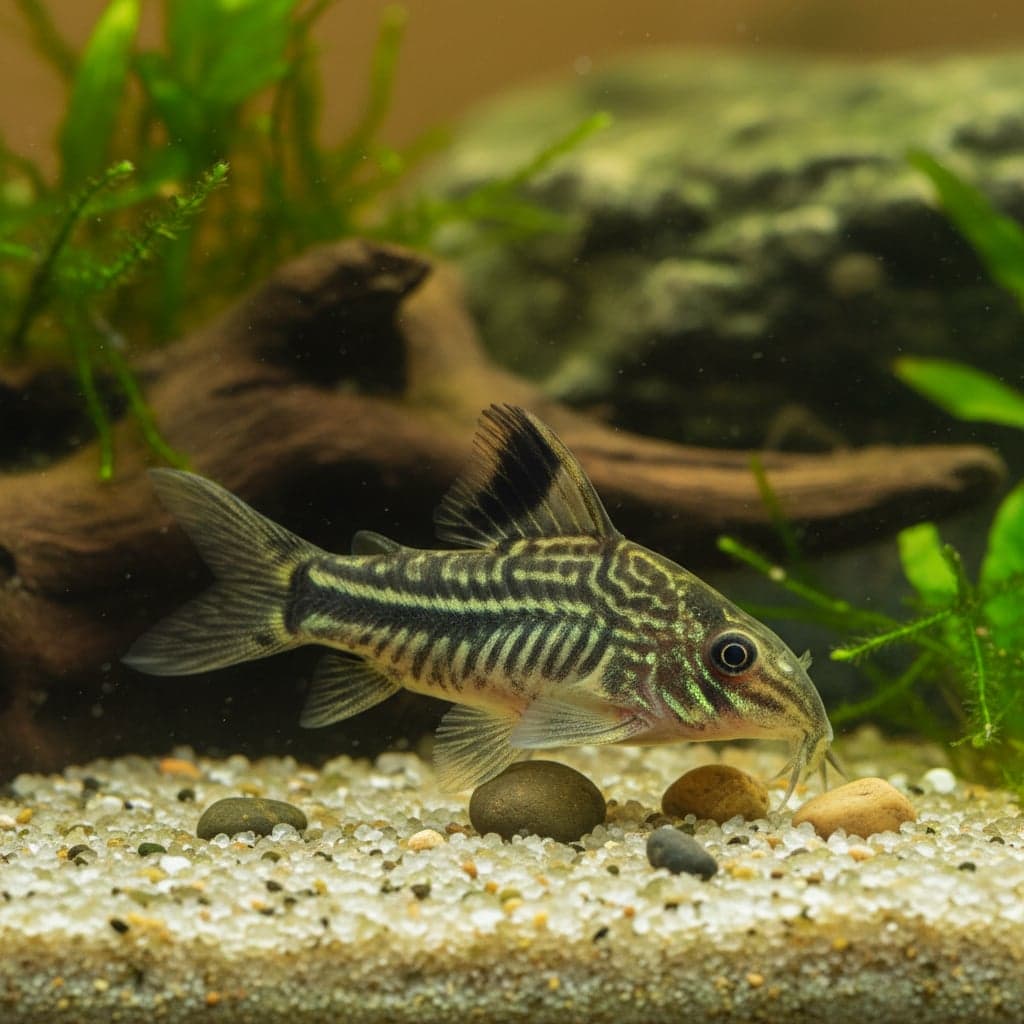
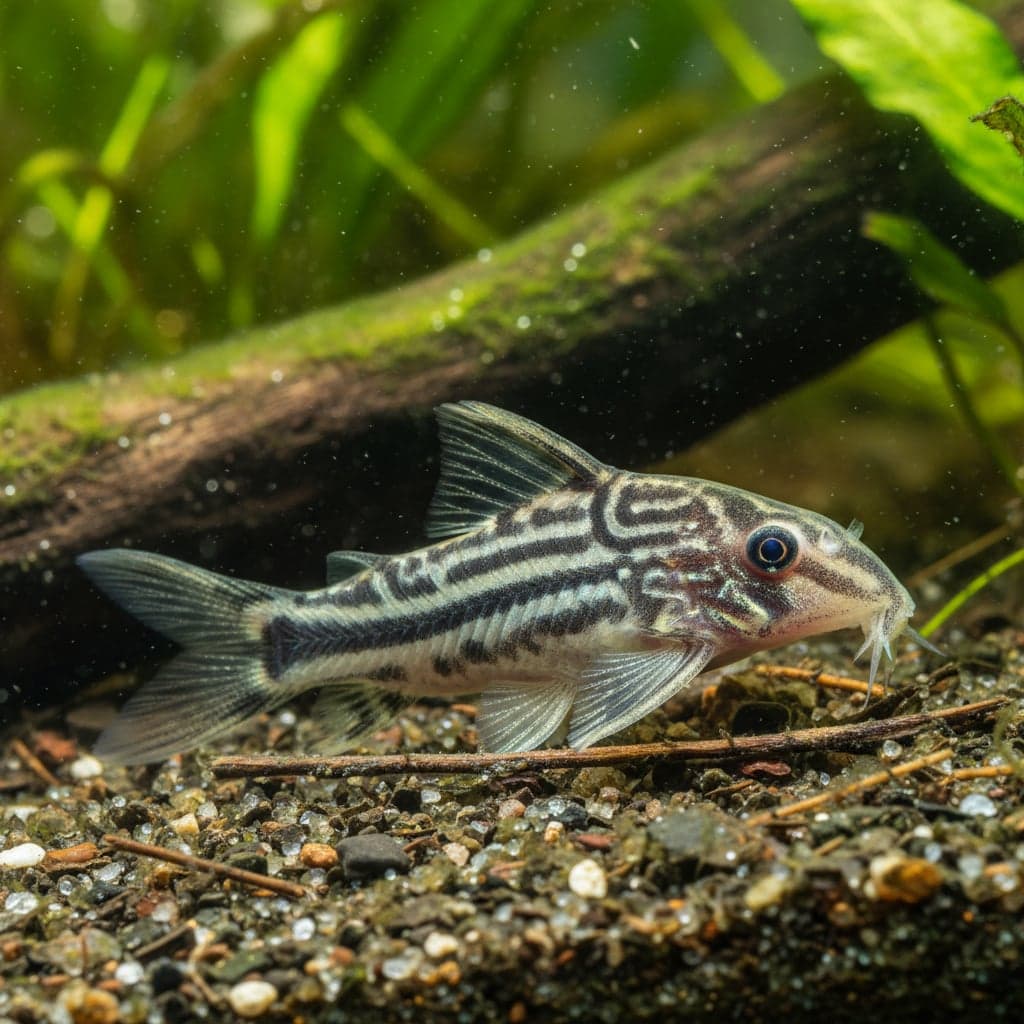
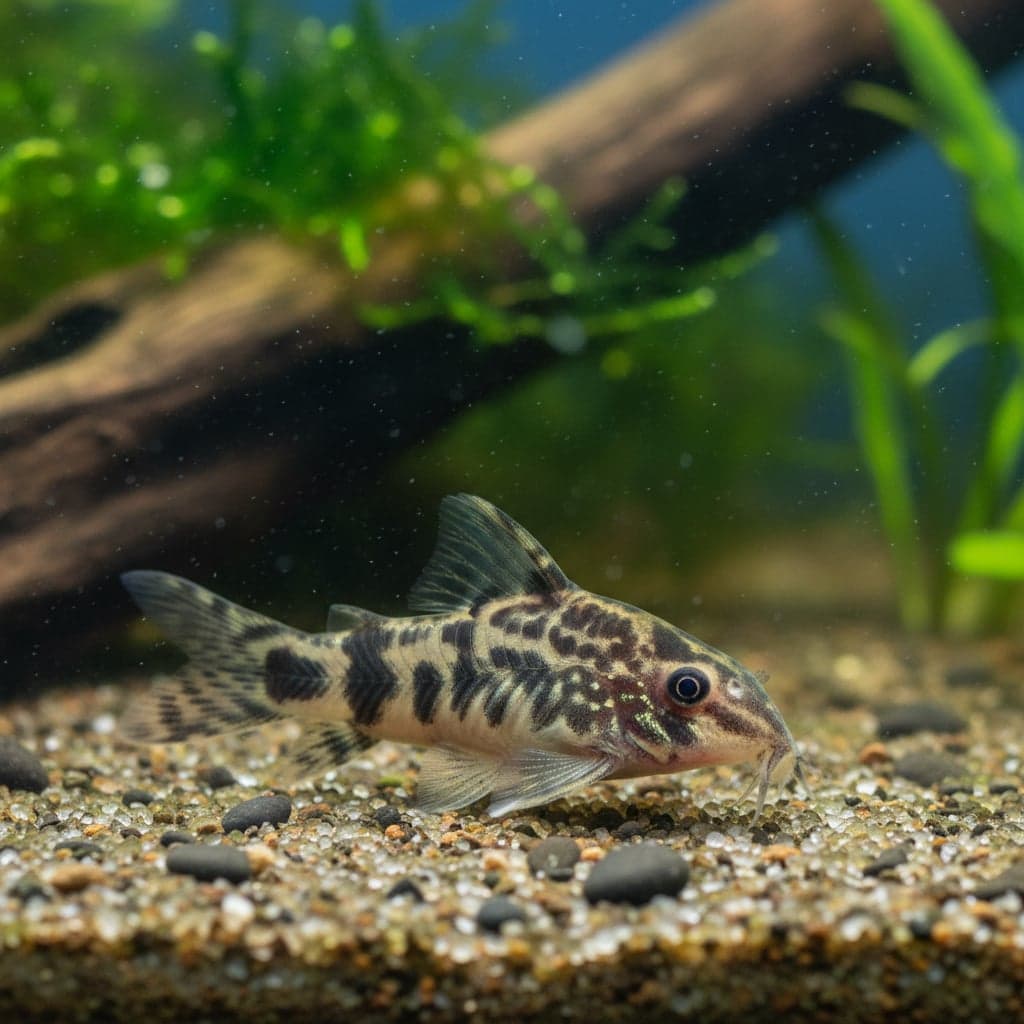
Smudge-spot Cory: Corydoras similis
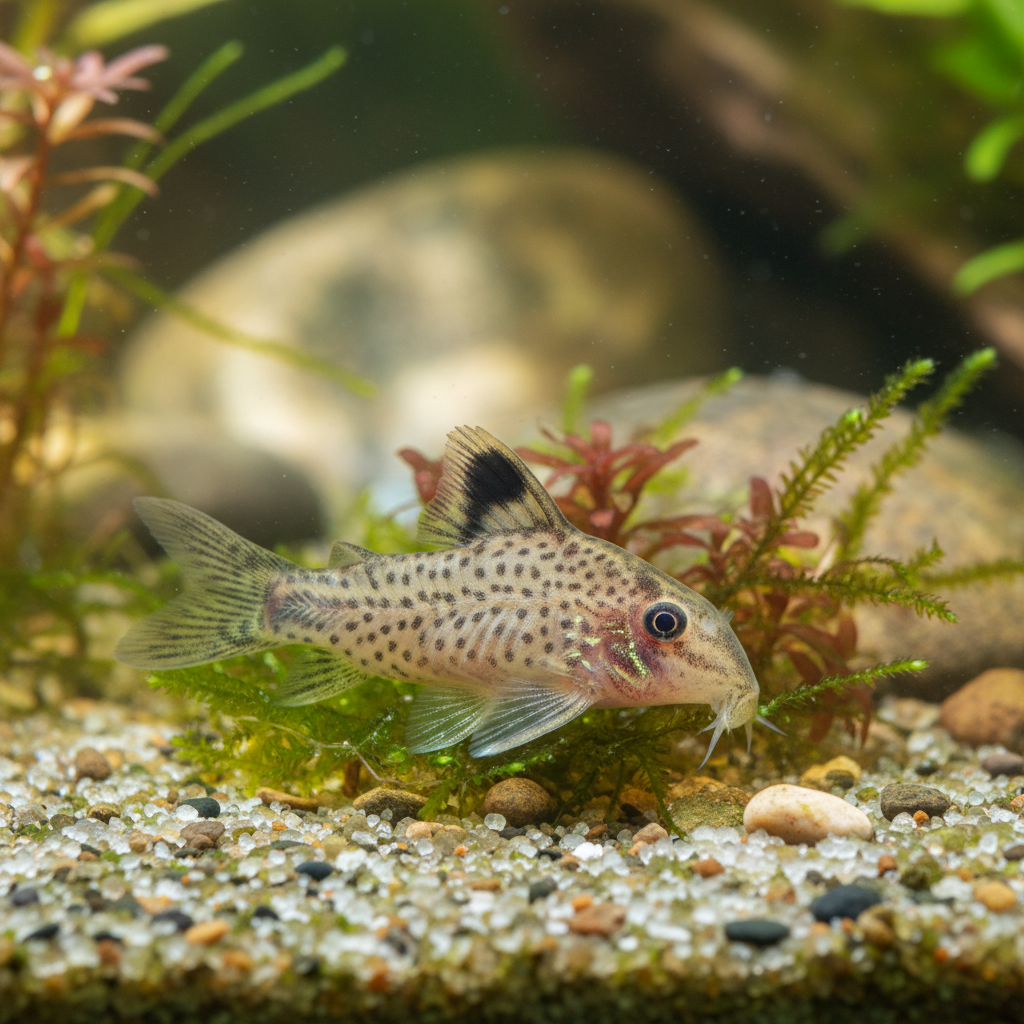
A deeply charming, completely peaceful South American catfish entirely characterized by a massive, ink-like purple/black smudge across its tail base.

Smudge-spot Cory
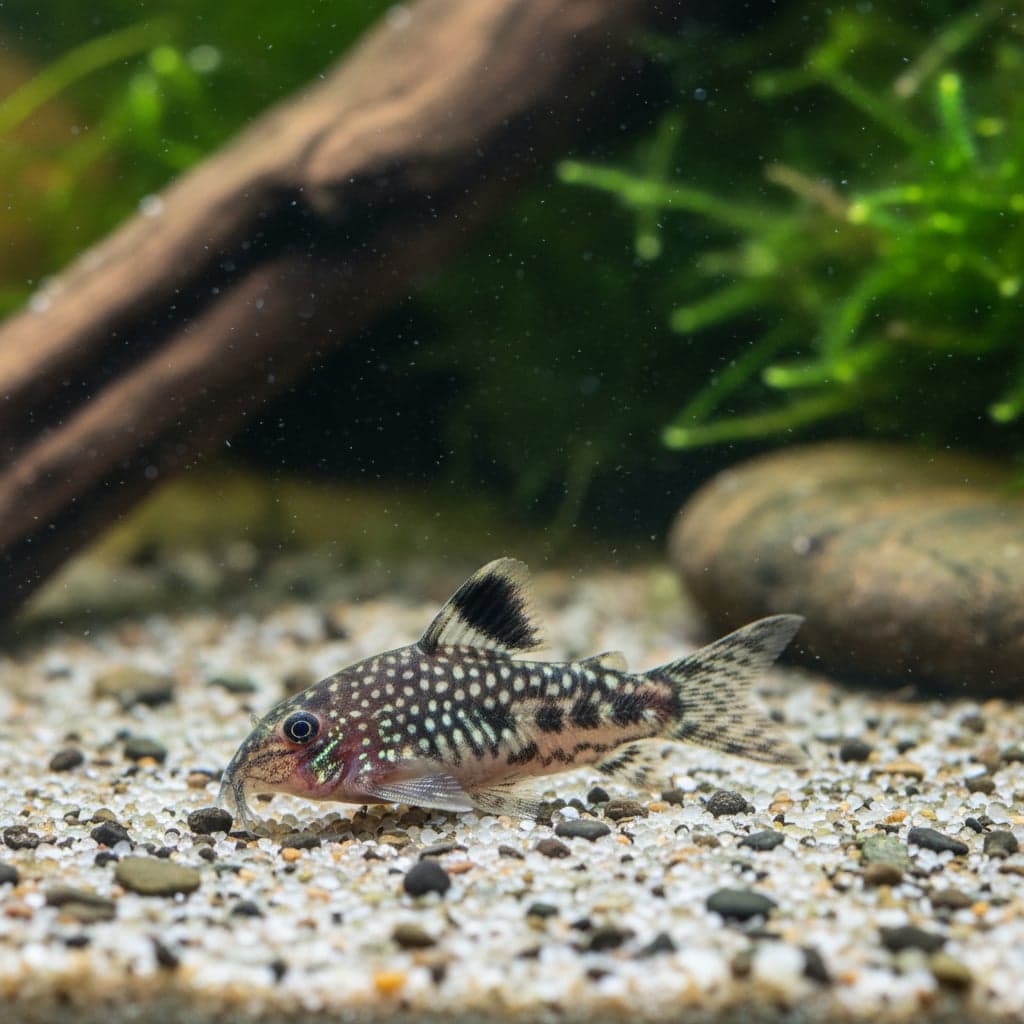
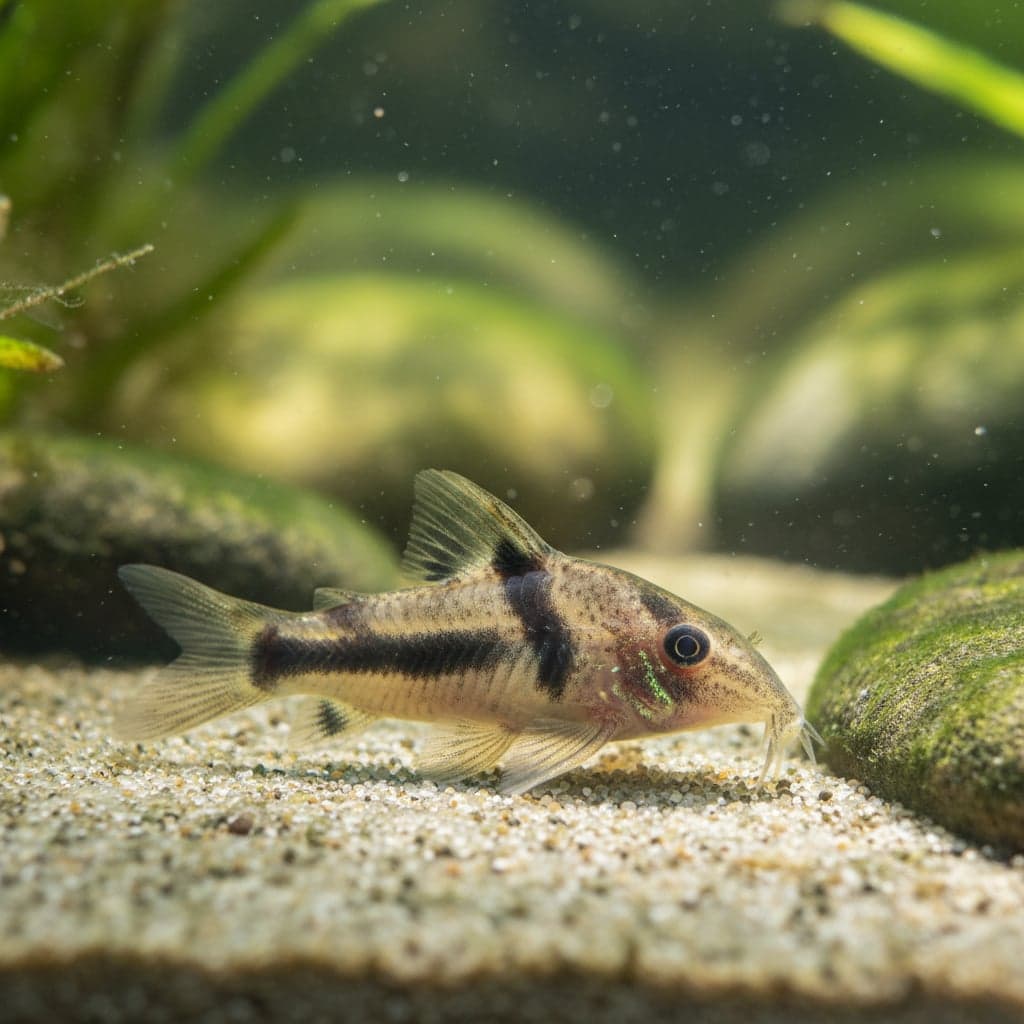
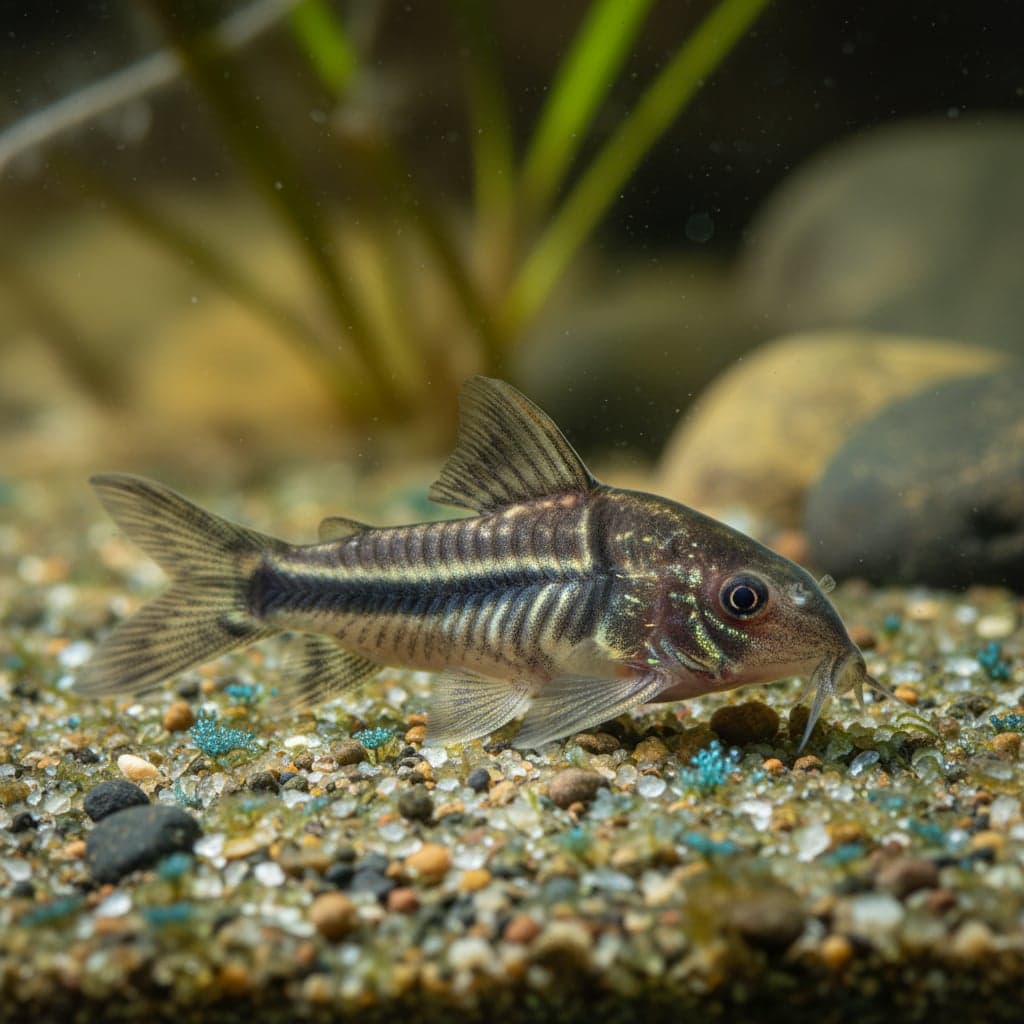
The Smudge-spot Cory, scientifically known as Corydoras similis, is a captivating species of freshwater fish that enchants aquarium enthusiasts with its charming appearance and lively behavior. This small, bottom-dwelling catfish typically reaches a size of about 2 to 3 inches, making it ideal for community aquariums. It is distinguished by its elegant body shape and the characteristic “smudge” or dark spot located just above the dorsal fin, which adds a unique touch to its overall look. Its attractive coloration, which includes a mix of light browns and subtle patterns, allows it to blend beautifully in various aquarium setups. The Smudge-spot Cory's striking appearance is not only aesthetically appealing but also contributes to its appeal as a favorite species among aquarists seeking to create a naturally-themed environment.
Beyond its visual allure, the Smudge-spot Cory plays a significant role in the aquarium hobby, serving as both a scavenger and a hardy fish that thrives in a variety of conditions. This species is often chosen by both novice and experienced aquarists alike due to its relatively easy care requirements and sociable nature. As a group-oriented fish, they exhibit fascinating schooling behaviors that enhance the dynamism of the aquarium environment. The Smudge-spot Cory is certainly more than just a beautiful addition to any tank—it embodies the spirit of community and harmony within the aquatic ecosystem.
Natural Habitat & Origin
The Smudge-spot Cory is native to the freshwater rivers and streams of South America, specifically found in countries such as Brazil and Paraguay. These fish typically inhabit slow-moving waters filled with submerged vegetation, fallen leaves, and other organic debris that provide both shelter and food. The waters they thrive in are often characterized as clearwater or slightly tinted due to the presence of organic material, which lends to their natural habitat’s ecological complexity. The soft, acidic conditions of these environments underscore the importance of replicating similar parameters in an aquarium setting to ensure their health and well-being.
In their natural habitat, Smudge-spot Cories are not just solitary dwellers; they are part of larger communities, often swimming in schools with other Corydoras species. This social behavior helps them avoid predators while enabling efficient foraging for food. Understanding their natural environment and the type of water they prefer is crucial for aquarists aiming to replicate these conditions within their aquariums, thereby promoting a healthy and thriving ecosystem for these delightful fish.
Care Requirements
When it comes to caring for the Smudge-spot Cory, attention to water parameters is vital. The ideal pH range for these fish is typically between 6.0 and 7.5, with a temperature preference of 72°F to 78°F (22°C to 26°C) and moderate hardness levels of 2-15 dGH. These parameters mimic the conditions found in their natural habitat, allowing them to thrive and exhibit optimal behavior. The aquarium should be at least 20 gallons in size, providing ample space for swimming and exploration.
For tank setup, a soft substrate, such as fine sand or smooth gravel, is highly recommended to protect the sensitive barbels of the Smudge-spot Cory. Incorporating plenty of hiding spots using driftwood, rocks, and plants can enhance their sense of security. While they do well in low to moderate lighting, adding floating plants can diffuse light and replicate their natural environment. A densely planted tank with areas for open swimming will create an inviting habitat that keeps the fish healthy and actively foraging.
Diet & Feeding
The Smudge-spot Cory is an omnivorous species, which means they thrive on a diverse diet. In the wild, they primarily consume detritus, small invertebrates, root vegetables, and plant matter. In captivity, their diet can consist of high-quality flakes and catfish pellets specially formulated to meet their nutritional needs. Additionally, it is beneficial to provide them with frozen or live foods such as bloodworms, brine shrimp, and daphnia, which aid in enhancing their color and overall vitality.
Feeding should occur multiple times a day, providing small amounts to avoid overfeeding and maintain water quality. Using sinking pellets will allow Smudge-spot Cories to forage naturally along the substrate, mimicking their behavior in the wild. Supplementing their diet with occasional blanched vegetables such as zucchini or spinach will further enrich their meals, ensuring they receive a well-rounded nutritional profile.
Behavior & Temperament
The Smudge-spot Cory is known for its peaceful and sociable behavior, making it an excellent choice for community aquariums. These fish are schooling creatures and should be kept in groups of at least six to ensure they feel secure and exhibit their natural behaviors. They tend to stay at the bottom of the tank, where they actively sift through the substrate for food. During the day, they can often be seen exploring their environment, and their playful antics add liveliness to any aquarium.
Aggression levels in Smudge-spot Cories are minimal, and they generally coexist harmoniously with a variety of compatible tank mates. Their vertical placement in the tank mostly remains low, focusing their activity towards the bottom and mid-levels, occasionally venturing upwards in search of food. Understanding their social nature is crucial for ensuring that these fish are housed in groups, promoting comfort and reducing stress.
Tank Mates
When selecting tank mates for the Smudge-spot Cory, it is important to choose species that share similar water parameter requirements and temperaments. Compatible aquarium companions include small to medium-sized, peaceful fish such as Neon Tetras, Zebra Danios, and Harlequin Rasboras. Additionally, other Corydoras species can create a lively and harmonious community when kept together.
However, certain species should be avoided to minimize stress and aggression within the tank. Larger, territorial fish such as Cichlids or aggressive species like Barbs can pose a threat to the peaceful nature of the Smudge-spot Cory. Likewise, fast-swimming fish that may outcompete them for food or disturb their habitat should be considered carefully. Maintaining a balanced community tank with compatible species is key to ensuring the well-being of the Smudge-spot Cory.
Breeding
Breeding the Smudge-spot Cory in captivity can be an enriching and fulfilling experience for aquarists. These fish are egg layers, and spawning typically occurs in groups under optimal conditions. To encourage breeding, it is essential to create a breeding environment that simulates their natural habitat—this includes slightly cooler water temperatures (around 68°F to 72°F) and providing plenty of flat surfaces, such as broad-leafed plants or spawning mops where eggs can be deposited.
During spawning, males will display courtship behavior, attempting to lure females to the chosen spawning site. The female will then lay small adhesive eggs, which will stick to the substrate or plant leaves. After spawning, it's advisable to remove the adults to prevent them from eating the eggs. After 3 to 5 days, the eggs will hatch, and the fry will begin free-swimming within a week. Feeding the fry with infusoria or powdered fry food will ensure their healthy growth during this critical early stage.
Common Health Issues
Like many freshwater fish, the Smudge-spot Cory can be susceptible to certain health issues if not cared for properly. Common diseases include ich, fin rot, and bacterial infections that often follow stress or poor water quality. Stable parameters, regular partial water changes, and a soft substrate that protects their barbels go a long way toward prevention.
Watch for clamped fins, lethargy, or loss of appetite, and quarantine new arrivals before adding them to the main tank. Because Corydoras have sensitive skin and barbels, avoid harsh medications and copper-based treatments whenever possible. A varied diet and a calm community setup keep Smudge-spot Cories resilient and active for years.