South American Puffer: Colomesus asellus
The only freshwater puffer that shoals. Needs 24-28°C, pH 6.5-7.5, hard- shelled food to wear its teeth down, and open swimming space.
South American Puffer
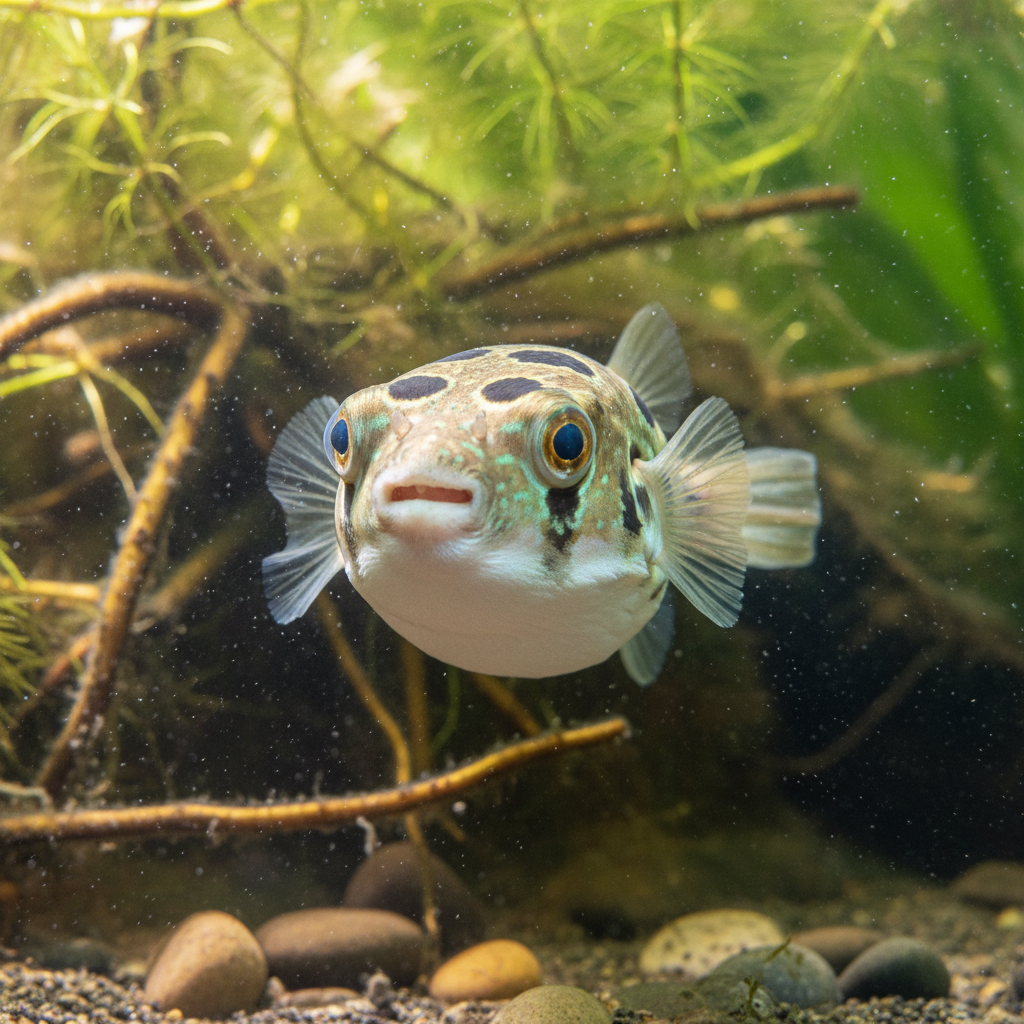
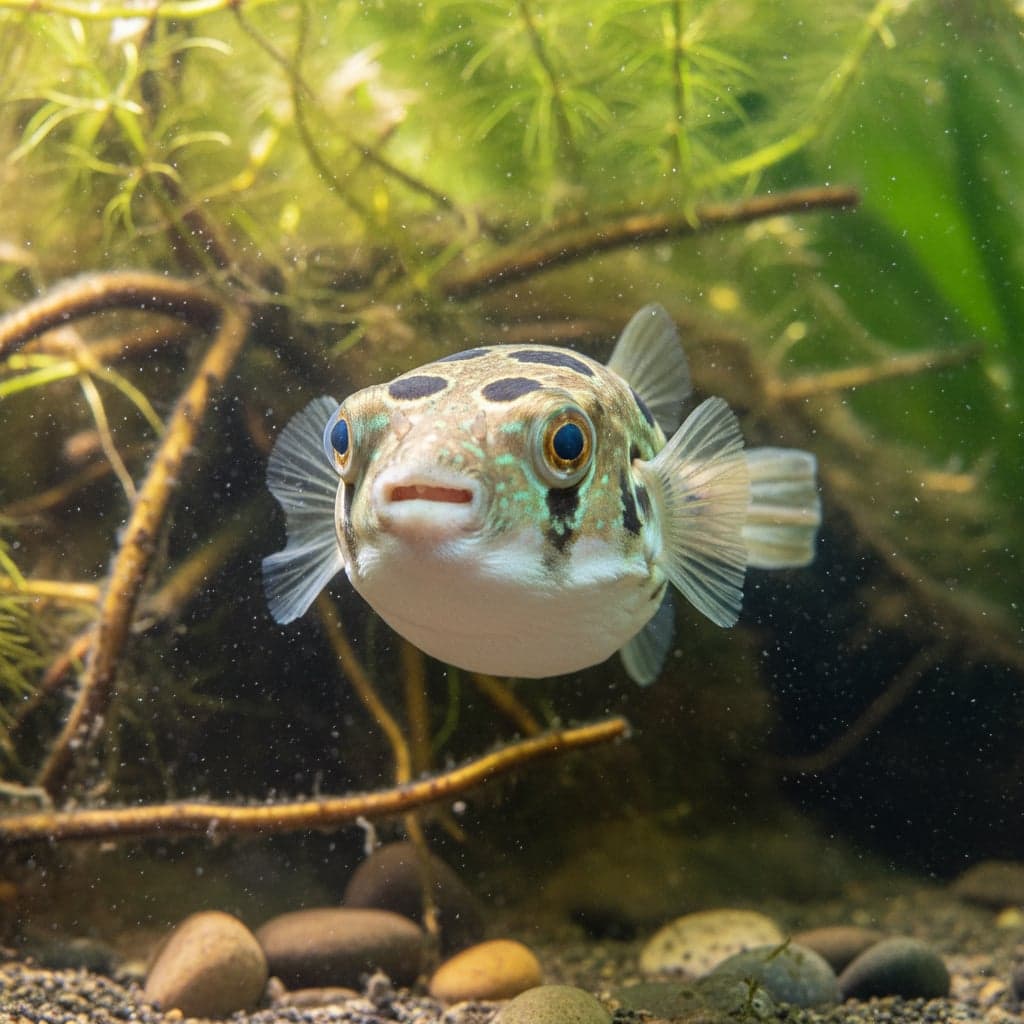
The South American Puffer, scientifically known as Colomesus asellus, is a captivating and delightful addition to freshwater aquariums cherished by aquarists globally. Renowned for its unique appearance, this small puffer sports a rounded body with distinct markings that provide it with both camouflaging and aesthetic appeal. Typically, it showcases a distinct olive-green or brown body speckled with darker patches, creating a striking look as it glides through the water. Additionally, its large eyes and expressive features add a touch of personality, making it a fascinating creature to observe. The South American Puffer's charming character and unique morphology make it an appealing candidate for both beginner and seasoned hobbyists alike.
In the aquarium hobby, the South American Puffer is significant not just for its visual allure but also for its potential to engage aquarists in intriguing behaviors and social interactions. Unlike many fish species, this puffer exhibits a signature bobbing and swimming style that captivates audiences. As an inhabitant of Amazonian waters, its biotope showcases the rich biodiversity of the region, underscoring the importance of preserving its natural habitat. Thus, keeping the South American Puffer not only provides a joyful experience for the aquarist but also serves to raise awareness of the conservation needs of its native environments.
Natural Habitat & Origin
The South American Puffer is native to the slow-moving rivers, streams, and floodplains of the Amazon Basin, mainly found in Brazil and parts of Venezuela. This species thrives in blackwater environments, characterized by the presence of decaying plant material and tannins, which impart a dark coloration to the water. The acidity and soft nature of blackwater support a rich ecosystem that is crucial for the health of the South American Puffer, allowing it to thrive in conditions that mimic its natural habitat. The lush aquatic vegetation and intricate shelter structures in its environment offer both a feeding ground and protection from potential threats.
In the wild, the South American Puffer often occupies shallower waters where food sources are abundant, giving it plenty of opportunities to forage. These areas are typically dense in aquatic flora, providing the necessary cover and a diverse dietary range that this species relies on. Understanding the natural habitat of the South American Puffer is vital for creating an optimal aquarium environment that encourages healthy behavior and growth, making it essential knowledge for any responsible aquarist.
Care Requirements
Caring for the South American Puffer involves replicating its natural habitat as closely as possible. Optimal water parameters for this species include a temperature range of 75°F to 82°F (24°C to 28°C), with a pH level between 6.0 and 7.5, and a water hardness of 4 to 15 dGH. To create a healthy environment, it is crucial to maintain stable water conditions, as fluctuations can cause stress or health issues for these sensitive fish.
For tank setup, a minimum size of 20 gallons is recommended, allowing enough space for swimming and exploring. When designing the tank, opt for a substrate of fine sand or smooth gravel to mimic the natural riverbeds. Include plenty of hiding spots by adding driftwood, caves, and dense aquatic plants like Java moss or Amazon swords to provide both shelter and foraging opportunities. Lighting should be moderate, as South American Puffers prefer dimly lit environments akin to their natural blackwater habitats.
Diet & Feeding
The South American Puffer is an omnivorous species with a diet that primarily consists of small invertebrates, crustaceans, and plant matter in the wild. In captivity, it's important to provide a varied diet that includes high-quality pellets specifically formulated for carnivorous fish, flakes, frozen foods such as bloodworms or brine shrimp, and occasional live foods like snails and small shrimp. Including hard-shelled items in their diet not only provides nutritional benefits but also helps maintain their beak-like teeth, which continuously grow and require natural wear.
Feed your South American Puffer small portions several times a week to avoid overfeeding and ensure it receives a well-balanced diet. Observing their responsiveness to different food types can also help in fine-tuning their diet to maintain optimal health. A diverse feeding regime promotes a stronger immune system, thereby enhancing their longevity in an aquarium setting.
Behavior & Temperament
The South American Puffer is generally regarded as a playful and curious fish, showcasing an interesting mix of social and territorial behaviors. In terms of schooling, they tend to be solitary, often preferring to capture their food alone, but may coexist peacefully with certain compatible species in larger community tanks. Due to its territorial nature, particularly as it matures, it’s advisable to monitor interactions with other fish closely. While they exhibit levels of aggression, especially towards smaller or more passive species, they can develop strong personalities that can be quite engaging for observant aquarists.
In terms of vertical positioning, the South American Puffer is primarily a mid-level swimmer, often hovering just above the substrate while exploring its surroundings. Its erratic swimming can sometimes make it seem more lively than other species, making it an entertaining candidate for both beginners and experienced aquarists alike.
Tank Mates
When considering tank mates for the South American Puffer, selecting species that can withstand its territorial tendencies is essential. Compatible species include smaller, fast-swimming fish that occupy different strata, such as Danios, Tetras, or Rasboras. Additionally, larger snails can coexist, as they offer both interaction and a food source. However, it's crucial to avoid keeping them with small, slow-moving fish or invertebrates, as the South American Puffer may view them as potential prey.
Species to avoid include angelfish, other puffers, and any overly aggressive or fin-nipping fish that could provoke stress or fights. Ensuring that the tank layout allows for ample hiding spaces will benefit all inhabitants, further enhancing compatibility and reducing potential confrontations.
Breeding
Breeding South American Puffers in captivity can be challenging but possible under the right conditions. They are known to exhibit specific spawning behaviors, often involving site selection within their tank, looking for suitable places to lay eggs. Creating an environment that mimics their natural habitat is crucial; thus, pristine water conditions, gentle filtration, and stable temperatures are necessary.
To initiate breeding, it is recommended to keep a male-female pair in a separate breeding tank. The introduction of live foods can stimulate breeding behavior, enticing the female to lay eggs on surfaces such as flat rocks or leaves. Once the eggs are laid, it’s best to separate the parents from the fry to prevent them from eating their eggs or offspring, as adult puffers will readily consume anything that fits in their mouth.
Common Health Issues
The South American Puffer is susceptible to certain health issues, primarily due to poor water quality or dietary deficiencies. Common diseases include Ich (white spot disease), fin rot, and bacterial infections. Maintaining high water quality through regular water changes and monitoring parameters is essential in preventing these ailments.
Additionally, providing a well-balanced diet rich in essential nutrients is crucial in preventing vitamin deficiency, which can lead to further health complications. Observing your Puffer regularly for signs of stress, unusual behaviors, or physical symptoms can aid in early detection and treatment of potential health issues, ensuring a long and healthy life for your aquatic companion.