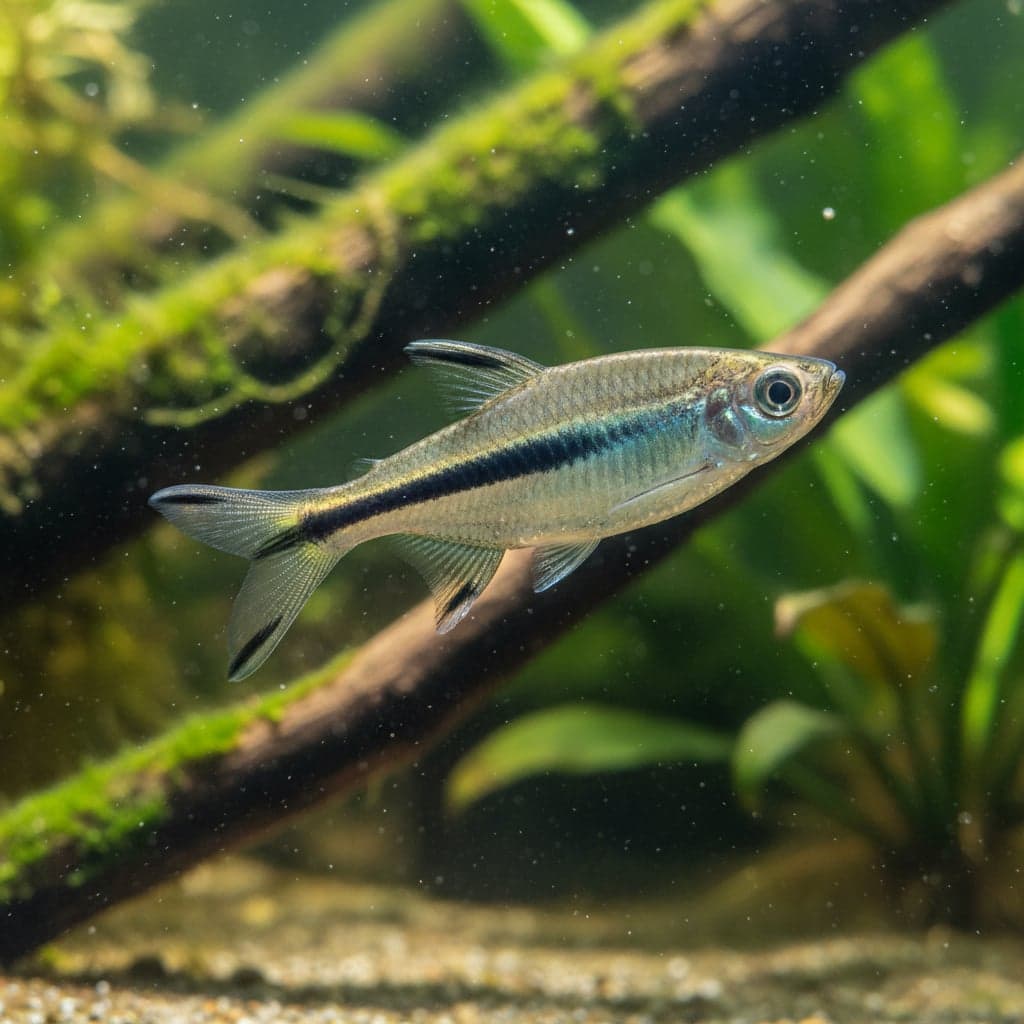
The Sparkling Gourami: Trichopsis pumila
A tiny, jewel-like nano gourami that sparkles with iridescent scales and makes audible croaking sounds. A labyrinth fish for the smallest tanks.
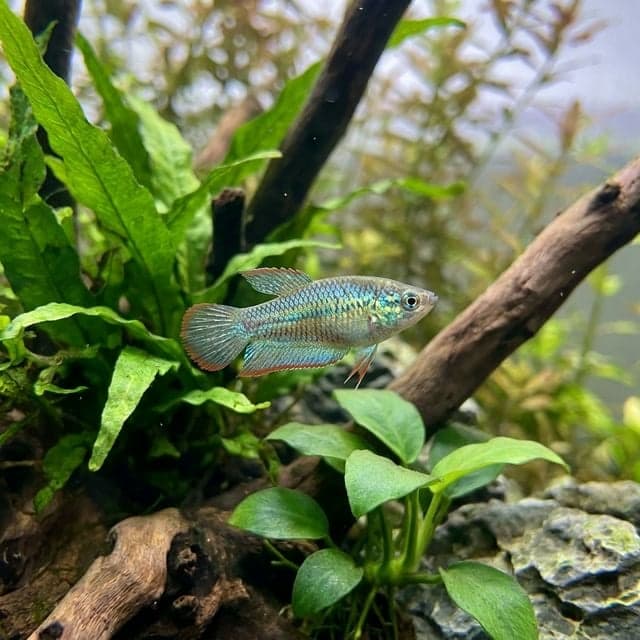
Sparkling Gourami
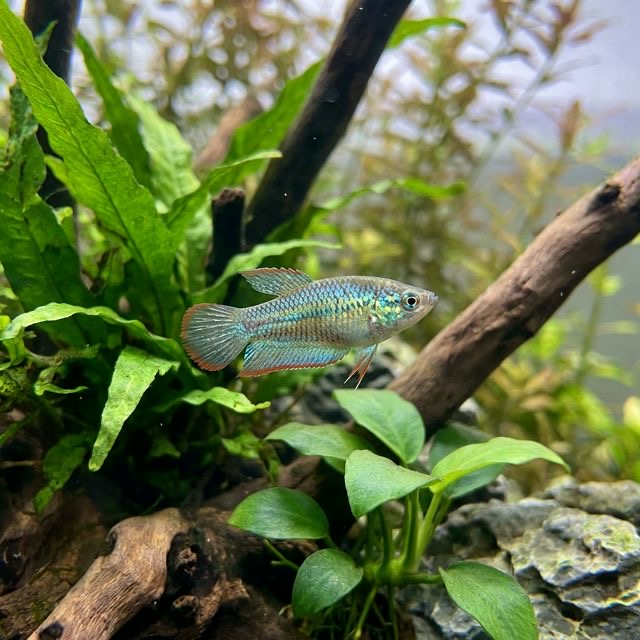
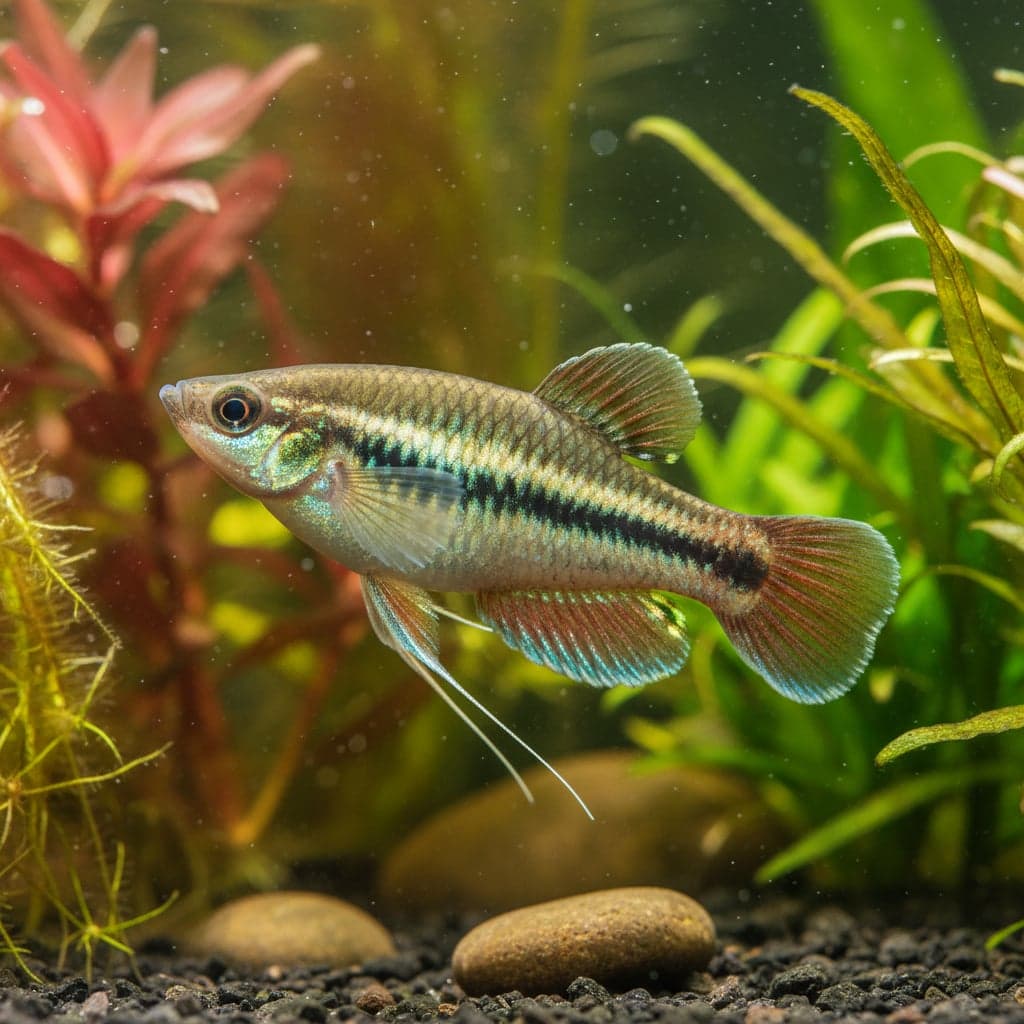
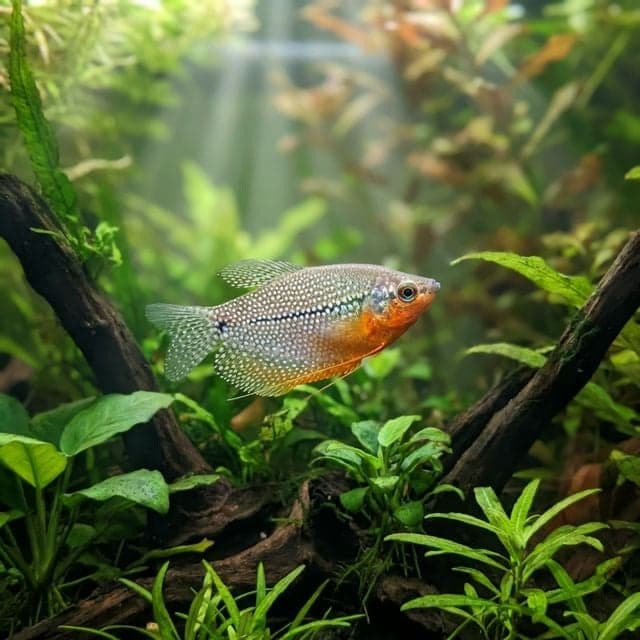
The Sparkling Gourami, known scientifically as Trichopsis pumila, is a petite and colorful fish native to Southeast Asia. This charming species is particularly admired for its delicate shimmering scales and unique iridescent coloration, which can range from a stunning blue-green to a gentle golden hue. Adult specimens typically grow up to 1.5 inches (4 cm) in length, making them a perfect addition to nano or small aquariums. Beyond their visual appeal, Sparkling Gouramis are valued for their peaceful demeanor and adaptability. Their calm nature allows them to cohabit harmoniously with a variety of fish species, making them a favorite choice among both novice and experienced aquarists.
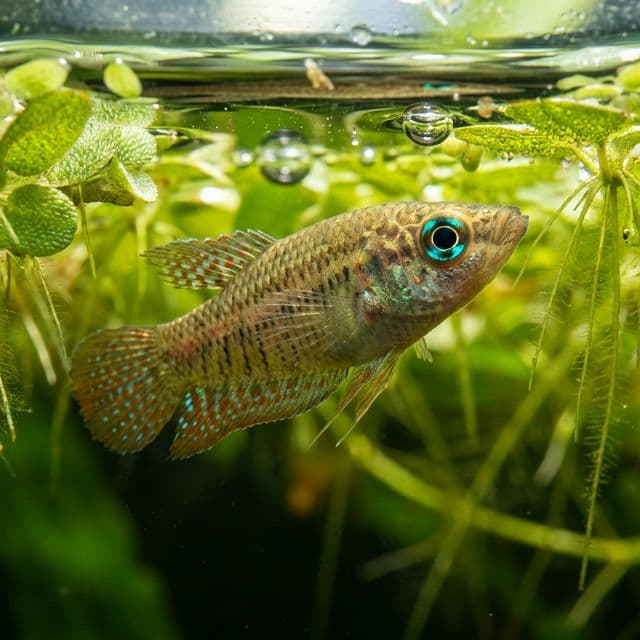
As an outstanding example of a labyrinth fish, Sparkling Gouramis possess a specialized respiratory system that allows them to breathe atmospheric air. This remarkable adaptation gives them an edge in their natural environments, which can be low in oxygen. In the aquarium hobby, their engaging behaviors, such as bubble-blowing during courtship, and their tranquil movement make them a captivating species to observe. Their intriguing antics and vibrant colors contribute significantly to the overall aesthetic and biodiversity of home aquariums, solidifying their status as beloved tenants of the freshwater aquatic realm.
Natural Habitat & Origin
The Sparkling Gourami is indigenous to the shallow waters of Southeast Asia, with a distribution spanning countries such as Thailand, Vietnam, and Cambodia. These fish favor lacustrine environments, often inhabiting densely vegetated wetlands, swamps, and slow-moving streams or ditches. The water in these regions is typically low in mineral content (soft water) and exhibits blackwater characteristics due to the decomposition of organic matter, which results in a stained appearance. This specific habitat is rich in decaying leaves and submerged vegetation, providing ample hiding spots and breeding grounds for this species.
The natural conditions where Sparkling Gouramis are found generally include warm temperatures ranging from 75°F to 82°F (24°C to 28°C) and a slightly acidic to neutral pH level between 6.0 and 7.5. The slow water flow and dense foliage not only offer shelter from predators but also facilitate the calm lifestyle these fish exhibit. As aquarium keepers replicate these conditions, they can create an environment that promotes the health and well-being of Sparkling Gouramis.
Care Requirements
To properly care for Sparkling Gouramis, it is essential to maintain specific water parameters within the aquarium. Optimal conditions include a temperature range between 75°F to 82°F (24°C to 28°C), a pH level of 6.0 to 7.5, and water hardness between 2-15 dGH. The tank should ideally be a minimum of 10 gallons in capacity, allowing ample swimming space and hiding spots. A soft substrate, such as sand or fine gravel, is recommended to mimic their natural habitat and facilitate foraging behaviors.
Decorative elements like driftwood, rocks, and dense aquatic plants (such as Java moss, Anubias, and floating plants) not only provide hiding spots and breeding sites but also contribute to the overall aesthetics of the aquarium. Proper lighting should be moderate; avoiding intense light is essential as it can stress these shy creatures. The Sparkling Gourami thrives in a well-planted tank that mimics its natural environment, promoting comfort and enhancing its natural behaviors.
Diet & Feeding
Sparkling Gouramis are omnivores, which means they have a diverse diet that includes both plant matter and small organisms. In captivity, it is crucial to provide a balanced and varied diet to ensure their health and vivid coloration. High-quality flake or pellet food specifically formulated for small tropical fish can serve as a staple diet. Supplementing this base diet with frozen or live foods, such as bloodworms, brine shrimp, and daphnia, will provide essential nutrients and stimulate natural hunting behaviors.
Occasional vegetable matter, such as blanched spinach or zucchini, can also be offered to promote digestive health. Sparkling Gouramis have small mouths, so it's important to select appropriately sized food items. Feeding them 1-2 times a day in small portions will help maintain their health and prevent overfeeding, which can lead to poor water quality.
Behavior & Temperament
The Sparkling Gourami is known for its peaceful and docile temperament, making it an excellent choice for community tanks. They generally do well in small groups and exhibit social behavior, often seen swimming in pairs or small shoals. While they are relatively peaceful, it is best to house them with other non-aggressive fish to avoid stress and potential territorial disputes.
These fish spend most of their time in the upper levels of the aquarium, utilizing their labyrinth organ to breathe from the water's surface. Sparkling Gouramis are particularly shy and may need sheltered areas within the tank to feel secure. The introduction of plants and other decor can help them establish territories and reduce stress, allowing for more natural behaviors to emerge over time.
Tank Mates
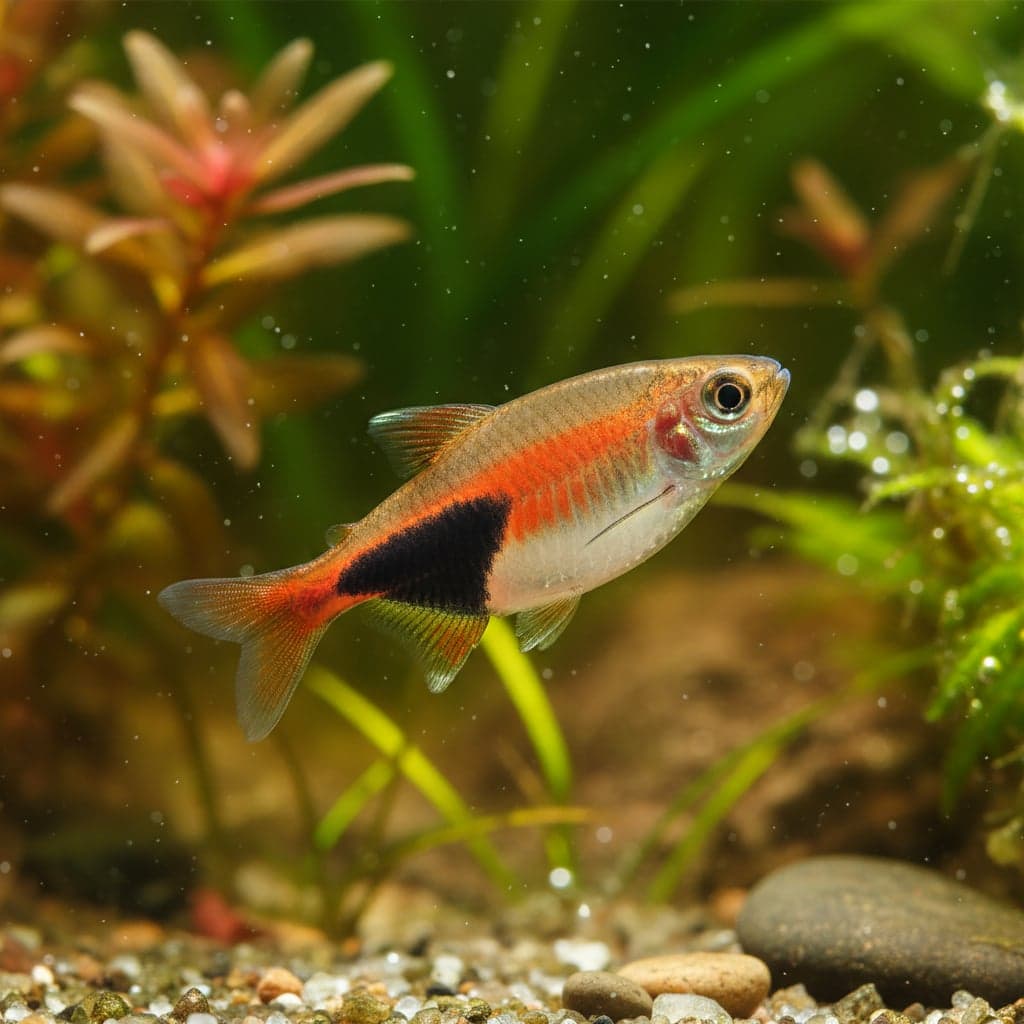
When selecting tank mates for Sparkling Gouramis, it is crucial to consider species that share a similar temperament and prefer similar water conditions. Compatible species include small tetras (such as Neon and Ember tetras), Endler's livebearers, Rasboras, and other peaceful schooling fish. Invertebrates like shrimp and snails can also coexist harmoniously with Sparkling Gouramis.
Conversely, it's important to avoid aggressive or larger fish that may display territorial behavior, such as cichlids or certain species of barbs that could intimidate or harm the Sparkling Gourami. Ensuring that all tank inhabitants are compatible in terms of size and temperament is key to promoting a harmonious aquarium environment.
Breeding
Breeding Sparkling Gouramis can be a rewarding and relatively straightforward process if the right conditions are provided. These fish are bubble-nesters, with males constructing a nest of bubbles at the water's surface prior to courtship. To encourage spawning, maintain a separate breeding tank with a capacity of at least 10 gallons, complete with floating plants and subdued lighting.
The male will court the female in a dancing display, and upon successful spawning, the female will release eggs into the bubble nest. After spawning, it is beneficial to remove the female to prevent her from eating the eggs. The male will guardian the nest, tending to the eggs until they hatch in approximately 24-48 hours. Once the fry are free-swimming, they can be fed infusoria or finely crushed flakes, ensuring their growth and development.
Common Health Issues
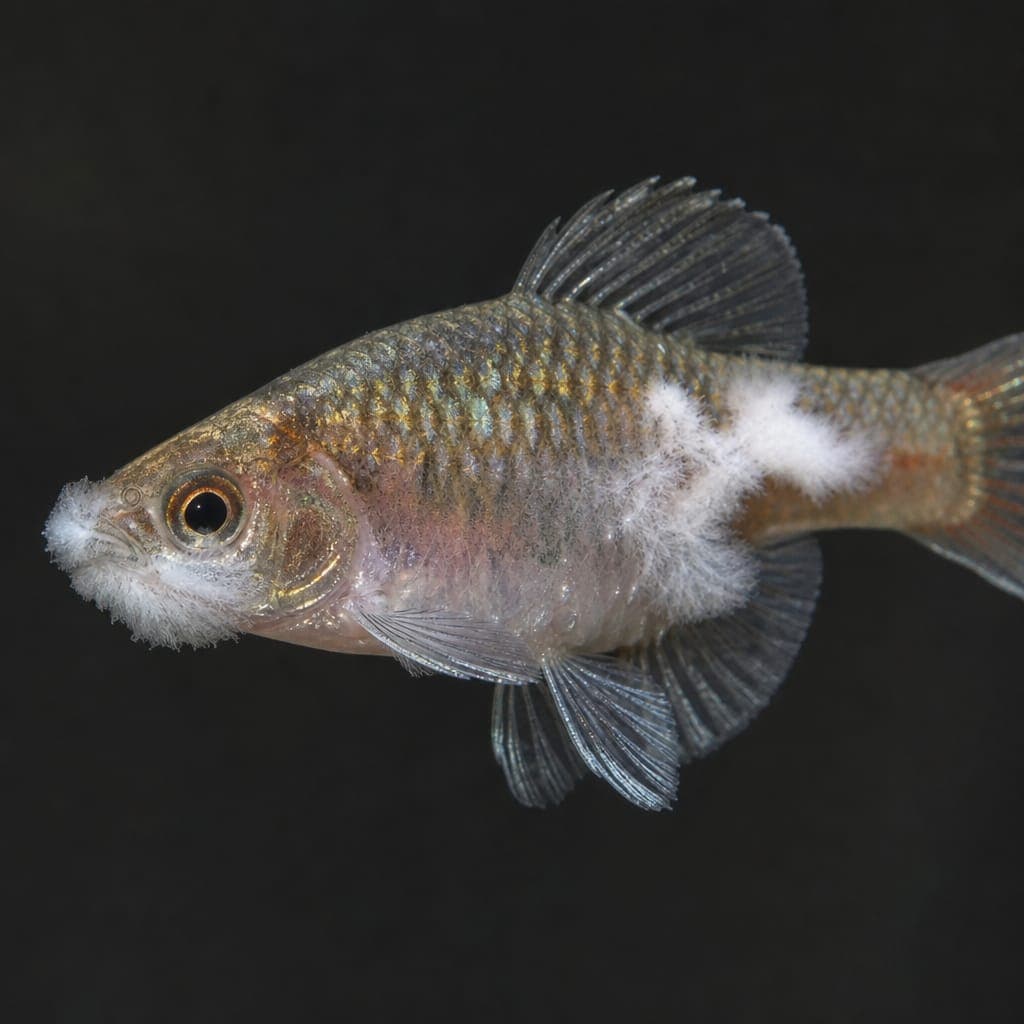
Sparkling Gouramis, like many freshwater fish species, can be susceptible to various health issues if not properly cared for in the aquarium. Common diseases they may face include ich (white spot disease), fin rot, and fungal infections. Maintaining stable water quality, performing regular water changes, and providing a balanced diet are critical in preventing these health concerns.
Regularly monitoring the tank for signs of stress or disease is essential, as early detection can lead to more effective treatment. Additionally, it is advisable to quarantine new additions to the aquarium to reduce the risk of introducing pathogens. Understanding the specific needs and conditions that Sparkling Gouramis thrive in will significantly improve their resilience and overall health in a captive environment.