Spotted Cactus Plec L096/L160: Pseudacanthicus spinosus
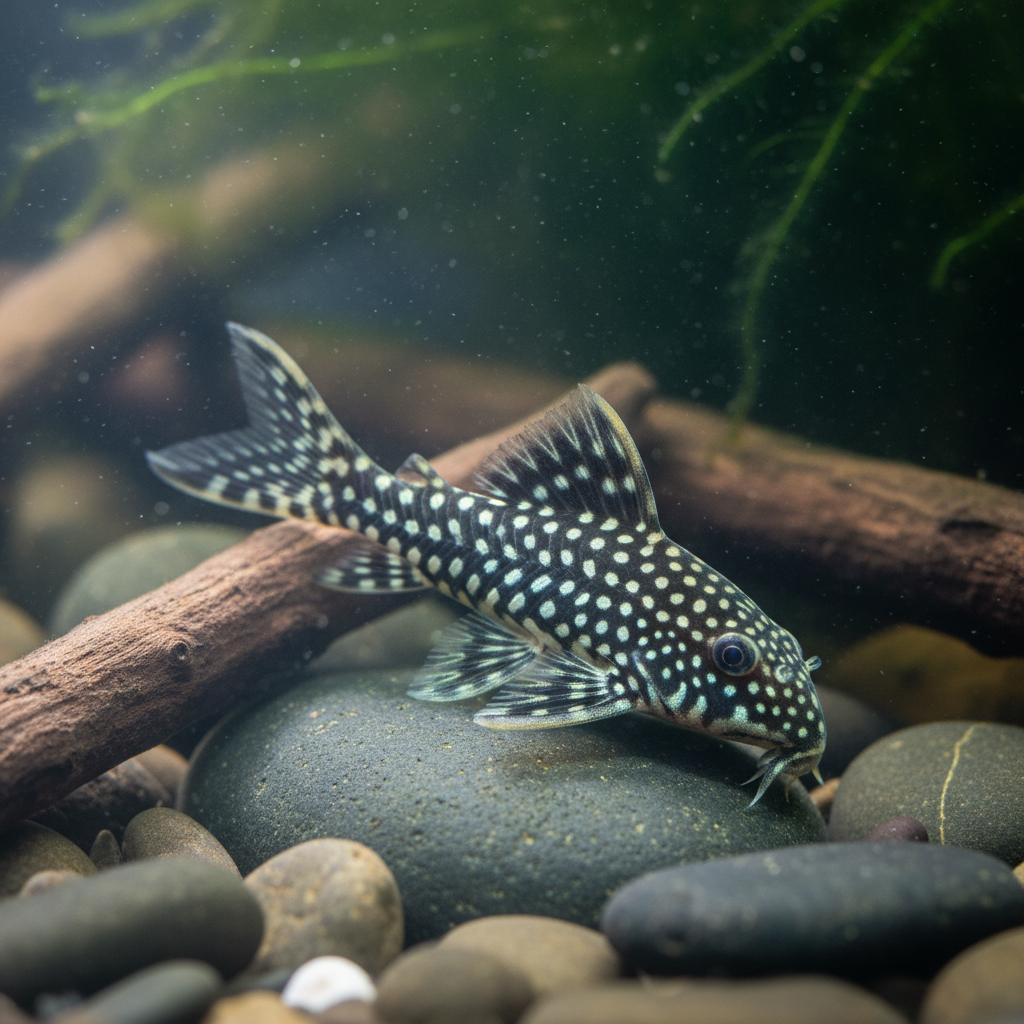
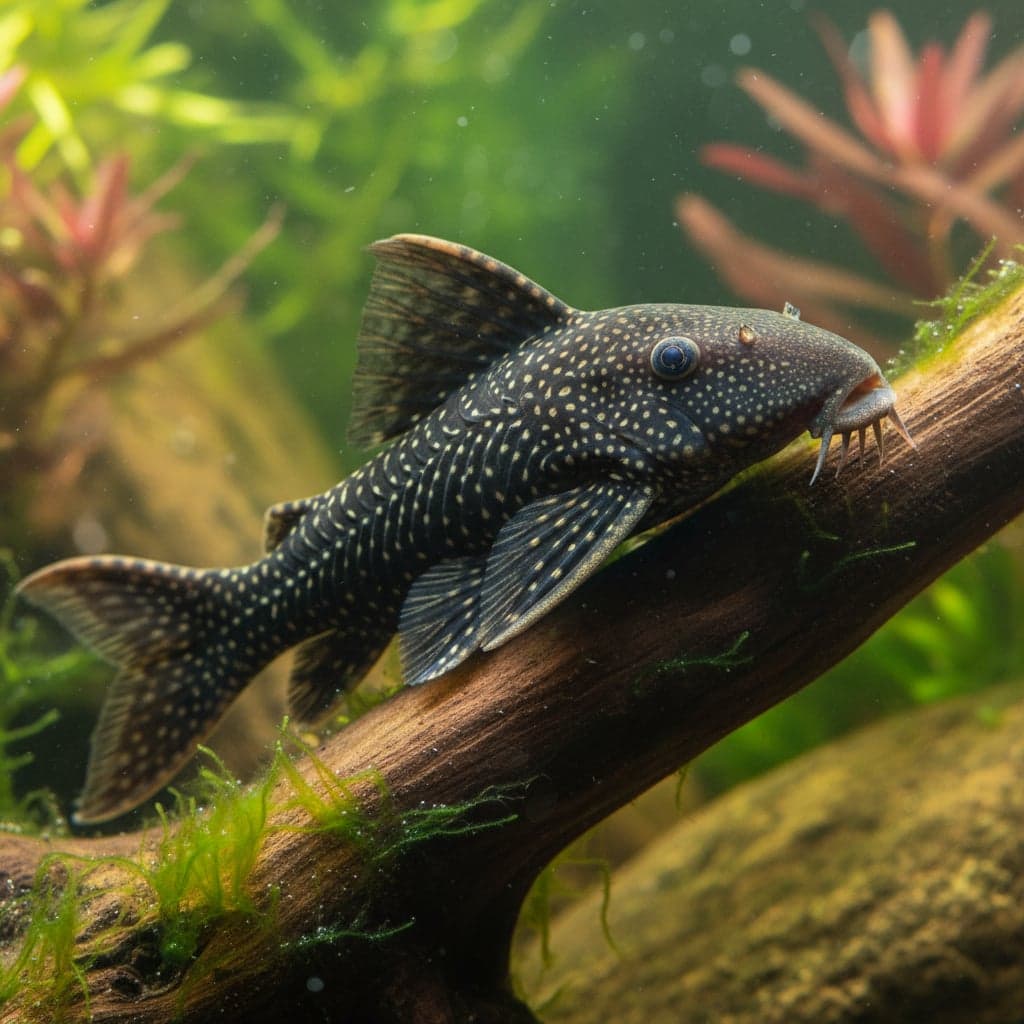
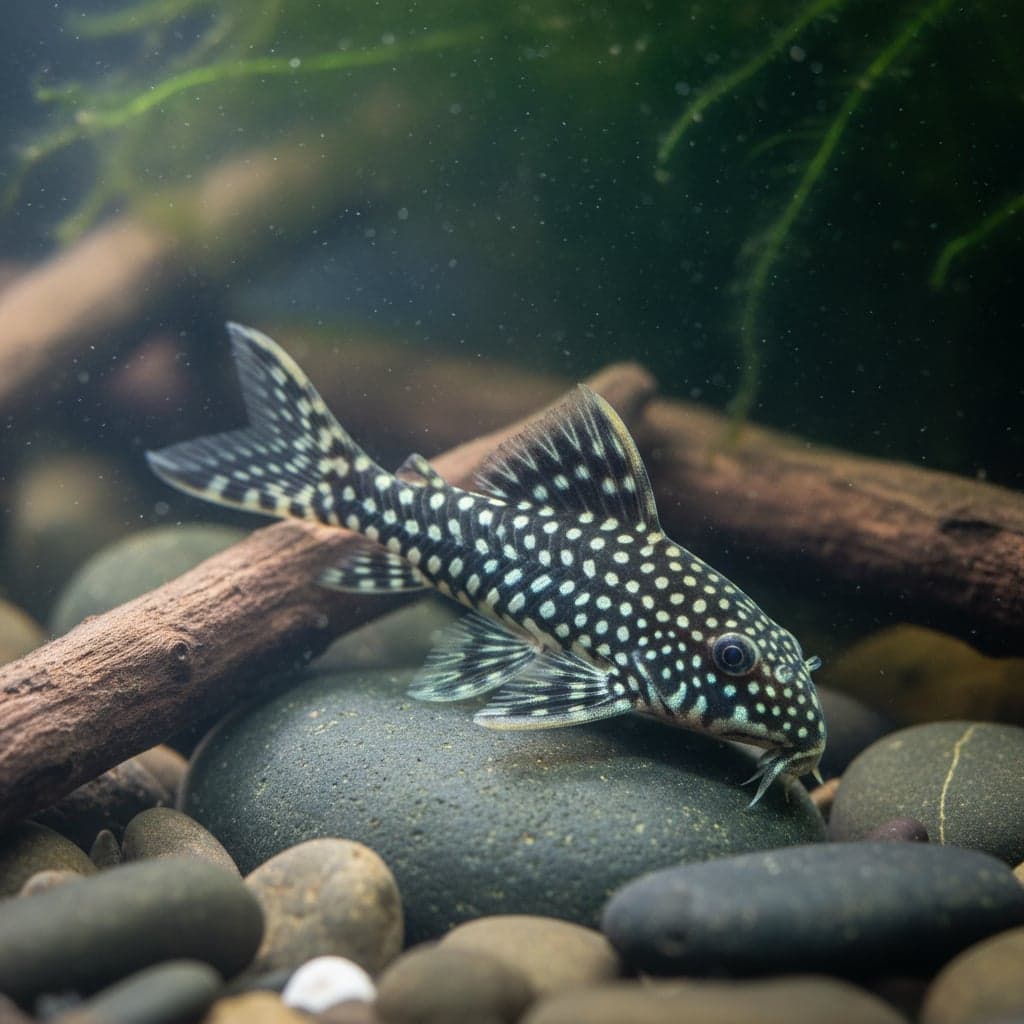
A spectacularly massive, heavily armored "cactus pleco" featuring thick spikes and completely covered in black spotting.
Spotted Cactus Plec L096/L160
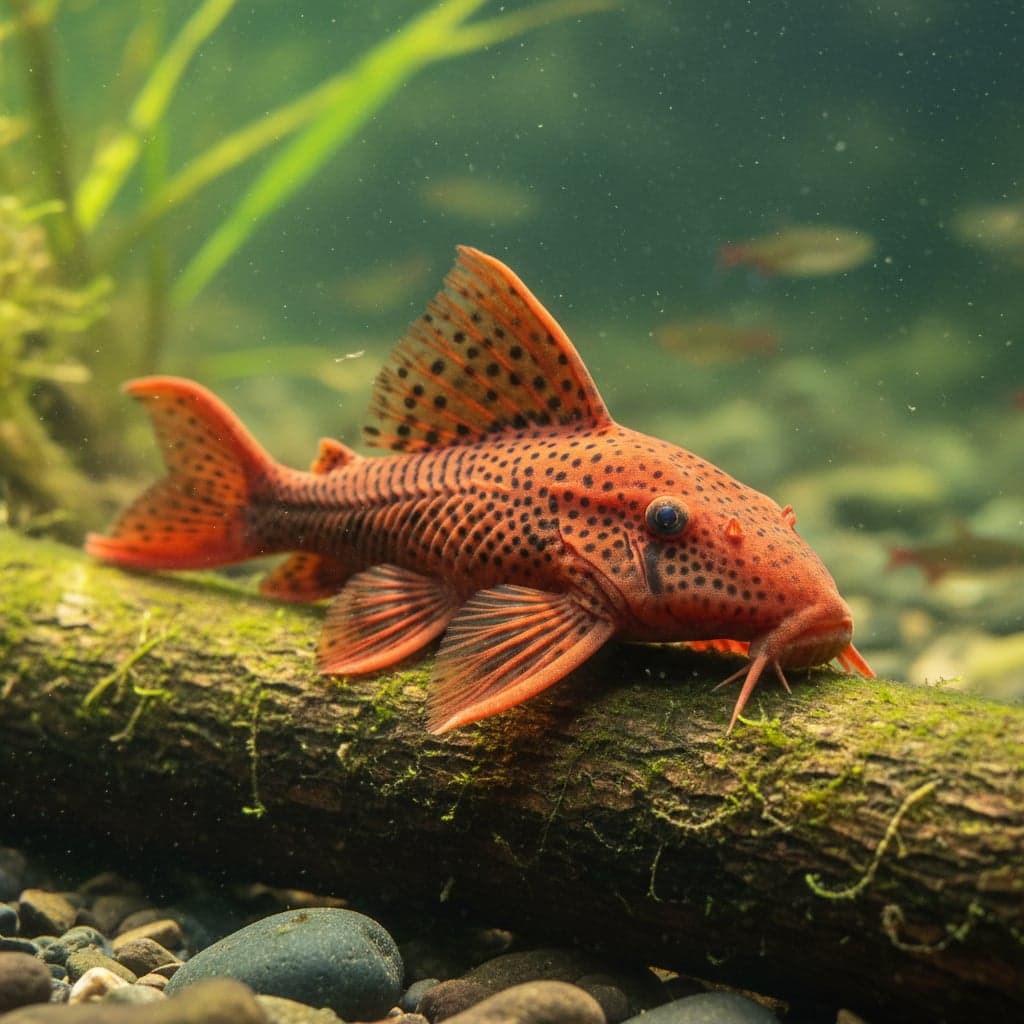
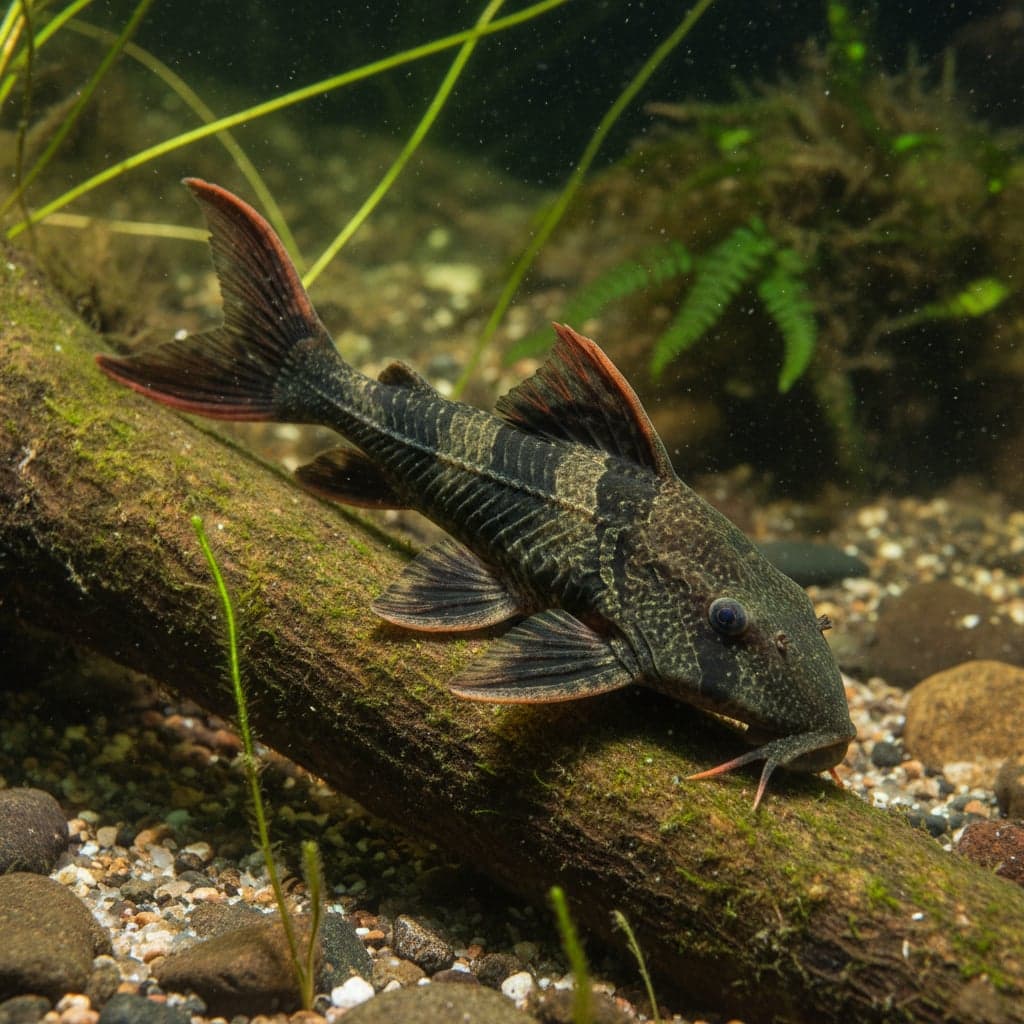
The Spotted Cactus Plec L096/L160, scientifically classified as Pseudacanthicus spinosus, is a fascinating species highly sought after in the aquarium hobby for its striking appearance and unique characteristics. Renowned for its distinctive spotted pattern against a dark backdrop, this freshwater fish showcases vivid yellow to white spots that add a dazzling touch to aquatic environments. Its robust, armored body and elongated fins give it a sturdy look, while its notable dorsal spines further enhance its visual appeal. As a popular choice for aquarists, the Spotted Cactus Plec is not only an aesthetic addition but also a conversation starter, piquing the interest of both novice and experienced fish keepers alike.
Beyond its stunning appearance, the Spotted Cactus Plec holds significance within the aquarium community due to its natural behaviors and habitat adaptations. As a bottom-dwelling fish, it plays a crucial role in maintaining the cleanliness of the tank by feeding on algae and detritus. This ecological service makes it an excellent companion for community tanks. Moreover, the Spotted Cactus Plec's intriguing behaviors and feeding strategies offer a rich experience for aquarists, driving a deeper appreciation for aquatic life and the complexities of freshwater ecosystems.
Natural Habitat & Origin
The Spotted Cactus Plec is native to the slow-moving rivers and tributaries of South America, particularly in regions of Brazil and Venezuela. It thrives in environments characterized by varied water conditions, typically favoring blackwater habitats that are rich in organic materials and provide ample hiding spaces. The waters in these areas are usually slightly acidic to neutral, with a pH ranging from 6.0 to 7.5. These conditions, coupled with soft to moderately hard water, create an ideal backdrop for the Spotted Cactus Plec to flourish.
In its natural habitat, the Spotted Cactus Plec resides among submerged logs, rocky outcrops, and thick vegetation, where it can find shelter and forage for food. The dimly lit conditions of these environments not only contribute to its stunning coloration but also allow it to exhibit its nocturnal feeding habits. Understanding the natural setting of this fish helps keepers replicate the best possible conditions in captivity.
Care Requirements
To successfully house a Spotted Cactus Plec L096/L160, specific care requirements must be addressed. The ideal tank should be a minimum of 75 gallons to provide ample swimming space and hiding spots. The recommended water parameters include a pH of 6.0 to 7.5, a temperature range between 75°F and 82°F, and a hardness level of 2-15 dGH. An appropriate substrate would be smooth, such as sand or fine gravel, to prevent damage to the fish's delicate undersides.
Lighting in the aquarium should simulate the gentle illumination of its natural habitat—using subdued lighting or adding floating plants can help recreate this environment. Incorporating driftwood, caves, and rock formations will function as both decoration and critical hiding areas, allowing the Spotted Cactus Plec to feel secure as it explores its surroundings. Live plants can also enhance the aesthetic while providing additional algae for grazing.
Diet & Feeding
The Spotted Cactus Plec is primarily herbivorous, with a fondness for a diverse diet that includes both plant-based and meaty foods, classifying it as an omnivore. To ensure optimal health, it is crucial to provide a varied diet that includes high-quality sinking pellets or wafers specifically designed for plecos, which should form the base of its nutrition. Supplementing with blanched vegetables such as zucchini, cucumber, and spinach can aid in maintaining its diet high in beneficial fibers.
Additionally, occasional feedings of high-protein foods like frozen or live bloodworms, brine shrimp, or daphnia help to bolster its nutritional intake. This combination not only meets the Spotted Cactus Plec's dietary needs but also encourages natural foraging behaviors, making feeding time an engaging activity. Avoid overfeeding, as this can lead to water quality issues and health complications.
Behavior & Temperament
The behavior and temperament of the Spotted Cactus Plec can be characterized as generally peaceful, though individual personalities may vary. As primarily a nocturnal species, this fish displays shy tendencies during daylight hours, often retreating to caves or other hiding spots. It is best kept in a semi-aggressive community setting where it can thrive alongside similarly sized fish that do not pose a threat or compete for territory.
While the Spotted Cactus Plec may tolerate conspecifics, it can exhibit some territorial behavior as it matures, especially when competing for resources. Vertical placement in the tank is an important consideration; utilizing vertical space with structured decor encourages exploration and helps mitigate potential aggression issues. Hence, it is essential to monitor interactions in community setups and observe whether changes in placement or tank mates are necessary.
Tank Mates
Finding compatible tank mates for the Spotted Cactus Plec requires careful selection to avoid aggression and territorial disputes. Ideal companions include peaceful fish species that share similar water parameter preferences and do not dominate the bottom layer of the aquarium. Suitable tank mates may include medium to large rasboras, tetras, and corydoras catfish, as well as larger species like rainbowfish or certain barbs.
Conversely, it is essential to avoid smaller fish that may be seen as food or overly aggressive tank mates that might stress the Spotted Cactus Plec. This includes small shrimp species and aggressive cichlids. With appropriate planning, a happy and harmonious aquarium environment can be maintained while highlighting the beauty of the Spotted Cactus Plec.
Breeding
Breeding the Spotted Cactus Plec in captivity can be a challenging yet rewarding endeavor. In typical conditions, these fish prefer to spawn in the presence of flat surfaces submerged in the water, such as rocks or cave-like structures. The breeding process necessitates a higher water temperature of around 80°F, alongside soft, acidic water to trigger spawning behaviors.
During the courtship, the male will display various behaviors, including chasing and cleaning potential nesting sites. Once the female is ready, she will lay her eggs, which the male fertilizes and subsequently guards. The male will exhibit protective behaviors, ensuring the eggs are aerated and remain safe until they hatch, typically within 3-5 days. Care should be taken to separate the pair or their offspring after hatching, as parental aggression can increase as the fry mature.
Common Health Issues
Though robust, the Spotted Cactus Plec L096/L160 may be susceptible to several common health issues typically seen in aquarium fish. These include ich (Ichthyophthirius multifiliis), which manifests as white spots on the skin, and fin rot, often resulting from poor water conditions. Early detection is crucial; quarantining affected fish and treating them with appropriate medicative solutions can aid in recovery.
Preventive measures include maintaining high water quality through regular water changes and thorough filtration, minimizing stressors in the tank, and ensuring a balanced diet that promotes strong immune function. Regular observation of the fish’s behavior and physical condition can also help detect health issues early, making management much more effective.