The Spotted Congo Puffer: Tetraodon schoutedeni
The "Holy Grail" of freshwater puffers. A truly freshwater, peaceful(ish), and community-safe pufferfish.
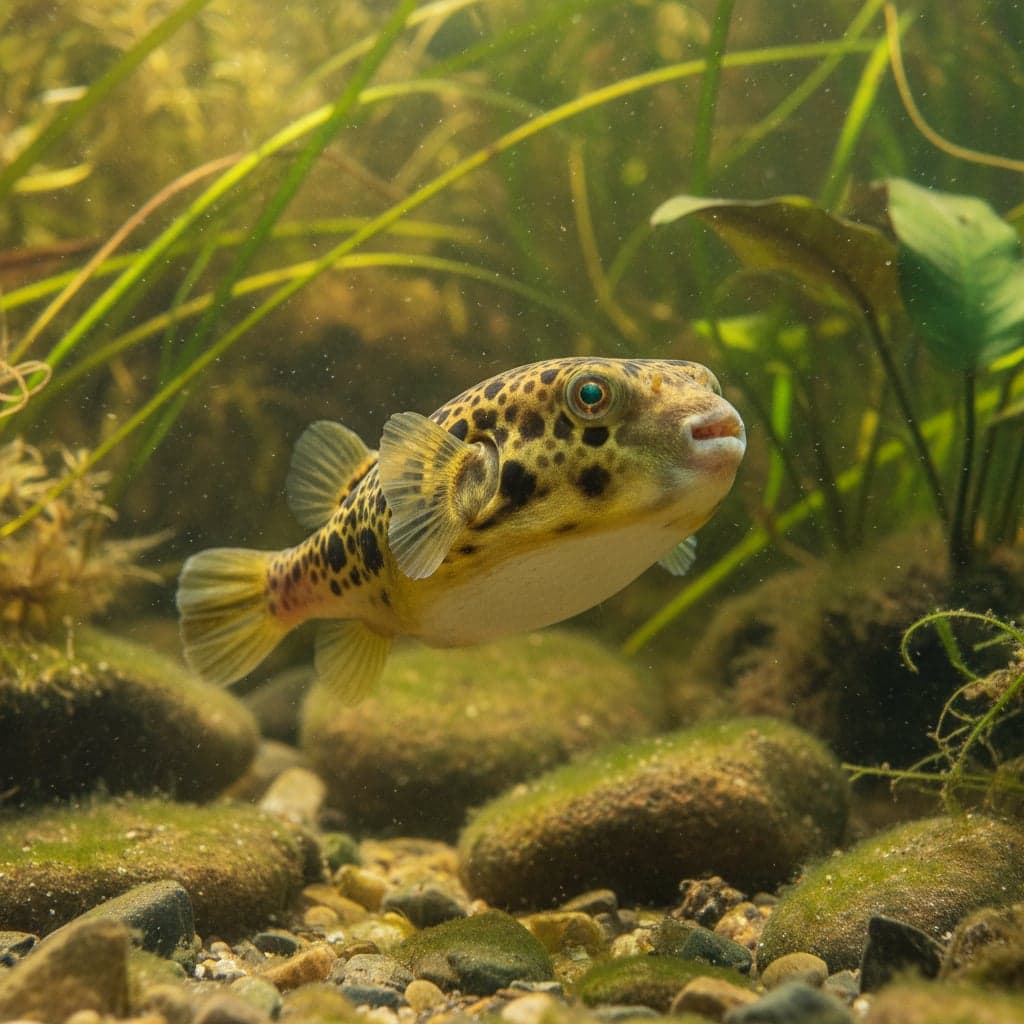
Spotted Congo Puffer
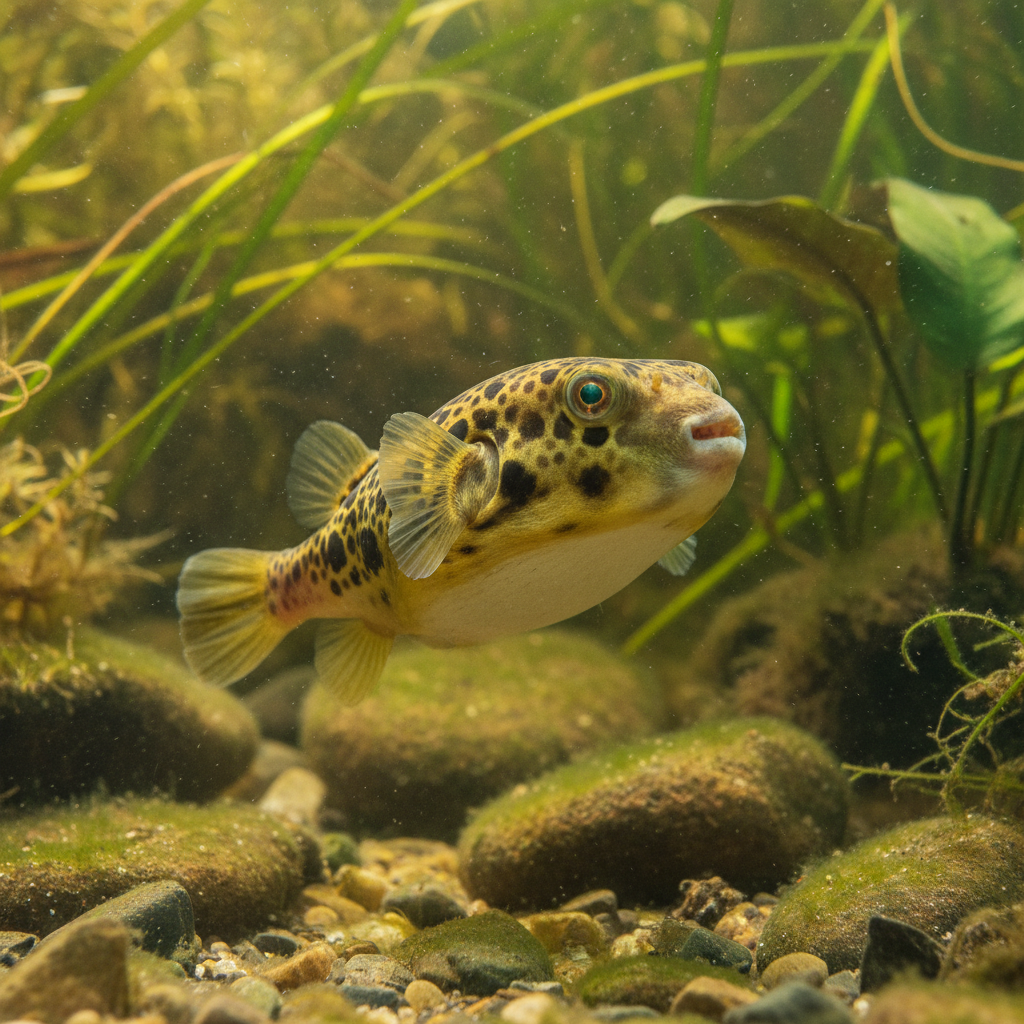
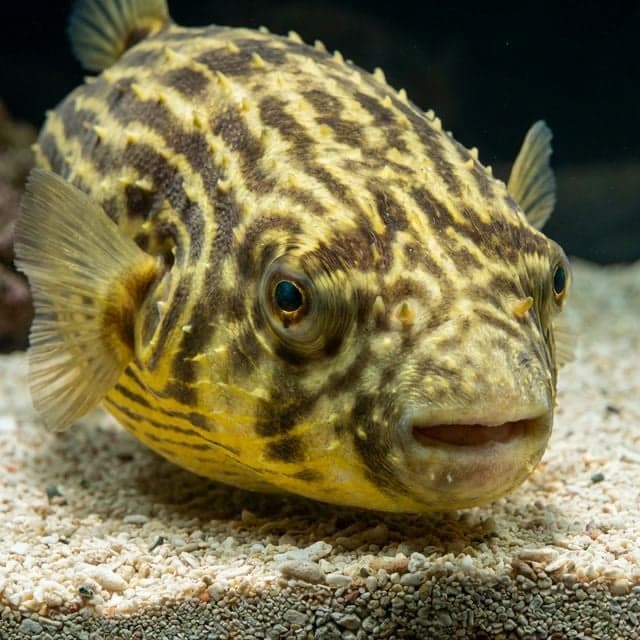
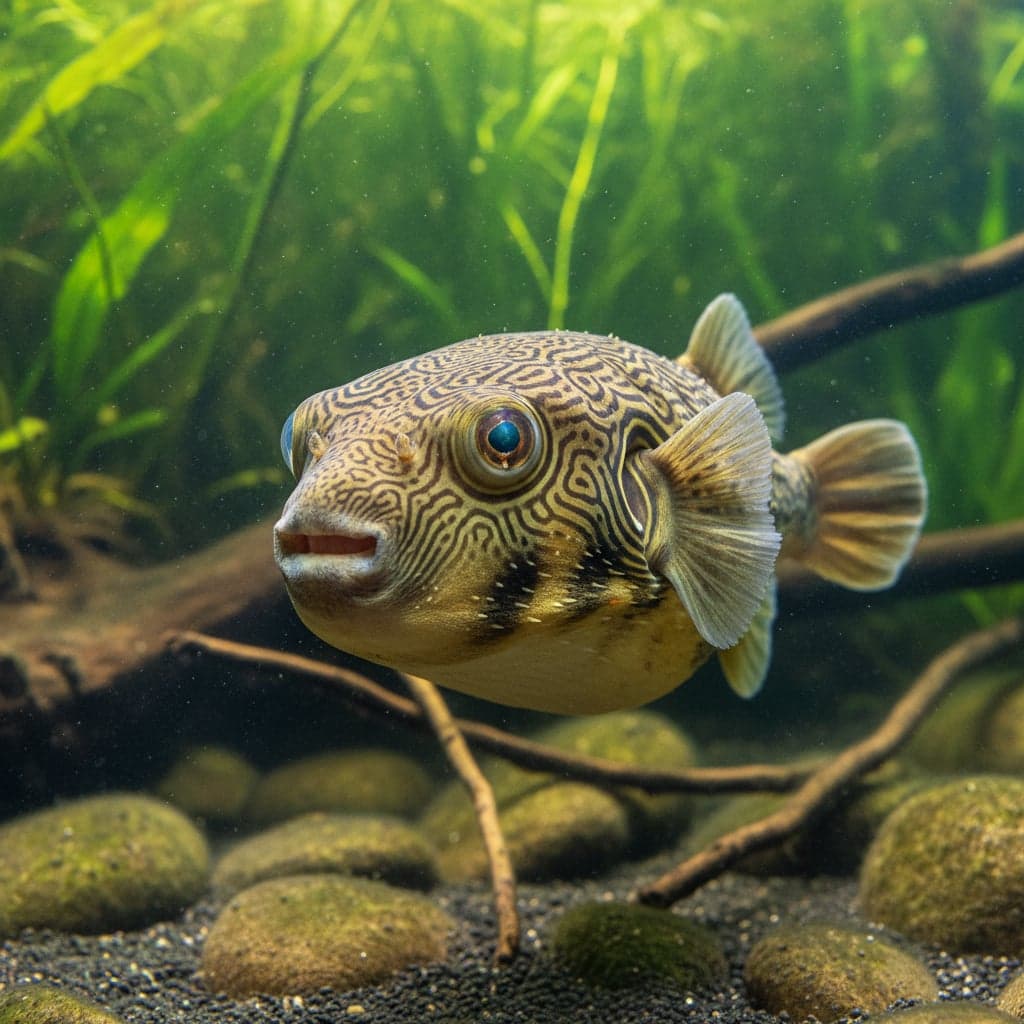
The Spotted Congo Puffer (Tetraodon schoutedeni) is a unique freshwater pufferfish that hails from the rivers of the Congo Basin in Central Africa. Known for its striking appearance, this fish showcases a beautiful blend of vibrant green and yellow hues, intricately adorned with a distinct pattern of spots that give it an almost whimsical look. The Spotted Congo Puffer is not only visually captivating but also adds a dynamic presence to the aquarium with its intelligent and curious behavior. As a member of the Tetraodon family, this species stands out in the aquarium hobby due to its distinctive morphology and interactive nature, making it a favorite among aquarists looking for an engaging and aesthetically pleasing aquatic companion.
In addition to its visual appeal, the Spotted Congo Puffer plays a significant role in freshwater ecosystems. As an omnivorous predator, it contributes to the natural balance within its habitat by controlling populations of smaller fish and invertebrates. The species has gained popularity in the aquarium trade, drawing attention for its entertaining feeding behavior and unique personality. However, keeping a Spotted Congo Puffer in captivity requires specialized care, making it essential for prospective owners to educate themselves thoroughly on its needs before introduction into the aquarium.
Natural Habitat & Origin
The Spotted Congo Puffer is native to the Congo River Basin, specifically found in the slow-moving waters of blackwater rivers and swamps. This environment is characterized by stained, acidic waters rich in organic material, which creates a unique ecosystem that supports various aquatic life. The pH in these habitats typically ranges from 6.0 to 7.5. The soft, dimly lit waters are laden with submerged vegetation, fallen leaves, and driftwood, providing shelter and foraging opportunities for the Spotted Congo Puffer. In these habitats, this pufferfish thrives in densely vegetated areas, making it essential for aquarists to replicate such environments when setting up their tanks.
Care Requirements
To successfully care for a Spotted Congo Puffer, it is vital to maintain specific water parameters. The ideal water temperature ranges between 24-28 degrees Celsius (75-82 degrees Fahrenheit), with a pH level between 6.0 and 7.5 to mimic its natural habitat. Hard water should be avoided, as this fish prefers softer water conditions with a general hardness of around 2-10 dGH. For tank setup, a minimum tank size of 75 gallons is recommended to provide ample swimming space and to maintain water quality over time. The substrate should be soft, such as sand or fine gravel, to prevent any injury to the puffer's sensitive skin. Dim lighting, possibly generated through floating plants, is ideal to recreate the subdued environment of its native waters, while live plants, driftwood, and hiding spots offer necessary shelter and enrichment for the fish.
Diet & Feeding
The Spotted Congo Puffer is primarily regarded as an omnivore, however, it leans heavily towards a carnivorous diet in its natural habitat. To provide optimal nutrition, it is recommended to feed them high-quality pellets specifically formulated for carnivorous fish, along with frozen foods such as bloodworms, brine shrimp, and various types of crustaceans. Live foods and mollusks can also be included in the diet to help with their beak-like teeth maintenance, which continuously grow and require regular wear. While some aquarists may attempt to offer flakes, it is essential to ensure that the diet remains balanced and nutritious, primarily focusing on protein-rich options.
Behavior & Temperament
The Spotted Congo Puffer exhibits curious and engaging behavior, often displaying a playful demeanor within its tank. While not overly aggressive, they can exhibit territorial tendencies, especially during feeding or if they feel threatened. Unlike many schooling fish, the Spotted Congo Puffer is generally best kept either alone or in pairs, as they may become stressed in larger groups due to their need for personal space. These fish tend to inhabit the mid to bottom levels of the aquarium, exploiting hiding spots while actively exploring the substrate for food. Care should be taken to monitor its temperament, particularly when introducing new tank mates.
Tank Mates
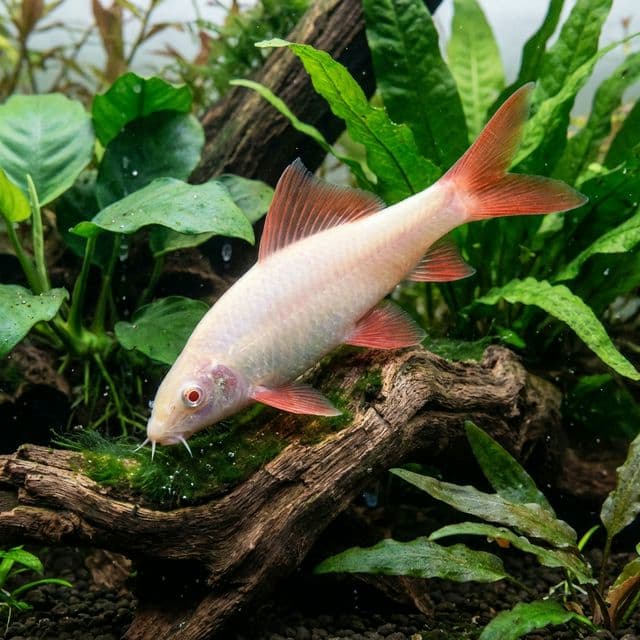
When considering tank mates for the Spotted Congo Puffer, compatibility is crucial due to their territorial nature. Suitable companions include larger, peaceful fish such as rainbowfish, larger tetras, and some species of catfish, which can withstand the puffer's assertive demeanor. It is important to avoid keeping the Spotted Congo Puffer with smaller fish or highly territorial species, as they may become targets for bullying or predation. Species such as neon tetras, guppies, or smaller cichlids should generally be excluded to ensure harmonious tank dynamics.
Breeding
Breeding the Spotted Congo Puffer in captivity is relatively rare due to its specific spawning requirements. During the breeding process, the male puffer will typically court the female by performing intricate displays and creating a suitable nesting area, often amidst vegetation or substrate. Conditions for successful breeding include a slightly elevated temperature (around 28-30 degrees Celsius or 82-86 degrees Fahrenheit) and soft, slightly acidic water. It is recommended to separate breeding pairs into a dedicated breeding tank to increase the chances of successful egg fertilization and protection, as Spotted Congo Puffers exhibit parental care tendencies towards their young.
Common Health Issues
While the Spotted Congo Puffer is generally hardy, it can be prone to certain health issues, such as parasitic infections, skin lesions, and ich (Ichthyophthirius multifiliis). To mitigate these risks, it is vital to maintain pristine water quality and monitor tank mates for signs of disease. Implementing a regular maintenance routine, including partial water changes and substrate cleaning, can help prevent health complications. Additionally, providing a varied diet rich in essential nutrients boosts the immune system, further protecting the Spotted Congo Puffer from potential illnesses. Regular observation of behavior and appetite can serve as early indicators of health problems, allowing for timely intervention and treatment.