Spotted One-sided Livebearer: Jenynsia maculata
An unusual South American livebearer with one-sided mating anatomy. Sexing, breeding, tank mates and care at 22-26°C, pH 6.5-7.5.
Spotted One-sided Livebearer
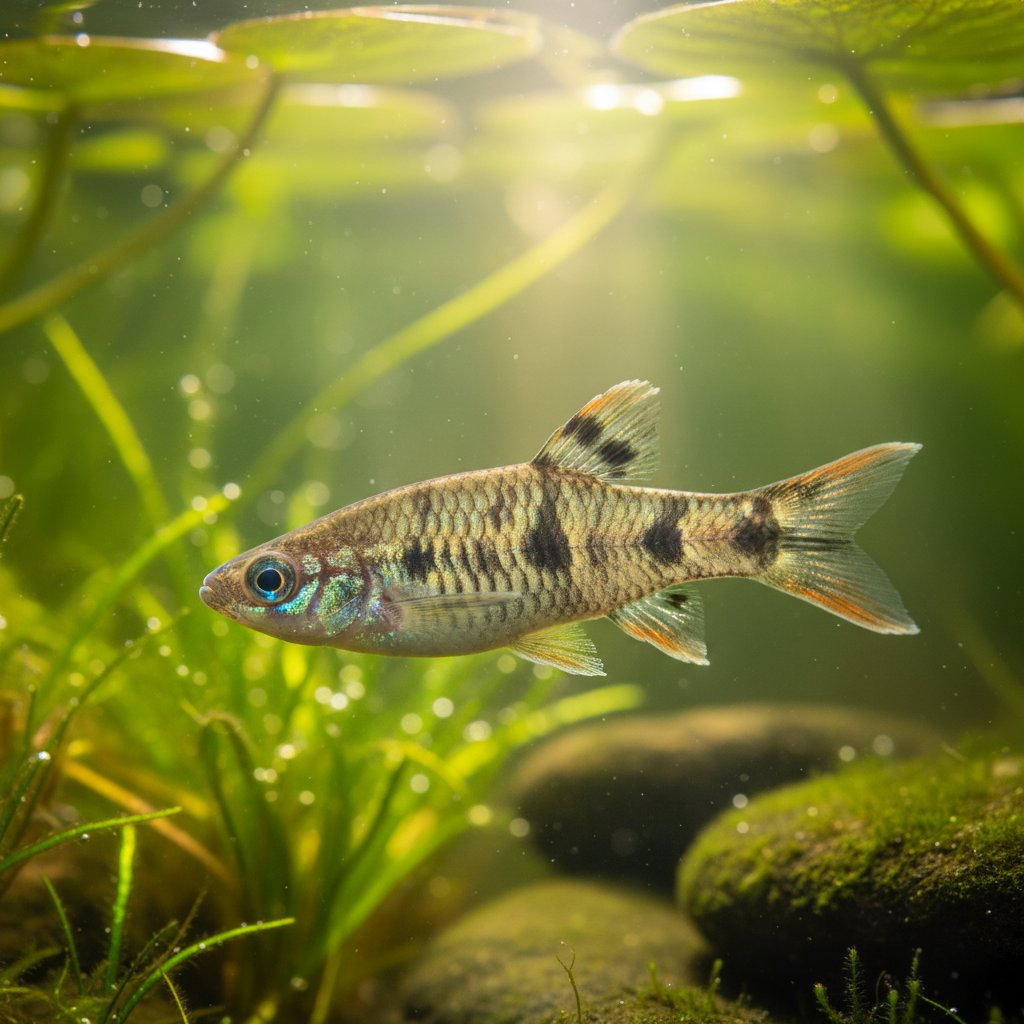
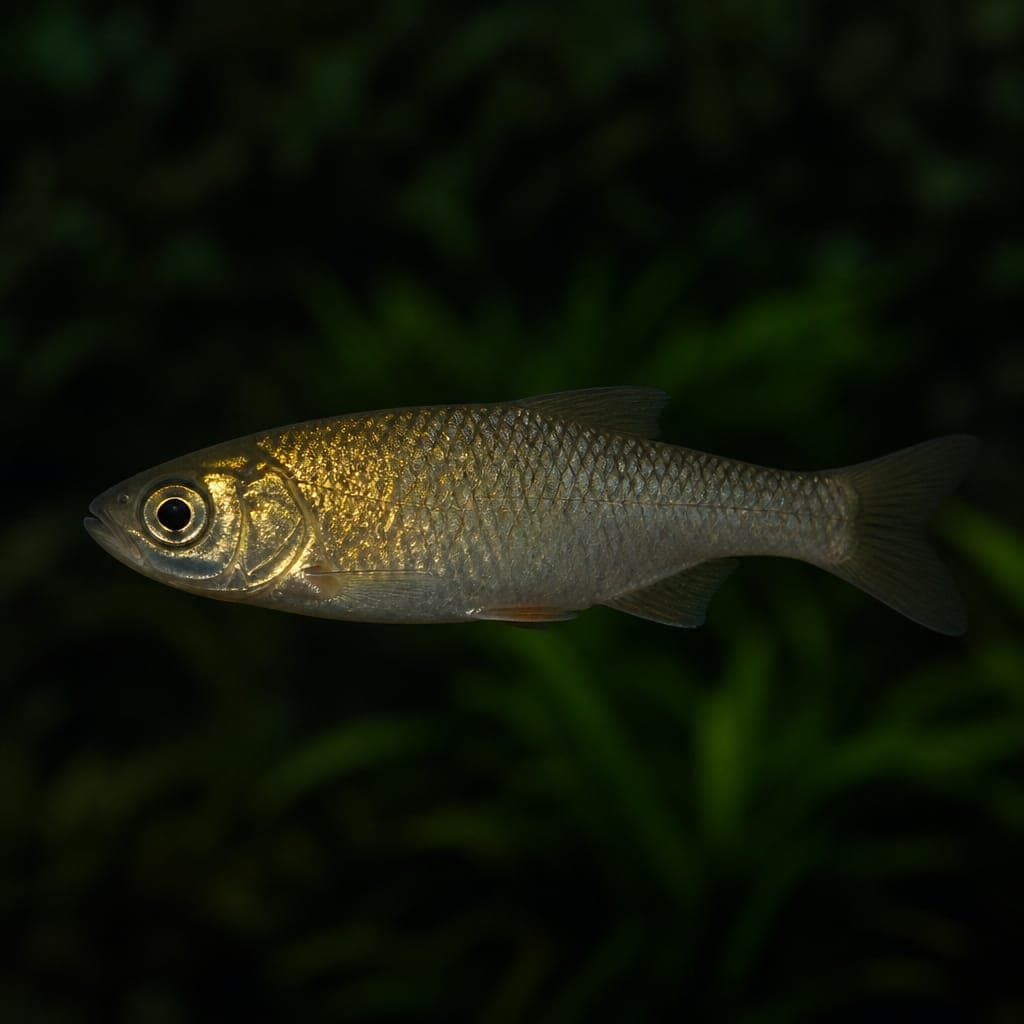
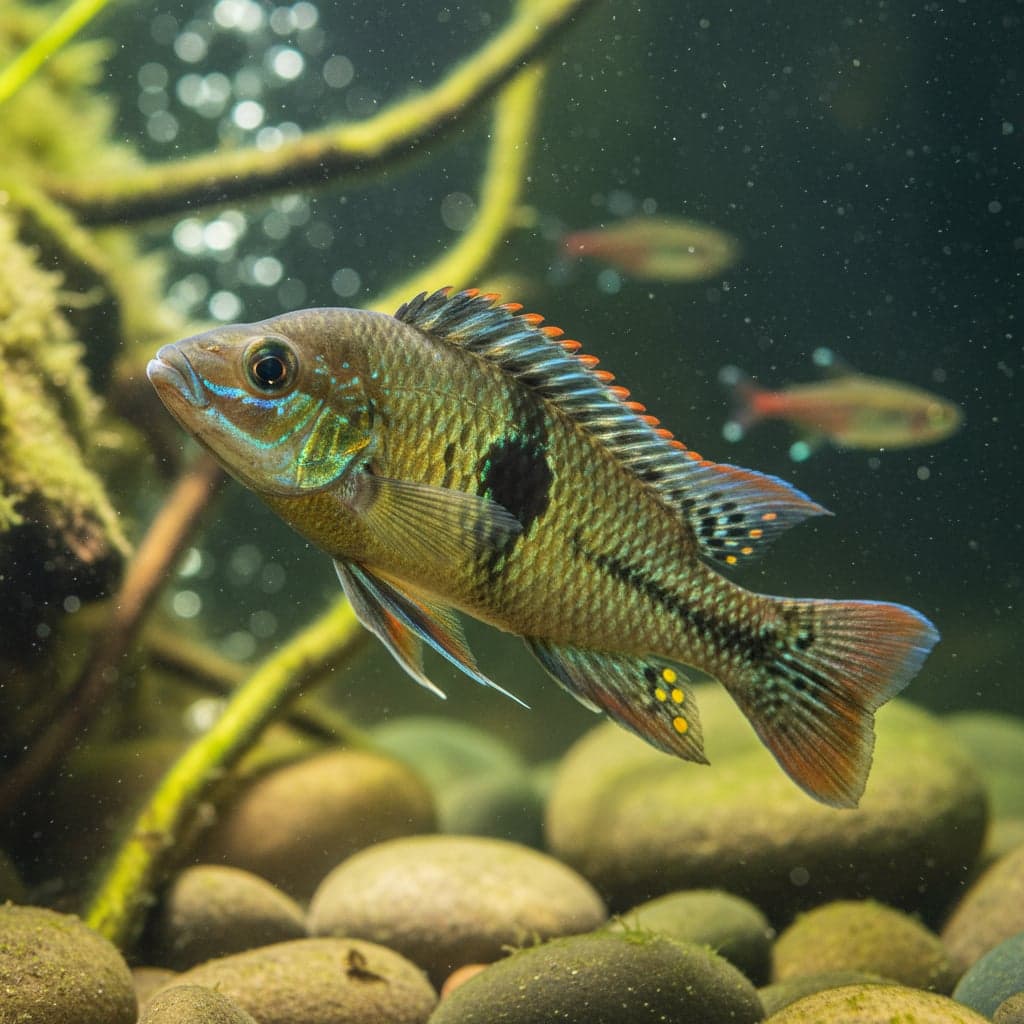
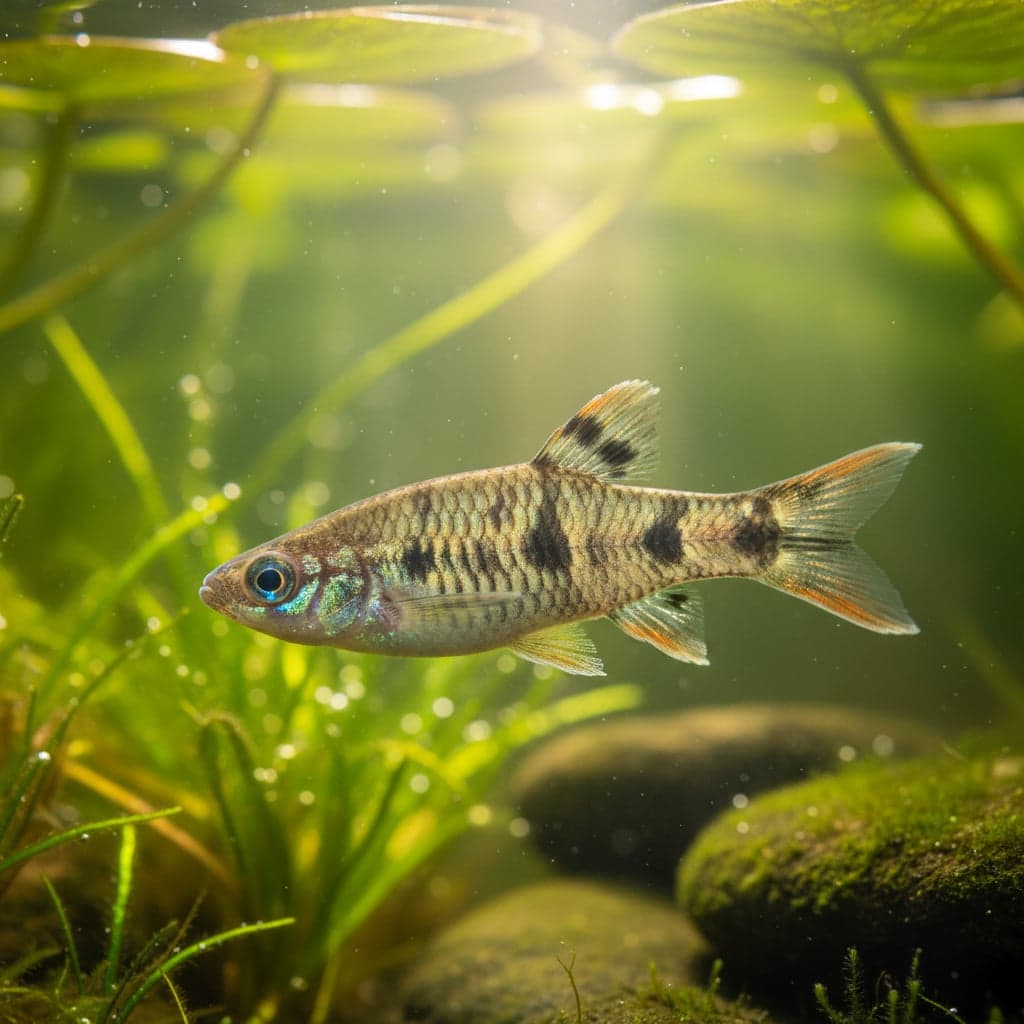
The Spotted One-sided Livebearer, scientifically known as Jenynsia maculata, is a unique and captivating freshwater fish that has garnered interest among aquarists due to its distinctive aesthetics and intriguing behavior. Native to South America, particularly in Argentina and Uruguay, this species is recognized for its slender body shape and striking pattern of spots along its sides. The fish showcases a palette of iridescent blues and greens, complemented with vivid orange and yellow undertones that enhance its visual appeal in home aquaria. As a livebearer, it also holds significance in the aquarium hobby for breeders and enthusiasts, allowing for fascinating observation of live births and nurturing behaviors.
The allure of the Spotted One-sided Livebearer extends beyond its physical characteristics; it also possesses a relatively calm temperament that makes it an ideal candidate for community tanks. Its unique reproductive strategy adds an extra layer of interest, as it carries its young internally until they are fully formed. This combination of beauty and behavioral intrigue makes Jenynsia maculata a sought-after species for both novice and experienced aquarists alike, enhancing the diversity and visual dynamics of freshwater aquarium environments.
Natural Habitat & Origin
The Spotted One-sided Livebearer is native to the rivers and lakes of the Río de la Plata basin in South America, specifically prevalent in regions of Argentina and Uruguay. This species predominantly inhabits slow-moving waters, such as streams and lagoons, where aquatic vegetation is abundant, providing both hiding spots and foraging opportunities. The natural environment is typically characterized by blackwater ecosystems, where the water is stained with organic tannins from decaying plant matter, leading to a darker water coloration that can facilitate camouflage from potential predators.
Water conditions in its native habitat are generally soft and acidic, with pH levels ranging between 6.0 to 7.0. The temperature in these natural environments is often warm, usually maintained around 24°C to 28°C (75°F to 82°F). It is essential for aquarists to replicate these parameters as closely as possible to ensure the health and well-being of the Spotted One-sided Livebearer in captivity.
Care Requirements
Caring for the Spotted One-sided Livebearer involves providing suitable water parameters and an accommodating tank setup. The recommended pH level should be between 6.0 and 7.0, with a temperature range between 24°C to 28°C (75°F to 82°F). A hardness level of 2 to 10 dGH is ideal, as this mimics their natural soft water habitat. Regular water changes and filtration are critical to maintain water quality, as they help reduce harmful toxins and improve overall fish health.
For tank setup, a minimum size of 20 gallons is advisable, as this provides ample swimming space and room for the fish’s social interactions. The substrate should consist of fine sand or soft gravel to avoid damaging their delicate bodies and fins. Incorporating live plants, driftwood, and rocks creates a natural-looking environment, which allows the Spotted One-sided Livebearers to feel secure and exhibit natural behaviors. Moderate lighting is ideal, simulating their natural habitat, while also enhancing the vibrant colors of these striking fish.
Diet & Feeding
The Spotted One-sided Livebearer is an omnivorous species, making it relatively easy to feed and care for in an aquarium setting. In nature, it primarily consumes small invertebrates, plant matter, and detritus. To replicate this varied diet in captivity, a balanced mix of high-quality flakes and pellets should form the basis of their feeding regime. Additionally, offering frozen foods such as brine shrimp, daphnia, and bloodworms will enhance their diet and keep them vibrant and healthy.
Incorporating blanched vegetables such as zucchini, spinach, or peas will diversify their intake, providing essential nutrients and promoting good digestive health. It is advisable to feed the Spotted One-sided Livebearer small portions multiple times a day, ensuring they receive adequate nutrition. Overfeeding should be avoided, as it can lead to water quality issues and health problems.
Behavior & Temperament
The Spotted One-sided Livebearer is known for its peaceful and sociable nature, thriving best in a community tank setting. They are typically non-aggressive and can coexist well with a variety of other species, provided the tank mates are also non-aggressive. This fish is best kept in small groups of at least five to six individuals, as they exhibit schooling behavior, which provides them with a sense of security and encourages natural behaviors.
In terms of vertical placement in the tank, the Spotted One-sided Livebearer prefers to occupy the mid-to-upper levels of the aquarium. They are often observed interacting with their surroundings, grazing on plant material and exploring places to hide. This engagement not only makes them enjoyable to watch but also contributes to a dynamic and lively aquarium environment.
Tank Mates
Choosing compatible tank mates for the Spotted One-sided Livebearer is crucial for maintaining harmony within the aquarium. Suitable companions include peaceful species such as Neon Tetras, Guppies, Endlers, Corydoras Catfish, and various species of Rasboras. These fish share similar water requirements and social behavior, enriching the community tank setting.
On the other hand, it is essential to avoid tank mates that are aggressive or territorial, which could stress the Spotted One-sided Livebearer. Fish such as Cichlids (especially larger ones), aggressive barbs, and larger catfish species should be avoided. Careful selection of tank mates will promote a stress-free environment, allowing these charming livebearers to thrive.
Breeding
Breeding the Spotted One-sided Livebearer can be a rewarding experience for aquarists, as they exhibit fascinating reproductive behaviors that are engaging to observe. This species is a livebearer and will give birth to fully formed fry after a gestation period of approximately 4 to 6 weeks. For successful breeding, it is crucial to maintain optimal water conditions, particularly soft and slightly acidic water, simulating their natural environment.
Providing ample cover in the form of dense vegetation or spawning mops is essential, as this allows the female fish to seek refuge during and after the birthing process. A dedicated breeding tank may be beneficial, where the female can feel secure and isolated from potential stressors. After giving birth, removing the adult fish can help protect the fry from predation. The young fry should be fed infusoria or finely crushed flakes until they are large enough to eat more substantial foods.
Common Health Issues
While the Spotted One-sided Livebearer is generally hardy, like many freshwater fish, it may be susceptible to specific health issues. Common ailments include Ich (Ichthyophthirius multifiliis), Fin Rot, and Velvet disease. Ensuring good water quality through regular maintenance and proper feeding practices can significantly reduce the risk of these diseases.
Preventive measures include maintaining stable water parameters, avoiding overstocking, and monitoring for signs of illness. Quarantining new fish before introducing them to the main tank can also prevent the spread of diseases. Regular observation of behavior and physical appearance can help detect health issues early, allowing for prompt treatment and minimizing stress for the fish.