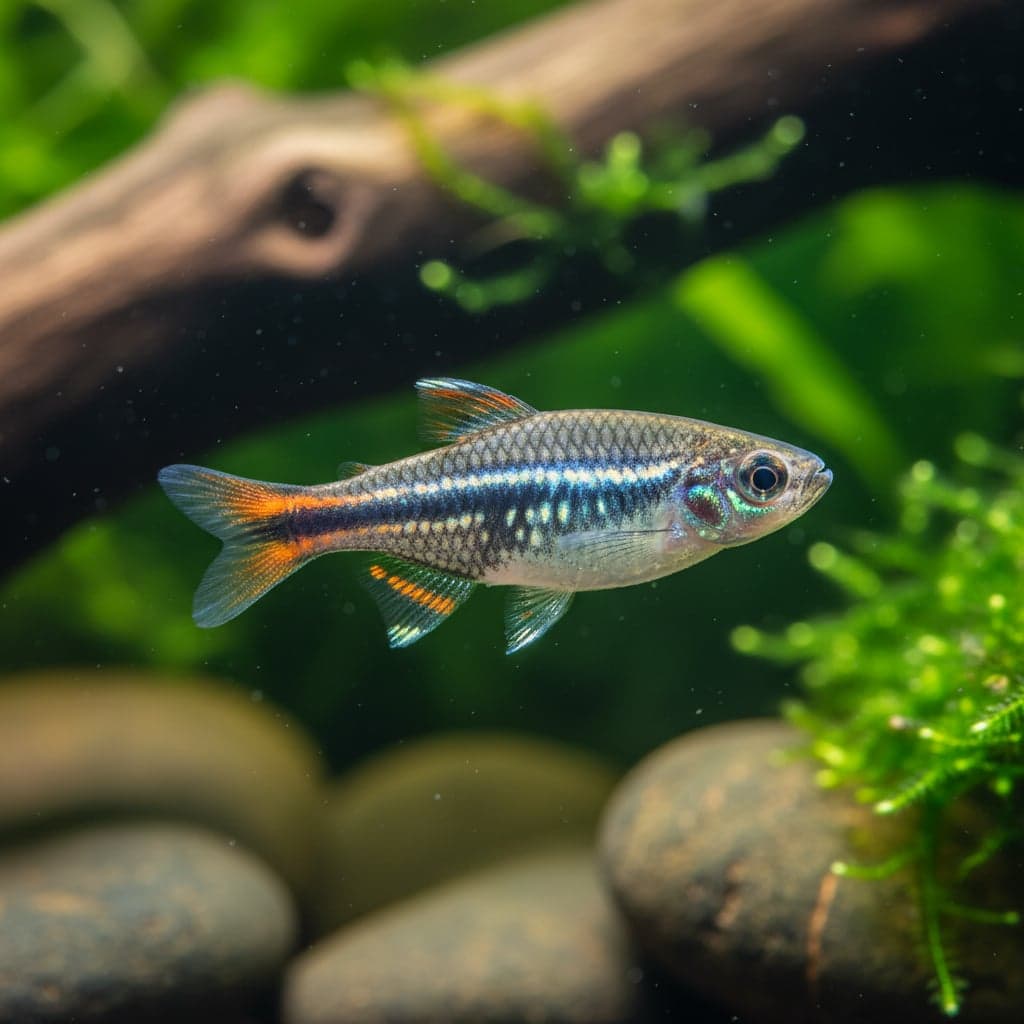
Spotted Orange-finned Danio: Danio kyathit
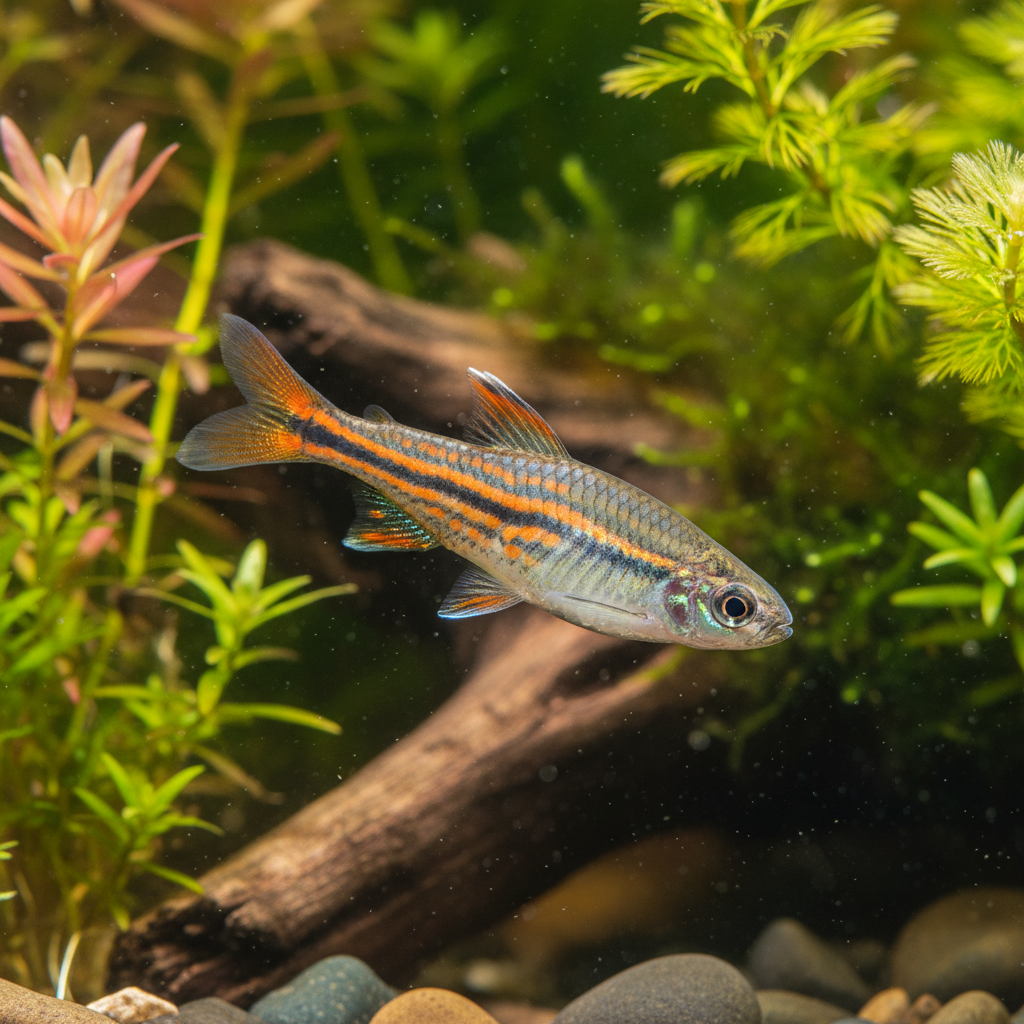
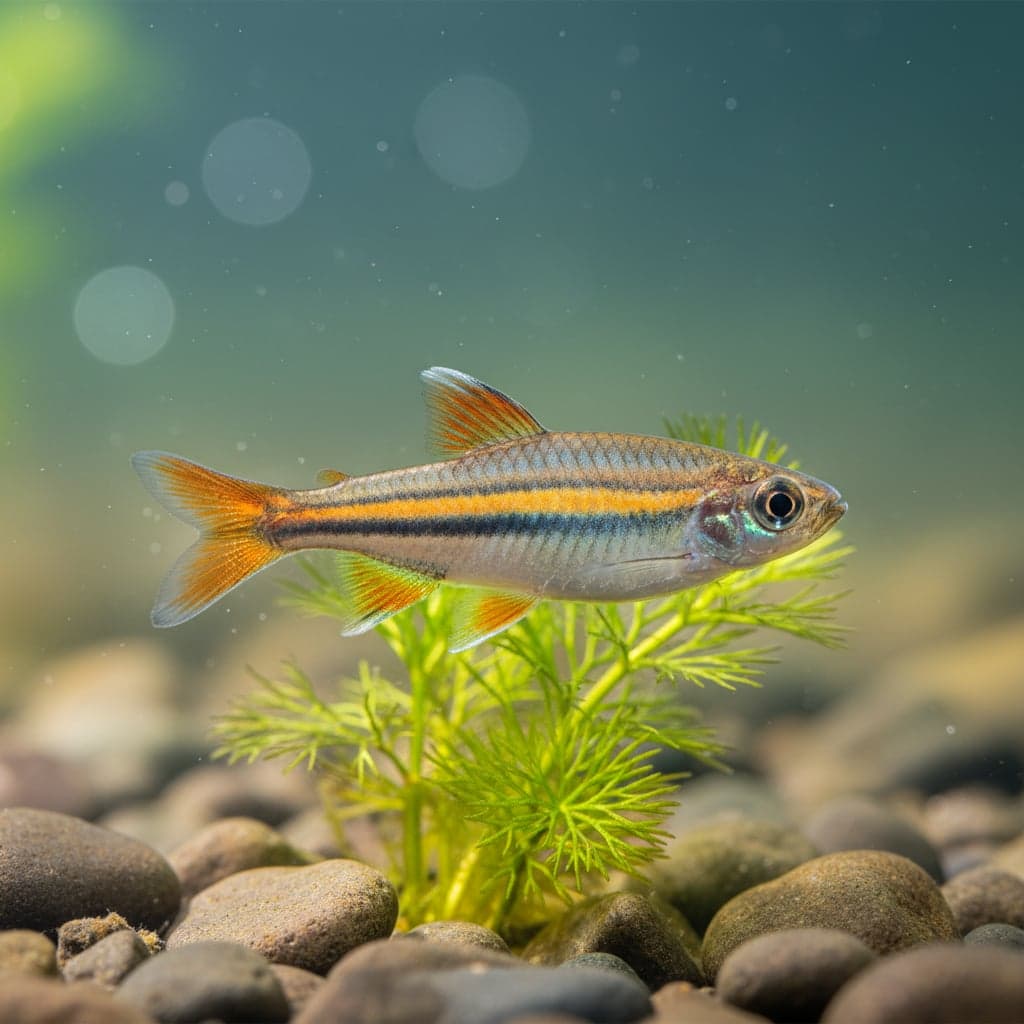
An incredibly vibrant, hyper-active mid-water nano-fish heavily featuring electric orange fins and a wildly spotted leopard-like body.
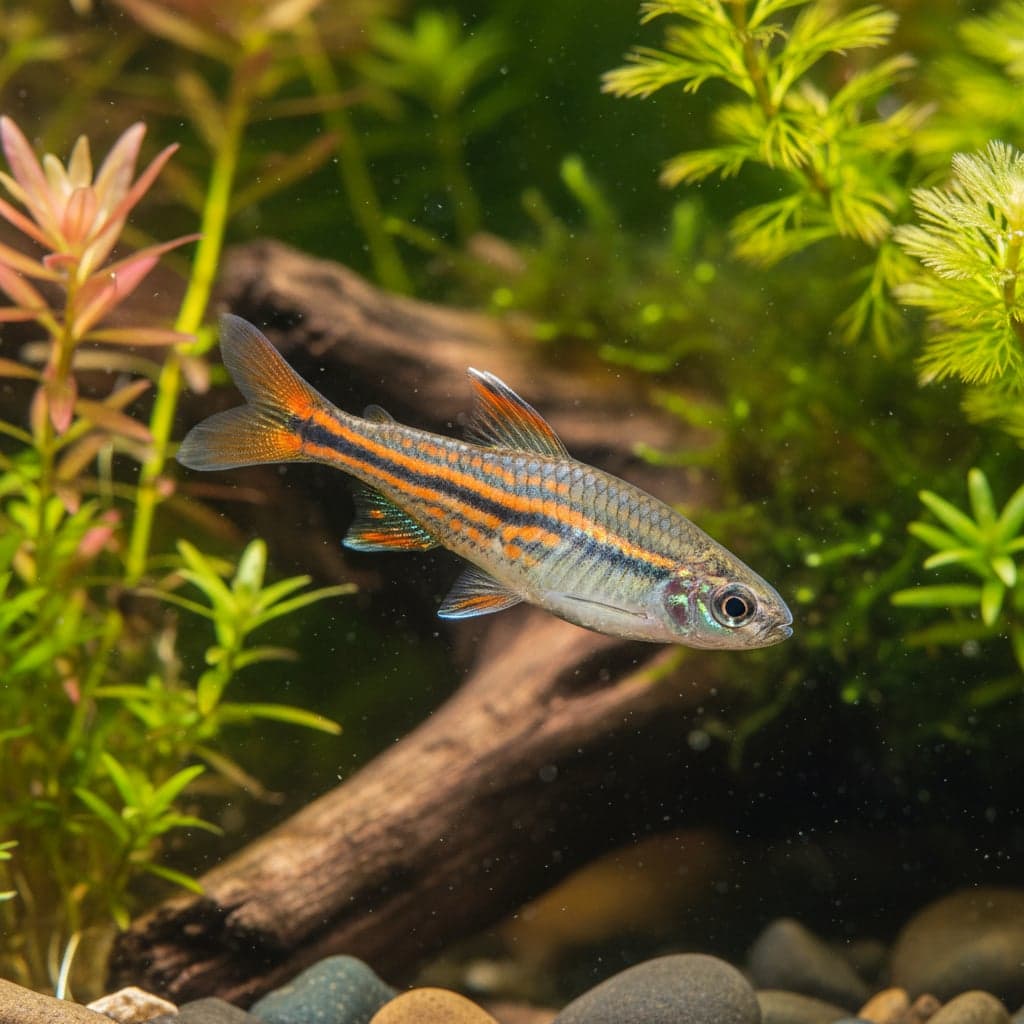
Spotted Orange-finned Danio
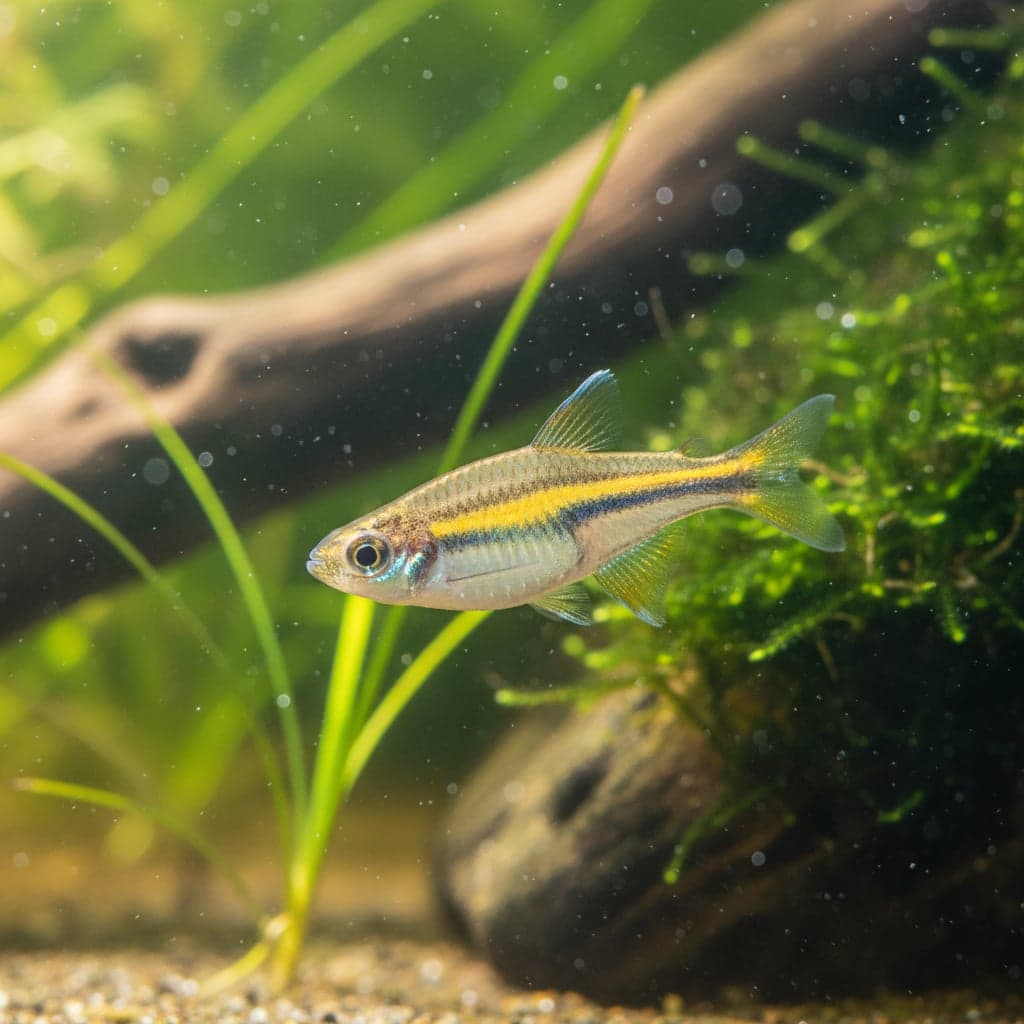
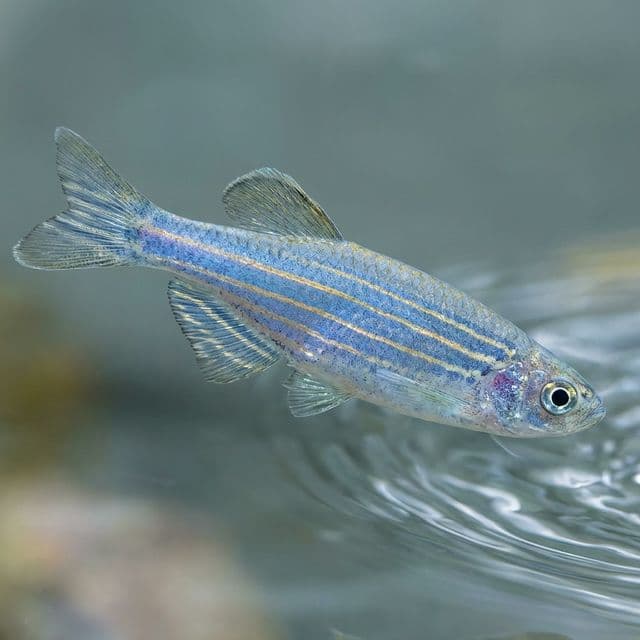
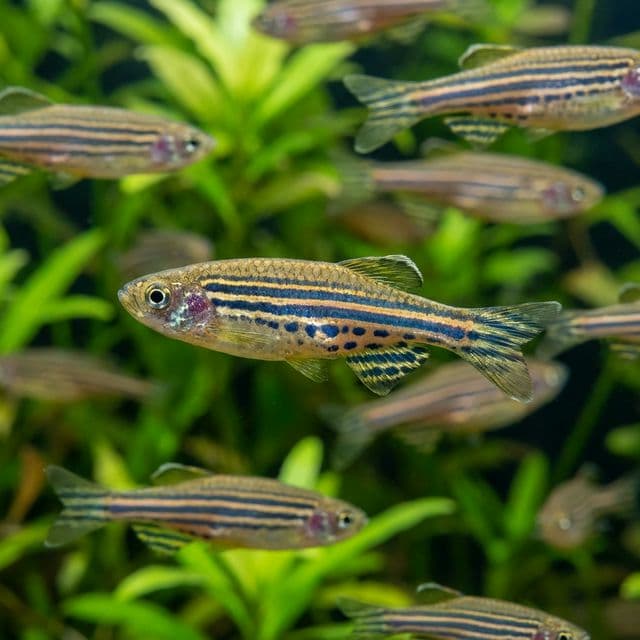
The Spotted Orange-finned Danio (Danio kyathit) is a captivating freshwater fish that has gained popularity among aquarists for its stunning appearance and lively nature. This small, vibrant species features an elongated body adorned with striking orange fins and distinct spots along its flanks, making it a visual delight in any aquarium setup. Averaging around 2 to 3 inches in length, the Spotted Orange-finned Danio exhibits an undeniable charm that appeals to both novice and experienced fishkeepers alike. Its unique coloration and active swimming behavior add a dynamic aesthetic to community tanks, providing visual vibrancy and entertainment.
In addition to its aesthetic appeal, the Spotted Orange-finned Danio holds significance in the aquarium hobby for its resilient nature and ease of care. Native to specific regions in Southeast Asia, this species is well-suited for a wide range of aquarium conditions, making it an excellent choice for beginners. Its hardy nature allows it to thrive in varying water parameters, and its peaceful temperament ensures compatibility with a diverse range of tank mates. The Spotted Orange-finned Danio is not only a stunning addition but also a symbol of the joy of keeping aquatic life, embodying the spirit of discovery and appreciation that many aquarists cherish.
Natural Habitat & Origin
The Spotted Orange-finned Danio originates from the freshwater rivers and streams of Myanmar, specifically in regions characterized by slow-moving waters rich in vegetation. These waterways often exhibit clear and slightly acidic conditions, typical of the area's ecological dynamics. The fish thrive in environments that feature a lush array of submerged plants, where they find shelter and safety from predators. The natural habitats of Danio kyathit are essential not only for their survival but also for understanding their behavioral patterns and care requirements in captivity.
In the wild, these fish inhabit areas with moderate to gentle water flow, sometimes found in proximity to submerged leaf litter and dense aquatic plants. The presence of these natural elements provides both food sources and breeding opportunities while contributing to the overall health and well-being of the species. The clear, oxygen-rich waters of the rivers and streams they inhabit support a diverse diet and encourage a social environment, characteristics that aquarists should aim to replicate in captivity.
Care Requirements
To provide optimal care for the Spotted Orange-finned Danio, it is vital to maintain specific water parameters. Ideally, the pH should range from 6.0 to 7.5, with a temperature between 75°F and 82°F (24°C to 28°C). Water hardness should be within a range of 5 to 15 dGH, ensuring a stable and healthy living environment. These parameters not only mimic their natural habitat but also support their overall health and vitality.
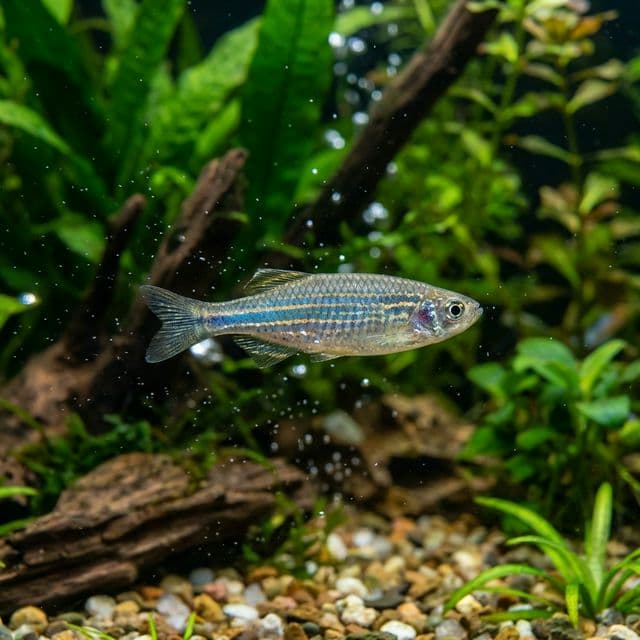
When setting up a tank for the Spotted Orange-finned Danio, a minimum tank size of 20 gallons is recommended, as they are active swimmers that thrive in spacious environments. A fine substrate is ideal to mimic their natural habitat, with plenty of plants, driftwood, and decor to create hiding spots and open swimming areas. Good lighting should be provided to promote plant growth while ensuring areas of shade where the fish can seek refuge. The presence of live plants also helps to maintain water quality and provides a more natural environment that encourages natural behaviors.
Diet & Feeding
As omnivores, Spotted Orange-finned Danios have a varied diet that includes both plant and animal matter. In the wild, they consume small invertebrates, algae, and detritus, which contributes to their well-rounded nutritional needs. In captivity, a well-balanced diet should consist of high-quality flakes or pellets designed for tropical fish, supplemented with frozen or live foods such as daphnia, brine shrimp, and bloodworms. Offering a variety of foods not only ensures that they receive adequate nutrition but also stimulates their natural foraging behaviors.
Feed the Spotted Orange-finned Danio small amounts two to three times a day, ensuring they finish their meals within a few minutes to prevent water quality issues. Additionally, incorporating vegetable-based supplements, such as blanched spinach or spirulina, can enhance their dietary diversity and contribute to their health. Regular monitoring of their feeding habits can help identify any potential issues early on, allowing for adjustments to their diet as needed.
Behavior & Temperament
The Spotted Orange-finned Danio is well-regarded for its peaceful and sociable behavior, making it an ideal candidate for community tanks. This species is highly active, exhibiting playful swimming patterns and notable schooling habits, which contribute to its joyfulness and liveliness in the aquarium. It is recommended to house them in groups of at least six to maintain their social dynamics and reduce stress.
In terms of tank placement, Spotted Orange-finned Danios primarily occupy the upper to mid-level regions of the tank, where they can freely swim and interact with their fellow tank mates. Their non-aggressive nature allows them to coexist harmoniously with many other species, further enhancing the community aspect of a well-planned aquarium. However, it is important to introduce them into a peaceful setup, as overly aggressive tank mates could lead to stress and health issues.
Tank Mates
When selecting tank mates for the Spotted Orange-finned Danio, it is crucial to choose species that share similar temperaments and environmental preferences. Compatible companions include peaceful freshwater fish such as neon tetras, guppies, rasboras, and small corydoras species. These fish tend to have similar schooling behavior and thrive in similar water conditions, creating a harmonious community.
On the other hand, it is essential to avoid housing Spotted Orange-finned Danios with aggressive species, such as cichlids or fin-nippers like certain barbs, as these can pose a threat to their well-being. Additionally, large predatory fish should be excluded from the tank setup, as they may view the danios as potential prey. A well-balanced community ensures that the Spotted Orange-finned Danios can flourish, exhibiting their natural behaviors in a stress-free environment.
Breeding
Breeding the Spotted Orange-finned Danio in captivity can be a rewarding experience for aquarists, although it may require specific conditions to encourage successful spawning. This species is known for its egg-scattering behavior; hence, a separate breeding tank is highly recommended. Ideal conditions for breeding include slightly acidic water, a temperature range of 78°F to 80°F (26°C to 27°C), and plenty of fine-leaved plants or spawning mats to facilitate egg-laying.
To initiate the breeding process, feed the breeding pair a high-quality diet for several days prior to spawning. Once ready, the female will scatter eggs across the plants or substrate while the male fertilizes them. After breeding, it is advisable to remove the adult fish from the breeding tank to prevent them from consuming the eggs. Within 24 to 48 hours, the eggs will hatch, and the fry can be fed with infusoria or finely crushed flake food until they are large enough to accept larger food particles.
Common Health Issues
While the Spotted Orange-finned Danio is generally a hardy species, it can be susceptible to common freshwater fish ailments if not properly cared for. Issues such as ich, fin rot, and bacterial infections may arise, particularly in poorly maintained tanks or under stress. To prevent these health issues, maintain excellent water quality with regular partial water changes, avoid overcrowding, and quarantine new fish before adding them to the community. A varied diet and stable temperatures further support their immune systems. Prompt attention to clamped fins, flashing, or lethargy keeps Spotted Orange-finned Danios healthy and active.