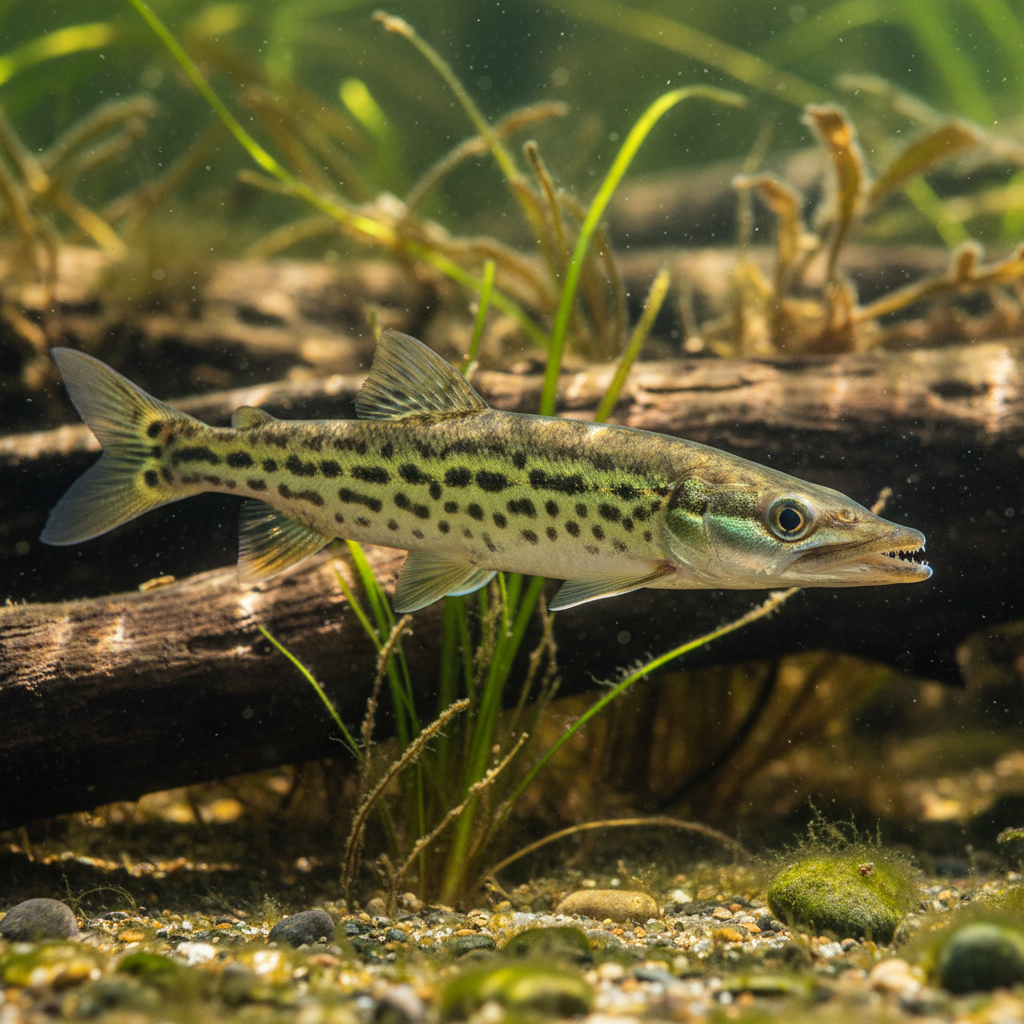
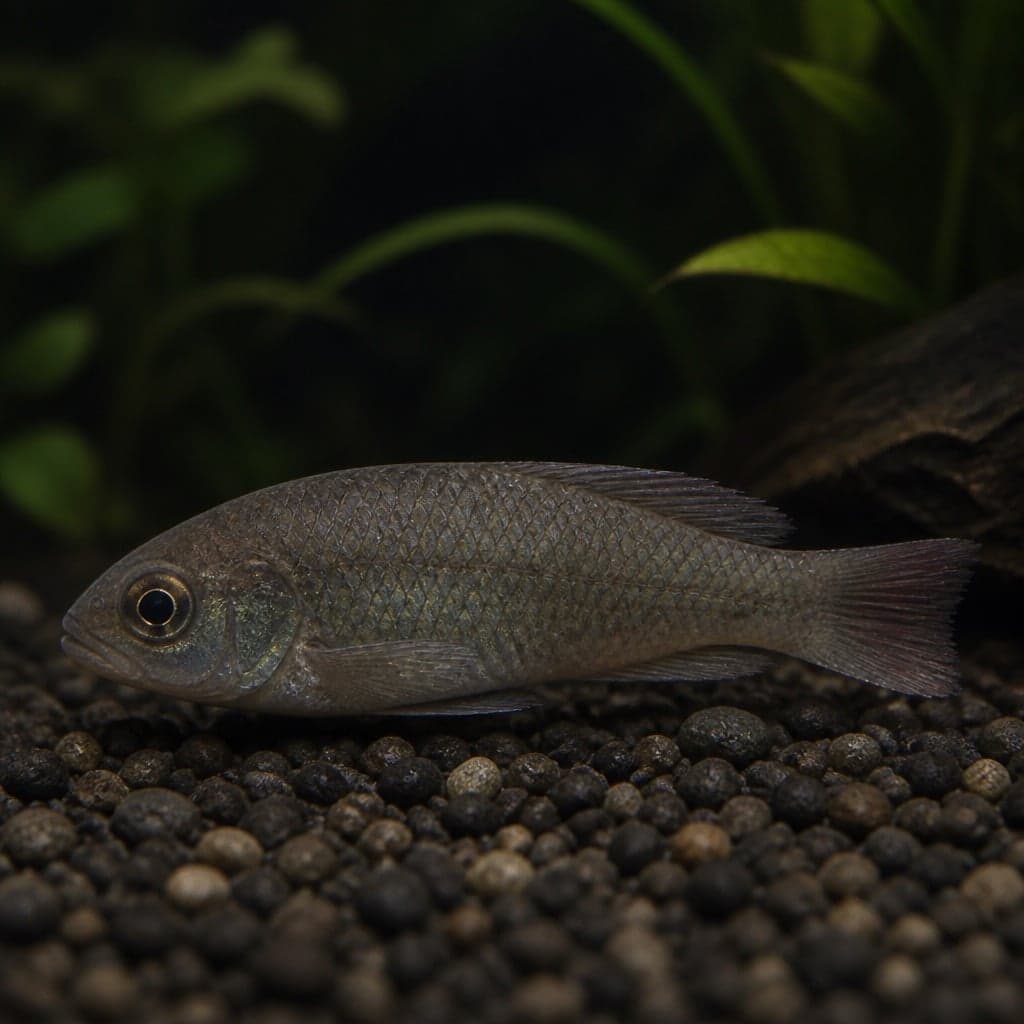
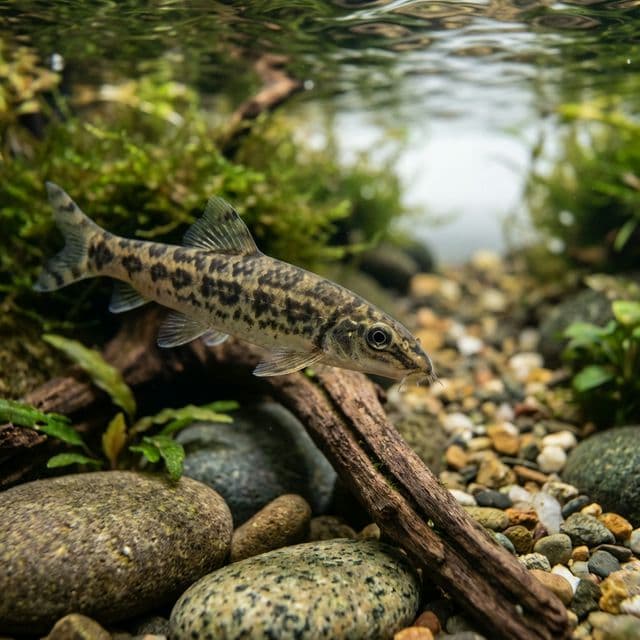
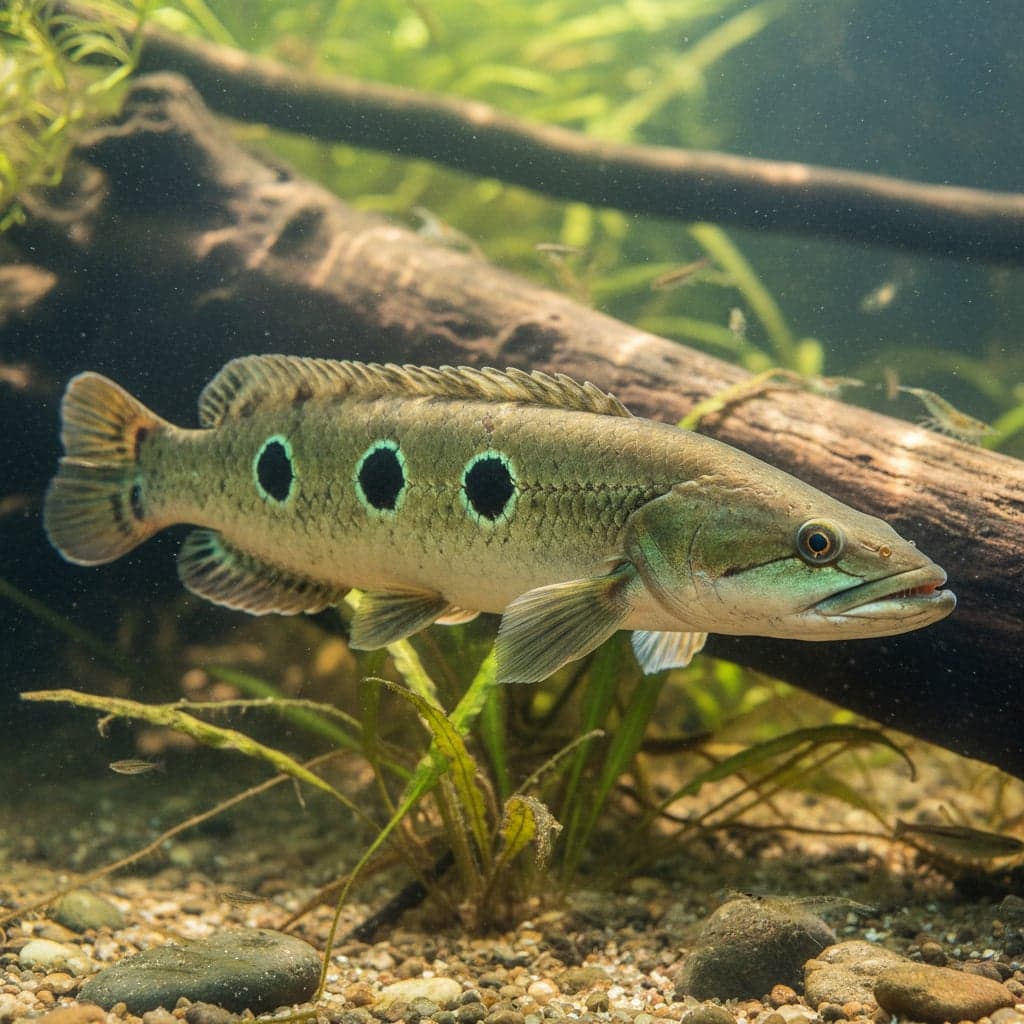
Spotted Pike Characin: Boulengerella maculata
A deeply fascinating, intensely elongated South American surface ambush predator perfectly mimicking a floating, spotted stick.
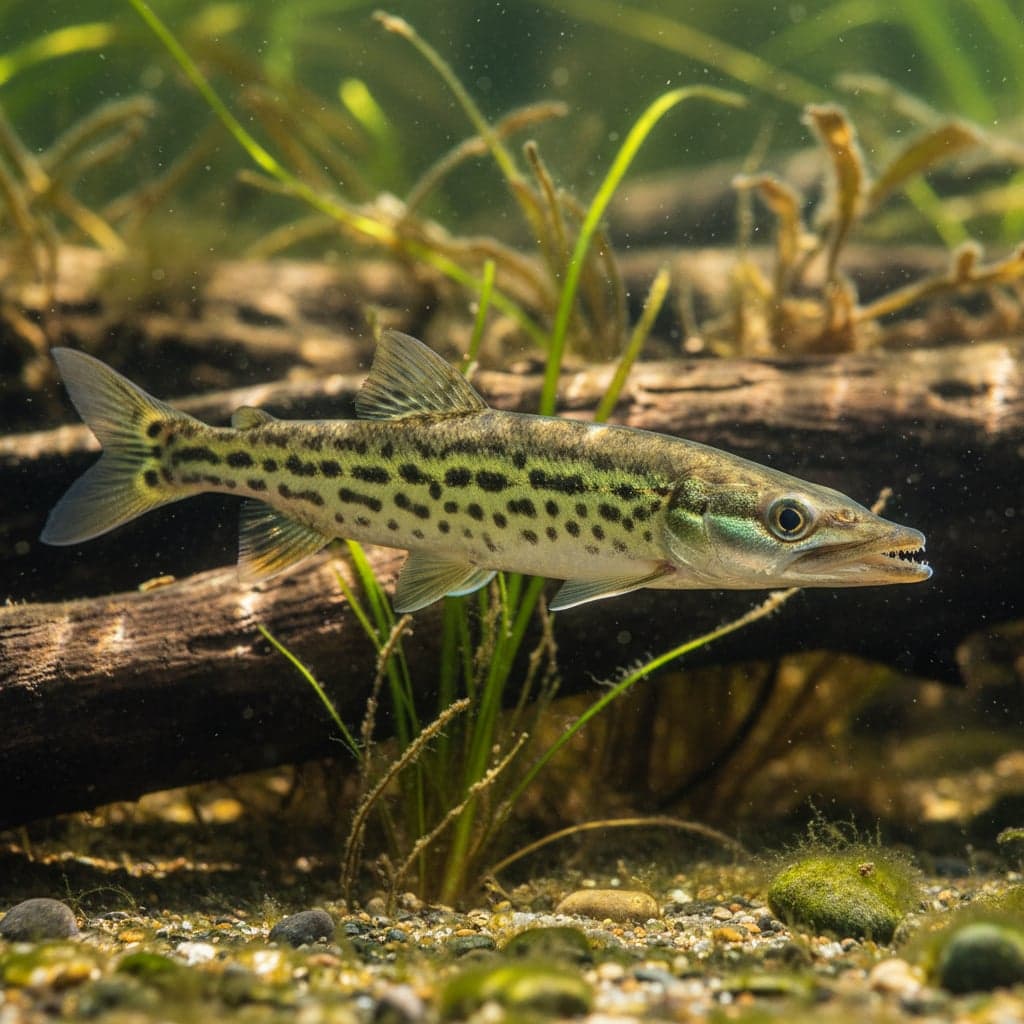
Spotted Pike Characin
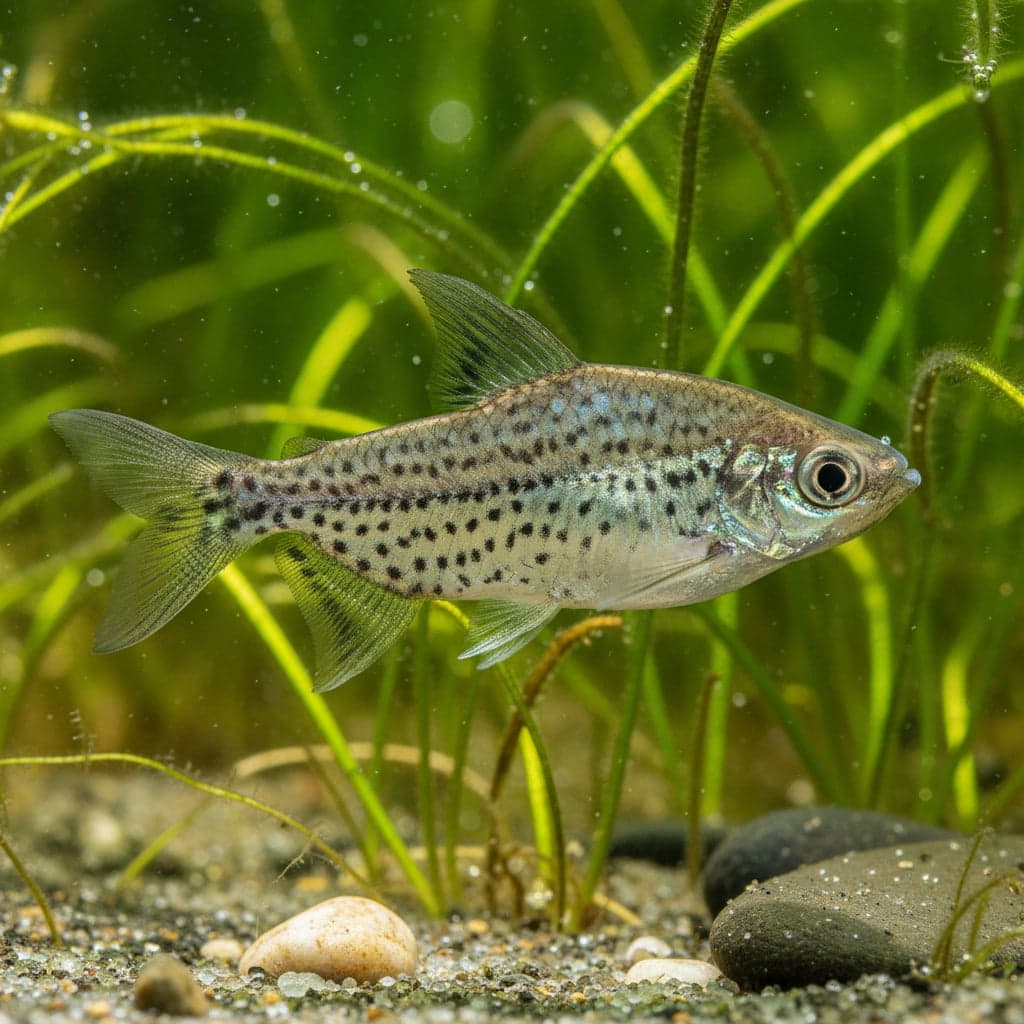
The Spotted Pike Characin (Boulengerella maculata) is a fascinating freshwater fish that belongs to the family of pike characins, known for their elongated bodies and impressive hunting abilities. This species exhibits a striking appearance, characterized by a streamlined shape adorned with distinctive dark spots set against a silvery backdrop. This visual appeal makes the Spotted Pike Characin not only a captivating centerpiece in a well-planned aquarium but also a sought-after species among aquarists looking for something unique and dynamic. With its sleek profile and graceful movements, it captivates the attention of anyone who has the joy of observing it.
In the aquarium hobby, the Spotted Pike Characin holds significant importance due to its predatory nature and elegant beauty. As a species that displays unique hunting characteristics, it adds an essential layer of intrigue for aquarists who thrive on observing natural behaviors. Its active swimming style, combined with its stunning coloration, makes it a wonderful choice for larger tanks where it can exhibit its fascinating predatory instincts. Through understanding the specific needs and behaviors of the Spotted Pike Characin, enthusiasts can create an enriching environment that mirrors its natural habitat, fostering not only the well-being of the fish but also the enjoyment of its keeper.
Natural Habitat & Origin
The Spotted Pike Characin is native to the slow-moving rivers and floodplains of the Amazon Basin, primarily found in countries like Brazil, Colombia, and Peru. This species thrives in blackwater environments, which are often characterized by stained, tea-colored waters rich in organic materials such as leaves and sediment. These biotopes provide the Spotted Pike Characin with essential cover and hunting grounds, as the dark waters are interspersed with sunlit shallows that attract small fish and other prey. Natural vegetation, which may include floating plants and submerged logs, plays a pivotal role in its habitat by offering shelter and breeding sites.
Within its environment, the Spotted Pike Characin has adapted to a range of water conditions, often thriving in warm, slightly acidic waters. The combination of slow currents and dense vegetation in its natural habitat further shapes its behavior and ecological interactions. The understanding of this unique habitat allows aquarists to replicate similar conditions within a home aquarium, thereby promoting the health and vitality of this stunning species.
Care Requirements
To provide optimal care for the Spotted Pike Characin, specific water parameters must be maintained: a pH level between 6.0 and 7.5, a temperature range of 75°F to 82°F (24°C to 28°C), and soft to moderately hard water with a hardness of 3 to 10 dGH. The minimum tank size for a Spotted Pike Characin should be at least 50 gallons to allow ample swimming space and to accommodate its active lifestyle. The substrate should consist of fine sand or dark gravel to mimic its natural habitat while also reducing injury risk to the fish.
For the tank setup, aquarists should incorporate plenty of hiding spots and structures using driftwood, rocks, and live plants. It is crucial to simulate a dimly lit environment with moderate to low lighting, as this helps the Spotted Pike Characin feel secure and encourages natural foraging behaviors. Aquatic plants, such as Java fern and Anubias, should be strategically placed to create cover, while open swimming spaces should also be maintained to accommodate the fish’s predatory instincts.
Diet & Feeding
The Spotted Pike Characin is primarily a carnivorous species that thrives on a diet rich in protein. In captivity, it can be easily fed a varied diet of high-quality flakes, pellets, frozen foods like bloodworms or brine shrimp, and live foods such as small fish or insects. It is recommended to provide a diverse diet to ensure optimal health and coloration, while also taking care to tailor the feeding regimen based on the individual fish's preferences. Because of its predatory nature, feeding should mimic its hunting behavior by offering foods that require some chasing or foraging.
Feeding should be conducted once or twice daily, with portions that your fish can consume within a few minutes to avoid polluting the tank. Observing the Spotted Pike Characin during feeding times provides insight into its feeding habits and preferences, enabling aquarists to adjust the diet for the best possible health outcomes.
Behavior & Temperament
The Spotted Pike Characin is known for its active and dynamic behavior, exhibiting characteristics typical of predatory fish. It displays a somewhat territorial nature, particularly when it comes to feeding and breeding, yet it can sometimes coexist with other species. While this fish may exhibit a schooling tendency, it is generally more comfortable alone or in pairs. In terms of vertical placement within the tank, it typically inhabits the mid and upper levels, where it can effortlessly hunt and explore its environment.
Due to its predisposition toward aggression, especially when competing for food, it is important to monitor its interactions with tank mates closely. Establishing a secure environment filled with hiding spots will help minimize stress and aggression, allowing the Spotted Pike Characin to feel more at home.
Tank Mates
When selecting compatible species for a tank with Spotted Pike Characins, careful consideration is necessary due to their predatory nature. Suitable tank mates include larger-bodied fish that can tolerate similar water parameters, such as silver dollars, cichlids, and larger tetras. However, small or slow-moving fish should be avoided, as they may become potential prey. Other compatible tank mates could include some catfish species, larger barbs, and certain types of loaches.
Conversely, small fish, neon tetras, or any species that resembles fry may face significant risk and should not be housed with the Spotted Pike Characin. It's crucial to assess individual fish behavior and compatibility, so ongoing monitoring is essential to ensure a peaceful community tank environment.
Breeding
Breeding the Spotted Pike Characin in captivity can be a challenge, but it is possible with the right conditions. To induce breeding, aquarists will want to provide a separate breeding tank with gentle filtration and plenty of vegetation or spawning mops, where the female can deposit her eggs. A temperature range of 80°F to 84°F (27°C to 29°C) and slightly acidic water (pH around 6.5) can help stimulate spawning.
During breeding, the male will often chase the female, prompting her to lay eggs among the plants. Once spawning has occurred, the parents should be removed from the tank, as they may consume the eggs. Within 24 to 48 hours, the eggs will hatch, and the fry can be fed infusoria or finely crushed flakes until they grow large enough to accept larger food items.
Common Health Issues
Spotted Pike Characins may be susceptible to several health issues commonly seen in aquarium fish, including ich, fin rot, and various bacterial infections. Maintaining optimal water quality, including regular water changes and monitoring parameters, is crucial in preventing these ailments. Additionally, stress factors, such as overcrowding or poor tank conditions, can significantly compromise their immune systems.
Regular observation is essential to catch any signs of illness early, such as changes in behavior, appetite, or physical appearance. Providing a stress-free environment, maintaining a balanced diet, and ensuring tank hygiene can aid in prevention. If any health issues arise, prompt treatment with aquarium-safe medications and isolation of affected fish can prevent outbreaks from spreading through the tank. Quarantine new arrivals, avoid overcrowding, and keep filtration and water changes on schedule. A varied diet of quality foods supports a strong immune response. Watch for white spots, frayed fins, clamped fins, or loss of appetite. With stable parameters, ample swimming space, and attentive care, Spotted Pike Characins stay healthy, active predators in the aquarium.